
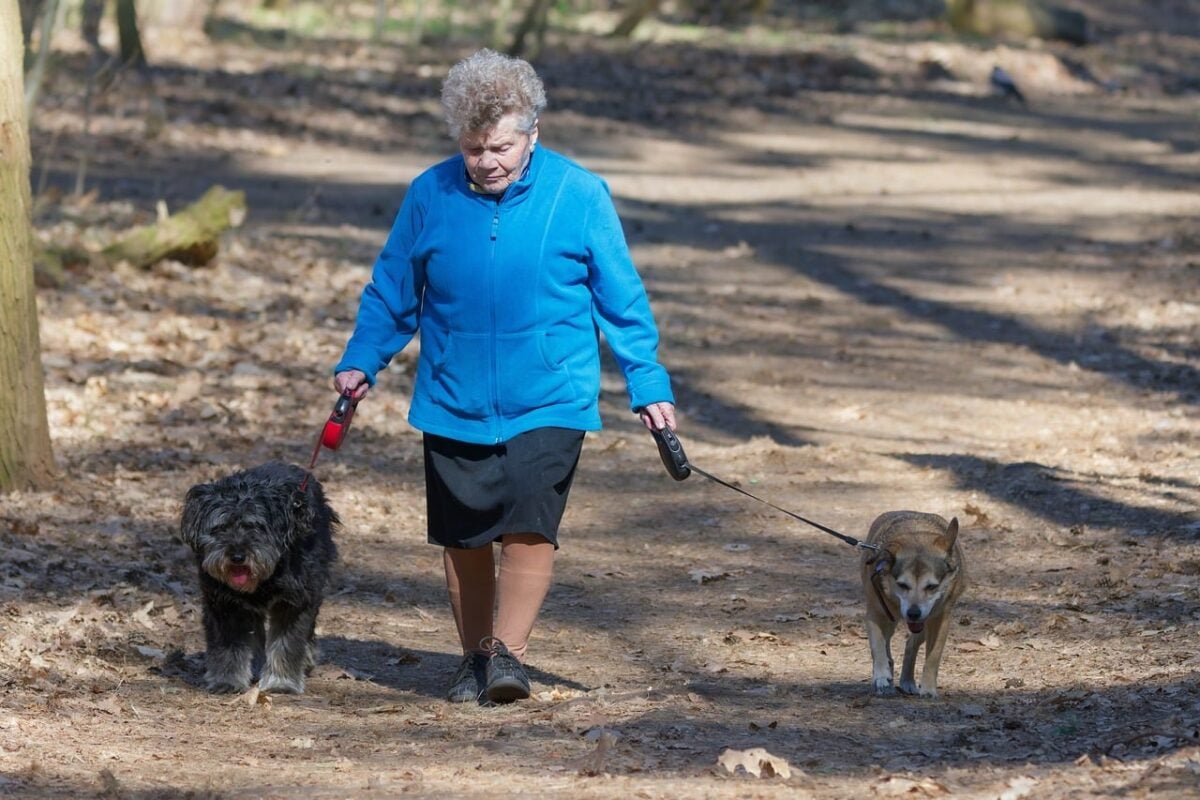
Most owners watch their dog’s muzzle turn gray and quietly brace for decline, like it’s some unstoppable countdown. But here’s the part almost nobody tells you: vets say a huge chunk of what looks like “just old age” is actually stuff we’re accidentally overlooking, not something written in stone.
The gap between a senior dog who’s merely surviving and one who’s still thriving usually isn’t a miracle drug or an expensive surgery. It’s a handful of small, unglamorous habits – and once you see the list, you’ll wonder how many good days you’ve already missed.
15 – Twice-a-Year Vet Visits, Not Once
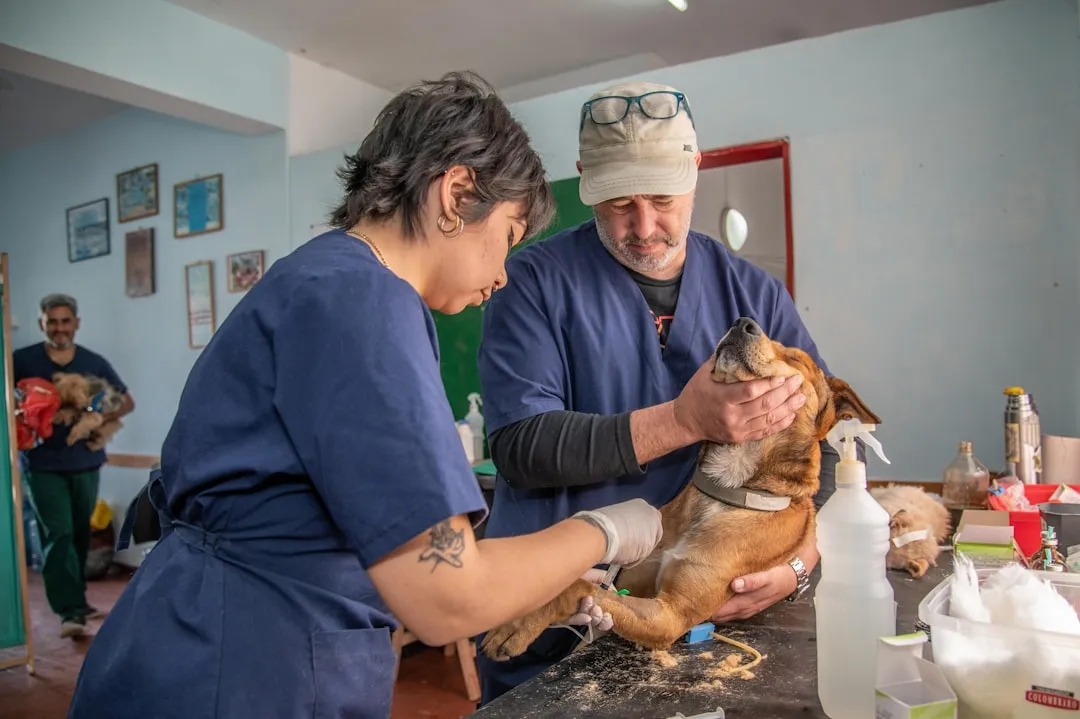
Here’s the uncomfortable math: one dog year can pack in several human years’ worth of change. An annual checkup that worked fine at age four suddenly leaves a six-month blind spot wide enough for arthritis, kidney decline, or a rotting tooth to take hold before anyone notices.
Bi-annual exams catch those problems while they’re still small and manageable, not after they’ve become a crisis. It sounds almost too simple to matter, but vets consistently point to this one shift as the difference between catching disease early and catching it too late.
Fast Facts
- Small dogs usually aren’t considered senior until age 10-12, while large and giant breeds can hit that mark by age 5-6
- Bi-annual senior exams often include a complete blood count, chemistry panel, thyroid screening, and urinalysis
- Roughly one in five dogs will develop arthritis as they age, according to the Arthritis Foundation
14 – Swapping to a Senior-Specific Diet

That “senior formula” bag isn’t just clever packaging. Aging dogs burn fewer calories but still need serious high-quality protein to hang onto muscle, and getting that balance wrong quietly accelerates the frailty owners assume is inevitable.
Diets built around omega-3 fatty acids do double duty, easing stiff joints while also supporting a brain that’s starting to slow down. It’s worth an actual conversation with your vet rather than guessing off a bag label, because the right food can push back against decline in ways that surprise people.
13 – Keeping the Weight Off Before It Piles On
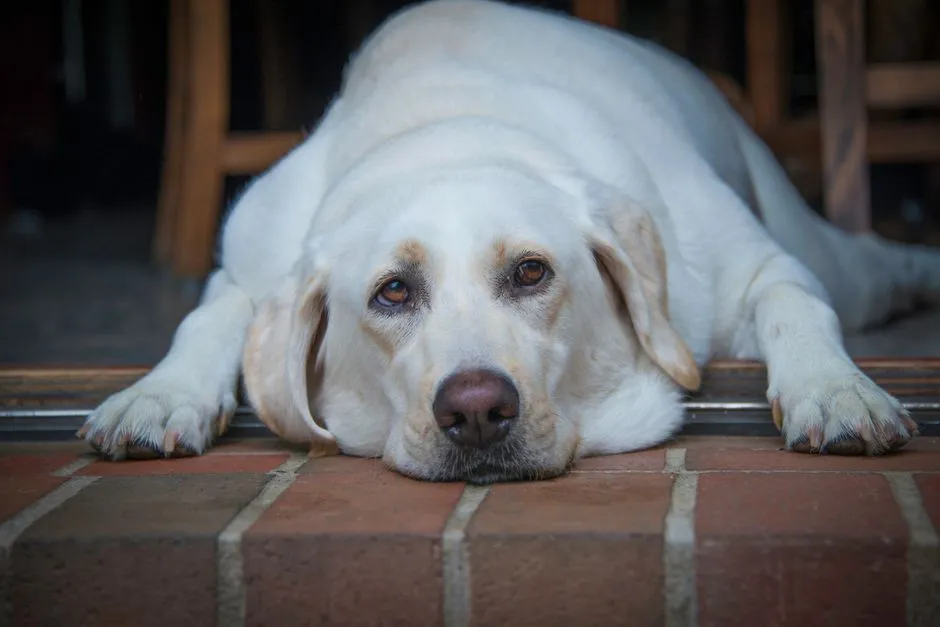
Extra pounds on a senior dog aren’t just cosmetic. They grind down already-aching joints and put a struggling heart under even more strain, turning manageable conditions into painful ones.
Portion control paired with the right amount of movement can genuinely add years, not just comfort. Regular weigh-ins sound tedious, but they’re often how owners catch a slow, sneaky weight gain before it becomes the reason their dog stops wanting to walk at all.
12 – Trading Fetch for Gentle, Steady Movement
Nobody expects a ten-year-old dog to sprint after a ball anymore, and that’s fine. What vets actually worry about is the opposite extreme: owners who assume a slower dog needs no exercise at all, when the truth is the opposite.
Short, unhurried walks or a little swimming keep joints from stiffening and muscles from wasting away. The key is watching your dog’s own signals rather than pushing a fixed routine, because a good day and a bad day can look very different in the same week.
11 – Puzzle Toys and Scent Games for a Sharper Mind
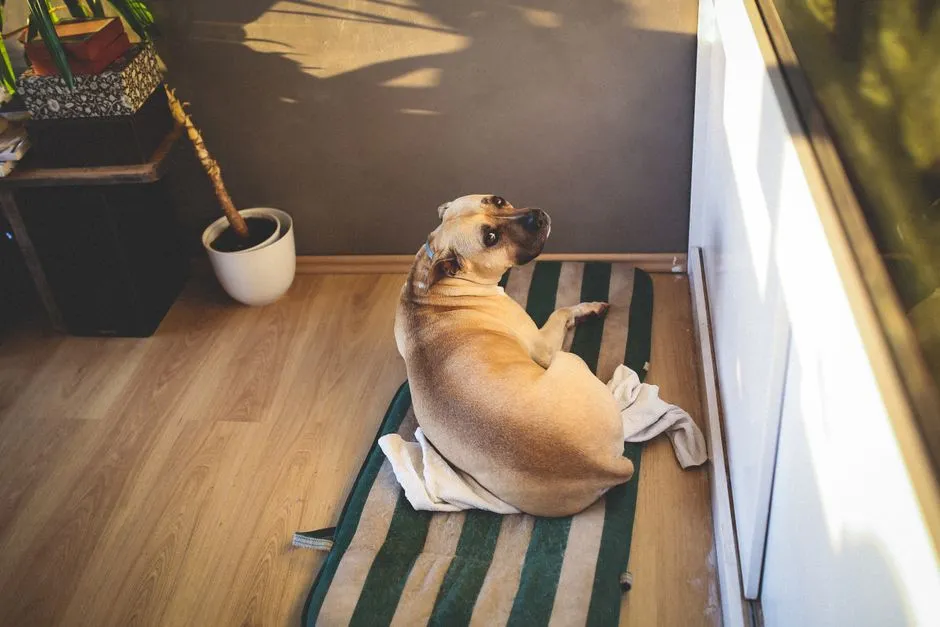
Cognitive decline in senior dogs isn’t some unavoidable fate, and that’s genuinely reassuring news. A brain that’s still being challenged tends to stay sharper for longer, the same way it does in people.
Snuffle mats, new tricks, and simple scent-based games give an aging mind something to chew on. It’s a small daily habit that can be the difference between a dog who seems foggy and confused and one who’s still curious and engaged well into old age.
10 – Rethinking the House From a Sore Dog’s Point of View
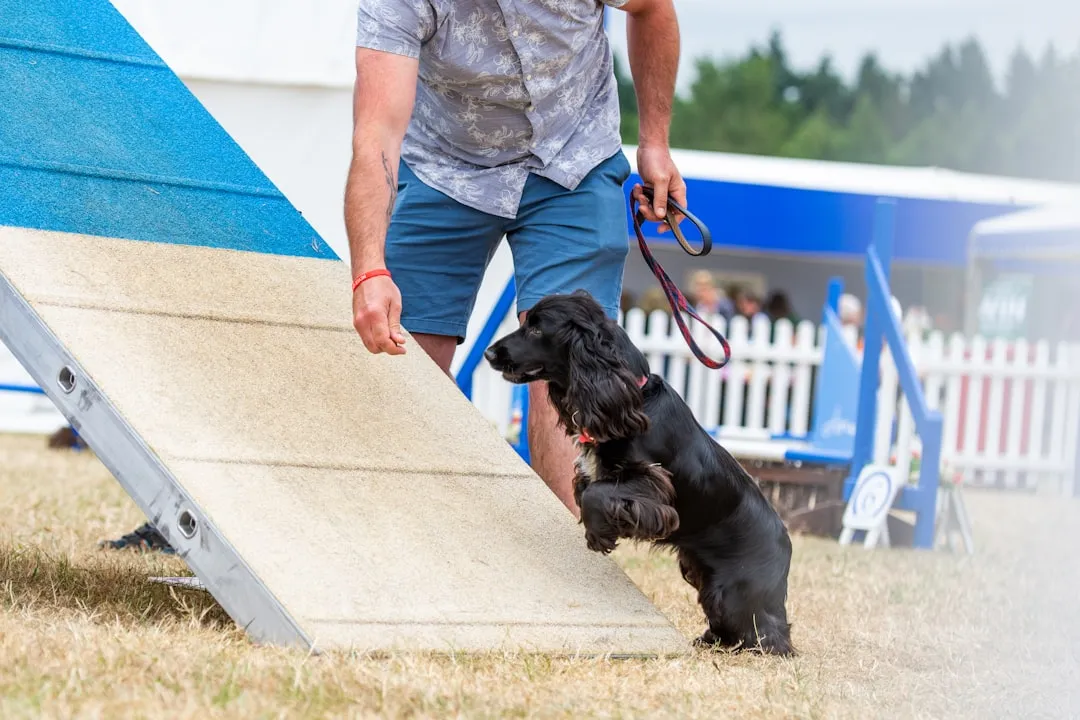
Picture arthritic hips trying to navigate a slick hardwood floor or a too-tall couch. What used to be effortless is now a genuine obstacle course, and most owners never notice because they’re not the ones feeling it.
Orthopedic beds, non-slip rugs, and a simple ramp by the door can quietly erase a huge amount of daily pain. These aren’t luxury upgrades so much as basic accessibility fixes, and vets say they often produce a visible change in mobility within days.
At a Glance
- Orthopedic beds cushion pressure points and ease strain on aging joints during rest
- Non-slip rugs or yoga mats prevent slips and falls on hardwood or tile floors
- Pet ramps or steps remove the need for painful jumps onto beds, couches, or cars
- Raised food and water bowls reduce neck and joint strain at mealtime
9 – Grooming as an Early Warning System
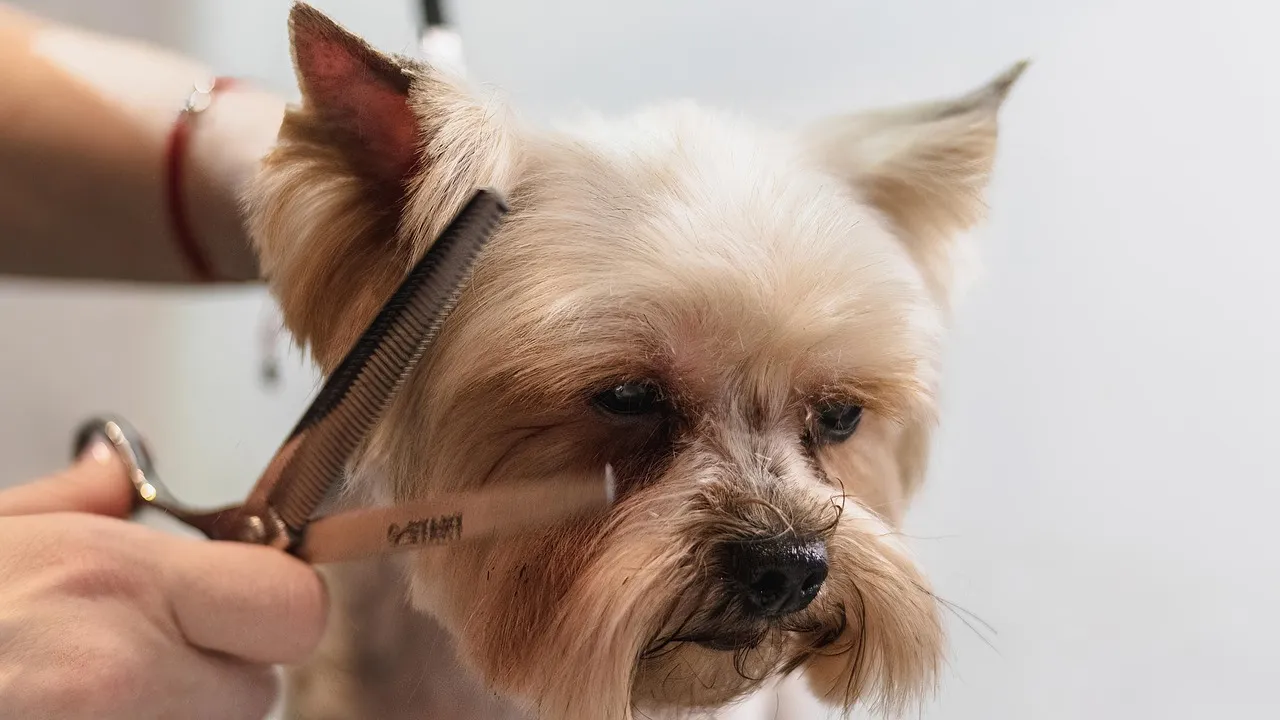
Older dogs often lose the flexibility to groom themselves properly, which means mats, skin irritation, and overgrown nails creep in unnoticed. Left alone, those small discomforts start affecting how a dog walks and even how it feels about being touched.
But grooming sessions serve a second, sneakier purpose. Running your hands over your dog regularly means you’re the first to feel a new lump, a sore spot, or a swelling – often well before it would show up on its own.
8 – The Mouth Problem Nobody Talks About Enough
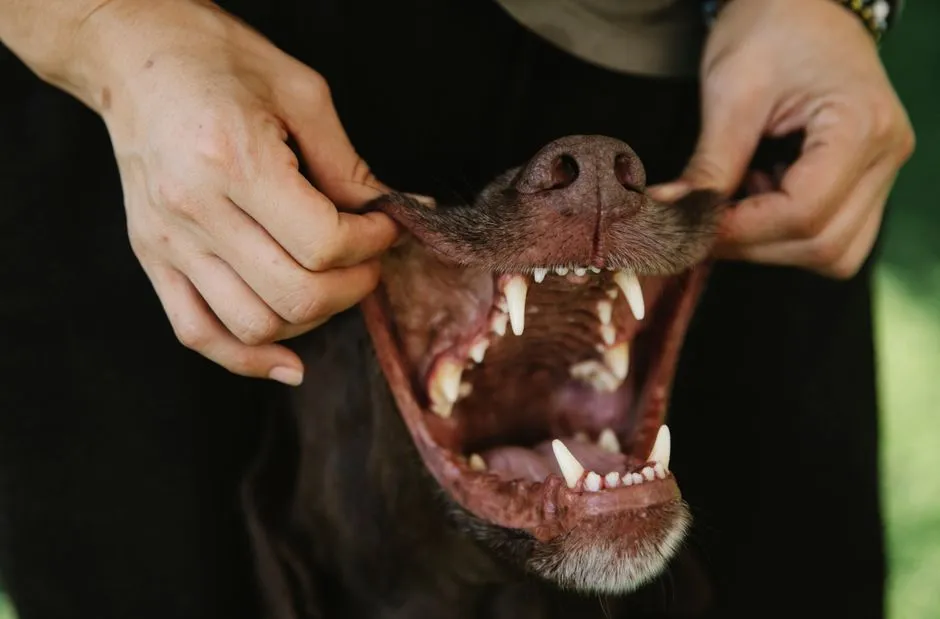
Dental disease is brutally common in senior dogs, and it’s not just about bad breath. Untreated infection in the mouth can leak into the bloodstream and quietly stress the heart, kidneys, and liver.
Brushing, dental chews, and professional cleanings aren’t cosmetic extras; they’re preventative medicine. A healthy mouth is one of the more overlooked pillars of a senior dog’s overall well-being, and it’s an easy one to fix.
Worth Knowing
- An estimated 80-90% of dogs show some component of periodontal disease by age three
- Untreated periodontal disease has been linked to cardiac, hepatic, and renal complications
- The risk of periodontal disease climbs roughly 20% with every additional year of a dog’s life
7 – Why Predictability Becomes Everything

A younger dog might shrug off a chaotic schedule. A senior dog, especially one whose senses are starting to fade, often can’t. Consistent feeding, walking, and sleeping times become an anchor that keeps anxiety and confusion at bay.
Sudden schedule changes that once seemed harmless can now trigger real stress. Keeping routines steady isn’t about being rigid for its own sake; it’s about giving an aging dog one less thing to have to figure out.
6 – Navigating a World That’s Going Dark and Quiet
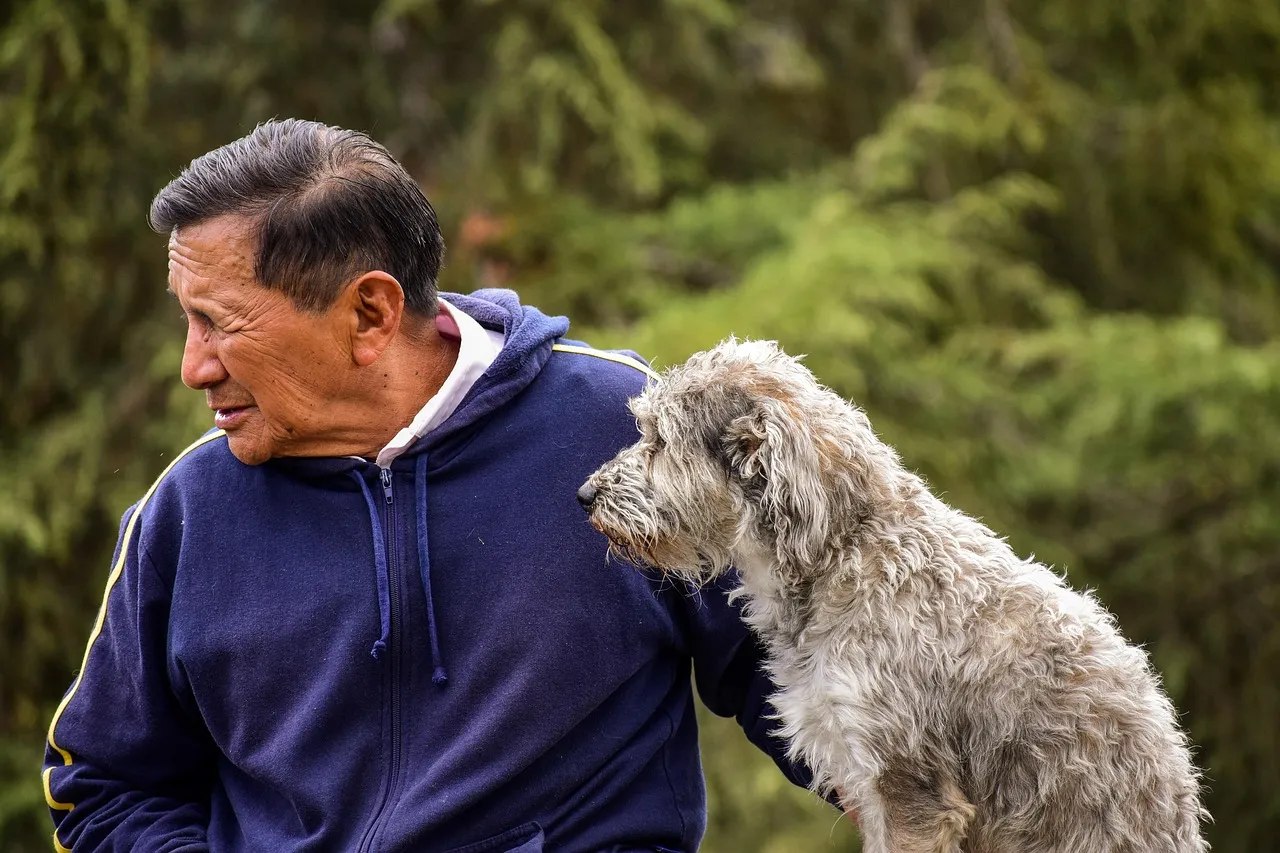
Fading eyesight and hearing are some of the cruelest parts of aging, because dogs can’t tell you it’s happening. Rearranging furniture or approaching from behind without warning can turn a familiar home into a source of constant startle and stress.
Keeping the layout consistent and switching to hand signals or gentle touch cues gives a dog with declining senses something solid to rely on. It’s less about compensating for a disability and more about letting them move through the world with confidence intact.
5 – Chronic Pain Isn’t Just “Getting Old”
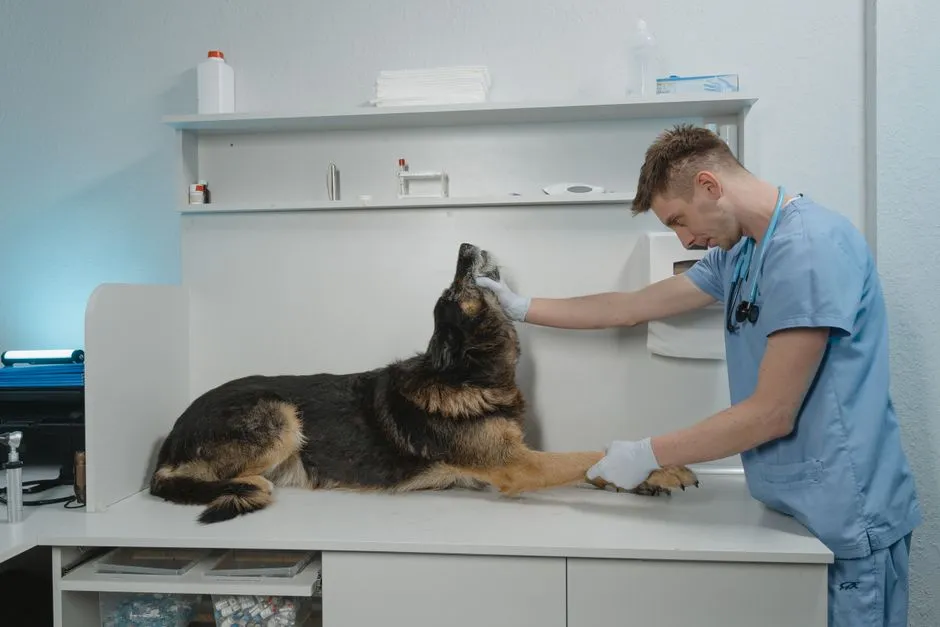
This is the one vets wish more owners understood: a dog slowing down, hesitating on stairs, or getting cranky isn’t automatically “just aging.” More often than not, it’s undiagnosed pain hiding in plain sight.
Old age is not a disease, and it should not be treated as one.
Dr. Alice Villalobos, veterinary oncologist
Medications, joint supplements, and even acupuncture can dramatically change a dog’s daily comfort level. The heartbreaking part is how many owners never ask, simply assuming nothing can be done.
4 – The Quiet Danger of Under-Drinking
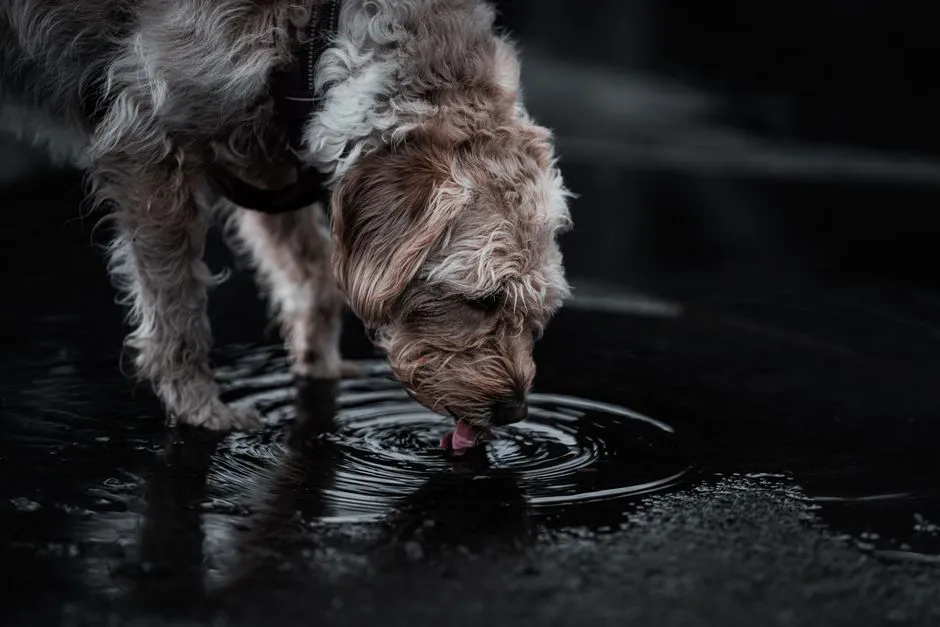
Dehydration sneaks up on senior dogs more easily than people expect, and it makes almost every other health issue worse, from kidney strain to constipation. A water bowl that looks “full enough” isn’t the same as actually tracking intake.
A sudden spike or drop in how much your dog drinks is rarely random. It’s often the earliest visible sign of something brewing internally, which makes it worth mentioning at the next vet visit rather than shrugging off.
3 – The Loneliness Nobody Warns You About
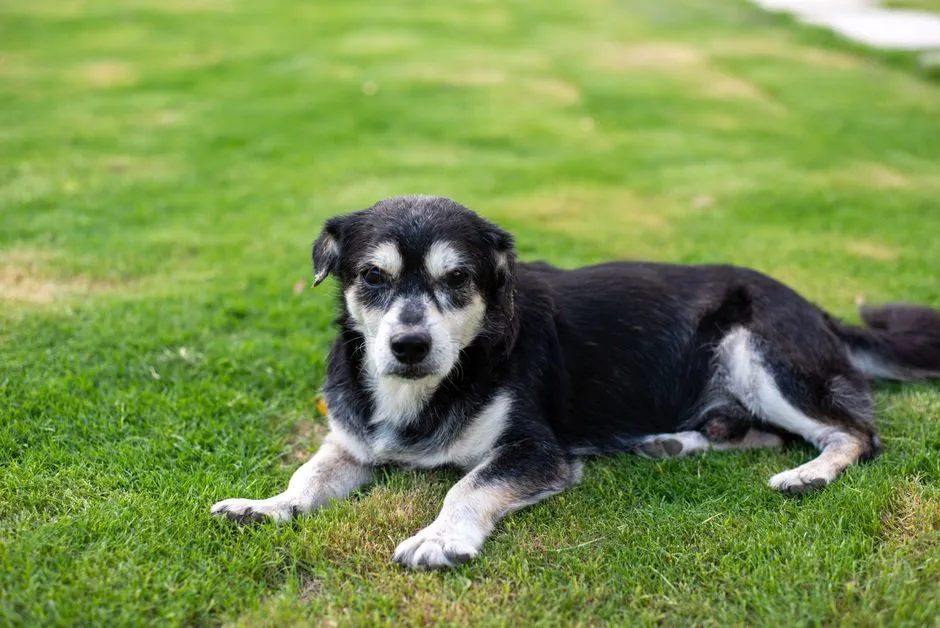
As dogs slow down, some owners unintentionally scale back playtime and affection, assuming their dog just wants to rest. But isolation can tip a senior dog into something that looks a lot like depression.
Even brief, gentle interaction – a few minutes of play, some quiet company on the couch – keeps them emotionally anchored. It costs nothing and it’s one of the easiest fixes on this entire list, yet it’s often the first thing to slip.
2 – The Screenings Most Owners Skip
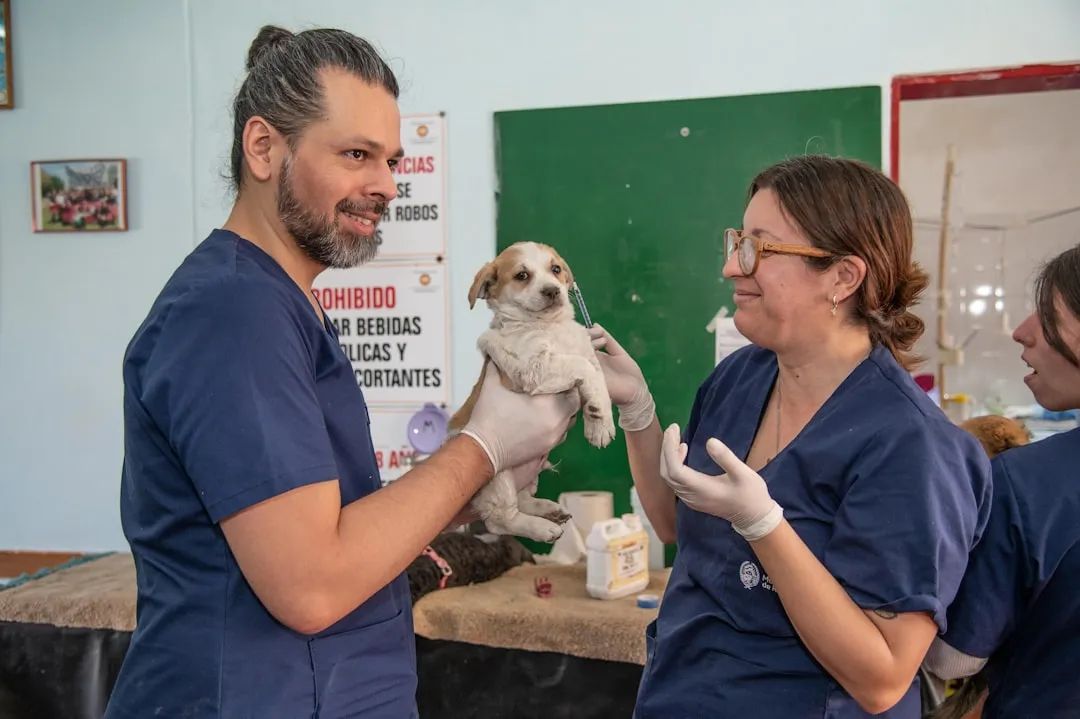
Beyond the standard checkup, targeted screenings for kidney disease, diabetes, and thyroid issues catch problems while they’re still quiet and treatable. These aren’t always offered by default; sometimes you have to ask.
Catching these conditions early usually means simpler, less invasive treatment and a far better long-term outlook. It’s the kind of proactive step that feels unnecessary right up until it isn’t.
Quick Compare
- Kidney panel: flags declining function, often years before outward symptoms appear
- Thyroid screening: catches hypothyroidism, a common hidden cause of weight gain and low energy
- Diabetes screening: spots blood sugar imbalances before they trigger a full health crisis
1 – The One Thing No Supplement Can Replace

Every item on this list matters, but vets keep coming back to this one. Aging is confusing and sometimes frightening for a dog who doesn’t understand why their body no longer cooperates the way it used to.
Patience, gentle affection, and simply showing up for them isn’t a soft, sentimental afterthought. It’s the emotional foundation that makes every other change on this list actually land.
The Bottom Line
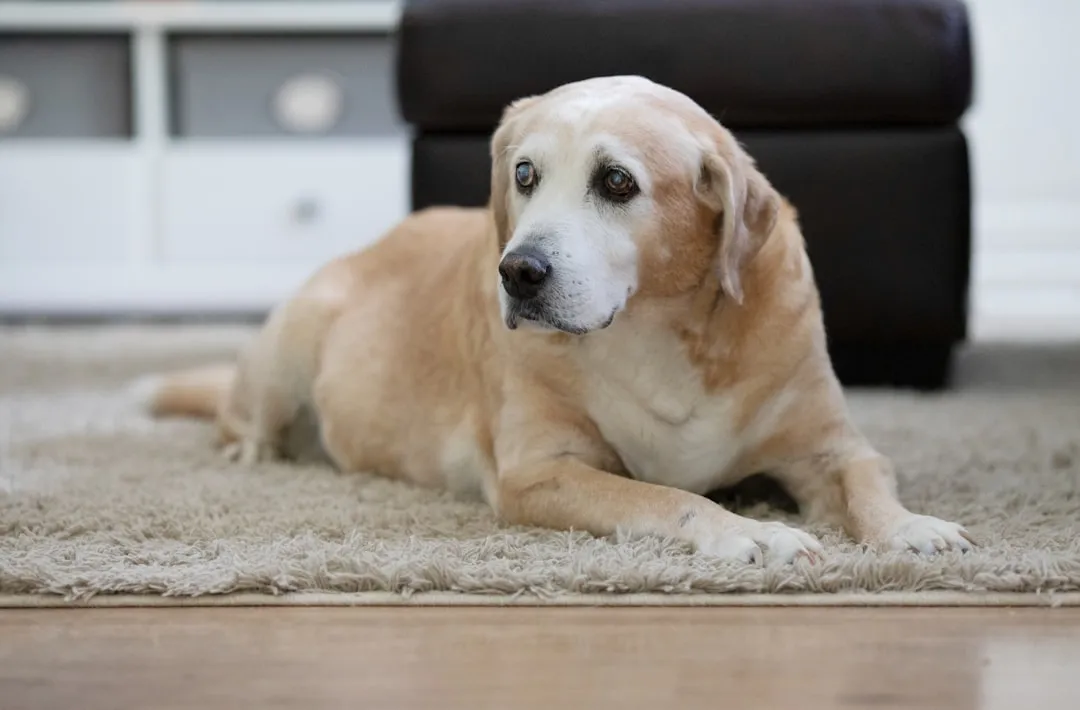
Here’s the opinion worth sitting with: nobody fails their senior dog with one big mistake. It happens in small, invisible ways – a skipped weigh-in, a rearranged living room, a missed dental cleaning – that quietly stack up until “old age” gets blamed for problems that were actually preventable.
The dogs who get the most good days aren’t the luckiest ones. They’re the ones whose owners treated aging as something to actively manage, not something to simply endure.
