
Most people assume dogs just slow down as they get old, fall asleep more, and eventually don’t wake up. That’s the tidy version. The truth vets see every single day is messier and, honestly, more touching than that.
Dogs don’t just decline quietly in a corner. In their own way, many of them seem to be getting their family ready, softening the blow before it lands. Vets have watched these patterns repeat across breeds, ages, and homes so often that they can’t call it coincidence anymore. Here’s what they’ve noticed, starting with the one almost every owner misreads as rejection.
14. Seeking Solitude
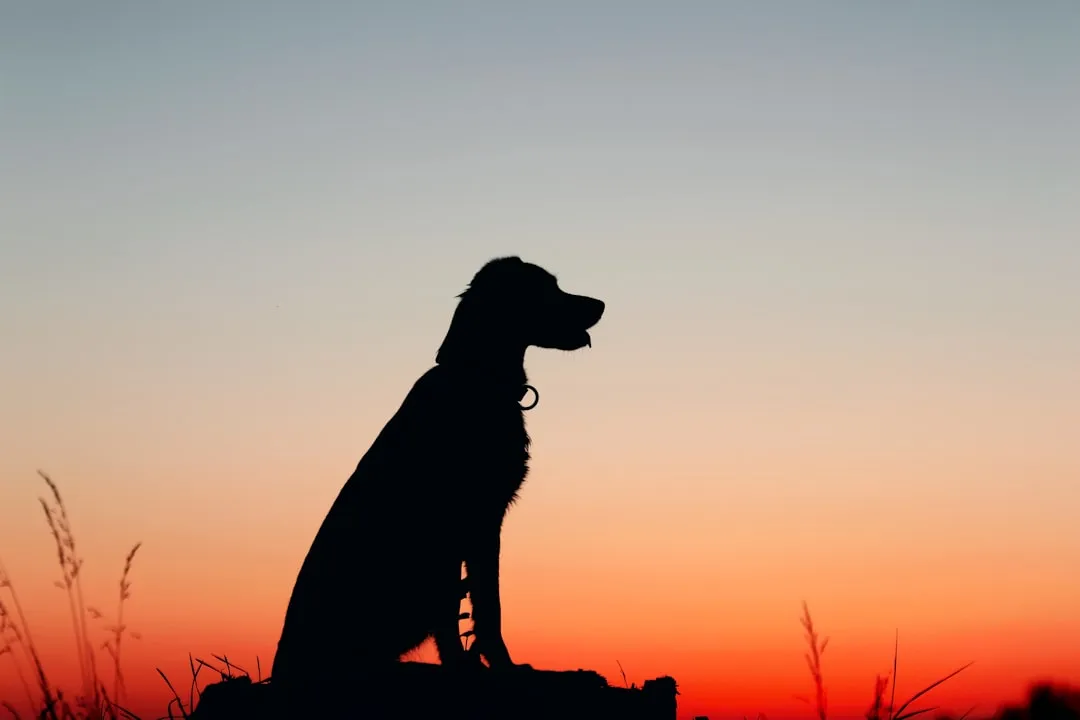
It’s one of the hardest changes to watch. The same dog who used to trail you from room to room suddenly wants to be alone, tucked under the bed or behind the couch where nobody can reach them.
Vets say this isn’t your dog pulling away from you emotionally. It’s an old instinct kicking in, the same one their wild ancestors relied on when they were sick or vulnerable and needed to disappear from the pack for safety. The kindest thing you can do is let them have that space, while still checking in gently so they know you haven’t disappeared too.
13. Turning Down Every Meal
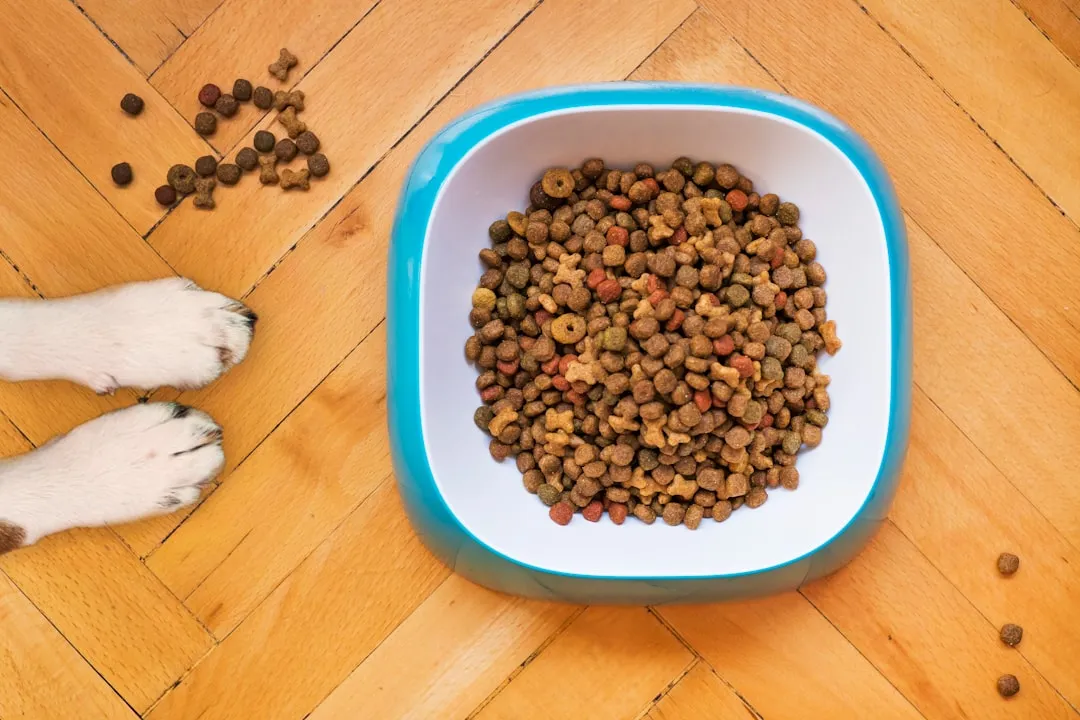
When a dog who once inhaled dinner in ten seconds suddenly ignores it, something has shifted. Even the treats that never failed before start getting left untouched on the floor.
This isn’t stubbornness. As organs slow down and the body starts prioritizing survival over digestion, food simply stops being a priority. Vets caution against forcing meals, since it can cause real discomfort. Small amounts of something soft and easy, offered without pressure, is usually the better move here.
Worth Knowing
- Warm, bland foods like plain boiled chicken or rice are often easier to tolerate than regular kibble.
- Appetite loss at this stage doesn’t automatically mean pain, it can simply mean the body is conserving energy.
- Never force-feed a dog in decline, since weakened swallowing reflexes raise the risk of choking or aspiration.
- Some vets can prescribe appetite stimulants if a little extra intake would genuinely help comfort, not just calories.
12. Sleeping Through Everything
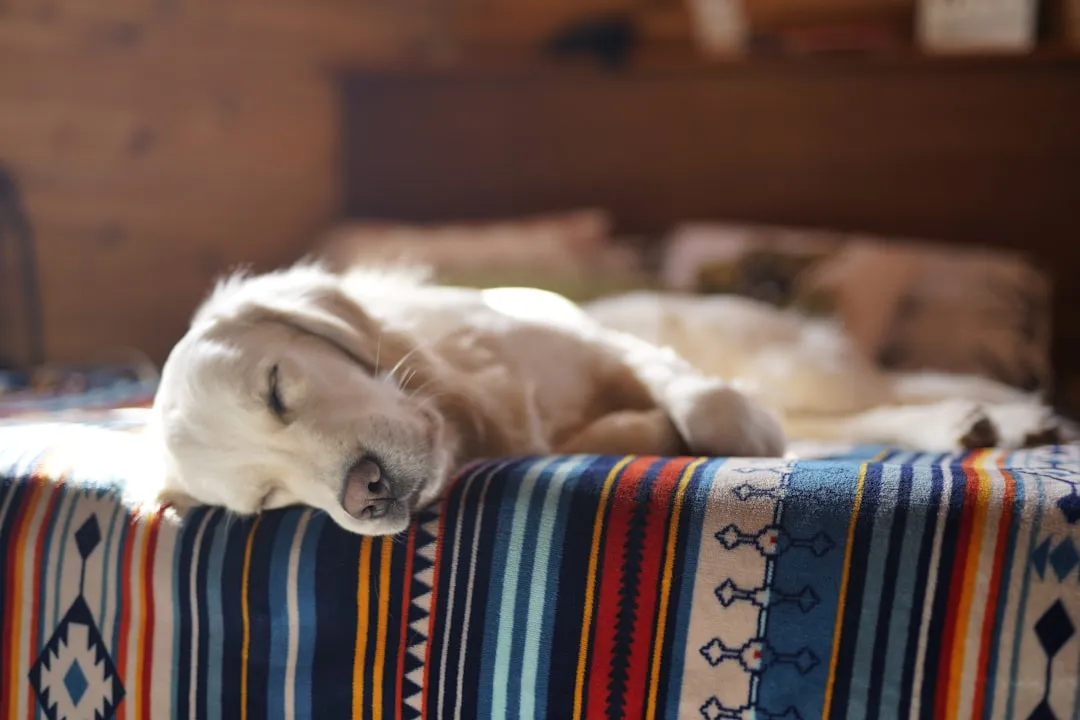
A dog nearing the end will often sleep far more than usual, and when they’re awake, they seem foggy, slow to react, almost somewhere else. The dog who used to bolt upright at the sound of the leash might not even lift their head anymore.
This heaviness comes from the body conserving whatever energy it has left as systems begin shutting down one by one. It can be unsettling to witness, but keeping their resting spot quiet, warm, and undisturbed is one of the most comforting things you can offer at this stage.
11. Breathing That Sounds Wrong

Labored breaths, a new cough, or rapid shallow panting that doesn’t match the room temperature or activity level are signs vets take seriously. It’s often one of the first physical clues that something deeper is failing.
Heart disease, respiratory decline, or fluid buildup can all cause this shift, and it tends to get more noticeable as the days go on. If you catch this pattern, don’t wait it out. A vet can tell you whether your dog is uncomfortable and what can be done to ease it.
10. Losing All Interest in the Things They Loved
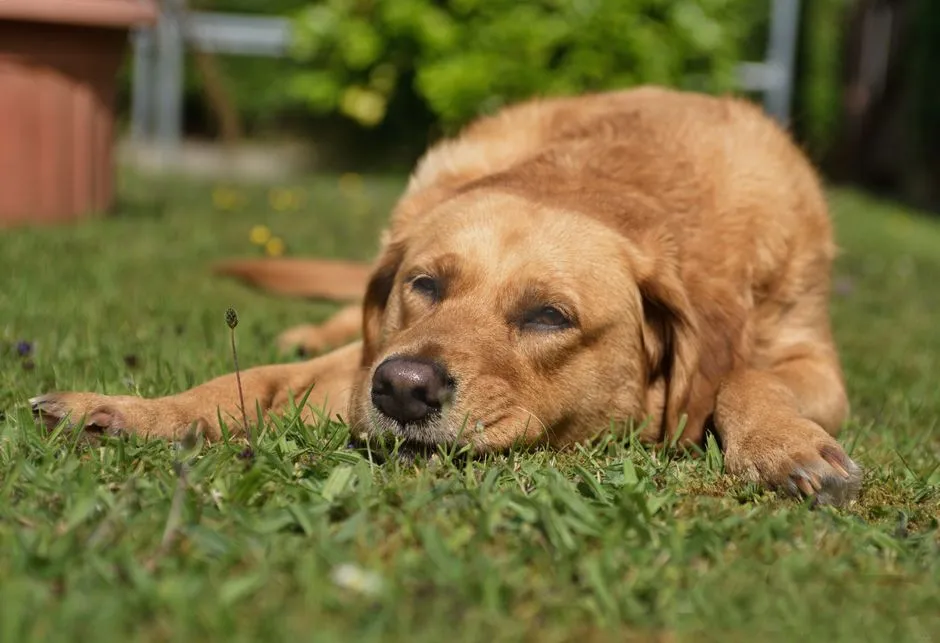
The tennis ball sits untouched. The favorite walking route gets refused halfway through. Even the excited greeting at the door, the one you never had to earn, quietly stops happening.
This isn’t your dog giving up out of sadness. Fatigue and physical discomfort make the things that once brought joy feel like too much effort. Recognizing this shift early lets you scale back expectations and meet them where they actually are, instead of pushing for the dog they used to be.
9. Suddenly Wanting to Be Closer Than Ever
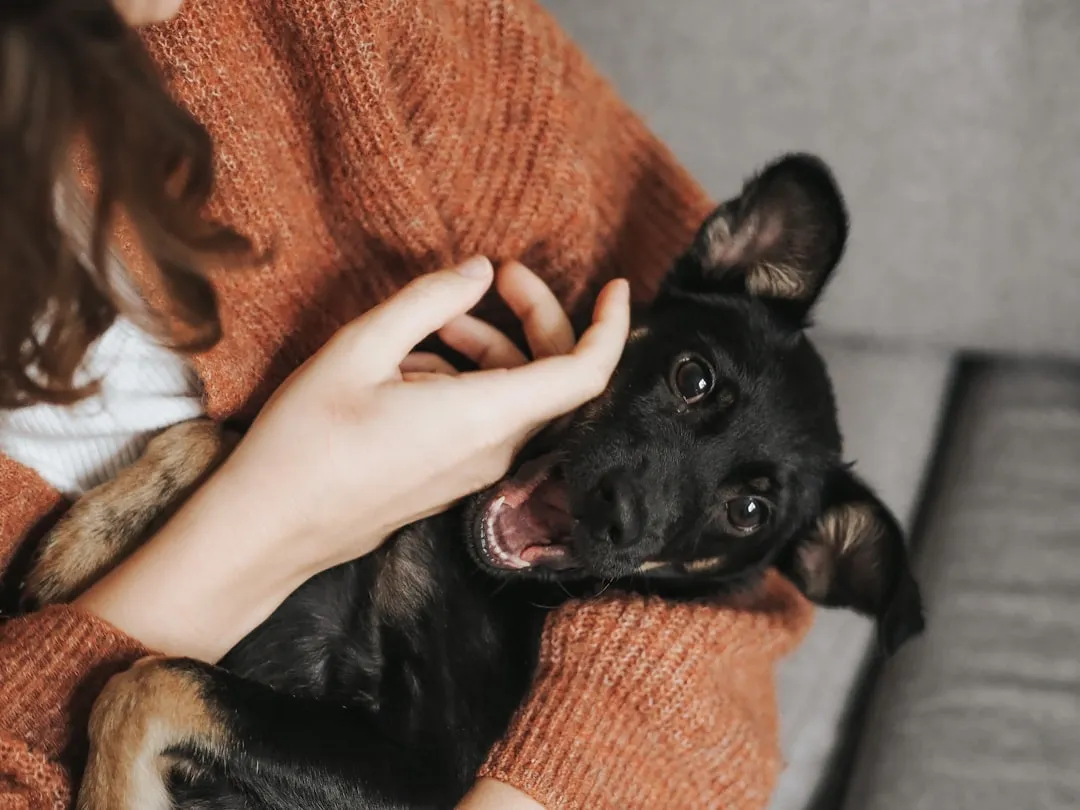
Not every dog pulls away. Some do the opposite entirely, following you from room to room, leaning their full weight against your leg, refusing to settle unless they’re touching you.
This clinginess is their way of seeking reassurance while their body feels increasingly unfamiliar and unreliable. It’s one of the more emotional signs on this list, because it feels like they’re choosing you, specifically, to get them through it. Give them that closeness. It matters more than almost anything else you can offer right now.
Quick Compare: Withdrawal vs. Clinginess
- Seeking solitude: an instinctual, self-protective retreat that often shows up earlier in decline.
- Seeking closeness: often appears when a dog starts losing confidence in their own failing body.
- Neither pattern is “wrong,” and some dogs swing between both moods within the same week.
8. Losing Control of Their Body
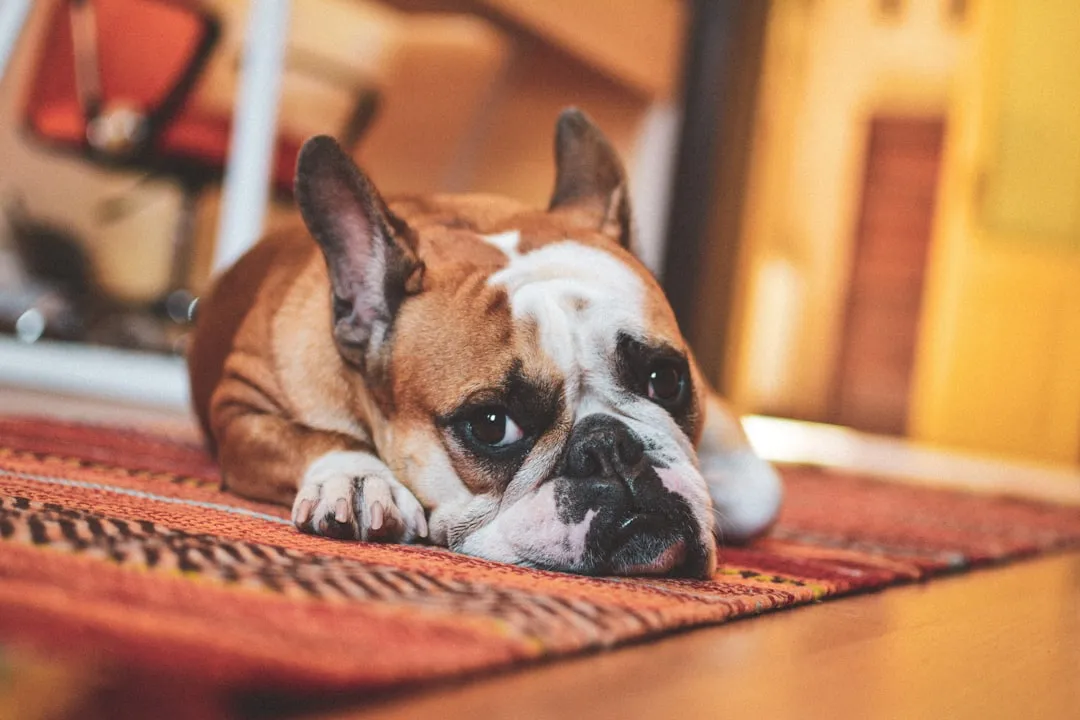
Accidents in the house, sometimes from a dog who was perfectly house-trained for a decade, are a common and painful sign that muscle control and nerve function are breaking down.
It’s easy to feel frustrated in the moment, but vets are firm on this one: there is no correcting your way out of it, and there shouldn’t be an attempt to. Protective bedding, more frequent trips outside, and a lot of patience are what this stage actually calls for.
7. Pacing, Restlessness, and Not Settling
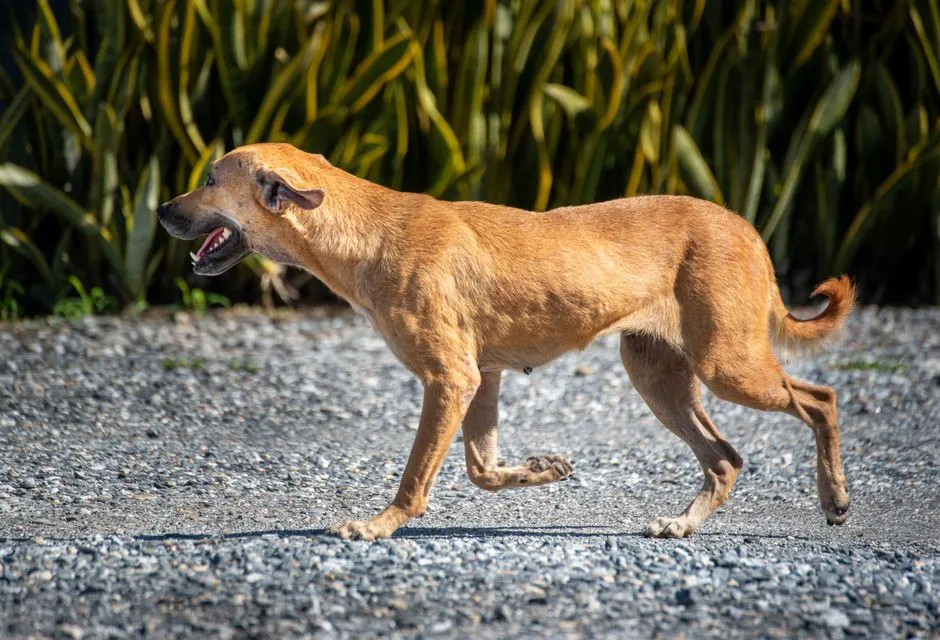
Some dogs can’t seem to get comfortable no matter what you do. They pace in circles, shift positions constantly, or seem anxious in a way that has no obvious trigger.
This restlessness often points to internal discomfort or neurological changes rather than behavioral issues. A calm, dim environment and your steady presence can help, but this is also a moment where asking your vet about pain management directly can make a real difference in their final days.
6. Gums That Change Color
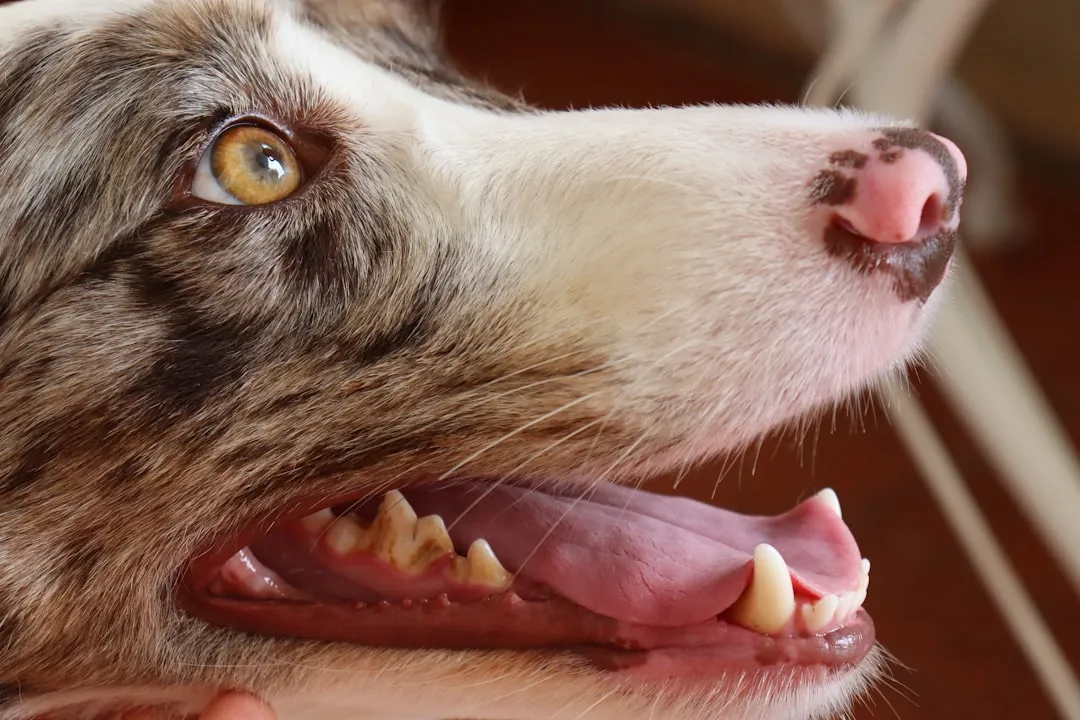
It’s a detail most owners never think to check, but vets watch it closely. Gums turning pale, bluish, or gray signal that oxygen isn’t circulating the way it should.
This is usually tied to heart or respiratory failure, and it tends to show up alongside other signs on this list rather than alone. A quick gum check takes seconds and can tell you more about how your dog is really doing than their behavior alone ever could.
Fast Facts
- Healthy gums are usually a bubblegum pink color in most dogs.
- Pale, white, bluish, or grayish gums point to poor oxygen circulation.
- Pressing a gum and timing how fast the color returns (capillary refill) is a simple home check; a quick return is reassuring, a slow one is not.
- The whole check takes under ten seconds and needs no special training to do gently.
5. New Sounds You’ve Never Heard Before
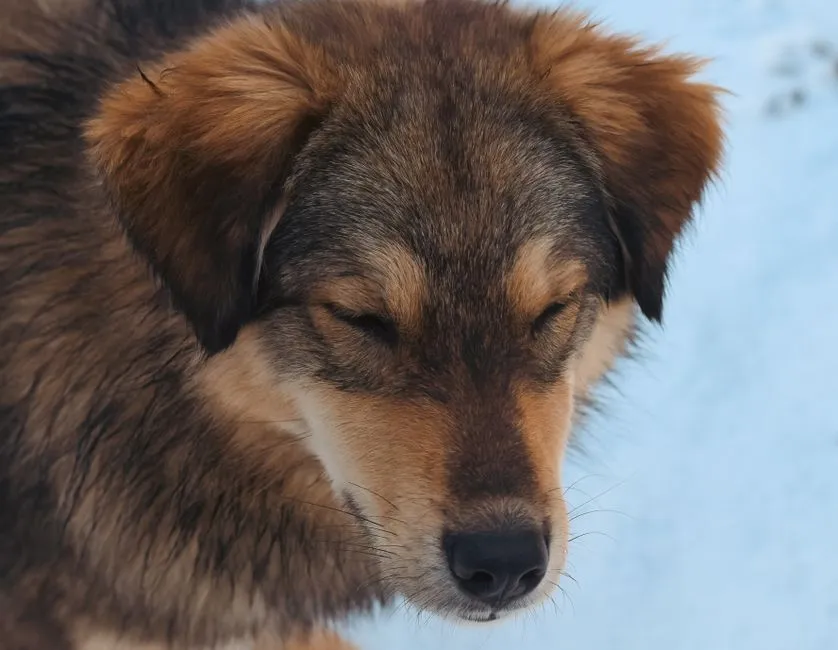
Whimpering in the middle of the night, low groans while resting, or vocalizing that has no clear cause can be startling, especially from a dog who was never particularly vocal before.
These sounds are often the closest thing to a direct signal your dog can give you that something feels wrong. Paying attention to when it happens, whether it’s during movement, rest, or being touched in a certain spot, can help you and your vet figure out where the discomfort is actually coming from.
4. Barely Drinking Water
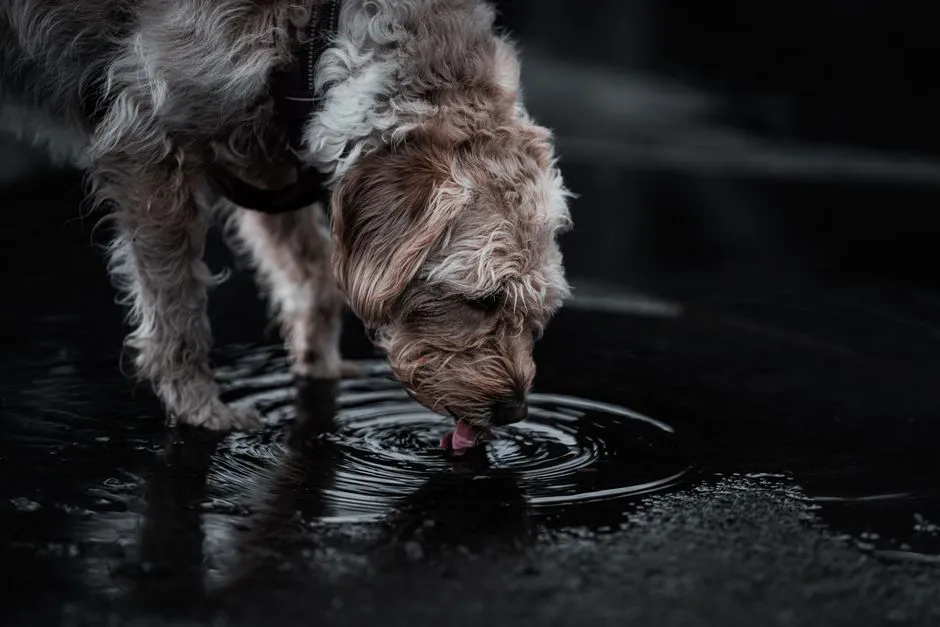
Alongside the loss of appetite, many dogs start drinking noticeably less water too. It’s a quieter sign than the others, easy to miss until the water bowl has sat full for two days straight.
Reduced thirst accelerates dehydration, which can make every other symptom feel worse for your dog. Offering small amounts often, even syringe-feeding water in tiny sips if your vet approves, can keep them more comfortable through the final stretch.
3. Losing Their Balance Entirely
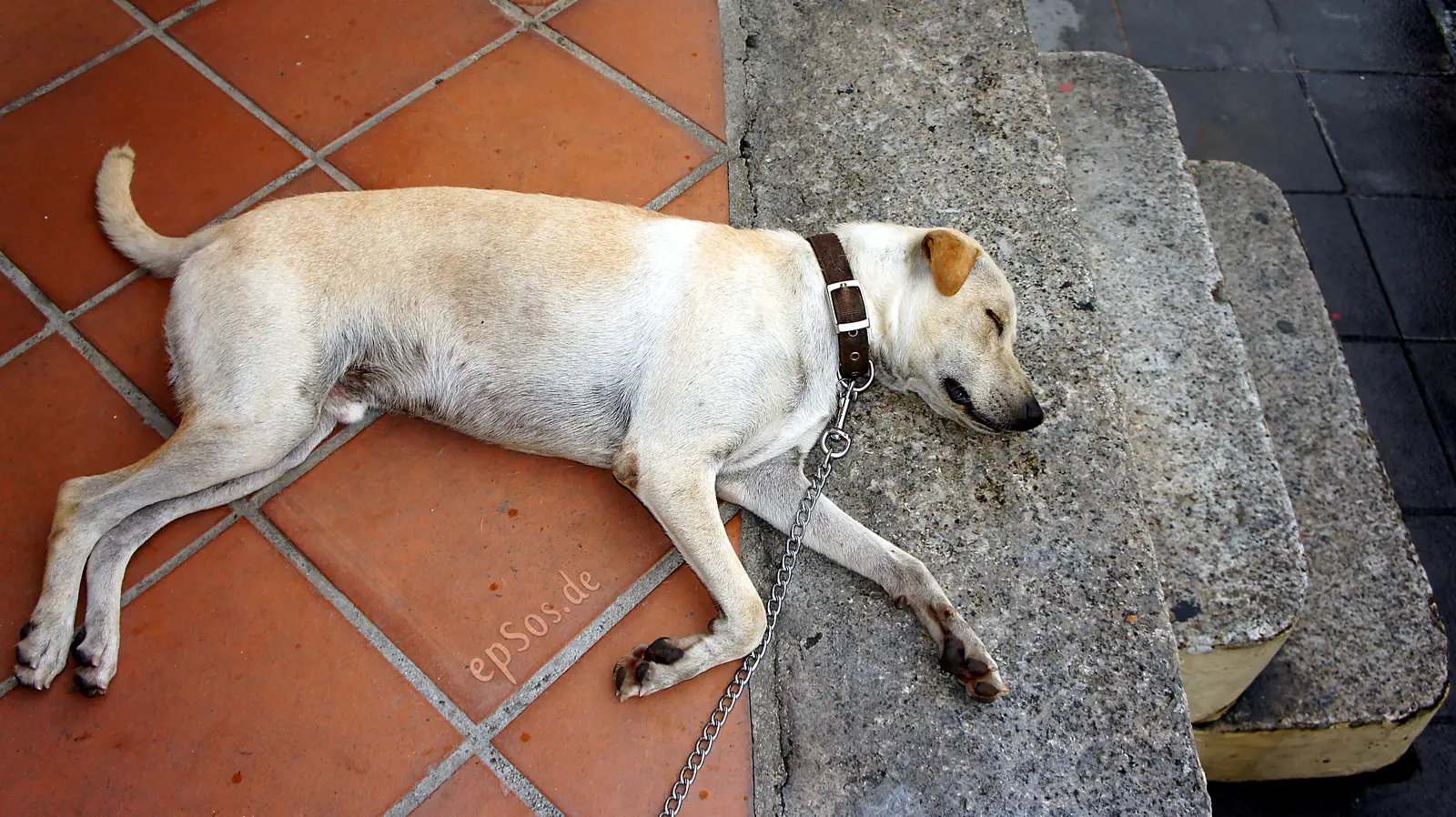
A dog who once trotted confidently across the kitchen floor may start stumbling, swaying, or dragging their back legs. Stairs that were never a problem suddenly become impossible.
This loss of coordination usually comes from muscle wasting or nerve damage that builds gradually and then seems to arrive all at once. Non-slip mats, a harness for support on walks, and simply not expecting them to move the way they used to can prevent falls and spare them added pain.
2. Locking Eyes With You Like They’re Trying to Tell You Something
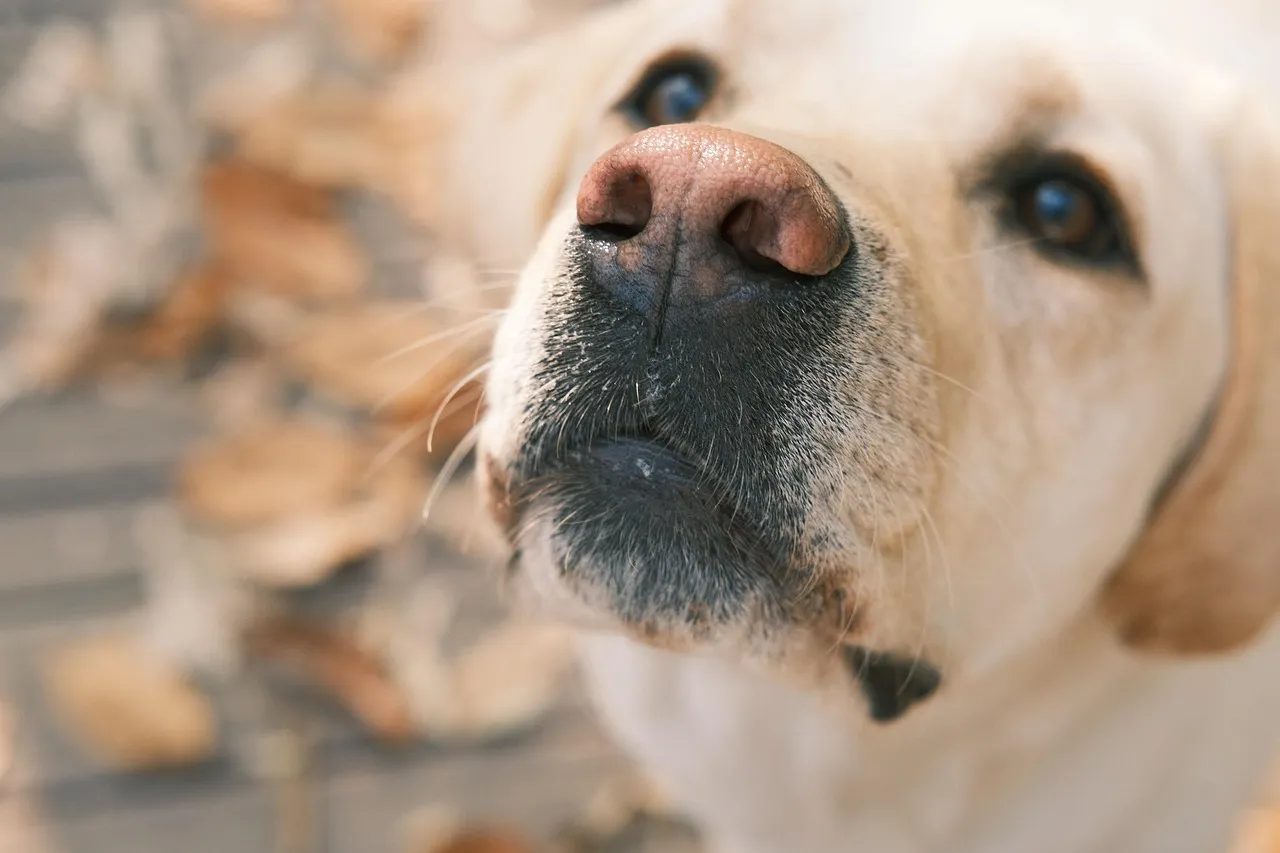
Owners describe this one the same way, over and over: a long, steady gaze that feels different from any look their dog has given them before. It’s not confusion. It’s not begging for food. It reads as something closer to communication.
Vets can’t fully explain why this happens, but many believe it’s tied to a dog’s heightened sensitivity to their owner’s presence and emotional state as their own senses begin to fade. Whatever it is, most people who’ve lived through it say it’s the moment that stays with them longest.
At a Glance: When to Call the Vet Right Away
- Gums turning pale, white, or blue instead of their normal pink
- Labored, open-mouth breathing while resting quietly
- Sudden collapse or inability to stand up on their own
- No water intake for more than 24 hours
- Visible distress: crying out, trembling, or pressing themselves into a corner
1. Choosing Where and With Whom They Want to Be

In the final hours or days, many dogs make a clear, almost deliberate choice about where they want to rest, and who they want nearby. Some seek out a specific family member they haven’t been particularly close to. Others return to a spot tied to an early, happy memory, a favorite blanket, a certain corner of the yard, the foot of a particular bed.
Vets describe this as one of the clearest signs that a dog is nearing the end, a kind of quiet decision-making that feels intentional even though we can’t know exactly what’s behind it. It’s often the moment families remember most, because it feels less like decline and more like a final act of choosing them.
Here’s the part that’s hard to say plainly, but needs saying: these behaviors aren’t a checklist to diagnose your dog with, they’re a language. Vets have simply learned to translate it. If your dog is showing two or three of these signs at once, that conversation with your vet shouldn’t wait for a perfect moment, because there won’t be one. What struck us most in pulling this together wasn’t the science behind organ failure or nerve decline. It was how many of these signs point toward connection, not withdrawal, right up until the very end. Dogs don’t get a say in much throughout their lives, but in their final days, they seem to make one last choice anyway, and more often than not, that choice is you.
