

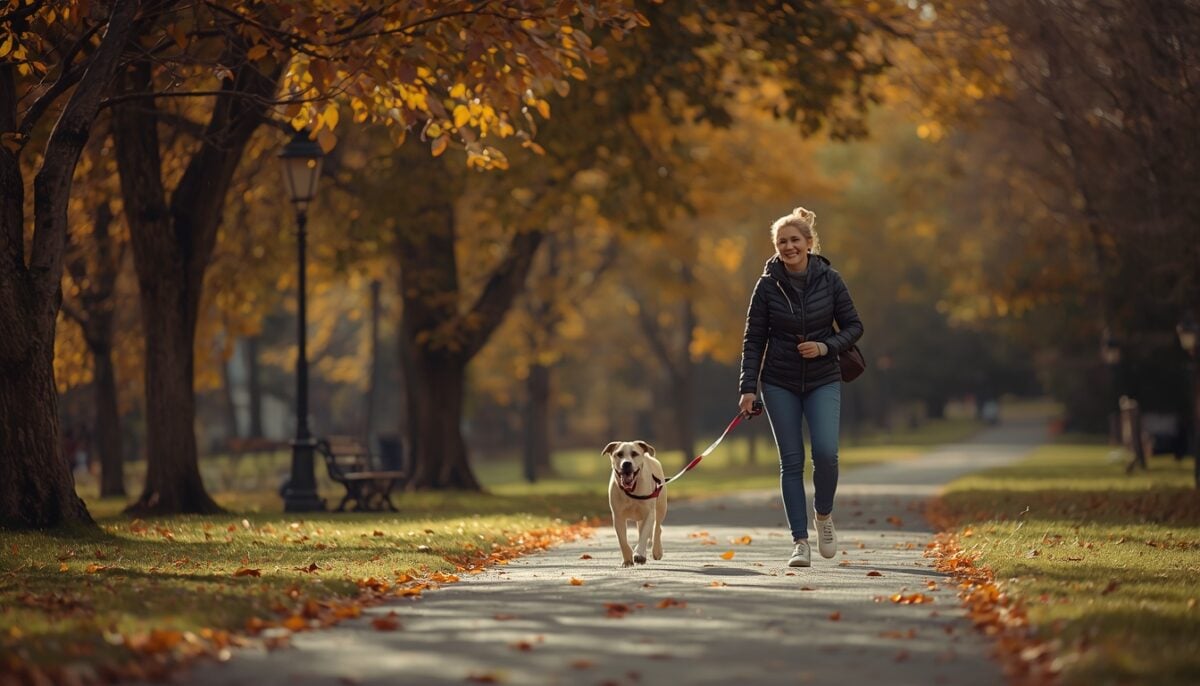
Everyone assumes a guide dog is basically a furry autopilot. Point, command, repeat. Walk, stop, sit, done. That’s the story most people believe, and it’s almost embarrassingly wrong.
Ask the trainers who spend years matching these dogs with their humans, and you’ll hear something stranger. Something that sounds less like obedience and more like understanding. The kind of thing that makes seasoned professionals pause mid-sentence and admit they still can’t fully explain what they just watched a dog do.
What follows are 23 real, documented patterns pulled from training logs and years of handler reports – the moments a guide dog stopped just “working” and started genuinely reading the person on the other end of the harness. Some are sweet. Some are a little unsettling. All of them raise the same question: how much do these dogs actually know?
#23 – Daily Route Memory That Defies Simple Conditioning
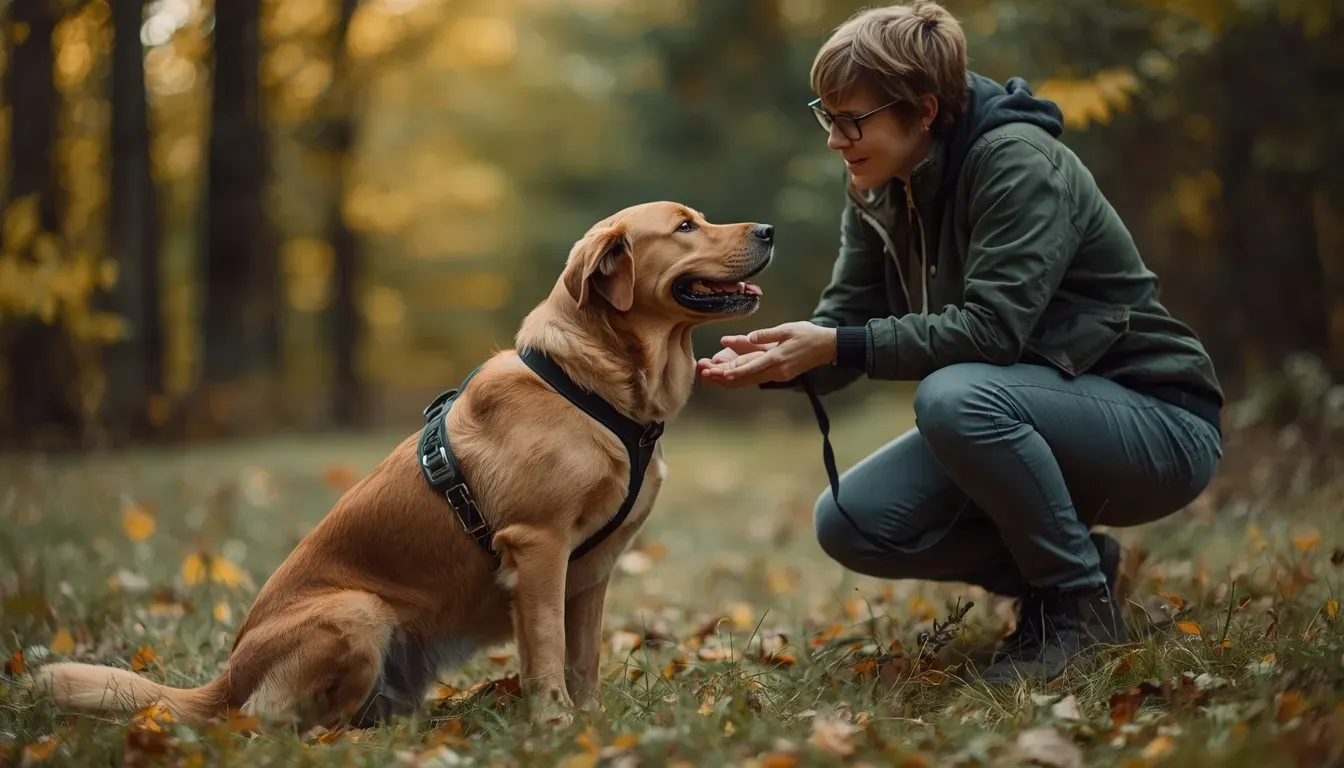
Trainers report that guide dogs often anticipate an entire familiar route after only a handful of repetitions, adjusting turns before the handler even finishes the cue. This isn’t rote memorization. The dog seems to be tracking the handler’s typical pace and noticing when something in the environment has shifted since last time.
Handlers describe it as the dog “knowing” the destination without being told every step, like the walk itself has become a shared script instead of a string of separate commands. The strangest part is that dogs sometimes pause at the exact spots where their handler usually hesitates, almost like they’re reading the person’s uncertainty before it’s spoken. Skeptics call it pattern recognition. Trainers who’ve watched it hold up across fatigue, distraction, and stress aren’t so sure that label covers it.
Fast Facts
- Only about 10,000 guide dog teams are currently working in the United States, and only about 2% of all blind and partially sighted people work with guide dogs.
- It takes an average of 1-2 years to train a service dog, long before a single walk like the ones above ever happens.
- Labrador Retrievers, Golden Retrievers, and German Shepherds are the breeds most often selected for this kind of work.
- Only about 50% of dogs who begin training ultimately graduate, which is part of why the ones who do feel so remarkable.
#22 – Sensing Handler Fatigue Through Subtle Shifts
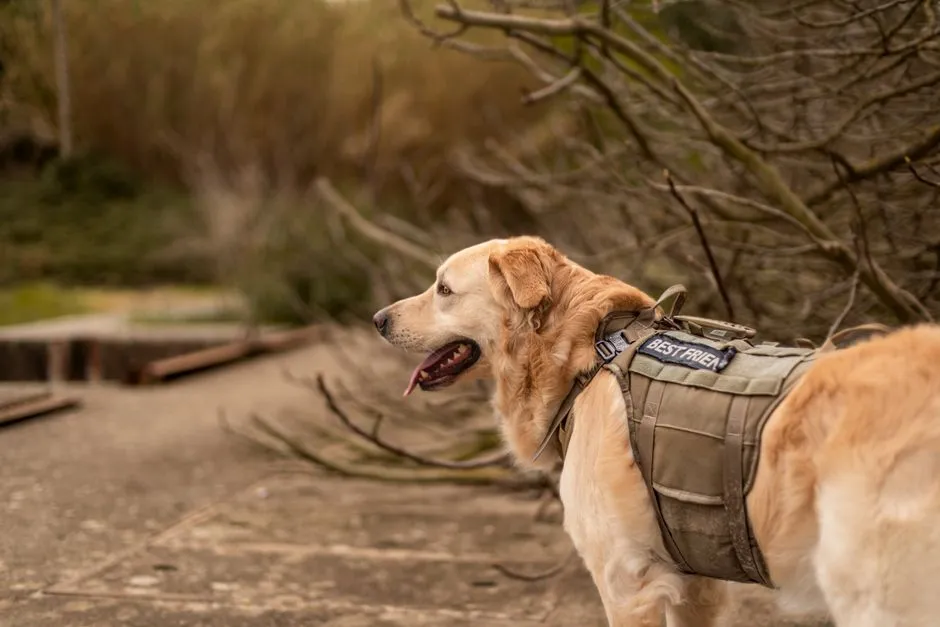
Long before a handler says “I’m tired,” their guide dog has already noticed. Training logs show dogs picking up on tiny changes in gait and posture, then quietly slowing down or steering toward a longer but easier path, without being asked.
Trainers are careful to say this isn’t mind reading. It’s the dog picking up physical feedback through the harness itself, the same way a person might sense someone’s mood by how heavy their footsteps sound. What still amazes instructors is that some dogs will flatly refuse the direct route if their handler’s tension signals they need a break. That kind of behavior only shows up after months of partnership, and handlers describe it as the dog quietly “taking over” on the hard days.
#21 – Recognizing Specific Family Members or Familiar People
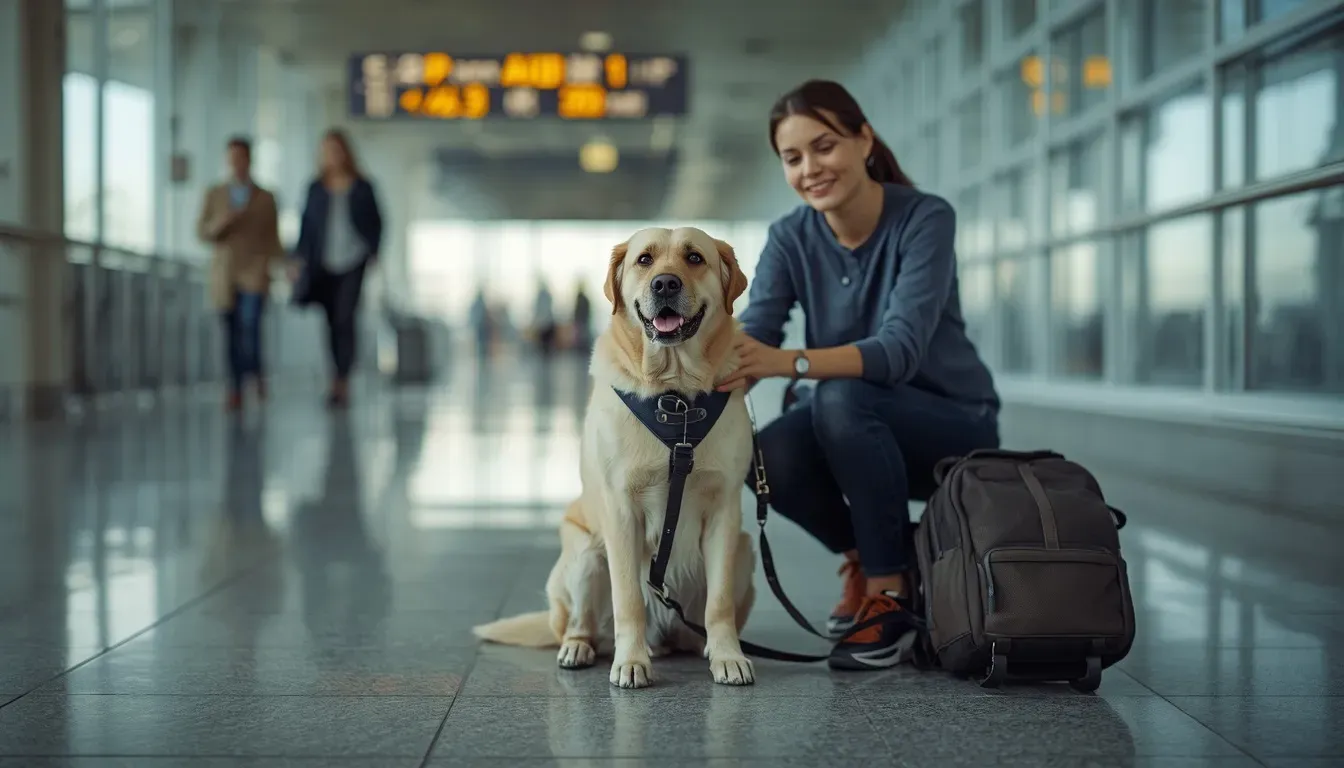
Some guide dogs learn to pick a handler’s spouse or child out of a crowded airport terminal, given nothing more than a single command. No individual training session made that possible. It builds purely from repeated exposure, the dog quietly filing away who matters.
These people become landmarks in the dog’s mental map, tied directly to the handler’s own emotional state. What genuinely surprises professionals is how cleanly the dog tells these familiar faces apart from strangers who look almost identical in the same space. It asks a lot of the handler to stay consistent with cues, but the dog fills in the rest, and for many users that skill is the difference between feeling lost in a crowd and feeling found.
#20 – Adjusting for a Handler’s Height and Reach Limitations
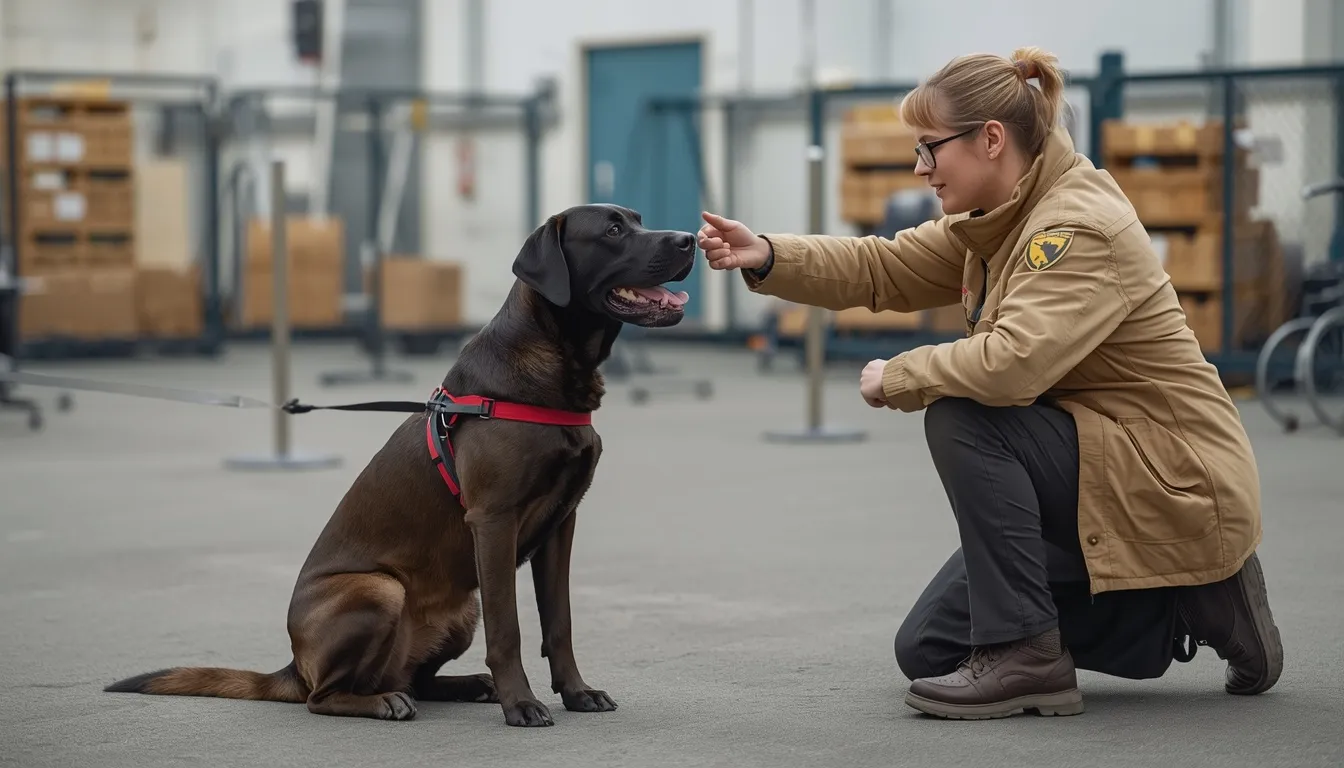
Guide dogs consistently steer around overhead obstacles, like low branches or hanging signs, that sit well above the dog’s own head but would clip a standing adult square in the face. They widen their sense of “the path” to roughly twice their width and up to three times their height, well beyond their own body.
That spatial math gets drilled in early training, but the fine-tuning happens later, once the dog learns its specific person’s measurements. The detail that still catches trainers off guard is how a dog will duck or swing wide on a perfectly clear day, purely because a past close call with that exact handler taught it caution. It’s not generic obstacle avoidance. It’s a private, individualized risk memory.
#19 – Detecting Changes in a Handler’s Voice Tension
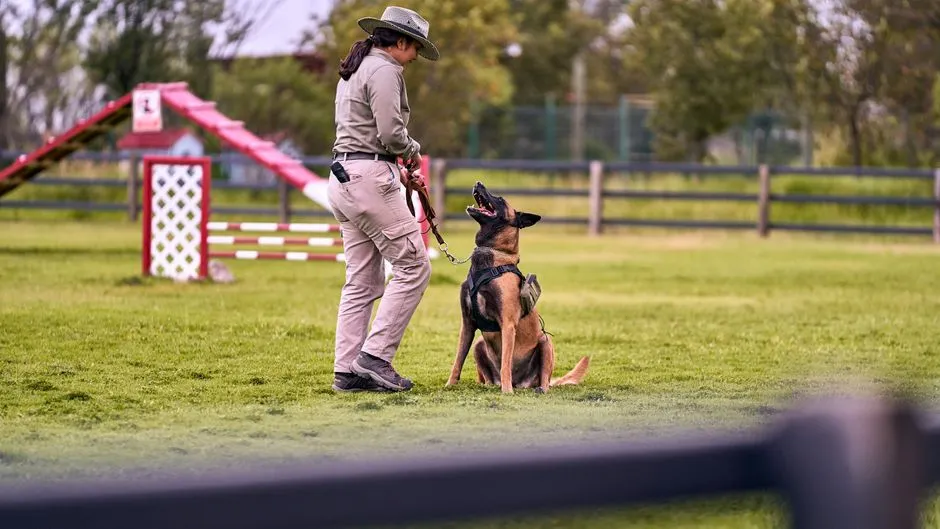
A guide dog hears more in a voice than the words themselves. Stress or hesitation in a handler’s tone often makes the dog slow down or wait for a clearer confirmation before crossing a street or entering a busy space.
This sensitivity isn’t universal across every dog, but in well-matched teams it shows up reliably enough that trainers treat it as a real safety layer. Instructors have noted dogs circling back or pausing specifically when a vocal cue suggests the handler missed something they should have heard. It’s a feedback loop that catches mistakes before they happen, and it works without the handler ever having to explain what they’re feeling.
#18 – Remembering a Handler’s Favorite Aisles and Building Layouts
After a few visits to the same store, a guide dog will start heading straight for the pharmacy counter or the elevator bank its handler always uses, with barely a nudge of direction. That kind of memory saves real mental energy for someone navigating a space without sight.
It’s built on consistent commands layered over successful past trips, not some general photographic memory of the building. What keeps impressing trainers is how selective this memory is. The dog isn’t cataloguing every shelf and corner, only the handful of locations that actually matter to its person’s routine, which is exactly the kind of practical filtering that keeps the partnership efficient rather than cluttered.
#17 – Knowing When to Ignore a Command for Safety
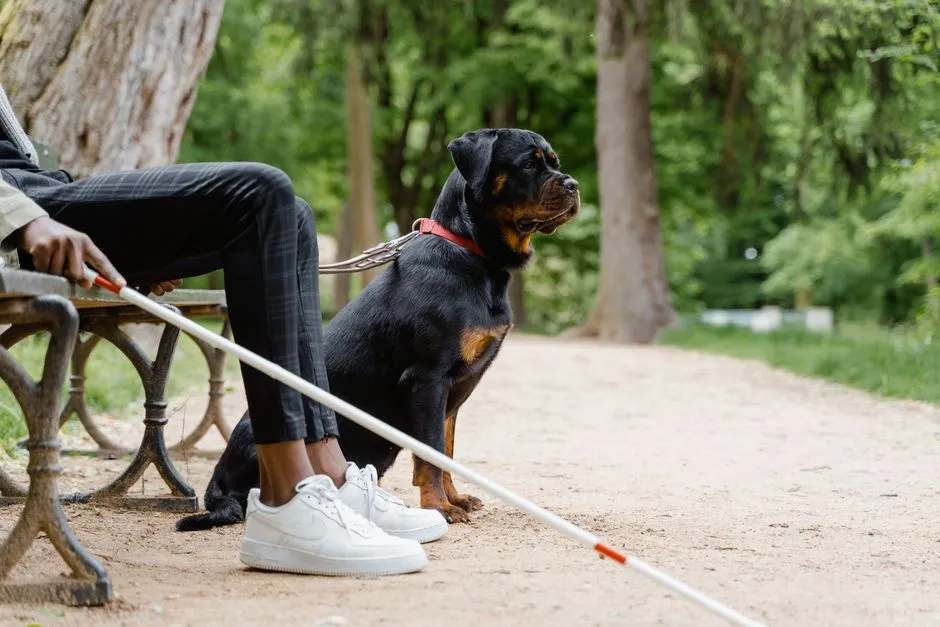
“Intelligent disobedience” is the term trainers use for one of the most talked-about guide dog behaviors: refusing to move forward when traffic or an obstacle poses a danger the handler simply cannot see. It’s trained, but the real-world execution depends entirely on the dog reading a specific, unrepeatable situation in real time.
Trainers are firm that this isn’t the dog being stubborn. It’s calibrated partnership, built to override a command the instant obedience would be dangerous. Reports show this instinct kicks in more readily with handlers who have certain mobility patterns or a history of close calls, suggesting the dog is tracking not just the street, but its specific person’s vulnerability on that street.
Worth Knowing
- The concept of intelligent disobedience has been in use and a common part of service animals’ training since at least 1936.
- Older programs once relied on startling the dog into caution, but twenty or thirty years ago that behavior was taught using aversives, and there was a high dropout rate in those training programs.
- Modern trainers note that this skill has no effect on the dogs’ willingness to respond reliably to the “go forward” cue when there’s not an obstacle, so refusal is precise, not generalized stubbornness.
#16 – Adapting to a Handler’s Preferred Walking Speed
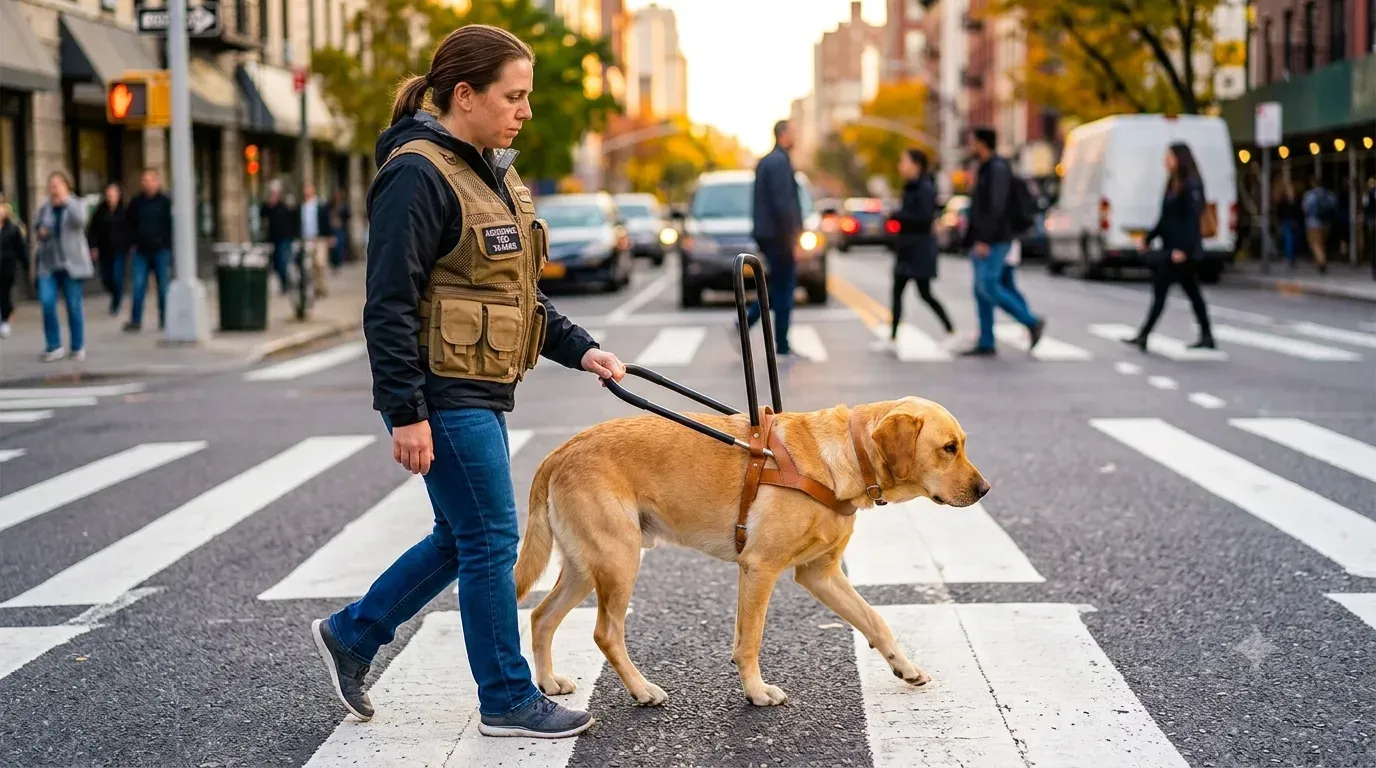
Every handler has a natural rhythm, and after the initial bonding period, guide dogs quietly match it without needing constant correction. Over time, trainers see fewer and fewer speed adjustments needed, a sign the dog has internalized its person’s tempo almost like a heartbeat.
That match isn’t locked in place forever, though. What stands out is how a dog will slow itself down on days when its handler’s stride visibly shortens, whether from bad weather, a rough night, or just a heavier mood. It’s ongoing calibration, not a factory setting, and it’s part of why long-term teams move together like they’ve been rehearsing for years.
#15 – Identifying Safe Rest Areas and Relief Spots
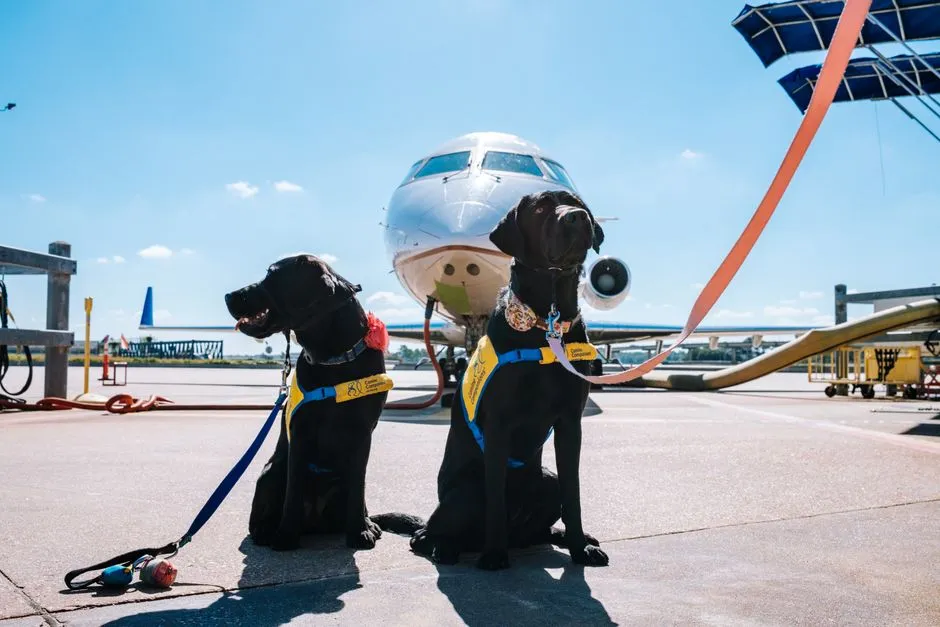
Told to find a known relief area or a quiet corner in a crowded airport, guide dogs will frequently take the shortest safe path there without step-by-step direction. That confidence comes from repeated, successful visits, not a single training session.
These spots become permanent fixtures on the dog’s mental map of the world, treated with the same weight as a major landmark. Instructors have documented dogs finding the area even after the layout has physically changed, piecing it together from whatever surrounding cues the handler still provides. It’s flexible problem-solving under pressure, and it’s the kind of quiet reliability that makes travel less terrifying for someone who can’t see the map themselves.
#14 – Responding to a Handler’s Physical Cues Like Leaning
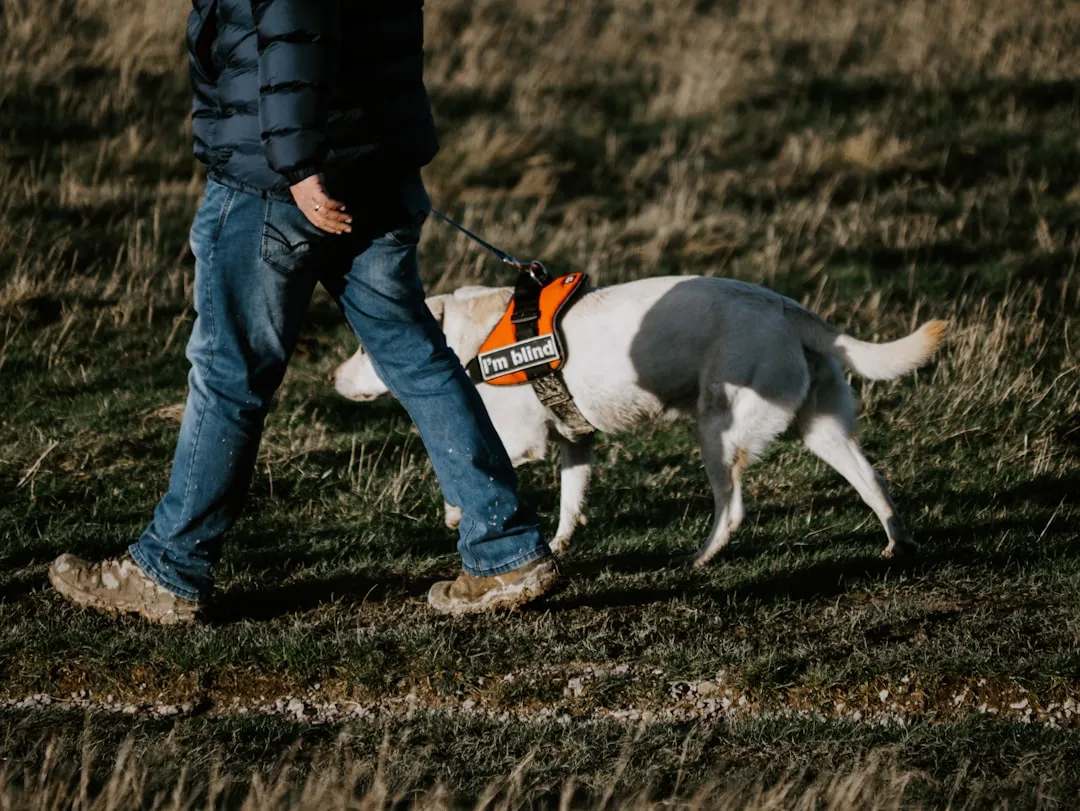
Through the harness, a guide dog feels every small shift in its handler’s weight and posture, and learns to read those shifts as requests: a wider turn here, a brief stop there. Over time, this tactile language quietly replaces a lot of the spoken commands.
Trainers consider this one of the clearest signs of an experienced team, since it lets a pair navigate loud, chaotic environments almost silently. What surprises people most is timing, dogs often anticipate the lean before the handler has even consciously decided to adjust. Basic training builds the foundation, but this unspoken layer only shows up after real years together.
#13 – Distinguishing Work Mode from Off-Duty Time
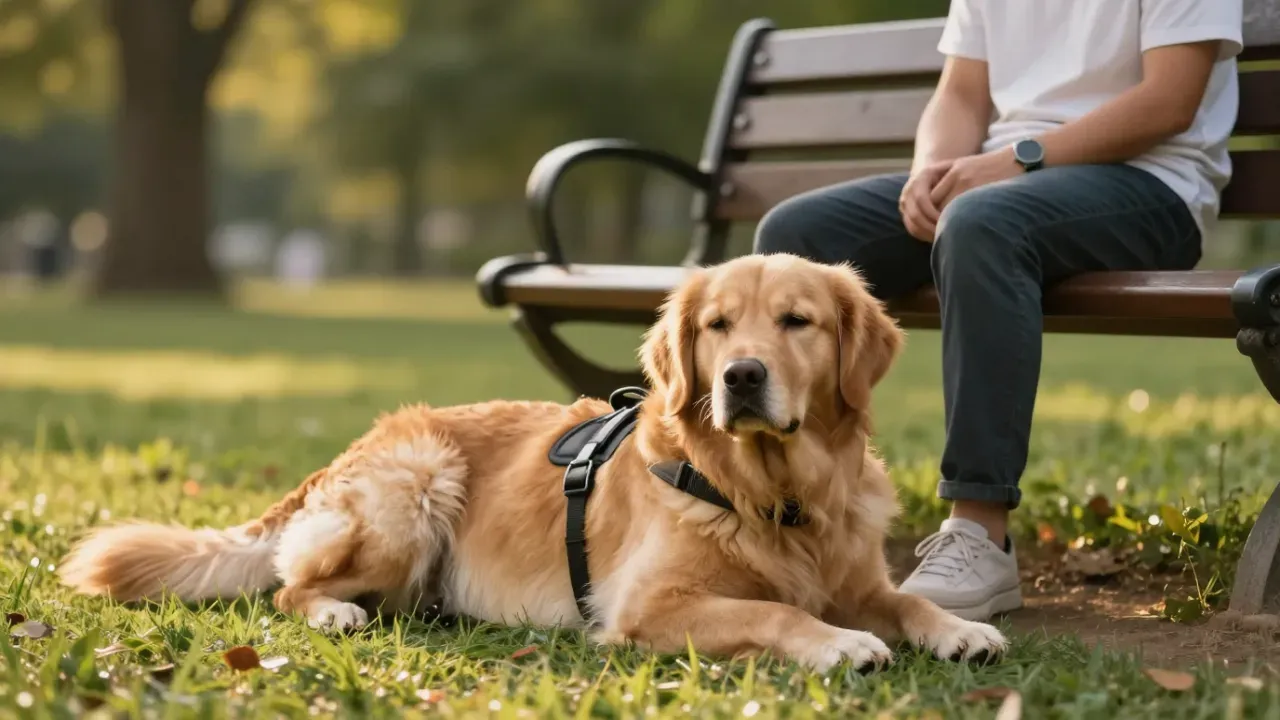
The second the harness comes off, something changes. Guide dogs shift almost instantly from focused work mode into a looser, more playful version of themselves, and handlers describe the transformation as unmistakable.
Trainers protect this boundary deliberately, because without it, the dog risks burning out from being “on” all the time. What’s genuinely striking is that some dogs initiate the switch themselves, heading toward the door or a familiar rest spot at the end of a long day, as if they know exactly when the shift is earned. It’s a small act of self-awareness that keeps the whole partnership sustainable.
#12 – Recalling a Handler’s Typical Errand Sequence
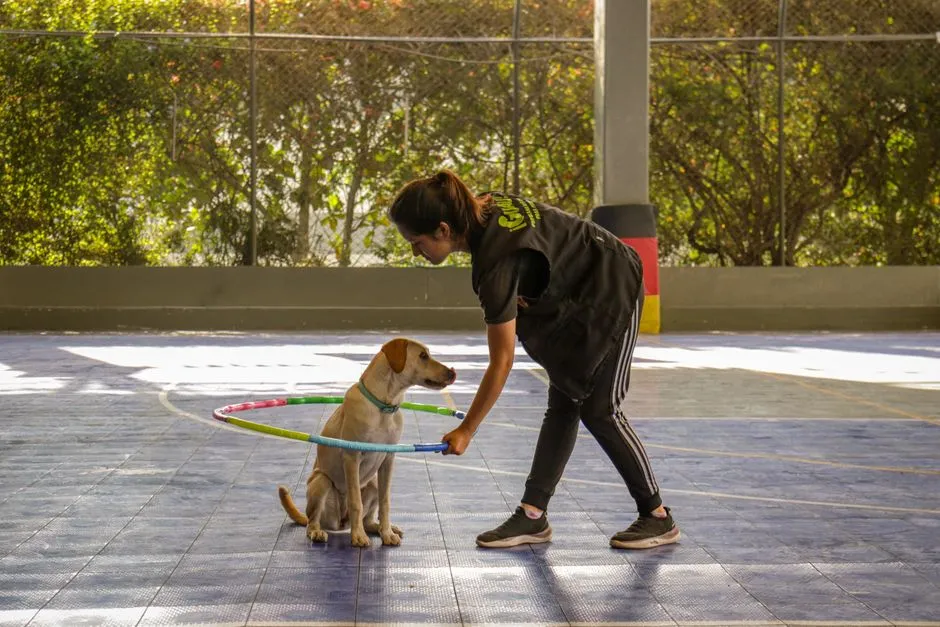
Bank, then grocery store, then home. Once a handler establishes that order through consistent commands, the dog often starts following it automatically, treating the sequence like a script rather than a set of disconnected stops.
This kind of memory reliably shows up in stable, repeated routines, and it saves real time and mental effort for the handler. What amazes professionals is the dog’s resistance to breaking that order unless it’s clearly told to. It’s not confusion or stubbornness, it’s the dog defaulting to the pattern it trusts, the same way a person might automatically drive their usual route home even when they meant to stop somewhere else.
#11 – Gauging Crowd Density and Adjusting Path
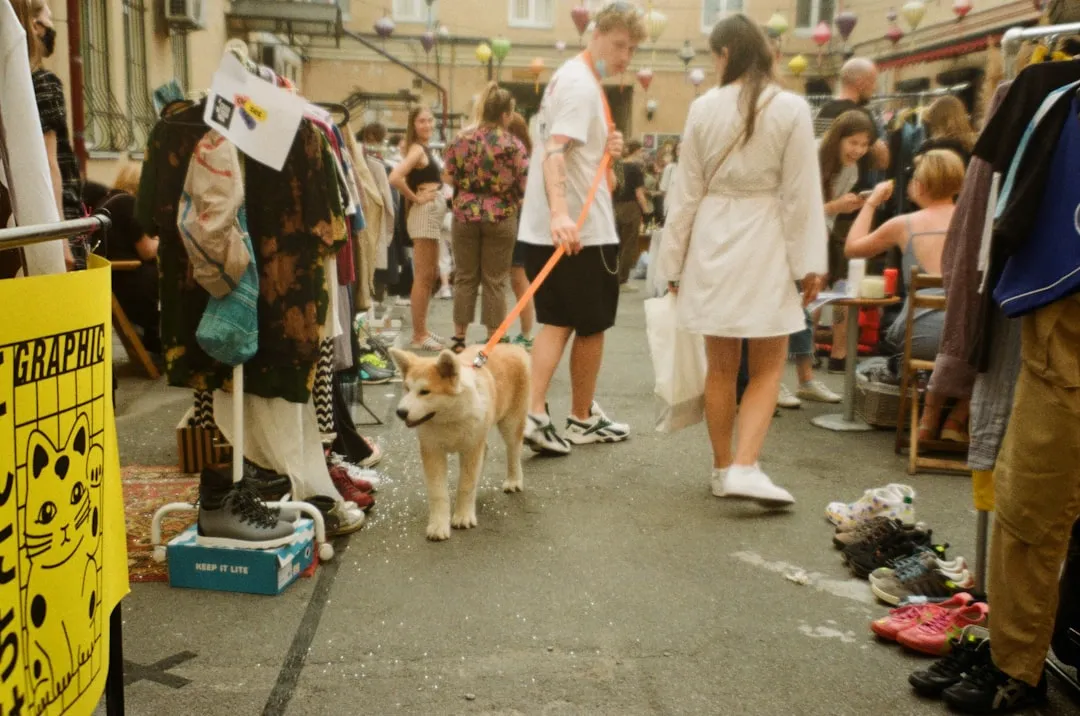
In a packed street or a crowded terminal, guide dogs will widen their clearance or choose a quieter route the moment they sense their handler’s tension rising. Nobody explicitly trains a dog for every possible crowd scenario, so this reads as something closer to genuine social awareness.
Trainers view it as one of the more advanced behaviors a dog can develop, protecting both the handler and the people around them. Reports show this shows up more strongly in handlers who already prefer lower-stimulation environments, meaning the dog has essentially learned its person’s comfort zone and built it into its own internal map.
#10 – Noticing a Handler’s Seasonal Clothing Changes
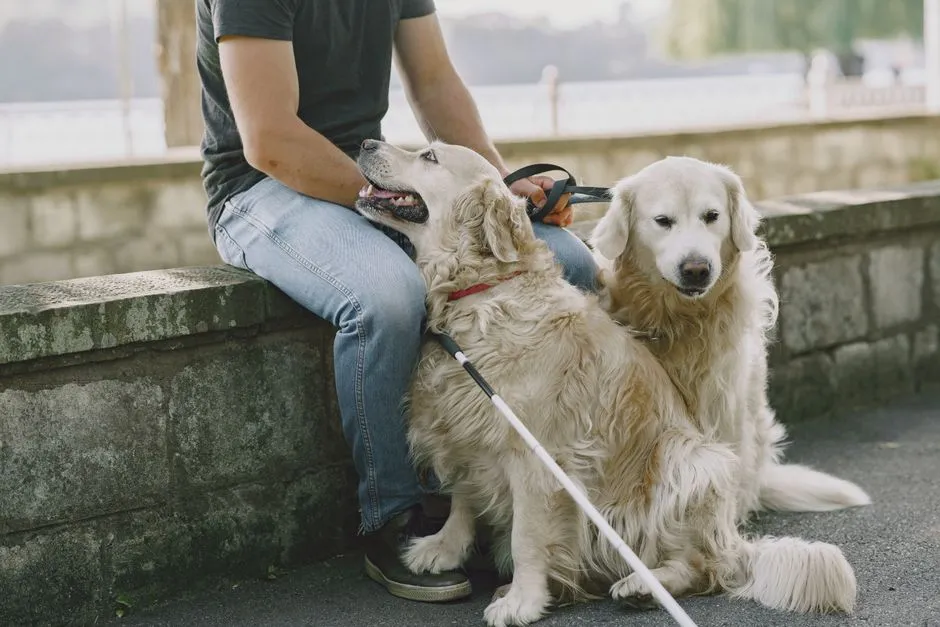
A bulky winter coat or an extra shoulder bag changes a person’s actual footprint in the world, and some guide dogs adjust their positioning and path width accordingly, giving their handler the extra room those items now need.
This kind of adaptation tends to appear after repeated seasonal exposure, once the dog has genuinely learned what “bulkier” means for this particular person. The part trainers find most impressive is how the lesson generalizes, a dog that learns to account for a winter coat will often make the same adjustment for a new backpack or shopping bag, without anyone retraining it from scratch.
#9 – Understanding a Handler’s Hesitation at Crossings
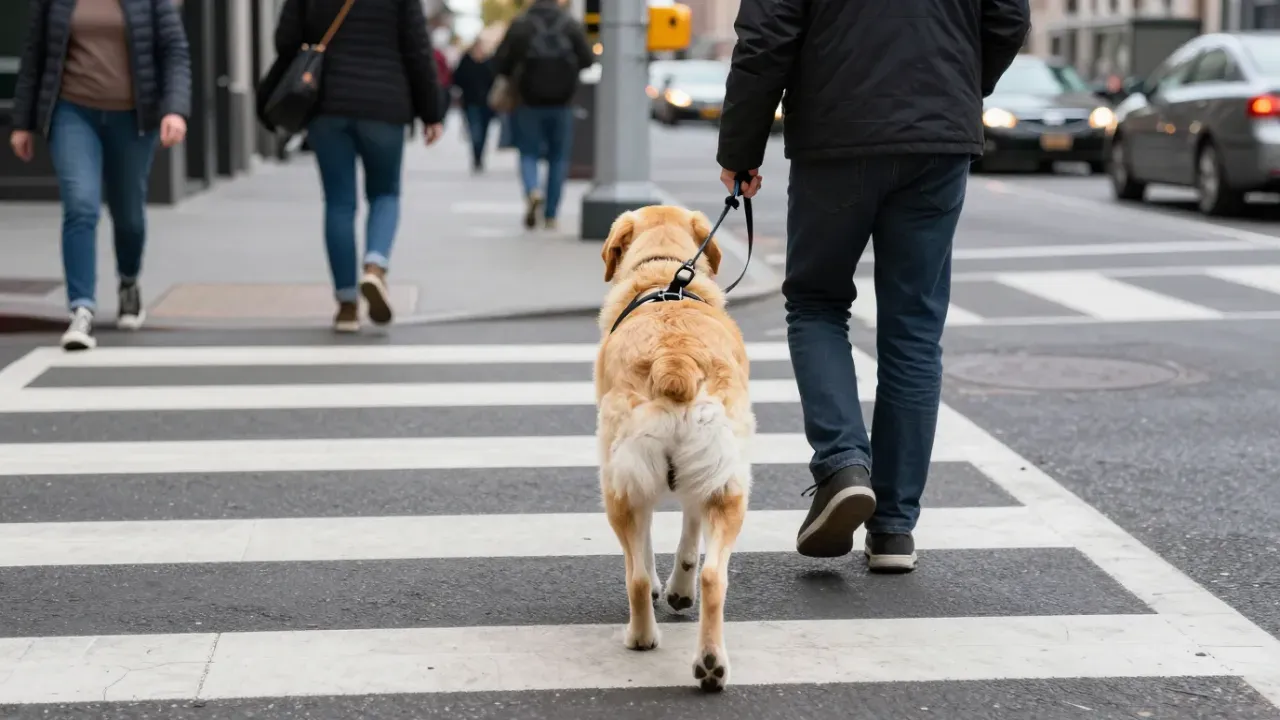
When a handler pauses at an intersection, a well-matched guide dog doesn’t read it as a stall in the command, it reads it as uncertainty, and waits longer or seeks extra confirmation before moving. That small distinction prevents a lot of premature, risky crossings.
Basic training lays the groundwork, but this specific nuance only develops out in the real world, crossing after crossing. Instructors have noticed dogs offering a slight alternate turn when the usual crossing suddenly feels wrong to the handler, effectively giving their person options instead of forcing a single path. That’s not obedience. That’s negotiation.
At a Glance
- Someone in the U.S. becomes blind or visually impaired roughly every 7 minutes, which is part of why moments like a crossing hesitation carry so much weight.
- Guide dog users report that they find these specially trained companions to be the key to regaining their independence and achieving their goals.
- A single missed cue at a busy intersection is exactly the kind of split-second call this hesitation-reading skill exists to catch.
#8 – Linking Certain Sounds to a Handler’s Needs
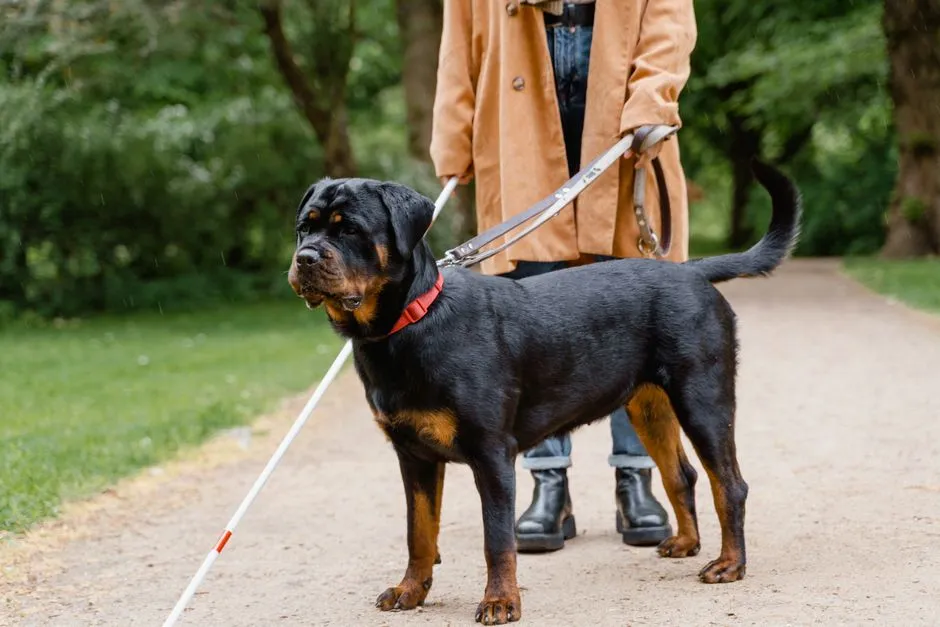
A bus announcement, an elevator chime, a specific tone of city noise, guide dogs in urban environments learn to connect these sounds directly to what their handler typically does next, and they position themselves accordingly before being told.
This isn’t the dog reacting to every noise around it. What stands out is the selective filtering, irrelevant sounds get ignored entirely, while the handful tied to the handler’s actual routine get the dog’s full attention. It’s an efficient system that speeds up travel and cuts down on wasted, hesitant moments in loud spaces.
#7 – Adjusting for a Handler’s Recent Health or Mobility Shifts
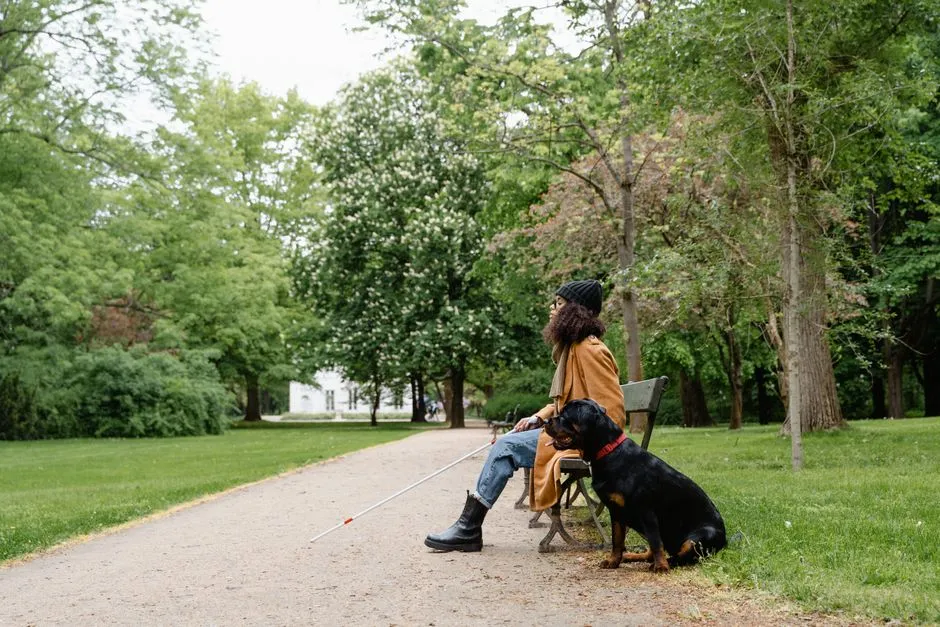
When a handler is dealing with a temporary injury, illness, or just a rough physical stretch, their guide dog often changes its whole guidance style, offering more space, slower pacing, gentler turns. This kind of sensitivity only develops from close, daily contact over time.
Trainers are quick to note this isn’t diagnosis, the dog isn’t identifying a medical condition, it’s reading behavior and compensating for it. Many teams report the dog holding onto that adjusted style until the handler visibly returns to their normal baseline, which suggests an ongoing, ever-updating read on the person rather than a one-time reaction.
#6 – Prioritizing a Handler’s Safety Over Strict Obedience
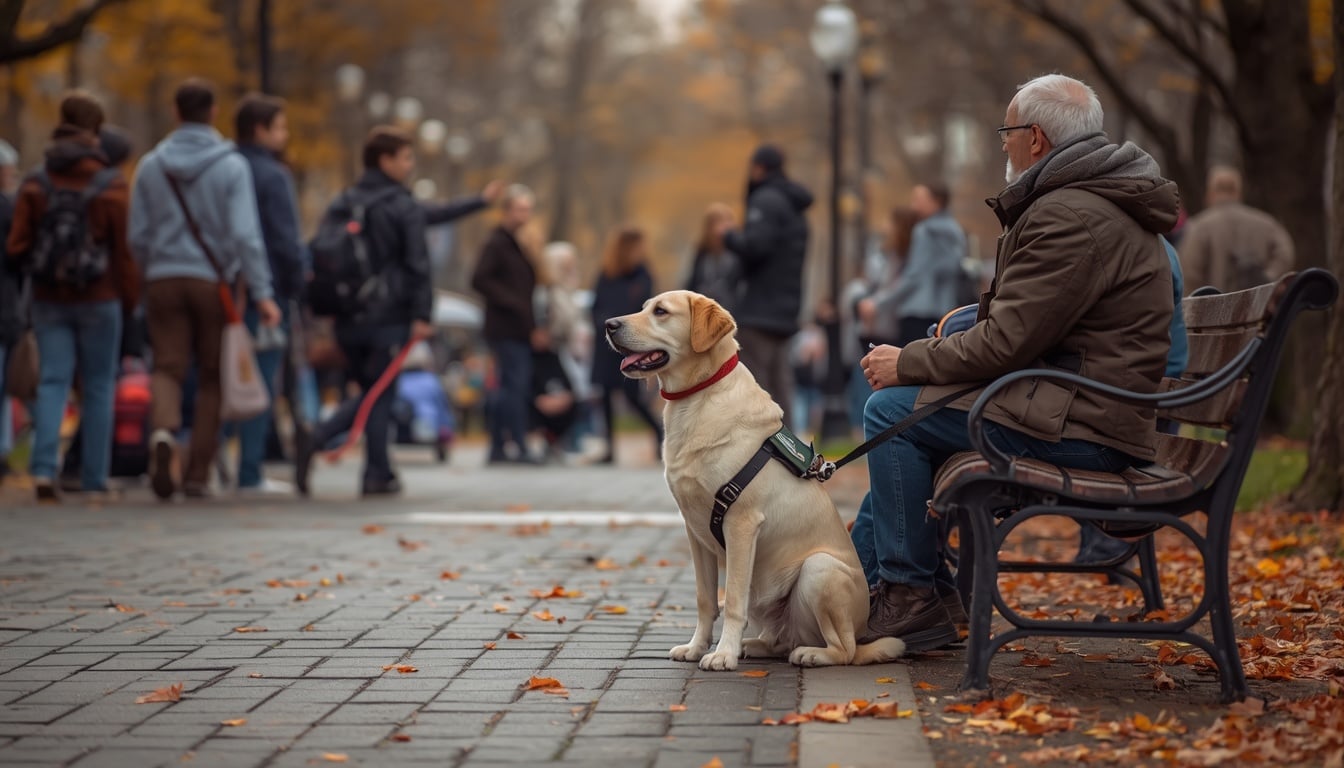
Beyond basic intelligent disobedience, some guide dogs go a step further, choosing a longer but genuinely safer route when the direct path hides a risk the handler has no way of assessing. This kind of judgment only develops with real experience in the field.
Trainers describe it as the purest expression of the working relationship, the dog weighing options in real time and picking the person’s safety over the shortest path. What still surprises new instructors is how consistently this shows up across completely different dogs and handlers, almost like the priority is baked into the partnership itself rather than any single dog’s personality.
#5 – Recalling a Handler’s Preferred Seating or Waiting Spots
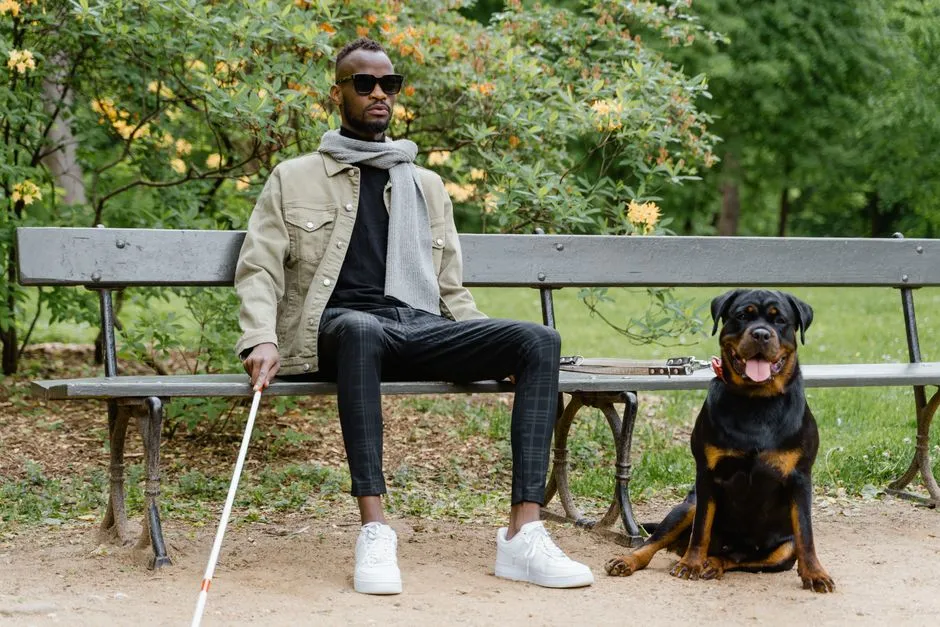
Inside a familiar building, a guide dog will often head straight for the bench or quiet corner its handler always uses while waiting, tied to memories of past successful rests in that exact spot. It’s a small thing that saves real fatigue during long appointments.
This behavior folds neatly into the dog’s larger daily map of the world, treated the same as any other important stop. What continues to impress trainers is the initiative behind it, the dog doesn’t just remember the spot, it often suggests heading there at exactly the right moment, before the handler has said a word about needing a break.
#4 – Sensing When a Handler Is Distracted or Preoccupied
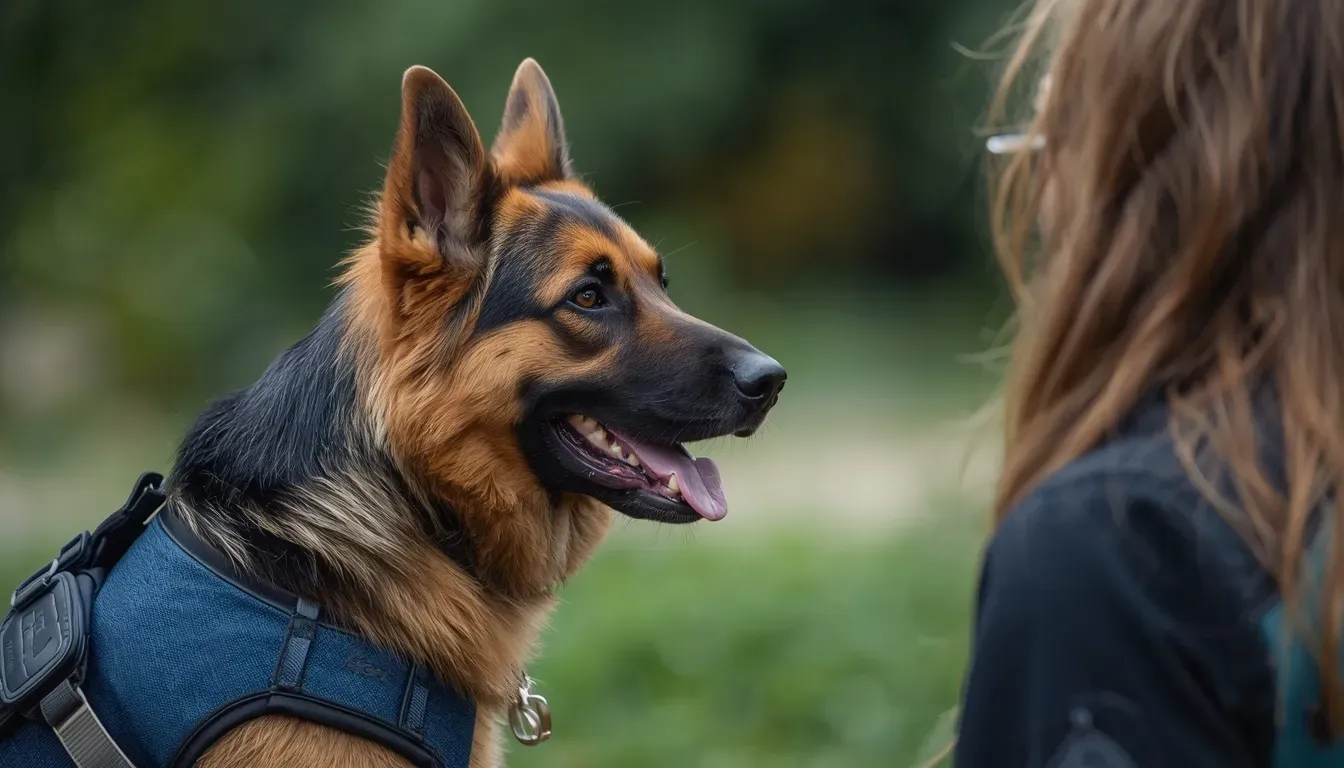
Phone conversations, wandering thoughts, a stressful morning, guide dogs in mature partnerships often pick up on divided attention and quietly increase their own vigilance to compensate, slowing down or watching more carefully than usual.
Trainers describe this as protective partnership rather than programmed behavior, the dog essentially covering a gap the handler has temporarily left open. This compensation shows up more reliably in high-traffic areas, exactly where a distracted moment would matter most, which suggests the dog isn’t just reacting generally but weighing the actual stakes of the environment.
#3 – Building Long-Term Route Associations Across Seasons
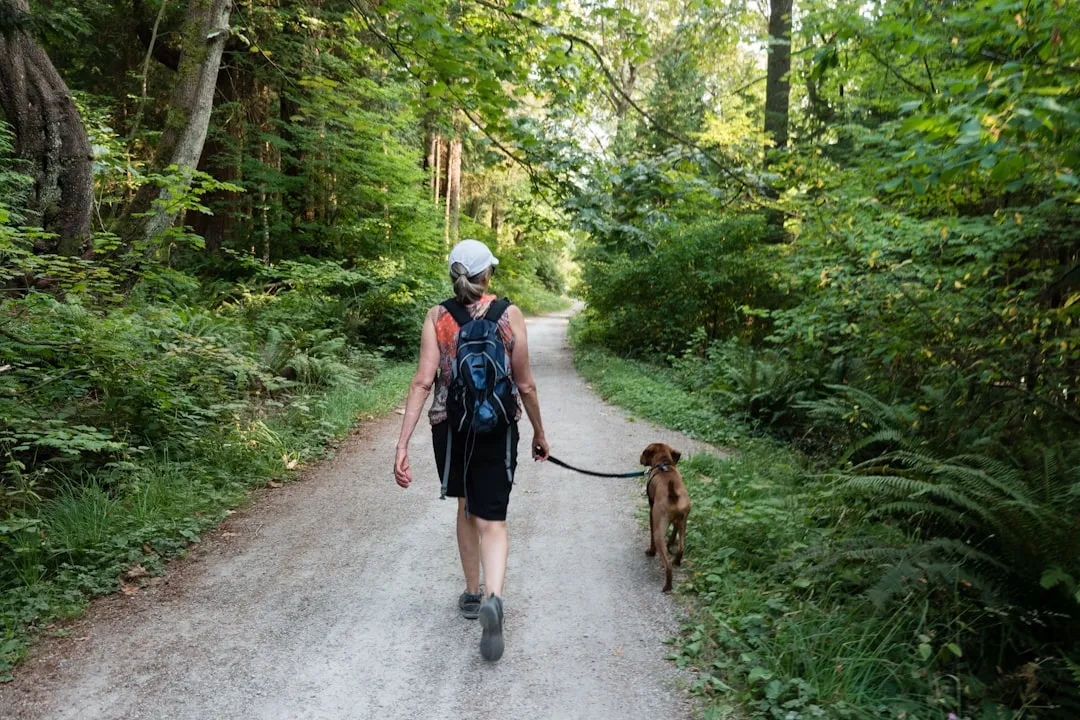
Months of weather changes, construction detours, shifting sidewalks, and a guide dog will still guide its handler accurately, quietly updating its internal map with each new bit of feedback along the way. The sheer number of variables involved is part of why this still amazes trainers.
The updating process depends heavily on consistent input from the handler, but the dog does the real work of holding it all together. The standout detail is how dogs sometimes revert to an older, proven-safe path during a temporary disruption, choosing familiar reliability over a shortcut it hasn’t fully trusted yet.
#2 – Recognizing a Handler’s Emotional Baseline Through Daily Patterns
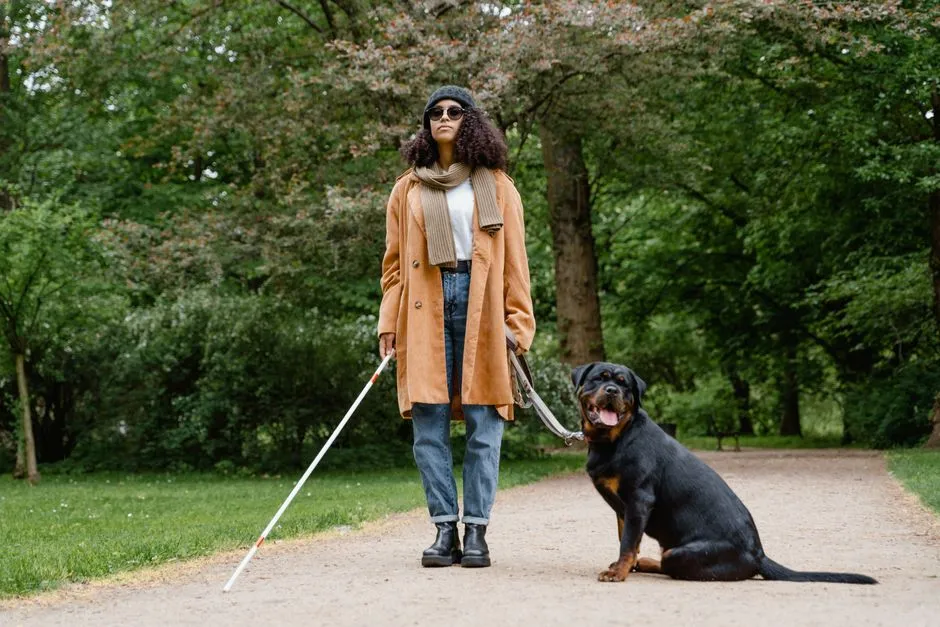
Over months and years together, guide dogs start to notice when their handler’s voice, tension, or movement drifts away from its usual baseline, and many respond by offering steadier, calmer guidance during those stretches. Trainers stress this stays grounded in observable cues, not speculation about feelings.
Reports describe dogs offering small, subtle reassurance behaviors during a handler’s higher-stress periods, a gentle lean, a slower pace, a quieter presence. It’s not trained into them directly. It emerges on its own, in the strongest teams, as one more sign that the bond has grown past pure task completion.
Why It Stands Out
- This kind of emotional tracking isn’t trained directly into a guide dog, it grows on its own through years of shared routine.
- Handlers describe it as being read rather than simply led, a subtle but important shift in the partnership.
- Trainers say it’s one of the clearest signs a team has moved past basic task completion into something closer to genuine companionship.
#1 – Treating the Handler as the Primary Decision-Maker While Filling Critical Gaps
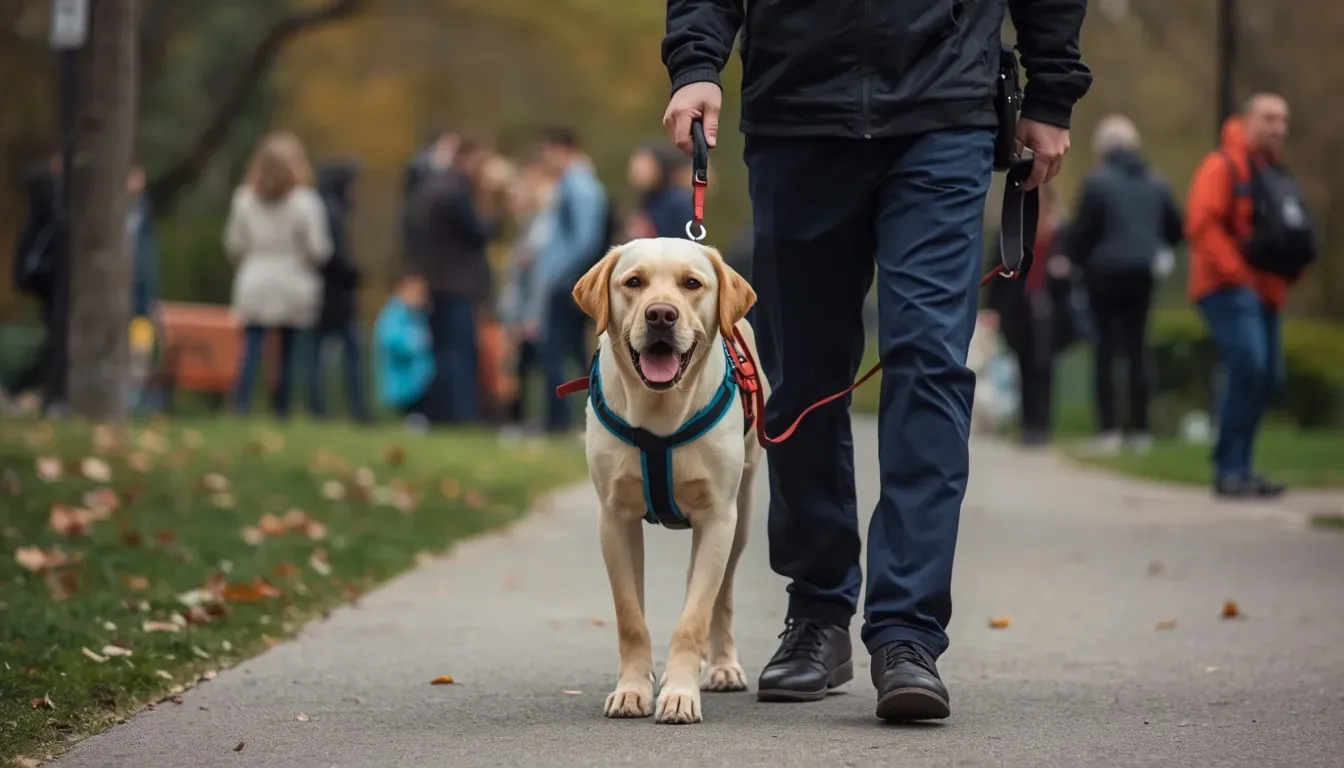
Here’s the one that trainers keep coming back to. Guide dogs consistently defer to their handler’s overall intent, their destination, their pace of the day, while still stepping in seamlessly the instant something dangerous or misjudged appears. That balance keeps the person firmly in control without ever needing constant micromanagement.
What separates the very best teams is timing, the dog seems to know exactly where its handler’s knowledge ends, and steps in precisely there, no earlier, no later. It’s why so many handlers describe their guide dog not as a tool they use, but as an extension of their own awareness, filling in exactly what’s missing and nothing more.
The Bottom Line
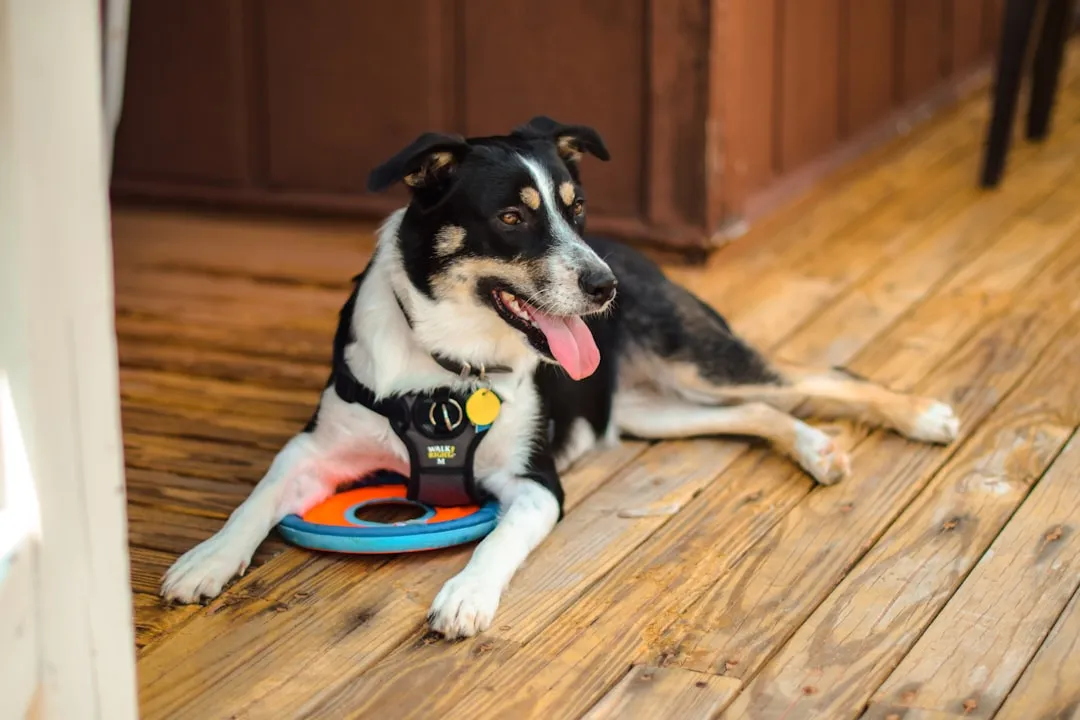
None of this makes guide dogs psychic, and it doesn’t need to. What it makes them is something arguably more impressive: animals that build a working model of a specific human being, then quietly adjust that model every single day for years.
Trainers keep using words like “amazing” and “still surprises us” because the honest truth is nobody fully predicted just how far this partnership would go. The obedience was always the easy part. The real skill, the part worth paying attention to, is a dog learning exactly when to lead, when to follow, and when to quietly break the rules to keep its person safe.
If you ask us, that’s not a well-trained animal. That’s a relationship. Did we miss one? Drop it in the comments.

- 23 Things Guide Dogs Understand About Their Person That Still Amazes Trainers - July 13, 2026
- 21 Dog Breeds Only Found In America - July 12, 2026
- 10 Fascinating Facts About The Ancient City of Petra - July 12, 2026