
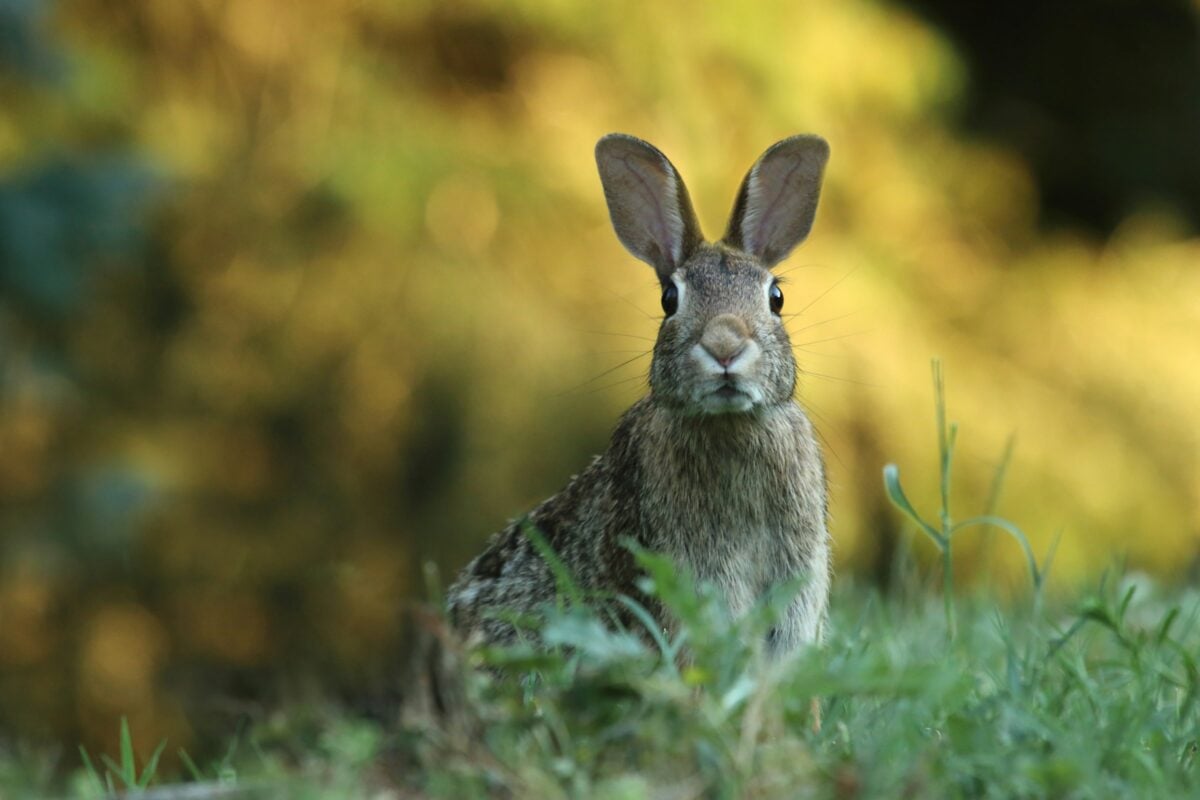
When a rabbit suddenly halts, motionless, instead of darting away, it might seem puzzling. This behavior, deeply rooted in their survival instincts, reveals much about their perception of threats and their natural responses.
The Instinctual Freeze Response
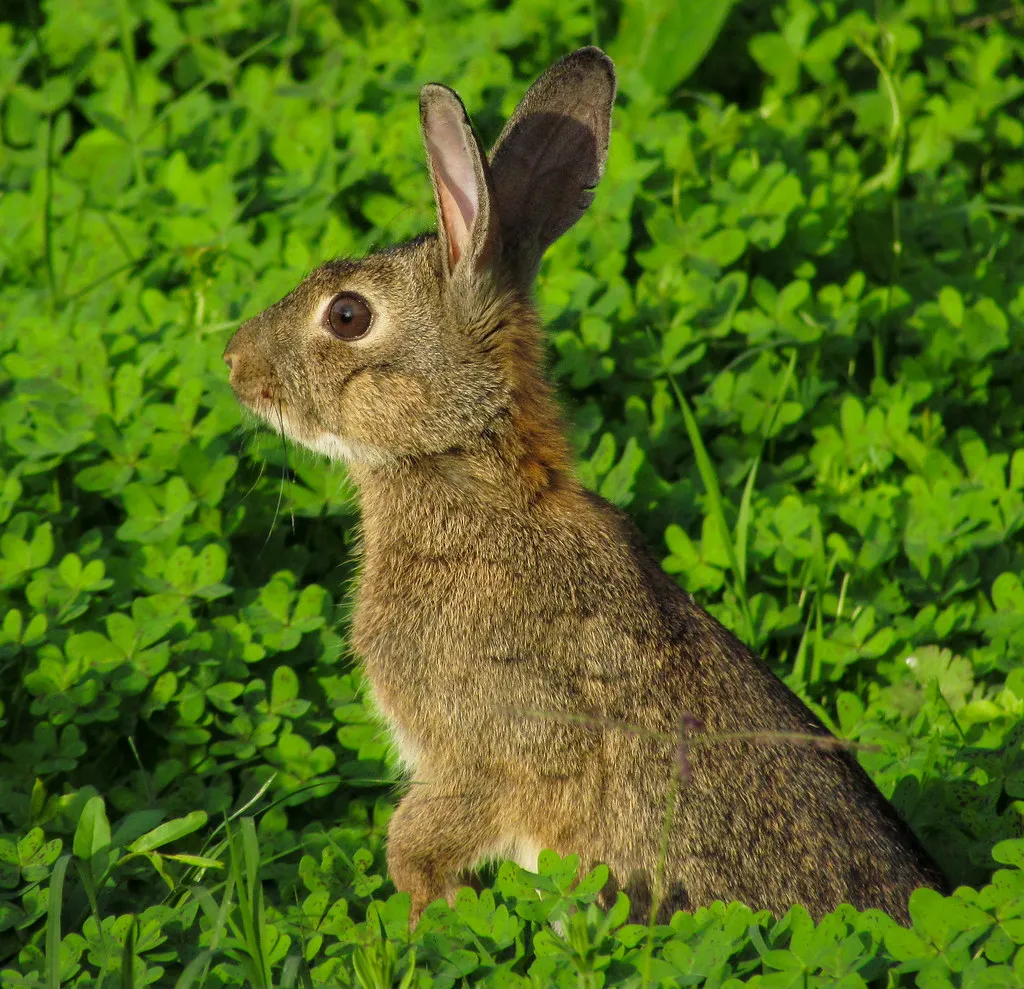
Rabbits possess a hardwired freeze response, a survival mechanism that helps them evade predators. By remaining still, they blend seamlessly into their surroundings, making it harder for predators to detect them. This tactic is especially effective in environments where their natural camouflage plays to their advantage.
In the wild, a rabbit’s decision to freeze is often a split-second calculation. If they believe a predator hasn’t spotted them, staying still can be safer than fleeing, which might attract attention. This behavior underscores the delicate balance rabbits maintain between movement and stillness to ensure their safety.
Assessing the Threat Level
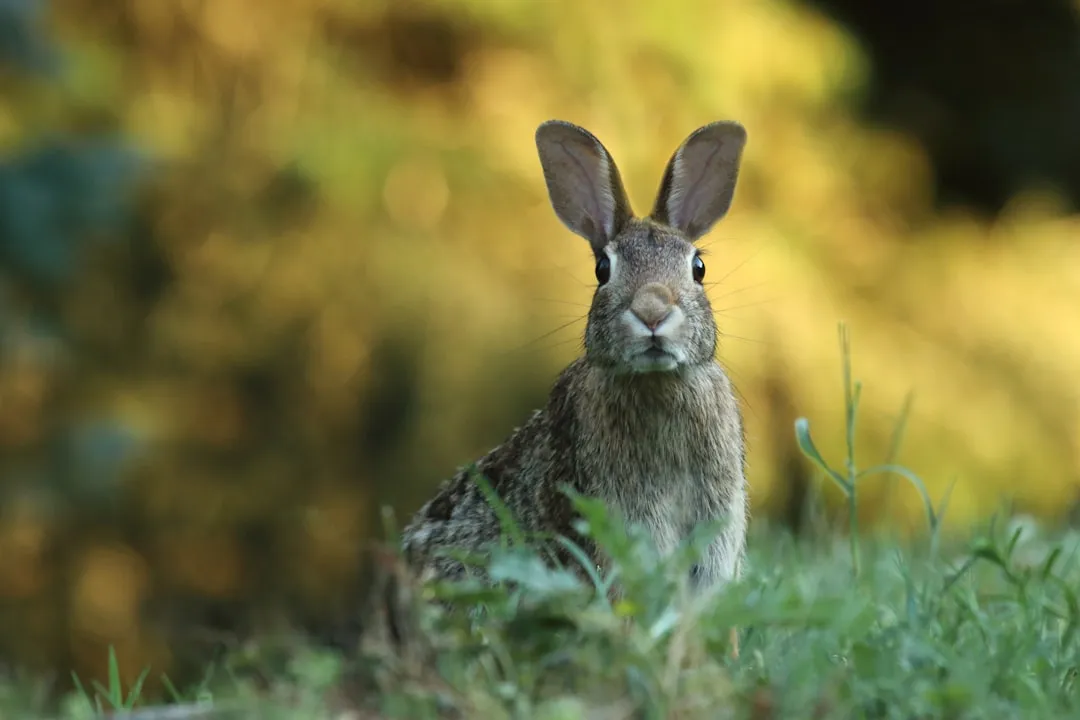
When confronted with potential danger, rabbits quickly evaluate the severity of the threat. If they perceive the risk as low or uncertain, they might choose to freeze, hoping to go unnoticed. This pause allows them to gather more information about the situation before deciding on their next move.
However, if the threat escalates or becomes more apparent, the rabbit will likely switch from freezing to fleeing. This shift demonstrates their adaptability and keen awareness of their environment, ensuring they choose the most effective survival strategy in any given moment.
Energy Conservation and Survival
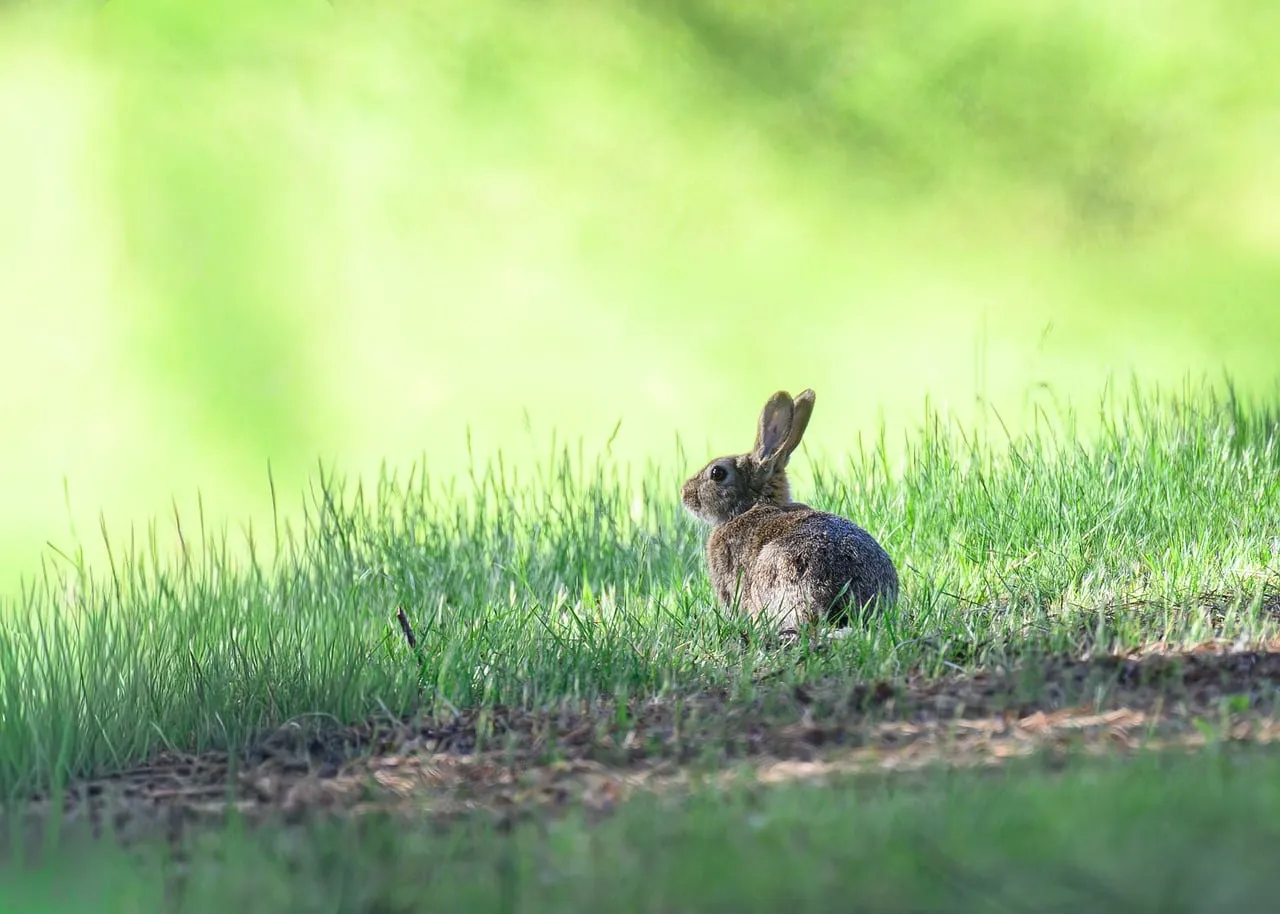
Freezing isn’t just about avoiding detection; it’s also an energy-saving strategy. Constantly running from perceived threats would deplete a rabbit’s energy reserves, making them more vulnerable in the long run. By choosing to freeze, they conserve energy for moments when a swift escape is absolutely necessary.
This energy conservation is crucial, especially in habitats where food sources might be scarce. By balancing their responses between freezing and fleeing, rabbits optimize their chances of survival without unnecessarily expending vital energy.
Communication with Other Rabbits
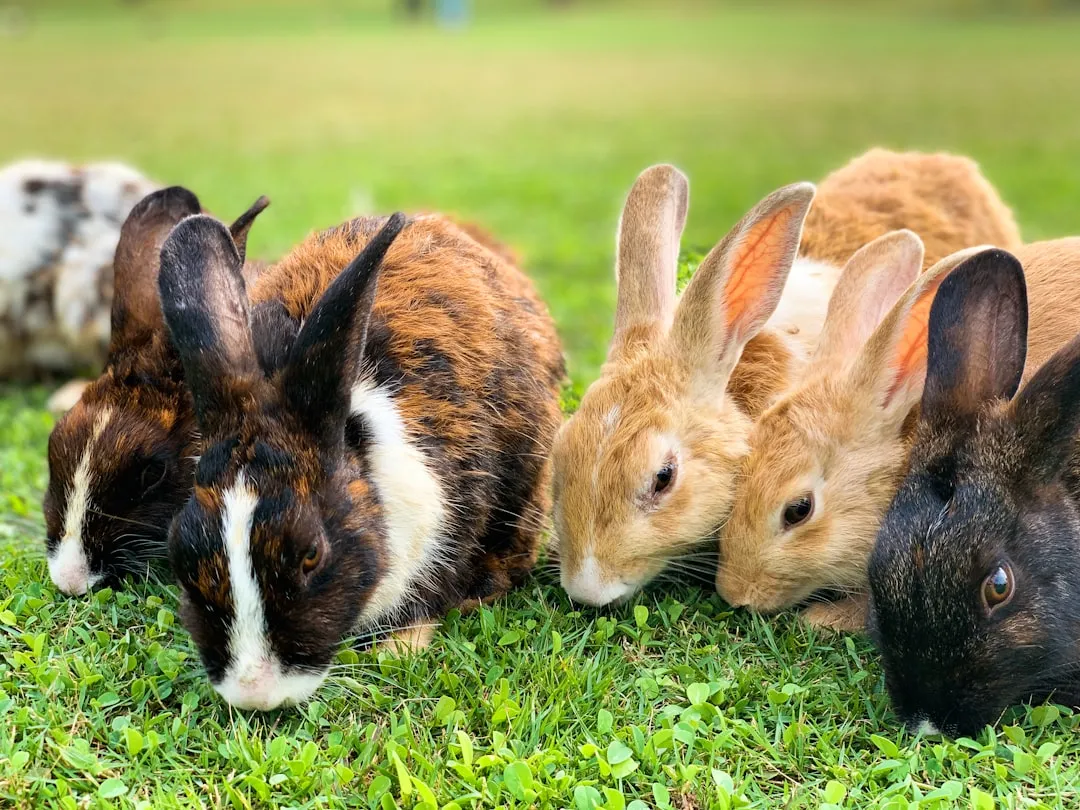
Interestingly, a rabbit’s freeze response can also serve as a form of communication with other rabbits. When one rabbit freezes, it can signal to others that a potential threat is nearby, prompting the group to become more alert and cautious.
This communal awareness enhances the safety of the group, as multiple eyes and ears are attuned to the environment. Such collective vigilance showcases the social dynamics of rabbits and their cooperative strategies for survival.
Variations Among Domestic and Wild Rabbits
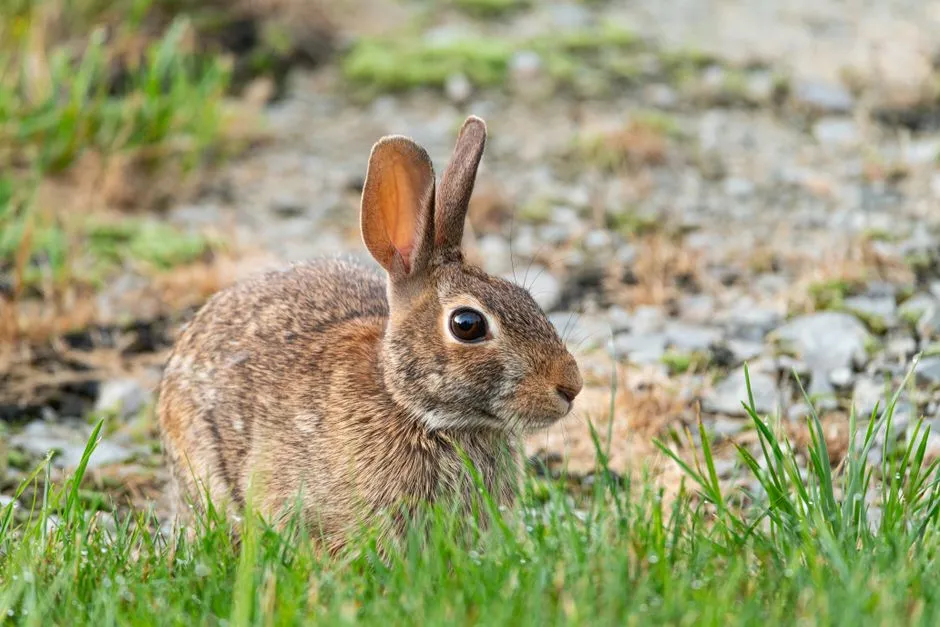
Domestic rabbits, while retaining many wild instincts, might exhibit the freeze response differently. In a home environment, a pet rabbit might freeze when startled by unfamiliar sounds or sudden movements, reflecting their innate caution.
Wild rabbits, on the other hand, rely heavily on the freeze response as a primary defense mechanism. Their survival depends on accurately assessing threats and choosing the appropriate response, be it freezing or fleeing, based on their immediate environment.
Understanding Rabbit Body Language
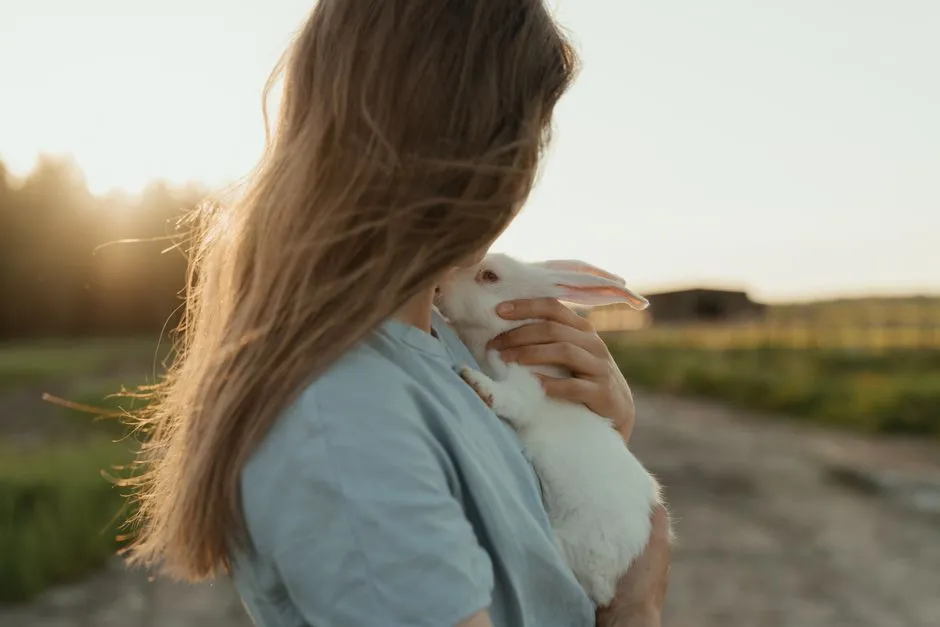
Recognizing when a rabbit is freezing and understanding the context can provide valuable insights into their well-being. For pet owners, observing this behavior can indicate when a rabbit feels threatened or stressed, allowing for adjustments to their environment to ensure comfort.
By paying attention to such cues, owners can build a stronger bond with their rabbits, fostering trust and creating a more harmonious living situation. Understanding these subtle behaviors enriches the human-animal relationship, making interactions more meaningful.
Conclusion
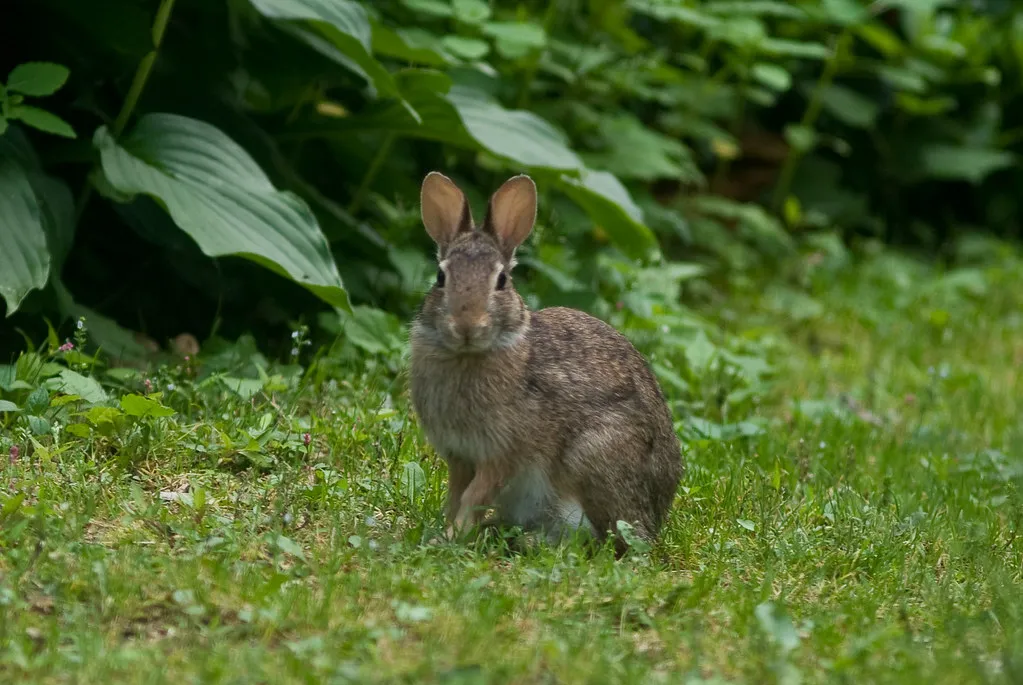
The freeze response in rabbits is a multifaceted behavior deeply embedded in their survival instincts. It’s a testament to their adaptability and intelligence, allowing them to navigate threats with calculated precision. For those who share their lives with these creatures, recognizing and respecting this behavior is essential. It not only ensures the rabbit’s well-being but also deepens the connection between human and animal. So, the next time your rabbit freezes, consider the intricate dance of instinct and environment at play. What might they be sensing that you aren’t?
