
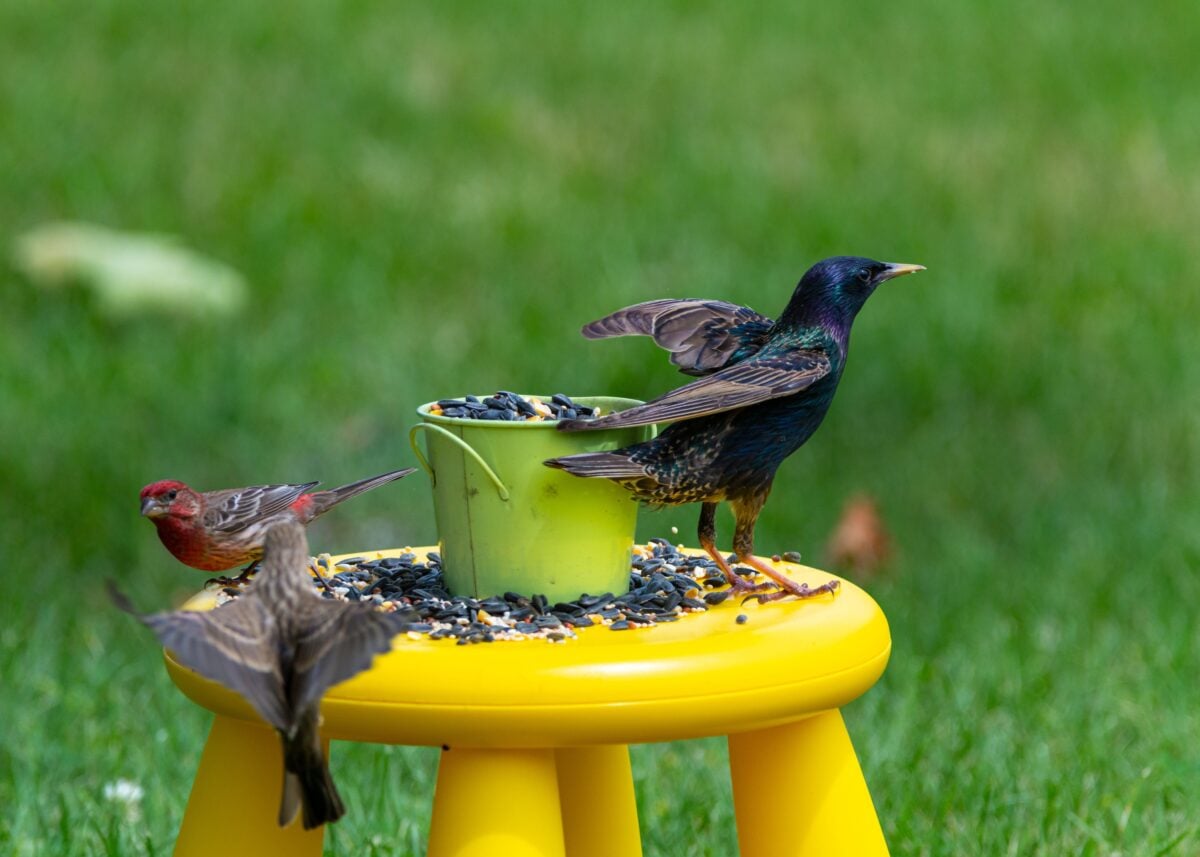
You probably think the neighborhood bird person is easy to spot – the retiree in a sun hat with one feeder and a pair of binoculars propped on the porch rail. That image is comforting, and it’s almost entirely wrong. The real transformation is quieter, slower, and far more thorough, and by the time you notice it, you’re already three steps in.
It doesn’t announce itself with a title or a hobby-store membership card. It shows up in small habits – an extra seed bag here, a second feeder there – until one day a stranger pulls over on your street just to watch your yard. If even a few of the signs below feel a little too familiar, keep reading, because the last few are the ones people never see coming.
#21 – Your Yard Hosts More Birds Than the Local Park
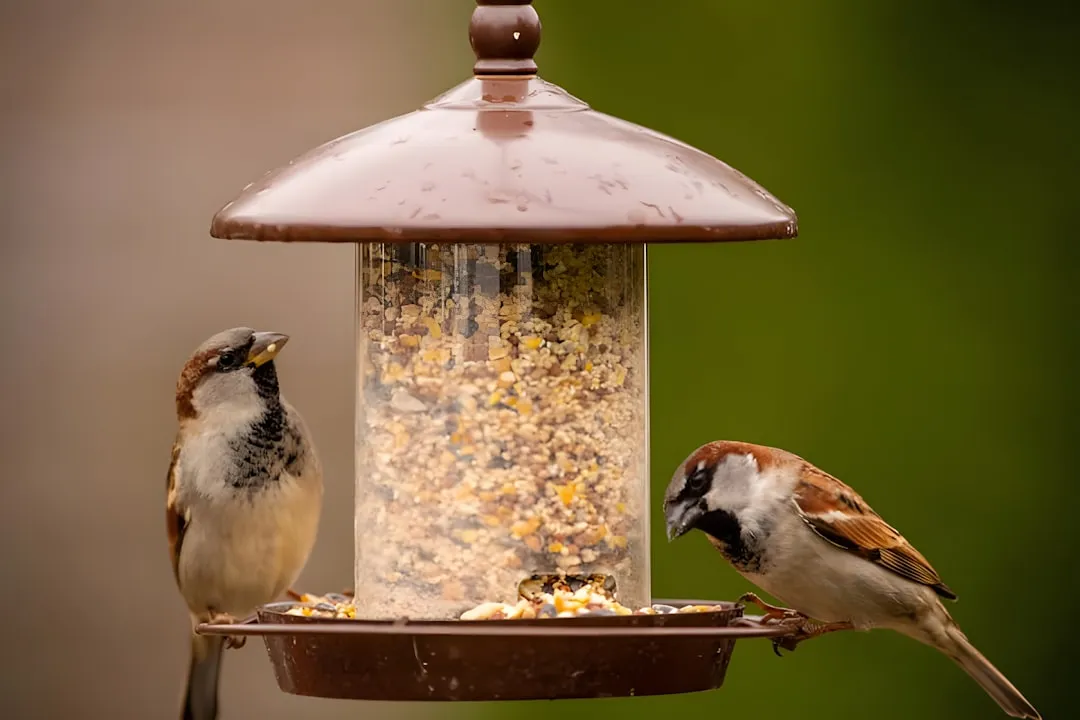
It starts with one feeder hung on a whim near the kitchen window. A few months later, you’re counting dozens of visitors before you’ve even finished your coffee, while your neighbors’ lawns sit empty and silent by comparison.
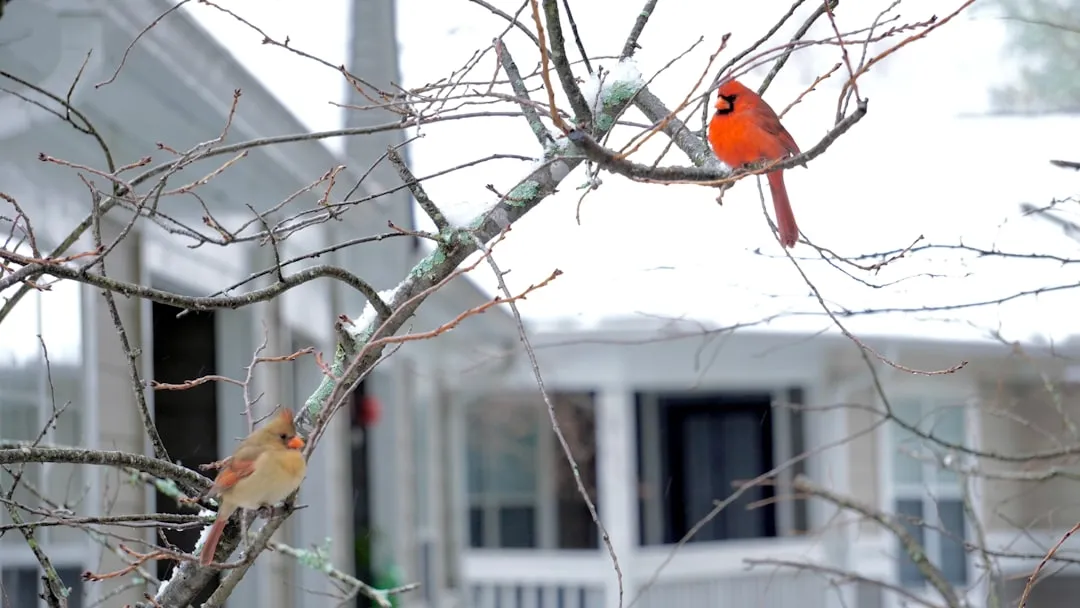
Cardinals, finches, and woodpeckers start rotating through on a schedule you didn’t set but somehow memorized anyway. Somewhere along the way, your quarter-acre backyard quietly starts outperforming the actual public park down the street – and the neighbors walking past have started to notice the noise.
Fast Facts
- Roughly 59 million Americans feed wild birds around their own homes, per U.S. Fish & Wildlife Service estimates.
- Backyard bird lovers spend an estimated $4 billion a year on seed alone.
- An estimated 96 million people nationwide watch, feed, or photograph birds in some form each year.
- Bird feeding remains one of the fastest-growing outdoor pastimes in the country.
#20 – You Recognize Individual Birds by Their Markings
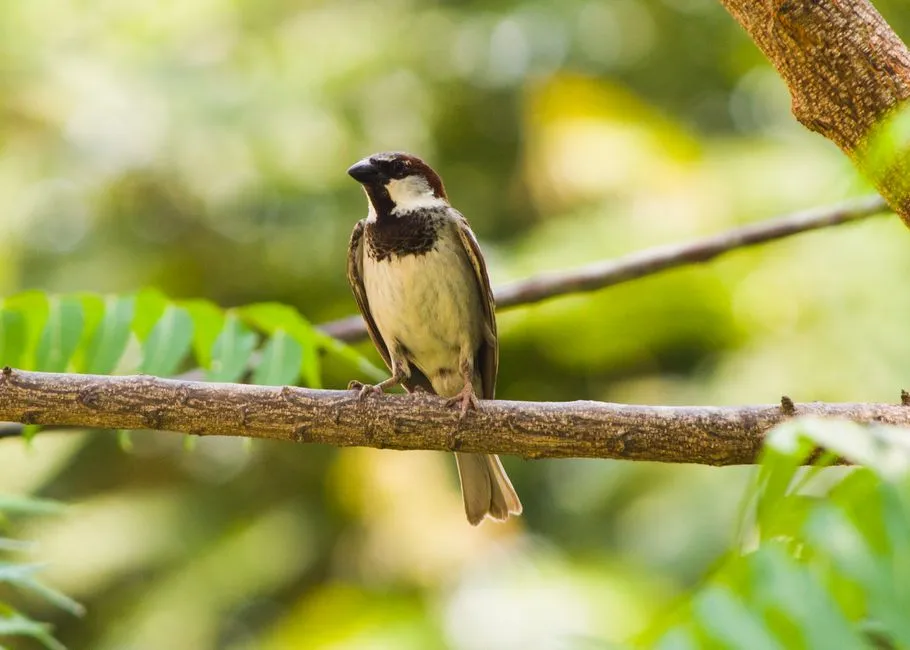
Everyone else sees “a bunch of sparrows.” You see the one with the crooked tail feather who’s been showing up at 7:10 a.m. for three straight days, and you’re already a little worried about where he’s been the rest of the week.
This kind of recognition doesn’t come from reading a field guide. It comes from months of quiet, repeated watching until the birds stop being a category and start being individuals – some of whom you’ve secretly nicknamed. The moment you correct someone’s “pretty bird” comment with an actual ID, you know there’s no going back.
#19 – Neighbors Text You About Strange Bird Sightings
A photo lands in your messages – blurry, backlit, taken through a screen door – with the caption “what is this??” You didn’t apply for this job, but somehow you’re the one everyone’s phone goes to first.
It happens because you’re the only person on the block who’s been paying attention year-round. You reply with a species name, maybe a feeding tip, and don’t think twice about it. Without ever meaning to, you’ve become the unofficial hotline for every odd visitor that lands on someone’s porch railing.
#18 – You Stockpile Seed Like You’re Prepping for Winter Every Month
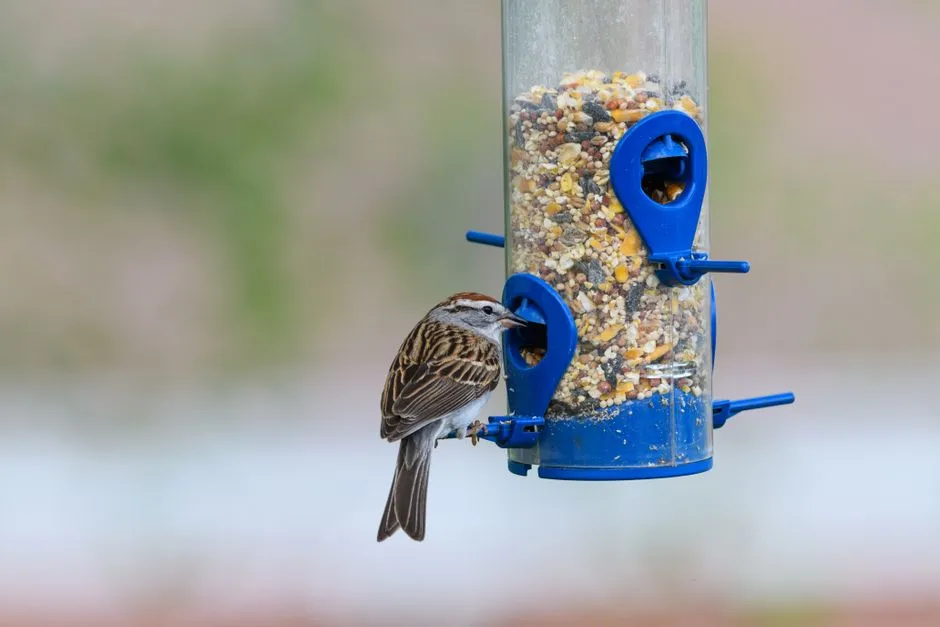
Your garage used to hold a small paper sack from the hardware store. Now it holds 50-pound bags stacked like sandbags, because the smaller containers empty out in days instead of weeks.
You’ve started comparing prices across three different suppliers and tracking which season drives demand up. Somewhere along the way, your monthly seed bill quietly started rivaling what some households spend on fresh produce – and you’ve stopped mentioning the number out loud.
#17 – Bird Calls Interrupt Your Conversations Mid-Sentence
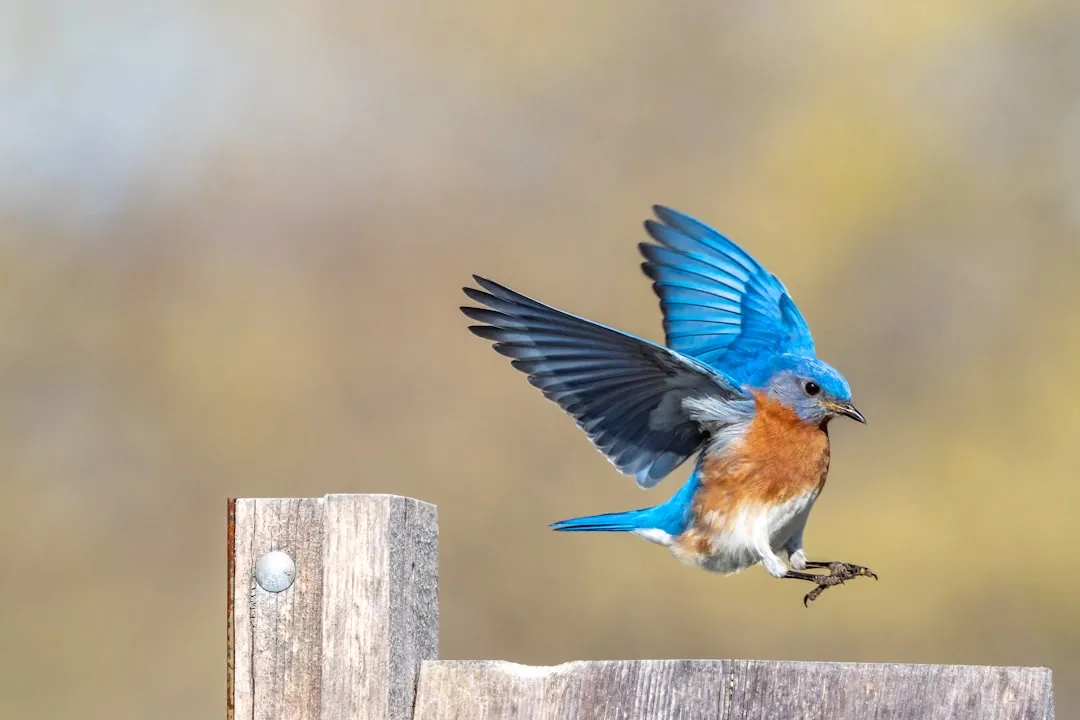
You’re deep in a conversation at a backyard barbecue when a faint chirp cuts through the noise. Your head tilts, your sentence trails off, and you resume talking three seconds later like nothing happened.
Nobody taught you to do this. Hours of listening in your own yard trained your ear faster than any app could. Now you catch yourself correcting other people’s bird calls in real time, turning small talk into an impromptu field lesson nobody asked for.
#16 – Your Yard Has Become a Multi-Station Feeding Operation
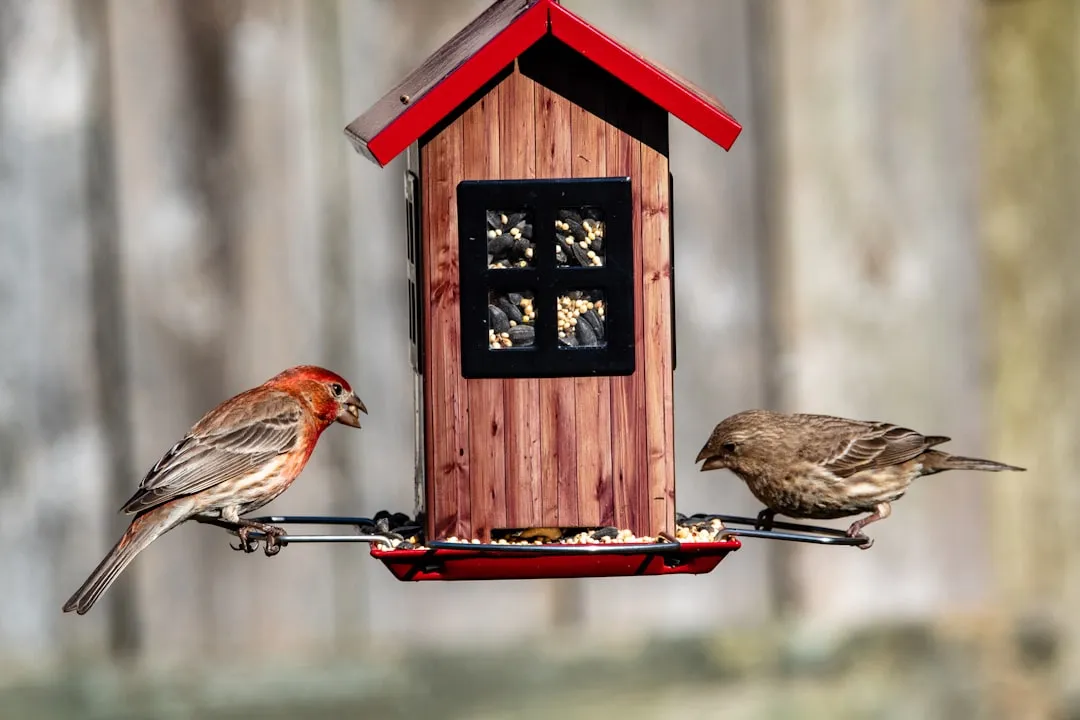
One feeder for seed, one for suet, a nectar feeder for the hummingbirds, and a ground tray for the birds too shy to compete at height. What began as a single hook on a shepherd’s post has quietly become a small operation.
Most beginners stop at one feeder and wonder why traffic stays thin. You figured out that different species need different setups, and now cleaning the whole station has become as routine as mowing the lawn – a Saturday chore that somehow feels satisfying instead of tedious.
Quick Compare
- Single feeder: Attracts a handful of common species, needs refilling less often, minimal cleanup.
- Multi-station setup: Draws seed-eaters, suet-lovers, nectar-sippers, and ground feeders at once, but demands weekly cleaning and a bigger seed budget.
- Traffic difference: Multi-station yards typically pull in far more daily visitors and a wider mix of species than a single feeder ever will.
#15 – Seasonal Migrations Quietly Take Over Your Calendar
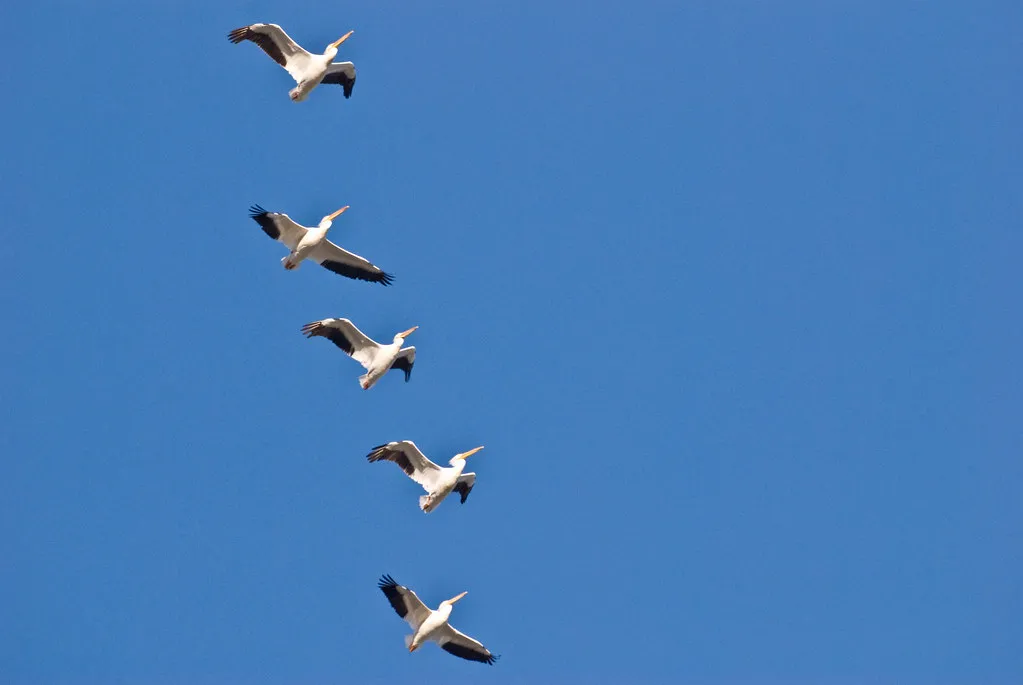
You’ve started checking migration timing the way other people check weather forecasts before a trip. Vacations get nudged a week earlier or later depending on when certain species are expected to pass through.
Backyard bird counts confirm what you already suspected – dedicated feeders rearrange their routines around arrivals and departures without even realizing it. Somewhere in there, you started scheduling social plans around what you privately call “a good birding day,” and nobody in your life questions it anymore.
#14 – You Argue Protein Percentages With the Store Clerk
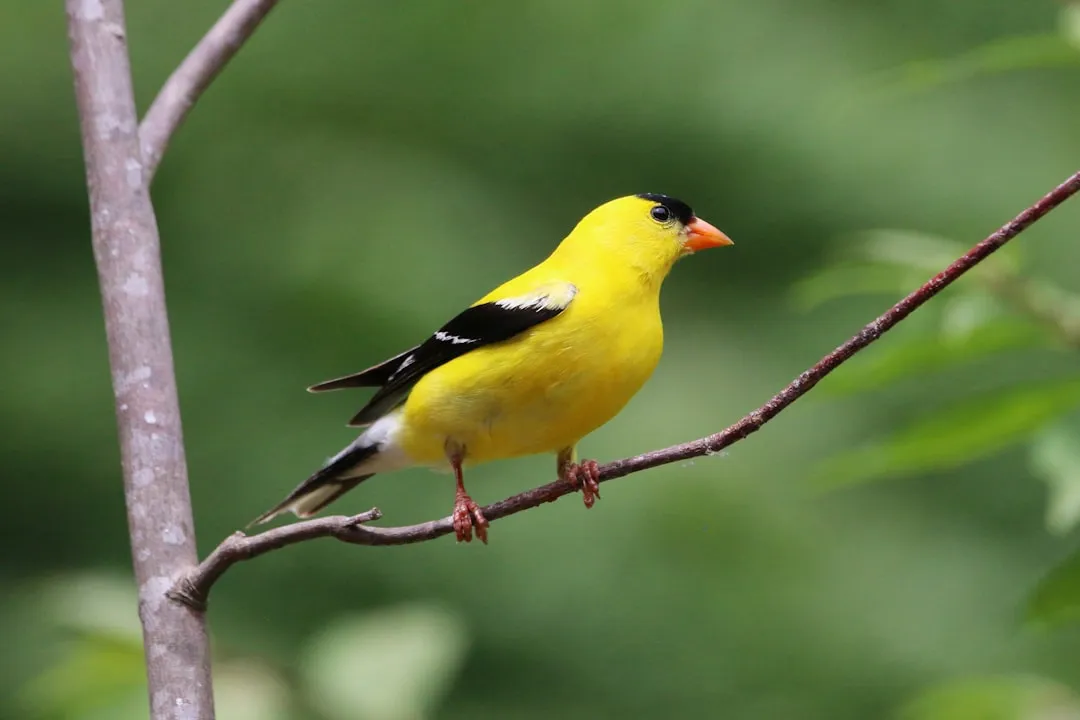
Other shoppers grab whatever bag is cheapest and move on. You’re standing in the aisle discussing filler content and protein ratios like you’re comparing dog food labels, because you know exactly which mix keeps the finches around and which one just feeds the squirrels.
That knowledge didn’t come from a package label – it came from years of trial and error. Eventually the clerks start recognizing you on sight and asking what you’d recommend to other customers, which is how you go from shopper to unpaid consultant without ever applying for the position.
#13 – Stray Cats Have Learned to Avoid Your Property Entirely
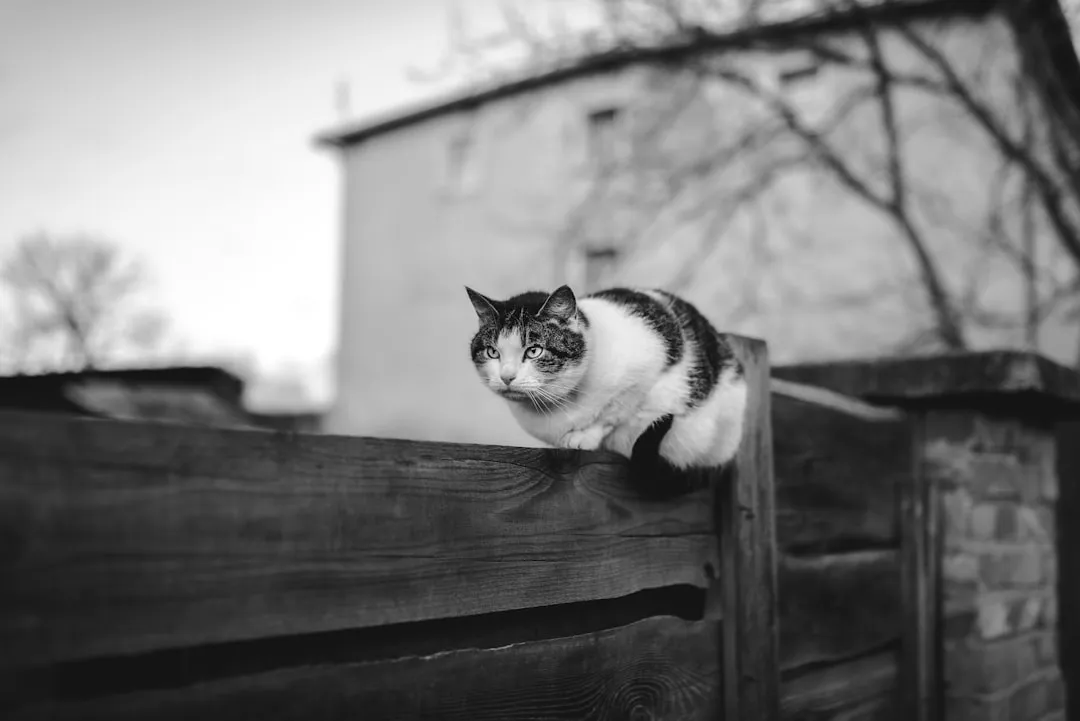
Feral and outdoor cats are smart enough to remember a bad hunting ground, and your yard has quietly become one. Between the constant bird activity and your own watchful presence, easy prey simply doesn’t exist there anymore.
You notice it in the small things – no paw prints near the feeders, no lurking silhouettes at dusk. It’s a strange kind of pride to take in, but it occasionally sparks tension with neighbors whose cats now give your fence line a wide, resentful berth.
#12 – Your Phone Has Become an Accidental Bird Archive
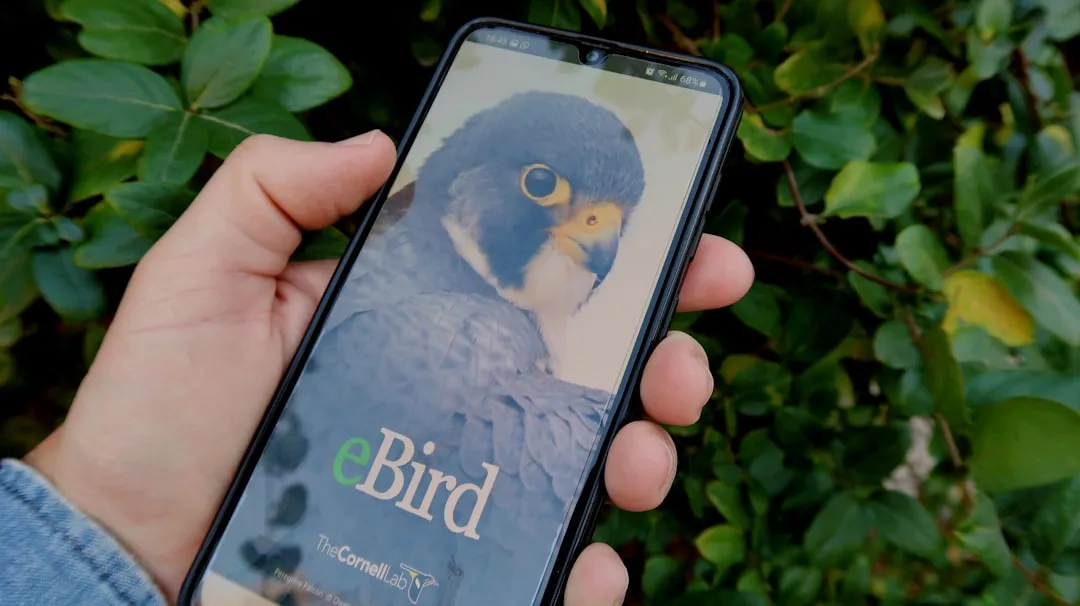
What started as a single proud photo of a rare visitor has quietly turned into hundreds of dated images, sorted by species without you ever deciding to sort anything. You didn’t plan to build a database – it just happened, one photo at a time.
Now you catch yourself comparing this March’s photos to last March’s, noticing the same species arriving a few days earlier each year. Some feeders take it even further, keeping spreadsheets of daily counts detailed enough to make a professional ornithologist raise an eyebrow.
Worth Knowing
- The free Merlin Bird ID app now has more than 3 million active users, most of whom started out just trying to answer “what’s that bird?”
- Merlin is powered by eBird, the world’s largest database of bird sightings, sounds, and photos.
- Plenty of serious feeder-watchers eventually graduate from casual photo folders to logging real sightings on eBird, quietly contributing data used by actual scientists.
#11 – Delivery Drivers Pause Before They Even Knock
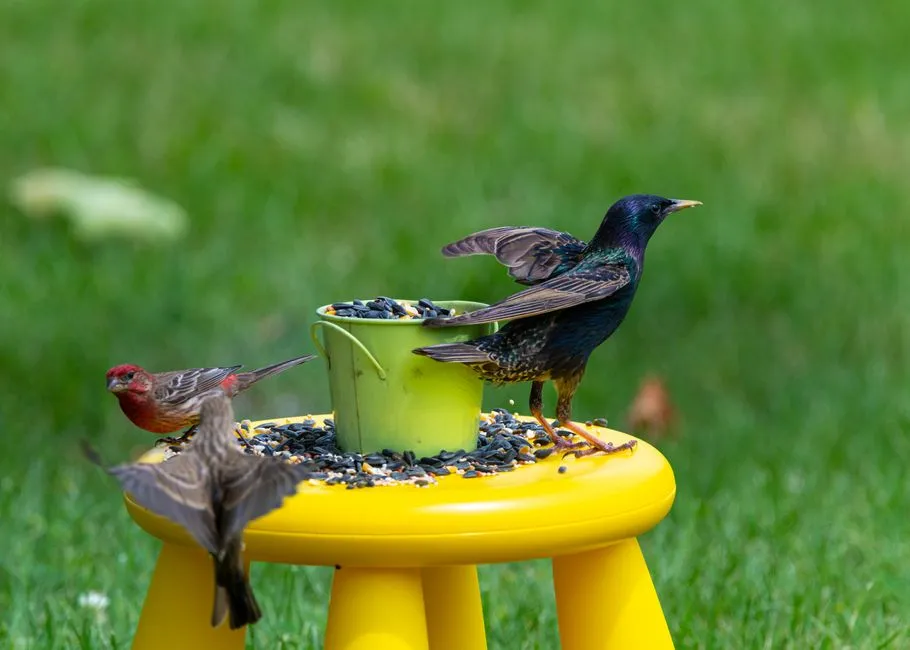
Instead of dropping the package and rushing back to the truck, the driver lingers by the feeder, watching a cardinal work the suet cage before finally ringing the bell. That kind of pause doesn’t happen at a normal suburban house.
It’s a small sign, but it’s a telling one – your yard has crossed some invisible line from “nice landscaping” into “local landmark.” Some drivers even come back with questions about birds they spotted three stops earlier on their route, treating you like the neighborhood’s unofficial field guide.
#10 – You Defend “Pest” Birds Like Starlings Without Even Meaning To
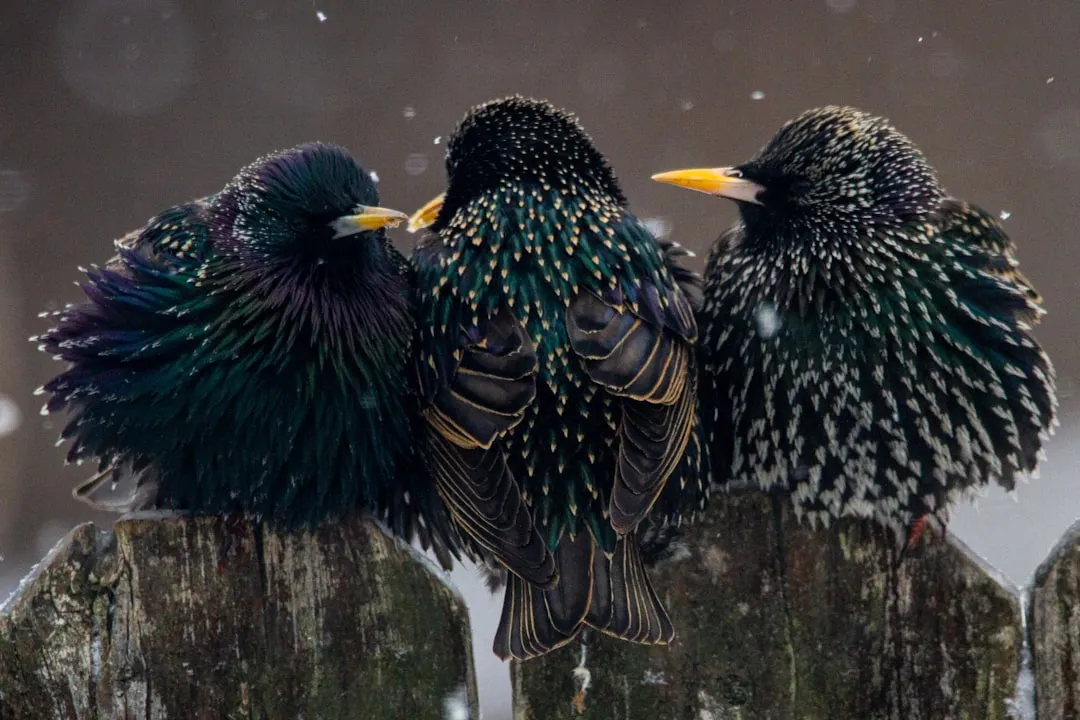
Someone complains about a noisy flock of starlings or grackles taking over a tree, and before you can stop yourself, you’re explaining their role in the ecosystem and why they’re not the villains everyone assumes.
It’s a stance most people find slightly annoying at first, mostly because they’ve never watched the behavior up close the way you have. But your explanations have a way of sticking, and over time you notice a few neighbors softening their language – from “pests” to just “birds.”
The bird watcher, the naturalist, the woods walker, the outdoor observer will see something every day that will be worth putting down in a few words in a diary.
Edwin Way Teale
#9 – Your Holiday Decorations Now Come With Fine Print for Wildlife
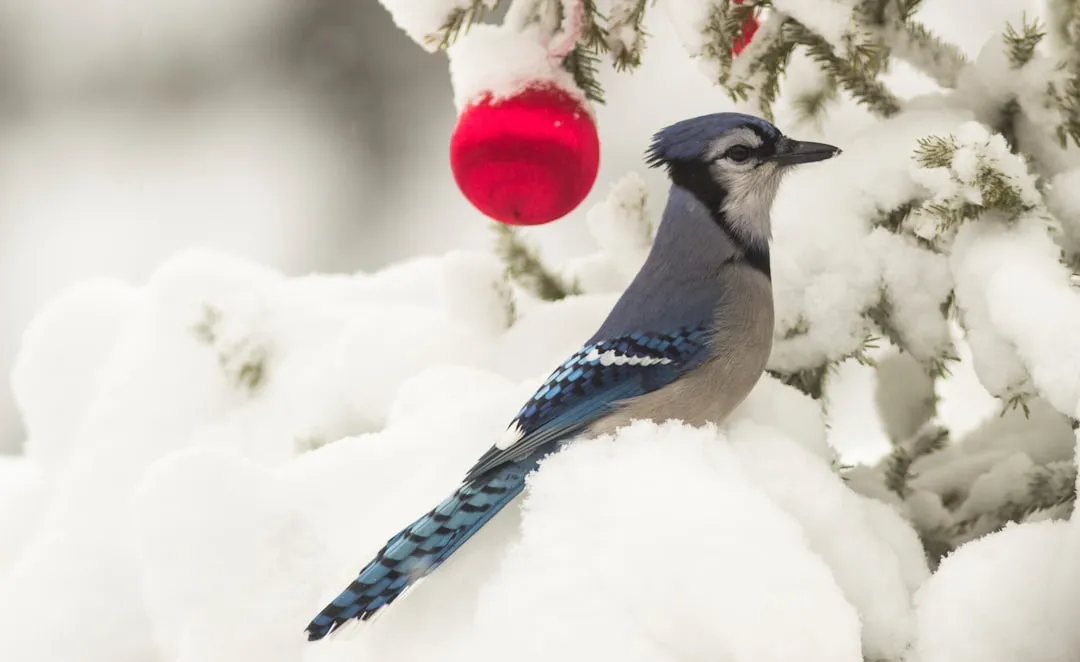
Wreaths get checked for toxic berries. String lights get double-checked for anything a curious beak might peck at. It’s a small filter that most people never think to apply, but it’s become second nature to you.
Traditional holiday displays weren’t designed with winter visitors in mind, and yours quietly stopped following that pattern. Neighbors notice the difference on their evening walks even if they can’t quite name what feels different – and a few have started copying it without ever asking why.
#8 – You Adjust the Yard Based on the Weather Forecast, Not the Calendar
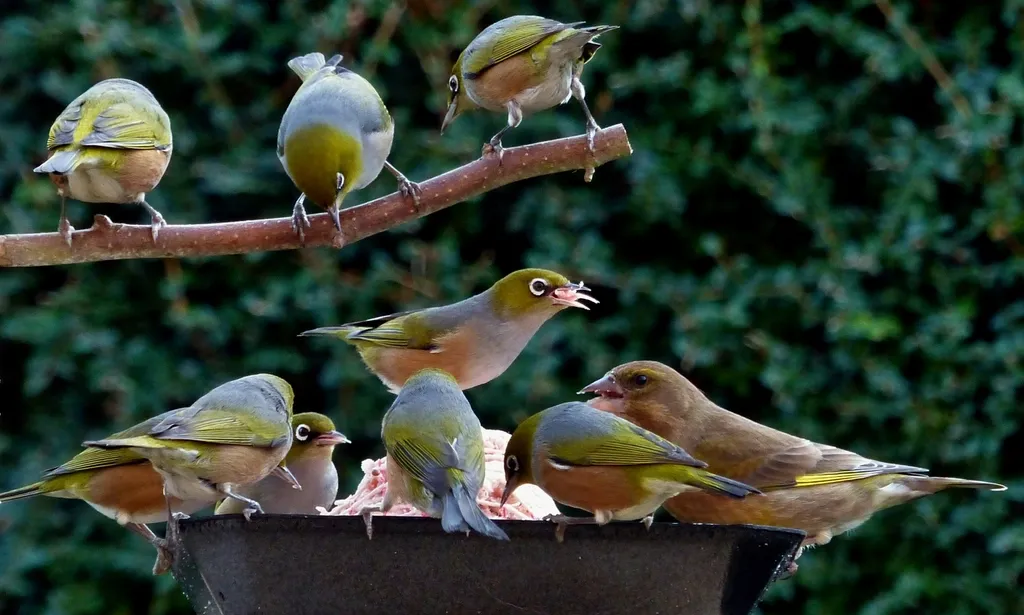
A cold front rolling in sends you outside before the first flake even falls, topping off feeders and checking that nothing’s frozen shut. Casual observers stay on the couch. You treat the yard like a system that needs tending, not a decoration that runs itself.
Storms shift which species show up and how desperate they get for easy calories, and you’ve learned to read that pattern almost automatically. At some point the adjustments stopped being a conscious decision and started happening the moment you check the forecast – no thought required anymore.
#7 – Kids on the Block Treat You Like a Walking Field Guide
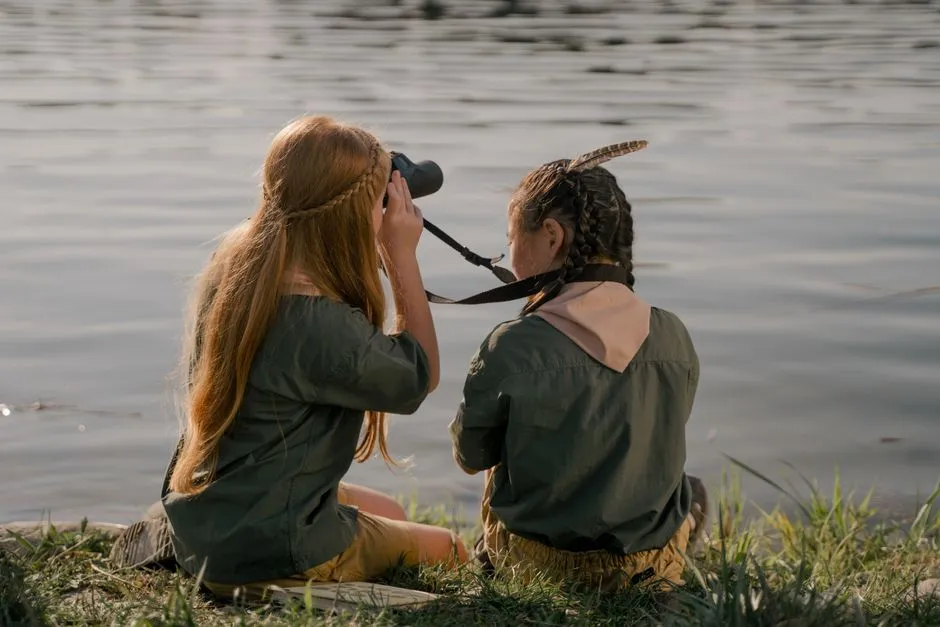
A kid on a bike stops at your fence and asks why the blue bird has a black head, and somehow you have a two-sentence answer ready before they finish the question. It’s more detail than most school science units ever cover.
That kind of easy expertise doesn’t happen by accident – it’s the residue of thousands of hours of quiet watching. Occasionally it goes further than a driveway conversation, with a kid showing up for a school project asking to photograph your yard as their “local habitat” example.
#6 – You Enforce a Quiet “No Cats” Rule During Feeding Hours
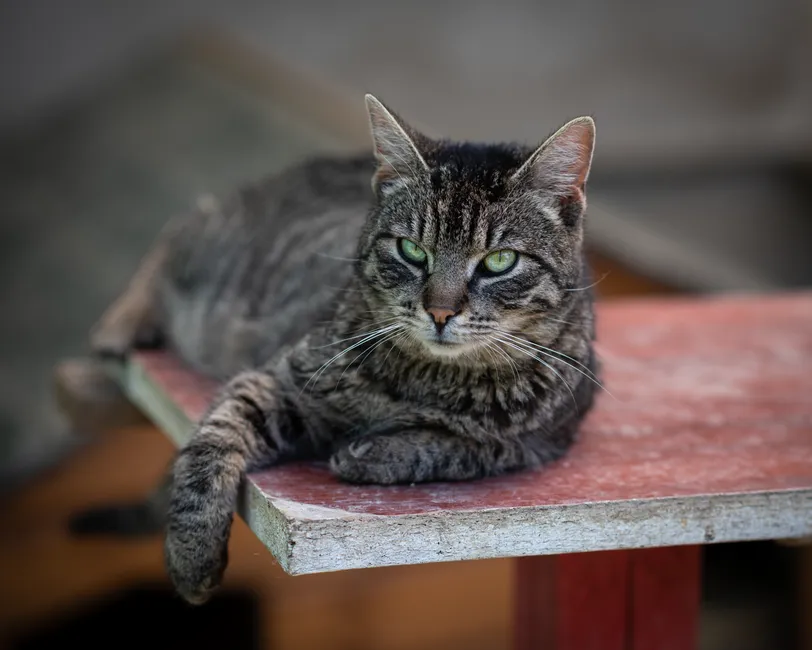
When friends visit with their dog or cat, there’s an unspoken understanding that the animal stays inside during peak feeding times. It’s not written on a sign anywhere, but everyone who’s been over more than once knows the rule.
It protects a bird community you spent years building, even if it occasionally makes a first-time guest feel a little judged. What’s stranger is how it spreads – a few neighbors have started keeping their own cats in during the same hours, just out of habit picked up from watching you.
#5 – Spilled Seed Gets Swept Up Within the Hour
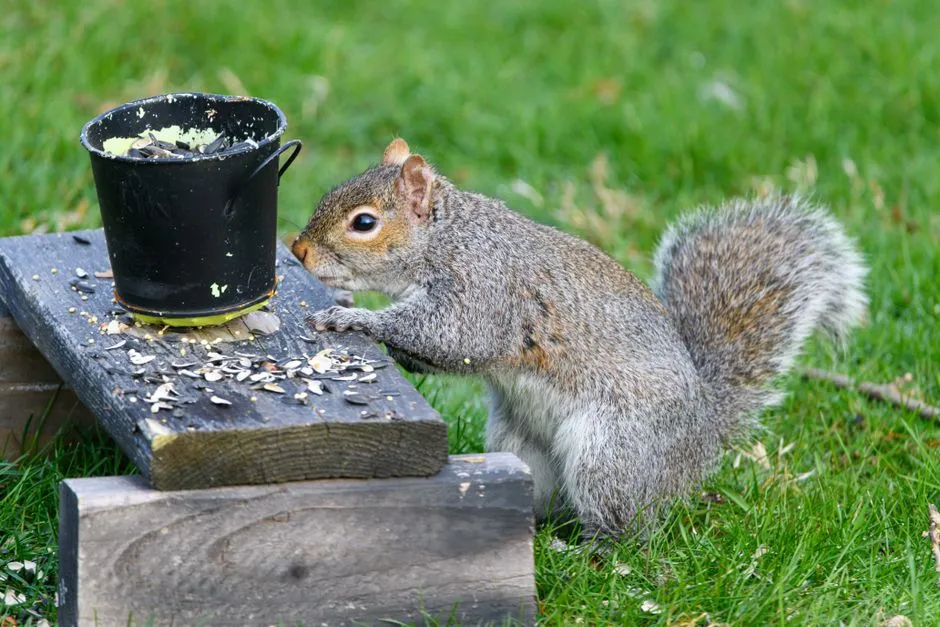
A gust of wind knocks seed off the tray, and you’re out there with a broom before it has time to sprout weeds or draw in rodents. Beginners let the mess sit. You know exactly what it invites if it doesn’t.
It looks like a small, almost obsessive habit, but it’s the difference between a thriving feeding station and a neighbor complaint waiting to happen. That quiet discipline is what keeps the whole setup sustainable instead of turning into the thing people quietly gossip about.
#4 – A Missing Regular Sends You Into Detective Mode
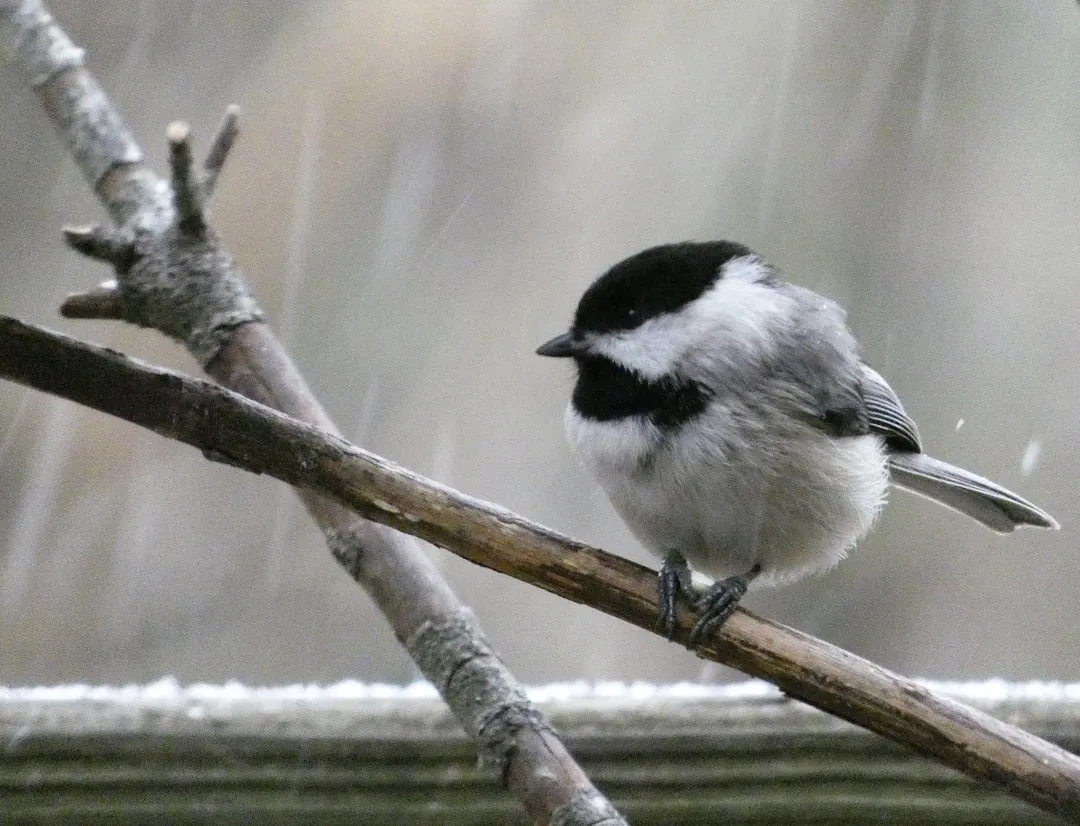
The usual pair of chickadees hasn’t shown up in two days, and instead of shrugging it off, you’re checking the feeder, the weather, even the neighbor’s new outdoor cat as possible explanations. Most people wouldn’t notice an absence at all.
Years of baseline observation turned you into someone who treats a missing bird as a data point instead of a coincidence. Sometimes the absence is nothing. Sometimes it kicks off a genuine, slightly worried conversation with other feeders on the block about what might be changing locally.
At a Glance
- Molting season, which can make some birds temporarily quiet and reclusive
- A sudden cold snap or heat wave shifting normal feeding patterns
- A new backyard predator, from a passing hawk to a neighbor’s outdoor cat
- A better, easier food source discovered just a few yards away
#3 – Real Estate Listings Start Mentioning Your Yard
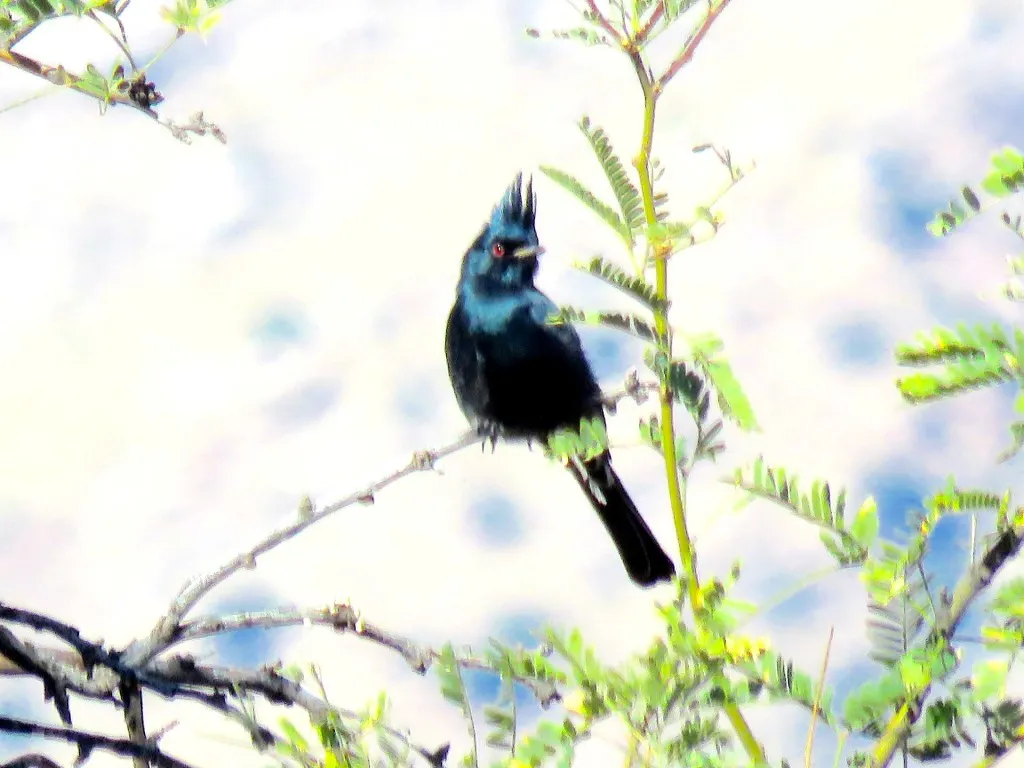
A house two doors down goes up for sale, and the listing casually mentions “proximity to an active backyard bird habitat” as a selling point. Nobody warned you that your hobby would end up in someone else’s real estate copy.
It happens because buyers increasingly search for wildlife-friendly neighborhoods, and agents pick up on local reputations fast. It’s a strange kind of validation – your quiet Saturday obsession has, in its own small way, started adding value to houses that aren’t even yours.
#2 – Neighbors Start Gifting You Premium Birdseed Unprompted
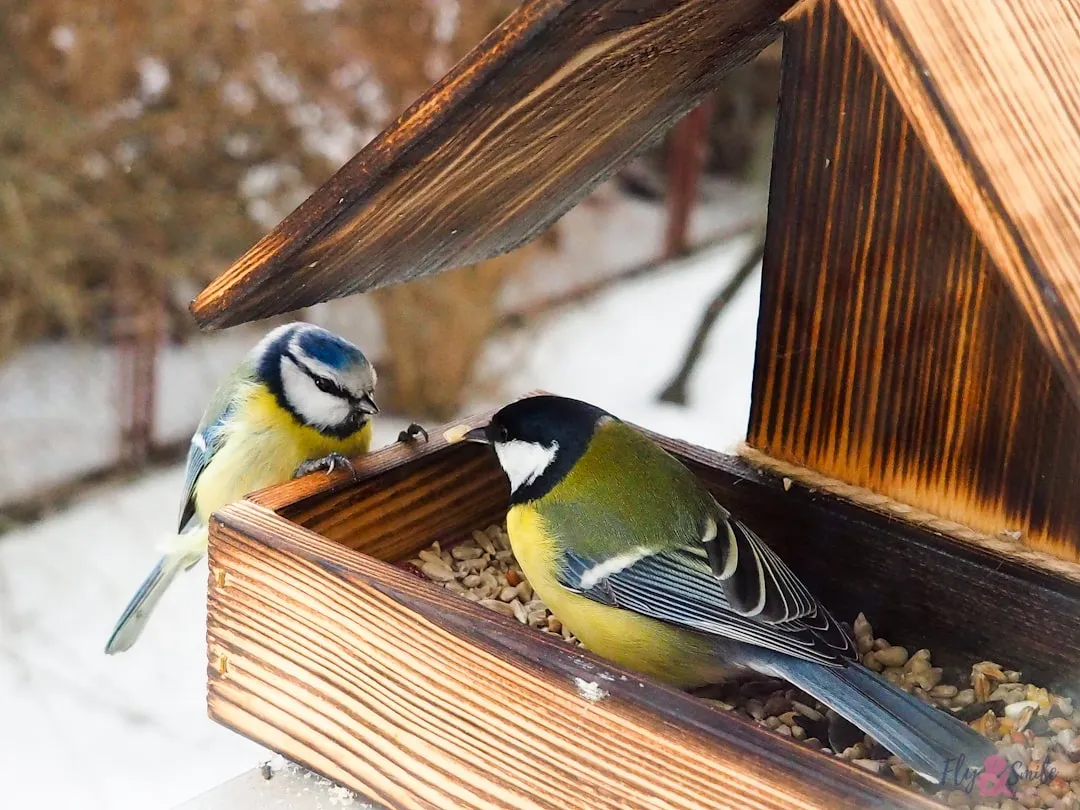
A bag of high-end suet mix shows up on your porch with a thank-you note, or someone hands you a fancy new feeder “just because.” It’s an odd gift to receive, but it makes sense once you realize you’ve become the person the whole street quietly relies on.
The gestures aren’t random – they’re an acknowledgment that everyone’s enjoying the birds your feeders attract. Some notes even come with a gentle request: let them know if a particular species shows up. The relationship has become reciprocal whether you meant it to or not.
#1 – Strangers Pull Their Cars Over Just to Watch
A car slows on the street, then stops entirely, and the driver leans toward the window just to watch the activity in your yard. This is the moment there’s no denying it anymore – your property isn’t just a house with a feeder. It’s a destination.
It builds slowly, from consistent visible activity that eventually can’t be ignored by anyone driving past. You’ll field questions ranging from “what kind of finch is that” to genuinely technical ones about migration timing. And more than once, that roadside conversation ends with a new feeder going up on the block a week later – proof that your quiet obsession rewired more than just your own backyard.
The Bottom Line
Nobody wakes up one morning and decides to become the bird person of the neighborhood. It happens in increments so small you barely notice them – one feeder, one bulk seed order, one recognized crooked tail feather at a time – until the identity is simply true whether you claimed it or not.
Here’s the opinion part: once you’ve hit even half these signs, fighting the label is pointless and honestly a little silly. Lean into it. The neighborhood needs someone paying attention, and it might as well be the person who already knows which cardinal comes back every morning at 7:10.
Did we miss a sign that quietly took over your block? Drop it in the comments.

- 21 Signs You Have Quietly Become the "Bird Person" of Your Neighborhood - July 13, 2026
- 24 Final Gifts Old Dogs Quietly Give Their Owners in the Last Few Weeks - July 13, 2026
- 10 of the Most Poached Animals in 2025 - July 13, 2026