
The illegal wildlife trade remains a massive global enterprise, raking in somewhere between $5 billion and $20 billion each year. Think about that for a moment. That’s a criminal network so vast and so profitable that it rivals drug trafficking in scale and devastation. While most of us go about our daily lives, organized syndicates are orchestrating the slaughter of some of the planet’s most magnificent creatures, often with brutal efficiency that would make your stomach turn.
Here’s the thing that really gets me. We’re not just talking about a few isolated incidents in remote jungles. This is happening right now, at this very moment, across multiple continents. From the savannas of Africa to the rainforests of Southeast Asia, poachers are operating with a level of sophistication that law enforcement struggles to match. The animals on this list represent some of the most heavily targeted species on Earth, each fighting for survival against impossible odds. So let’s dive in and see just how bad things have gotten.
Pangolins
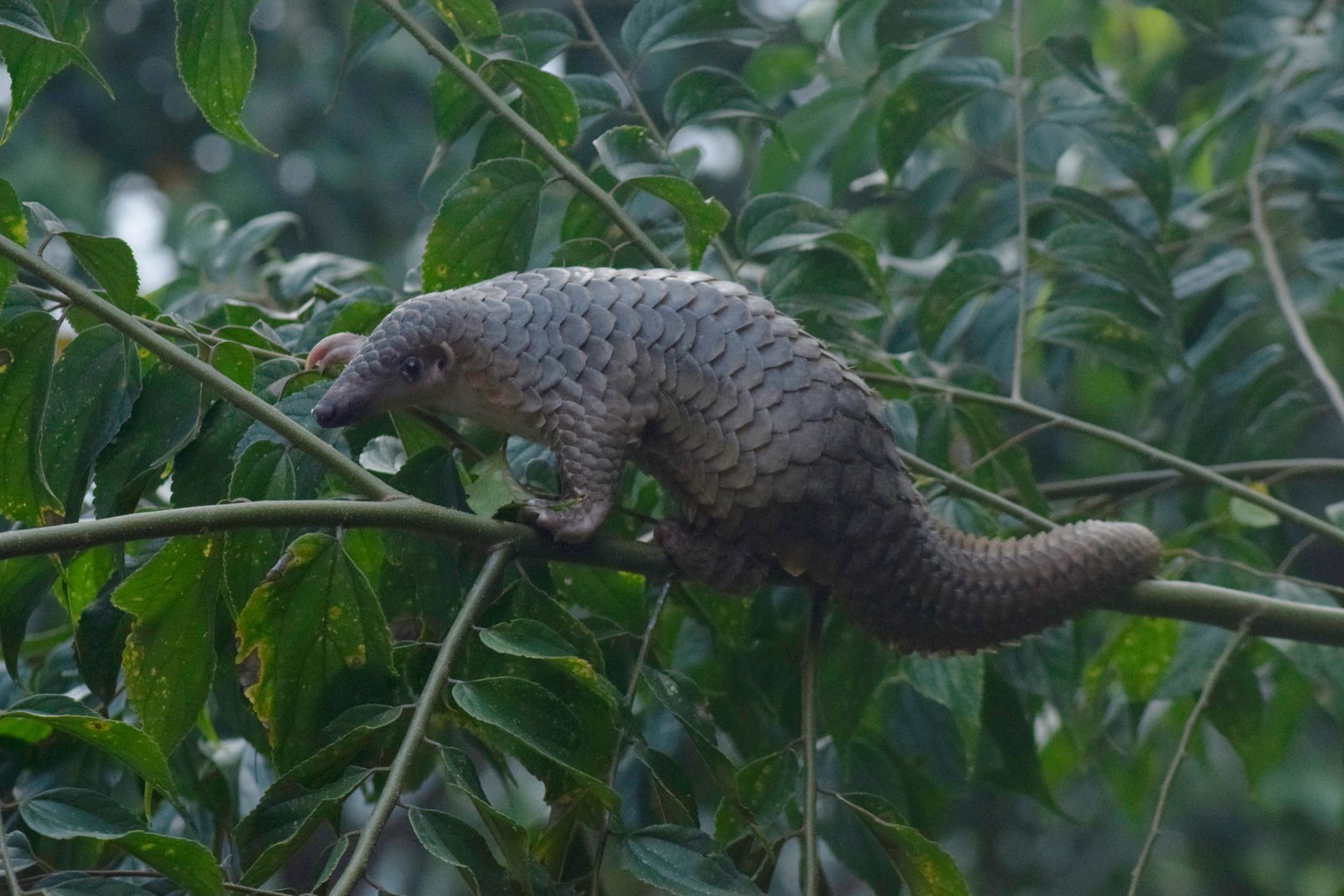
Pangolins hold the grim distinction of being the most trafficked mammal on Earth, with more than one million individuals poached in the last decade alone. These peculiar creatures, covered in protective scales made of keratin, are hunted at a rate that’s almost incomprehensible. At the high end, roughly one hundred thousand pangolins are poached and shipped to China and Vietnam every year, which means approximately one pangolin is killed every five minutes.
The demand stems from two main sources. Their scales are heavily sought after for use in traditional medicine, while pangolin skin is desired for leather items such as boots, belts, and bags, particularly in the United States. The tragic irony? Their scales are made of the same protein found in human fingernails and hair, with zero medicinal properties whatsoever. Still, these gentle, nocturnal insectivores continue to be slaughtered based on unfounded beliefs, pushing all eight pangolin species toward the brink of extinction.
Rhinoceros
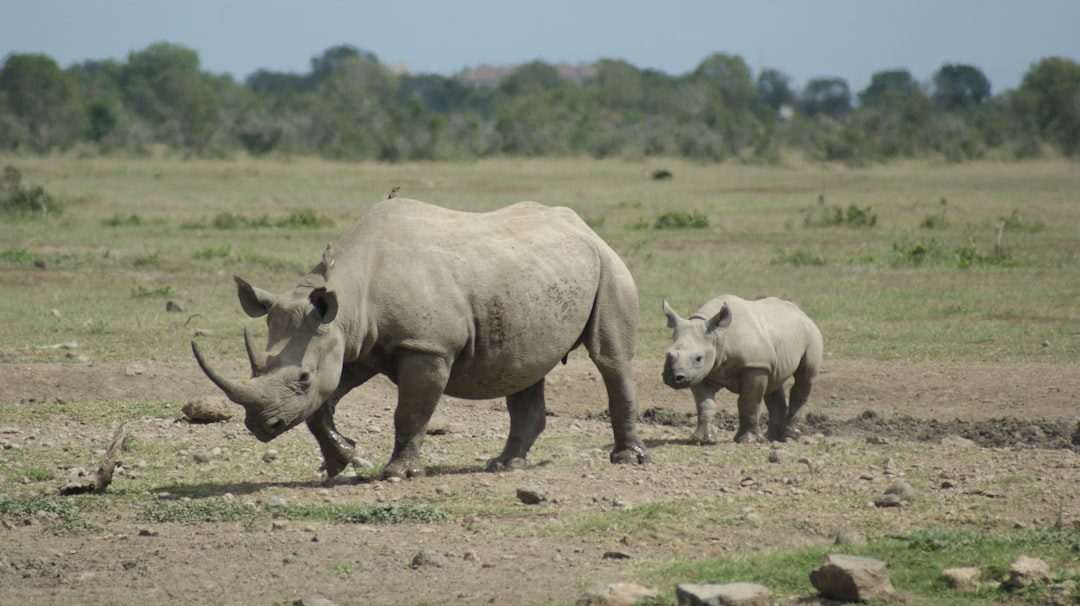
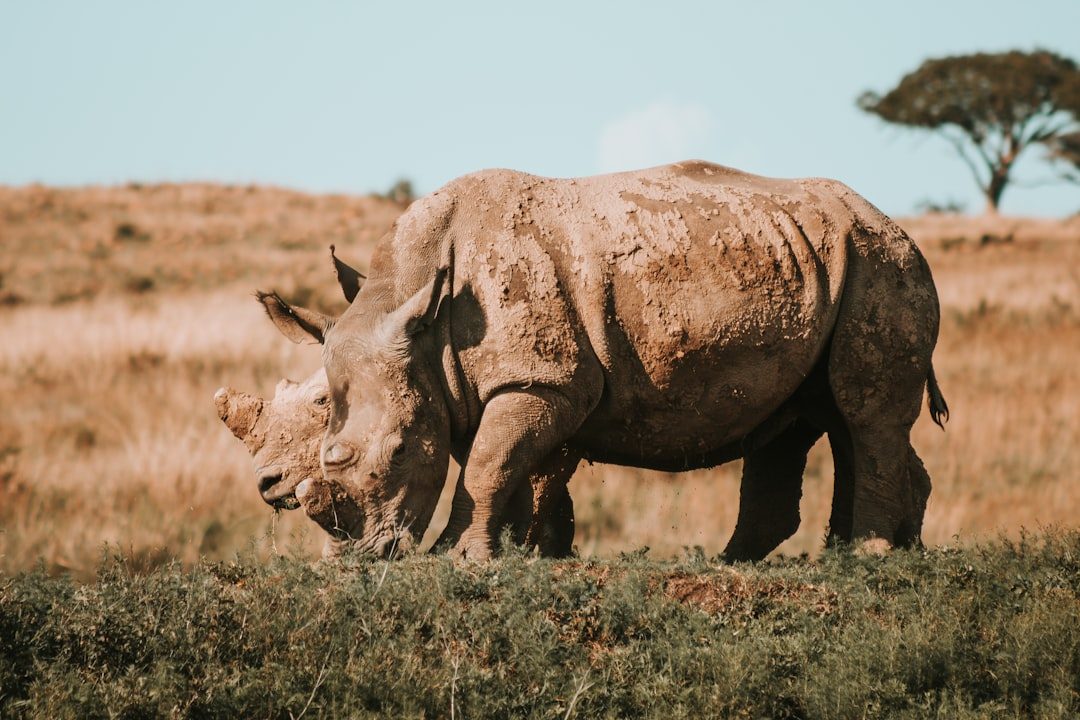
Rhinos face a crisis so severe that experts have termed it the Second Rhino War. Poachers killed more than one hundred rhinos in South Africa in just the first three months of 2025 alone. The methods used are horrifyingly efficient. Poachers fly in helicopters and target rhinos with guns and tranquilizer darts from the sky, then remove their horns with chainsaws in a process that takes only ten minutes.
From 2015 to 2025, poachers killed over seven thousand one hundred African rhinos for their horns. Black rhinos have suffered particularly devastating losses. Up to ninety-six percent of the black rhino population was wiped out from 1970 to 1990 due to poaching, and in 2025, there are thought to be just three thousand one hundred forty-two mature individuals left in the wild. Meanwhile, Asia’s Javan and Sumatran rhinos are critically endangered, with populations so small that their survival hangs by a thread.
African Elephants
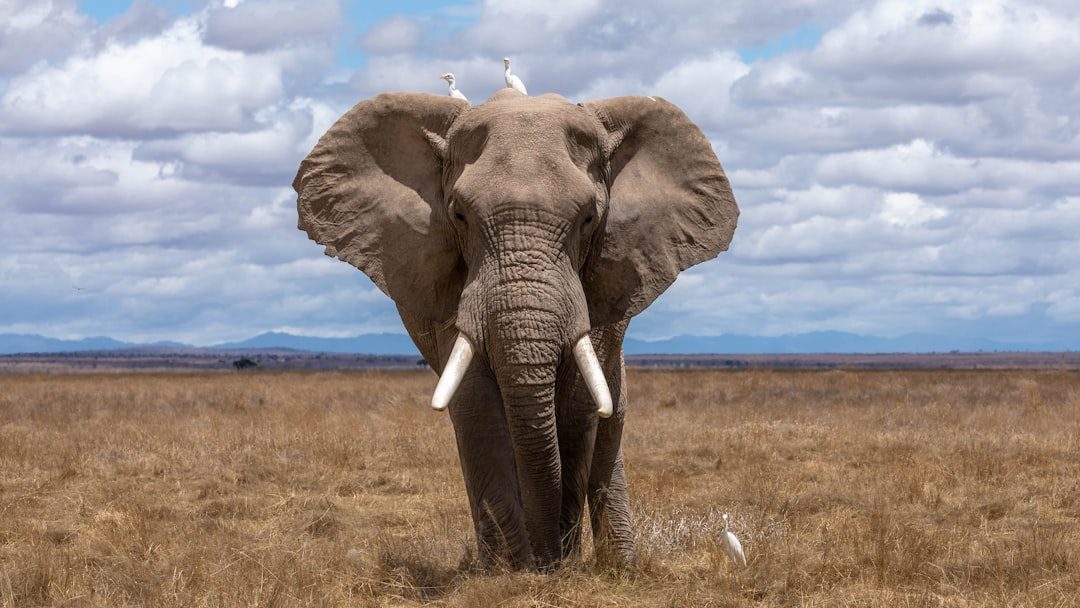
African elephant populations have plummeted from an estimated twelve million a century ago to around three hundred fifty thousand today, with more than one hundred thousand African elephants killed during 2006-2015, primarily for ivory. Let’s be real here – that’s an extinction-level decline happening within living memory. WWF estimates that every year, over twenty thousand African elephants tragically lose their lives to illegal tusk poaching.
The ivory trade has created a perverse evolutionary pressure. Elephants without tusks are now more likely to survive, reproduce, and pass on their genetics, which means elephants are evolving to not have tusks. The problem? Tusks aren’t decorative accessories. They’re essential tools for survival, used for digging water, lifting objects, gathering food, stripping bark from trees, and defense. We’re literally forcing these magnificent animals to evolve away from features critical to their existence.
Tigers
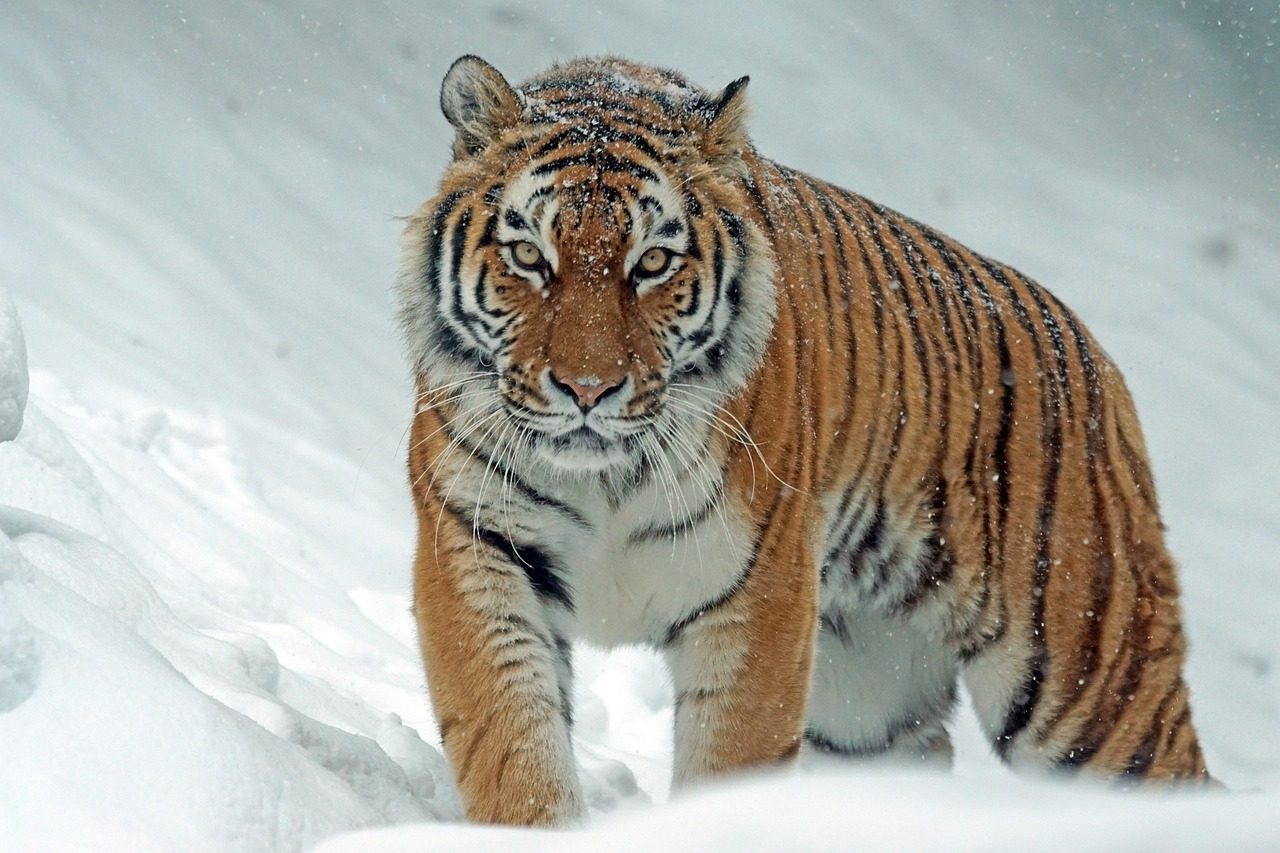
In the last century, ninety-seven percent of the wild tiger population has disappeared, and fewer than four thousand tigers remain in the wild, with three of the eight subspecies already extinct. Wild tigers now exist in only thirteen countries, making them one of the most geographically restricted big cats on the planet. In 2024, there were twenty-six documented cases of tiger poaching, while 2023 saw fifty-six cases.
These endangered cats continue to be poached for their skin, bones, and use in traditional products. Tiger bones and body parts are falsely believed to have medicinal and aphrodisiac properties in traditional medicine markets. Each tiger killed represents not just the loss of an individual animal, but a significant blow to the already fragile genetic diversity of the remaining population. Some subspecies are so depleted that recovery may be impossible even with intensive conservation efforts.
Lions
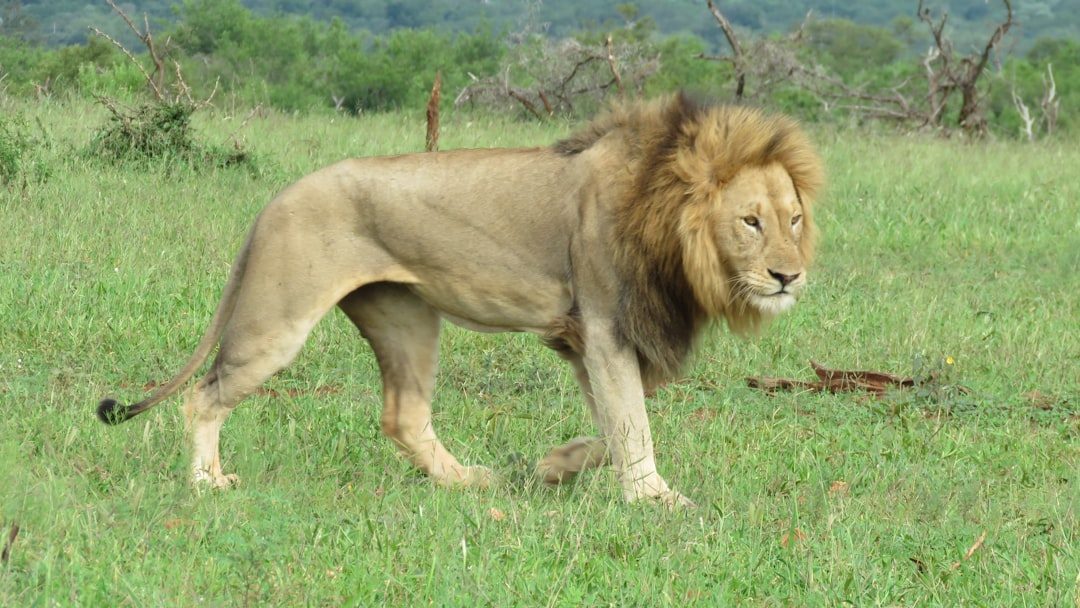
Lions are illegally hunted by poachers for their body parts, including bones, teeth, and claws, all of which are highly valued in traditional medicine and the illegal wildlife trade, often using snares which are extremely inhumane. The statistics paint a grim picture of declining populations across their African range.
The lion population has dropped forty-three percent in the last twenty-one years, and poaching for lion body parts is the cause of thirty-five percent of lion killings. It’s hard to say for sure, but the combination of habitat loss, human-wildlife conflict, and targeted poaching has created a perfect storm threatening these iconic predators. Ecotourism has emerged as one viable alternative to poaching, providing economic incentives for local communities to protect rather than exploit lion populations, though funding and infrastructure remain constant challenges.
African Buffalo
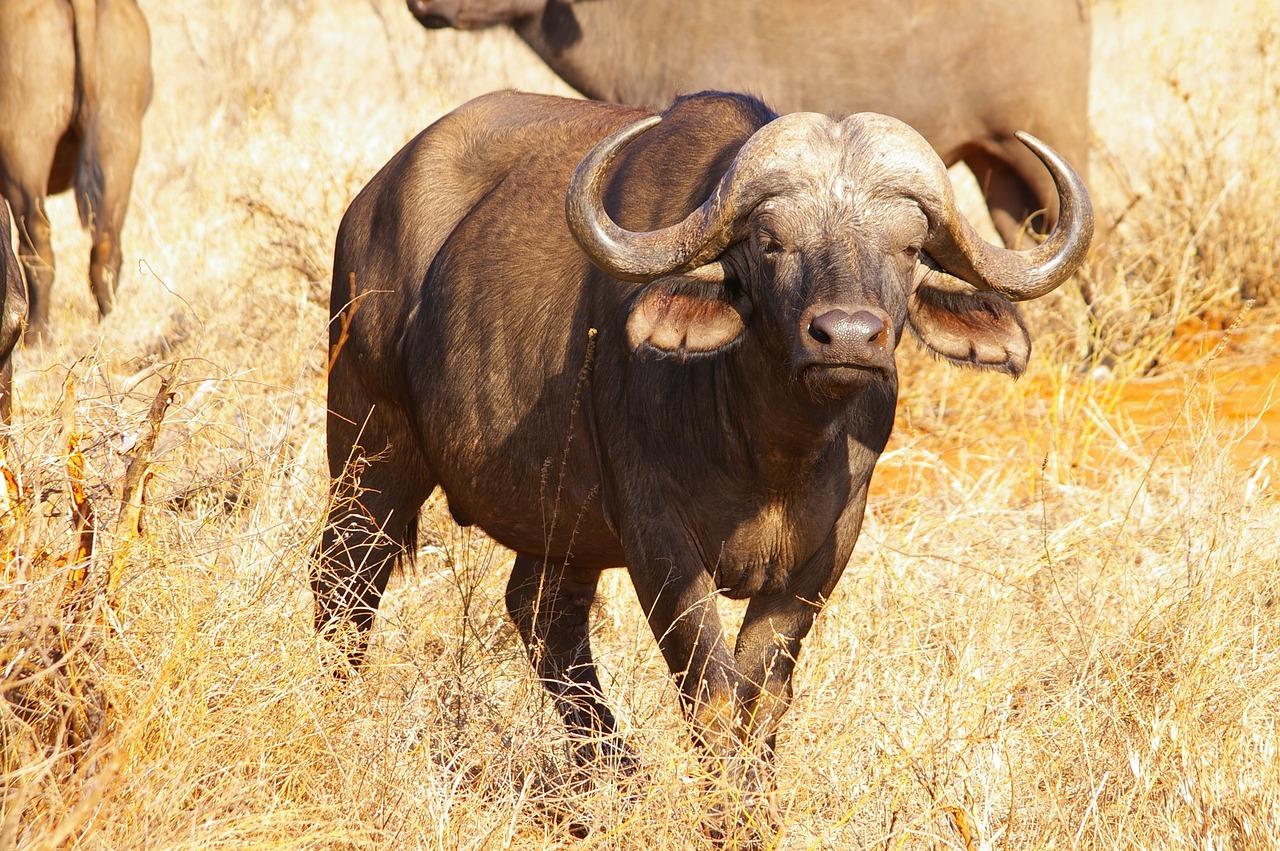
In 2025, African buffalo are still sadly poached for bushmeat, and poaching has led to a significant decline in their population in recent years, even within national parks. These massive herbivores face threats across their range in sub-Saharan Africa. In 2023, South Africa National Parks reported that one hundred thirty-five buffalo died after being caught in poachers’ snares between January and October, making up thirty-five percent of all reported poaching deaths in that period.
Wild water buffalo in Southeast Asia face similar pressures. Wild water buffalo are also targeted by poachers for their meat in Southeast Asia, especially in Cambodia and Myanmar. The bushmeat trade that was once a subsistence activity for local communities has evolved into a massive commercial operation, with sophisticated networks moving products across international borders. The scale of the slaughter far exceeds what populations can sustain.
Apes
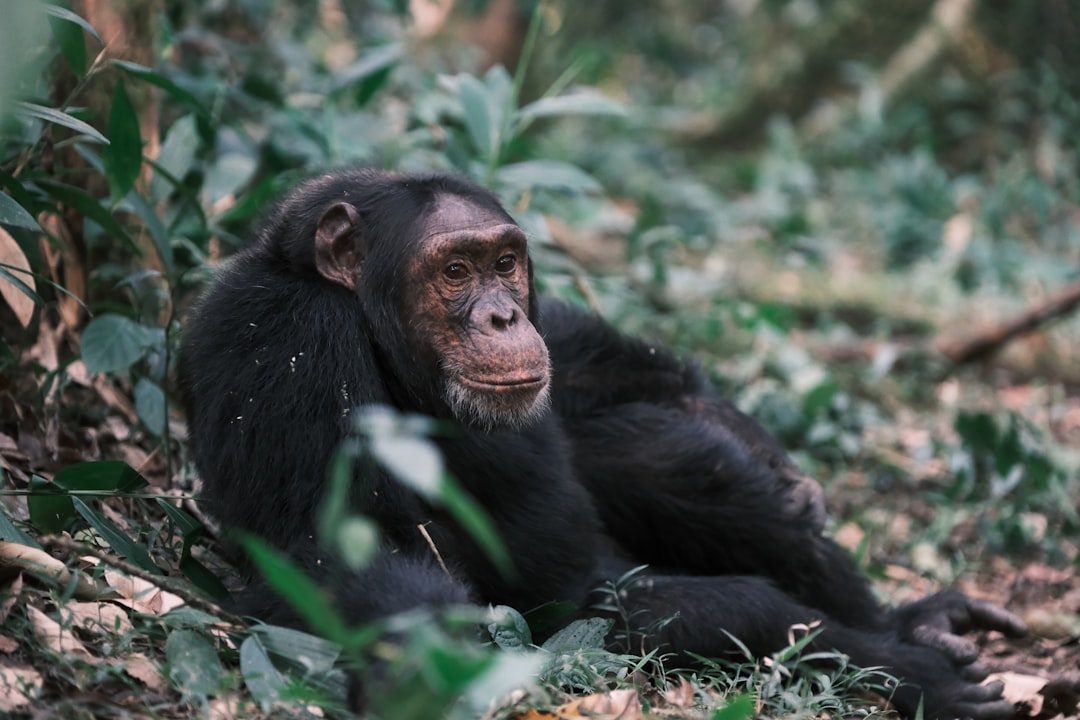
Apes – including bonobos, orangutans, chimpanzees, gorillas, and gibbons – are often hunted for bushmeat, and while bushmeat once provided necessary food to local communities, it is now a massive commercial market, especially for consumers in Asia who view bushmeat as a luxury product. This shift has had catastrophic consequences for great ape populations.
More than five million tonnes of bushmeat are exported from the Congo Basin each year, and though many local communities have taboos against hunting apes like bonobos, poachers from other areas travel to the Congo Basin to hunt them. Gorillas share ninety-eight percent of our DNA, making their decline particularly heartbreaking from both ethical and scientific perspectives. The loss of these intelligent, social creatures represents an irreplaceable loss to global biodiversity. Baby apes are also captured for the illegal pet trade, with entire family groups often killed during the capture of a single infant.
Sea Turtles
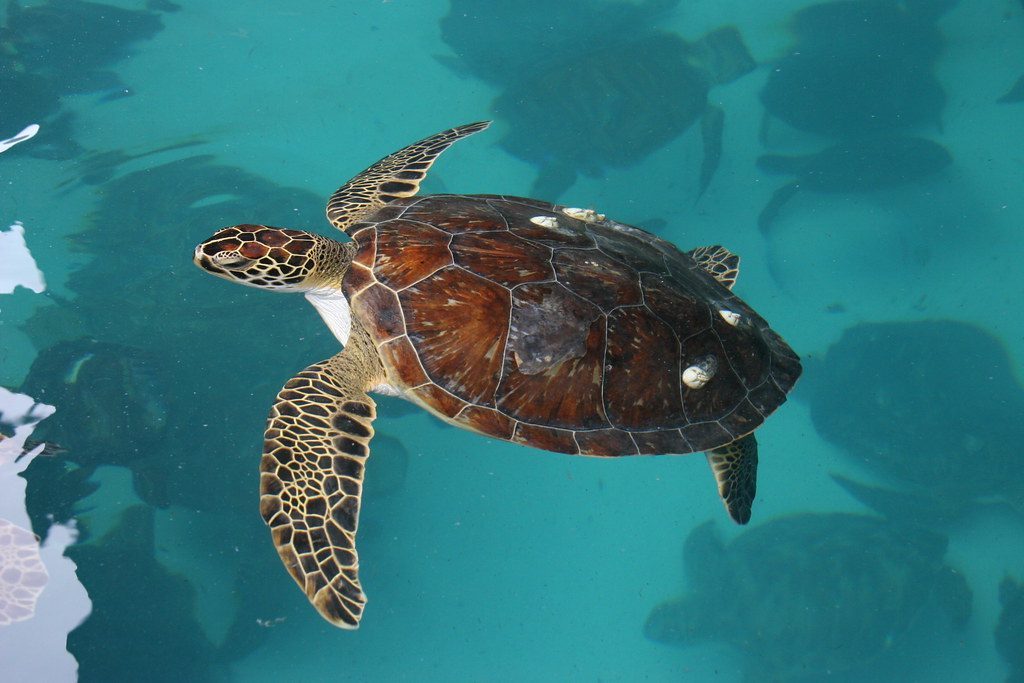
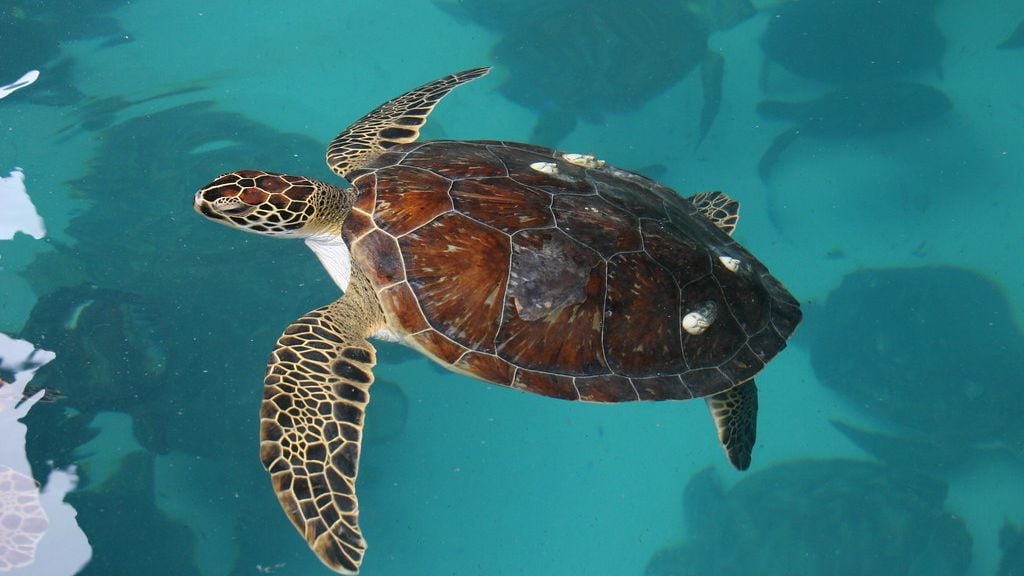
All seven remaining sea turtle species are at risk of extinction, having existed for over one hundred million years, and they are frequently poached for their eggs, meat, skin and shells. Fifty thousand marine turtles are poached in the South Pacific and Southeast Asia every year. That’s thousands upon thousands of ancient creatures killed annually for products that range from food to decorative trinkets.
The critically endangered hawksbill sea turtle has seen a ninety percent decline in the last century due to over-collection for their shell, which is sold as tortoiseshell trinkets and souvenirs, and sea turtle nests are frequently poached to supply the demand for eggs, which are considered a delicacy or to have aphrodisiac properties in certain markets. Female turtles returning to nesting beaches are particularly vulnerable, often killed before they can lay eggs. This double blow to reproduction makes recovery incredibly difficult for species already struggling with habitat loss and ocean pollution.
Antelopes and Gazelles
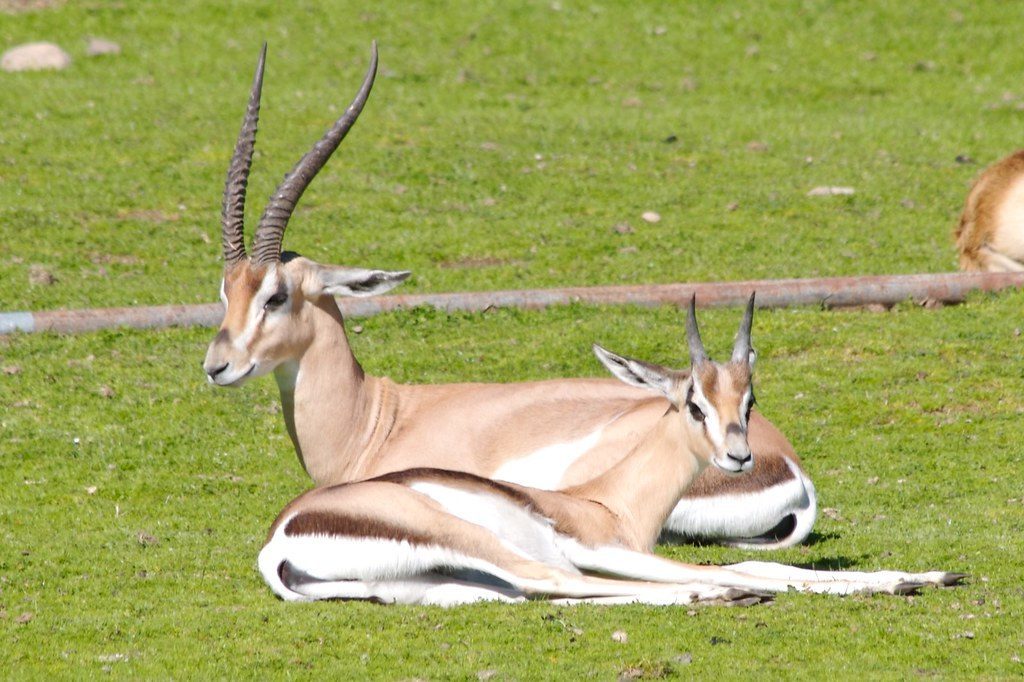
Antelopes live across Asia and Africa, and many species are hunted for their meat, horns, and skins, with their horns used for traditional medicine, decorative objects, and aphrodisiacs, while their fur is used to make luxury fashion items. The Tibetan antelope has been particularly hard hit. Three to four antelopes are killed to make a single shawl from their fur, making the fashion trade in these items extraordinarily destructive.
Various species face different threats. Grant’s gazelles are often hunted for their meat, hides, and horns, Thomson’s gazelles with their distinctive horns are often killed by trophy hunters as well as poachers, and Southern reedbucks are often targeted because they move slowly and are a convenient size to be caught by hunting dogs. The accessibility of these animals to poachers using relatively simple methods means that enforcement efforts struggle to keep pace with the killings. Many antelope species that currently show stable population numbers could rapidly decline if poaching pressure increases.
Glass Frogs
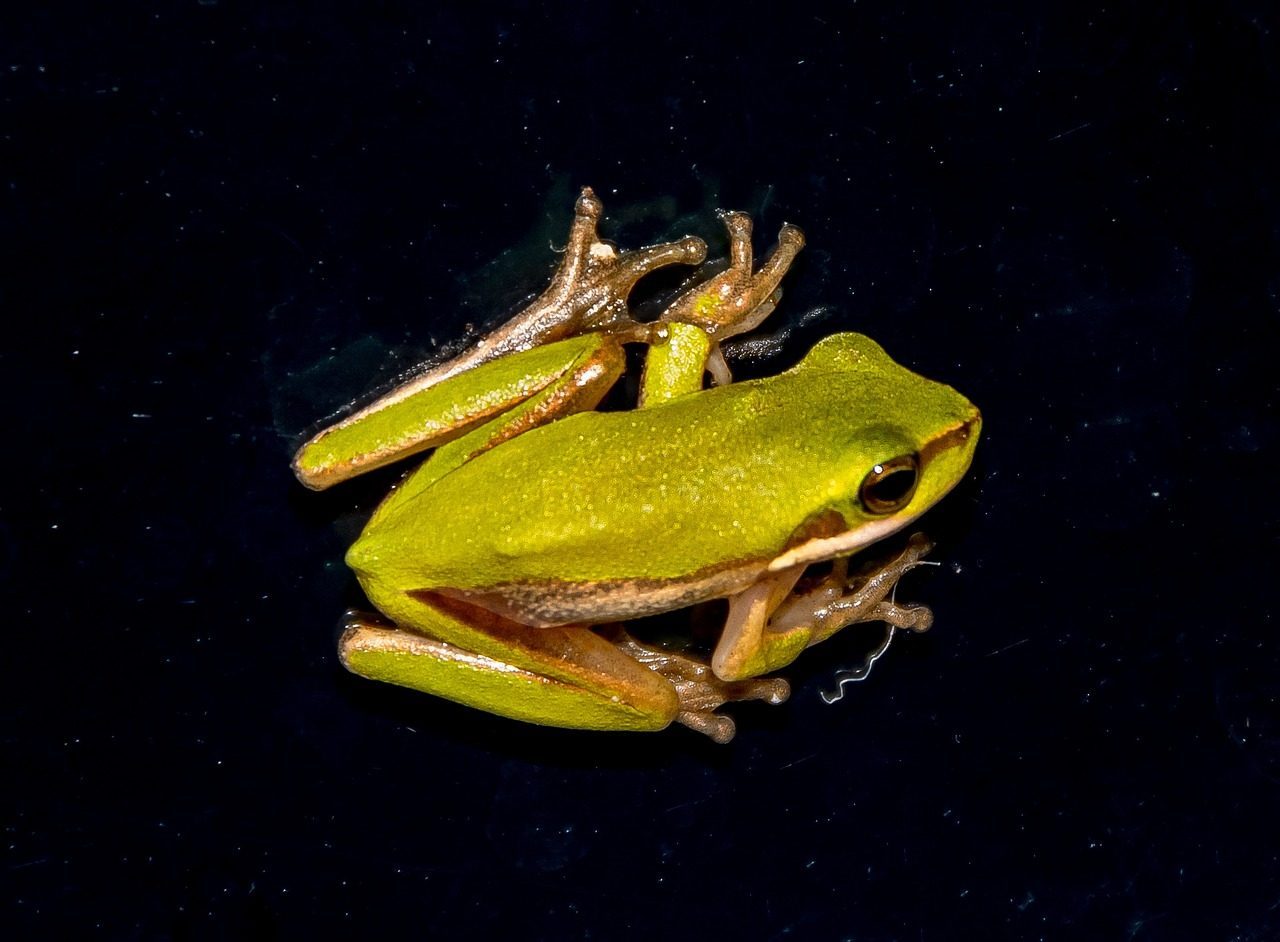
Glass frogs were one of the most endangered animals in South America in 2025, with half of all glass frog species endangered or vulnerable, and many taken from the wild for the exotic pet trade. These translucent amphibians have become highly sought after by collectors precisely because of their unusual appearance and rarity. From 2016 to 2021, imports of glass frogs to the United States increased by a whopping forty-four thousand percent.
They’ve been found hidden in shipments moving from Central America to Europe, and according to trade data and online advertisements, more than nine species of glass frogs are currently traded internationally. The exotic pet trade operates largely online now, making enforcement exponentially more difficult. Smugglers have adapted quickly to e-commerce platforms, often disguising their operations within seemingly legitimate wildlife sales. Though glass frogs received CITES protections in 2022, the damage to wild populations may already be severe, and monitoring these tiny, nocturnal creatures to assess population health remains challenging.
Conclusion
The poaching crisis of 2025 represents one of the defining environmental challenges of our time. We’re witnessing a coordinated assault on global biodiversity driven by greed, superstition, and consumer demand for products ranging from bogus traditional medicines to status symbols and exotic pets. The animals on this list share a common thread – they’re being killed faster than they can reproduce, pushing species after species toward oblivion.
Conservation efforts have achieved some victories. Stronger enforcement, community-based protection programs, and reduced demand in some markets offer glimmers of hope. Still, the fight is far from won. The illegal wildlife trade adapts constantly, exploiting new technologies and finding new routes to market. What strikes me most is how preventable this tragedy is – every purchase of illegal wildlife products, every use of supposed traditional remedies made from endangered animals, every exotic pet acquired through shady channels perpetuates the slaughter.
The future of these species depends on sustained global commitment, adequate funding for enforcement and conservation, and most importantly, a fundamental shift in consumer attitudes. Did you expect the scale of this crisis to be so vast? What are your thoughts on how we can turn the tide before it’s too late?

- 24 Final Gifts Old Dogs Quietly Give Their Owners in the Last Few Weeks - July 13, 2026
- 10 of the Most Poached Animals in 2025 - July 13, 2026
- 21 Cats Rescue Workers Say Are the Hardest to See Passed Over Again and Again - July 13, 2026