
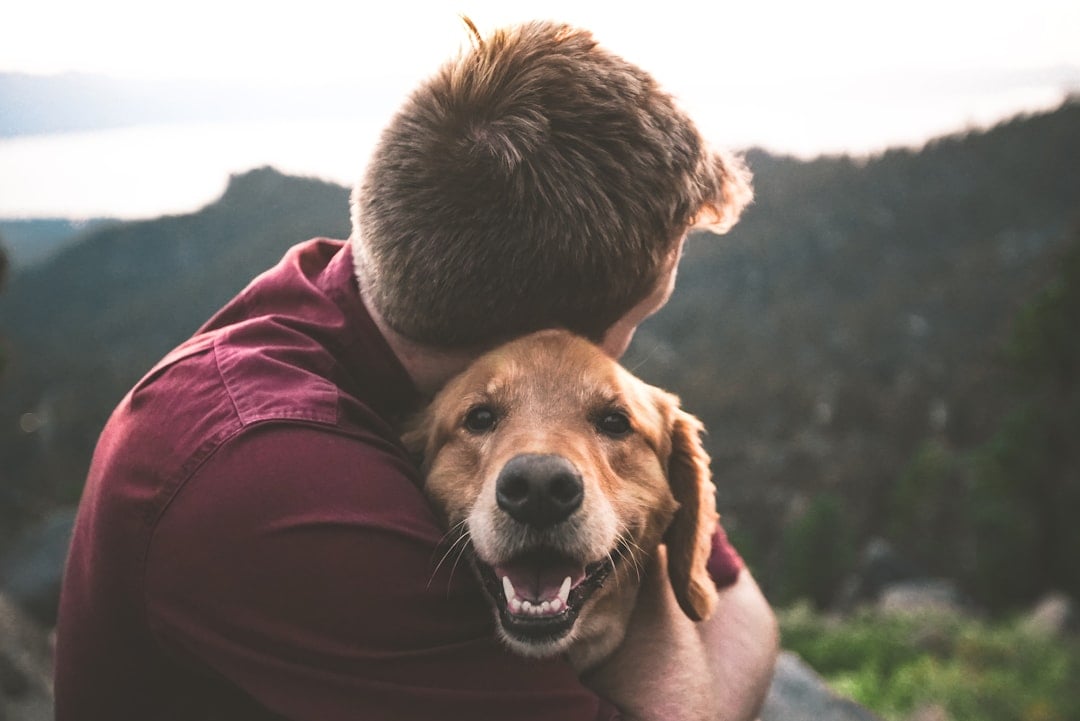
Everyone tells you the same thing when you bring home a rescue dog: give it time. What nobody tells you is how long “time” actually feels, or how many small, unglamorous moments happen before your dog stops treating you like a stranger who might disappear. There’s no fireworks moment. No dramatic turnaround. Just a slow, quiet unclenching that most people miss because they’re waiting for something bigger.
But the signs are there, and once you know what to look for, you’ll realize your dog has been telling you this whole time. Some of them are obvious. A few of them will catch you off guard, especially the last one, which is the moment most rescue owners say changed everything.
23 – The Day Their Shoulders Finally Drop
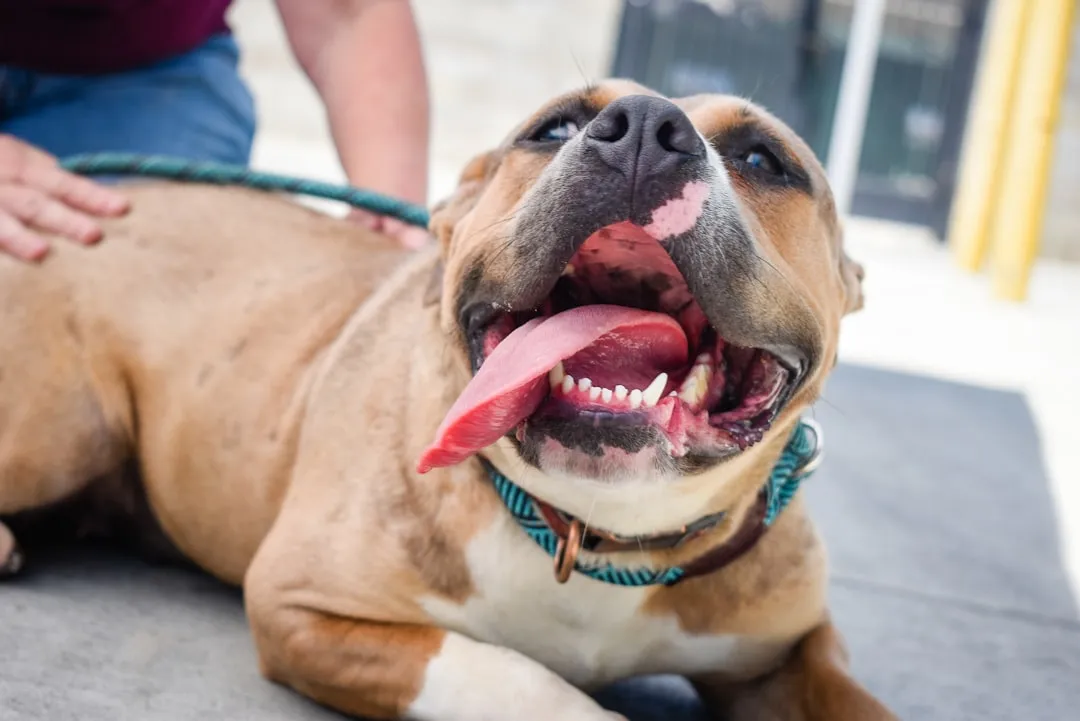
Fear has a posture. Rescue dogs carry it in tight muscles, a low or tucked tail, and ears that stay pinned back like they’re bracing for something. Then one day, without any warning, that posture just isn’t there anymore.
Their tail swings loose instead of clamped down. Their ears sit naturally instead of on high alert. It’s such a small physical shift that you might not notice it happening in real time, only that one afternoon you look over and realize your dog looks… unbothered. That’s not nothing. That’s the body finally believing what the mind is still catching up to.
Fast Facts
- Rescue workers often describe the first three days as pure decompression, when a dog is overwhelmed and still in survival mode.
- The three phases are: 3 days (decompression, overwhelm, and survival mode), 3 weeks (routine begins to take hold and personality starts to emerge), and 3 months (the dog feels at home and their true temperament is fully visible).
- Every dog moves through these stages at their own pace, and this is a guideline, not a guarantee.
- The signs on this list can show up at any point along that timeline, or long after it.
22 – They Sleep Like Nothing Bad Ever Happened
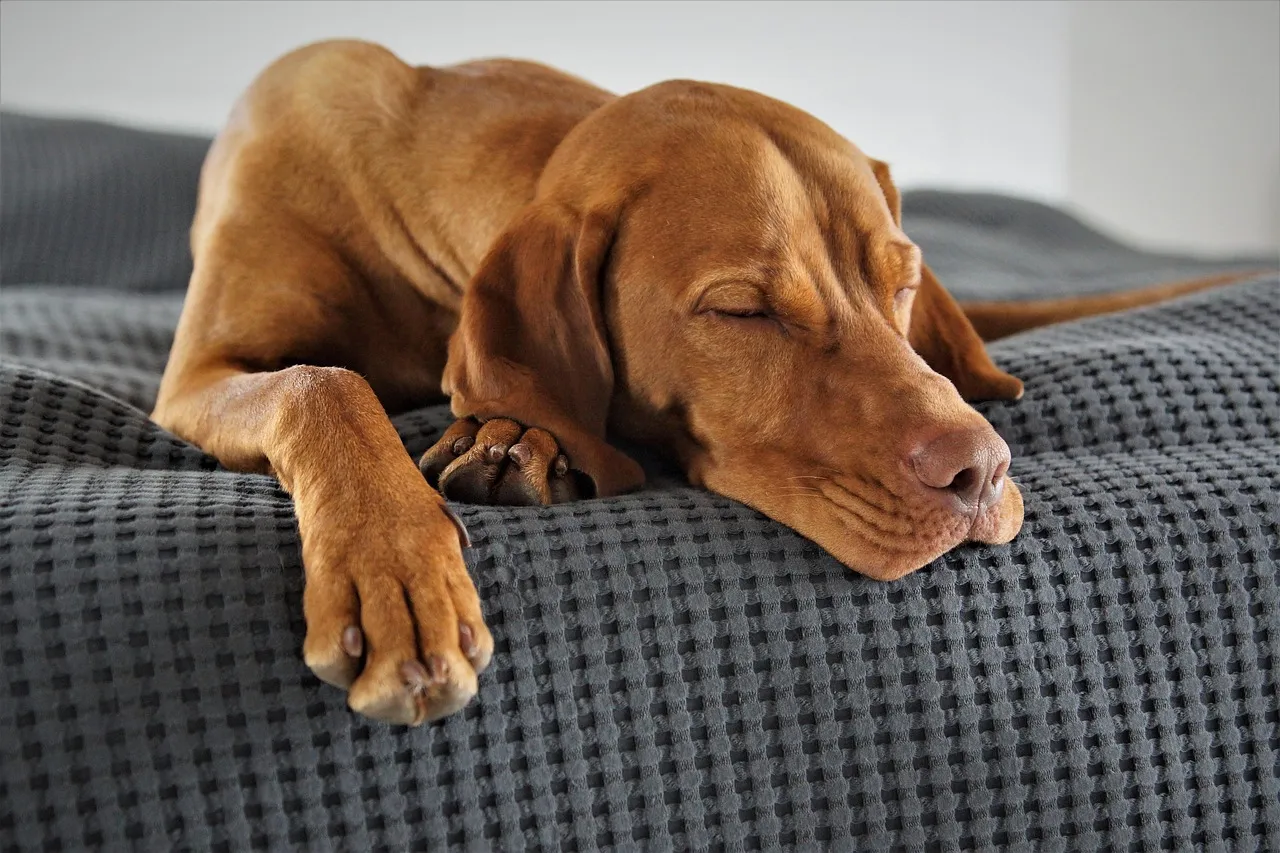
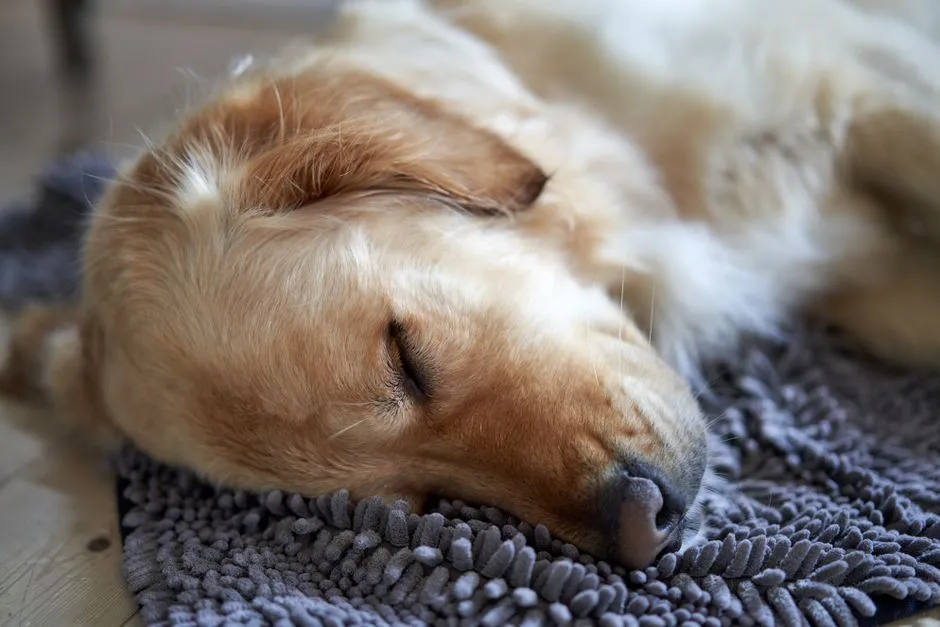
A nervous dog sleeps in short bursts, one eye practically open, ready to bolt. A dog who feels safe sprawls out sideways, legs twitching, completely dead to the world. That deep, sprawled-out sleep is one of the most honest signals a dog can give you, because it’s not performed. It’s involuntary.
Watch where they choose to do it, too. A dog who used to nap in a closet corner and now stretches out in the middle of the living room floor, in direct sunlight, with you nearby, is telling you something without a single bark. Their nervous system has finally clocked out.
21 – They Ask For Affection Instead Of Flinching From It
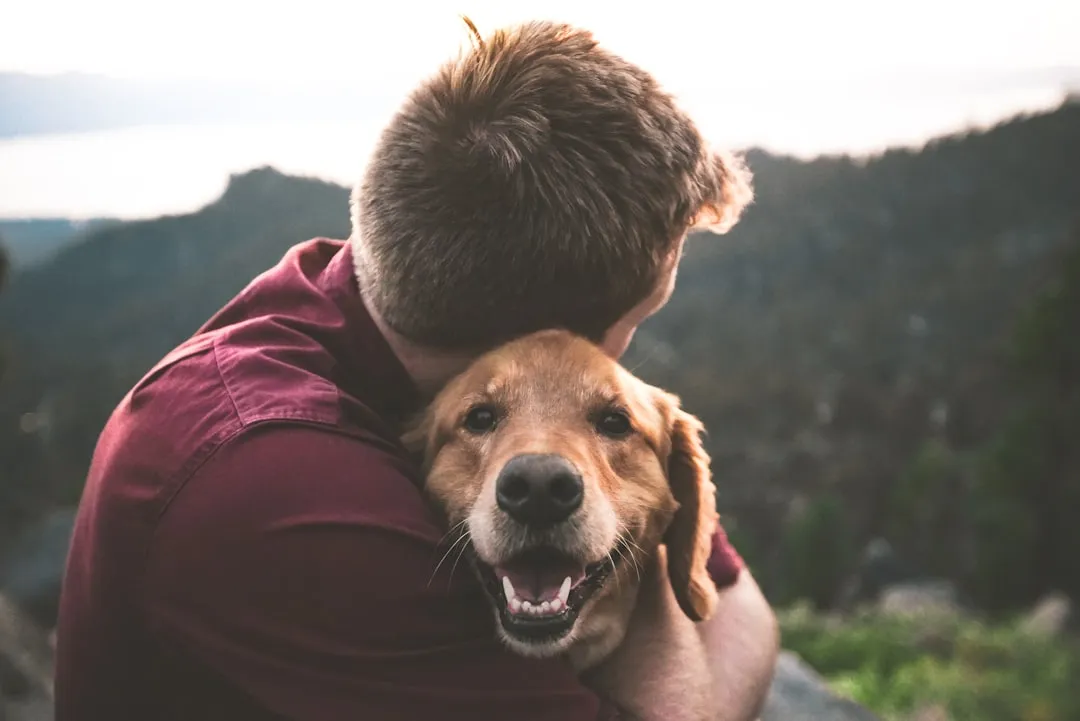
Early on, a hand moving too fast can make a rescue dog flinch, even if you meant nothing by it. That reaction isn’t about you. It’s about whatever came before you. So when that same dog starts leaning into your palm, or nudging your hand to keep petting them, pay attention.
This is a dog choosing contact instead of tolerating it. Some dogs go further and just plant themselves against your leg for no reason at all, not asking for food or a walk, just wanting to be near you. That quiet closeness is often the first real crack in the wall.
20 – The Zoomies Come Back
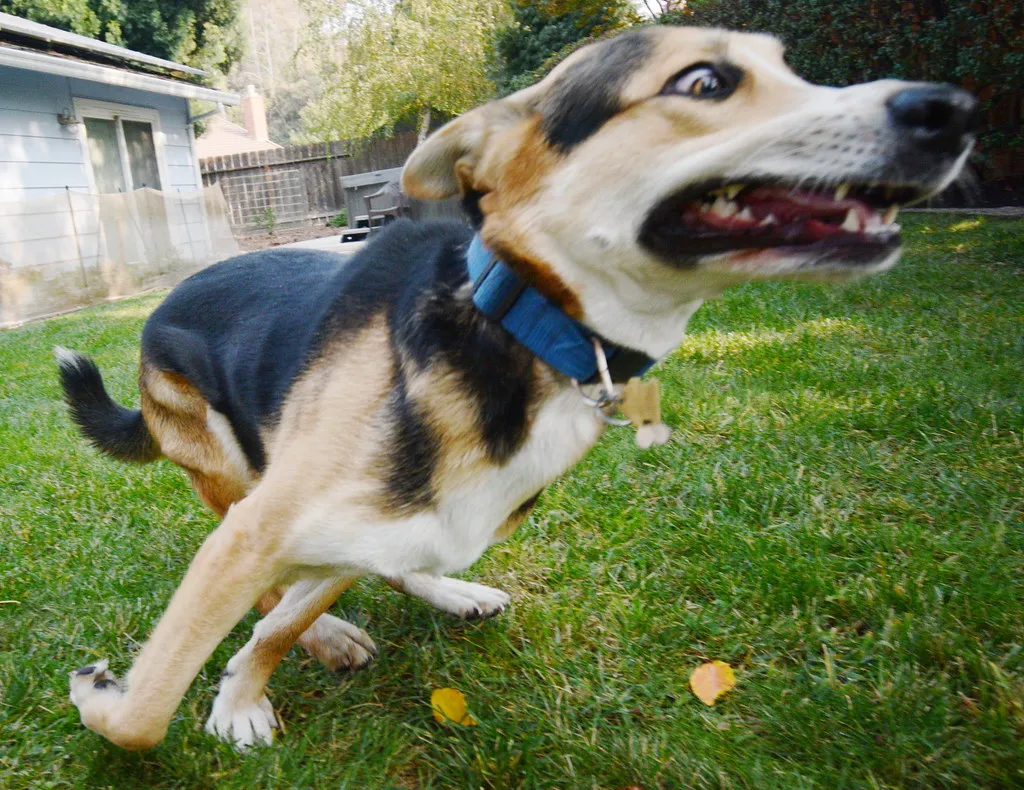
Fear and play cannot exist in the same body at the same time. A dog who is scared doesn’t have room left over for silliness. So when a rescue dog suddenly tears across the yard for no reason, or grabs a toy and shakes it like it personally wronged them, that’s not just cute. That’s a nervous system with room to spare.
Play is a luxury animals only afford themselves when they feel safe enough to be ridiculous. If your once-shut-down dog is now doing laps around the coffee table at 7pm for absolutely no reason, take it as the compliment it is.
19 – Everyday Life Stops Feeling Like a Threat
Garbage trucks, doorbells, strangers on the sidewalk, these are the everyday background noise of life, but to a dog still on edge, they can feel like emergencies. You’ll know your dog is settling in when those same triggers stop causing a full-body reaction.
Walks get looser. Meals become routine instead of a source of anxiety. The world stops feeling like a minefield and starts feeling like, well, just the world. That shift usually happens so gradually you only notice it in hindsight.
18 – They Eat Like They Know There’s More Tomorrow
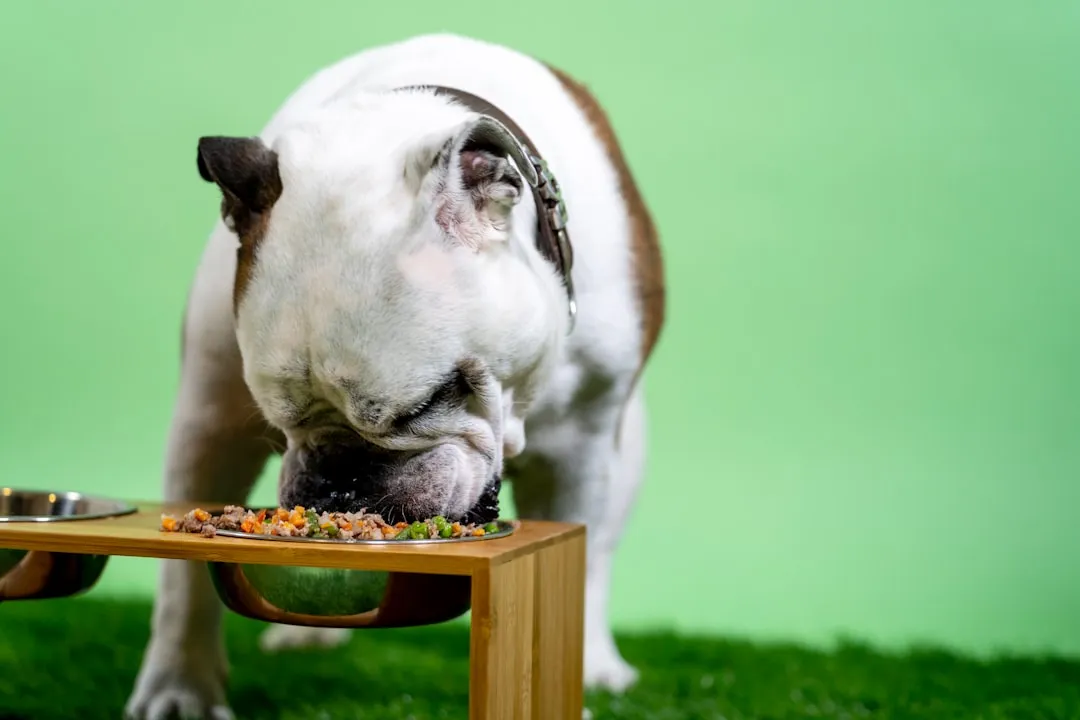
Dogs who’ve experienced food insecurity often eat like the bowl might vanish, gulping everything down in seconds. It’s heartbreaking to watch, and it doesn’t fix itself overnight.
But eventually, that frantic gulping softens into something calmer. Some dogs even start taking breaks mid-meal, wandering off and coming back, because on some level, they’ve finally learned the food isn’t going anywhere. Neither are you.
17 – Their Paws Twitch With Puppy Dreams
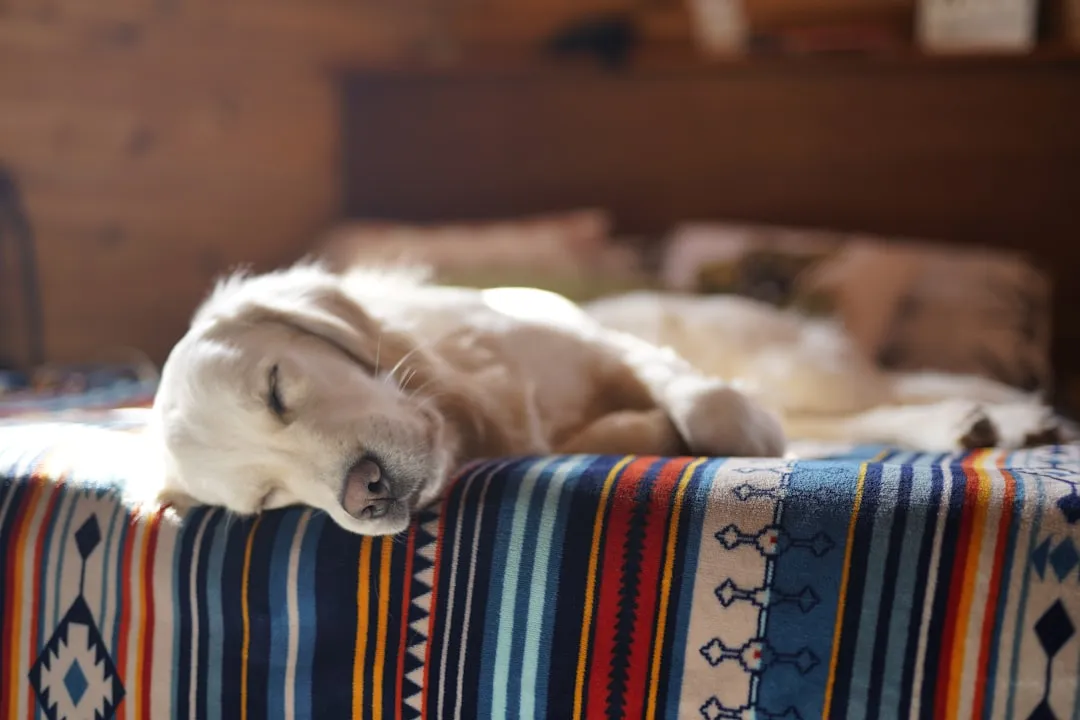
Dogs only enter REM sleep, the dreaming stage, when they feel genuinely safe enough to fully let go. If your dog’s paws are twitching, their eyes are moving under closed lids, or they let out a tiny muffled woof mid-nap, they’re deep enough into rest to dream.
It sounds small, but it isn’t. A dog who couldn’t fully relax before couldn’t dream before either. Watching them chase something invisible in their sleep is proof their guard is finally down, even when they’re unconscious.
At a Glance
- A dog will typically enter the REM stage about 20 minutes after falling asleep, but this phase lasts only about five minutes before the cycle repeats.
- These breakthrough movements are what owners most often observe and include rapid muscle twitching in the paws, ears, and tail.
- Eye movement under closed lids means the brain is actively processing images, essentially replaying the day.
- A dog too anxious to fully rest often skips this stage entirely, which is exactly why watching it happen feels like a milestone.
16 – They Bring You Toys Just Because
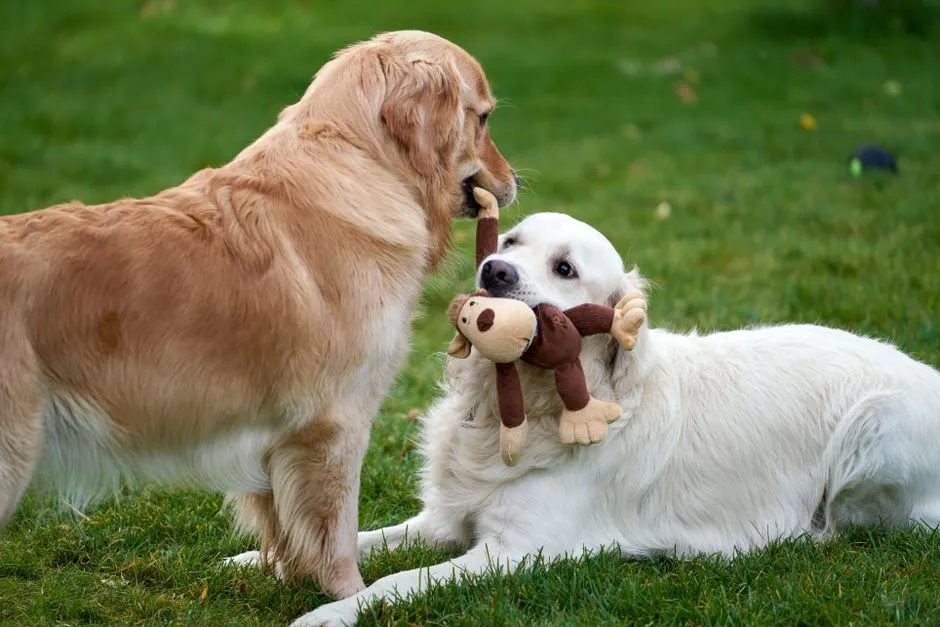
Curiosity is a security behavior. A dog who’s still guarded tends to ignore new toys or approach them warily. A dog who feels grounded in their home will investigate everything, chew it, toss it, and often bring it straight to you like an offering.
That toy-dropped-at-your-feet moment isn’t random. It’s an invitation, and often the first real sign that your dog sees play with you as something worth starting, not just something they tolerate.
15 – Being Left Alone Doesn’t Feel Like Abandonment Anymore
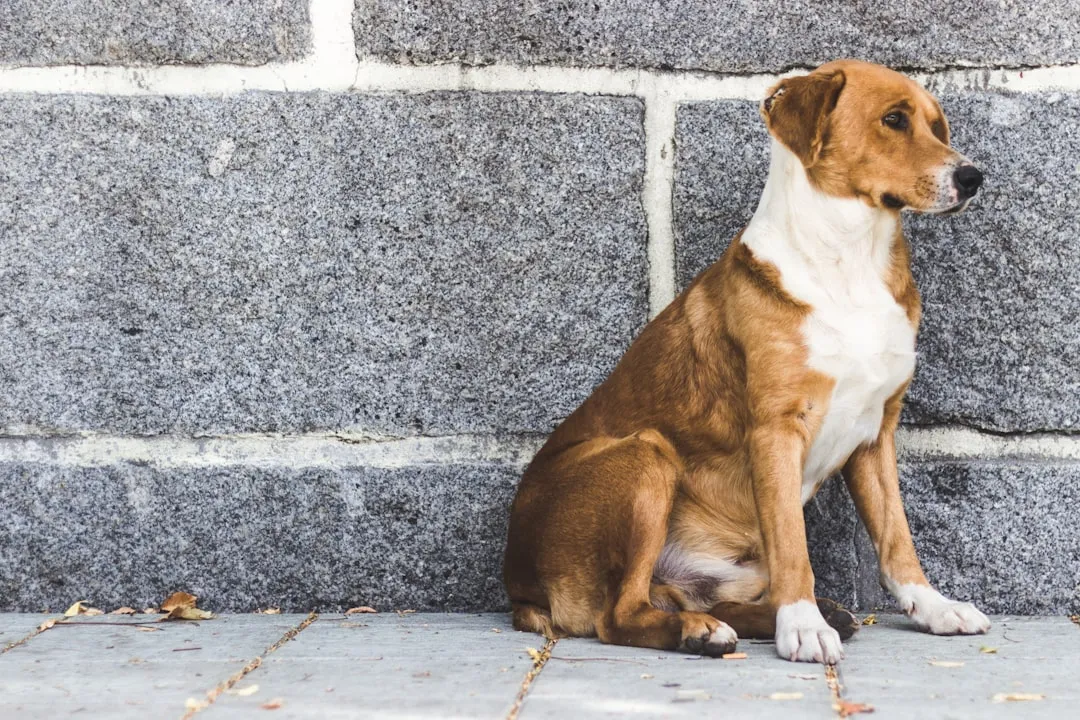
For a dog who’s been abandoned once already, you walking out the door can trigger real panic, destroyed furniture, non-stop barking, pacing that never stops. It’s not disobedience. It’s fear that you’re not coming back.
The shift here is subtle but massive. A dog who settles into a nap by the window, or just watches you leave without falling apart, has made peace with something huge, that leaving isn’t the same thing as leaving forever.
14 – Strangers Stop Feeling Like Danger
A rescue dog with a rough past can read every new person as a potential threat, and honestly, who could blame them. Hiding, growling, or shrinking away from visitors is a survival habit, not bad behavior.
When that same dog starts greeting guests with loose, curious sniffing, or simply chooses to stay in the room instead of retreating, it means their definition of “safe” has expanded past just you. That’s real progress, and it usually takes longer than any of the other signs on this list.
13 – They Bark With a Purpose, Then Let It Go
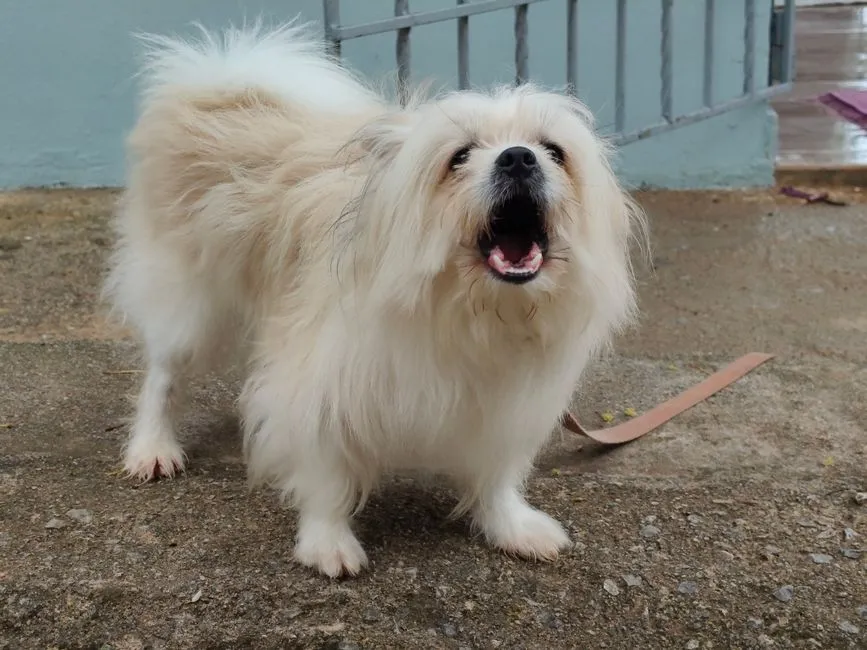
Constant, anxious barking is often a dog trying to manage a world that feels unpredictable. It’s exhausting for everyone, dog included. But a dog who feels secure barks differently, sharp, purposeful, and brief.
They’ll alert you to the mail truck or another dog outside, then shake it off and go back to whatever they were doing. That quick reset, from alarm to calm, is a sign they trust you to handle whatever’s actually out there.
12 – They Look You in the Eye During Training, Not Away From You
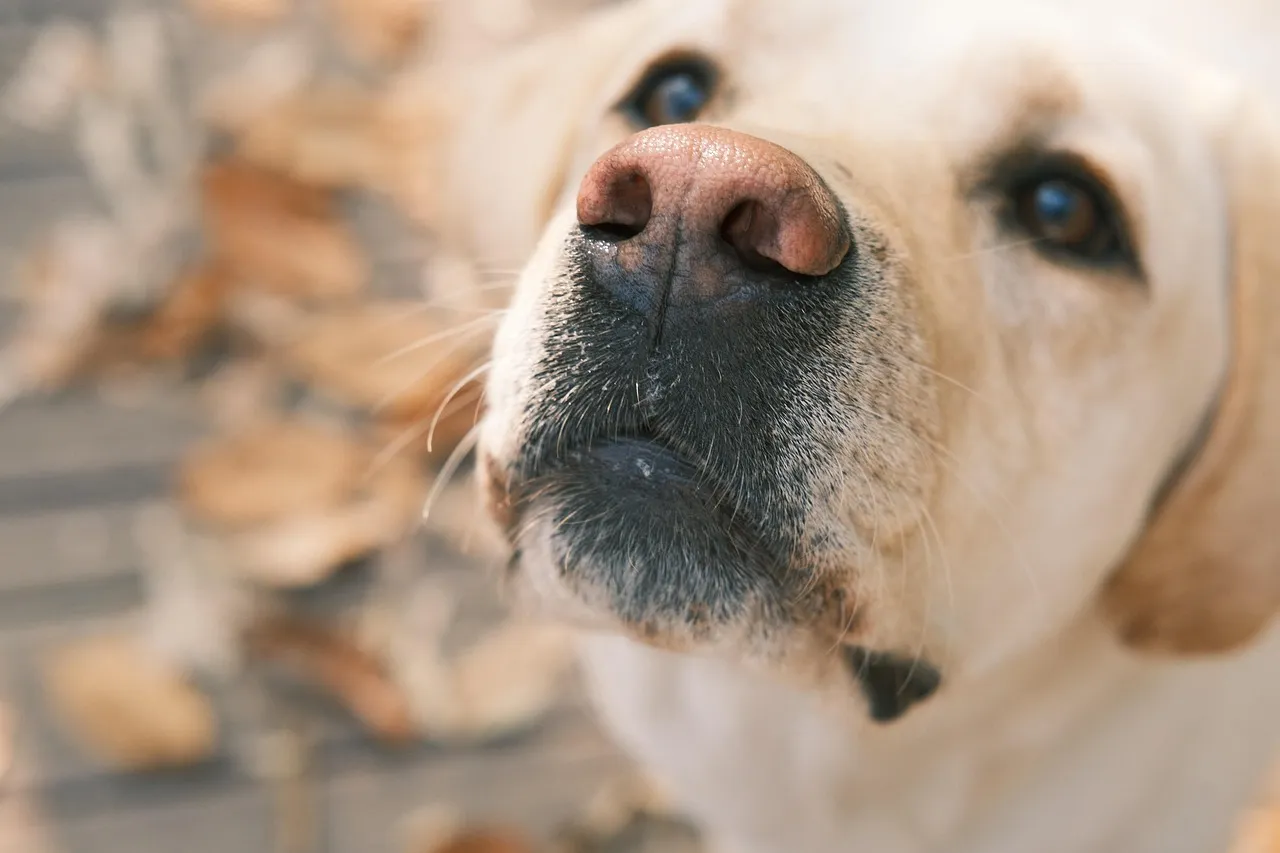
A dog operating from fear tends to avoid direct engagement, sitting for a command out of nervous compliance rather than genuine connection. You can usually feel the difference even if you can’t name it.
A dog who trusts you holds eye contact during training, leans forward instead of away, and seems almost eager for the next cue. That shift, from obeying out of fear to engaging out of trust, changes the entire feel of your relationship.
11 – Soft Eyes Replace the Old, Wary Stare
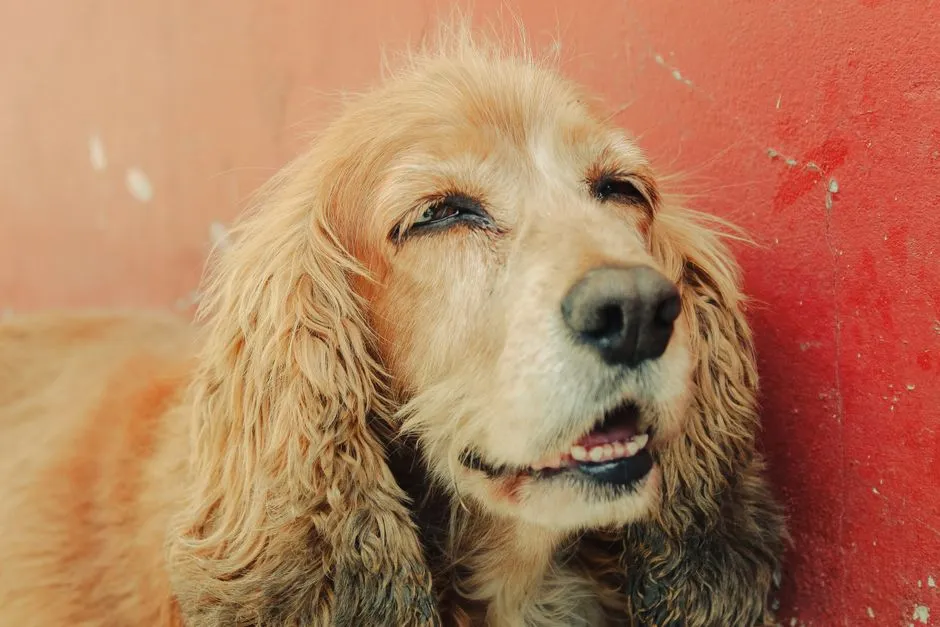
Dog eyes say more than most people give them credit for. A scared or guarded dog often has a hard, watchful stare, tracking movement, bracing for the next thing. It’s not aggression, it’s vigilance.
Then one day you catch them just… looking at you. Softly. Almost sleepily. That relaxed gaze, sometimes called the “long blink,” is one of the clearest emotional tells in the entire list, and it’s one you can’t fake.
10 – They Bounce Back From a Startle in Seconds
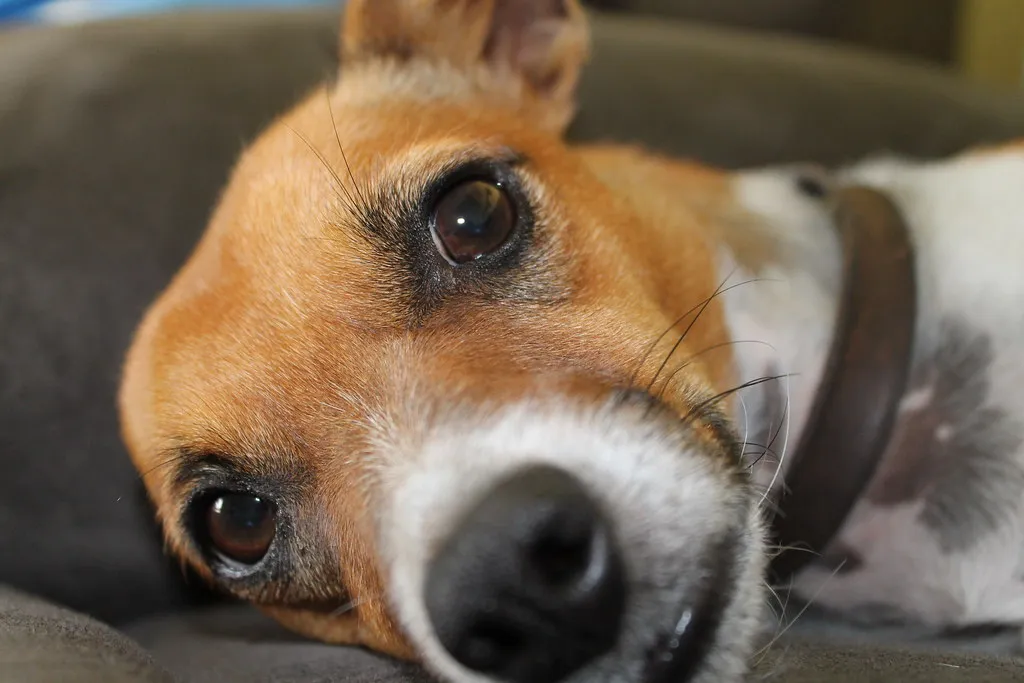
Every dog gets spooked sometimes, a dropped pan, a car backfiring, a stranger’s sudden movement. What matters isn’t the startle itself, it’s what happens next.
A dog still carrying trauma can stay rattled for the rest of the day. A dog who feels secure jumps, shakes it off, and goes right back to whatever they were doing thirty seconds later. That fast recovery is resilience built entirely on trust in their environment, and in you.
Quick Compare
- Still guarded: Freezes or paces after a startle, staying alert for the rest of the day.
- Feeling secure: Jumps, shakes it off, and returns to normal within seconds.
- Still guarded: Keeps watching the source of the scare long after it’s gone.
- Feeling secure: Moves on without a second glance, trusting you to handle it.
9 – Curiosity Beats Fear, Every Time
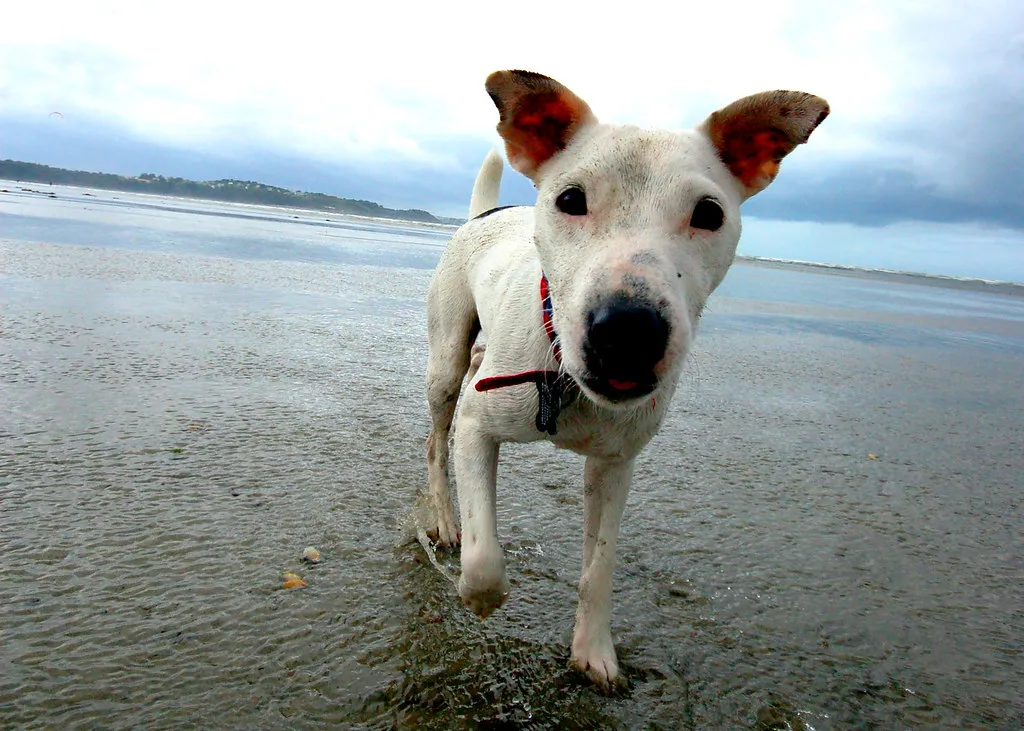
New smell in the yard? New box by the door? A securely attached dog investigates first and worries later, if at all. That nose-forward, tail-up approach to the unfamiliar is a direct contrast to the freezing or fleeing you might have seen in the early weeks.
Curiosity is expensive for a scared animal. It requires spending energy on something other than survival. When your dog starts spending that energy freely, it means they’ve decided the world is worth exploring instead of just enduring.
8 – They Recover Fast When Something Scares Them
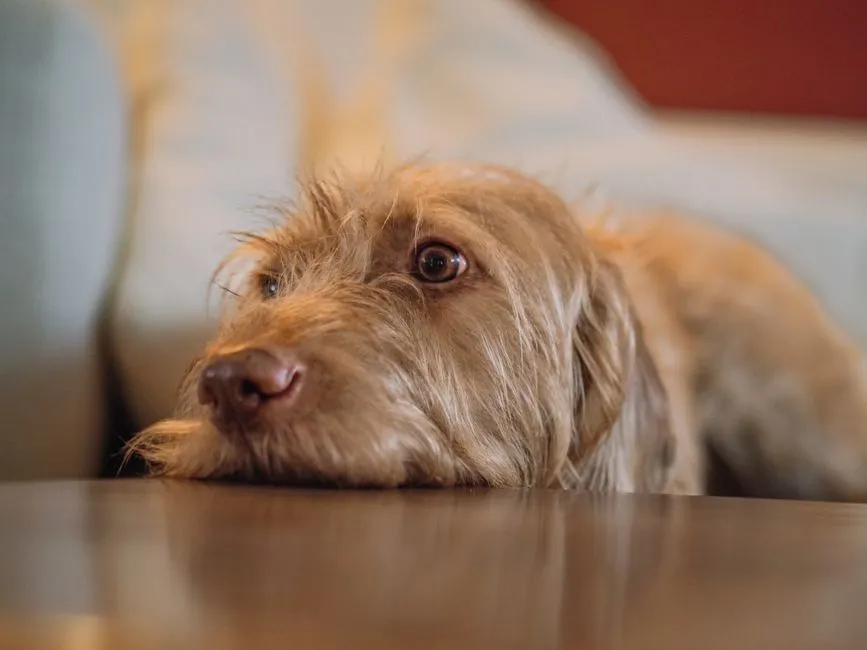
This one overlaps with the startle response, but it goes deeper, covering bigger disruptions like a loud storm, a vet visit, or an unfamiliar guest staying over. Dogs who are still guarded can stay elevated, panting, pacing, hiding, for hours after something upsetting.
A dog who trusts their environment settles back down noticeably faster. Not instantly, but faster. That return to baseline is a quiet but powerful sign that stress doesn’t own them the way it used to.
7 – They Choose Their Bed Without Being Told

Plenty of dogs get herded toward their bed at night. Far fewer walk over and lie down in it on their own, mid-afternoon, for no reason at all. That’s the difference between a space being assigned and a space being claimed.
When a rescue dog starts using their bed voluntarily, curling up there during the day just to relax, it usually means they’ve stopped seeing it as “the dog’s spot” and started seeing it as their spot. There’s a difference, and dogs know it even if we don’t always notice.
6 – The Greeting at the Door Gets Shorter, Not Colder
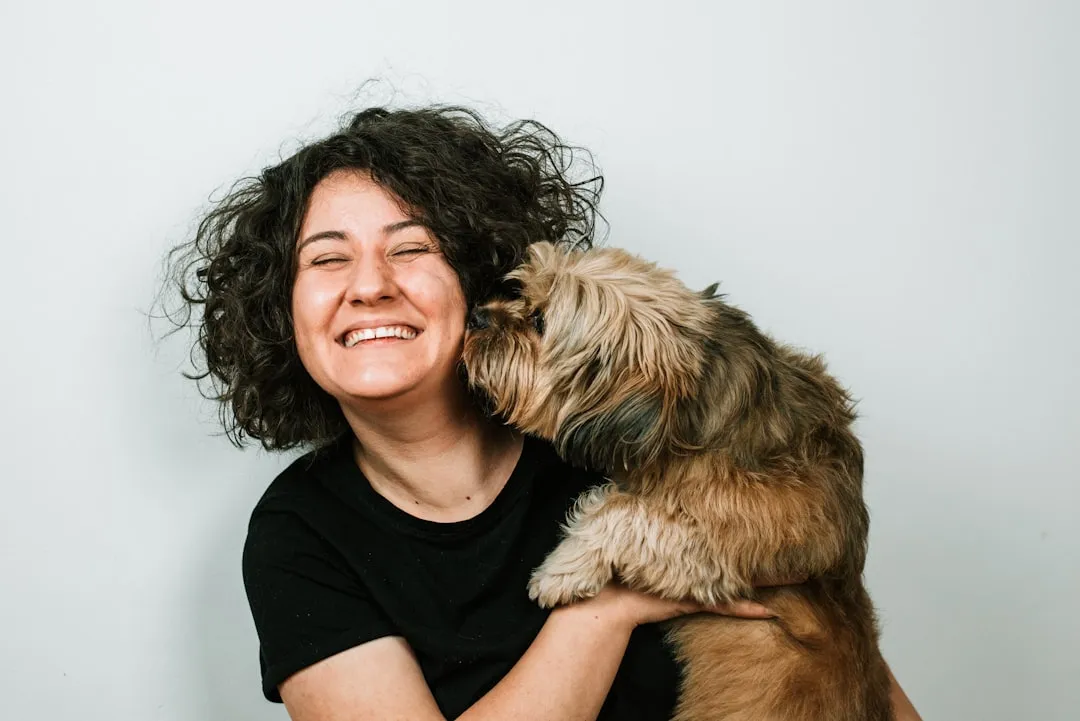
This one confuses new rescue owners. You expect the excitement to grow over time, but often it’s the opposite, the frantic, almost desperate greeting at the door calms down the longer a dog feels secure.
A dog who’s confident in the relationship still greets you happily, but they regulate faster, a few wags, a sniff, then back to their nap. That’s not your dog loving you less. It’s your dog no longer needing to prove, every single time, that you actually came back.
5 – The Play Bow Comes Out On Its Own
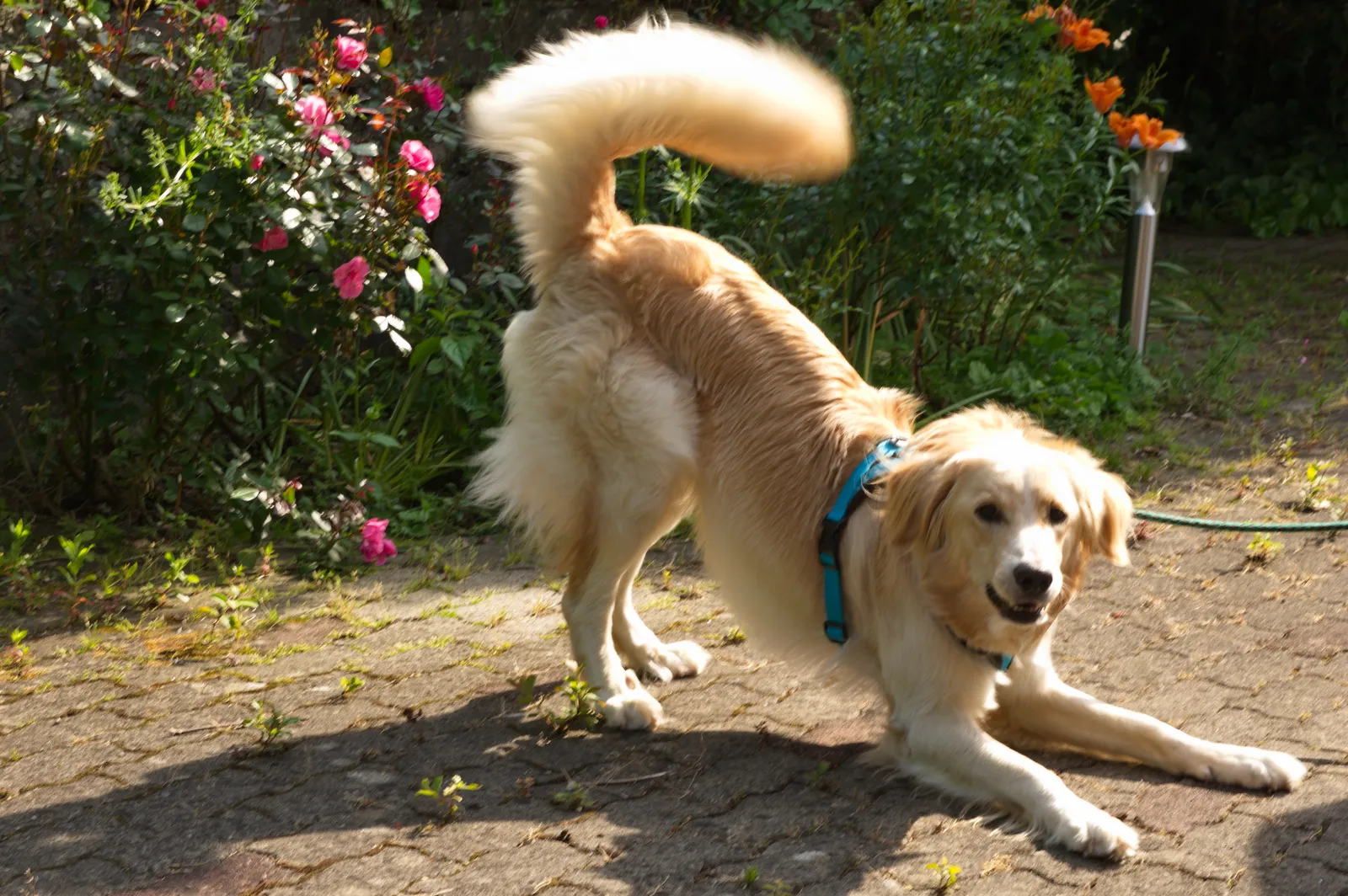
Front legs down, rear end up, tail wagging, the play bow is one of the most universally understood signals in the dog world. It’s an open invitation, and dogs don’t offer it to things they’re afraid of.
When a rescue dog starts throwing play bows at you unprompted, mid-afternoon, for no reason other than wanting to engage, it’s one of the purest expressions of joy and trust they have. It’s playful. It’s vulnerable. And it means they feel completely comfortable being goofy around you.
Worth Knowing
- The play bow is recognized across breeds as a universal “everything after this is a game” signal.
- It combines total vulnerability with total joy, a dropped front end and exposed neck paired with a wagging tail.
- Dogs almost never offer a play bow to a person or animal they perceive as a threat.
- An unprompted play bow aimed directly at you is a deliberate invitation, not just leftover energy.
4 – They Sleep Belly-Up, Totally Exposed
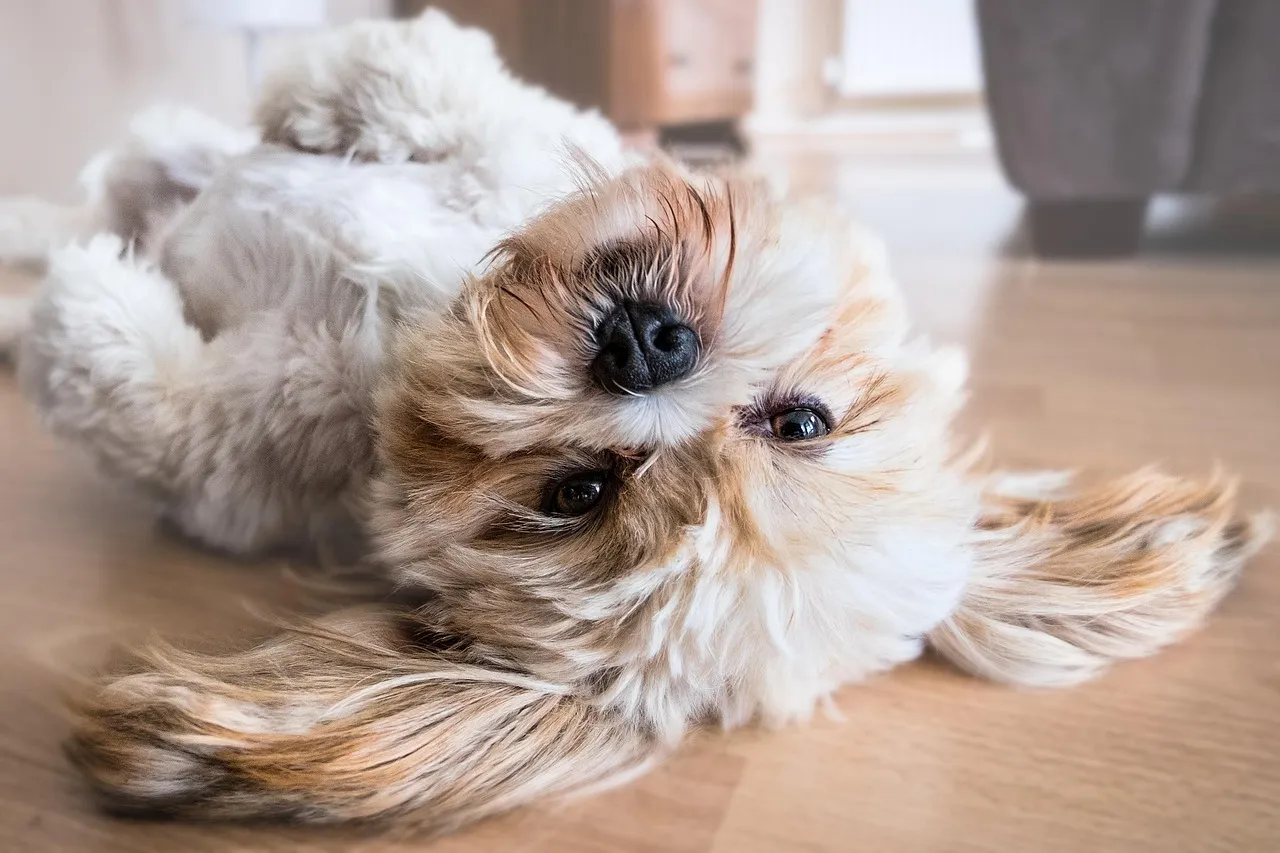
In the wild, exposing your stomach is about as vulnerable as an animal can get. It’s not a position you choose around something you don’t trust. So when a rescue dog finally starts sleeping flat on their back, paws in the air, belly completely exposed, it’s one of the most literal displays of trust a dog can offer.
This posture usually shows up much later than the others on this list, often after weeks or months of smaller trust-building moments. It’s less common in dogs still processing trauma, which is exactly what makes it so meaningful when it finally happens.
Until one has loved an animal, a part of one’s soul remains unawakened.
Anatole France
3 – They Sigh – And It’s the Good Kind
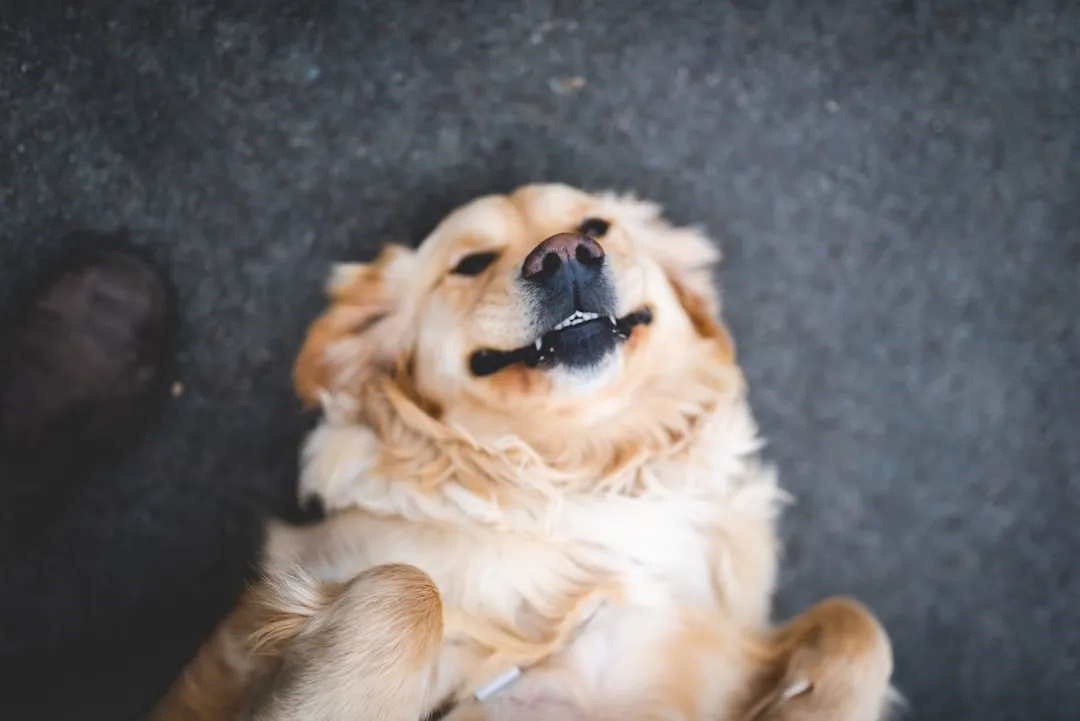
Not every sigh means the same thing. A tense sigh is short and sharp, often paired with a stiff body. A relaxed sigh is long, slow, and usually comes right before your dog’s whole body seems to melt into the couch or the floor.
Hearing that deep, drawn-out exhale, especially while they’re pressed against you, is one of those small moments that tends to sneak up on rescue owners emotionally. It’s the sound of a nervous system finally, fully letting go.
2 – They Start Following You From Room to Room
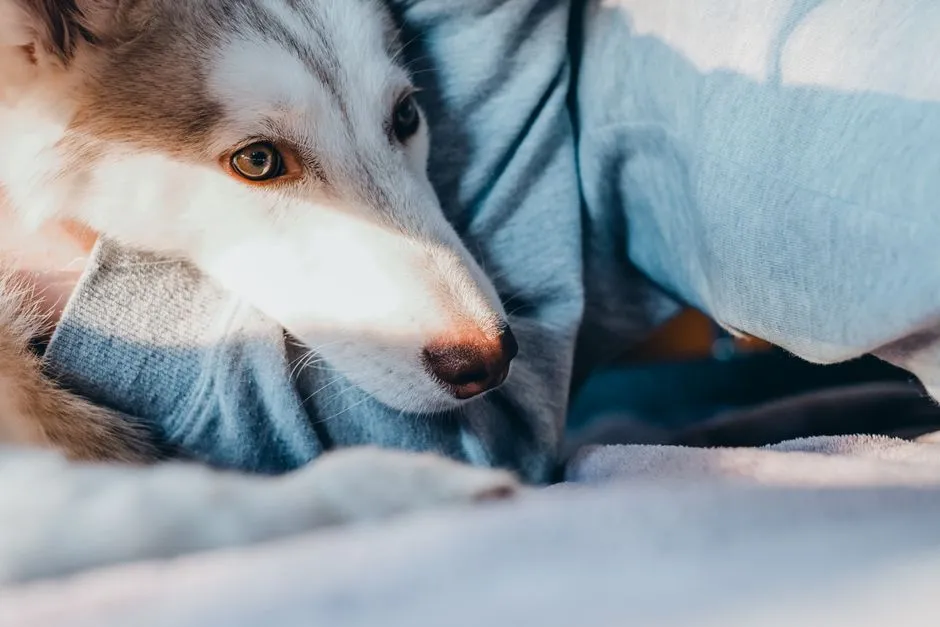
Some rescue owners call it the “velcro dog” phase, and it can look confusing at first, is my dog anxious, or is my dog just… into me? Usually, it’s the second one. A dog who trusts you wants to be wherever you are, not out of fear of losing you, but because your presence has become their sense of safety.
This is different from separation anxiety, which is frantic and distressed. This is calm, almost casual, your dog just quietly relocating to whatever room you’re in, lying down, and going right back to resting. It’s less about needing you and more about choosing you.
1 – They Lean Their Full Weight Into You
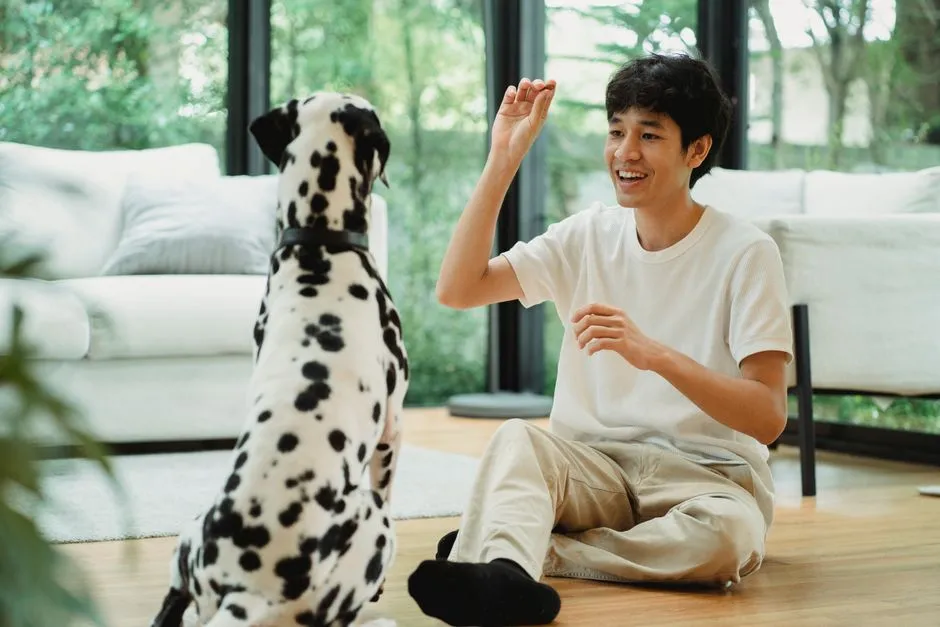
This is the one rescue owners talk about the most, and for good reason. A dog leaning their entire body weight against your leg, or collapsing sideways into your lap with a groan, is not something they do around anyone they don’t fully trust. It requires letting their guard down completely, physically and emotionally.
Dogs don’t hand over their balance to something they’re afraid of. When your rescue dog finally starts doing this, sighing, closing their eyes, letting their full weight sink into you like gravity just got heavier, that’s the moment. Not a metaphor. Not a hopeful interpretation. That’s a dog telling you, in the only language they have, that they’ve stopped waiting for the other shoe to drop. You’re home. To them, you always were.
If you’ve made it this far and recognized even five of these signs in your own dog, you already know something a lot of new rescue owners don’t, that trust isn’t given at adoption, it’s built one unremarkable afternoon at a time. The dogs who arrive the most guarded are often the ones who love the hardest once they finally let go, and honestly, that’s the whole point of doing this in the first place. Not the grand rescue story. The quiet, ordinary moment years later when your dog sighs, leans into you, and stops watching the door.

- Animal Psychology Says If You See a Large Gathering of Crows in Your Yard at Dawn It Is a Sign of Complex Social Behaviour – and the Cognitive Power Required for It Belongs to an Elite Group of Species - July 14, 2026
- 10 Fascinating Facts About American Crows That Changed How Scientists See Birds - July 14, 2026
- Zoology Says the Reason Elephants Return to the Bones of Their Dead Is Rooted in Mourning – It Is a Sign of Deep Social Memory and an Emotional Life Highly Unusual for Mammals - July 14, 2026