
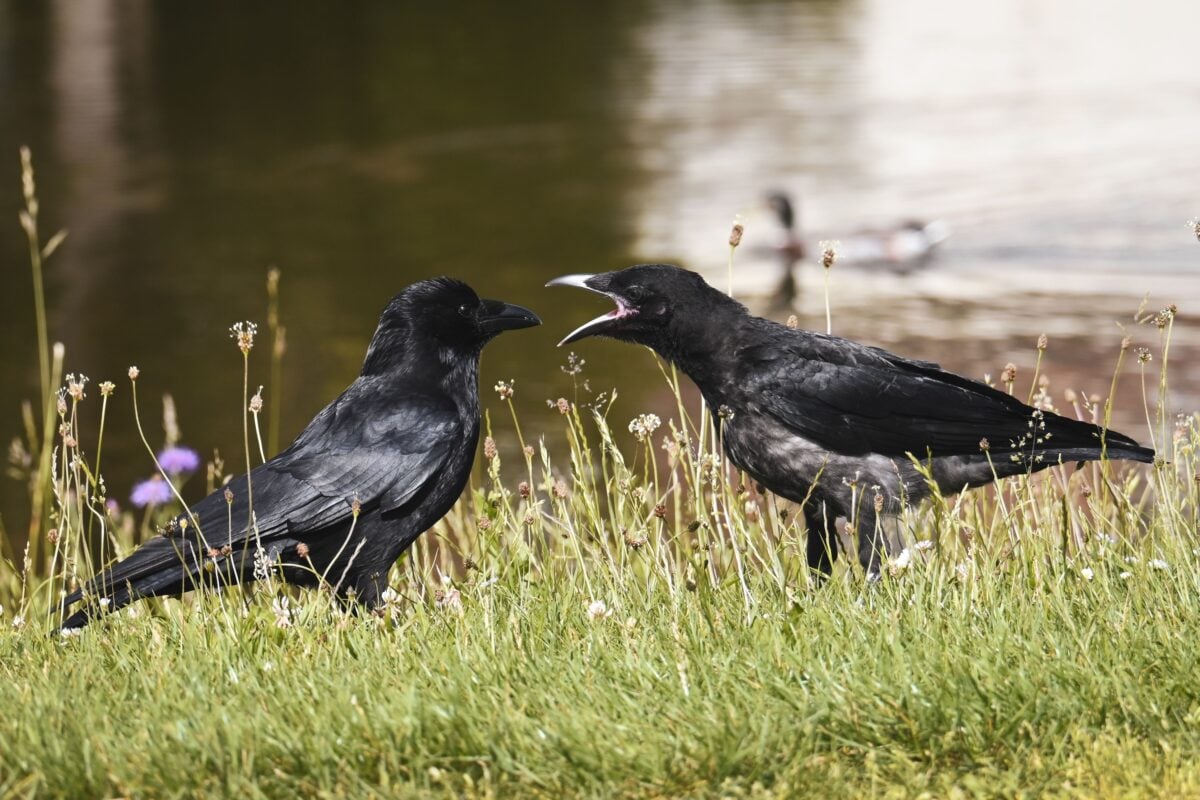
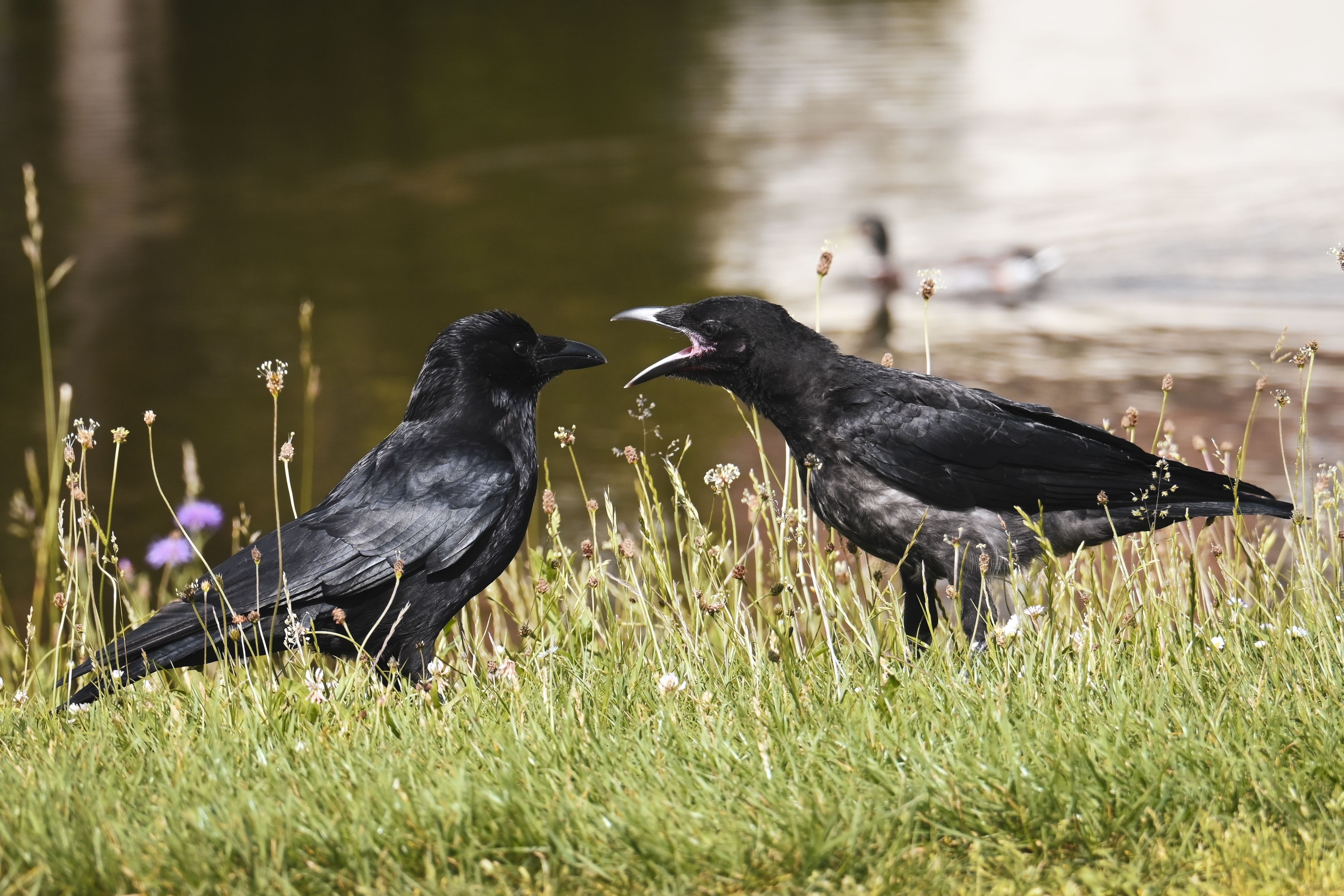
Imagine stepping outside at dawn to find a congregation of crows in your yard. This isn’t just a random assembly; it’s a window into the intricate social lives of one of the most intelligent bird species on the planet. These gatherings, known as “murders,” are not only fascinating but also indicative of the complex cognitive abilities that crows possess, placing them among an elite group of species renowned for their intelligence.
The Social Dynamics of Crow Gatherings
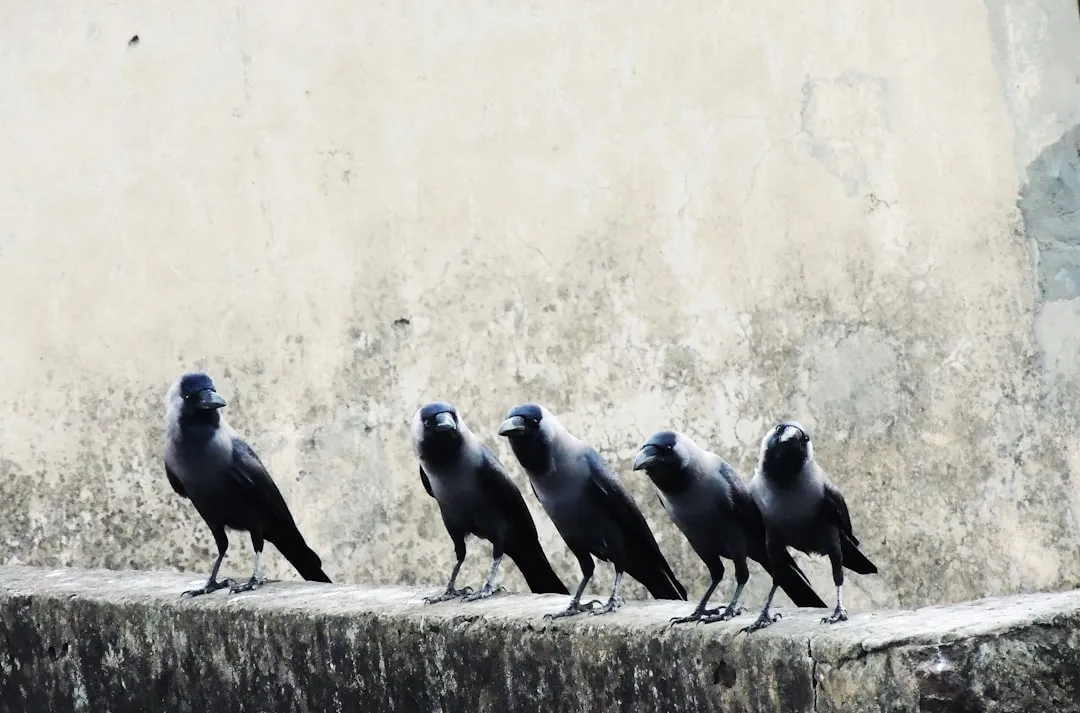
Crows are highly social creatures, and their gatherings serve multiple purposes. These assemblies can be a platform for sharing information about food sources, potential threats, or even as a communal roosting site. The ability to coordinate and communicate within such large groups showcases their advanced social structures and cognitive capabilities.
Moreover, these gatherings are not haphazard. Crows recognize individual members within their group, remember past interactions, and can even hold grudges. This level of social complexity requires a sophisticated understanding of relationships and social hierarchies, akin to those observed in primate societies.
Tool Use and Problem-Solving Abilities
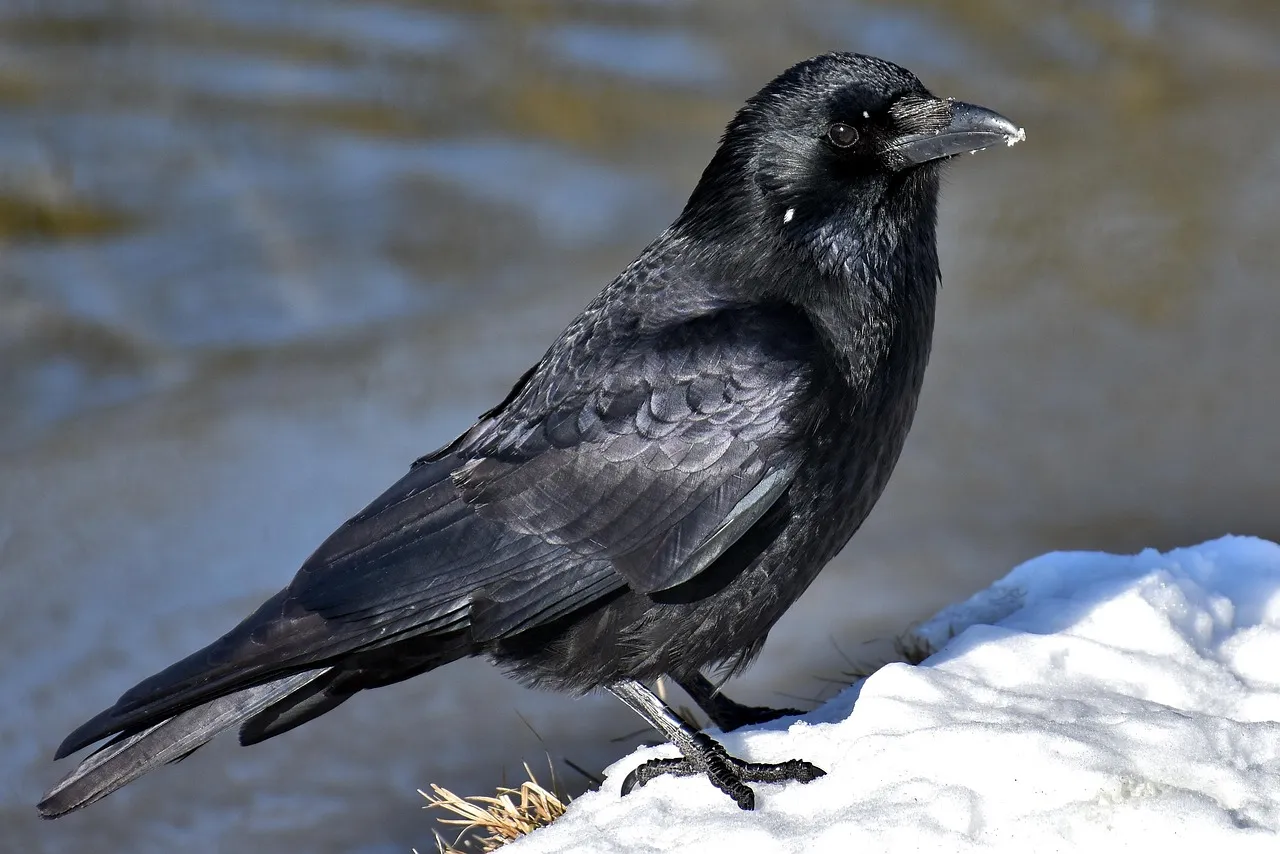
Beyond their social acumen, crows exhibit remarkable problem-solving skills. They have been observed crafting and using tools to access food, a trait once thought exclusive to humans and certain primates. For instance, New Caledonian crows fashion sticks into hooks to extract insects from tree bark, demonstrating not only tool use but also the ability to modify tools to suit specific tasks.
This behavior indicates a high level of cognitive flexibility and an understanding of cause and effect. Such problem-solving abilities are a testament to their intelligence and have been the subject of numerous scientific studies aiming to unravel the depths of avian cognition.
Memory and Facial Recognition
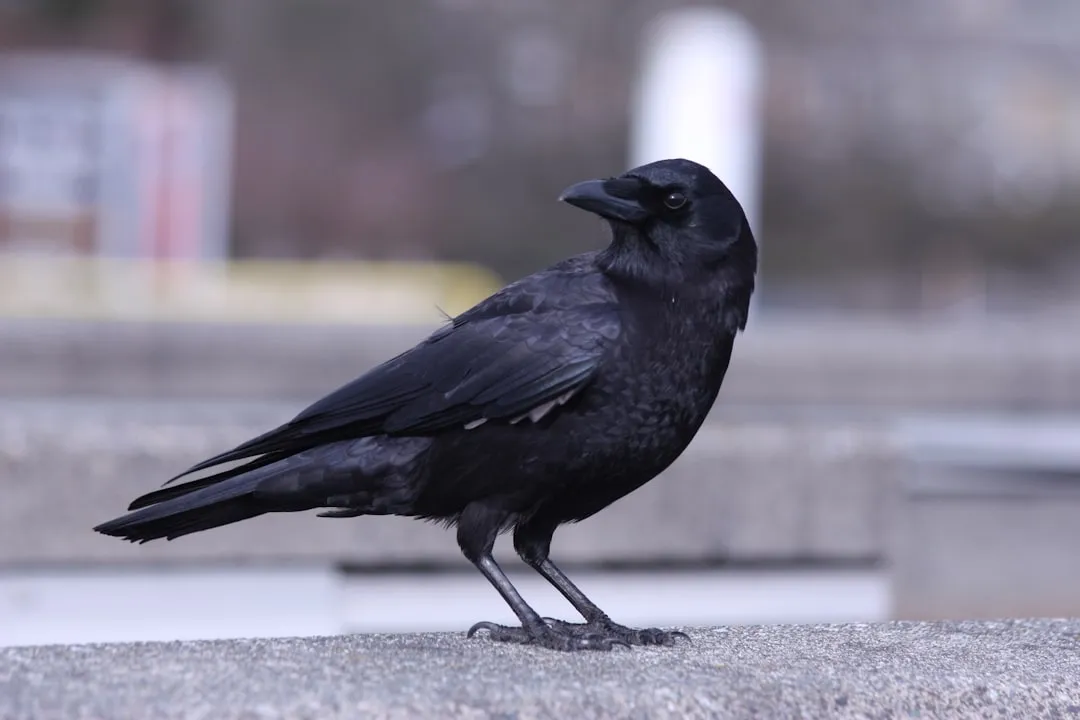
Crows possess an impressive memory, particularly when it comes to recognizing human faces. Studies have shown that crows can remember individuals who have posed a threat to them and will subsequently scold or mob these individuals upon sight, even years later. This ability to associate specific humans with past experiences and communicate this information to other crows highlights their advanced memory and social learning skills.
This facial recognition isn’t limited to negative experiences. Crows can also remember humans who have been kind to them, indicating a nuanced understanding of social interactions and the ability to differentiate between friend and foe.
Communication and Language Skills
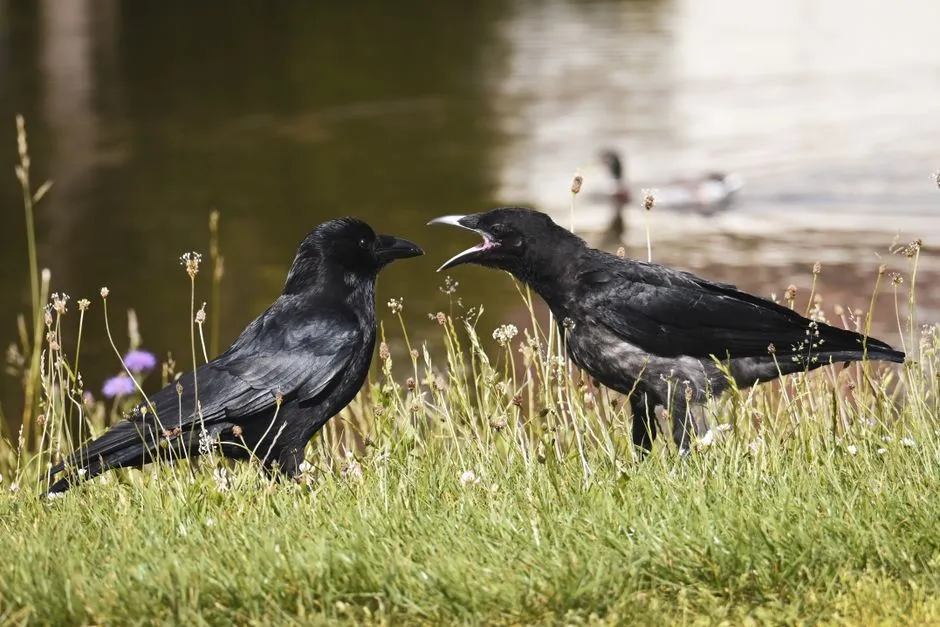
The vocalizations of crows are complex and varied, serving as a sophisticated means of communication within their groups. They use different calls to convey specific messages, such as alerting others to danger, signaling the presence of food, or coordinating group movements. This intricate system of communication requires a high level of cognitive processing and is comparable to the communication systems of other intelligent species like dolphins and primates.
Furthermore, crows have been observed mimicking sounds from their environment, including human speech. This mimicry suggests a level of auditory learning and flexibility that is rare in the animal kingdom, further underscoring their cognitive prowess.
Self-Awareness and Empathy
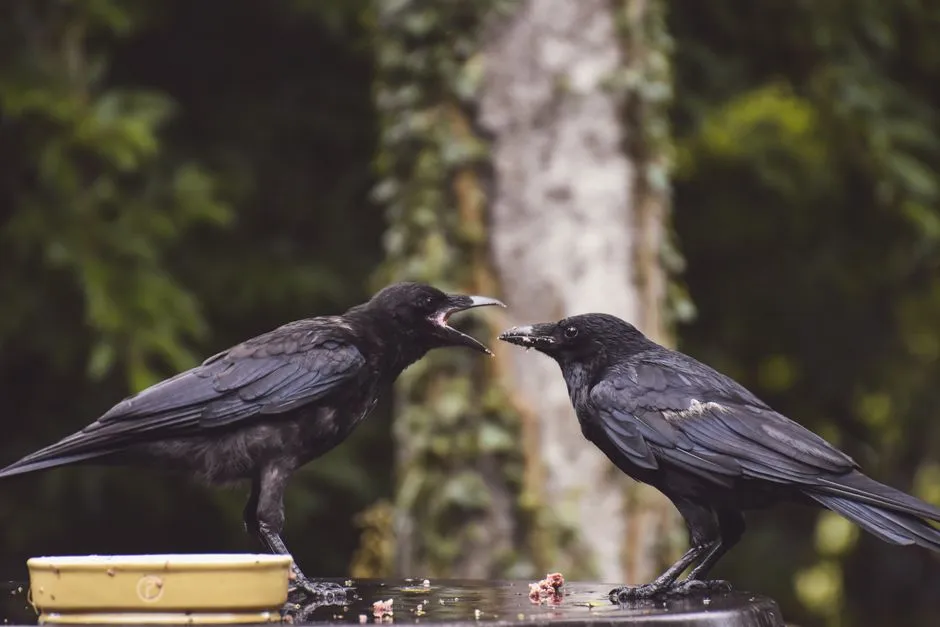
Research indicates that crows may possess a form of self-awareness, a trait associated with higher intelligence. Experiments involving mirrors have shown that crows can recognize themselves, a capability shared by only a few species, including humans and great apes. This self-recognition suggests a level of consciousness and introspection that is remarkable in the avian world.
Additionally, crows display behaviors that suggest empathy and understanding of the emotions of their peers. They have been observed consoling distressed companions and may even hold “funerals” for deceased members of their group, indicating a complex emotional life and social bonds.
Comparisons to Other Intelligent Species
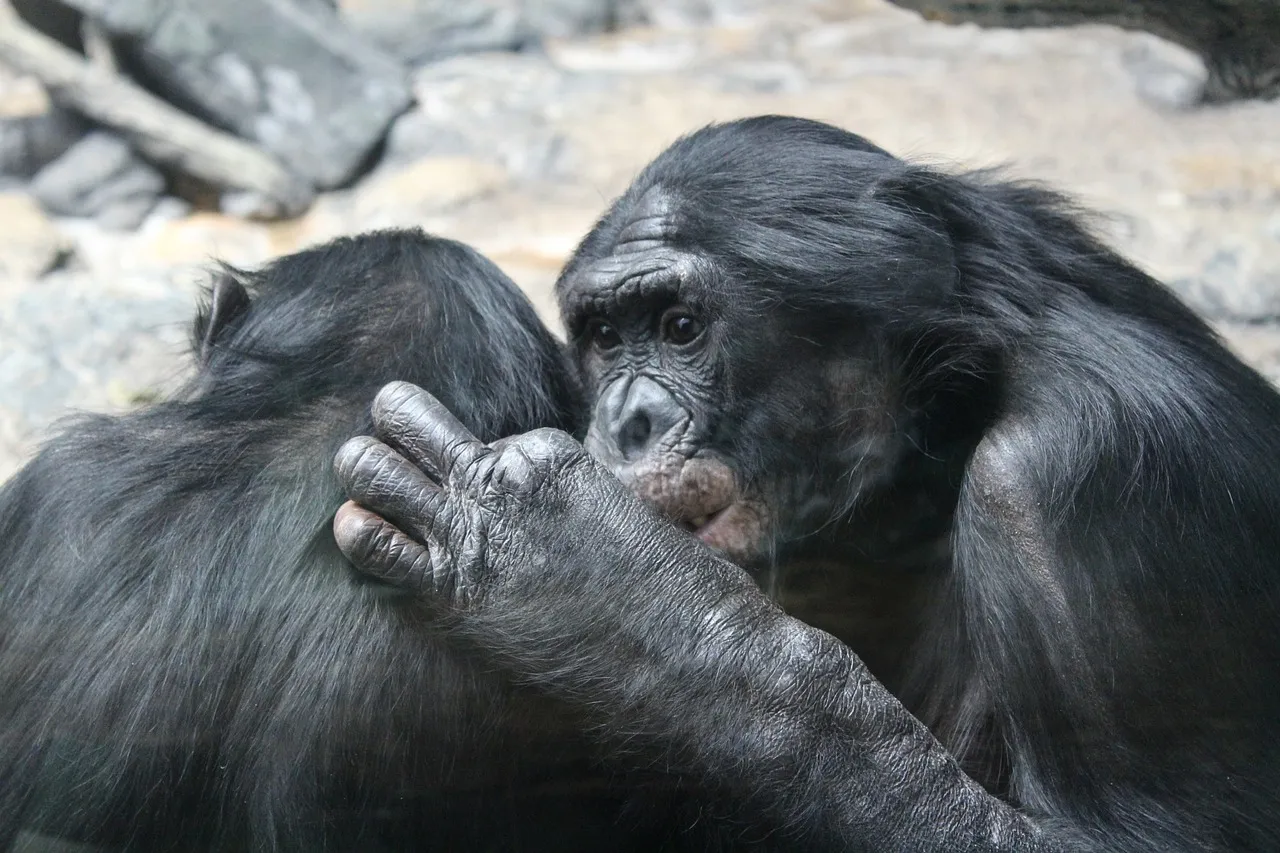
The cognitive abilities of crows place them in an elite group of intelligent species. Their problem-solving skills, tool use, and social complexity are comparable to those of great apes, dolphins, and elephants. This convergence of intelligence across such diverse species suggests that complex cognition can evolve in different lineages when similar social and environmental pressures are present.
For instance, like crows, dolphins exhibit complex social structures and communication systems, while elephants demonstrate remarkable memory and empathy. These parallels highlight the diverse manifestations of intelligence in the animal kingdom and challenge the notion of human exceptionalism.
Implications for Understanding Animal Intelligence
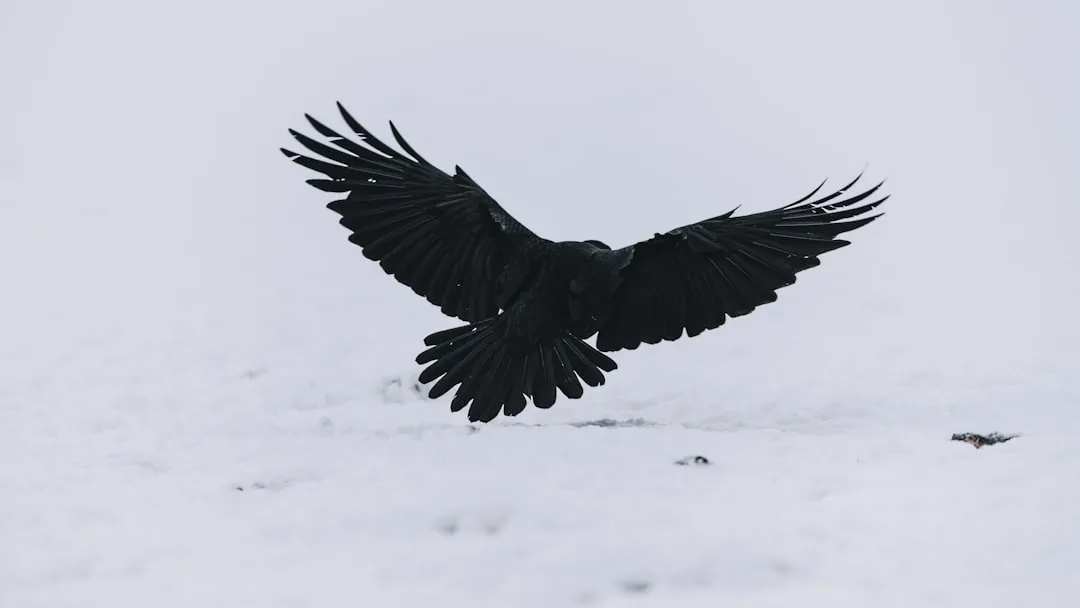
Studying the intelligence of crows provides valuable insights into the evolution of cognition. It challenges traditional views that associate complex intelligence solely with mammals and opens up new avenues for understanding how different brain structures can give rise to similar cognitive abilities.
Moreover, recognizing the intelligence of crows and other animals has ethical implications. It prompts us to reconsider how we interact with and treat these creatures, acknowledging their capacity for thought, emotion, and social complexity.
In conclusion, the sight of a large gathering of crows in your yard at dawn is more than just a curious spectacle. It is a testament to the complex social behaviors and remarkable cognitive abilities of these birds. Their intelligence challenges our understanding of animal cognition and reminds us of the rich tapestry of minds that share our world. So, the next time you encounter a murder of crows, take a moment to appreciate the intricate social dance unfolding before you. Who knew that such unassuming birds could hold the keys to unraveling the mysteries of intelligence?

- Animal Psychology Says If You See a Large Gathering of Crows in Your Yard at Dawn It Is a Sign of Complex Social Behaviour – and the Cognitive Power Required for It Belongs to an Elite Group of Species - July 14, 2026
- 10 Fascinating Facts About American Crows That Changed How Scientists See Birds - July 14, 2026
- Zoology Says the Reason Elephants Return to the Bones of Their Dead Is Rooted in Mourning – It Is a Sign of Deep Social Memory and an Emotional Life Highly Unusual for Mammals - July 14, 2026