
Most people assume the rabbit that freezes by the fence or the crow that watches from the power line is simply putting up with them, waiting for the first chance to bolt. The truth is stranger and a lot more touching: wild animals are constantly running a risk calculation, and somewhere along the way, your backyard stopped registering as a danger zone and started registering as a safe one.
Researchers who track urban wildlife habituation say this shift can happen in a matter of weeks, not years, once an animal logs enough encounters with you that end in nothing bad happening. If you’ve noticed the deer not flinching, or the squirrels getting bold, you’re not imagining it. Here are the 21 real signs that the wild things sharing your property have quietly decided you’re one of the good ones.
#1 – Animals Stop Scattering at Your First Step Outside
The earliest and easiest sign to miss is also the most telling: creatures near your home no longer bolt the second the door creaks open. Most people write this off as luck or a slow morning for the local wildlife, but it’s actually a quiet vote of confidence. Your footsteps, your silhouette, even the sound of the screen door have all been filed away as “not a threat,” and that filing only happens after repeated, boring, uneventful exposure.
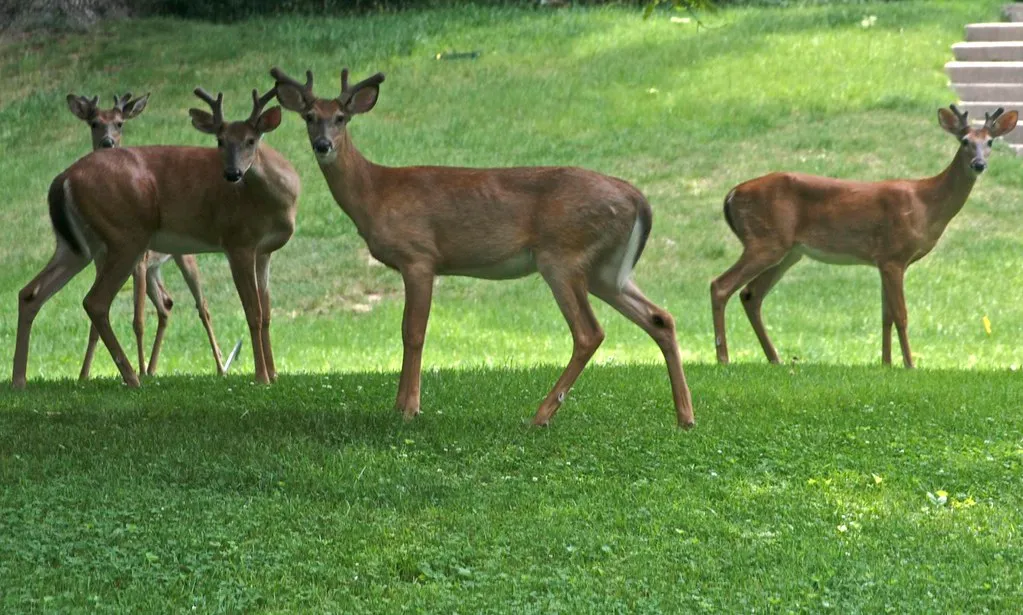
Deer are one of the clearest examples of how fast this can move. Wildlife biologists have documented suburban deer lingering within 20 feet of homeowners after only three consistent weeks of calm behavior, continuing to graze instead of vanishing into the tree line. If you want to track your own progress, just note how far away an animal is standing the moment it notices you, and watch that number shrink over the following weeks.
#2 – Birds Keep Singing or Foraging Right Beside You
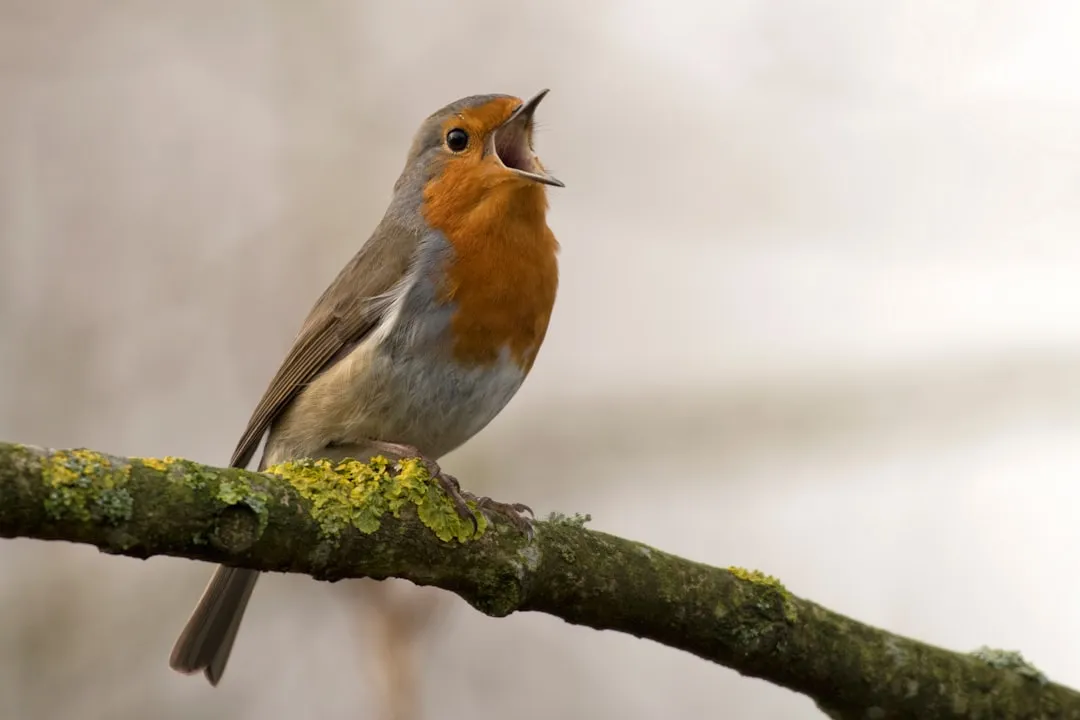
Birds are almost always the first species to test the waters, mostly because they have the easiest escape route of any animal in your yard. When a bird chooses to keep singing, keep pecking at the feeder, or keep hopping along the fence rail instead of scattering, it has effectively decided you’re background noise, no more threatening than a passing cloud.
Interestingly, this shift tends to start small, often with chickadees, and then spreads outward through the rest of the local bird population almost like gossip. Birders who track this closely report that once one species relaxes around a person, others in the same yard often follow within days, as if the neighborhood put out the word that you’re safe.
#3 – Squirrels Approach Feeders Without Any Hesitation
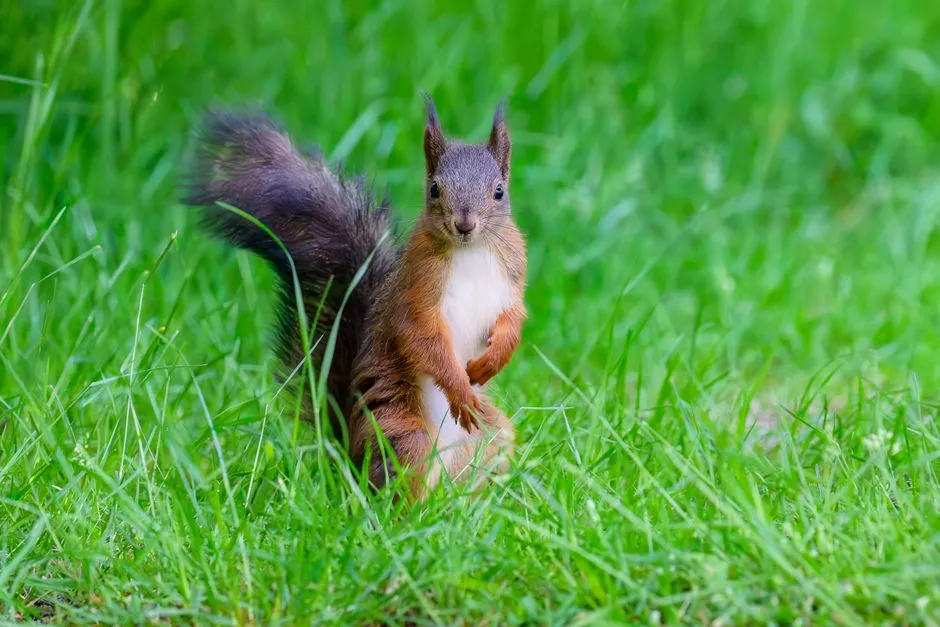
Squirrels are famously twitchy animals, built to assume everything is a threat until proven otherwise. So when a squirrel starts raiding your feeder in broad daylight while you’re standing ten feet away, sipping coffee, that’s not laziness. That’s a squirrel that has run the numbers on you dozens of times and come up with the same safe answer every time.
What’s genuinely surprising is how this trust spreads through entire family groups. Researchers have observed juvenile squirrels learning safe zones directly from watching their parents forage calmly near people, and in some documented cases, squirrels have cached food within arm’s reach of regular human observers without ever bothering to move it later. That’s not carelessness. That’s confidence.
#4 – Deer Continue Grazing Calmly in Your Yard
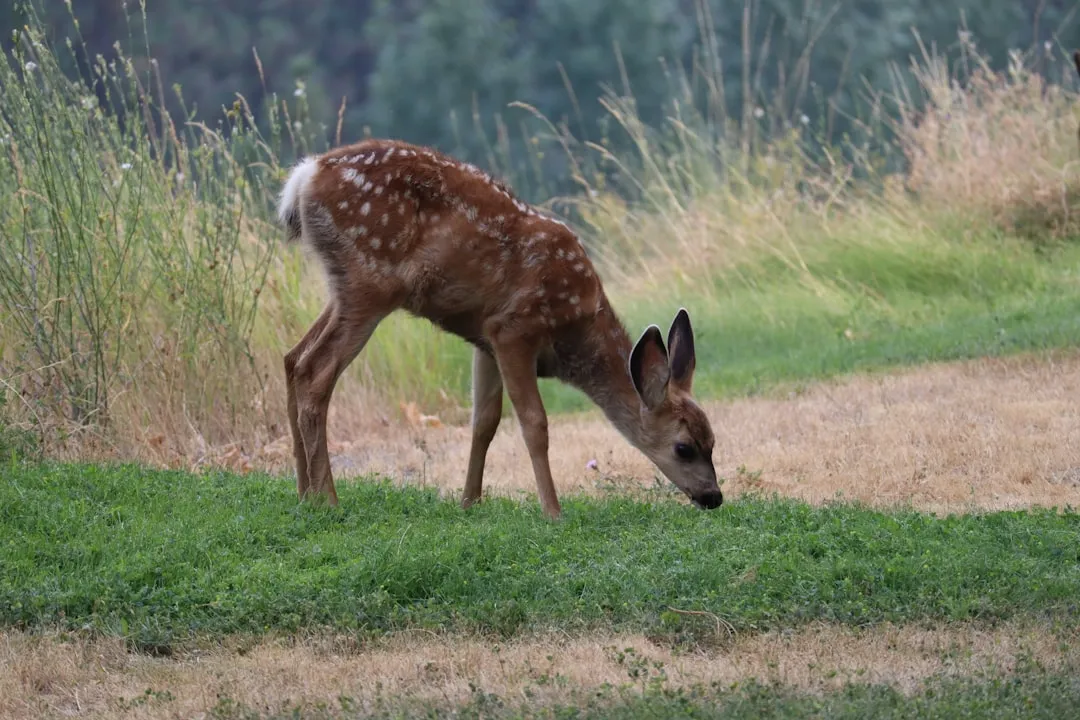
Most homeowners treat a deer sighting as a fleeting, almost accidental event, gone before you can grab your phone. But wildlife experts increasingly point to relaxed, uninterrupted grazing as one of the strongest early trust signals a larger mammal can give. A deer that keeps its head down, chewing steadily instead of scanning every few seconds, has made a real decision about you.
This kind of calm doesn’t happen after one nice encounter. It takes repeated, low-stress exposure to override a deer’s deeply wired instinct to stay alert at all times. Watch for reduced tail-flagging and less foot-stomping too; both are classic deer warning signals, and their disappearance is often the clearest tell that your presence has stopped registering as danger.
At a Glance
- Reduced tail-flagging: no more raised white flag when they spot you
- Less foot-stomping: fewer warning stomps meant to alert the herd
- Steady head-down grazing: fewer scans per minute
- Longer stays: minutes instead of seconds before moving on
#5 – Visits Happen at Predictable Times Each Day
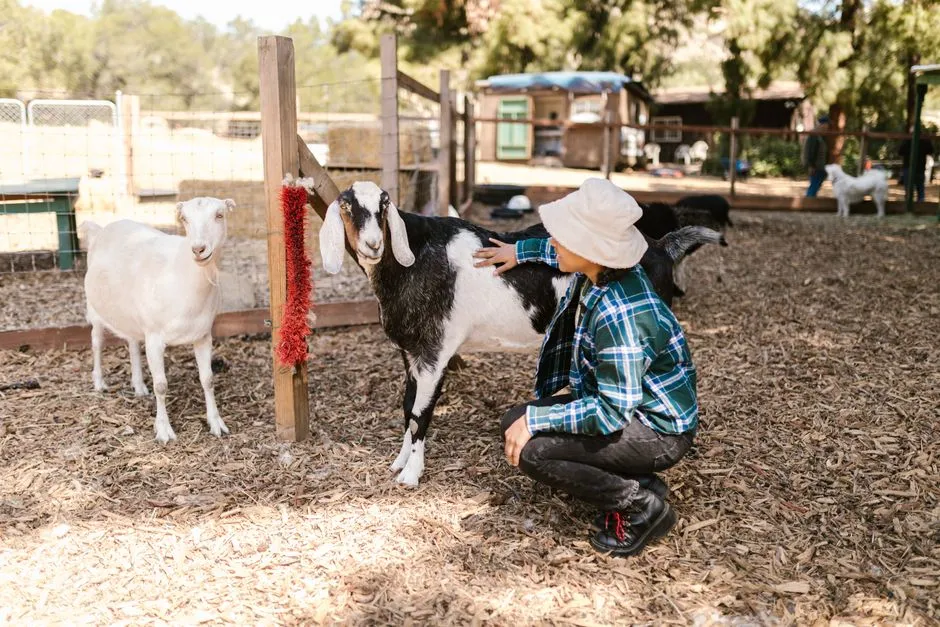
Once trust really sets in, wildlife stops treating your property like a gamble and starts treating it like a scheduled stop. Raccoons ambling through at 9:15 every night, a mourning dove pair showing up on the same fence post every morning, an opossum making its rounds like clockwork; this kind of predictability doesn’t happen by accident.
It only emerges after weeks of zero negative encounters, once an animal has essentially mapped your daily routine and quietly adjusted its own life around it. If a loud party or a slammed door throws that schedule off for a few days, don’t panic; it usually snaps back once things settle down, proof that the trust runs deeper than a single bad night.
#6 – Young Animals Start Appearing in Your Space
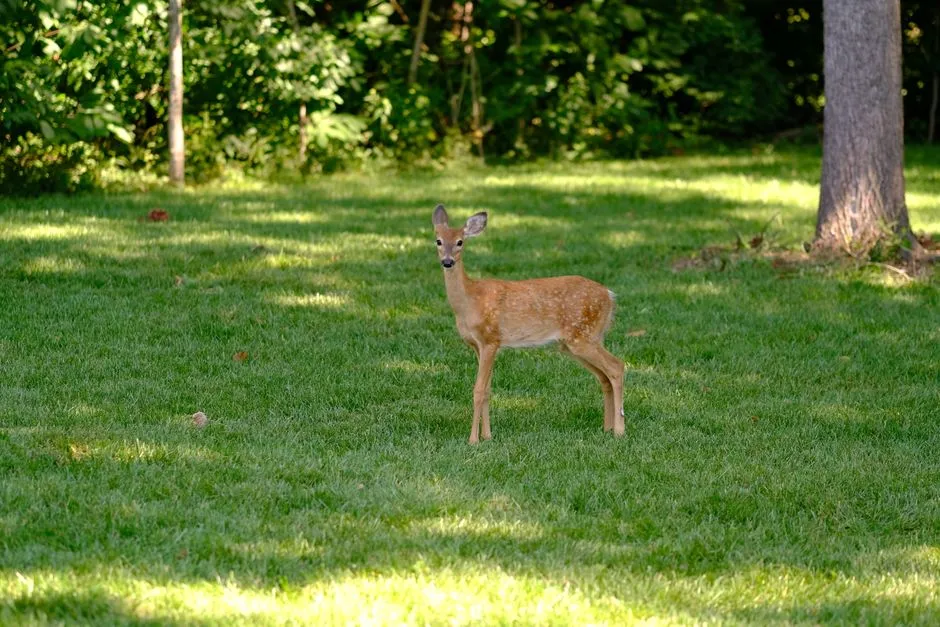
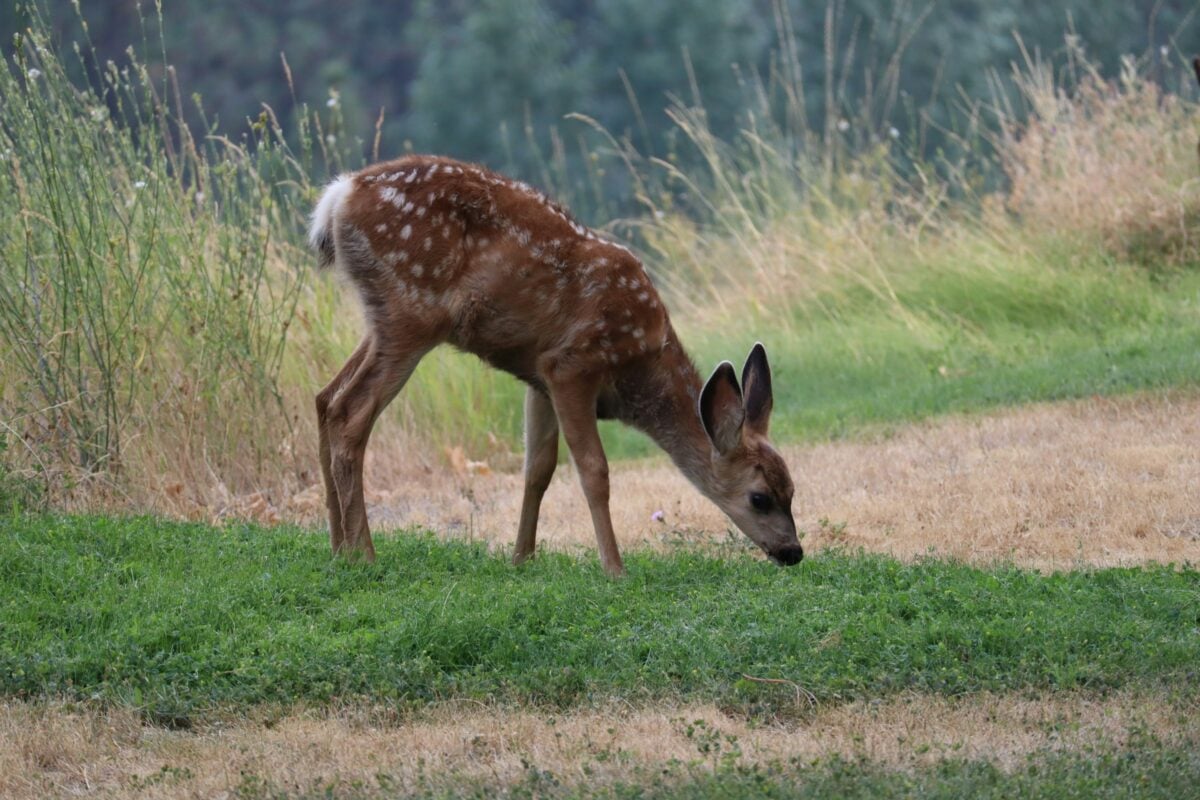
If there’s one sign that should genuinely make you proud, it’s this one. Parent animals are famously protective, and they simply do not bring vulnerable offspring into spaces they haven’t already judged as safe. A fawn wobbling across your lawn, a litter of kits exploring near the shed, or fledglings testing their wings by your porch means the adults have already done the vetting for you.
This stage almost never happens without a long runway of prior adult habituation first. In a strange way, it turns your yard from a neutral patch of grass into something closer to a nursery, a space wild parents have decided is worth the risk of raising their young in.
#7 – Alarm Calls and Chattering Decrease Sharply
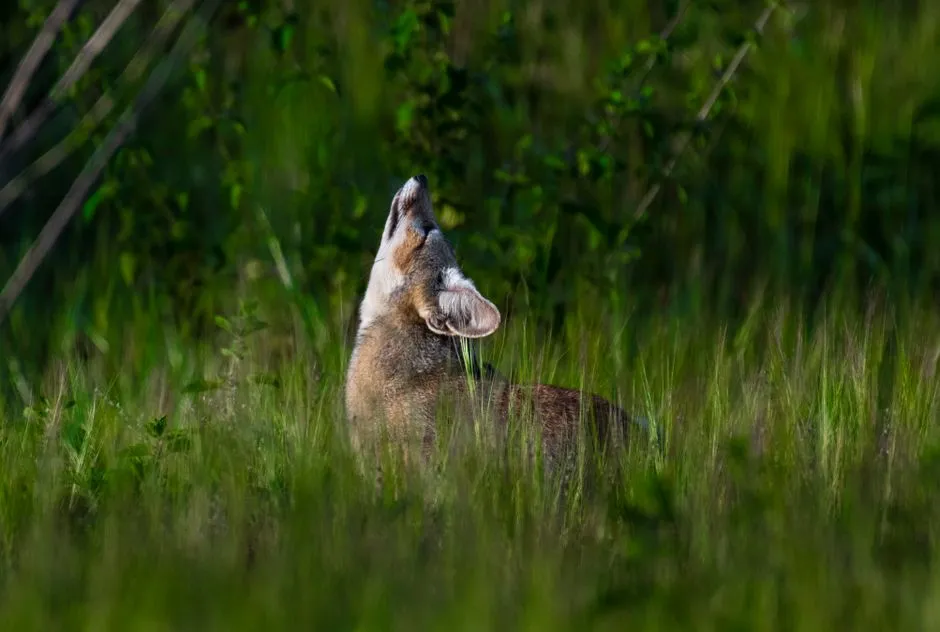
Quiet can be its own kind of proof. When the squirrel’s sharp “kuk” warning call stops, or the local birds no longer erupt into mobbing calls the second you step outside, something meaningful has changed. That noise was never random; it was a warning system, and it’s been switched off specifically because of you.
This quieting happens because the animals around you have stopped classifying you as a predator or a competitor for resources. It’s often measurable within a single season, and it’s one of the more emotionally satisfying signs simply because you can hear the shift happening in real time, one missing alarm call at a time.
#8 – Animals Use Your Structures for Shelter
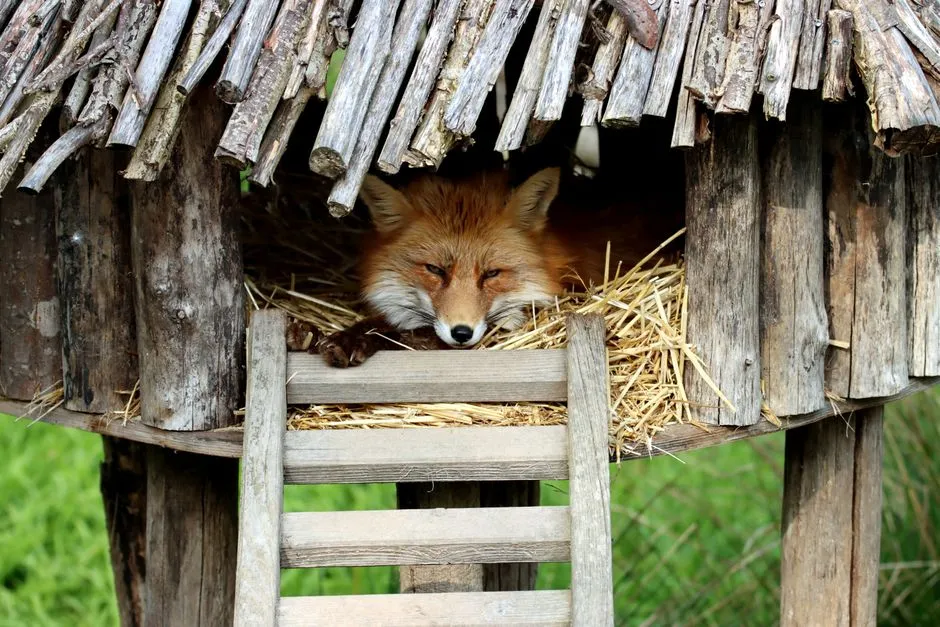
There’s a moment where trust stops being passive and becomes active reliance, and this is it. Wildlife nesting in your eaves, denning under the shed, or roosting in your yard trees has done more than tolerate you; it has picked your property over natural alternatives, which is a much higher bar to clear.
A lot of homeowners find this unsettling at first, assuming it means something has gone wrong. In reality, it’s the opposite: animals are remarkably picky about den and nest sites, and they only settle in places with consistently low disturbance. Your yard beat out the woods next door for a reason.
#9 – They Ignore Your Routine Movements While Eating
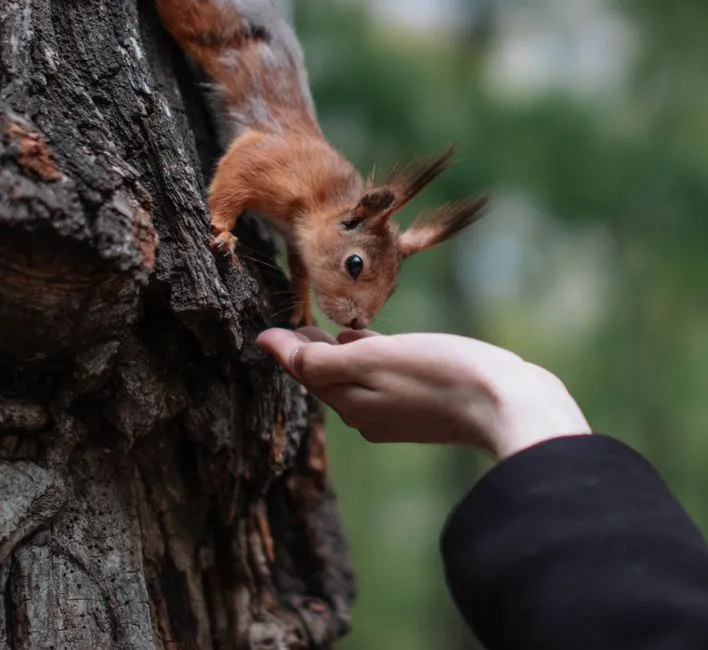
This is where trust starts to feel less like tolerance and more like genuine comfort. An animal that keeps its head down in the feed while you walk past, garden nearby, or chat on the phone has stopped tracking your every move, and that selective attention is hard-won. It only comes after repeated proof that your normal, everyday behavior poses zero risk.
It’s worth testing gently, varying your path by a few feet here and there to see if the response holds steady. Just know that sudden changes, a new noise, a fast movement, can temporarily spike their watchfulness again, which is a good reminder that this trust, while real, is still fragile enough to respect.
#10 – Closer Approaches Happen Gradually Over Time
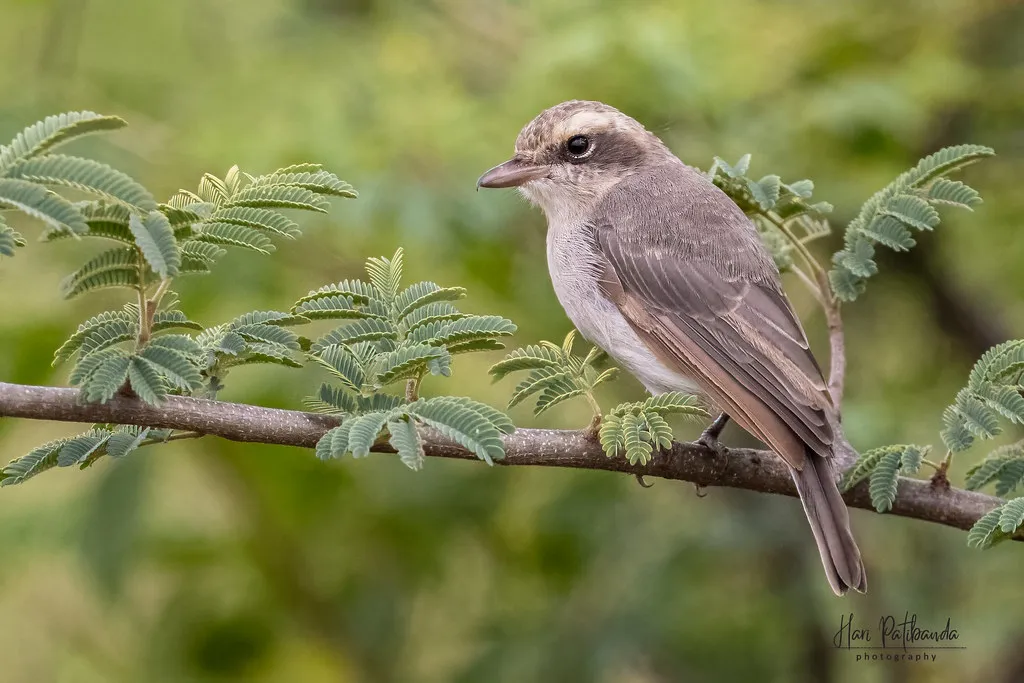
If you want hard evidence that something is shifting, distance is the clearest metric you have. An animal that once kept 50 feet of buffer between you might, over a few months, be comfortable at 10 feet, and that shrinking gap is rarely random. Wildlife tracks these changes internally, testing the boundary a little further each time nothing bad happens.
The encouraging part is that this progression tends to be a one-way street. Once the distance closes, it usually stays closed, unless a genuinely negative event, a scare, a chase, a loud confrontation, resets the whole relationship back to square one.
Quick Compare
- Wary stage: keeps a wide buffer and bolts at the first movement
- Cautious stage: stays put but watches closely from a moderate distance
- Comfortable stage: continues normal activity within easy view
- Trusting stage: stays close with little to no visible vigilance
#11 – Food Is Taken From the Ground Near You
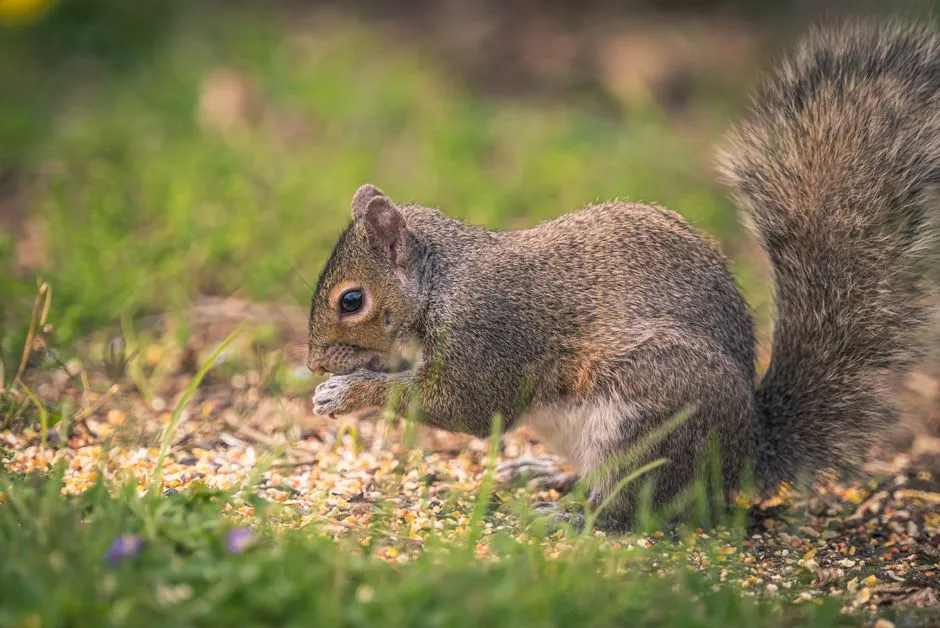
There’s a real difference between an animal that waits until you’re gone to eat and one that will grab scattered seed or scraps while you’re standing right there. Ground-level feeding in your presence means the last bit of hesitation has worn off, and it usually builds directly on top of earlier comfort at elevated feeders.
It’s a meaningful expansion of trust because ground level is inherently riskier for most small animals, exposed on all sides with fewer quick exits. When they choose to eat there anyway, with you in view, that’s spatial trust stretching further than it used to.
#12 – Body Language Shifts to Relaxed Postures
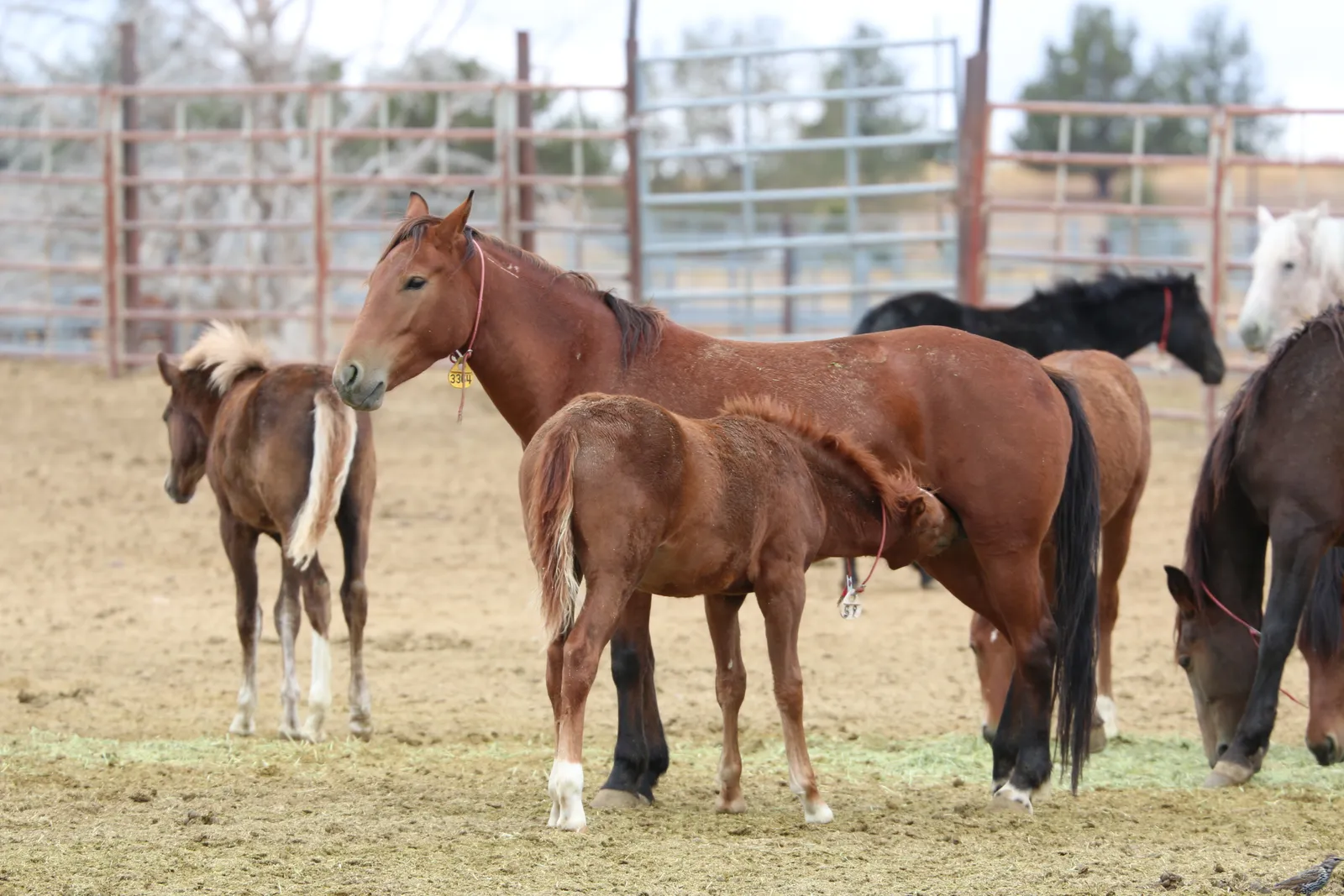
Distance tells part of the story, but body language tells the rest, and it’s often more honest. A relaxed tail instead of a twitching one, a lowered head instead of a raised, scanning one, unhurried movement instead of the stiff, ready-to-flee stance; these micro-signals reveal what an animal is actually feeling long before it changes its physical distance from you.
Learning to read these cues ahead of time pays off, because this relaxed posture often shows up before an animal is willing to move any closer. Stillness, in particular, gets misread constantly; a still animal isn’t necessarily a frightened one, and knowing the difference will save you from misjudging real progress as fear.
#13 – Certain Animals Begin Following Your Path
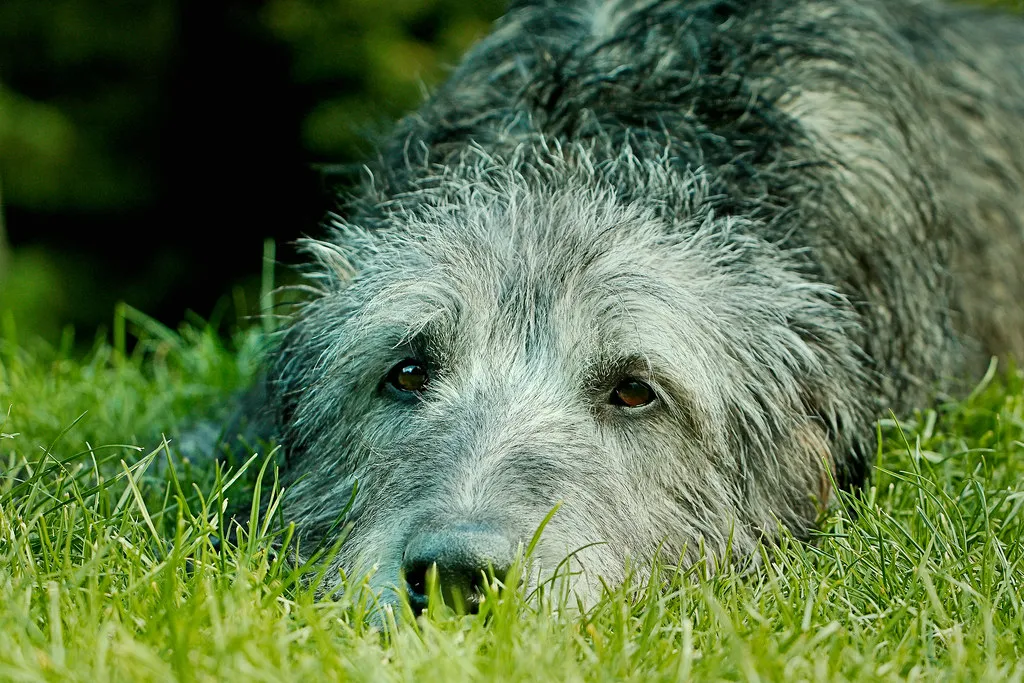
Some individuals take things a step further and start trailing you at a respectful distance while you do yard work or walk the property line. It looks almost like curiosity because, in a sense, it is. These animals have learned to associate your movement with good things, disturbed insects, dropped seeds, freshly turned soil, and they’ve decided it’s worth tagging along.
Purists who favor total non-interference sometimes bristle at this behavior, worried it edges too close to dependency. But in dozens of documented cases across species, this kind of loose, low-pressure shadowing is simply a natural extension of habituation, not a sign that anything has gone wrong.
#14 – Nesting Occurs in Trees Closest to the House
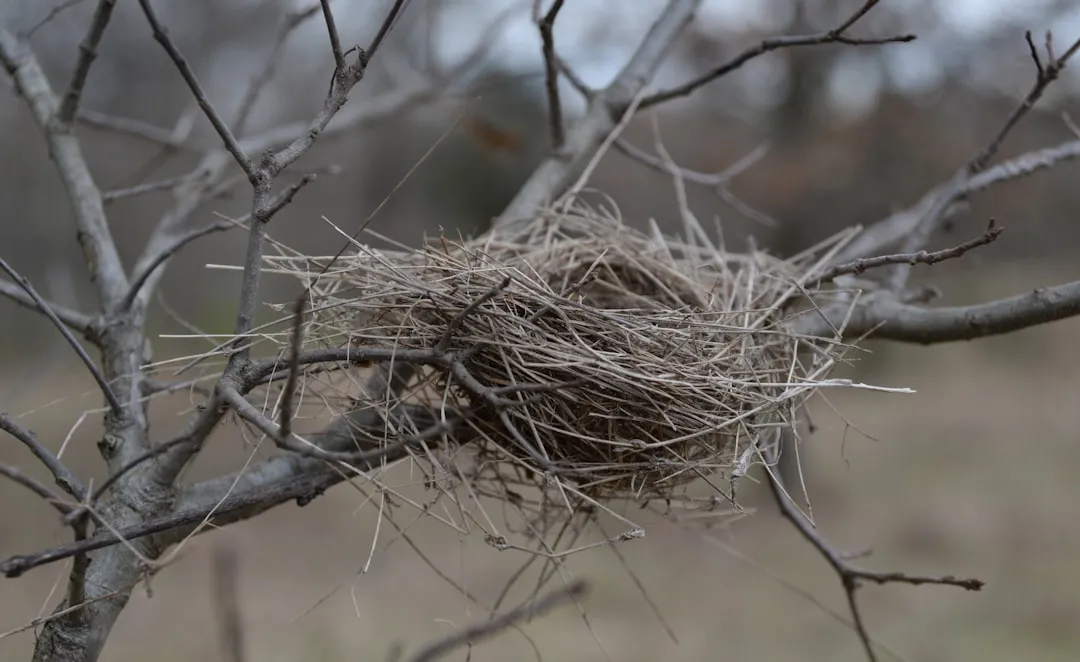
Birds and squirrels are notoriously calculating about where they raise their young, weighing predation risk with an almost obsessive precision. So when they pick the branch or cavity closest to your house over dozens of other options in the yard, that’s not convenience. That’s your home being ranked as the safest available cover.
This decision reflects a running tally of every prior interaction they’ve had with you, positive or negative. If you notice construction activity in these closest trees come spring, it’s worth holding off on pruning nearby until the nest empties out; you’ve earned that spot, so don’t be the reason it gets abandoned.
#15 – They Show No Concern Around Household Pets
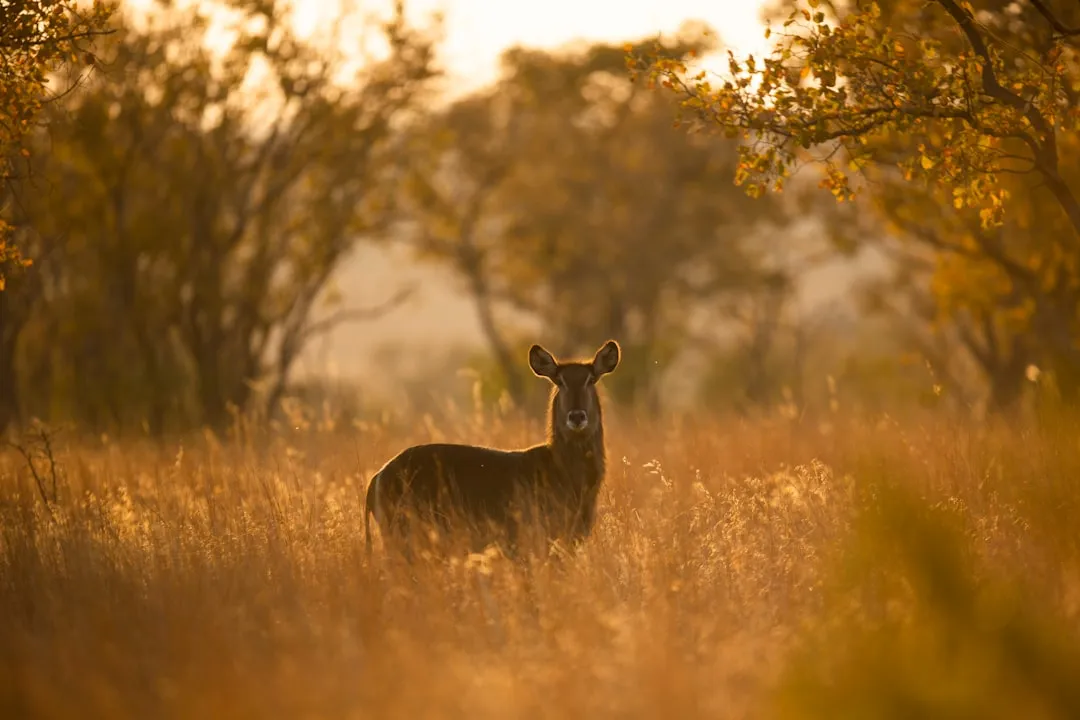
This is a stage that catches a lot of people off guard because it requires trust to stretch across species lines, not just toward you but toward your dog or cat as well. Wildlife that stays calm around a leashed dog or a cat lounging in the window has learned something specific: your pets follow your patterns, and your patterns aren’t dangerous.
It’s a genuinely advanced sign of environmental trust, not just personal trust in you. Even so, this is one area where it’s worth staying cautious; never actively encourage direct contact between pets and wild animals, no matter how calm the scene looks.
#16 – Group Feeding Happens Calmly in Your Presence
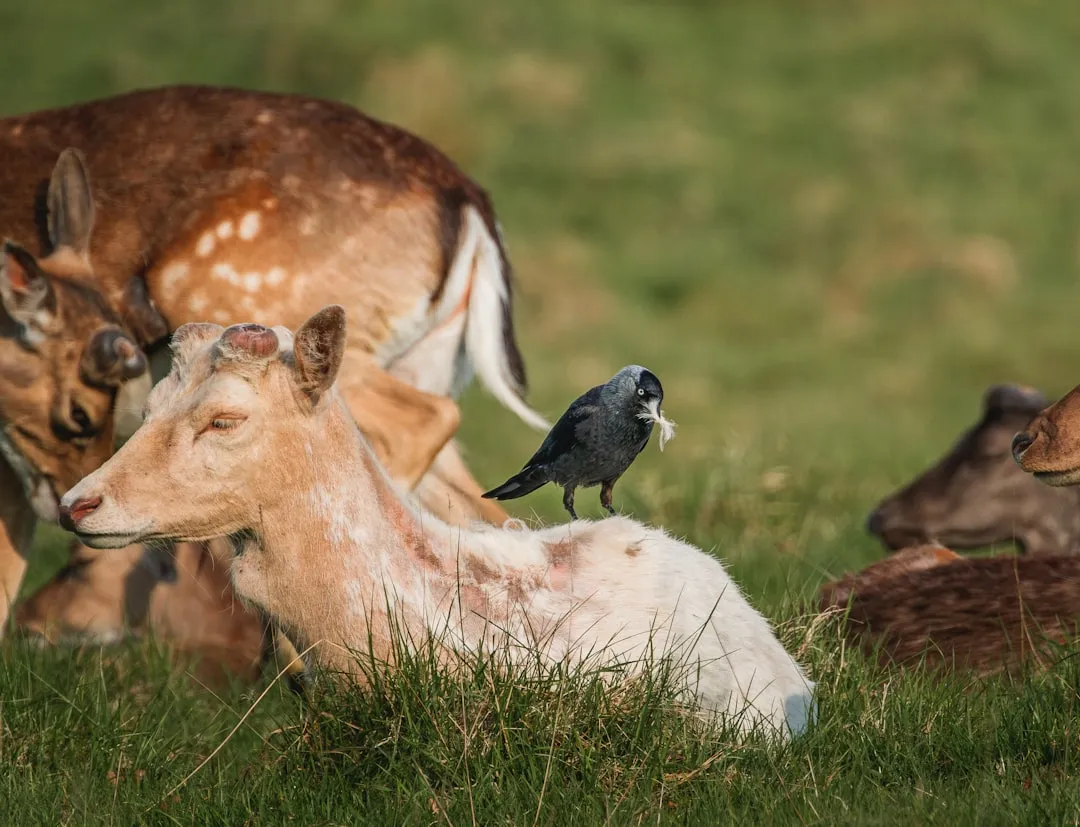
When multiple animals show up and feed side by side without squabbling while you’re standing right there, that’s trust operating on a whole different level. Competition between animals tends to drop sharply once a location feels reliably safe, because nobody’s wasting energy on aggression when the food supply, and the safety, both feel secure.
There’s a kind of safety-in-numbers effect at play too; one relaxed animal seems to give the others permission to relax as well. Keep an eye out for mixed-species gatherings especially, since they tend to be the clearest sign that your yard has become genuinely trusted neutral ground.
Why It Stands Out
- Signals reduced competition and stress among the animals visiting
- Often includes mixed species, like birds and squirrels, sharing space peacefully
- One relaxed animal can visibly calm the others nearby
- Marks your yard as neutral ground rather than contested territory
#17 – They Appear at Dusk or Dawn Alongside You
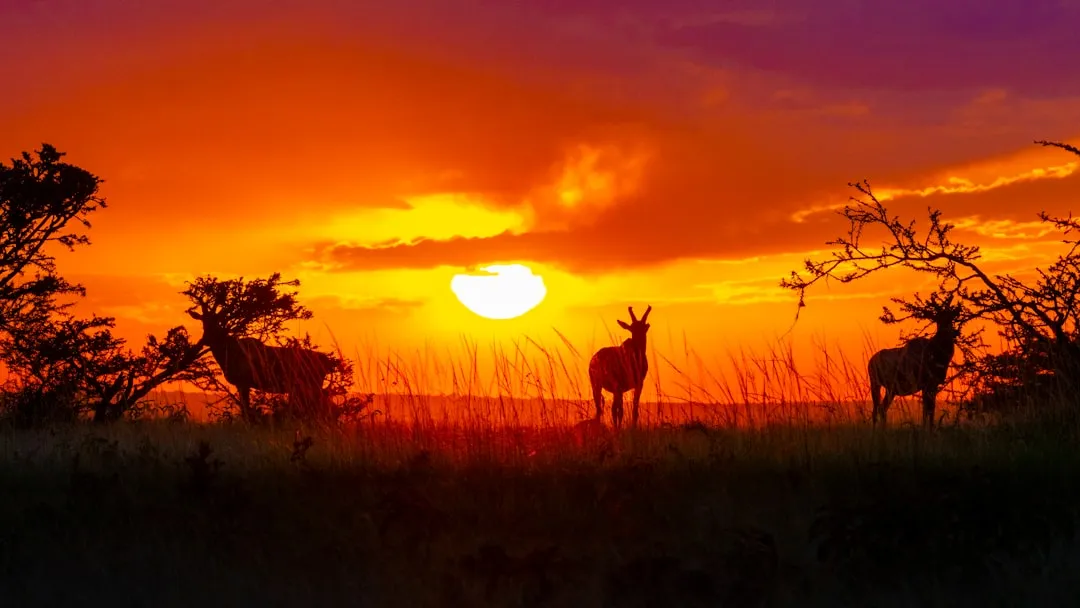
Wild animals are most active during the low-light hours of dusk and dawn, which also happens to be exactly when many of us are out watering plants or having morning coffee. When wildlife activity starts syncing up with your own schedule during these windows instead of avoiding them, it shows they’ve stopped treating your presence as an interruption to their day.
This kind of timing alignment only shows up after a long stretch of positive reinforcement; it’s not something that happens in week one. If you want to observe it without disturbing the moment, sit quietly during these peak hours and use a red-light flashlight instead of white light, since it’s far less likely to startle anything nearby.
#18 – Vigilance Drops Noticeably During Foraging
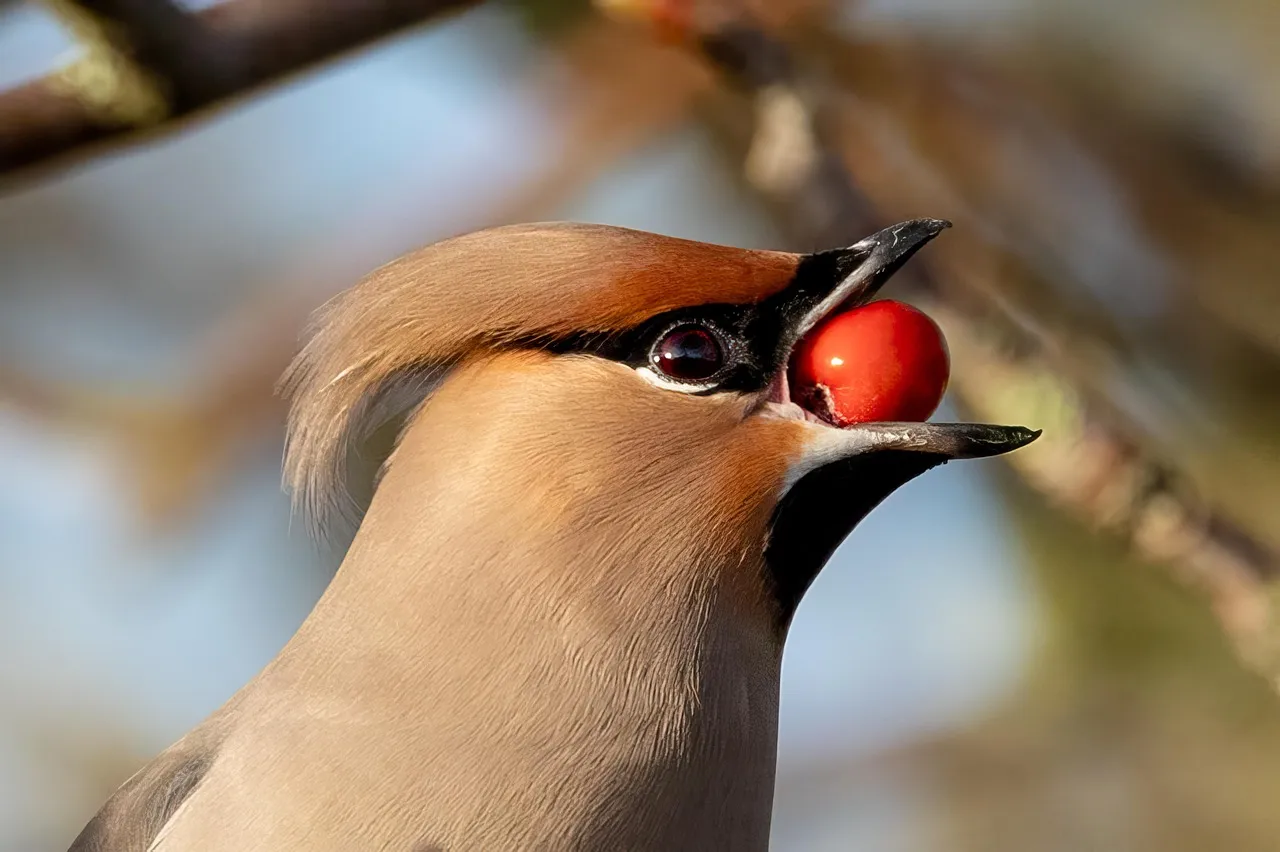
Watch closely and you’ll notice heads staying down longer, ears swiveling less, and those constant nervous scans becoming fewer and further between. This isn’t animals getting careless; it’s animals recognizing that the energy spent on constant vigilance is no longer necessary here, and reallocating it toward feeding and rest instead.
That energy savings is actually a real evolutionary advantage for them, which is part of why this shift tends to stick once it happens. Try timing how long an animal forages before lifting its head to check its surroundings; the longer that stretch gets over time, the more your own calm presence is paying off.
#19 – Food Caching or Sharing Occurs Nearby
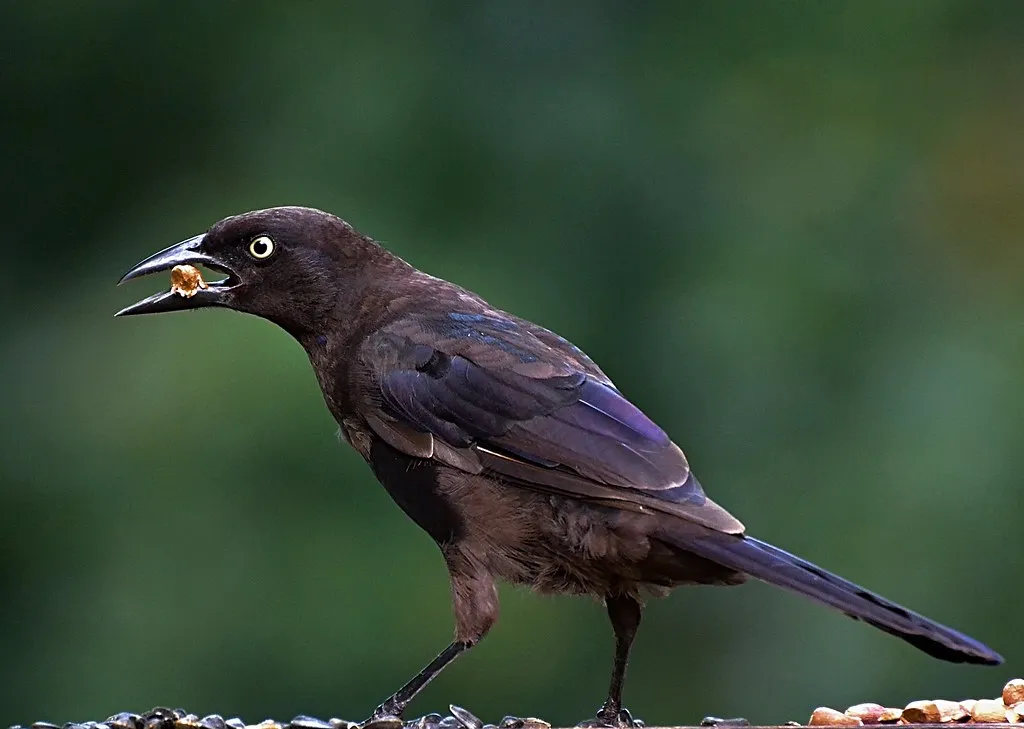
There’s a difference between an animal grabbing food and running versus an animal storing or eating that food right there in your immediate vicinity. Choosing to cache or consume food near you is a real investment in the location, essentially a declaration that this spot has earned core-territory status in the animal’s mental map.
This kind of behavior almost never shows up early; it typically takes months of consistent safety before an animal is willing to leave something valuable, food, in a spot tied so closely to human activity. If you spot a buried cache or a repeated feeding site, the best thing you can do is leave it completely undisturbed.
#20 – Extended Observation Periods Become Normal
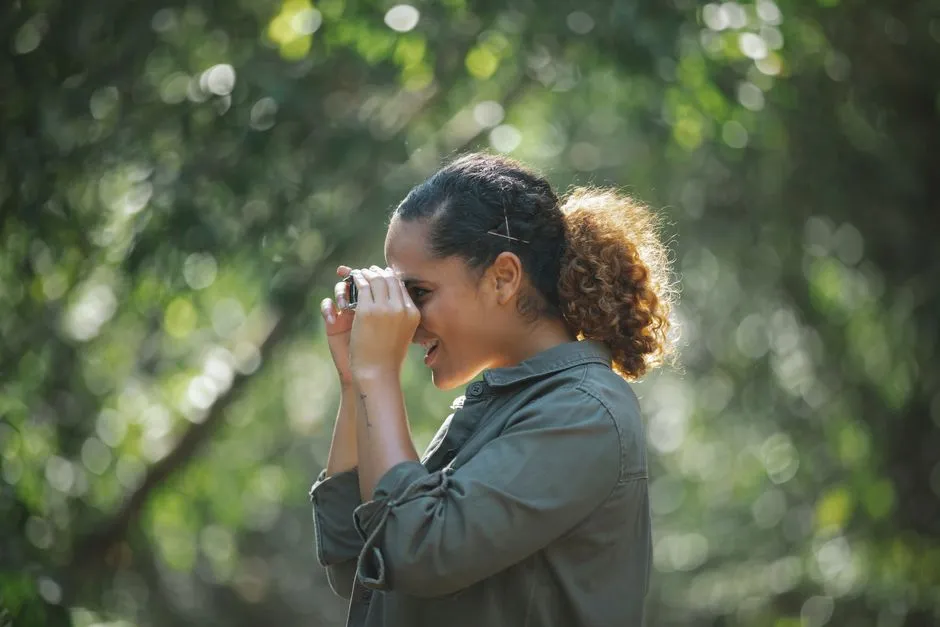
Early on, most wildlife encounters last seconds before the animal is gone. Once real trust sets in, those encounters stretch into minutes, with animals lingering, foraging, resting, sometimes just watching you back, without any urgency to leave.
At this stage, you’ve essentially become part of the scenery, unremarkable enough to be ignored. It’s also one of the most rewarding parts of the whole process, since extended tolerance opens a genuine window into natural animal behavior that most people never get to witness up close.
#21 – Some Individuals Accept Food From Very Close Range
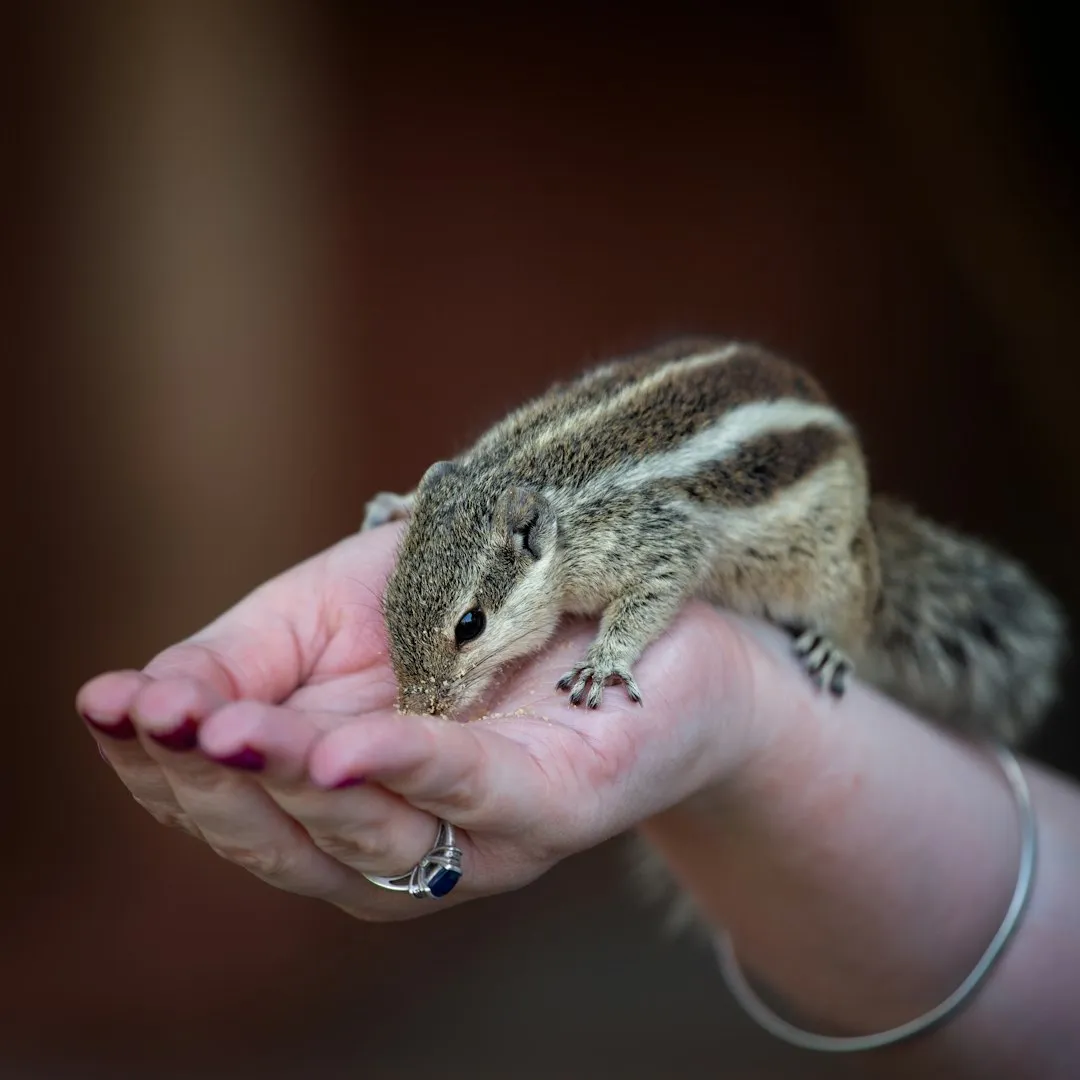
This is the ceiling. When a wild animal willingly takes offered food, or closes the distance to within touching range entirely on its own terms, you’re looking at the deepest level of individualized trust possible outside of captivity. It’s rare, it’s earned over the longest possible timeline, and it demands the strictest consistency from you the entire way there.
Most wildlife experts are also quick to caution against forcing or publicizing this stage, since drawing extra attention to unusually tame wild animals can put them at real risk from people who don’t share your patience or intentions. If you ever reach this point, the right move is to protect it quietly, offer only appropriate natural foods, and let the animal’s comfort stay the priority over your own curiosity.
Worth Knowing
- Avoid making hand-feeding a regular habit; it can raise long-term risk for the animal
- Stick to natural, species-appropriate foods if you choose to offer anything at all
- Keep this stage private; publicity can attract people who don’t share your care
- Let the animal set the pace every single time, never rush the moment
The Bottom Line
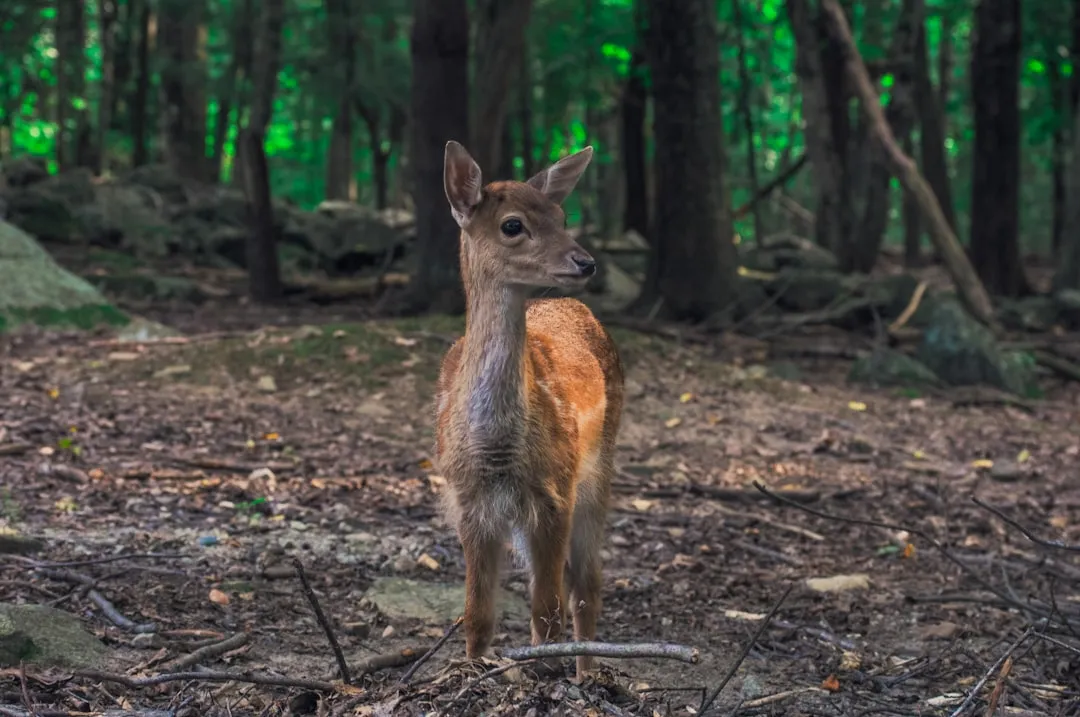
What strikes me most about this whole progression isn’t the science behind it, it’s how fast it can actually happen. We tend to picture wild animals as permanently guarded, and yet the evidence says otherwise: given a few consistent weeks of boring, predictable, non-threatening behavior, deer relax, birds go quiet, squirrels stop fleeing, and entire families start raising their young a few feet from your back door.
I think that says less about the animals and more about us. Most of these signs cost nothing, no feeding programs, no special equipment, just patience and the discipline to not scare anything off. If your yard has quietly become a nursery, a dining room, and a safe house all at once, that’s not luck. That’s something you built, one calm, boring, uneventful day at a time.

- Animal Psychology Says If You See a Large Gathering of Crows in Your Yard at Dawn It Is a Sign of Complex Social Behaviour – and the Cognitive Power Required for It Belongs to an Elite Group of Species - July 14, 2026
- 10 Fascinating Facts About American Crows That Changed How Scientists See Birds - July 14, 2026
- Zoology Says the Reason Elephants Return to the Bones of Their Dead Is Rooted in Mourning – It Is a Sign of Deep Social Memory and an Emotional Life Highly Unusual for Mammals - July 14, 2026