

Have you ever noticed a rabbit frequenting the same area in your yard, almost as if it’s claimed that spot as its own? This behavior isn’t just a random occurrence; it’s a window into the fascinating world of rabbit habits and instincts. Let’s delve into the reasons behind this repetitive behavior and what it signifies.
Seeking Safety and Shelter
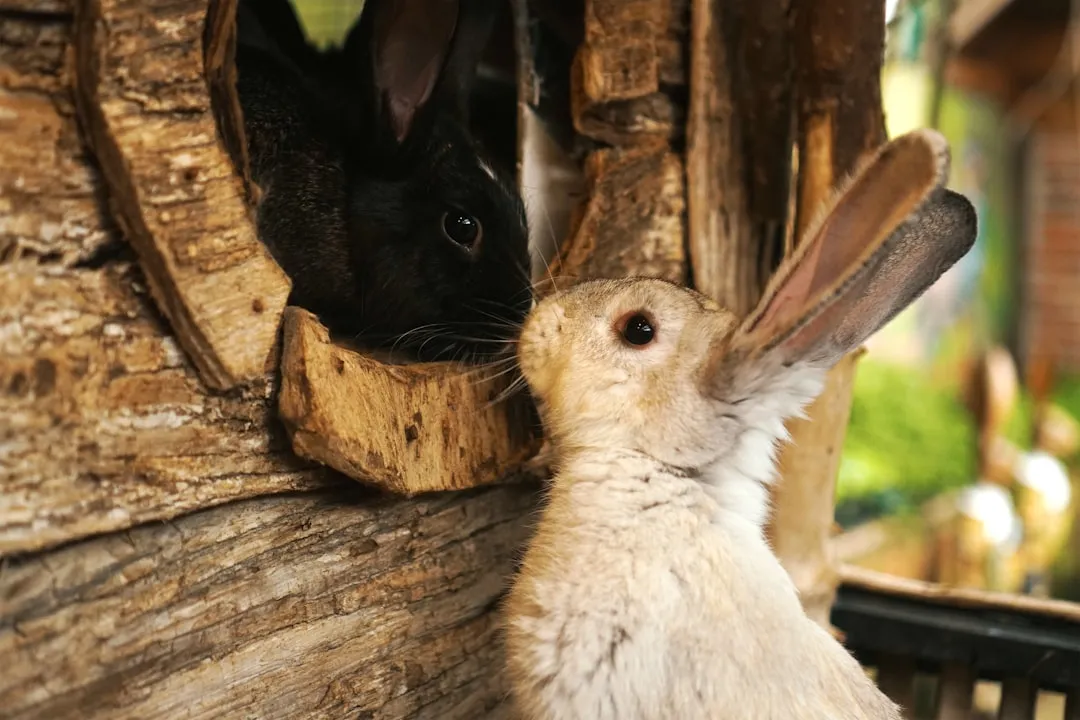
Rabbits are prey animals, constantly on the lookout for safe havens to protect themselves from predators. If your yard offers dense shrubs, tall grasses, or other forms of cover, it becomes an attractive refuge. These areas provide concealment, allowing rabbits to rest and observe their surroundings without feeling exposed.
Moreover, a yard that remains relatively undisturbed by humans or pets can become a sanctuary. The consistent return to the same spot indicates the rabbit has identified it as a secure location, free from immediate threats.
Abundant Food Sources

A rabbit’s diet primarily consists of grasses, clover, and various plants. If your yard boasts a lush lawn, vegetable garden, or flowering plants, it becomes a veritable buffet. The presence of such food sources can entice rabbits to return repeatedly to feed.
Additionally, fallen fruits, seeds, or even bird feeders can attract these creatures. The convenience of readily available food reduces the need for rabbits to venture far, making your yard a preferred dining spot.
Nesting and Raising Young

During breeding seasons, female rabbits, known as does, seek out safe and resource-rich areas to build nests for their young. A rabbit returning to the same spot might be preparing to give birth or already caring for a litter nearby.
Rabbit nests are often shallow depressions lined with fur and grass, cleverly concealed to protect the vulnerable kits. If you notice a rabbit frequenting a particular area, it’s possible there’s a nest hidden nearby.
Territorial Behavior and Scent Marking

Rabbits are territorial creatures. They establish and maintain territories by marking them with scent glands located under their chins – a behavior known as “chinning.” By rubbing their chins on objects, they leave a scent that communicates ownership to other rabbits.
If a rabbit is consistently returning to the same spot, it may be reinforcing its territorial claim, signaling to others that the area is occupied.
Comfort and Familiarity
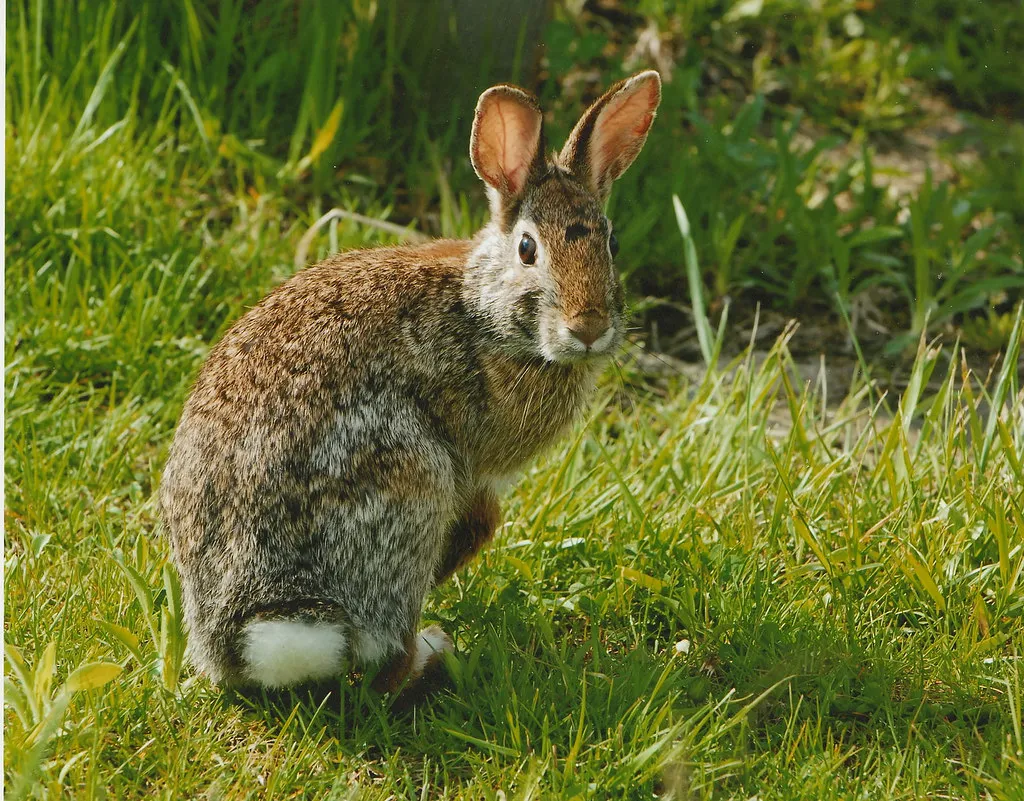
Like many animals, rabbits find comfort in familiar environments. Returning to the same spot can be a sign that the rabbit feels at ease there. Familiarity reduces stress and allows the rabbit to conserve energy, as it doesn’t need to constantly search for new safe zones.
This behavior is especially common in urban or suburban areas where suitable habitats are limited. Once a rabbit finds a spot that meets its needs, it will likely continue to use it.
Health and Resting Habits
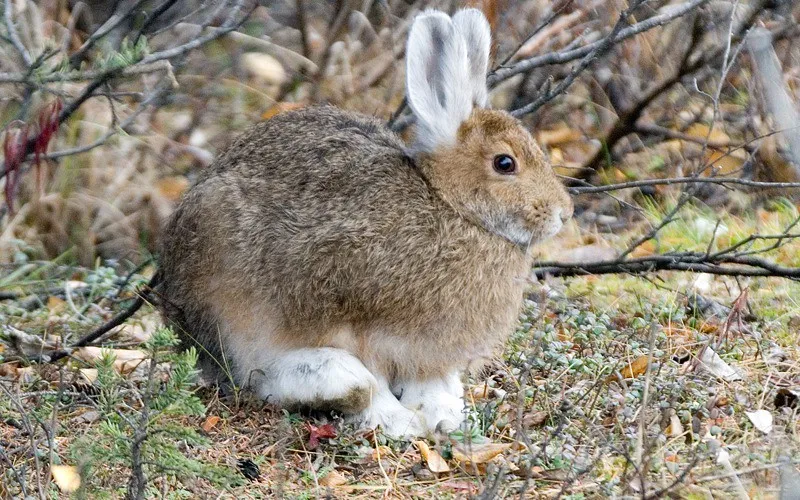
Rabbits are crepuscular, meaning they are most active during dawn and dusk. During the day, they often rest in safe spots to conserve energy. If a rabbit is frequently seen in the same area during daylight hours, it might be using that spot as a resting place.
However, if a rabbit appears lethargic or remains in the same spot for extended periods without moving, it could be a sign of illness or injury. In such cases, it’s advisable to contact local wildlife authorities or a veterinarian.
Implications for Homeowners
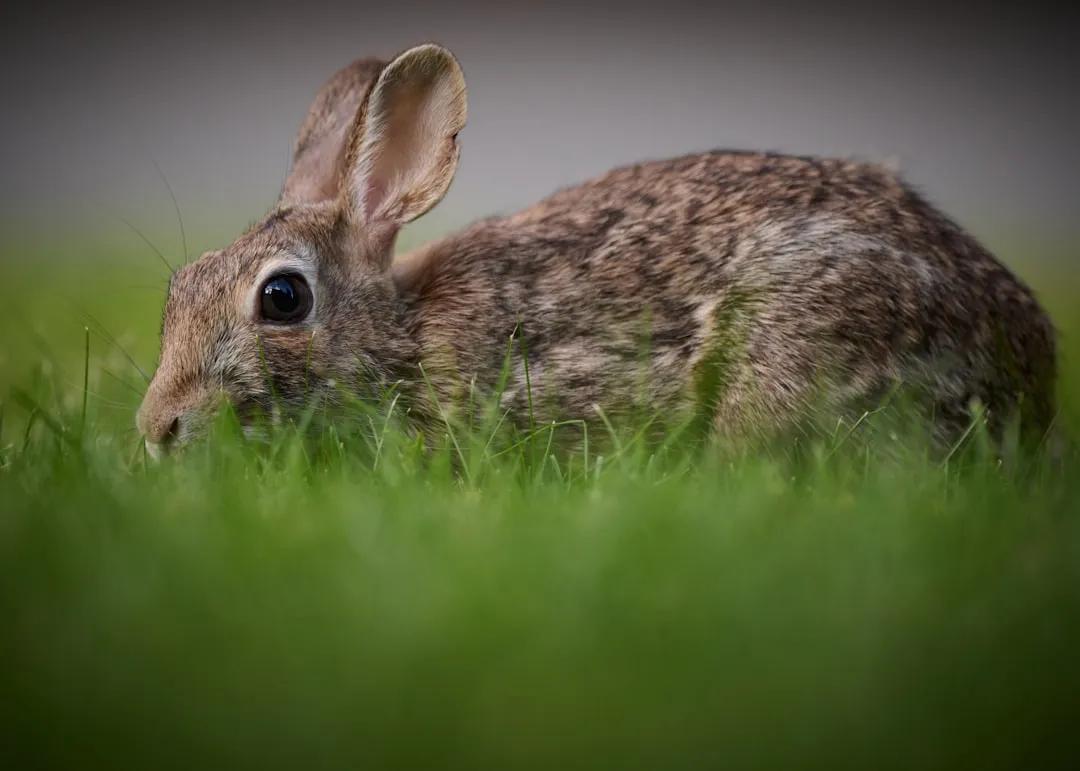
While having a rabbit frequent your yard can be delightful, it’s essential to consider the potential impacts. Rabbits can cause damage to gardens by feeding on plants, flowers, and vegetables. Their digging habits can also disrupt lawns and landscaping.
If you wish to deter rabbits, consider implementing measures such as fencing, removing attractants like fallen fruits, or using natural repellents. Conversely, if you enjoy their presence, providing a rabbit-friendly environment with native plants and safe hiding spots can encourage their visits.
In conclusion, a rabbit’s repeated return to the same spot in your yard is a multifaceted behavior rooted in survival instincts, comfort, and resource availability. Understanding these motivations allows us to coexist harmoniously with these charming creatures. So, the next time you spot a rabbit in your yard, take a moment to appreciate the intricate reasons behind its chosen resting place. Who knew such a small creature could have such complex habits?

- 11 Things Red Foxes Do That Most Homeowners Never Notice - July 15, 2026
- What It Means When a Butterfly Lands on You and Refuses to Leave – and Why Five Distinct Cultures Arrived at the Same Interpretation Without Ever Meeting - July 15, 2026
- 8 Animals Once Listed in Ancient Sources as Mythology That Turned Out to Be Real When Specimens Were Finally Collected - July 15, 2026