
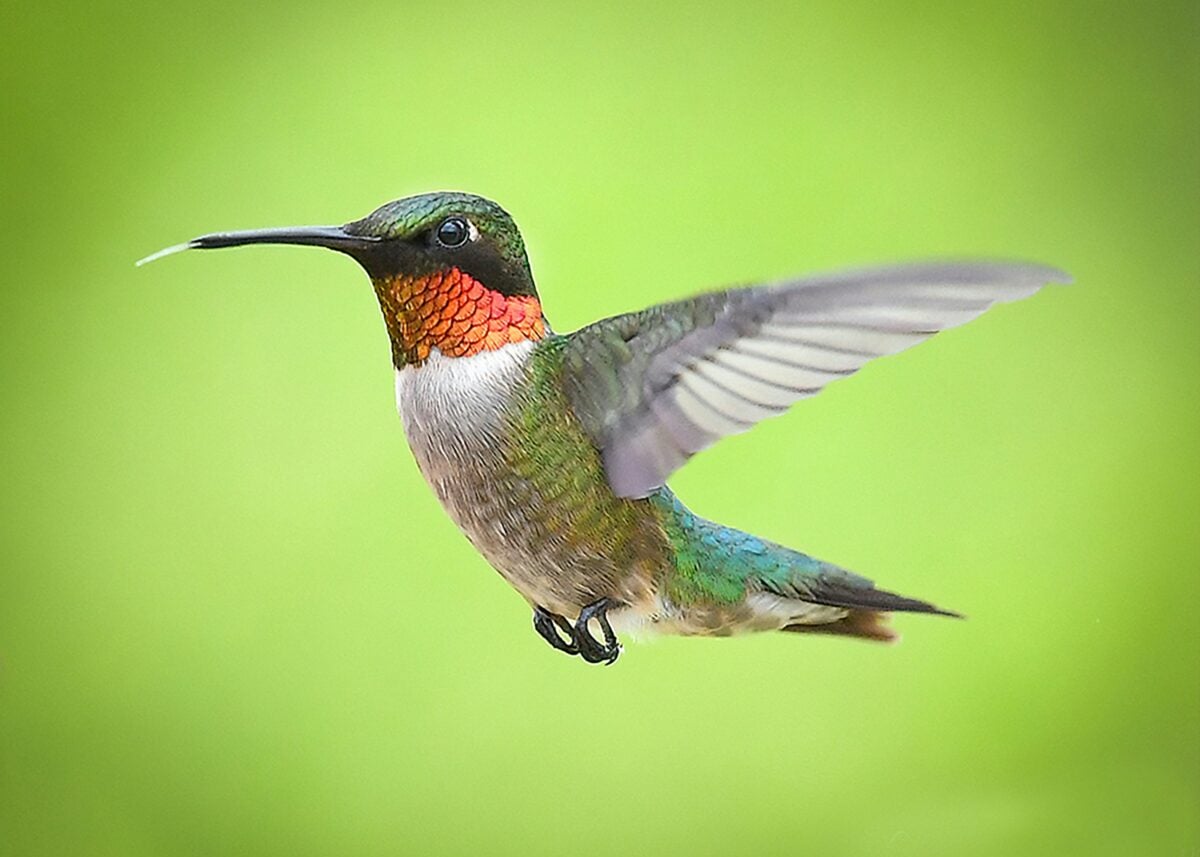
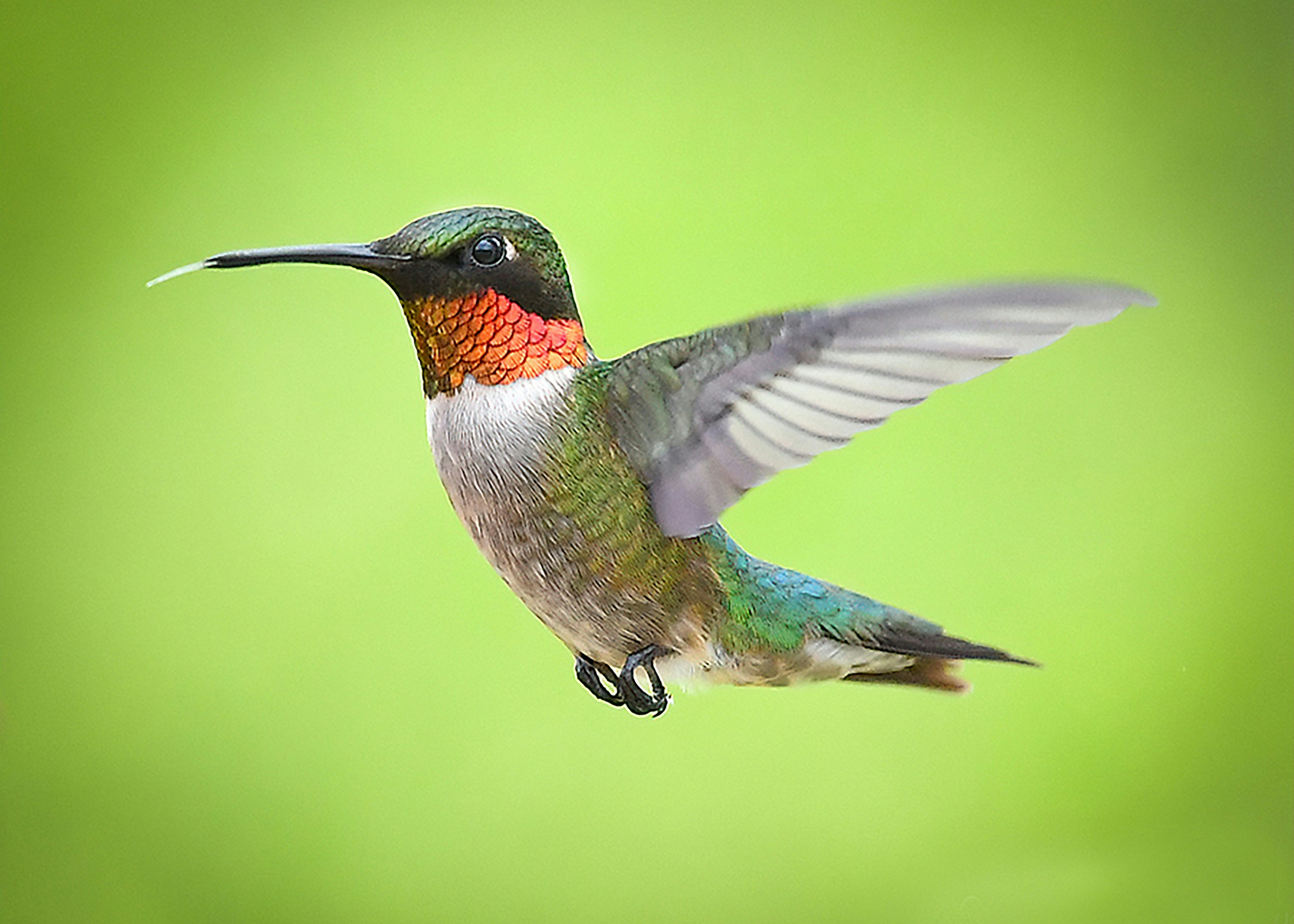
The messenger between two worlds
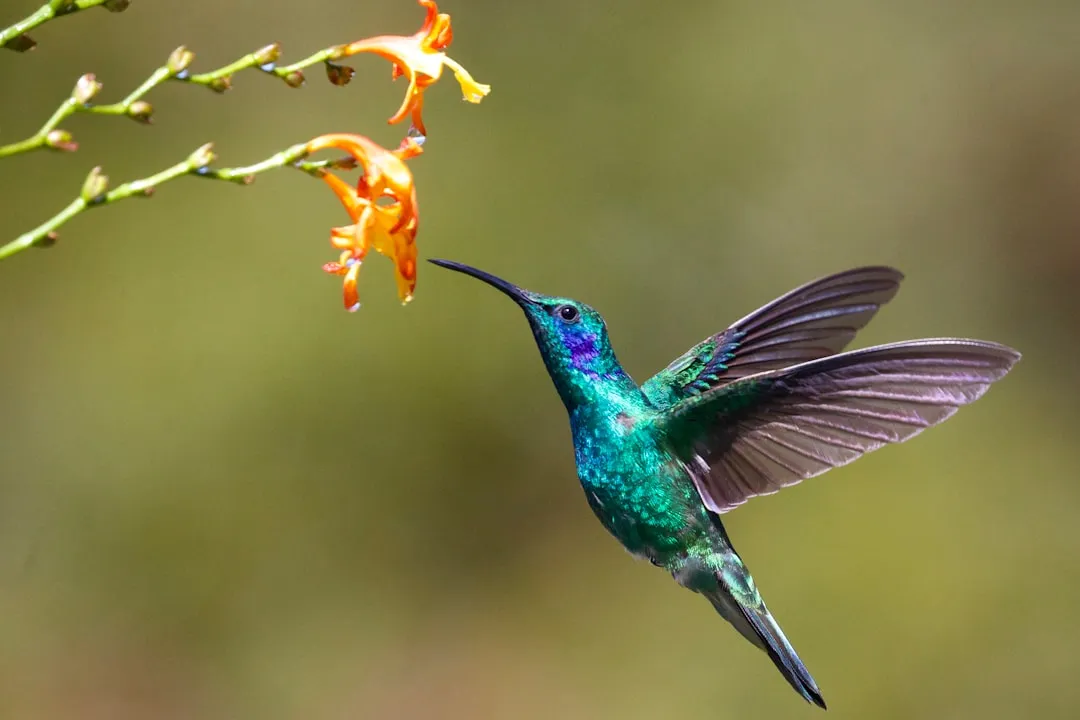
Across several Southwestern tribes, the hummingbird was never seen as just another bird flitting through the garden. One widespread belief holds that hummingbirds, in some way, are messengers between worlds, and as such they help medicine people keep nature and spirit in balance. That idea of a go-between, something small enough to slip through the gap separating the visible world from the unseen one, shows up again and again in oral traditions from Arizona and New Mexico.
It helps explain why a hummingbird pausing in front of a person’s face was never treated as a coincidence. If the bird is a courier, then stopping to hover, rather than simply passing through, suggests it has arrived with something to deliver rather than just something to find. That distinction, between a bird in transit and a bird that has chosen to stop, sits at the center of nearly every regional story about the behavior.
Why the Pueblo peoples called it the rain bird
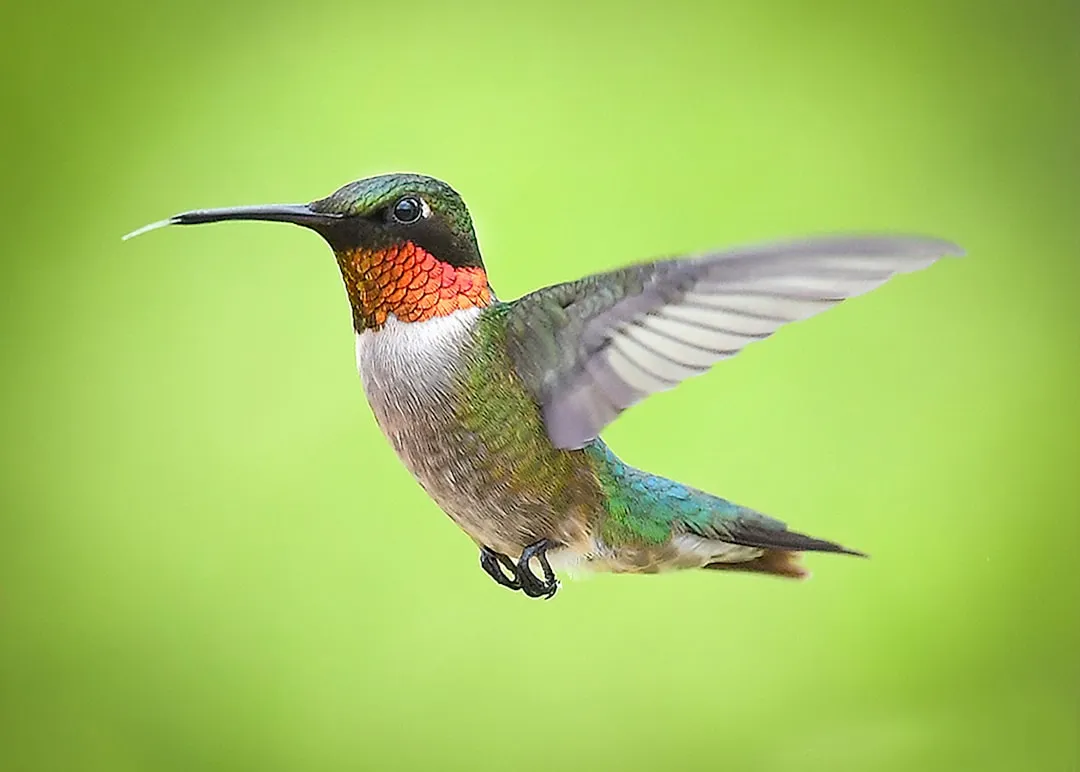
Among the Zuni, Hopi, Taos, and Keres communities, the hummingbird carried a specific job title long before anyone wrote it down. Rain Bird is a character of Pueblo mythology, most popular among the Zuni, Hopi, Tao, and Kere tribes, and the power of its flight and song represent the significance of rain for Pueblos, who see in the falling of rain a communication between the earth and the sky. In a region where drought could mean the difference between a good harvest and a hard winter, that connection was not decorative. It was practical.
Hopi tradition goes further, describing the bird as an actual negotiator on behalf of the people. Hopi legend speaks of the hummingbird as intervening on behalf of the Hopi people to convince the gods to bring rain. Given that history, a hummingbird lingering close to someone’s face was sometimes read as a small check-in from a bird that had already proven, in story after story, that it kept its promises to the people who depended on it.
The Cochiti legend of unbroken faith
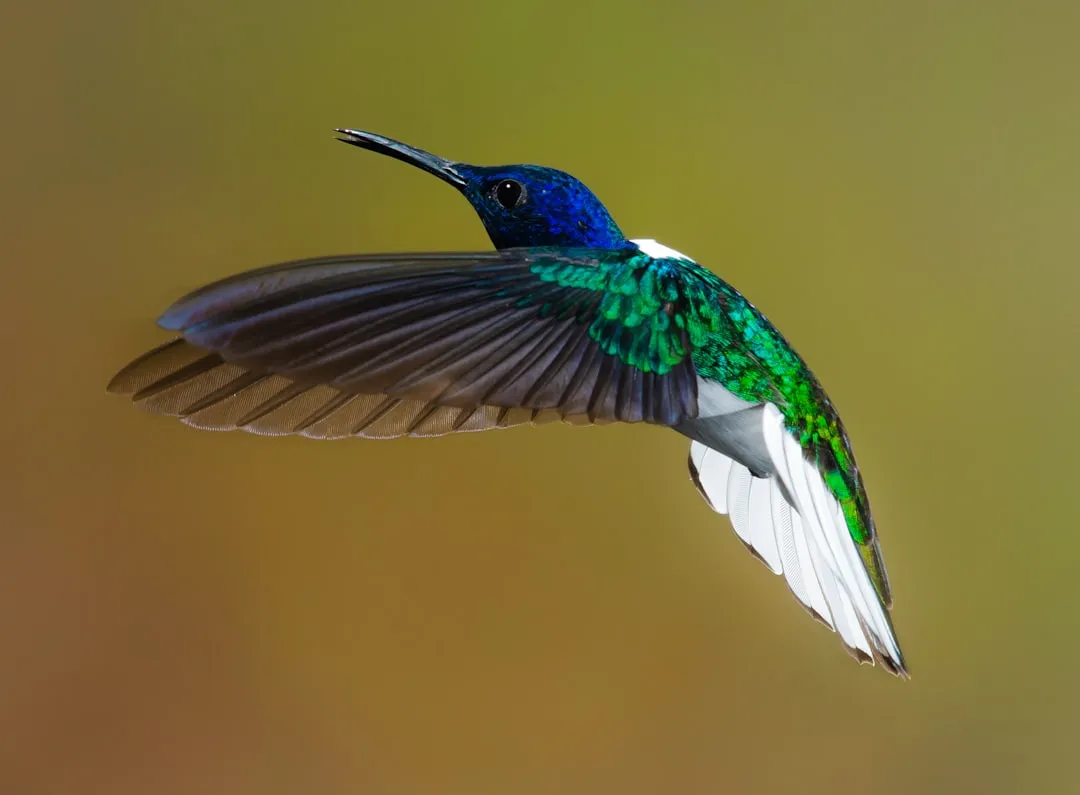
One of the more detailed stories comes from the Cochiti, a Pueblo community in New Mexico, and it explains why the hummingbird earned its reputation for loyalty in the first place. The Cochiti have a story about ancient people who lost faith in the Great Mother, and in anger, she deprived them of rain for four years. The people noticed that the only creature who thrived during this drought was Hummingbird. Curious about how the bird survived when nothing else could, the community’s shamans began watching it closely.
What they discovered became the moral of the story. When they studied his habits, the shamans learned that Hummingbird had a secret passageway to the underworld, where he periodically went to gather honey, and further study revealed that this doorway was open to Hummingbird alone because he had never lost faith in the Great Mother. A hummingbird appearing close to a person, in this reading, becomes a quiet reminder that steadiness of belief, even during hard stretches, is what keeps the door open.
The Zuni belief in stopped time
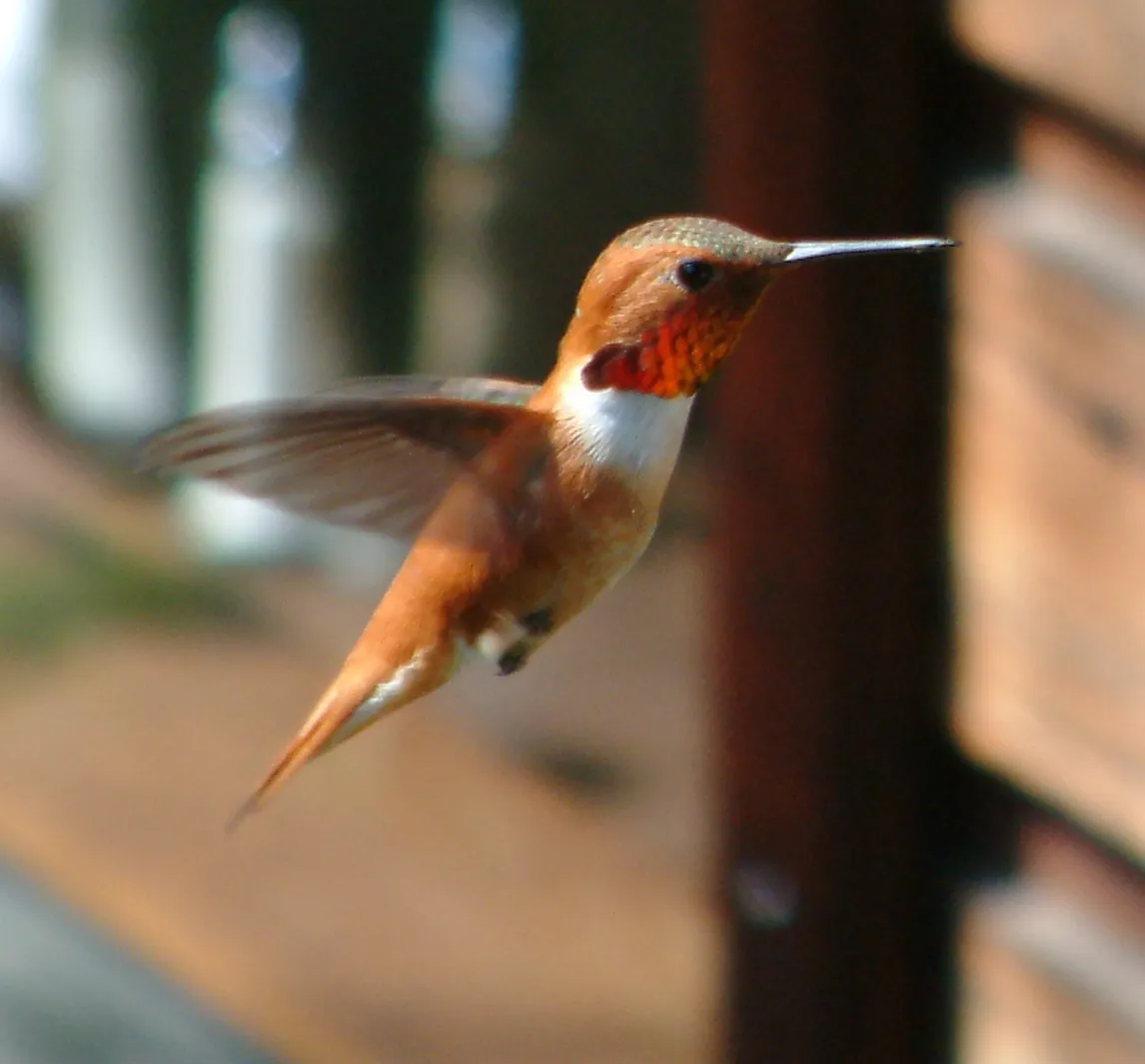
Zuni fetish carvings, small stone figures used in prayer and healing, assign the hummingbird a role that’s almost poetic in its precision. Hummingbird is a messenger and represents the ability to stop time, and he also represents joy and beauty. That phrase, the ability to stop time, lines up almost too neatly with the experience people describe when a hummingbird hovers motionless in front of them.
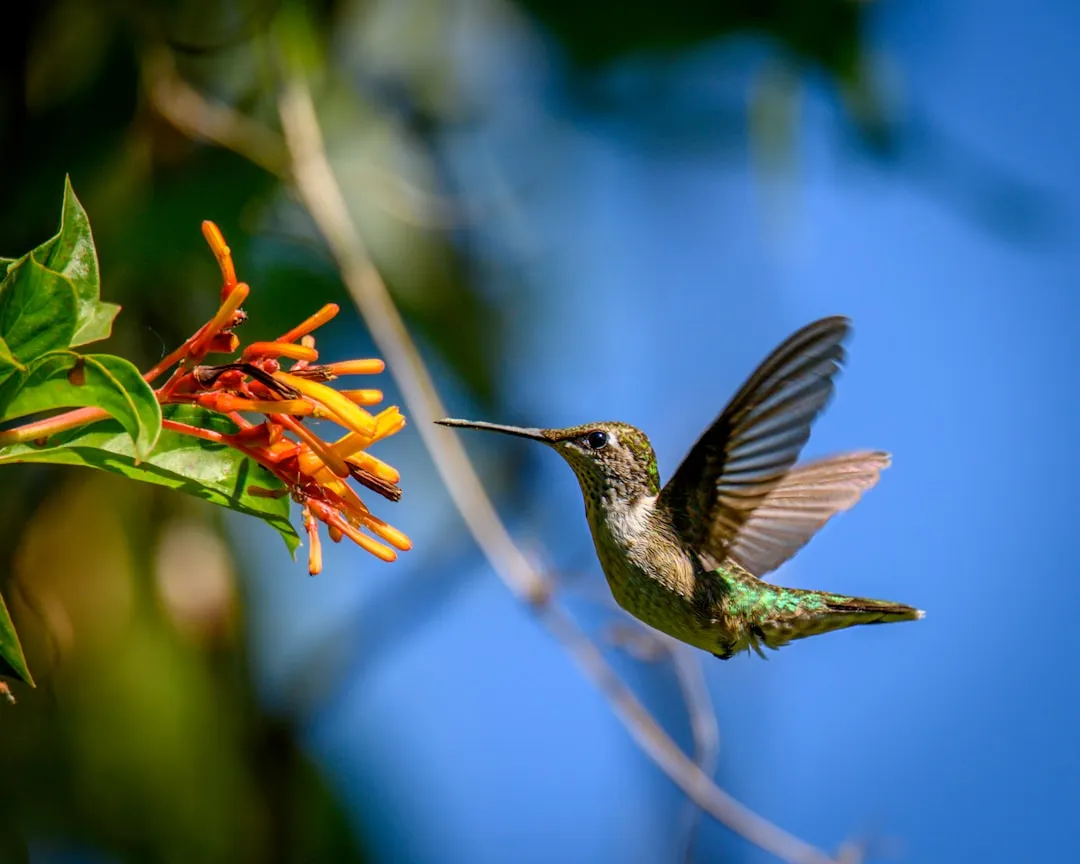
It’s worth sitting with that idea for a moment rather than rushing past it. A bird whose entire biology is built around speed, rapid wingbeats, quick darting flight, sudden reversals, choosing instead to hang perfectly still in one spot creates a kind of visual contradiction. In Zuni symbolism, that contradiction isn’t accidental. It’s the whole point, a brief suspension of the ordinary rush of things.
Guardian of mothers and children
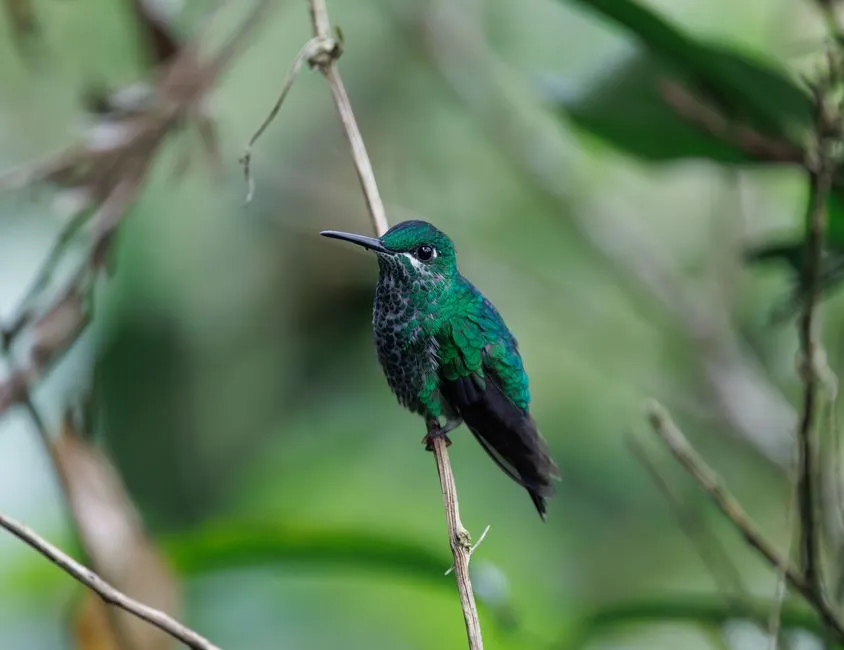
Some Zuni traditions extend the hummingbird’s role beyond messenger into something closer to a protector, particularly for the most vulnerable members of a community. Based on the Zuni tribe, hummingbirds are believed to be the protectors of mothers and children, flying around them and using their wings to deflect bad thoughts and evil spirits. That protective framing adds another layer to how a close encounter might be interpreted, especially for someone going through a period of vulnerability or transition.
This belief doesn’t require the bird to hover for the meaning to apply, but the stillness intensifies it. A hummingbird that pauses rather than passes through can be read, in this tradition, as pausing specifically to watch over the person in front of it, rather than simply passing on its way toward the next flower or feeder.
The Hopi kachina Hú and the ceremony of stillness
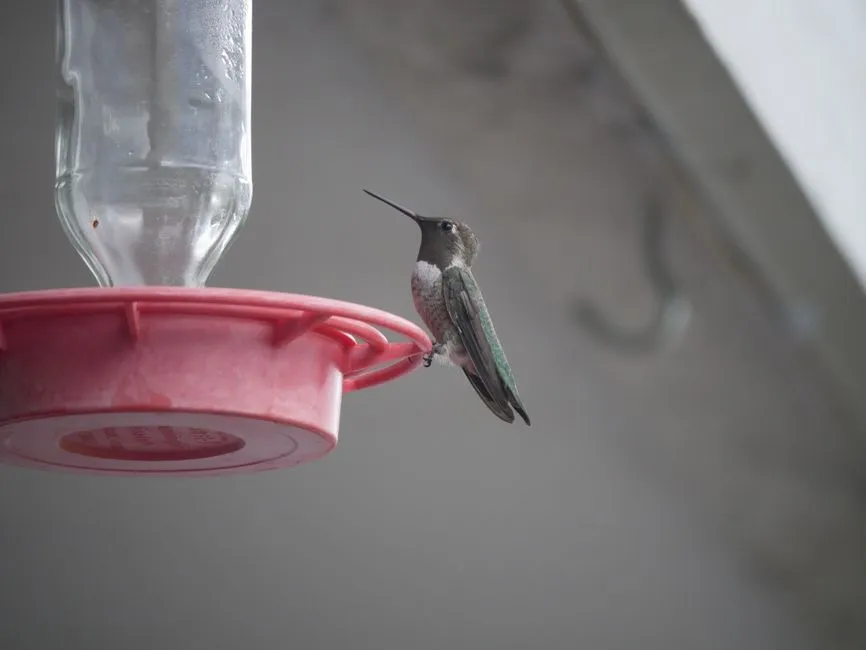
Hopi and Zuni ceremonial life gives the hummingbird an even more formal presence through the kachina tradition, the system of spirit beings represented in dance and carved dolls. In Hopi and Zuni dance rituals, Hú, also known as Huhuwa and Tithu, is the Kachina of the hummingbird, and the hummingbird was, and is, an important bird in puebloan cultures. The bird’s feathers were never treated as ordinary materials to be picked up and discarded.
Their ceremonial value has held steady across generations, which says something about how central this symbolism remains. Even today hummingbird feathers are highly prized and used ceremonially and in dance costumes. Within that framework, a hummingbird appearing at close range, still and watchful, echoes the deliberate, controlled bobbing movements of the Hú dancer during ceremony, a performance built around prayer rather than random motion.
What modern science sees when a hummingbird stops to look at you
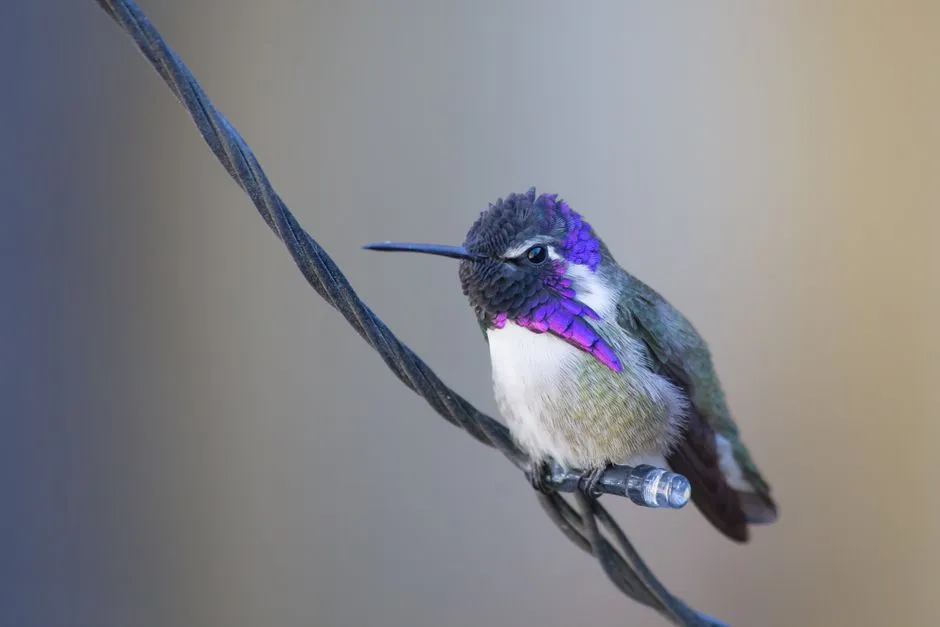
Setting tradition aside for a moment, biologists who study hummingbird behavior offer a more grounded explanation for the face-to-face hover, and it starts with the bird’s personality rather than its symbolism. Hummingbirds are, by nature, intensely curious animals that treat anything unfamiliar in their territory as worth investigating up close. Researchers and longtime birdwatchers alike note that hummingbirds are intrinsically cautious, always trying to see if someone or something can harm them, and when entering a new area, they deliberately probe their surroundings, looking for viable food sources and avoiding potential predators.
There’s also a simpler, almost comical possibility involving fashion choices. Anyone wearing bright red while outdoors shouldn’t be surprised if a hummingbird hovers by their face to give them a quick once-over, since the color closely resembles the nectar-rich blossoms the bird depends on for survival. None of this contradicts the older traditions so much as it sits alongside them. Biology explains the mechanism behind the pause, while cultural memory explains why that pause has meant something to the people who witnessed it for generations before anyone had a word like “ornithology.”
Final thoughts

- What It Means When a Hummingbird Hovers Directly in Front of Your Face and Does Not Move – According to Indigenous Tradition From the American Southwest - July 16, 2026
- Why Wolves Were Reintroduced to Yellowstone - July 15, 2026
- The Resurgence of America’s Wild Horses: A Symbol of Freedom and Hope - July 15, 2026