
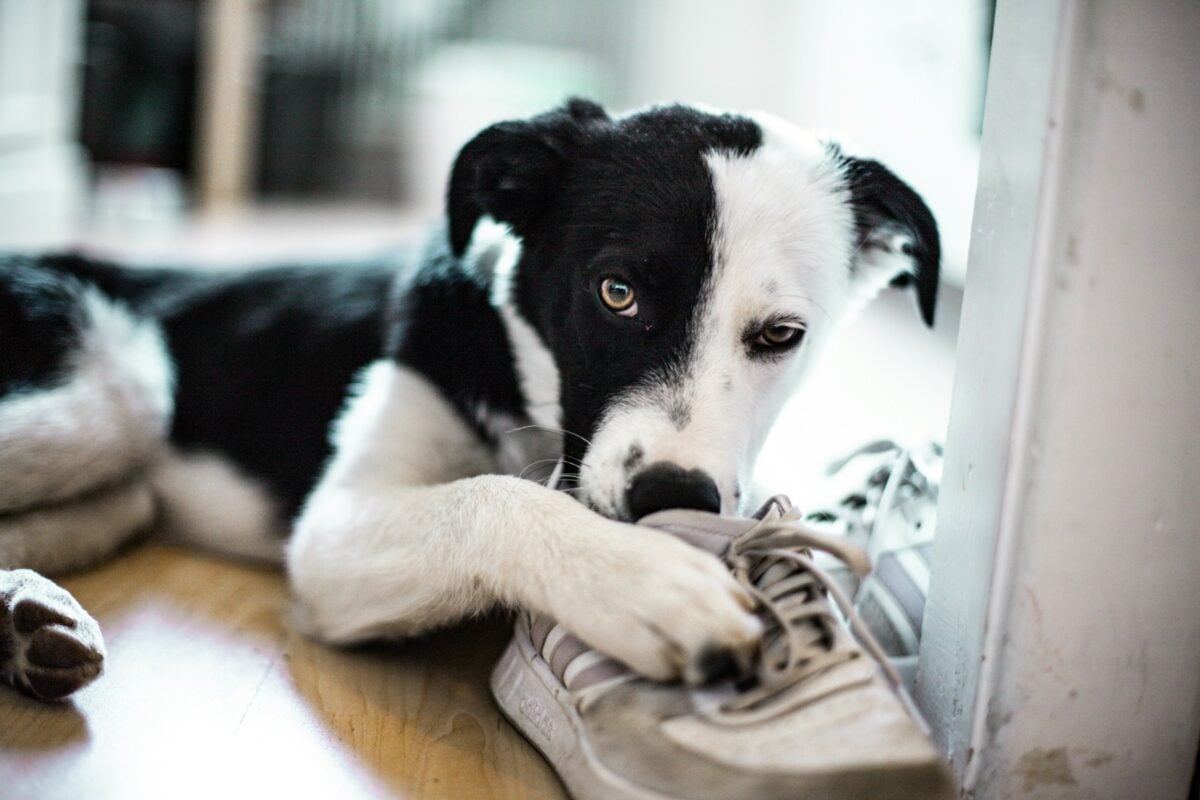
Dogs are often considered our most loyal companions, but have you ever noticed your furry friend acting out when your attention is elsewhere? Jealousy isn’t just a human emotion; our canine pals can exhibit it too. Recognizing these signs can help you understand your dog’s needs and strengthen your bond.
1. Interrupting Your Attention
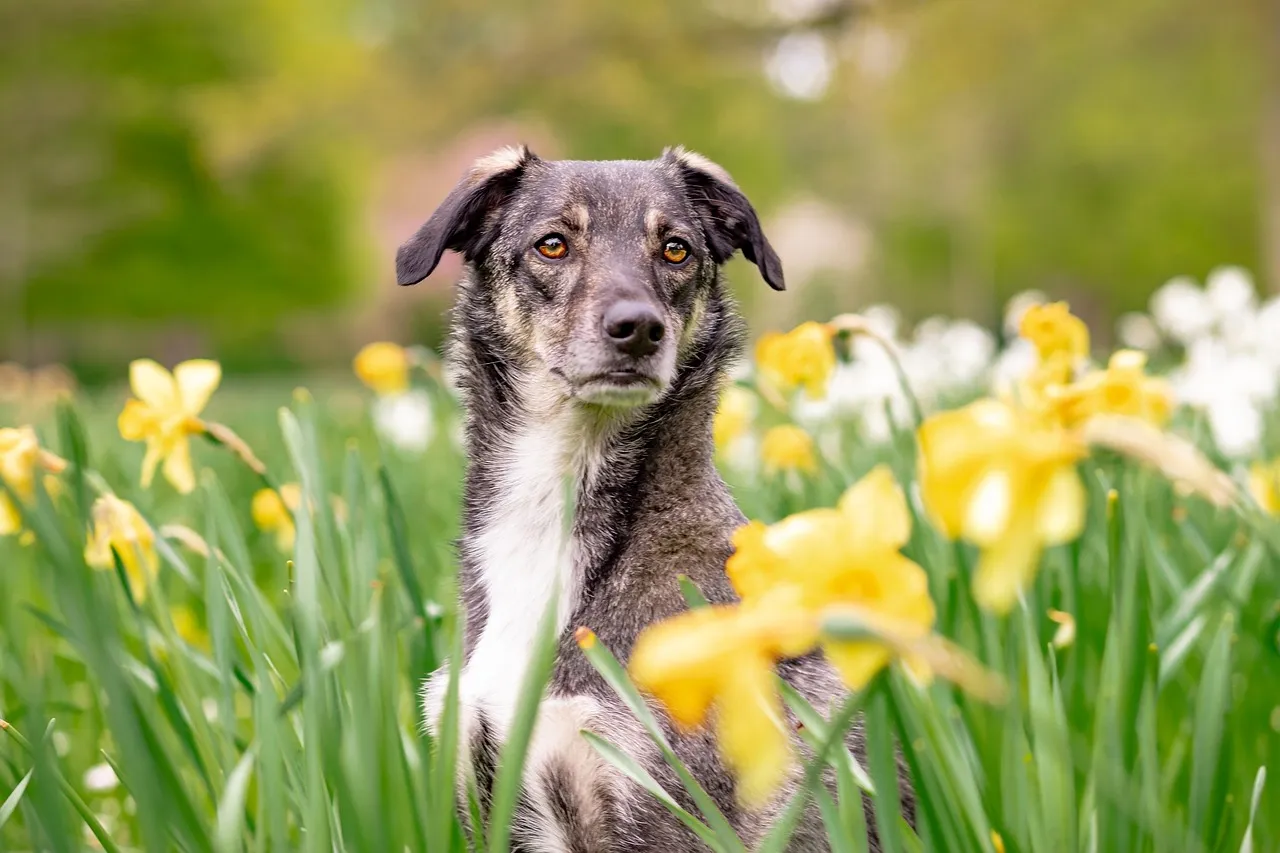
Ever had your dog nudge your hand away from your phone or book? This behavior is a classic sign of jealousy. Dogs crave your attention and may resort to interrupting your activities to refocus your gaze on them. It’s their way of saying, “Hey, remember me?”
This attention-seeking can escalate if not addressed. Ignoring the behavior might lead to more persistent interruptions, as your dog learns that being disruptive garners your attention. It’s essential to balance your time and ensure your dog feels included.
2. Aggressive Behavior Towards Others
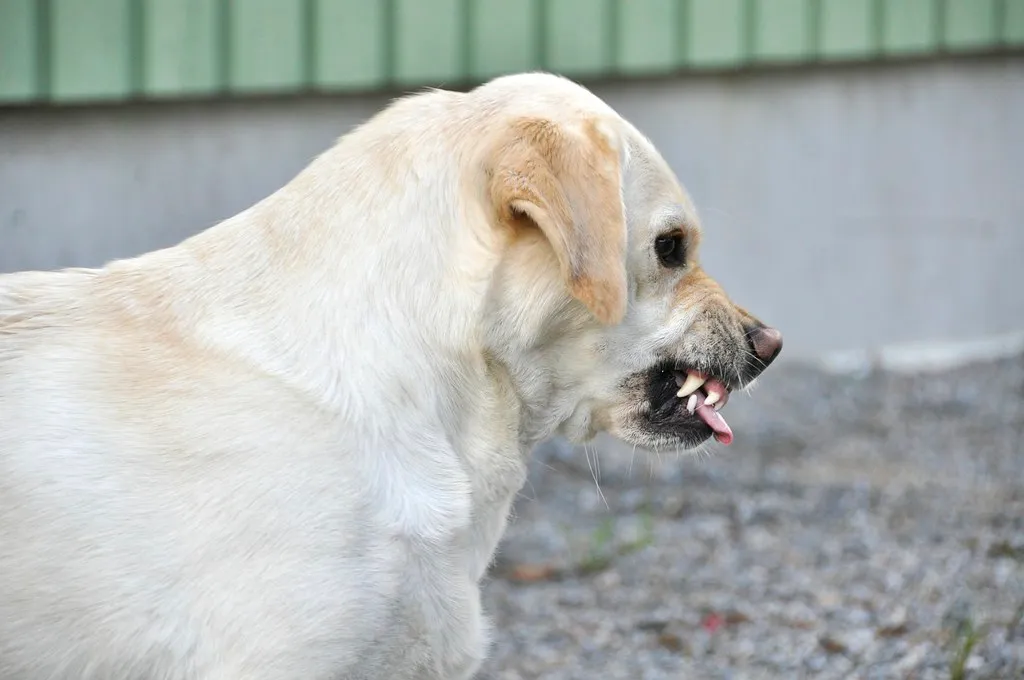
If your dog growls or snaps at other pets or people when you’re interacting with them, it’s a red flag. This aggression stems from a fear of losing your affection. They perceive the newcomer as a threat to their special bond with you.
Such behavior can be concerning, especially in social settings. It’s crucial to address this early, ensuring your dog understands that your love isn’t a limited resource.
3. Excessive Barking or Whining
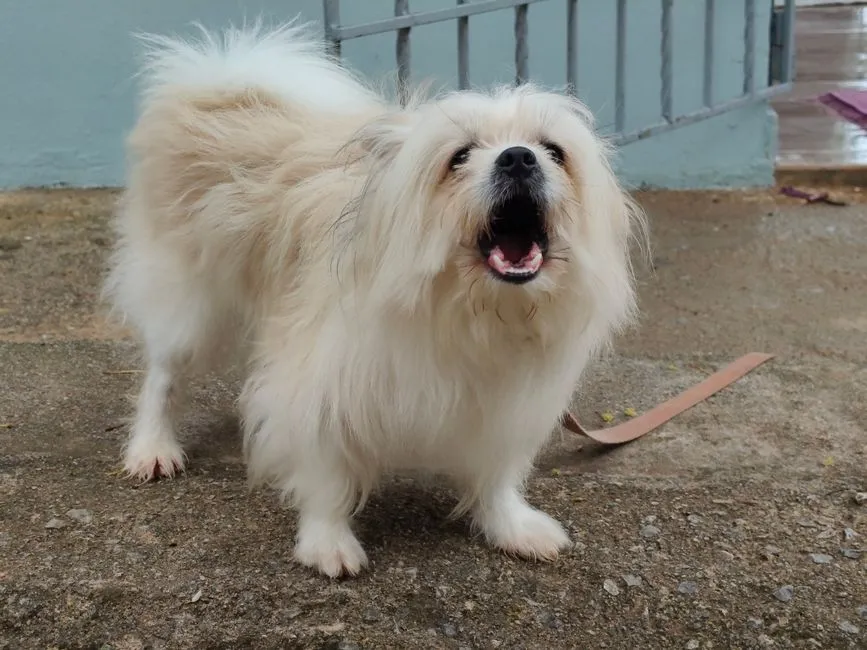
A sudden increase in vocalizations, especially when you’re engaged with someone else, can indicate jealousy. Your dog is vocalizing their displeasure, hoping to divert your attention back to them.
This behavior can be disruptive and may strain relationships with neighbors or guests. Training and reassurance can help mitigate this attention-seeking tactic.
4. Destructive Behavior
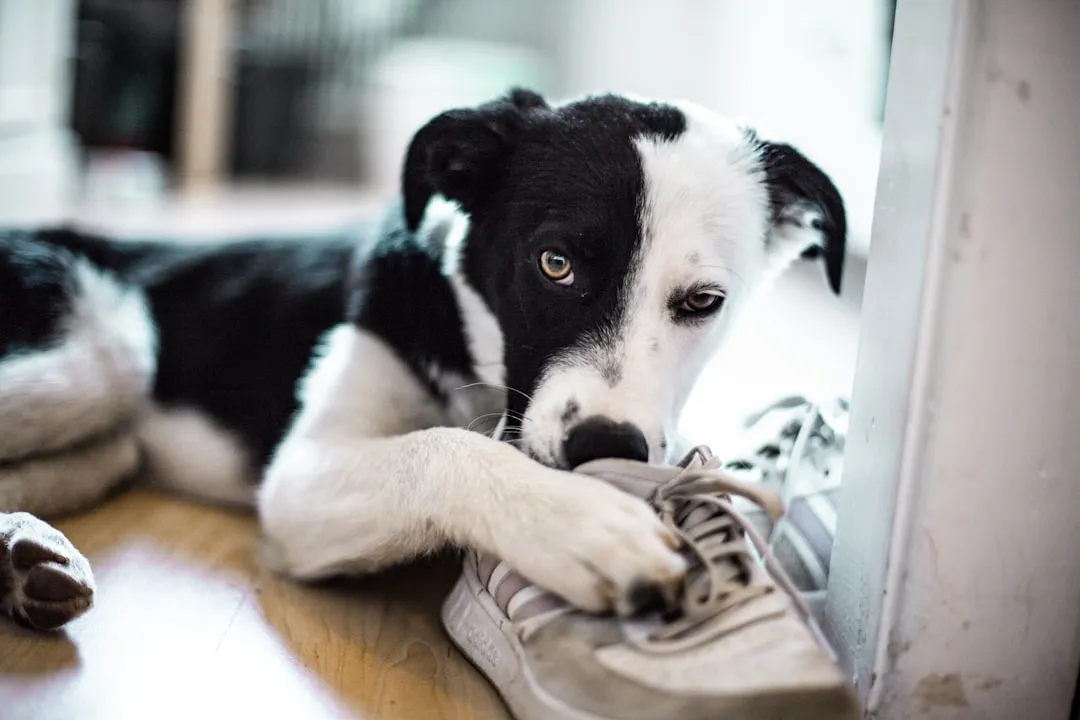
Coming home to find your favorite shoes chewed up or furniture scratched? Destructive acts can be a dog’s way of expressing jealousy. They might be acting out due to feelings of neglect or competition.
Addressing the root cause is vital. Ensuring your dog feels secure and loved can reduce these destructive tendencies.
5. House Soiling
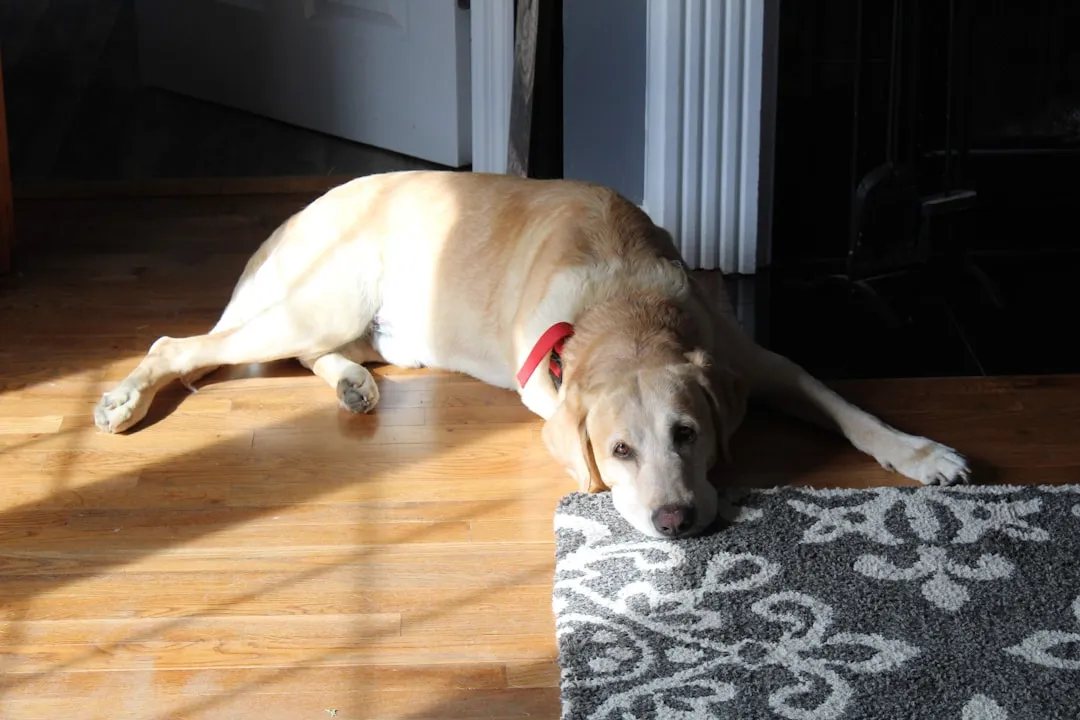
A house-trained dog suddenly having accidents indoors can be alarming. This regression might be a sign of jealousy, especially if it coincides with changes in the household, like a new pet or family member.
It’s essential to rule out medical issues first. If jealousy is the culprit, reinforcing positive behaviors and providing ample attention can help.
6. Clinginess or Over-Attachment
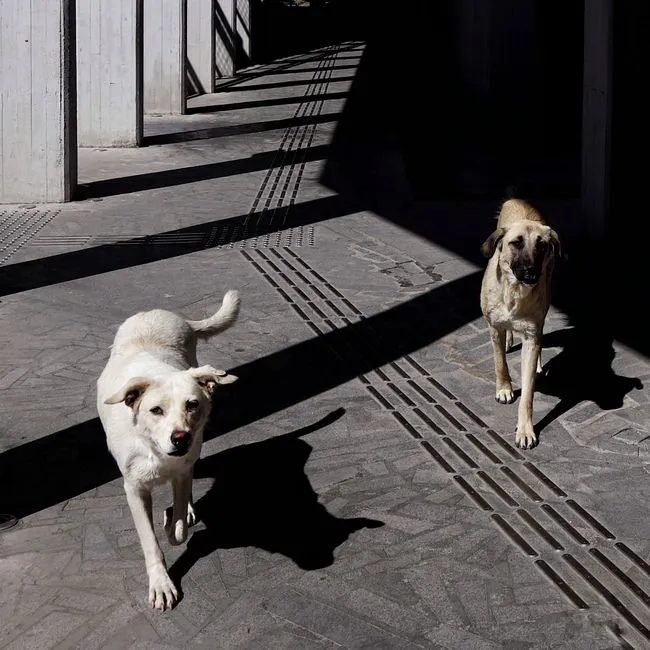
If your dog becomes your shadow, following you from room to room, it might be a sign of jealousy. They’re seeking constant reassurance of your affection, fearing they might be replaced or forgotten.
While it’s endearing, excessive clinginess can indicate underlying anxiety. Ensuring your dog has independent activities and feels secure can alleviate this behavior.
7. Ignoring Commands
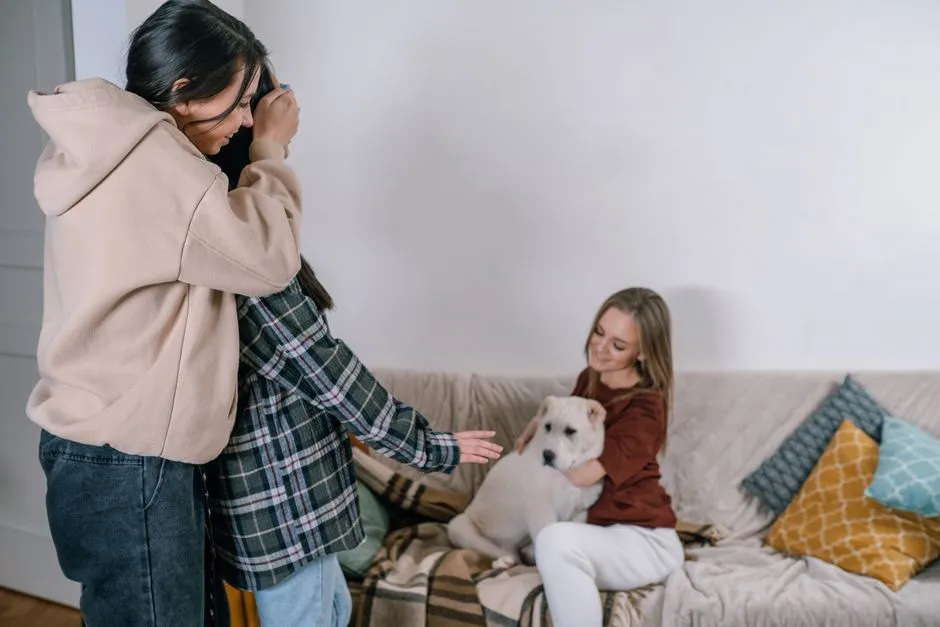
A dog that suddenly becomes unresponsive to commands they previously obeyed might be expressing jealousy. This defiance can be their way of protesting the attention you’re giving elsewhere.
Consistent training and positive reinforcement can help reestablish obedience and address the underlying jealousy.
8. Attempting to Block Your Interactions
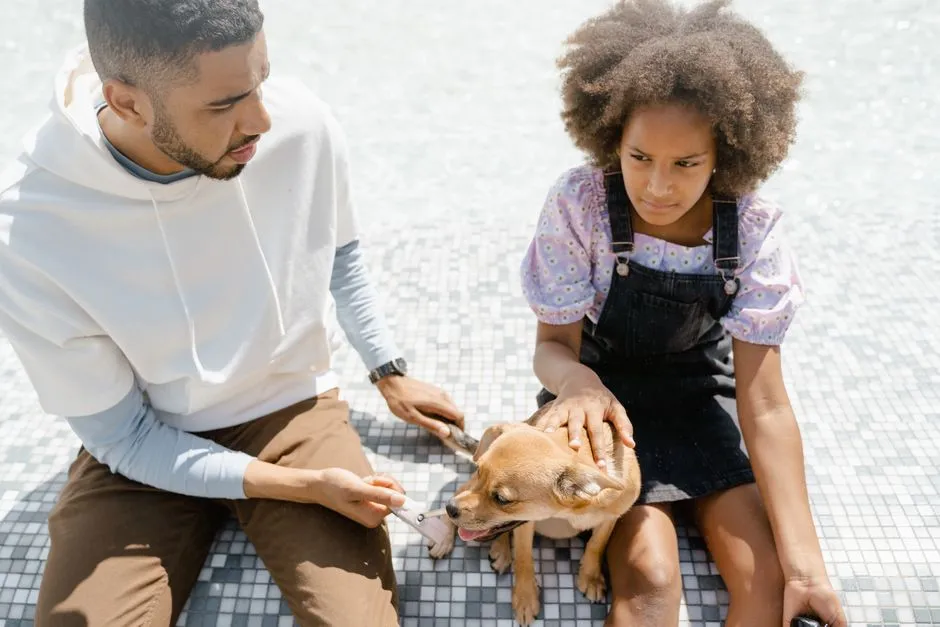
Physically placing themselves between you and another person or pet is a clear sign of jealousy. Your dog is trying to monopolize your attention, ensuring they’re the center of your world.
While it might seem cute, it’s essential to teach boundaries to ensure harmonious interactions with others.
9. Displaying Signs of Depression
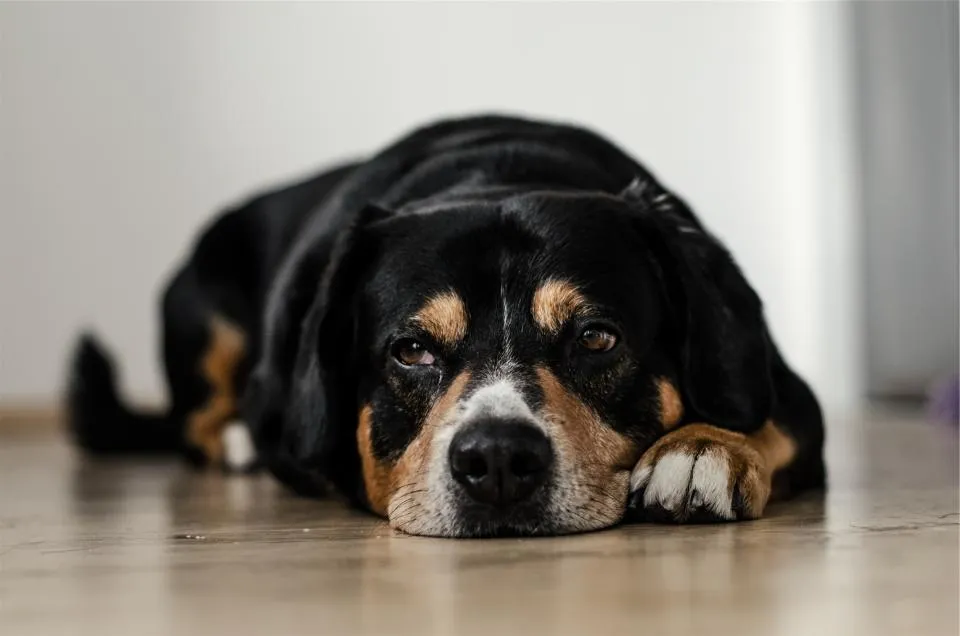
A jealous dog might become withdrawn, showing less interest in activities they once enjoyed. This behavioral change can be their way of coping with perceived neglect.
Engaging your dog in favorite activities and ensuring they feel valued can help lift their spirits.
10. Over-Grooming or Self-Harm
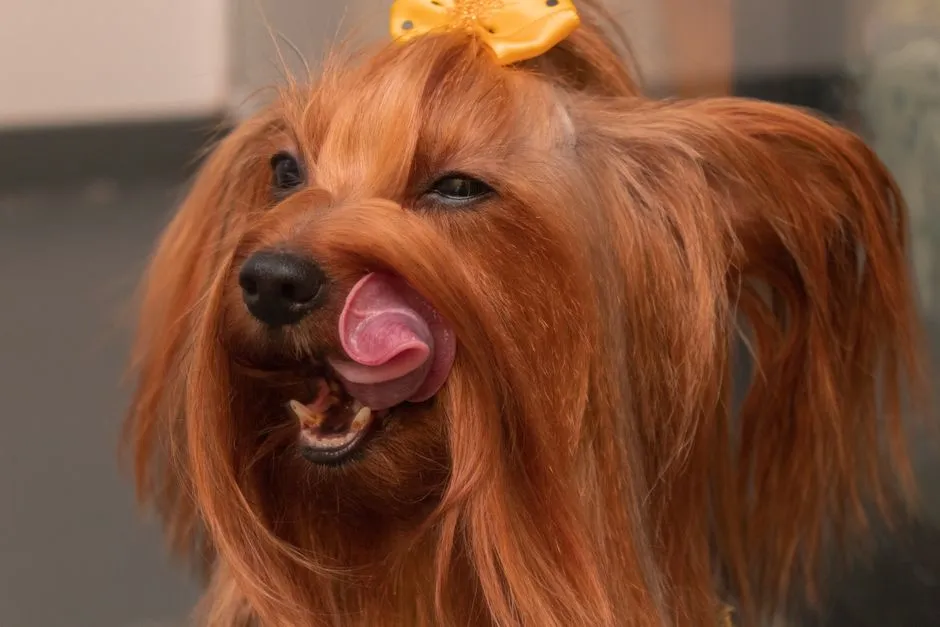
Excessive licking or chewing on themselves can be a stress response linked to jealousy. This self-soothing behavior indicates they’re struggling with their emotions.
Monitoring for signs of over-grooming and providing mental stimulation can help redirect this behavior.
Understanding these signs is the first step in addressing your dog’s jealousy. By ensuring they feel secure and loved, you can foster a happier, more balanced relationship.
Remember, your dog’s world revolves around you. Recognizing and addressing their emotional needs can lead to a more harmonious household.
