
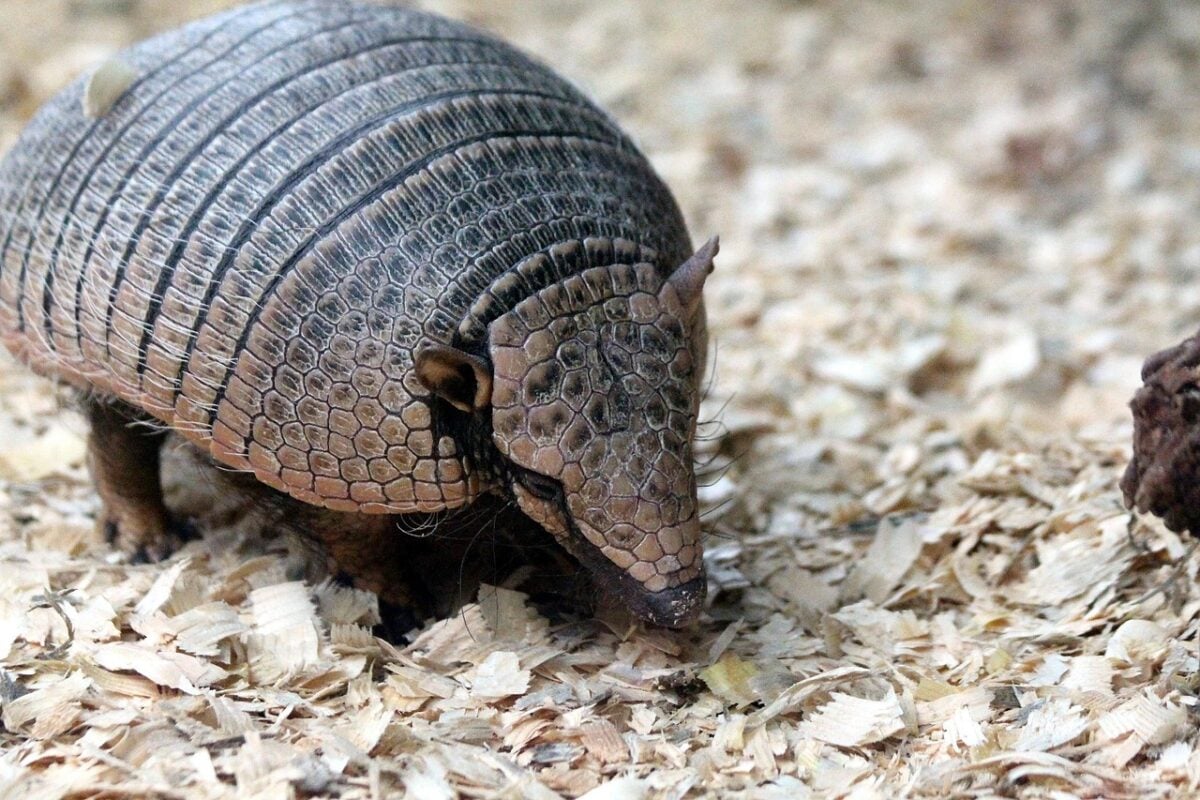
Imagine stepping into your backyard at dusk and spotting a peculiar, armor-clad creature scurrying through the underbrush. Once a rarity outside of Texas, the nine-banded armadillo has been steadily expanding its range across the United States. Today, several states boast significant populations of these fascinating mammals. Let’s delve into the eight U.S. states where armadillos have made their most prominent homes.
Texas: The Armadillo Heartland
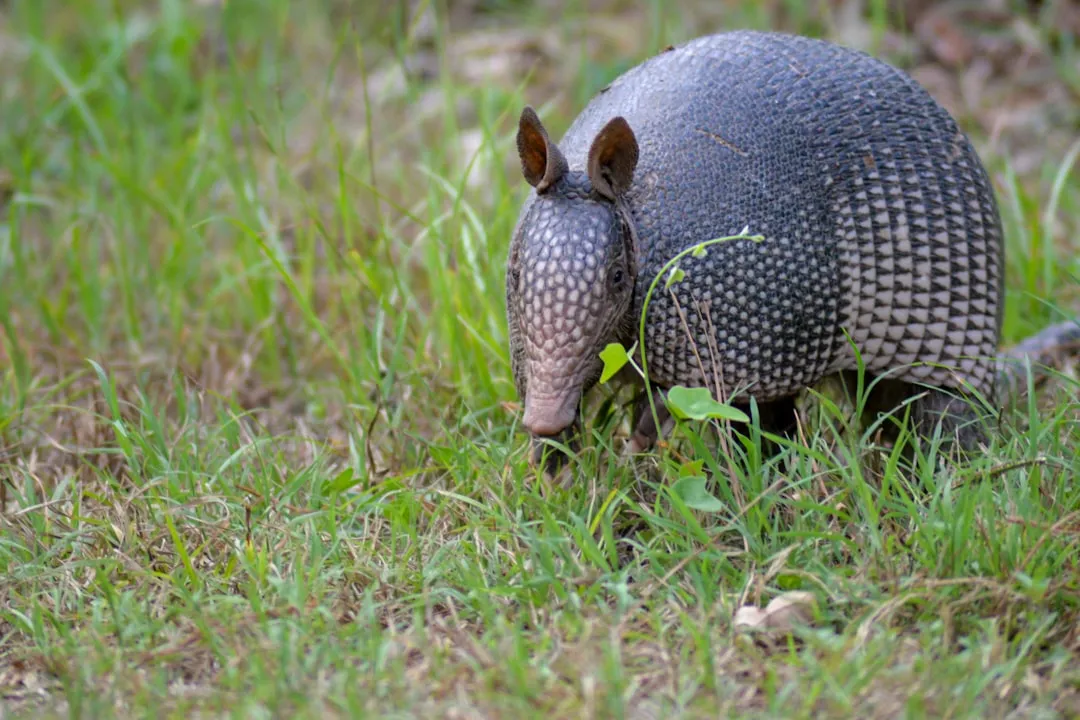
Texas stands as the undisputed epicenter of armadillo populations in the U.S. First recorded in the state in 1849, these creatures have since flourished across its vast landscapes. The state’s warm climate, diverse habitats ranging from grasslands to forests, and abundant food sources provide an ideal environment for armadillos to thrive.
In Texas, armadillos are more than just common wildlife; they’ve become cultural icons. Designated as the official small mammal of the state, their presence is deeply woven into Texan identity. From rural areas to urban fringes, encounters with these nocturnal diggers are a routine part of life.
Louisiana: Bayou Dwellers
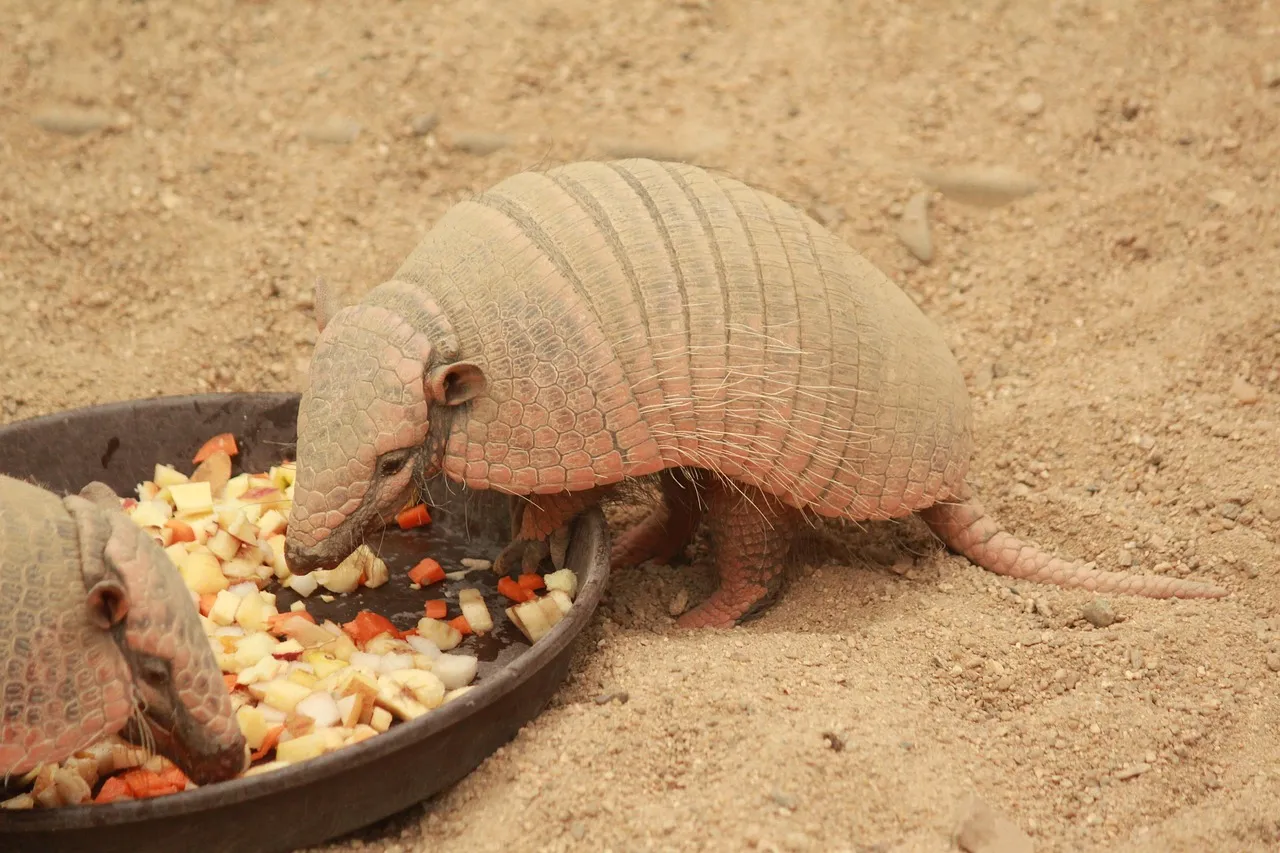
Louisiana’s humid climate and rich ecosystems, including swamps and bayous, offer a hospitable environment for armadillos. These adaptable mammals have established themselves throughout the state, from dense forests to suburban neighborhoods.
Residents often spot armadillos foraging for insects and small invertebrates, their primary diet. While their burrowing habits can sometimes disrupt gardens and lawns, many Louisianans appreciate the unique charm these creatures bring to the local fauna.
Florida: Sunshine State Settlers
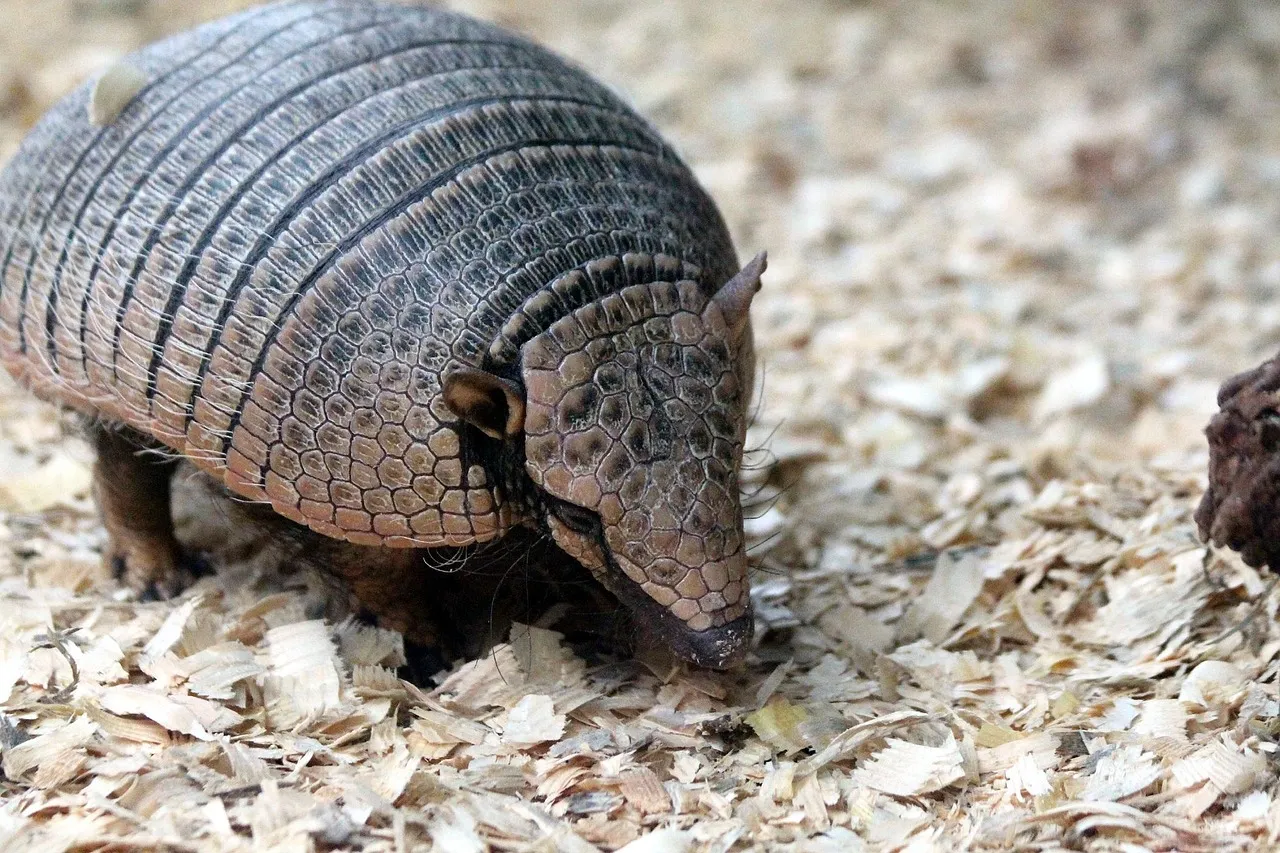
Florida’s warm temperatures and diverse habitats have made it a prime location for armadillo populations. From the panhandle to the southern tip, these animals have become a common sight, especially in areas with loose, sandy soils ideal for digging.
The state’s abundant insect life provides a steady food source, supporting healthy armadillo communities. However, their presence isn’t without challenges; their burrowing can sometimes undermine structures and disrupt landscaping efforts.
Georgia: Expanding Eastward
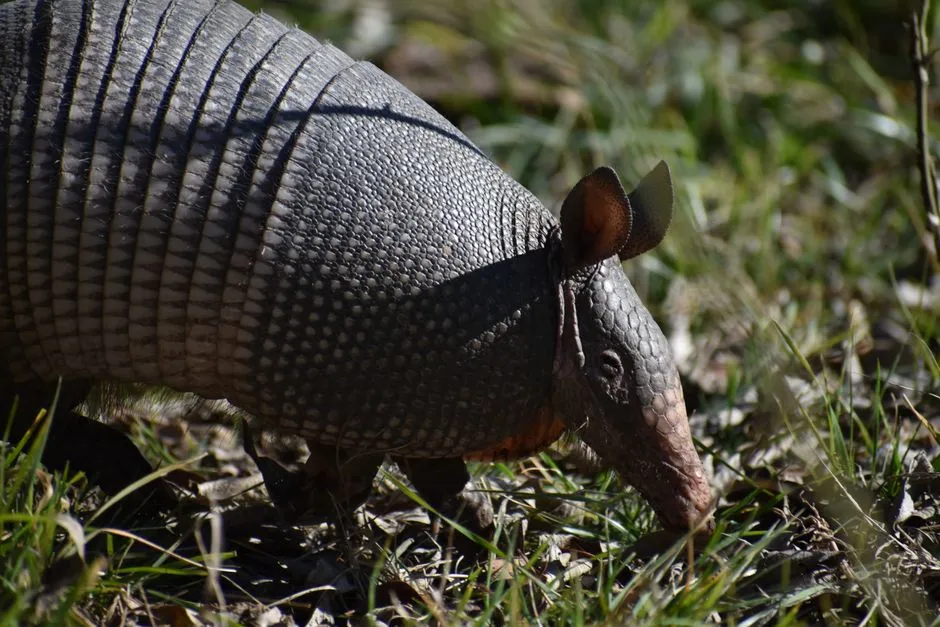
Georgia has witnessed a significant increase in armadillo populations over recent decades. Initially concentrated in the southern regions, these mammals have expanded their range northward, now inhabiting much of the state.
The state’s mix of forests, agricultural lands, and urban areas provides varied habitats for armadillos. While some residents view them as pests due to their digging habits, others find their presence a fascinating addition to Georgia’s wildlife diversity.
Alabama: Southern Stronghold
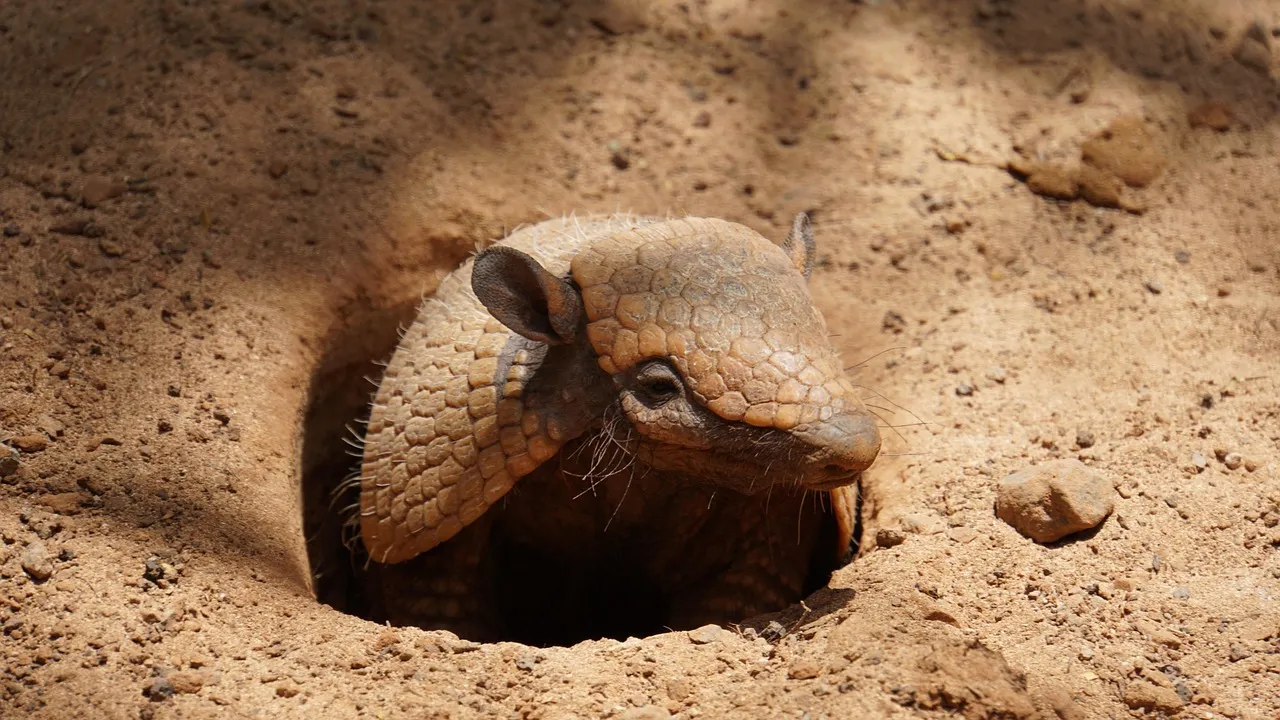
Armadillos have become well-established across Alabama, particularly in the southern and central regions. The state’s warm climate and varied terrain, including forests and grasslands, offer suitable habitats for these creatures.
Encounters with armadillos are common, especially in rural areas where they forage for food. Their burrowing can pose challenges for property owners, but many Alabamians have come to accept them as a natural part of the local ecosystem.
Mississippi: Magnolia State Residents
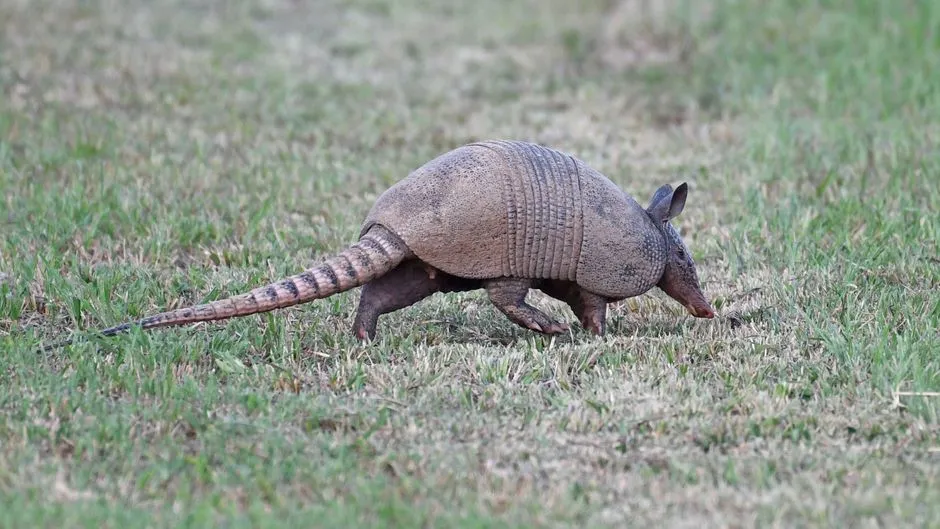
Mississippi’s warm, humid environment and abundant insect populations make it an attractive home for armadillos. These mammals have spread throughout the state, adapting to both rural and suburban settings.
While their digging can be problematic for gardens and lawns, armadillos also play a role in controlling insect populations. Their presence adds to the rich tapestry of wildlife that characterizes Mississippi’s natural heritage.
Arkansas: Natural State Inhabitants
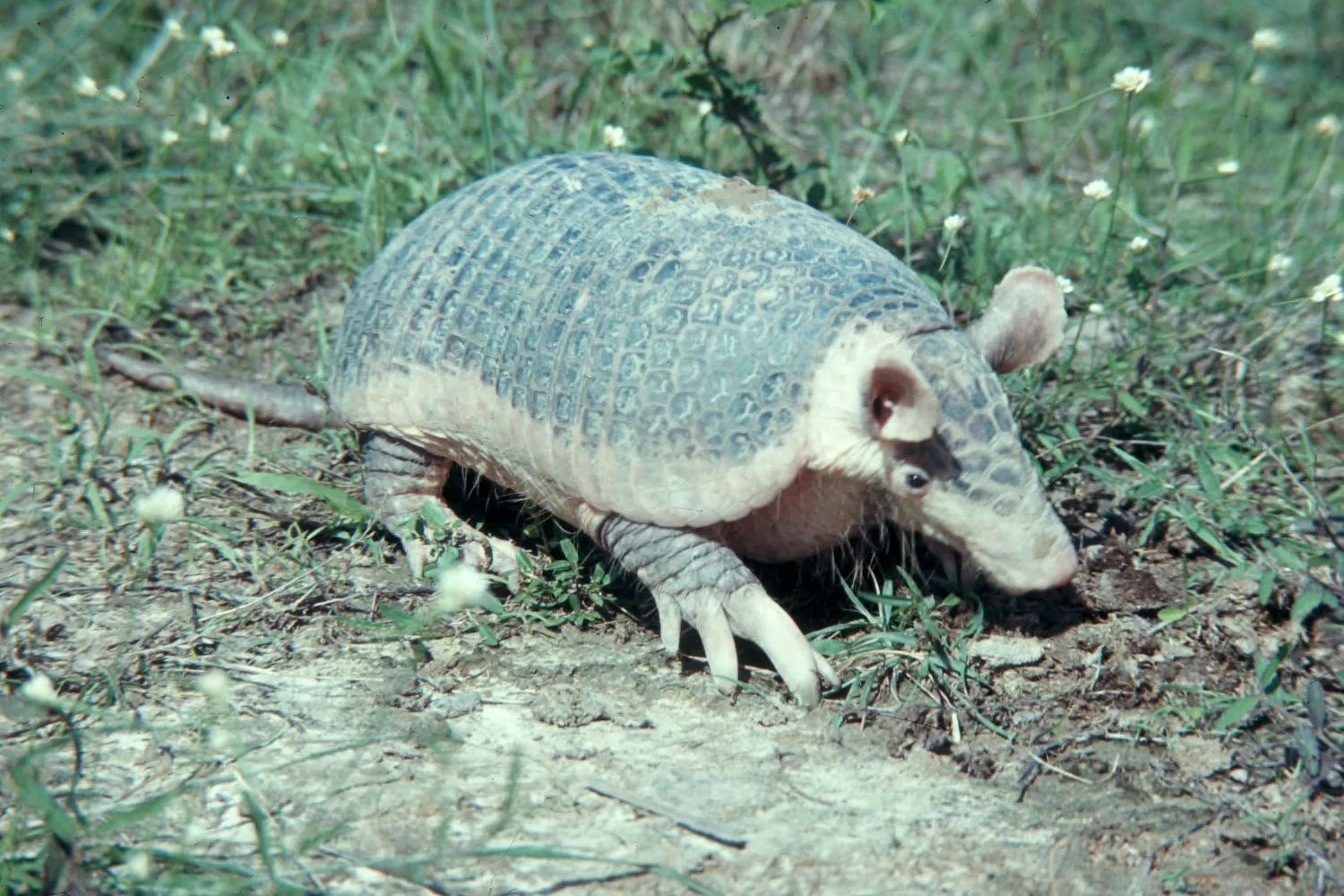
In Arkansas, armadillos have become a familiar sight, particularly in the southern and central regions. The state’s diverse landscapes, from dense forests to open fields, provide ample opportunities for these creatures to thrive.
Residents often encounter armadillos during evening hours as they search for food. While their burrowing can cause issues for property owners, many appreciate the unique presence of these armored mammals in the local wildlife community.
Oklahoma: Prairie Pioneers
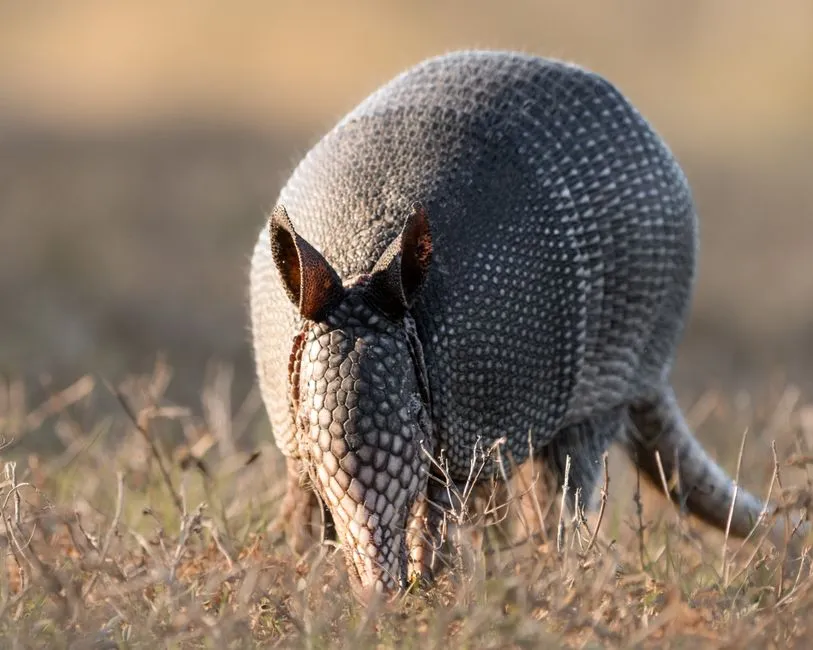
Oklahoma has seen a steady increase in armadillo populations, especially in the southern and central parts of the state. The state’s mix of prairies, woodlands, and agricultural areas offers suitable habitats for these adaptable creatures.
Encounters with armadillos are becoming more common, and while their digging can be a nuisance, they also contribute to controlling insect populations. Their expansion into Oklahoma reflects the broader trend of armadillos adapting to new environments across the U.S.
The spread of armadillos across these eight states highlights their remarkable adaptability and resilience. As they continue to expand their range, it’s essential for residents to understand and coexist with these unique creatures. While they may present certain challenges, armadillos also contribute to the ecological balance by controlling insect populations. Embracing their presence can enrich our appreciation for the diverse wildlife that shares our environments.

- 6 US States With the Most Javelinas - July 17, 2026
- 8 US States With the Most Armadillos - July 17, 2026
- Why Badgers Dig Even When They Aren't Hunting - July 17, 2026