

Imagine walking into a stable after a long, stressful day, and your horse immediately senses your mood, offering a comforting nuzzle. Recent research reveals that horses are not just passive observers; they actively read and respond to human facial expressions, often more swiftly than we might expect.
Horses’ Sensitivity to Human Emotions

Studies have demonstrated that horses can distinguish between positive and negative human facial expressions. When shown photographs of humans displaying anger or joy, horses reacted differently, indicating their ability to perceive and respond to human emotions. This sensitivity suggests that horses are attuned to the emotional states of their human counterparts, which can influence their behavior and interactions.
Rapid Recognition of Facial Expressions
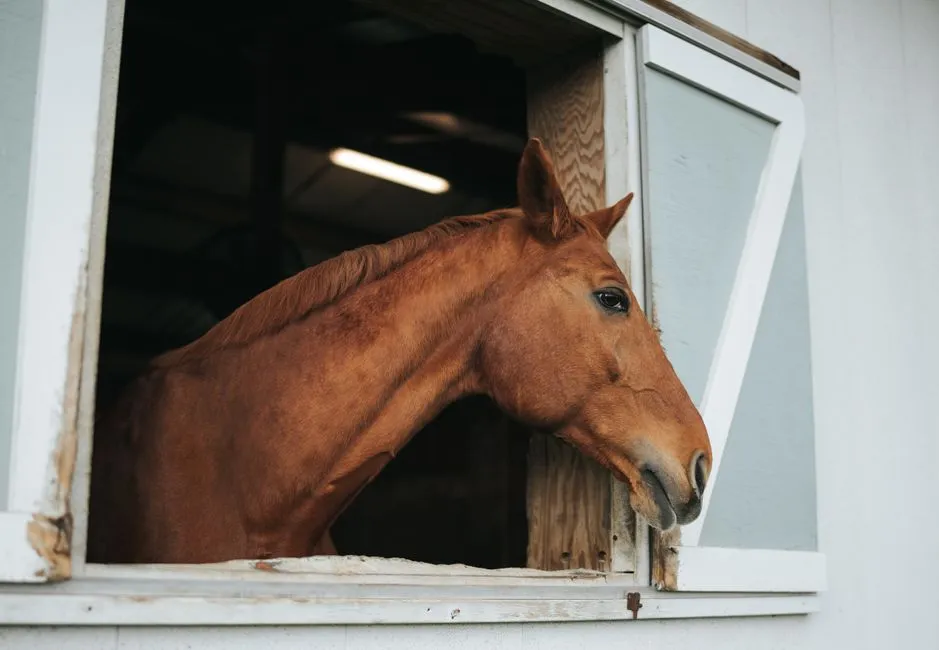
Research indicates that horses can recognize human facial expressions faster than many people realize. In experiments where horses were presented with images of human faces expressing different emotions, they showed immediate and distinct reactions, such as increased heart rates or changes in gaze direction. This rapid recognition underscores the depth of their emotional intelligence and their ability to process visual cues swiftly.
Cross-Modal Perception of Human Emotions

Horses don’t rely solely on visual cues; they can integrate information from multiple senses to perceive human emotions. In studies where horses were exposed to human facial expressions paired with corresponding vocalizations, they demonstrated an ability to match the emotional tone across modalities. This cross-modal perception highlights their sophisticated cognitive abilities and their capacity to understand human emotional states through a combination of visual and auditory signals.
Implications for Human-Horse Relationships

The ability of horses to read human facial expressions has significant implications for their interactions with humans. Understanding that horses are sensitive to our emotional states can lead to more empathetic and effective training methods. It also emphasizes the importance of maintaining positive emotional expressions around horses to foster trust and cooperation.
Evolutionary Perspectives on Emotional Recognition

The capacity of horses to recognize human emotions may have evolutionary roots. As social animals, horses have developed keen observational skills to navigate complex social hierarchies. This ability likely extends to their interactions with humans, enabling them to interpret subtle cues and respond appropriately, which would have been advantageous in their domestication and ongoing partnership with humans.
Challenges in Interpreting Equine Responses

While horses can read human facial expressions, interpreting their responses can be challenging. Factors such as individual personality, past experiences, and the context of the interaction can influence how a horse reacts to human emotions. Therefore, it’s essential for handlers to consider these variables and approach each horse as an individual when assessing their responses.
Future Directions in Equine Emotional Research
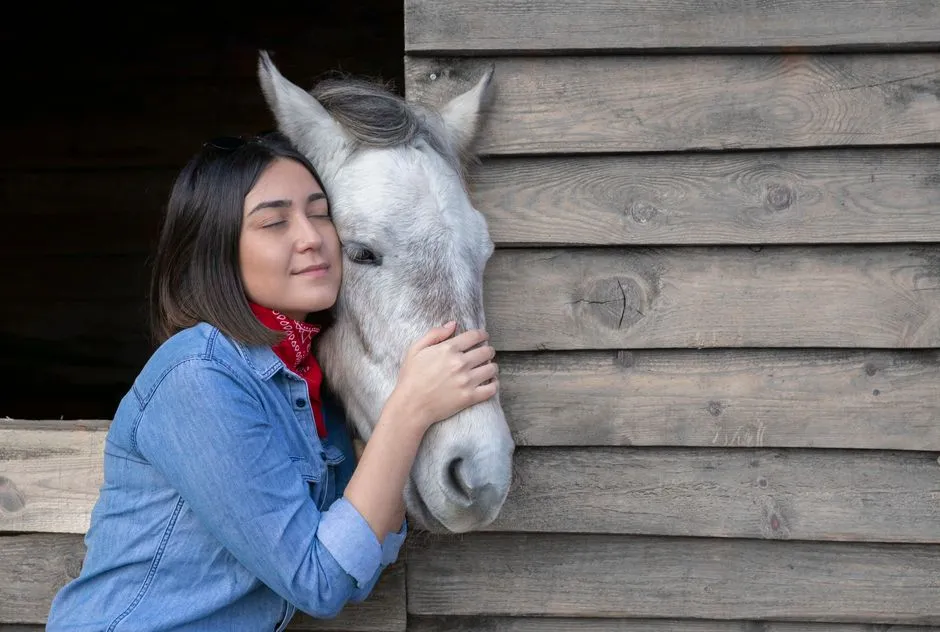
Ongoing research continues to explore the depths of equine emotional intelligence. Future studies aim to understand the neural mechanisms behind horses’ ability to read human emotions and how this knowledge can enhance human-horse interactions. By delving deeper into this field, we can develop more nuanced approaches to training, care, and companionship that respect and utilize the emotional capacities of horses.
In conclusion, the revelation that horses can rapidly read human facial expressions challenges our understanding of interspecies communication. It suggests that the bond between humans and horses is built on a foundation of mutual emotional awareness. As we continue to uncover the complexities of this relationship, it becomes clear that our equine companions are not just responsive to our commands but are also attuned to our feelings, enriching the depth of our connection with them.

- Animal Cognition Says Horses Read Human Facial Expressions Faster Than Many People Realize - July 17, 2026
- What It Means When a White Deer Crosses Your Path According to Six Separate Mythological Traditions - July 17, 2026
- Animal Behavior Says Elephants Comfort Distressed Herd Members Using Behaviors Similar to Consolation - July 17, 2026