
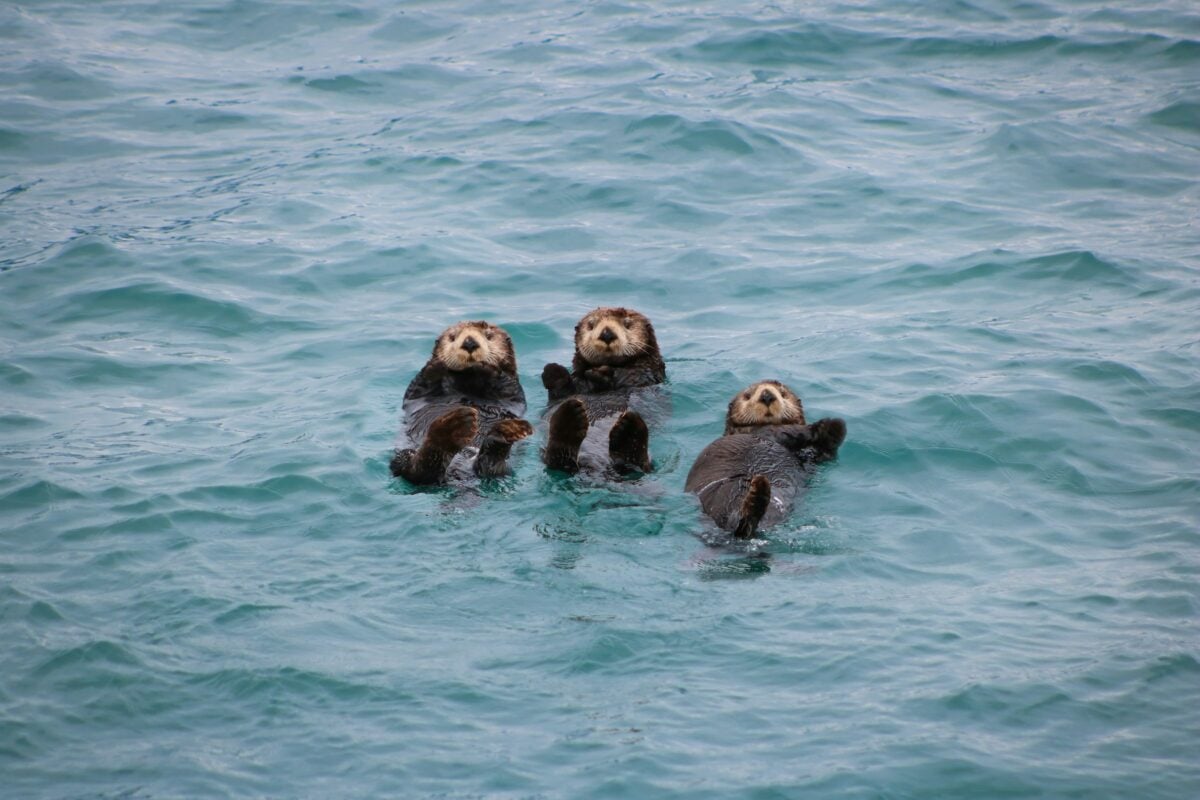
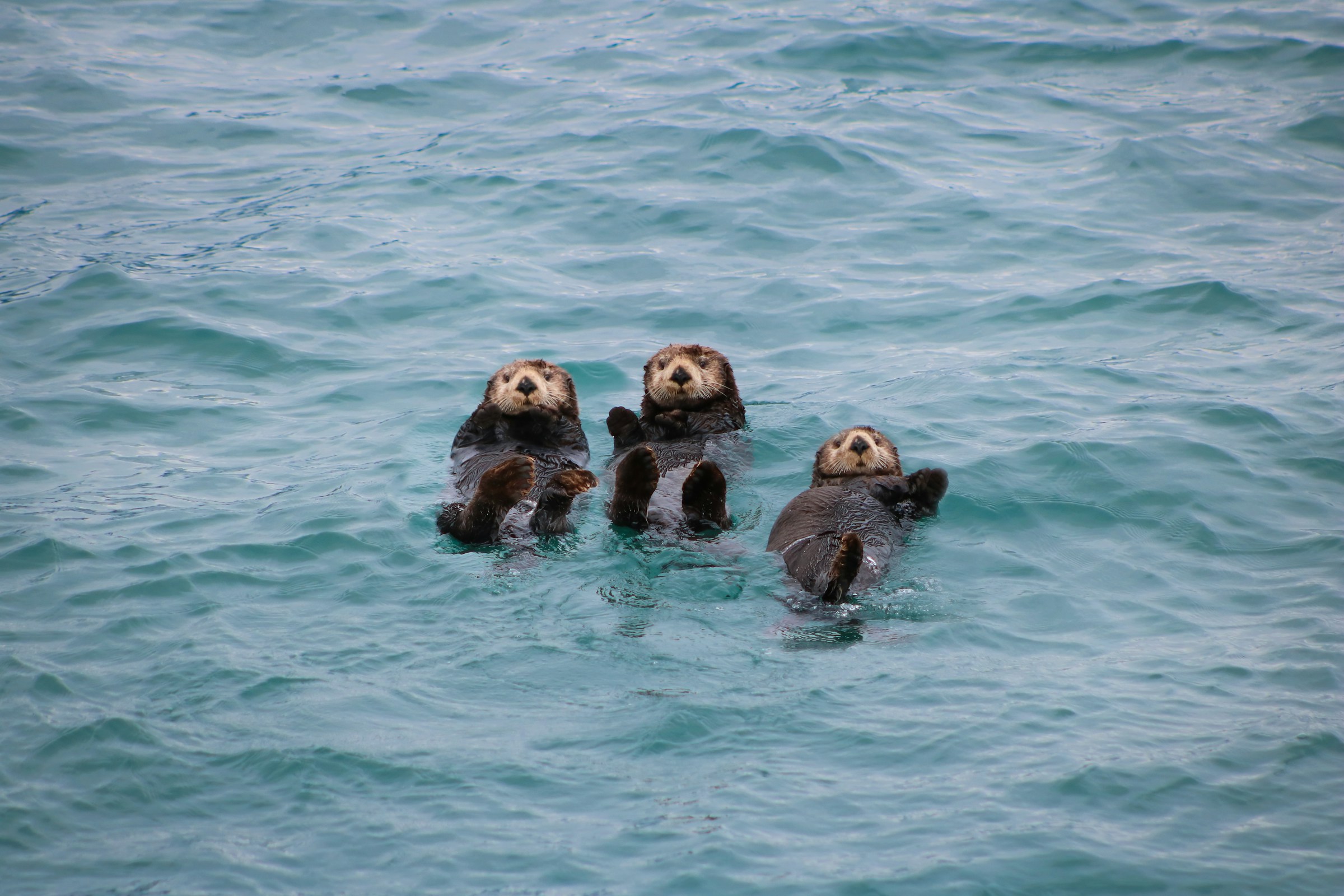
Sea otters floating on their backs often catch attention with what looks like a tender moment. Videos show pairs or small groups linked by paws as they rest on the water. The image feels instantly familiar, like something humans do when they want to stay close without words.
Yet the behavior serves a clear purpose in their world. It helps keep them together amid currents and waves. This practical side opens a window into how touch supports social ties across mammals, including us.
The Rafting Habit in Sea Otters
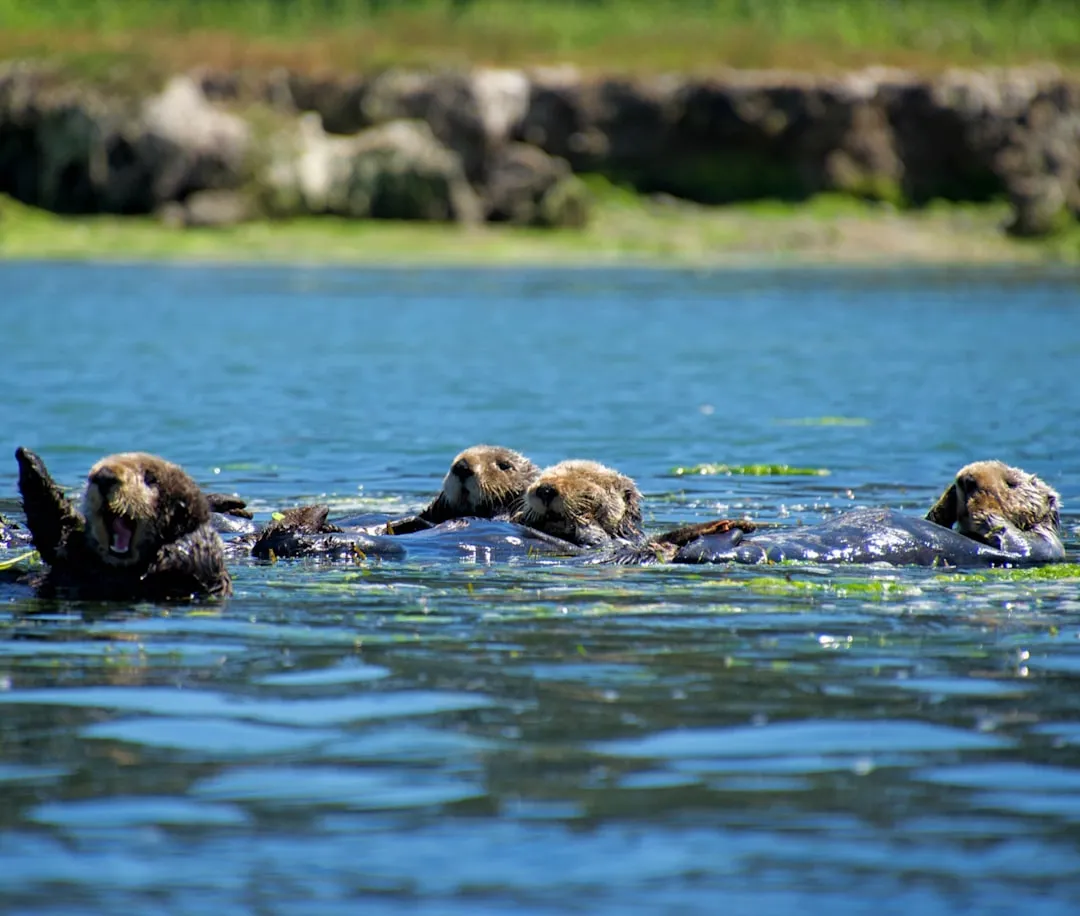
Sea otters form groups called rafts when they rest. They float together on the surface, sometimes wrapping in kelp to stay anchored. This setup reduces the chance of drifting far apart during sleep or downtime.
Observations show mothers and pups often stay near each other this way. Larger groups can include dozens of animals. The arrangement offers safety in numbers while they conserve energy.
Why Physical Contact Matters for These Marine Mammals
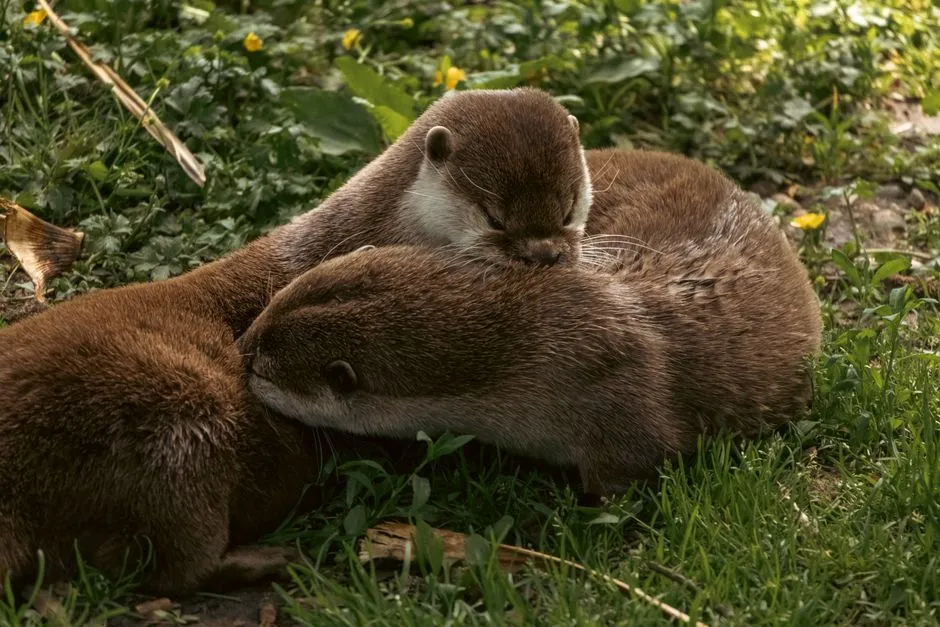
Touch plays a steady role in otter daily life. Grooming helps maintain fur that traps air for warmth. Close contact also appears during rest periods in both wild and captive settings.
When otters link paws, it adds a layer of stability. The action keeps individuals from separating overnight. Scientists note this contact reinforces group cohesion without requiring constant vigilance.
Touch as a Universal Language of Connection
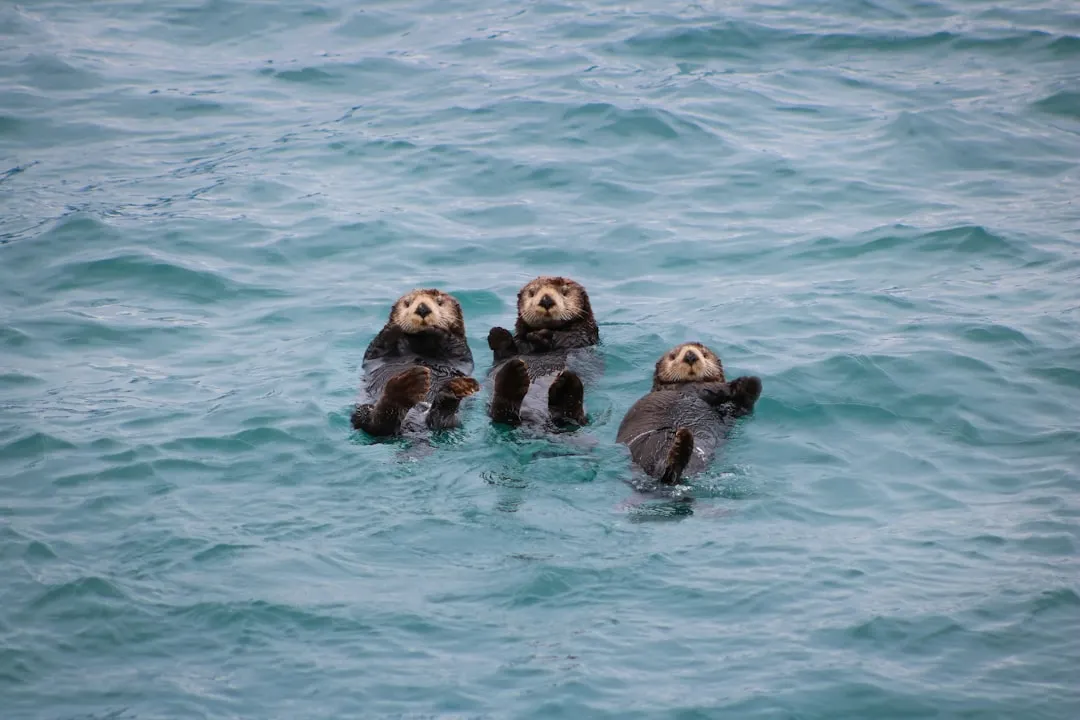
Many mammals rely on physical contact to signal trust and presence. From primates to rodents, gentle touch releases signals that ease stress and encourage staying near others. Sea otters fit into this pattern through their rafting routines.
The paw hold creates a simple tether. It requires little energy yet delivers ongoing reassurance. This kind of low effort contact appears across species that live in fluid or open environments.
The Chemistry Behind Mammalian Bonds
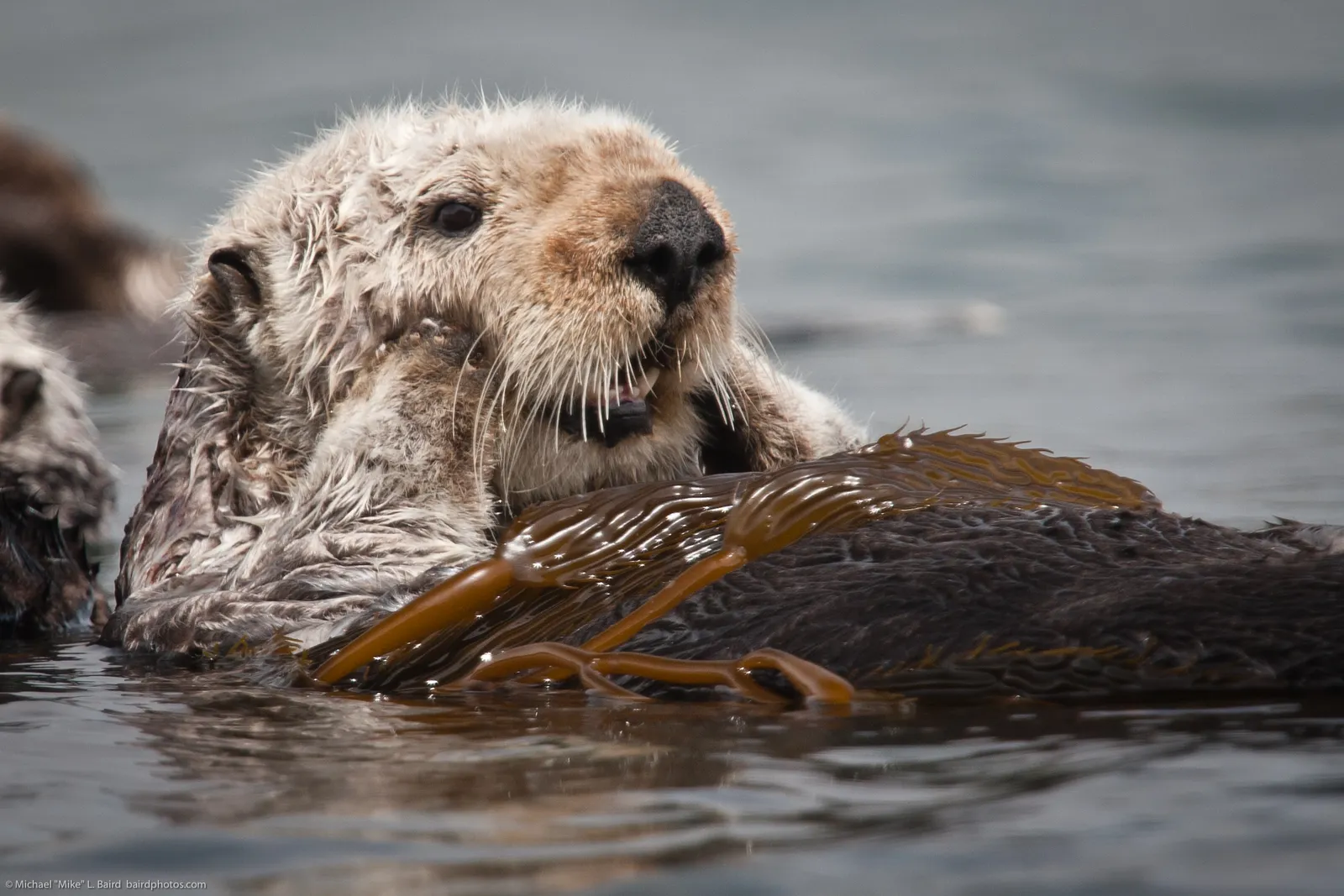
Research on social mammals points to shared neurochemical pathways. Oxytocin and related molecules support pair bonds, parental care, and group stability in species from voles to primates. These systems respond to touch and proximity.
While direct studies on sea otters remain limited, the broader pattern holds. Contact during rest likely engages similar circuits that promote attachment. The result is a tendency to maintain closeness over time.
Parallels Between Otter and Human Social Needs
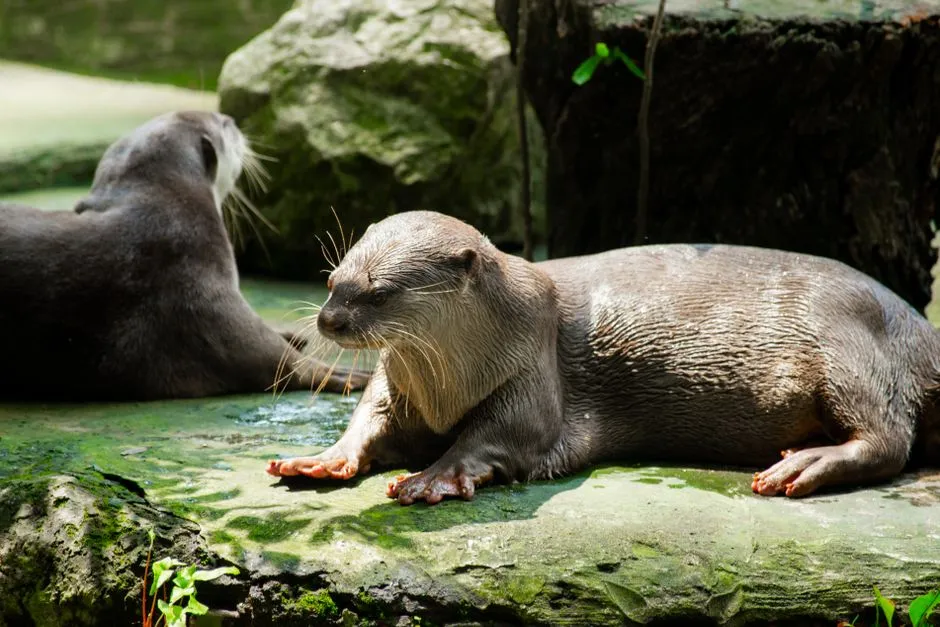
Humans use touch to sustain relationships in everyday ways. Holding hands during sleep or quiet moments strengthens feelings of security. The same principle appears when otters stay linked through the night.
Both species benefit from reduced isolation. Physical presence signals reliability. Over repeated interactions, these small acts build lasting preferences for specific companions.
What Observations in Captivity Suggest
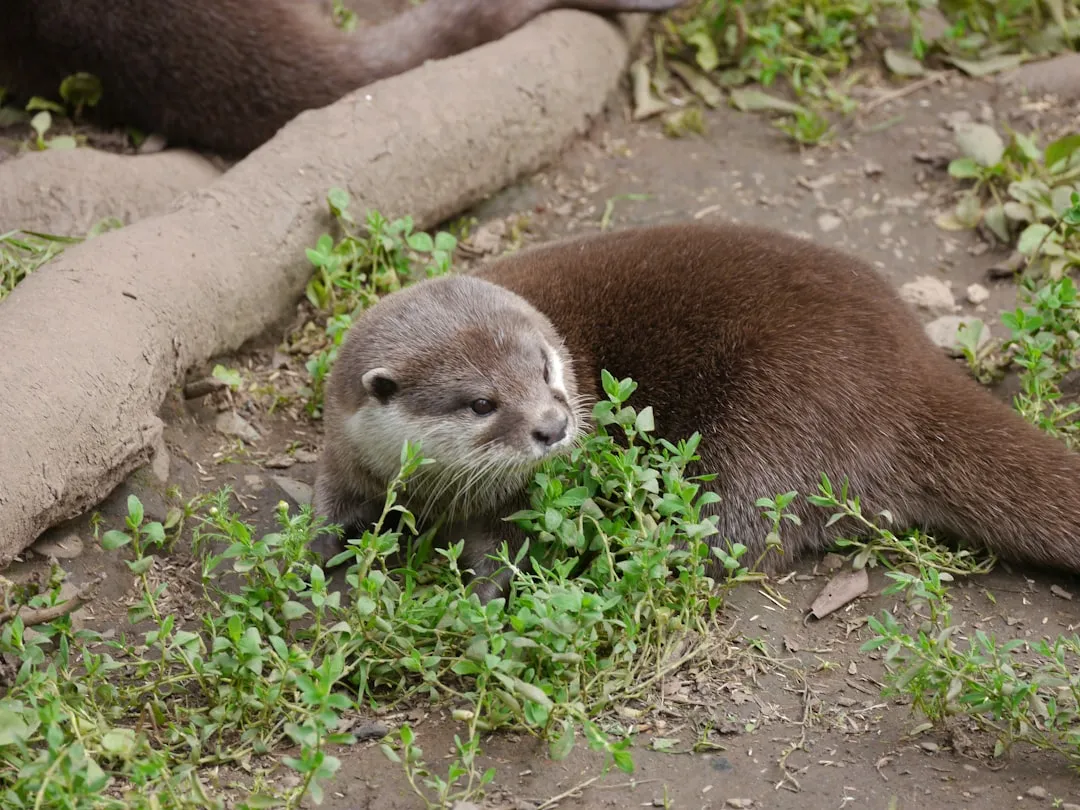
Captive otters sometimes show paw holding more visibly than wild ones. Aquarium footage has popularized the image because the animals live in controlled conditions with steady companions. This setting allows repeated close contact.
Wild data indicate the behavior occurs less often. Otters there rely more on kelp or simple proximity. Still, the capacity for such contact exists and serves the same bonding function when it appears.
Reflections on Shared Social Chemistry
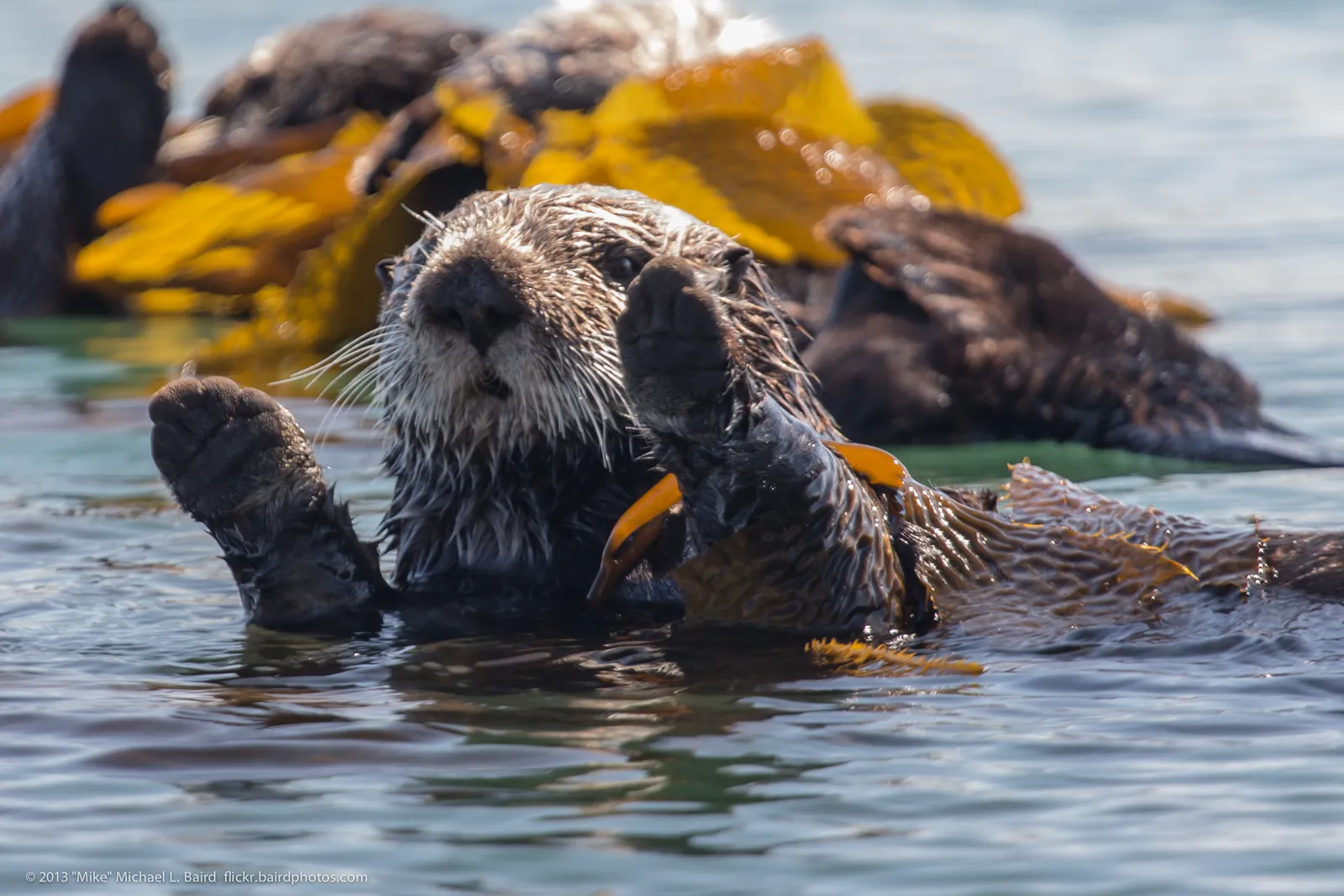
The otter example reminds us that bonding mechanisms run deep in mammalian evolution. What looks cute on video reflects systems that keep social groups functional. These same systems shape how people maintain their own closest ties through small, repeated gestures of connection.
Evidence for exact overlap stays general rather than otter specific. Still, the parallel invites appreciation for how nature reuses effective solutions. In the end, staying linked, whether by paw or hand, supports the quiet work of belonging.

- Animal Cognition Says Ravens Can Remember Individual Human Faces for Years After a Single Encounter - July 17, 2026
- 8 US States With the Most Wolverines - July 17, 2026
- Neuroscience Says When a Sea Otter Holds Another Otter's Paw While Sleeping It Isn't Just Endearing – It's a Bond Maintenance Behaviour That Runs on the Same Social Chemistry That Humans Use to Keep Their Closest Relationships Intact. - July 17, 2026