
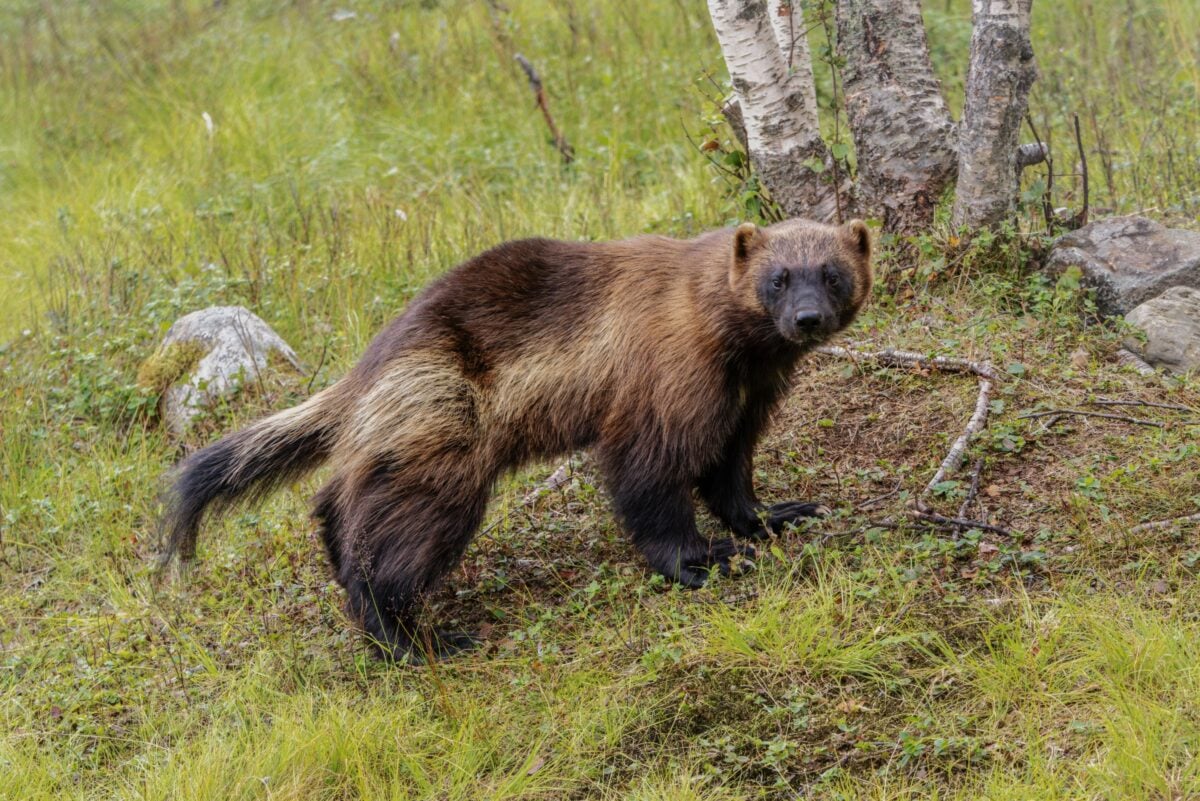
Wolverines have earned a reputation as some of the toughest animals in the wild, despite their relatively modest size. Their ability to thrive where others struggle raises questions about the specific traits that give them such an edge in brutal environments.
These solitary creatures navigate remote northern landscapes with a mix of physical power and behavioral smarts that set them apart. Exploring the details behind their resilience reveals why they stand out even among other fierce predators.
Confronting Larger Predators Head On
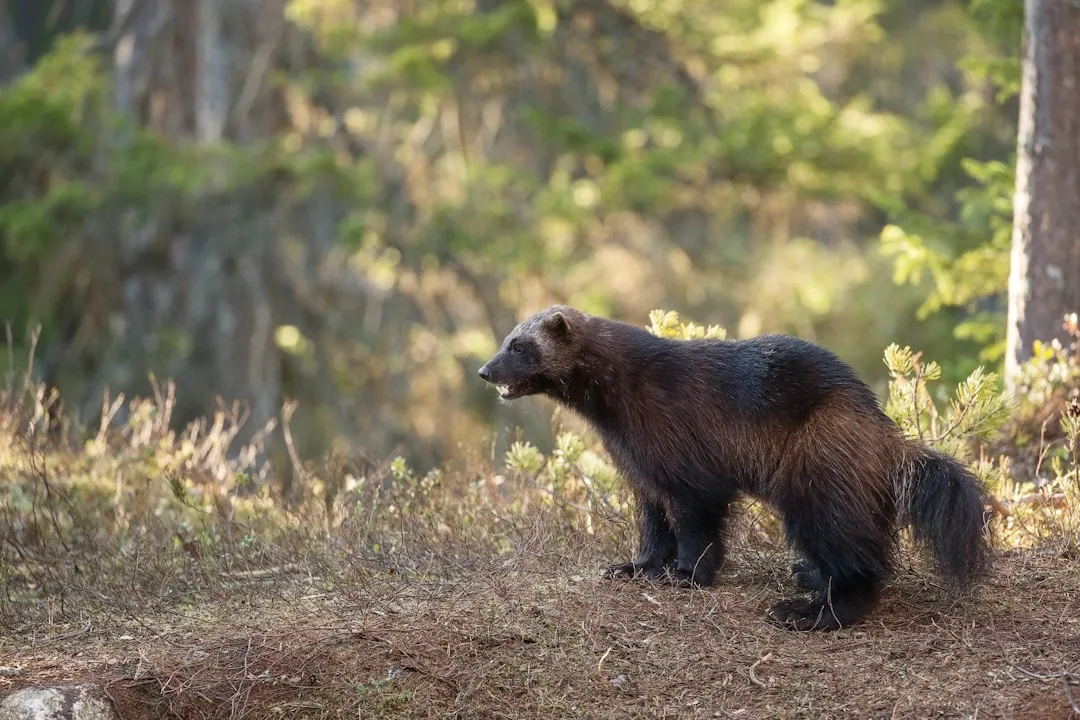
Wolverines often stand their ground against animals much bigger than themselves. They have been known to chase off grizzly bears and packs of wolves from food sources, relying on sheer determination and quick movements to hold their own.
This boldness extends to hunting as well. Wolverines can bring down prey like elk or moose that outweigh them several times over. Their compact, muscular build allows them to deliver powerful attacks and defend kills effectively in the process.
Jaw Power and Specialized Teeth
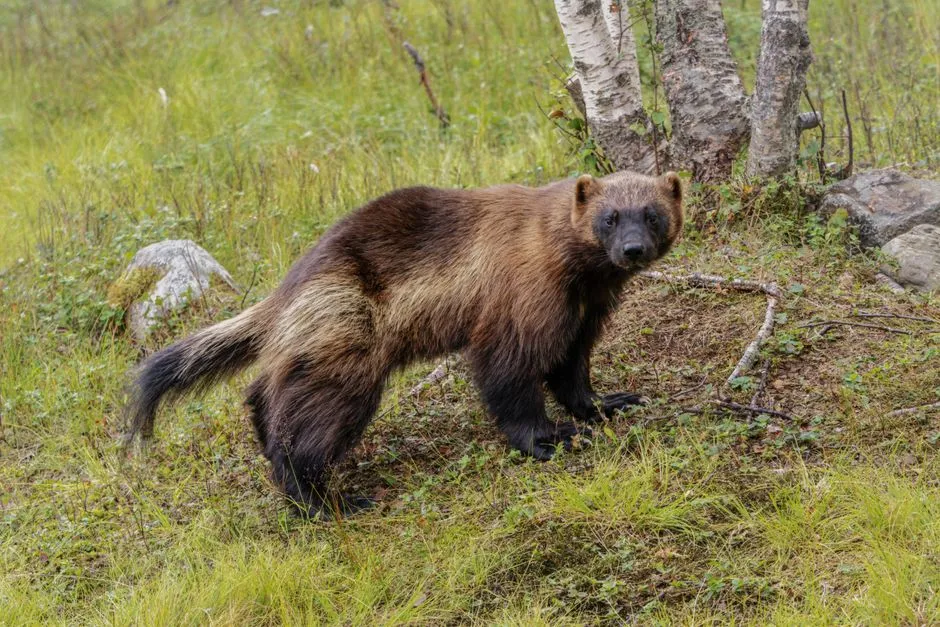
Their jaws deliver an impressive bite force relative to body size. This strength lets them crush through large bones that other scavengers might leave behind, turning tough remains into a meal.
A unique upper molar rotated at nearly ninety degrees helps slice frozen meat with precision. Such adaptations make wolverines efficient at extracting nutrition from carcasses in frozen conditions where food is scarce and hard to access.
Long Distance Endurance on the Move
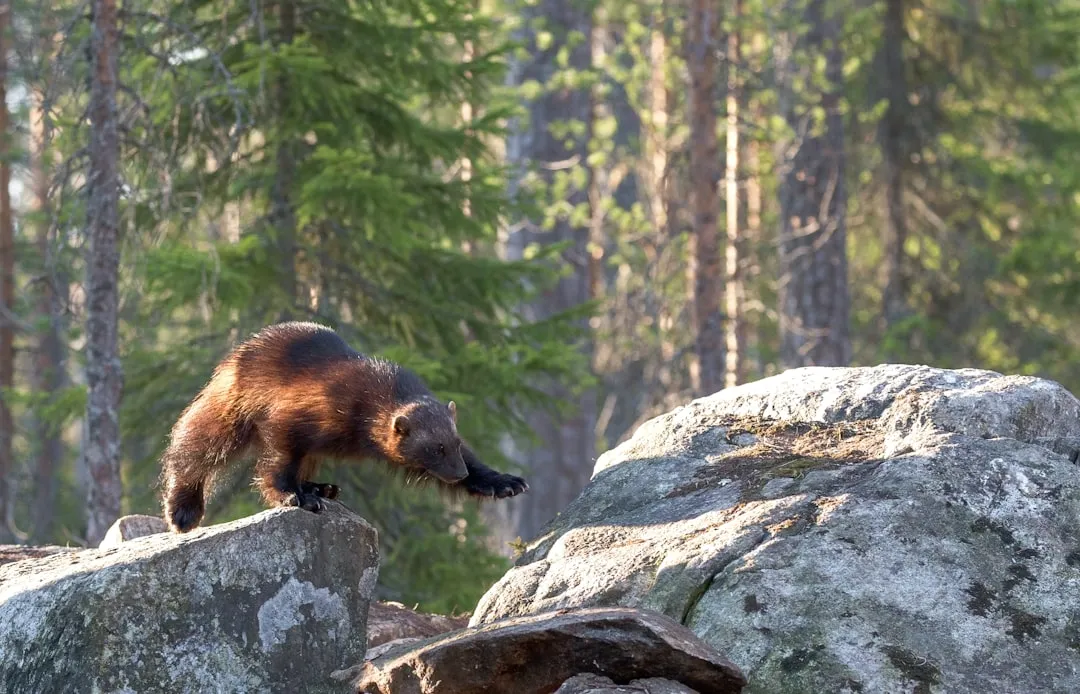
Wolverines cover impressive ground each day while searching for food. Documented travels reach up to forty miles in a single day across rugged, snowy terrain without signs of fatigue.
This stamina supports their solitary lifestyle and wide-ranging territories. They stay active year round, moving steadily through mountains and forests to locate scattered resources that sustain them through lean periods.
Snowshoe Feet and Climbing Claws
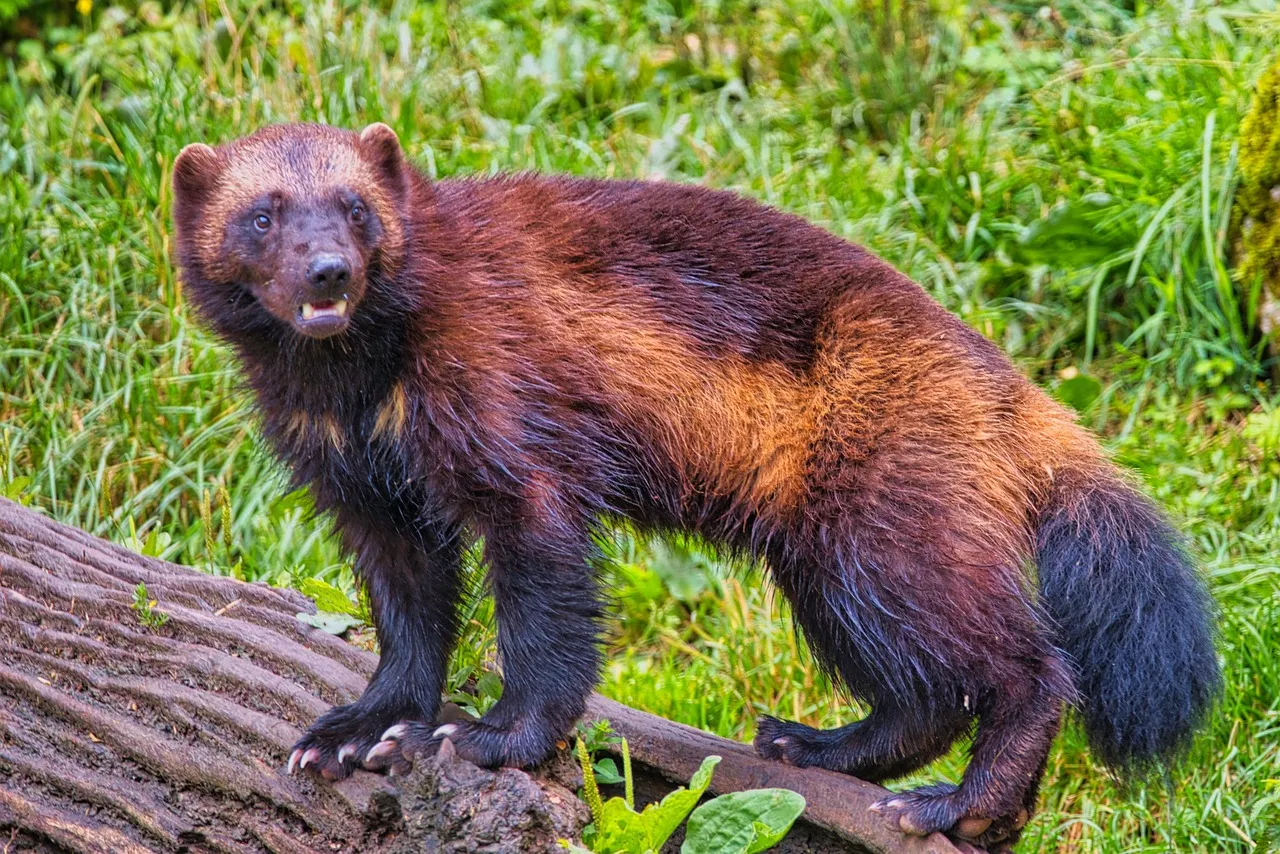
Their paws spread wide in winter to function like natural snowshoes. This feature keeps them from sinking deep into powder while pursuing prey or traveling long distances over deep snow.
Sharp, semi-retractable claws add another layer of versatility. Wolverines use them to scale steep cliffs and trees, escaping threats or reaching vantage points that give them an advantage in their harsh surroundings.
Superb Olfactory Abilities
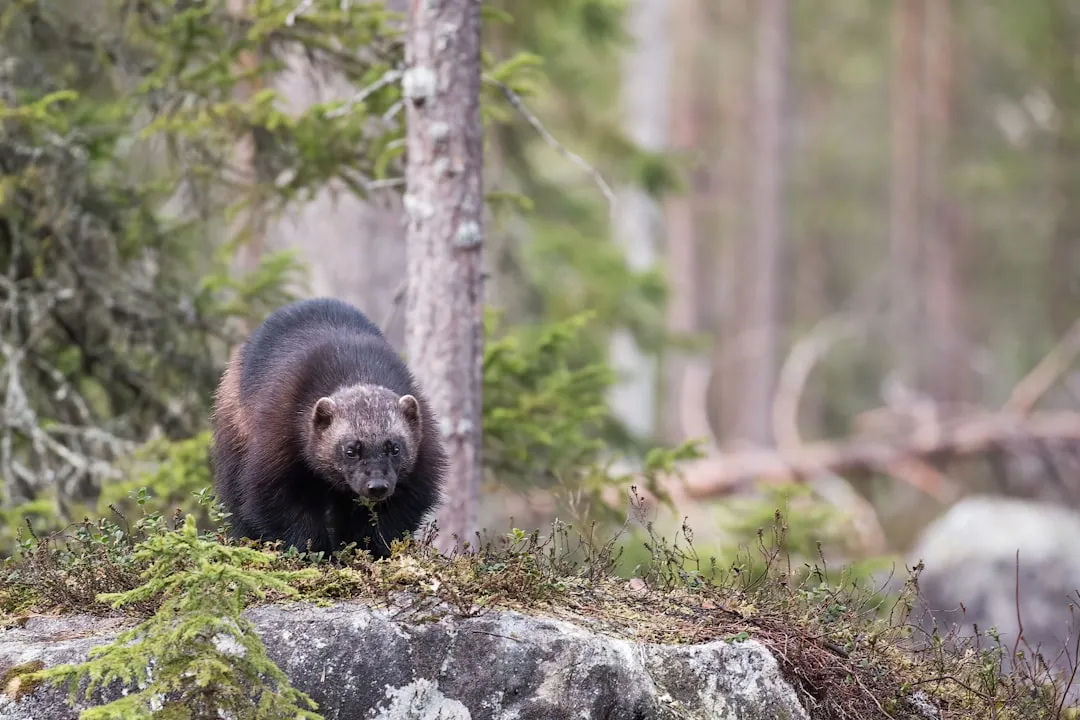
A keen sense of smell allows wolverines to locate hidden food sources. They can detect carrion buried as deep as twenty feet under snow, giving them access to meals others overlook.
This sensory edge proves vital in winter when visibility is low and resources are buried. It turns the landscape into a searchable map, helping them survive where less attuned animals might starve.
Caching and Food Management
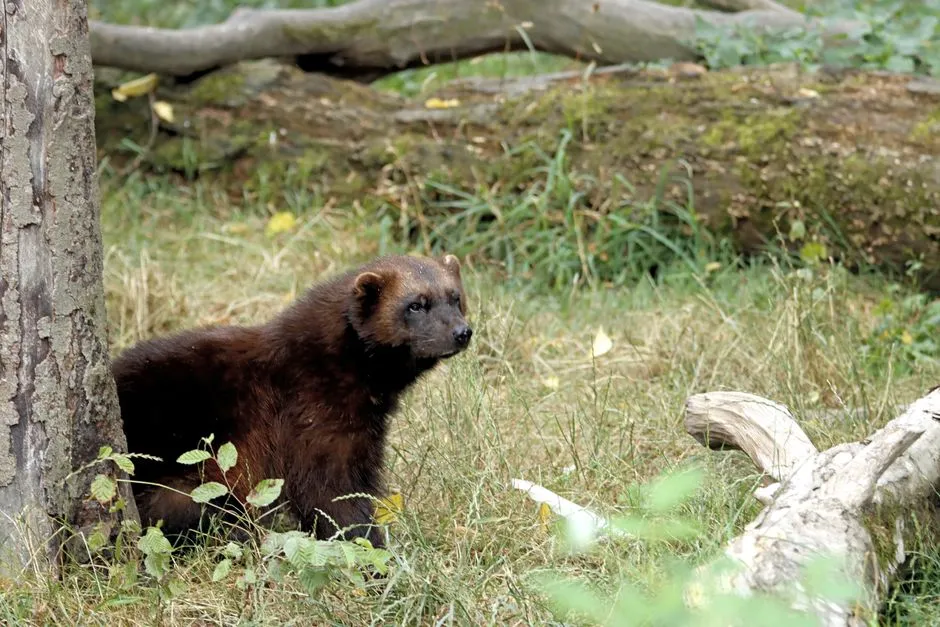
Wolverines store excess food in caches for later use. They often drag carcasses or parts of them to safe spots and cover them with snow to keep the meat preserved and out of reach from competitors.
This habit reduces waste and provides a reliable backup during times of scarcity. By refrigerating kills naturally, they stretch limited resources further than many other predators manage to do.
Year Round Activity in Extreme Cold
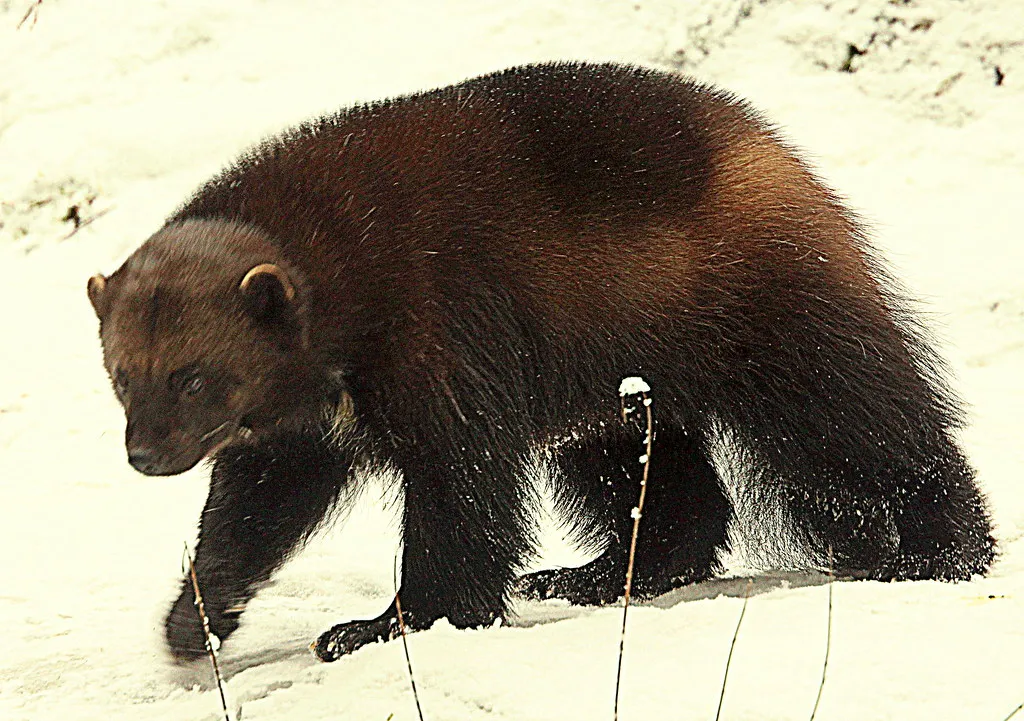
Unlike many mammals, wolverines skip hibernation entirely. They remain active through the coldest months, relying on thick fur and efficient metabolism to endure subzero temperatures and deep snow.
Their adaptations include building dens in snow for shelter and raising young. This constant presence in alpine and boreal zones highlights a toughness that lets them claim territory others avoid during harsh seasons.
The Enduring Spirit of These Survivors
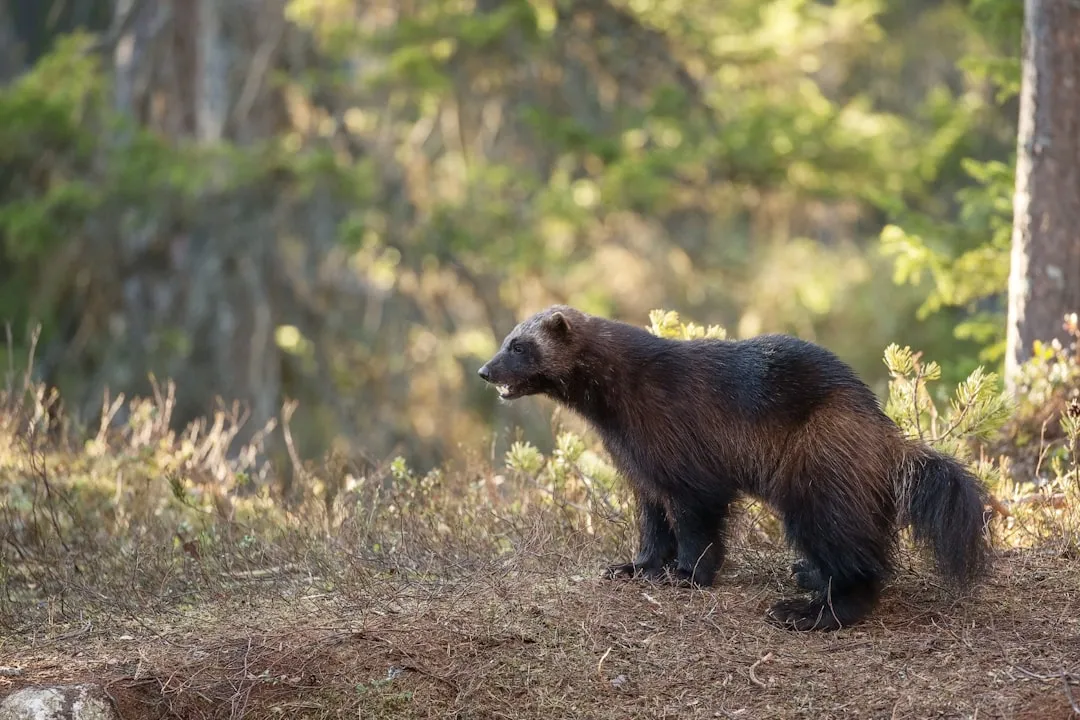
Wolverines embody a rare combination of physical might and practical intelligence that makes their toughness feel earned rather than exaggerated. Their story offers a quiet reminder that resilience often comes from adapting cleverly to whatever the environment throws their way.
In changing landscapes where snow cover and prey patterns shift, these animals continue to demonstrate why their reputation persists across generations of observers. Their example encourages a deeper appreciation for the small but mighty players in wild ecosystems.

- 7 US States With the Most Pikas - July 17, 2026
- 6 US States With the Most Javelinas - July 17, 2026
- 8 US States With the Most Armadillos - July 17, 2026