
Setts are homes, not just pantries
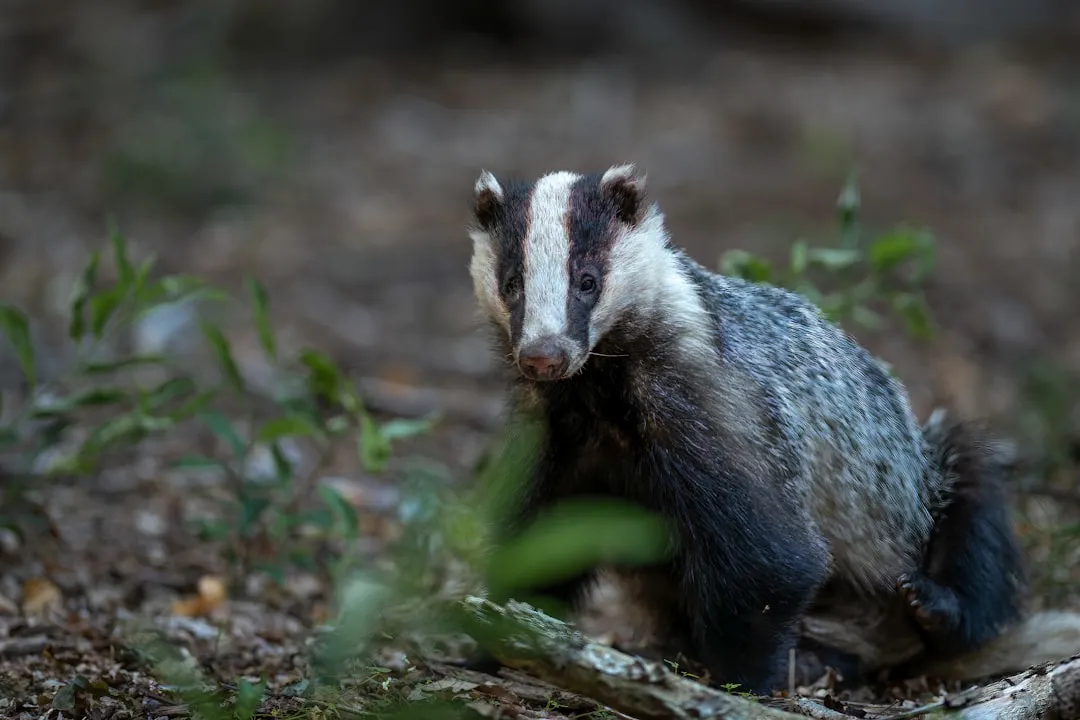
Most people assume a badger’s digging is aimed at catching something to eat, but a huge share of that effort goes into building where the animal actually lives. Badgers dig to create setts, which are their underground homes, and these setts can be extensive, with multiple tunnels and chambers essential for their survival. These aren’t quick scrapes in the dirt either. Their claws can grow up to two inches long, allowing them to efficiently excavate extensive burrows in tough soil, with each claw’s slightly curved shape enhancing grip for unearthing hidden prey and navigating uneven terrain.
What’s striking is just how long-lived these structures can be once the initial digging is done. A sett in northeastern Europe showed evidence of existing for around ten thousand years, which represents an extraordinary amount of building and maintenance. Badgers are also picky about where they start digging in the first place. When it comes to choosing construction sites, badgers are quite selective, preferring well drained, easy to dig soils, often on slopes with natural woodland cover. That preference alone tells you this is planned construction, not a random side effect of foraging.
Digging to mark territory nobody can see
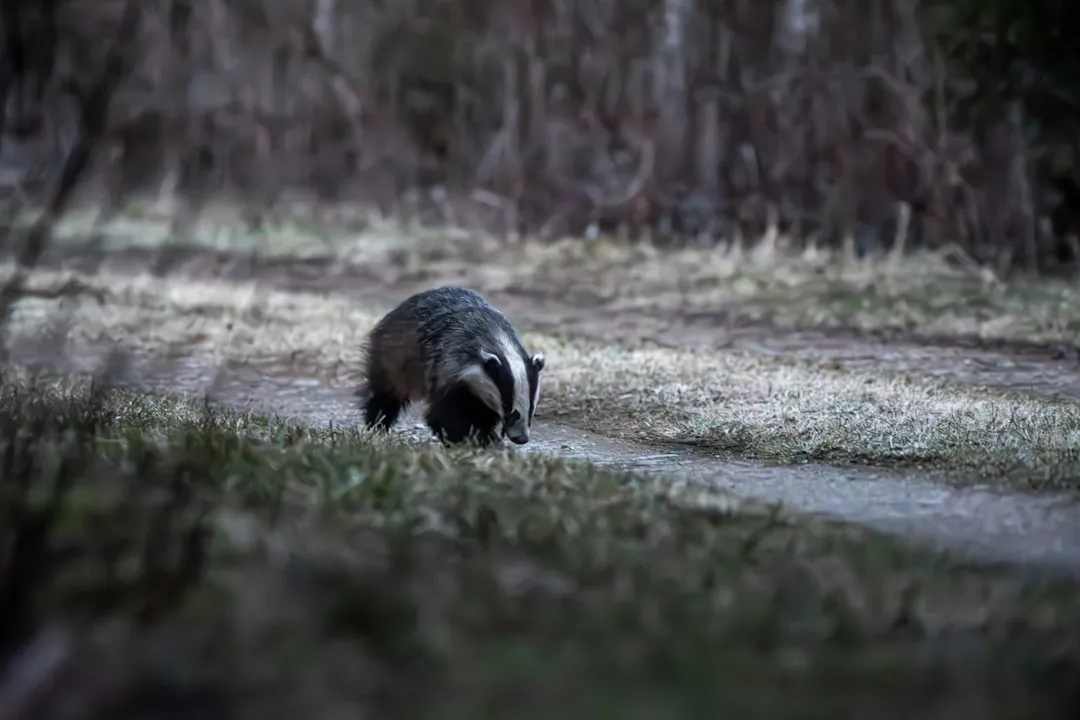
A surprising amount of badger digging has nothing to do with shelter at all. It’s about drawing invisible lines that other badgers can smell. Digging can also be linked to territorial behavior, with badgers creating scrapes and scent marked holes as a way of establishing dominance in an area. These aren’t leftover holes from a failed hunt. They’re purpose built signposts.
The system gets remarkably detailed once you dig into the research. Badgers mark territory around their sett by creating boundary latrines where they deposit feces and urine, communicating ownership and reproductive status to other clans, with these sites strategically placed to define limits without direct confrontation. Scent glands play a central role in this, and European badgers possess a large subcaudal gland used for scent marking territory and other members of the clan, and experiments have shown a badger can distinguish secretions from different individuals. Digging out a fresh latrine pit is essentially posting a sign that says this ground belongs to somebody, and that somebody has a name their neighbours already recognize.</
Climate control, badger style
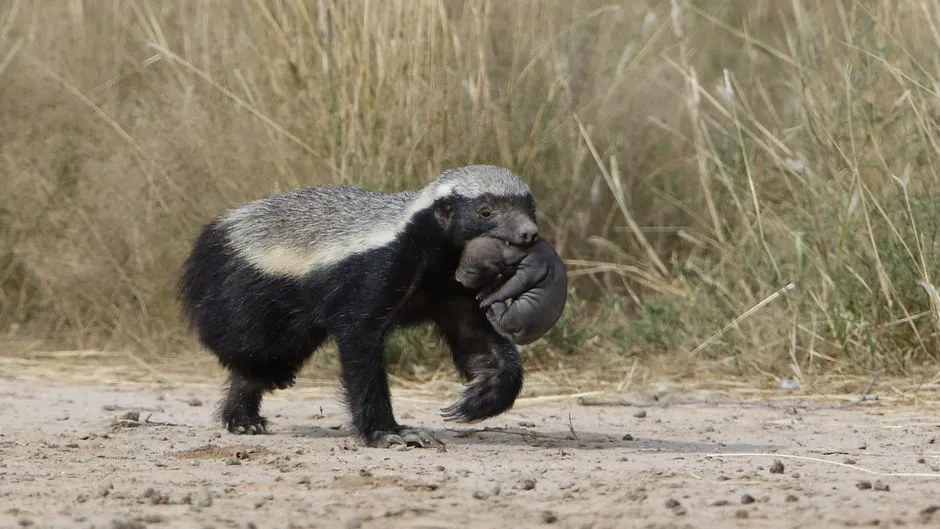
One of the more overlooked reasons badgers keep digging is temperature. A single sett rarely suits every season equally well, so badgers dig backup homes tuned to different conditions. Main setts can flood in winter or overheat in summer, so outliers provide alternatives such as cooler, drier ground when needed, or warmer, more sheltered sites during cold snaps. That’s a level of environmental planning you don’t usually associate with an animal best known for grubbing around in the mud.
The evidence for this goes beyond casual observation too. Long-term studies show that some outliers are chosen precisely because their soil temperature and humidity differ subtly from the main sett’s, proving that badgers don’t just dig where it’s easy, they dig where the microclimate suits their needs. In practice, that means a badger might abandon a perfectly comfortable tunnel in July simply because a damper, cooler outlier a few hundred metres away feels better during a heatwave. It’s less like moving house and more like owning a summer cottage.
Housekeeping underground
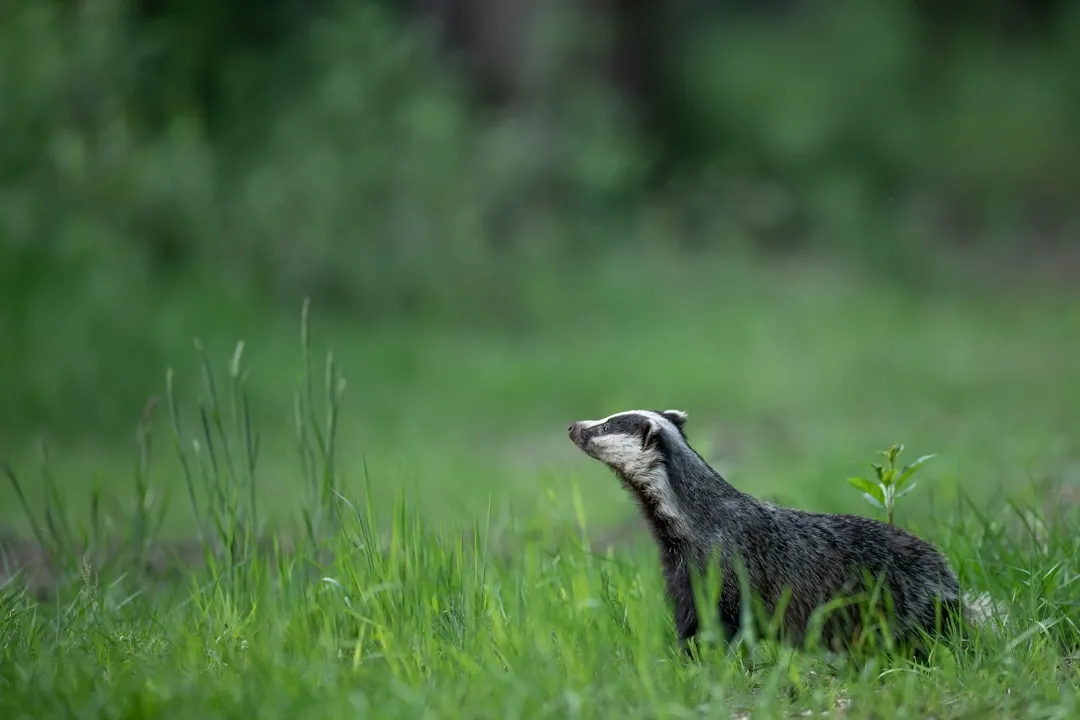
Digging doesn’t stop once a sett is finished. A surprising amount of it is ongoing maintenance, closer to home renovation than construction. Badgers clear debris from tunnels and entrances, often depositing it as spoil heaps outside, reinforce weakened areas by digging and compacting soil to prevent collapses, and regularly add fresh bedding materials such as dry grass and leaves to chambers. That bedding gets swapped out often, and not casually either.
The chambers are lined with dry vegetation that is regularly changed, and during late winter and early spring it is common for badgers to drag the bedding outside to air it out. This kind of cleaning has a practical payoff too. Badgers are meticulous about keeping their setts clean to avoid diseases and parasites, carrying out damp or soiled bedding from sleeping chambers and distributing fresh, dry materials for insulation and comfort. None of that requires catching a single worm, yet it eats up hours of digging and hauling every week.
Digging as an escape plan
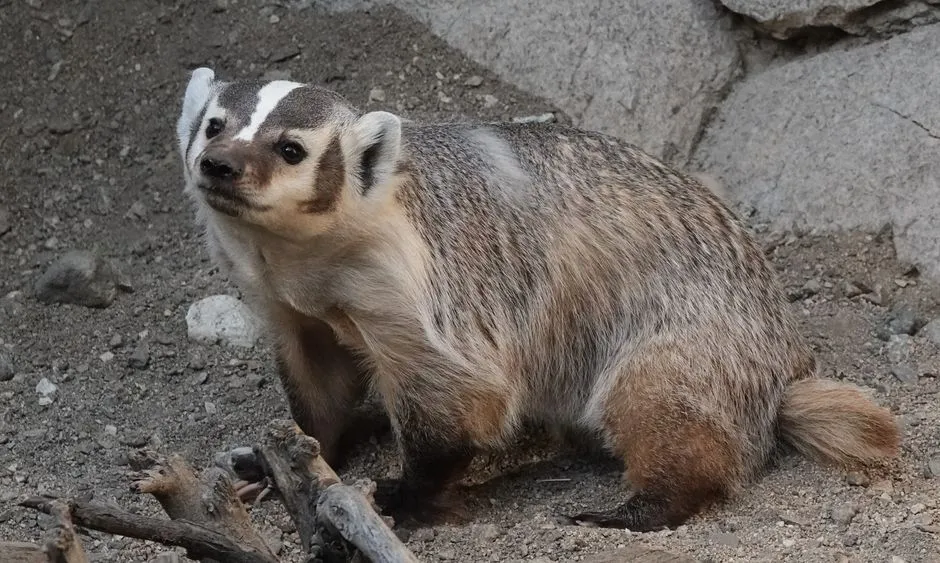
Some digging is defensive rather than domestic, built around the simple possibility that something dangerous might show up. Where large predators share the landscape, that possibility is far from theoretical. In certain forests, badgers have sympatrically occurred with wolves for centuries, and wolves not only hunt and kill badgers but sometimes commandeer badger setts for their own pup rearing. Having multiple entrances and escape tunnels dug in advance is a practical hedge against that kind of pressure.
Interestingly, badgers in landscapes without large predators don’t necessarily behave this way, which hints at how flexible the digging response can be. In areas lacking native large carnivores, mesocarnivores can become naive to the cues of their predators, causing them to display fearless behaviour in the face of risk. That contrast is a good reminder that digging habits aren’t fixed instincts stamped out the same way everywhere. They shift depending on what actually threatens the animal doing the digging.
Family business: nurseries and generational tunnels
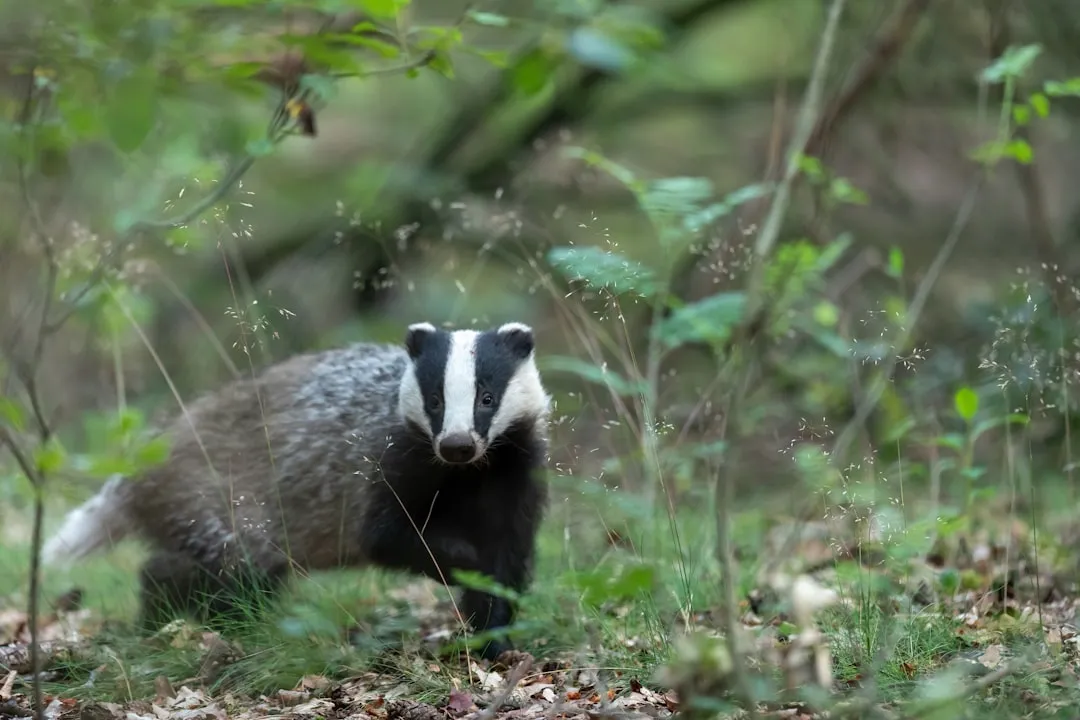
A lot of digging is really about accommodating more badgers, not more food. Clans grow, cubs arrive, and the sett has to keep pace. Clans may dig a new chamber for each successive brood of cubs, and setts may be inhabited by several generations of badgers. In one especially well documented case, a sett was inhabited by the same family of badgers for more than two hundred years.
This generational digging even extends to satellite locations built specifically for raising young away from a crowded main sett. Most cubs are born underground between late January and March, and subordinate females sometimes rear their litters in quiet outlier chambers, especially when the main sett is crowded, with these nursery outliers bursting briefly into life with fresh spoil, clean bedding, and worn paths before falling silent again. It’s a strangely relatable pattern. When the household gets crowded, someone digs a quieter spot down the hall.
Leaving a mark on the landscape itself
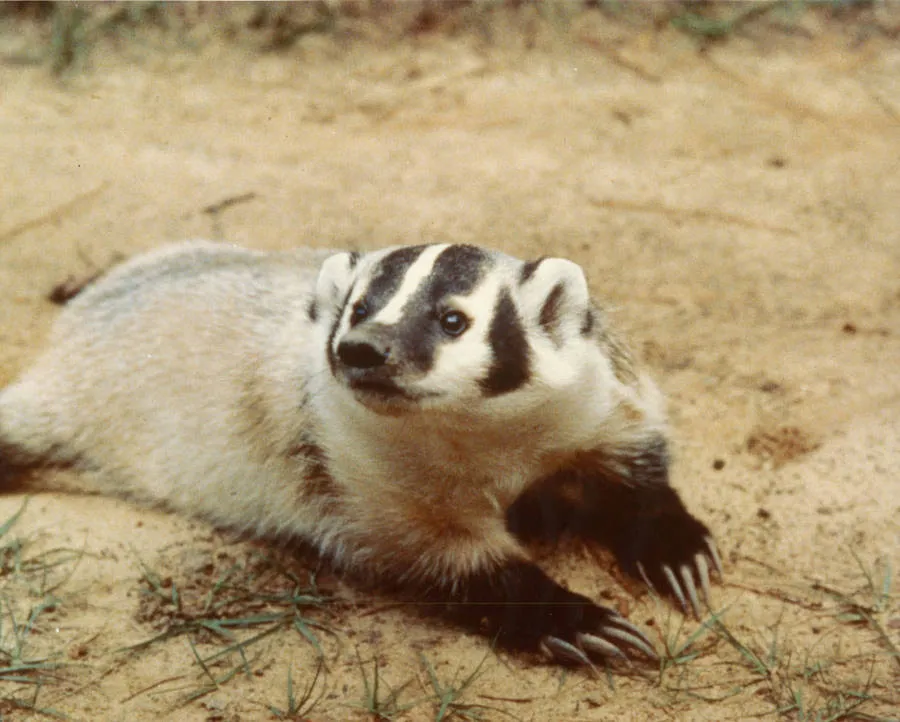
Step back far enough and badger digging starts to look less like individual behaviour and more like landscape engineering. The sheer volume of earth they move changes the ground around them in ways that outlast any single badger. Their digging aerates the soil, helps seeds spread, and creates microhabitats for other creatures, with abandoned setts becoming homes for foxes, rabbits, and even owls. Few animals leave that kind of physical footprint just by going about their daily routine.
That legacy effect is well documented beyond casual observation too. An abandoned badger sett often gets reused by foxes, rabbits, or other wildlife seeking ready made burrows, as the structure provides shelter without the effort of digging from scratch, and over time this reuse promotes biodiversity by offering habitats to multiple species. A badger digging a tunnel today might, decades later, be providing shelter to an animal that never even met it. That’s a strange kind of inheritance to leave behind, and it happens purely as a byproduct of an animal doing what comes naturally.
Final thoughts
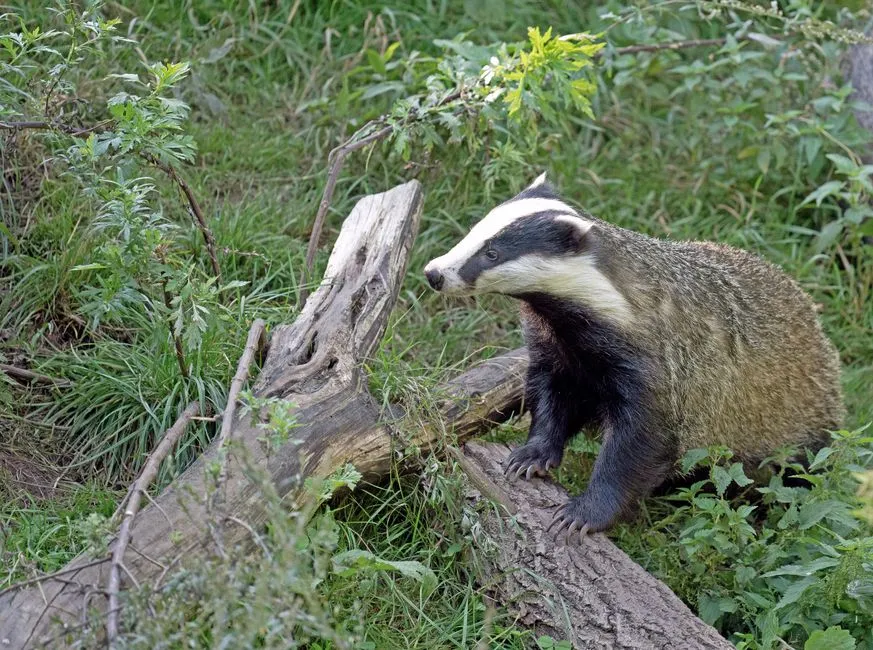
Once you line up all the reasons badgers dig, the hunting explanation starts to look almost incidental. Most of the digging that shapes a badger’s life is about architecture, hygiene, family planning, climate comfort, and boundary lines drawn in scent rather than paint. It’s an animal quietly running a construction project that never really finishes.
If there’s a takeaway worth holding onto, it’s that digging for badgers isn’t a side behaviour bolted onto hunting. It’s closer to the actual core of what being a badger means, with foraging as just one entry on a much longer to do list. Next time you spot a fresh mound of earth in a hedgerow with no prey in sight, it’s worth assuming the badger behind it had something else entirely on its mind.

- 6 US States With the Most Javelinas - July 17, 2026
- 8 US States With the Most Armadillos - July 17, 2026
- Why Badgers Dig Even When They Aren't Hunting - July 17, 2026