
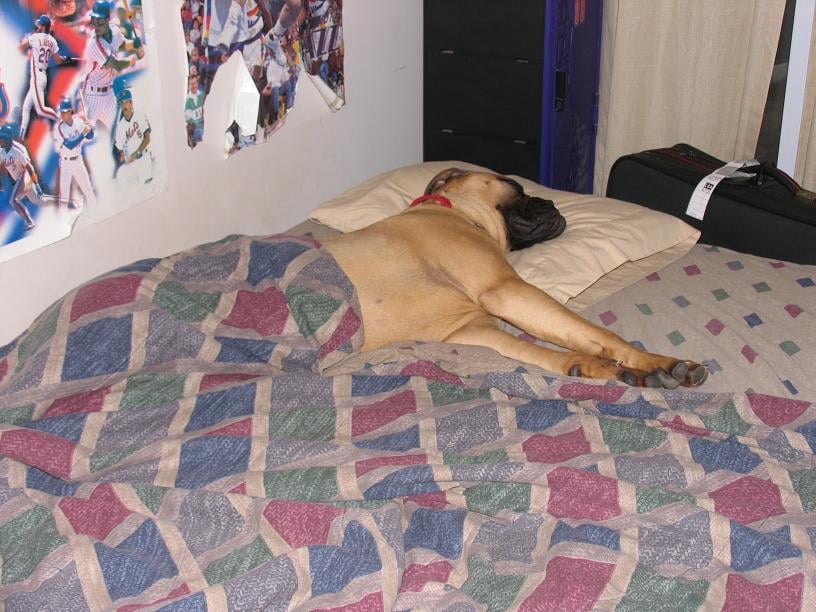
Ever Wondered Why Your Dog Takes Over Your Pillow When You’re Not Home?
Imagine coming home after a long day to find your furry friend nestled comfortably on your pillow. At first glance, it might seem like a mischievous act or a display of defiance. However, animal behaviorists suggest a more heartwarming explanation: your dog is seeking solace in your scent to ease the anxiety of your absence
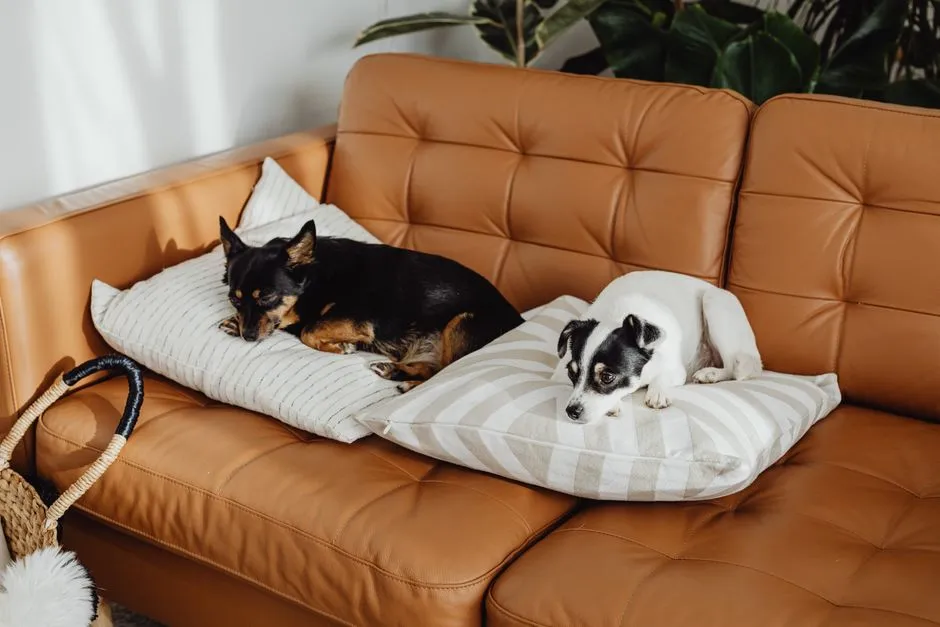
A dog sleeping on a pillow is usually a sign of deep affection, trust, and scent-bonding. Pillows retain high concentrations of your facial oils and scent, making them highly comforting and anxiety-relieving for your dog. It can also simply mean they like the plush physical comfort.
The Power of Scent in Canine Comfort
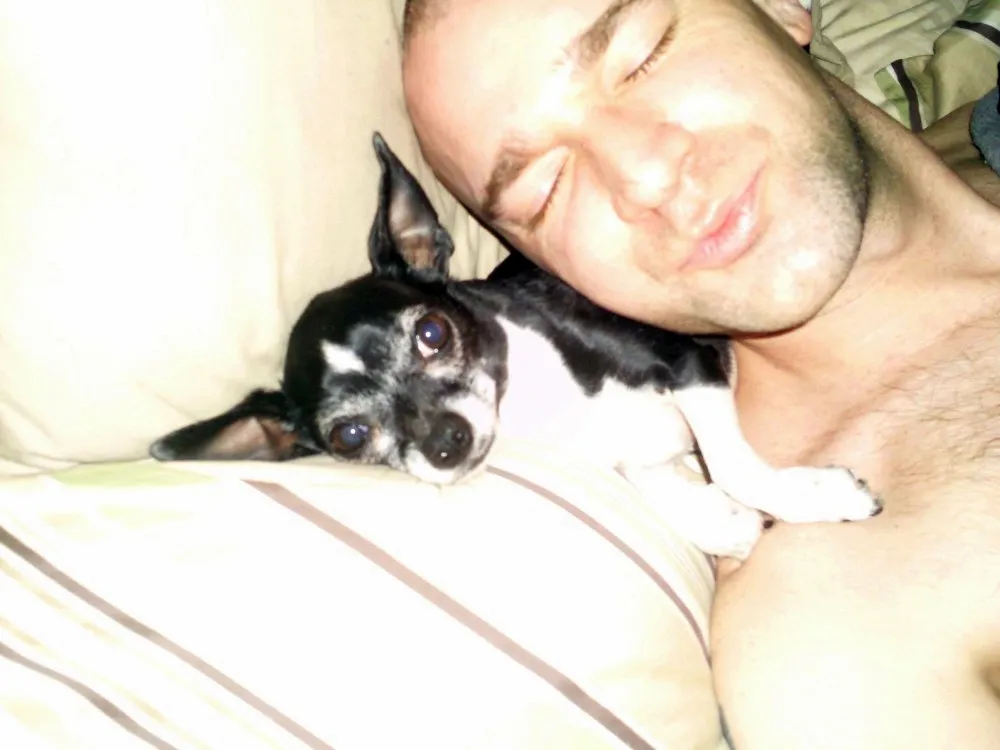
Dogs possess an extraordinary sense of smell, far superior to humans. Your pillow, imbued with your unique scent, becomes a source of comfort for your pet. When you’re away, this familiar aroma provides a reassuring presence, helping to alleviate feelings of loneliness or stress.
This behavior is akin to a child clinging to a parent’s clothing for comfort. The scent acts as a bridge, connecting your dog to you even when you’re not physically present.
Instinctual Behaviors Rooted in Pack Dynamics
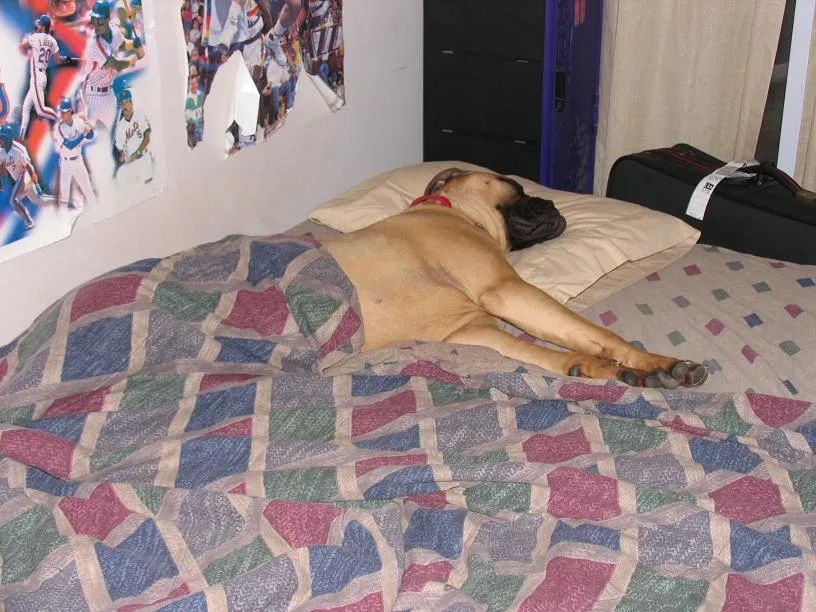
In the wild, dogs are pack animals that rely on close physical proximity for safety and bonding. Sleeping in the same space as their pack leader fosters a sense of security. By resting on your pillow, your dog is instinctively seeking closeness to their ‘pack leader’ – you.
This behavior underscores the deep bond between you and your pet, reflecting their trust and affection.
Addressing Separation Anxiety Through Familiar Scents
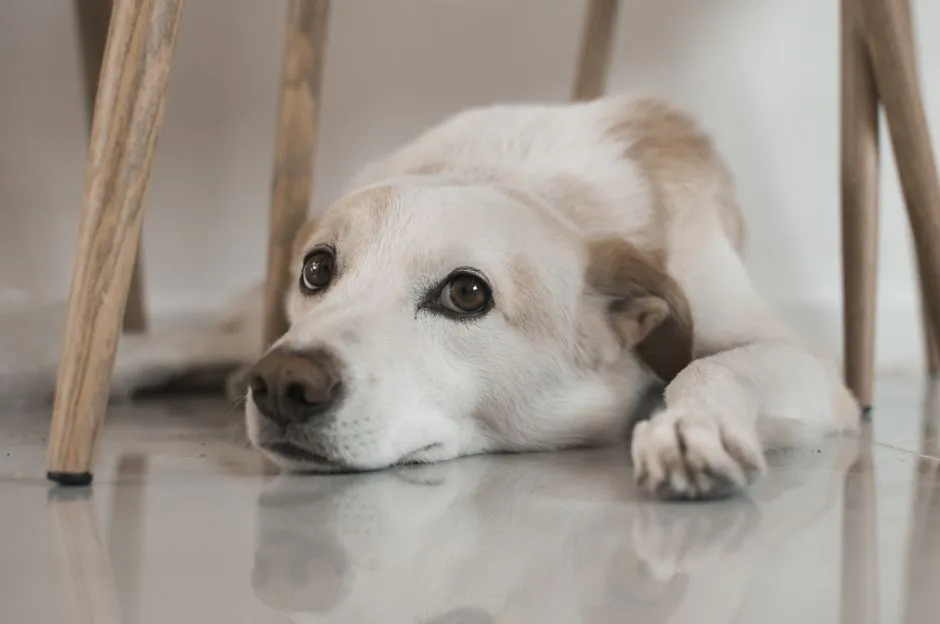
Separation anxiety is a common issue among dogs, manifesting in behaviors like excessive barking, destructive chewing, or, in this case, occupying your pillow. The familiar scent of their owner can significantly reduce anxiety levels, providing a calming effect during periods of solitude.
Understanding this can help pet owners develop strategies to comfort their dogs, such as leaving behind worn clothing or providing scent-infused toys.
Is This Behavior a Cause for Concern?
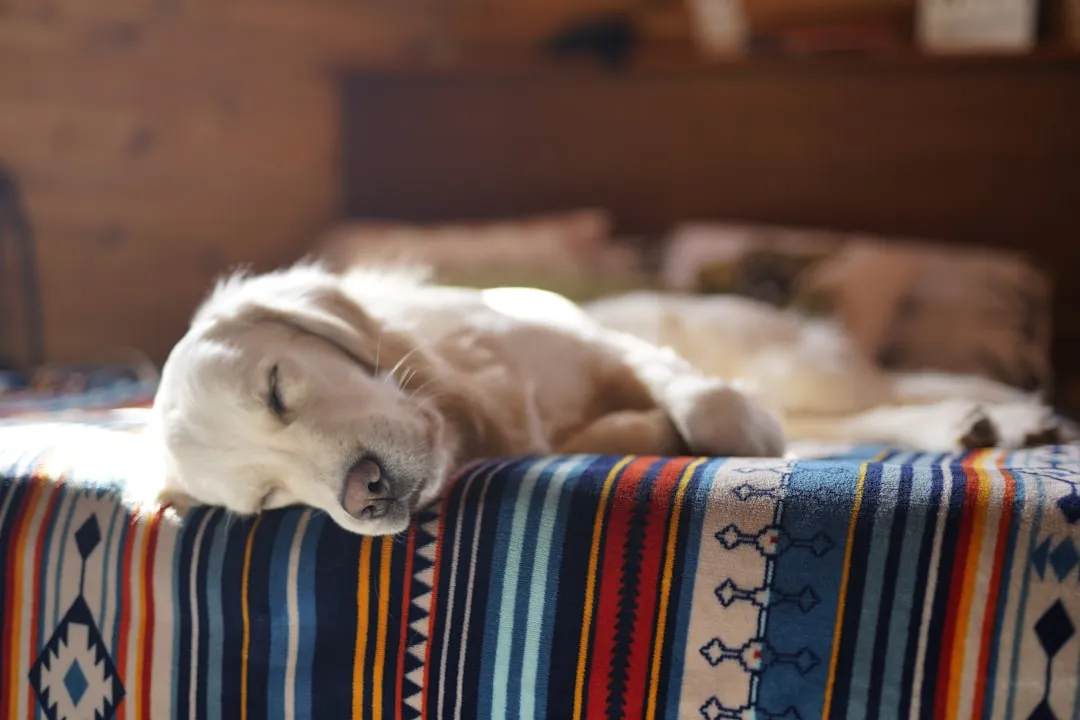
Generally, a dog sleeping on your pillow in your absence is harmless and indicates a strong bond. However, if this behavior is accompanied by other signs of distress or becomes disruptive, it may be worth consulting a veterinarian or animal behaviorist.
Implementing consistent routines and providing alternative comfort items can help manage and potentially reduce this behavior over time.
Creating a Comforting Environment for Your Dog
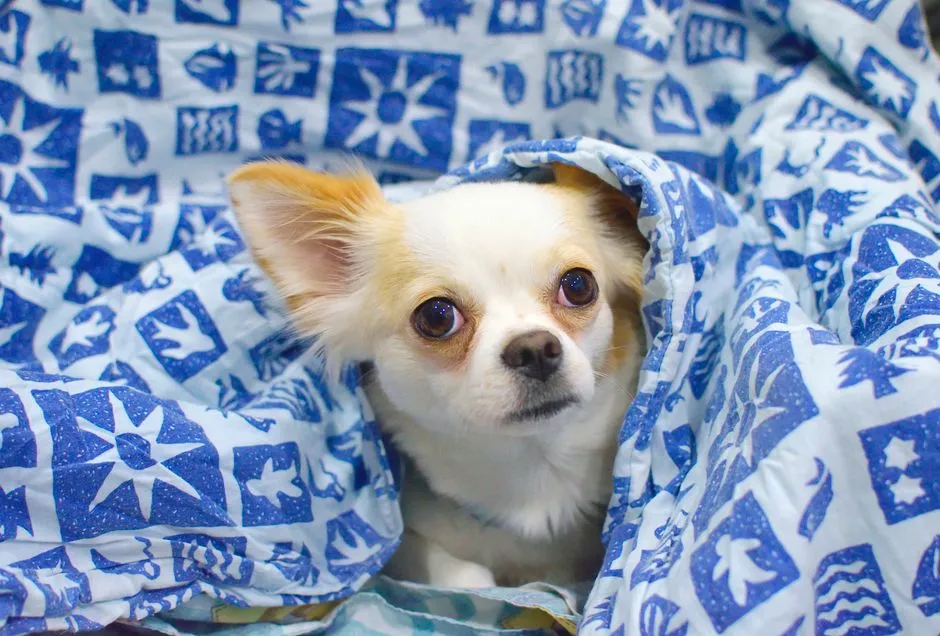
To help your dog feel secure when you’re not home, consider providing a designated sleeping area with items that carry your scent. This could be a blanket or a piece of clothing you’ve recently worn.
Additionally, ensuring your dog has engaging toys and a comfortable environment can distract them from your absence and reduce anxiety-related behaviors.
Strengthening the Human-Canine Bond
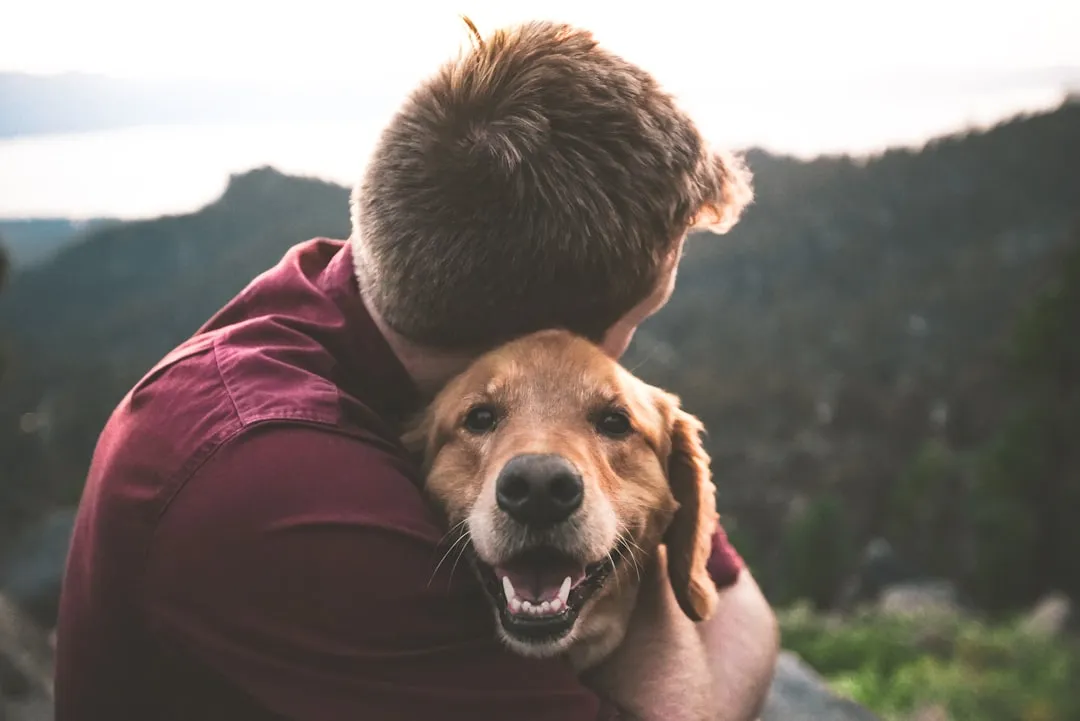
Recognizing and understanding your dog’s behaviors can deepen the bond you share. By acknowledging their need for comfort and security, you can take steps to ensure they feel safe, even when you’re not around.
After all, isn’t it heartening to know that your dog finds solace in your scent, a testament to the profound connection between humans and their canine companions?
Conclusion
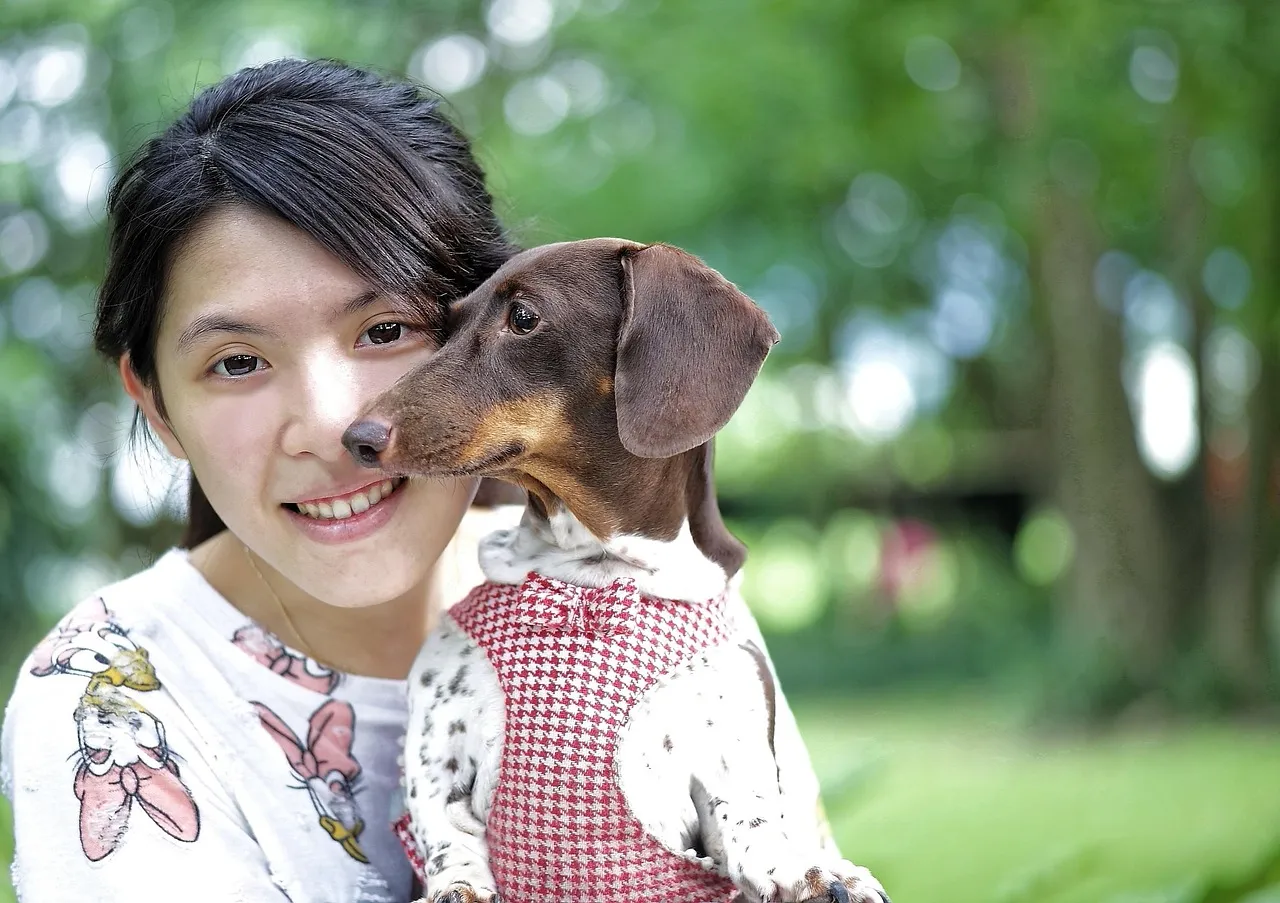
So, the next time you find your dog curled up on your pillow after a day away, remember: it’s not an act of rebellion but a heartfelt expression of their love and longing for you. Embracing this perspective can transform a seemingly naughty habit into a touching reminder of the special bond you share. Isn’t it comforting to know that your scent can provide such solace to your loyal friend?

- 7 Apex Predators That Are Actually Afraid of One Specific Animal Smaller Than Themselves and the Encounters That Confirmed It - July 18, 2026
- 10 Animals That Researchers Confirmed Can Recognize Themselves in a Mirror – and the One Near the Bottom of the List That Rewrote the Criteria Entirely. - July 18, 2026
- 6 Most Shark-Dense Coastlines Outside the United States That Tourism Boards Have Been Very Quiet About - July 18, 2026