
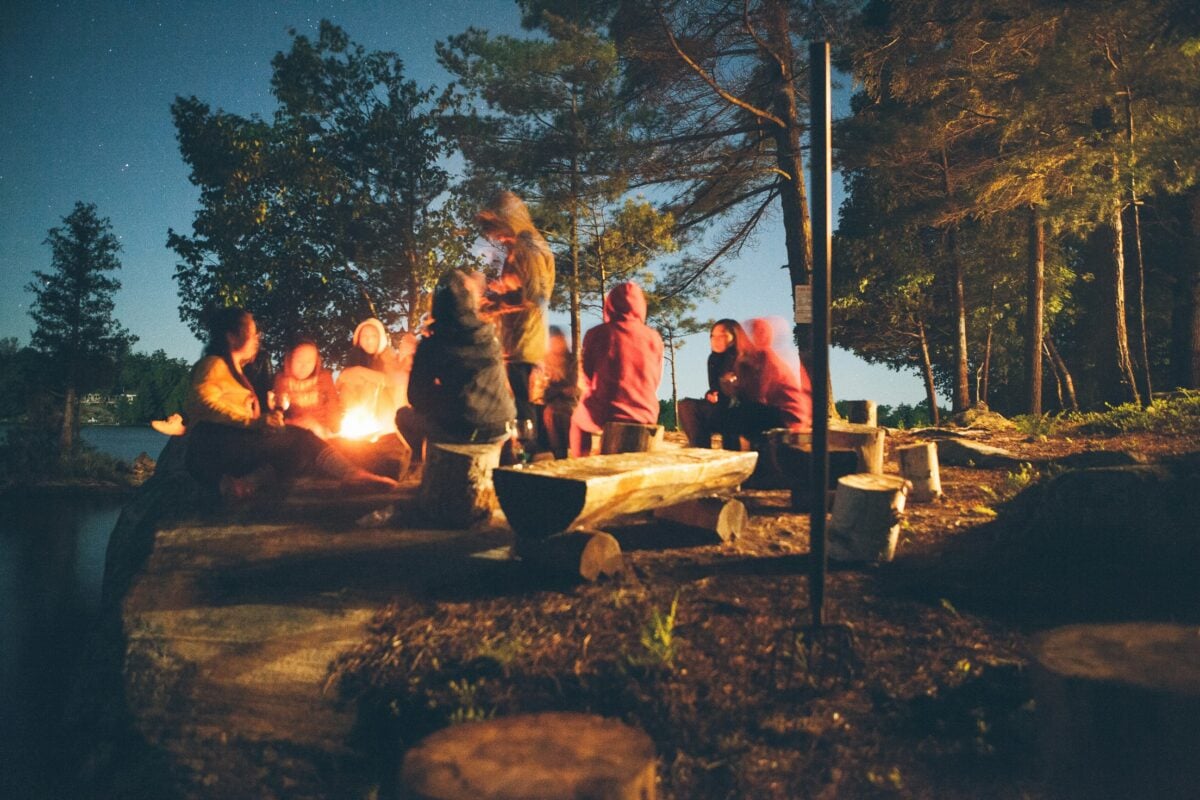
There’s something undeniably captivating about fire. Whether it’s the gentle flicker of a candle or the roaring blaze of a campfire, humans are drawn to flames in a way that transcends mere necessity. But why does fire hold such a mesmerizing grip on our attention? Evolutionary biology offers insights that trace this fascination back to adaptations far older than language itself.
The Evolutionary Roots of Fire Fascination
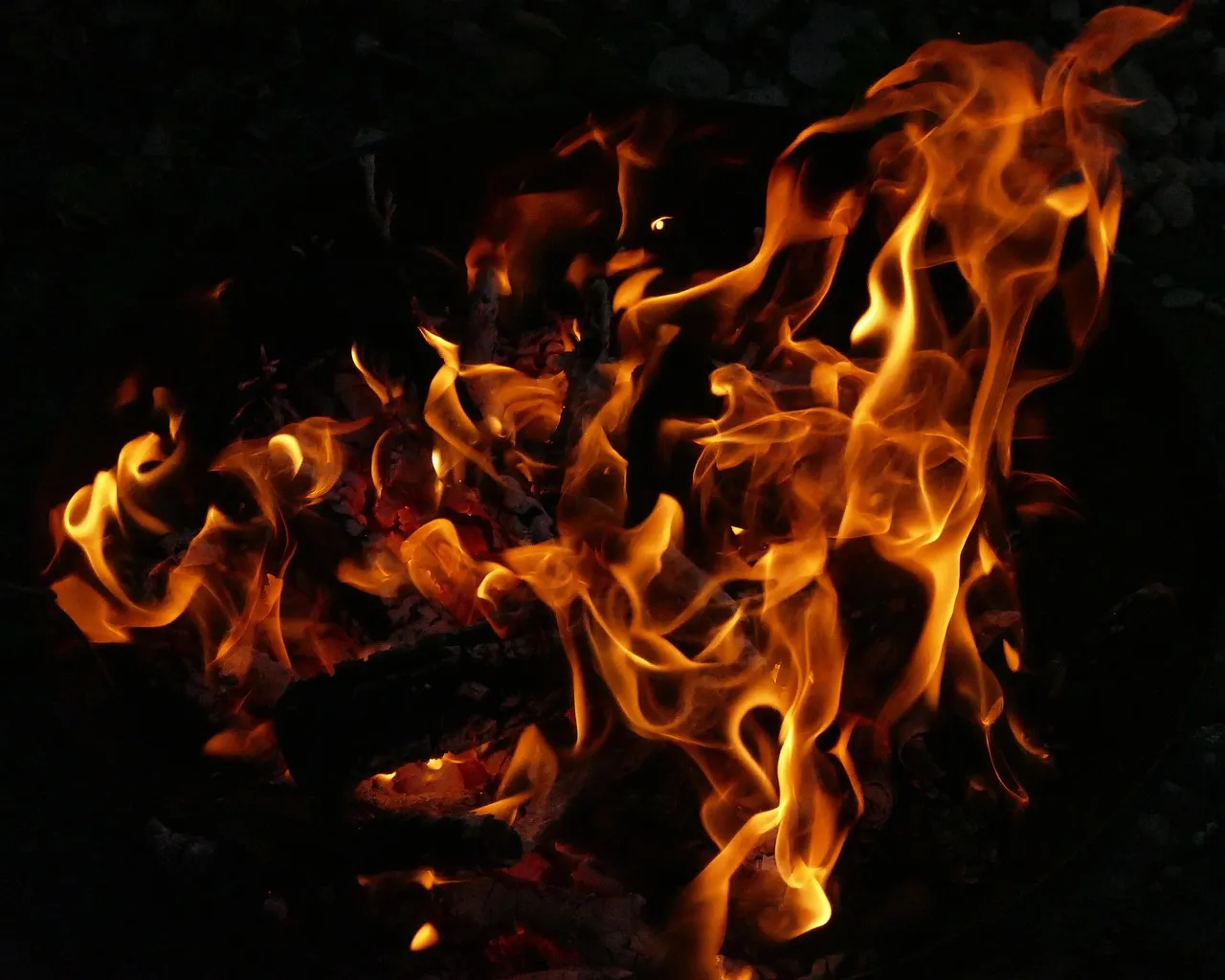
Our ancestors’ relationship with fire began over a million years ago. Early hominins, such as Homo erectus, not only utilized fire for warmth and cooking but also integrated it deeply into their daily lives. This prolonged exposure likely led to an innate attraction to fire, embedding it into our evolutionary psyche.
This intrinsic interest wasn’t merely about survival. The ability to control fire provided a significant evolutionary advantage, influencing social structures, protection mechanisms, and even cognitive development. Over time, this relationship became so ingrained that the mere sight of fire could evoke feelings of comfort and security.
Fire’s Role in Cognitive Development
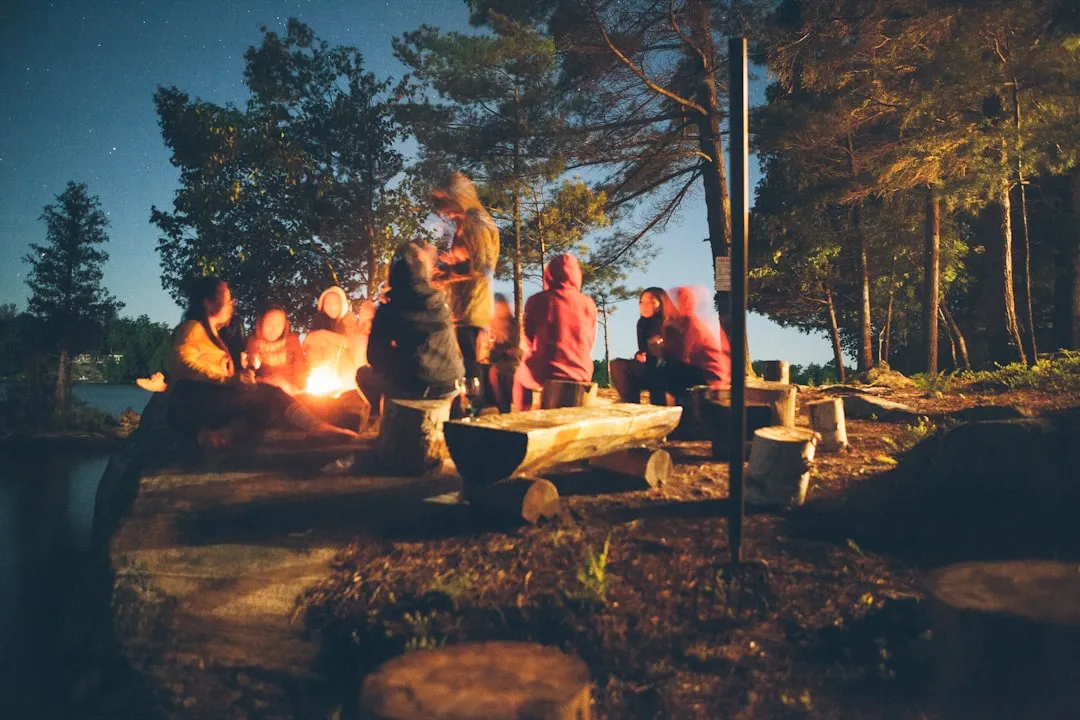
Beyond its practical uses, fire played a pivotal role in shaping human cognition. The communal gatherings around fires fostered storytelling, the sharing of knowledge, and the development of complex social bonds. These interactions likely accelerated the evolution of language and abstract thinking.
Moreover, the hypnotic nature of fire may have influenced our attention and focus. The rhythmic patterns and warmth could induce a meditative state, promoting relaxation and introspection, further enhancing cognitive functions.
Fire and the Human Sleep Cycle

The mastery of fire also had profound effects on human sleep patterns. The light and warmth from fires extended daylight hours, allowing for increased activity and social interaction after sunset. This shift not only altered our circadian rhythms but also provided a safer environment for rest, reducing the threat from nocturnal predators.
Additionally, the security offered by fire-enabled deeper, more restorative sleep. This quality of rest is crucial for memory consolidation and overall cognitive health, suggesting that fire indirectly contributed to the development of more complex brain functions.
Fire’s Influence on Social Structures
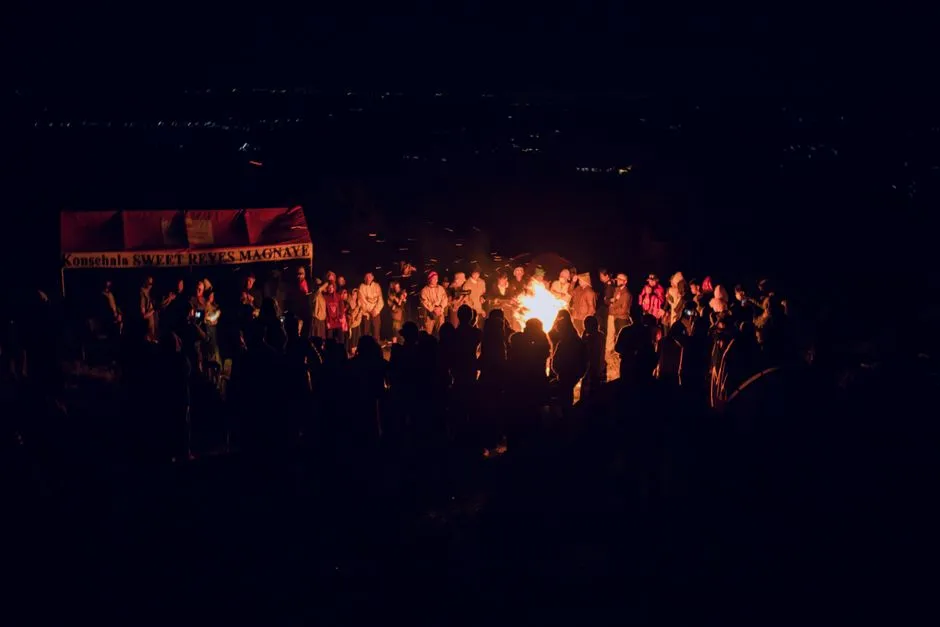
Gathering around a fire created a communal space that reinforced social bonds. These gatherings were not just about warmth or cooking; they became centers for communication, collaboration, and cultural transmission. The shared experience of fire likely played a role in the formation of early human societies and the establishment of communal norms.
The act of maintaining a fire required cooperation and shared responsibility, fostering a sense of community and mutual dependence. This collaborative effort may have been a driving force behind the development of complex social behaviors and structures.
The Mesmerizing Effect of Fire
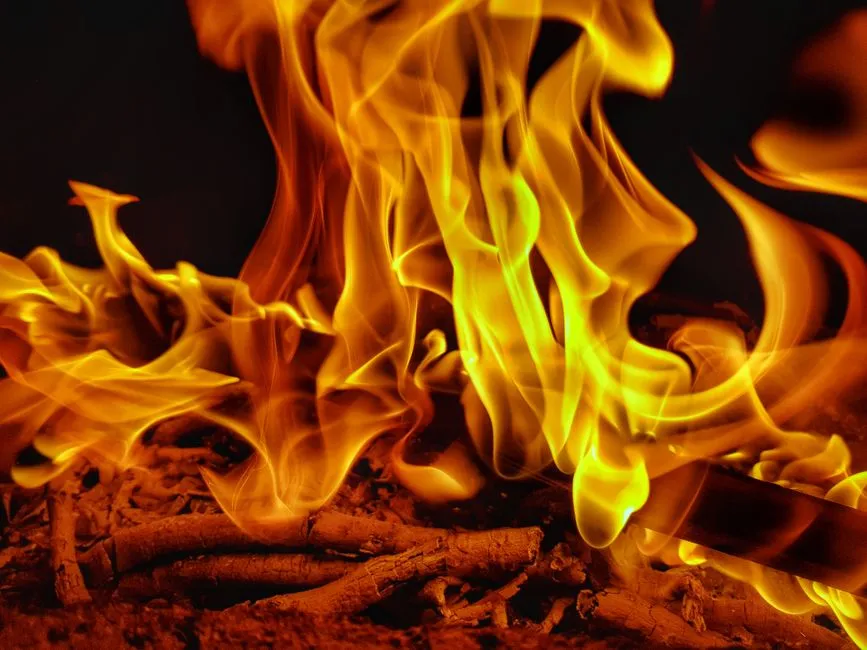
The allure of fire isn’t solely due to its utility. The dynamic, unpredictable nature of flames captures our attention, engaging our senses in a unique way. This fascination may be rooted in our evolutionary history, where attentiveness to fire was crucial for survival.
Modern studies suggest that watching fire can induce relaxation and reduce blood pressure, indicating a deep-seated, calming effect. This response could be a remnant of our ancestors’ reliance on fire for safety and comfort.
Fire and the Development of Cooking
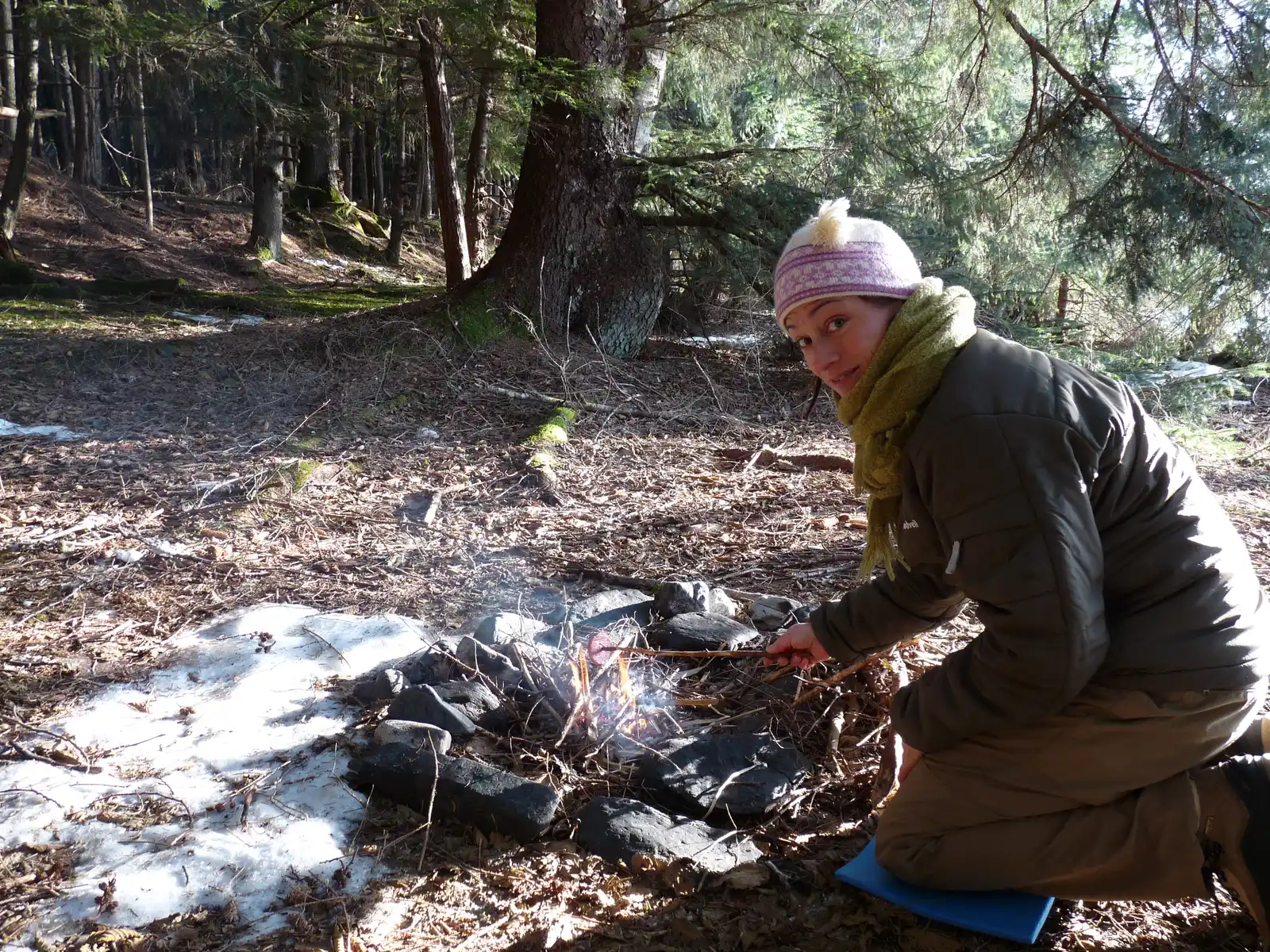
The advent of cooking, made possible by fire, had significant implications for human evolution. Cooking food not only made it more palatable but also easier to digest, allowing for more efficient nutrient absorption. This dietary change is believed to have supported the development of larger brains and more complex cognitive functions.
Furthermore, the communal aspect of cooking and eating around a fire reinforced social bonds and facilitated the sharing of resources, contributing to the cooperative nature of human societies.
Fire’s Role in Protection and Tool Use
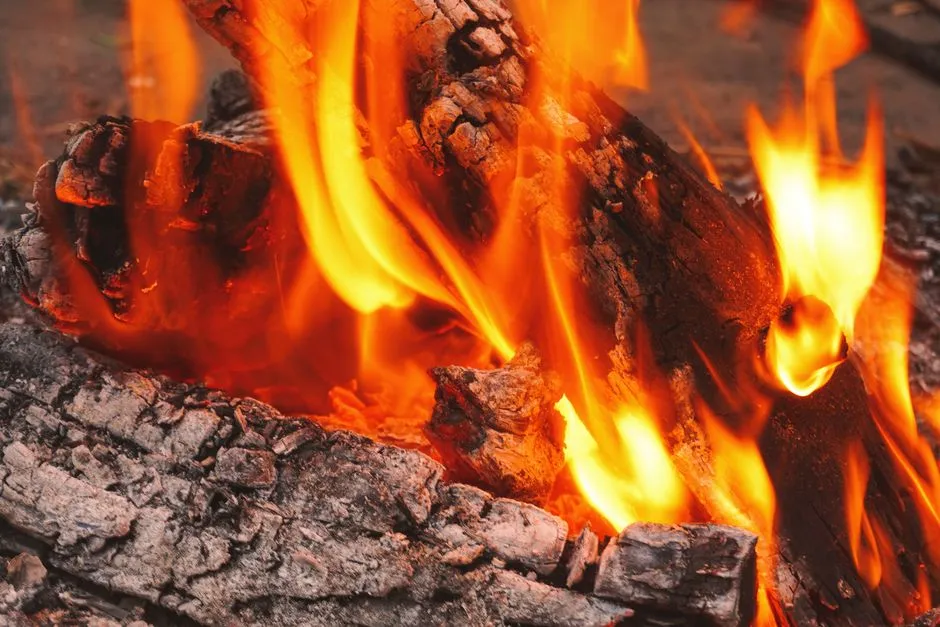
Beyond its social and dietary impacts, fire served as a protective tool against predators and a means to manipulate the environment. The ability to control fire allowed early humans to inhabit a wider range of environments and adapt to various challenges.
The use of fire in tool-making processes, such as hardening wooden spears or processing materials, showcases its integral role in technological advancements. This mastery over fire not only enhanced survival but also spurred innovation and creativity.
Conclusion

Our enduring fascination with fire is more than a mere appreciation for its warmth or utility. It is a testament to the profound impact fire has had on our evolutionary journey, shaping our biology, cognition, and social structures. This deep-seated attraction underscores the intricate relationship between humans and fire, a bond that has been burning brightly since the dawn of our species.

- There Is a Spot in the Pacific Ocean So Remote That the Nearest Humans Are Sometimes the Astronauts on the International Space Station Overhead - July 18, 2026
- The Oldest Living Animal Ever Documented Was Killed the Moment Scientists Discovered How Old It Was - July 18, 2026
- Wildlife Science Says a Wolf Howling Alone in the Dark Is Not Calling Its Pack – It Is Doing the Opposite and the Distinction Changes How We Understand Lone Wolves Entirely - July 18, 2026