
Imagine gazing into a mirror and recognizing the face staring back as your own. This seemingly simple act is a profound indicator of self-awareness, a trait once believed to be uniquely human. However, research has unveiled that several animals share this remarkable ability. Let’s delve into ten such creatures, culminating with one that challenged and redefined our understanding of self-recognition.
Chimpanzees: Pioneers of Self-Recognition
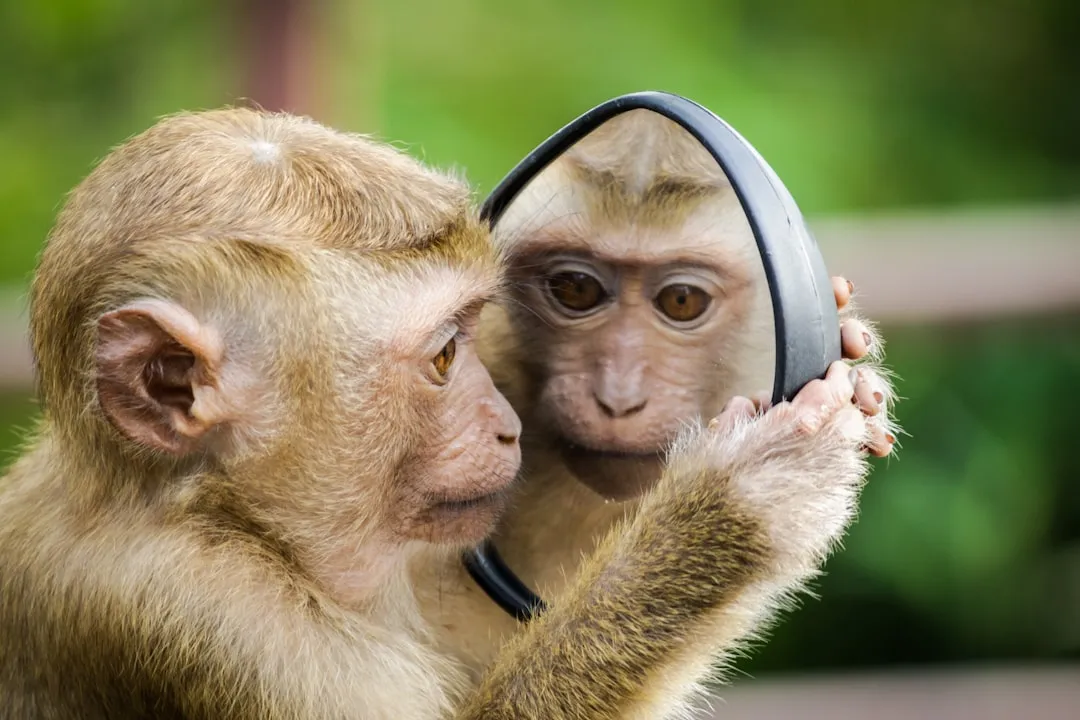
In 1970, psychologist Gordon Gallup Jr. introduced the mirror test, revealing that chimpanzees could identify themselves in reflections. These primates exhibited behaviors like inspecting their bodies and touching marks placed on them, indicating a clear sense of self.
This discovery was groundbreaking, suggesting that self-awareness wasn’t exclusive to humans. Chimpanzees’ ability to recognize themselves hinted at complex cognitive processes, reshaping our understanding of animal intelligence.
Orangutans: The Reflective Apes
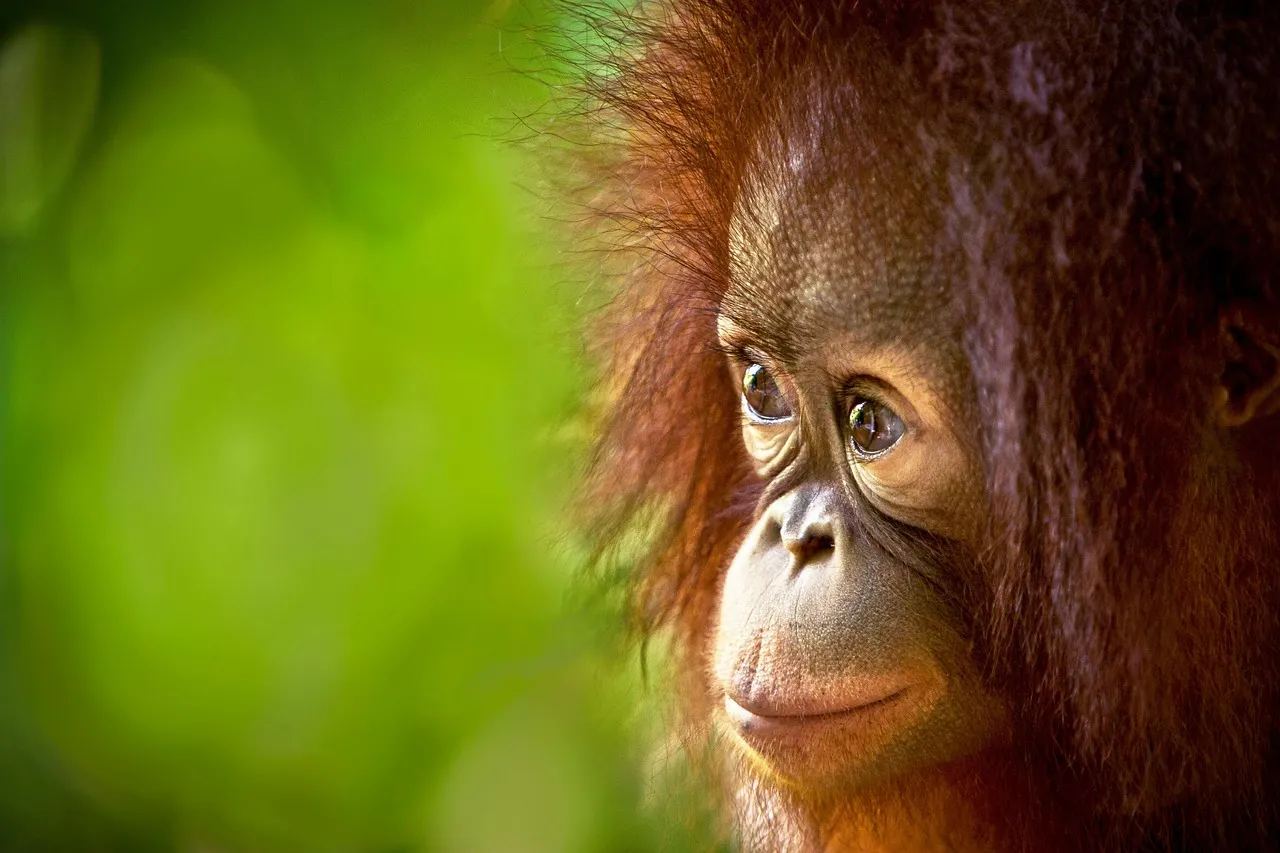
Following chimpanzees, orangutans also demonstrated self-recognition. When presented with mirrors, they engaged in self-directed behaviors, such as examining parts of their bodies not typically visible.
These actions suggest a level of introspection, highlighting the cognitive depth of orangutans. Their responses to their reflections underscore the rich inner lives of these apes.
Bottlenose Dolphins: Aquatic Self-Awareness
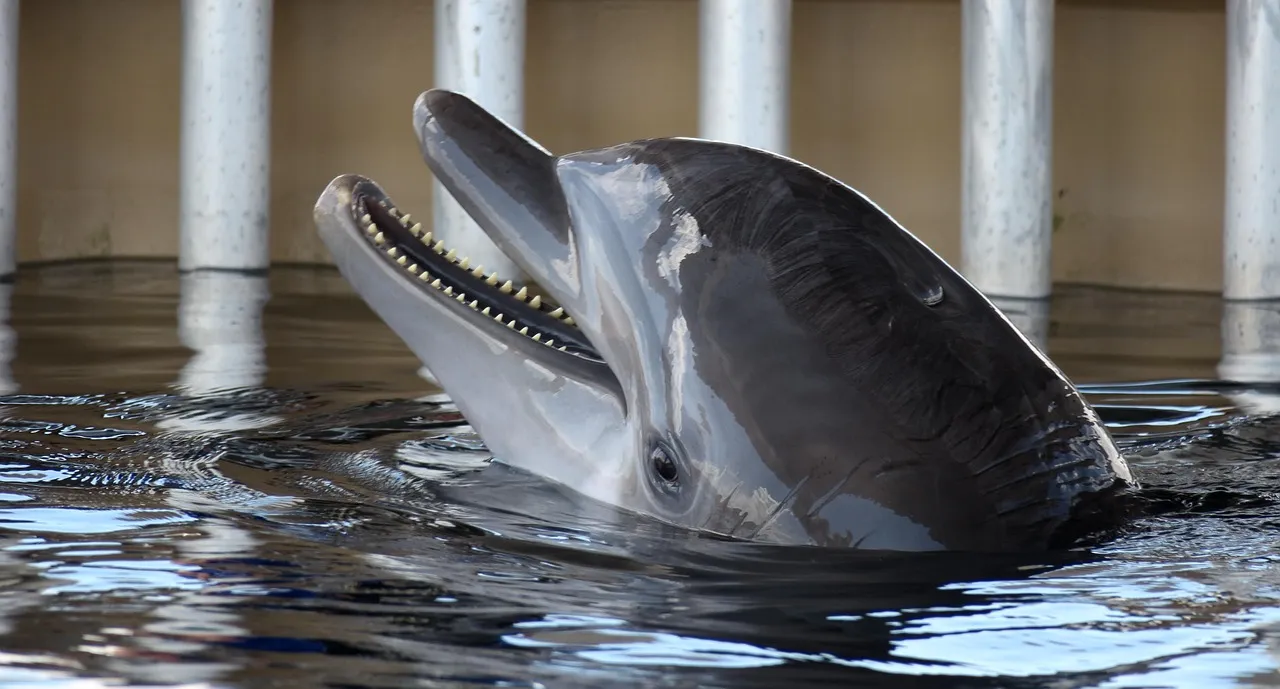
Dolphins, known for their intelligence, have also passed the mirror test. They use mirrors to inspect themselves, often examining marks placed on their bodies.
This behavior indicates a sophisticated level of self-awareness, suggesting that complex cognition isn’t limited to land mammals. Dolphins’ interactions with their reflections reveal their advanced social and cognitive abilities.
Asian Elephants: Gentle Giants with Self-Perception
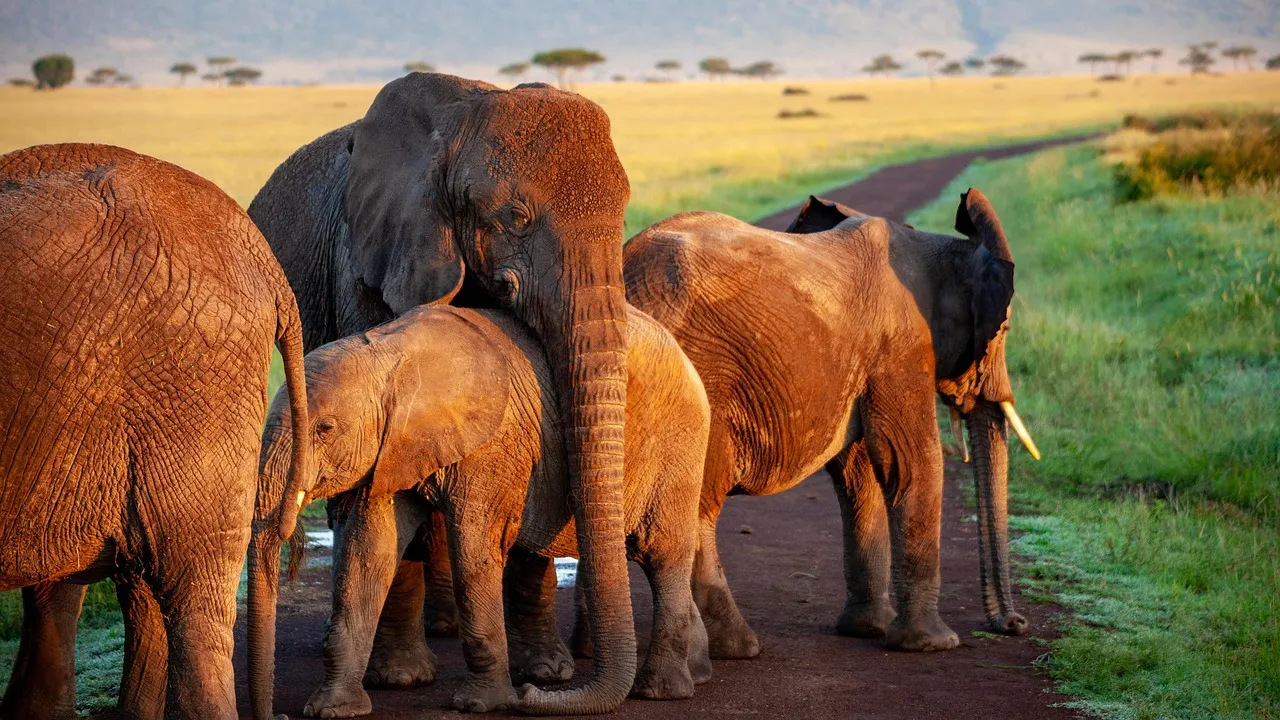
Asian elephants have shown the ability to recognize themselves in mirrors. They engage in behaviors like touching marks on their bodies and using mirrors to explore themselves.
This self-recognition points to a high level of cognitive function, emphasizing the emotional and social complexity of elephants. Their interactions with mirrors provide insight into their self-awareness.
Magpies: Feathered Minds
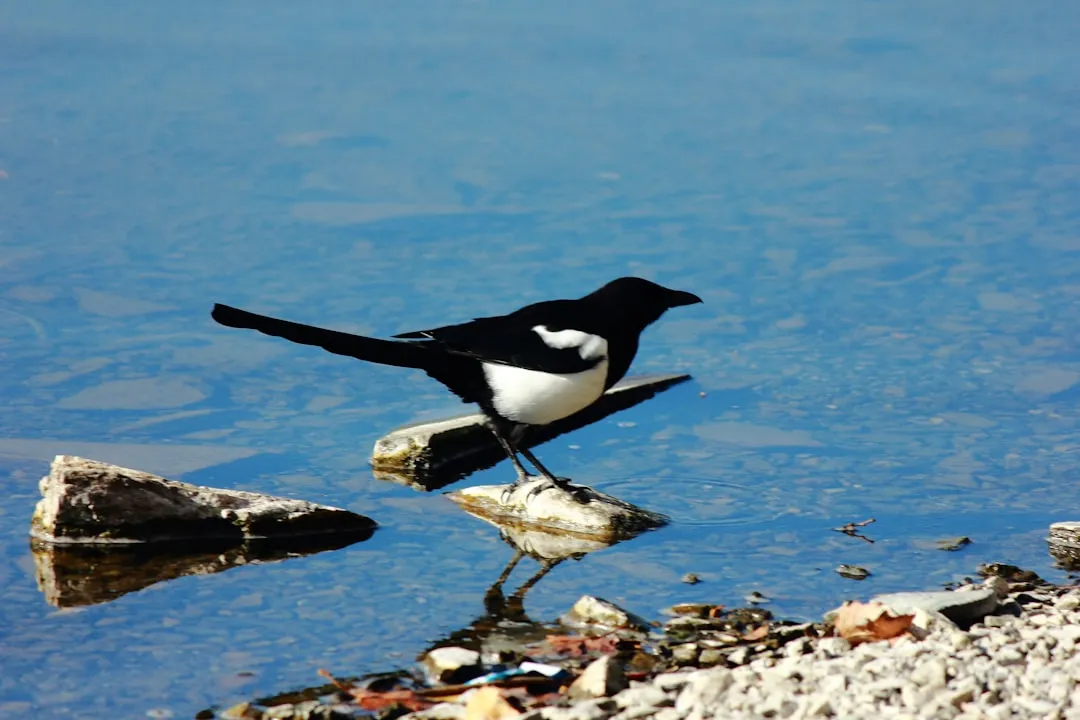
Eurasian magpies are among the few bird species to pass the mirror test. They use mirrors to inspect and remove marks on their bodies, indicating self-recognition.
This finding challenges the notion that self-awareness is limited to mammals, showcasing the cognitive capabilities of certain avian species. Magpies’ behaviors suggest a level of introspection previously unrecognized in birds.
Gorillas: Complex Cognition in the Mirror
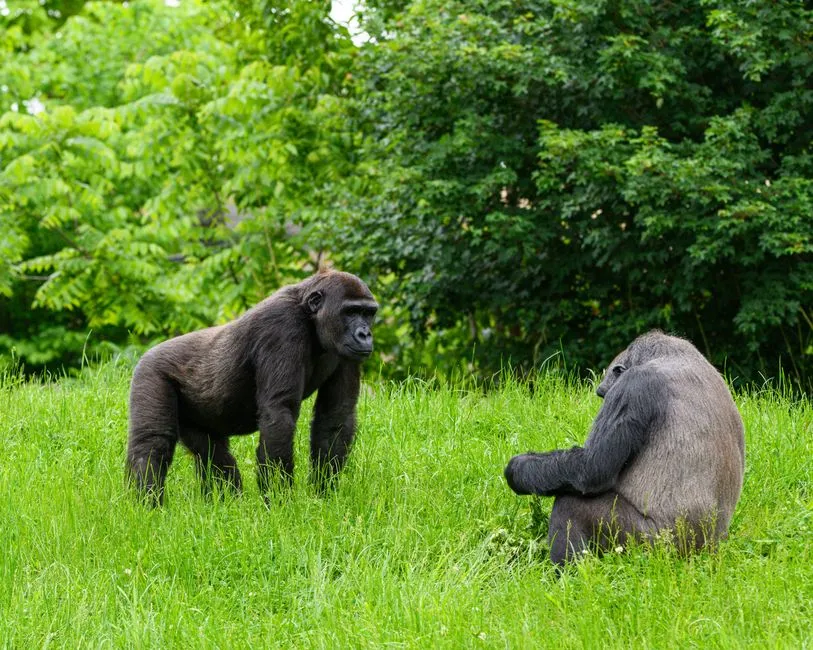
Gorillas have exhibited mixed results in mirror tests. Some individuals recognize themselves, while others do not, indicating variability in self-awareness within the species.
This variability suggests that self-recognition may be influenced by factors such as environment, upbringing, or individual differences. Gorillas’ responses to mirrors continue to intrigue researchers studying primate cognition.
Beluga Whales: Arctic Self-Recognition
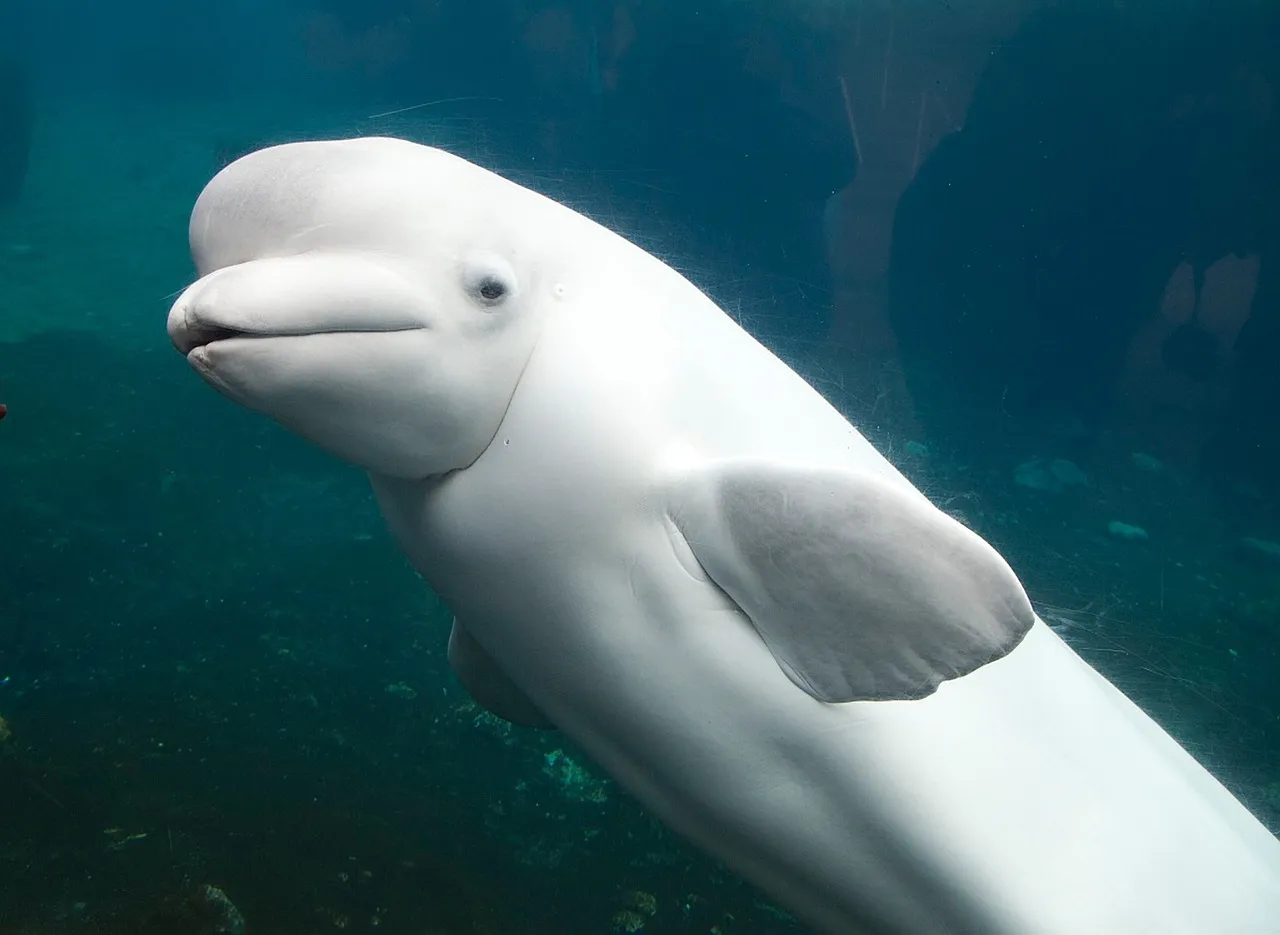
Recent studies have shown that beluga whales can recognize themselves in mirrors. They engage in behaviors like blowing bubbles and examining their mouths, indicating self-awareness.
This discovery adds belugas to the list of cetaceans with self-recognition abilities, highlighting the cognitive complexity of marine mammals. Their playful interactions with mirrors provide a glimpse into their inner lives.
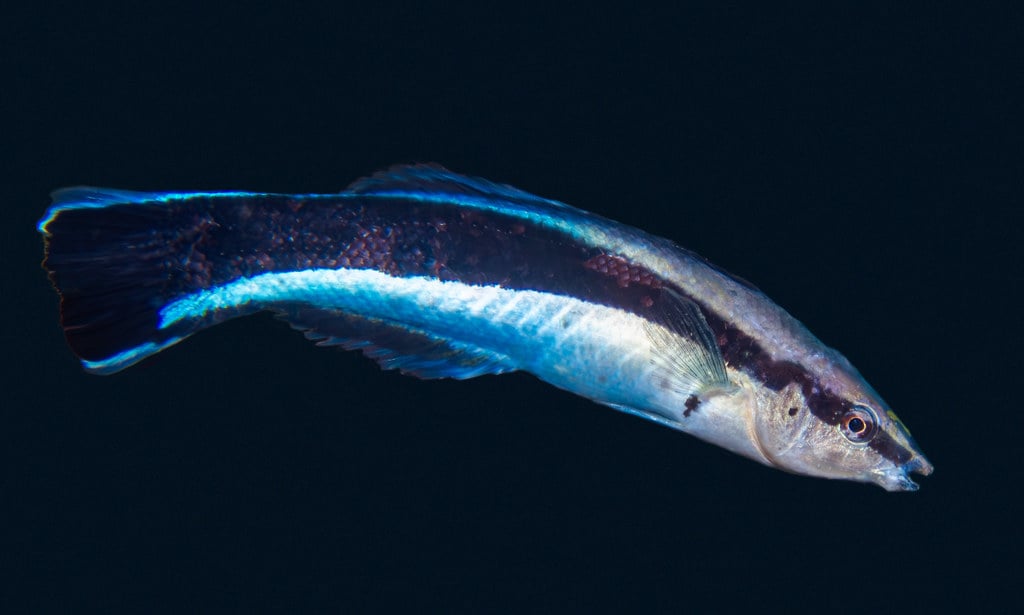
Cleaner Wrasse: Tiny Fish, Big Implications
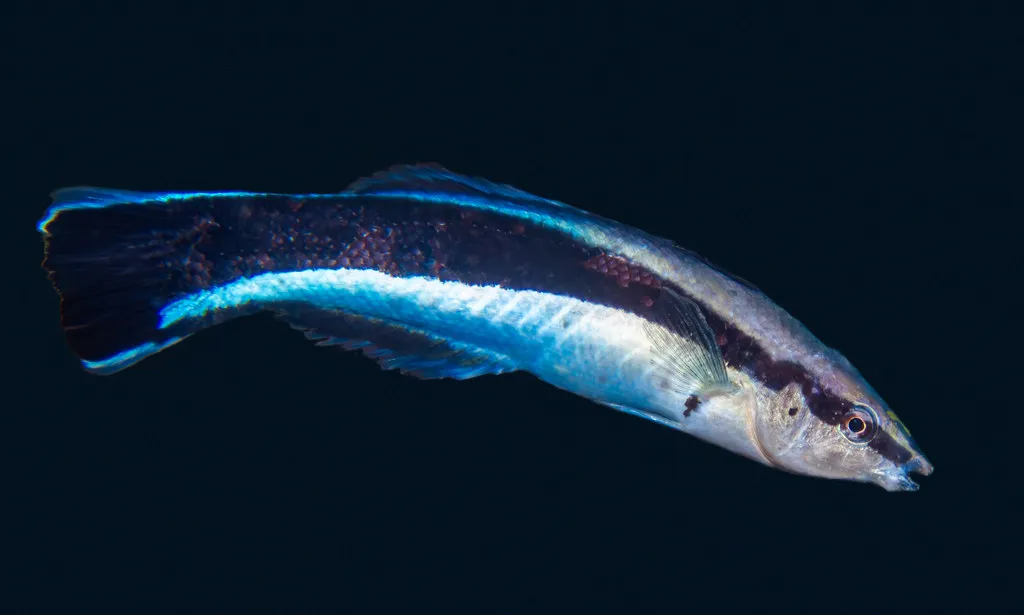
The cleaner wrasse, a small reef fish, has demonstrated behaviors suggesting self-recognition. They attempt to remove marks on their bodies after seeing them in a mirror.
This finding challenges previous assumptions about the cognitive abilities of fish, suggesting that self-awareness may be more widespread in the animal kingdom than previously thought. The cleaner wrasse’s behavior has sparked debates about the nature of self-recognition.
Pigs: Intelligent and Self-Aware
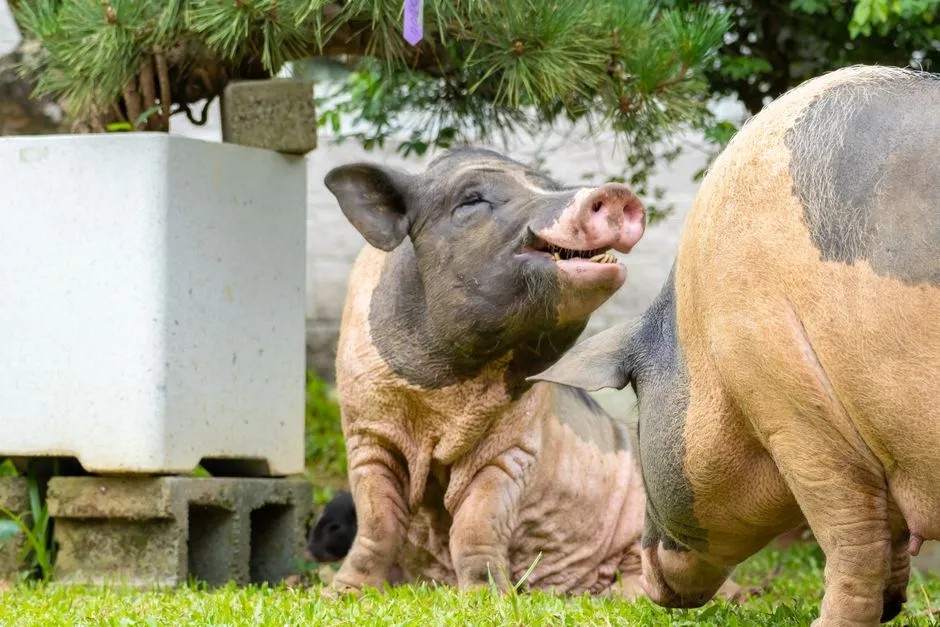
Pigs have shown the ability to use mirrors to locate hidden food, indicating a level of self-recognition. They understand that the reflection represents their environment, not another pig.
This behavior underscores the intelligence of pigs and suggests a degree of self-awareness. Their use of mirrors as tools reflects their problem-solving abilities.
Ants: The Insect That Redefined Self-Recognition
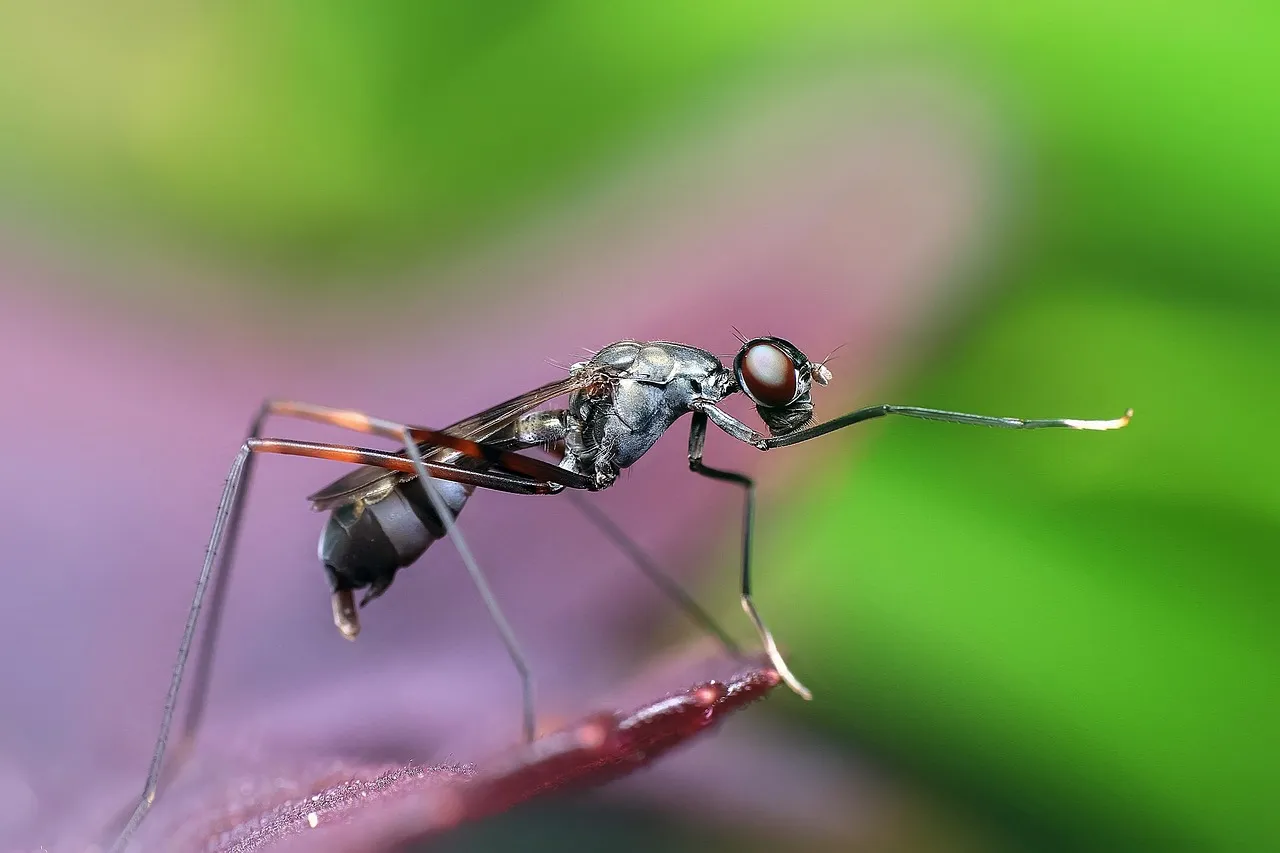
In a surprising twist, certain ant species have passed modified mirror tests. They attempt to clean marks off their bodies after seeing them in a mirror, indicating self-recognition.
This discovery has led scientists to reconsider the criteria for self-awareness, suggesting that even insects may possess a form of self-recognition. Ants’ behaviors challenge our understanding of cognition across species.
The ability to recognize oneself in a mirror is a profound indicator of self-awareness, once thought to be uniquely human. The diverse range of animals that have demonstrated this ability challenges our understanding of cognition and consciousness. As research continues, we may find that self-awareness is more widespread in the animal kingdom than previously believed. What other species might surprise us with their self-recognition abilities?

- 10 Animals That Researchers Confirmed Can Recognize Themselves in a Mirror – and the One Near the Bottom of the List That Rewrote the Criteria Entirely. - July 18, 2026
- 6 Most Shark-Dense Coastlines Outside the United States That Tourism Boards Have Been Very Quiet About - July 18, 2026
- 9 Things Wildlife Trackers Notice in the First 60 Seconds in Any Forest That Most People Walk Past Their Entire Lives - July 18, 2026