
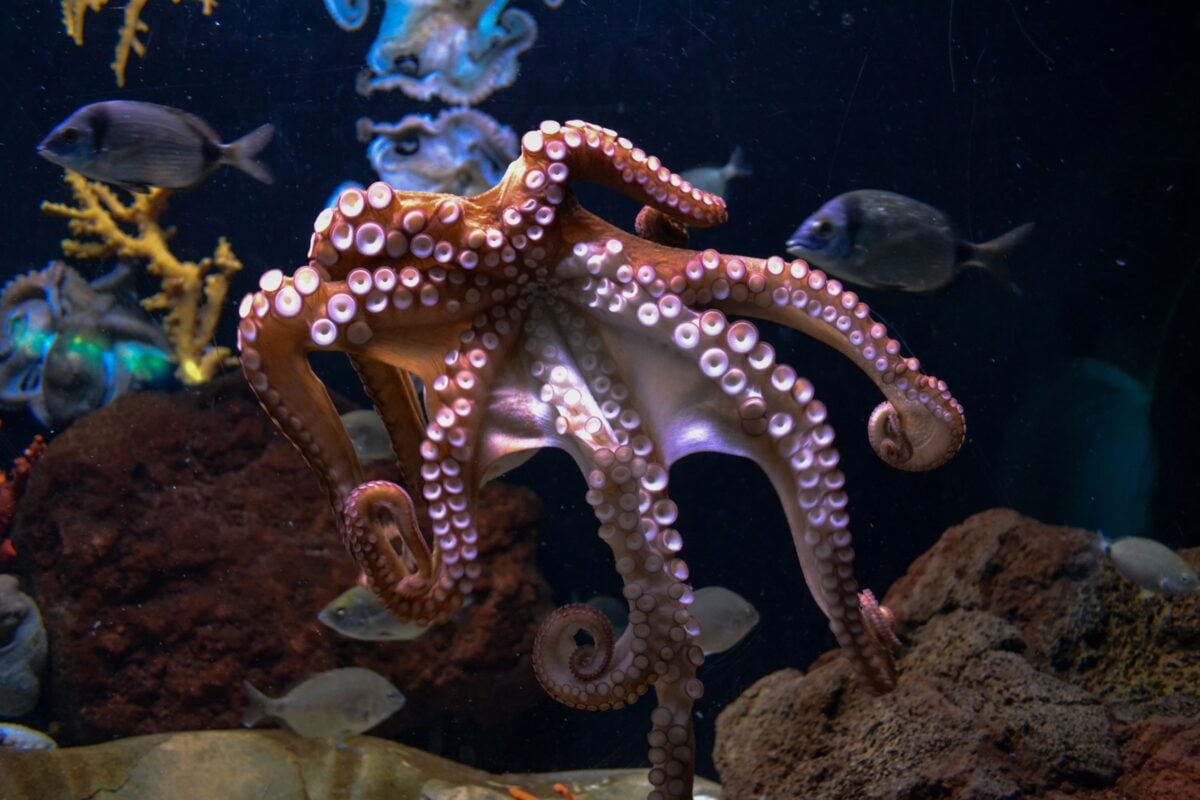
When we think of intelligent life, our minds often drift toward creatures that share our own vertebrate structure – mammals like dolphins, primates, or even certain birds. But lurking in the depths of our oceans is a being so alien, so unlike us, yet astonishingly intelligent: the octopus. These cephalopods challenge our very understanding of consciousness and cognition. Let’s dive into seven mind-bending facts about octopus intelligence that might just reshape your perception of what it means to have a mind.
Decentralized Brains: Each Arm Thinks for Itself
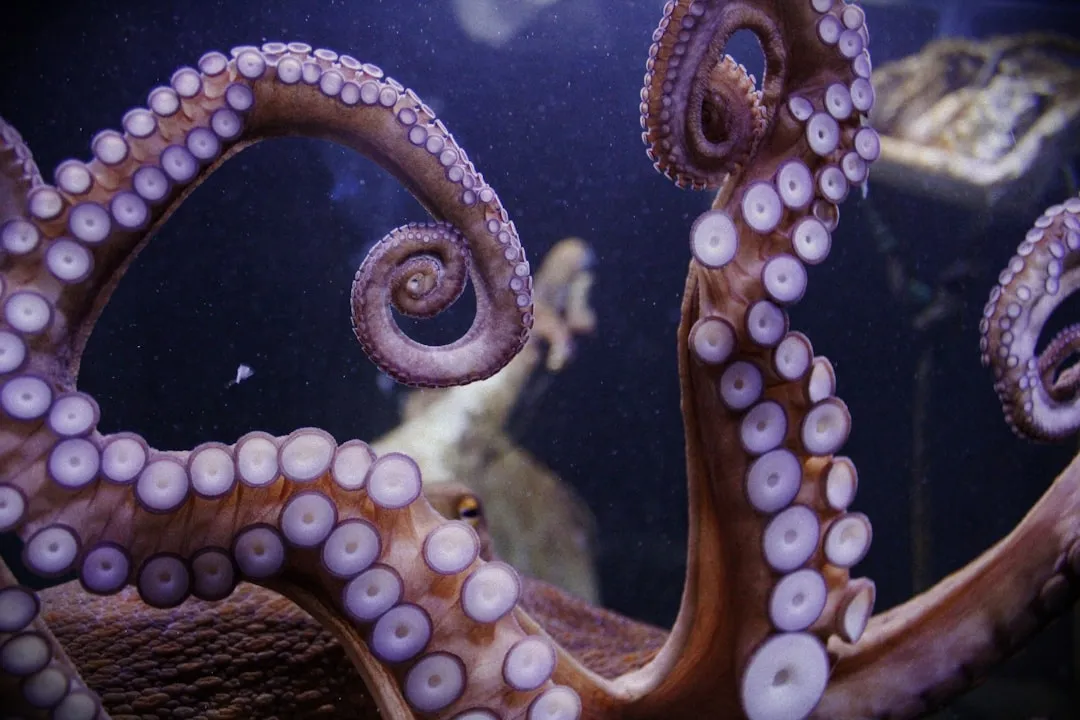
Imagine having eight arms, each with a mind of its own. For octopuses, this isn’t science fiction – it’s reality. While they possess a central brain, a significant portion of their neurons reside in their arms. This means each arm can independently taste, touch, and even make decisions without direct input from the central brain. Such autonomy allows octopuses to multitask in ways that are almost unfathomable to us.
This decentralized nervous system enables an octopus to explore a crevice with one arm while the others are engaged in entirely different activities. It’s as if each limb has its own agenda, yet they all work harmoniously. This unique setup challenges our centralized view of intelligence and suggests that cognition can be distributed throughout the body.
Masters of Disguise: Instantaneous Camouflage
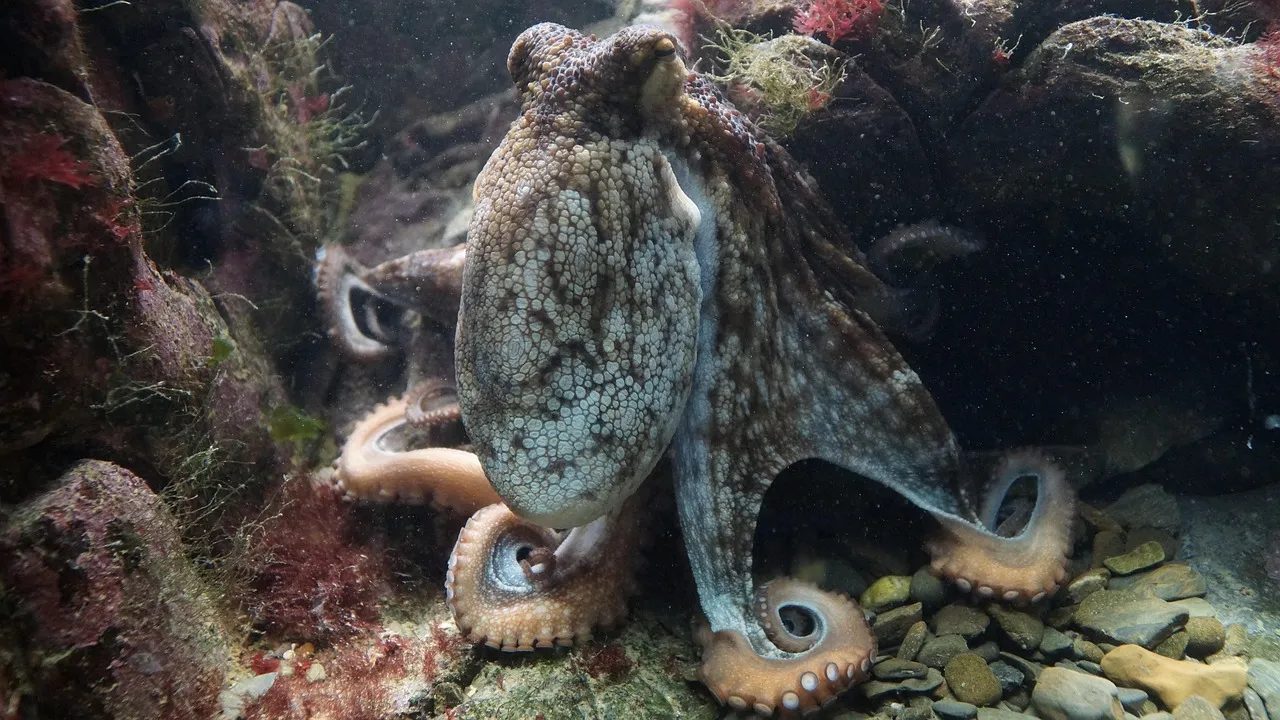
Octopuses are the ultimate quick-change artists. They can alter their skin color and texture in the blink of an eye, blending seamlessly into their surroundings. This isn’t just a party trick; it’s a sophisticated survival strategy. Specialized skin cells called chromatophores allow them to produce a vast array of colors, while other cells adjust skin texture to mimic rocks, coral, or even other sea creatures.
This ability isn’t purely instinctual. It requires acute environmental awareness and decision-making. The octopus assesses its surroundings and determines the best camouflage strategy, showcasing a level of cognitive processing that goes beyond mere reflex.
Tool Use: Crafting and Utilizing Objects
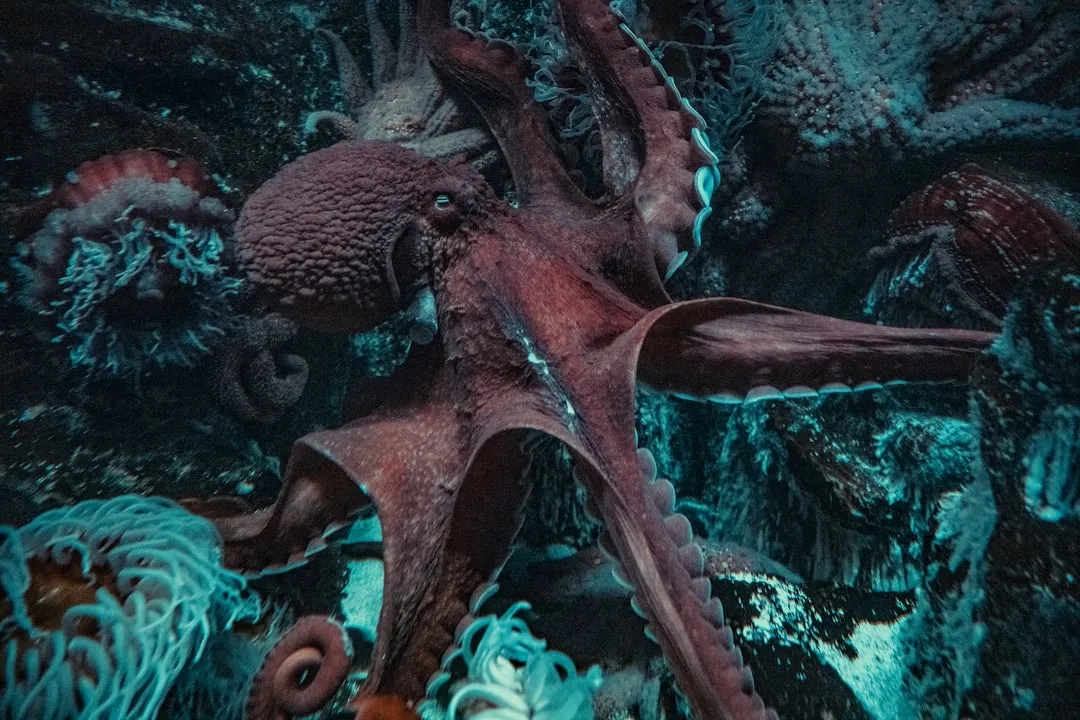
Tool use has long been considered a hallmark of advanced intelligence, primarily observed in primates and certain birds. Enter the octopus, which has been observed collecting coconut shells and assembling them into shelters. This behavior indicates foresight and planning, as the octopus gathers and transports these shells for future use.
Such actions demonstrate not only problem-solving skills but also an understanding of future needs – a concept once thought to be uniquely human. The octopus’s ability to use tools challenges our anthropocentric views of intelligence and suggests that complex cognition can evolve in vastly different forms.
Escape Artists: Outsmarting Captivity
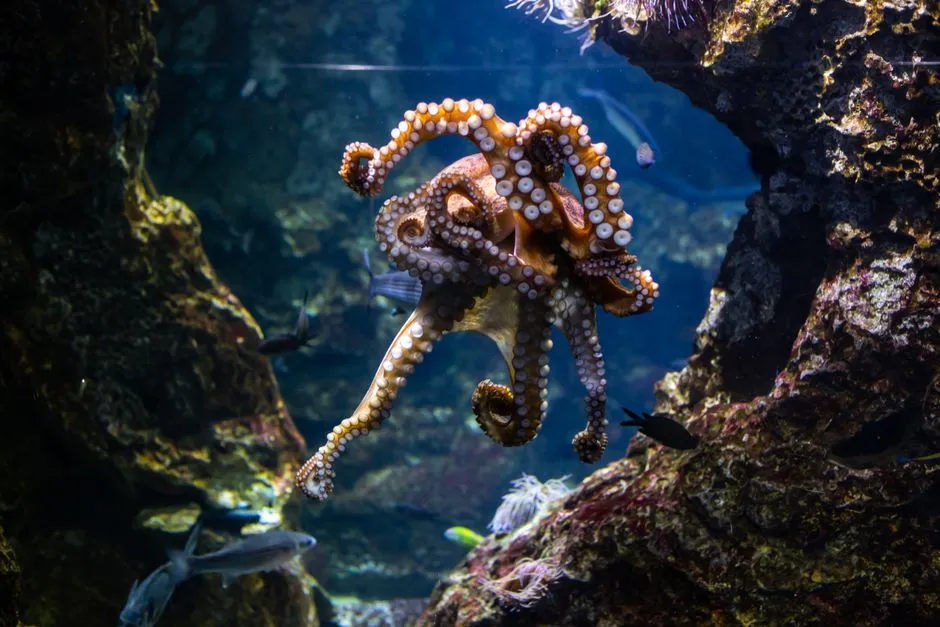
Aquariums worldwide have tales of octopuses executing daring escapes. Their soft bodies can squeeze through minuscule openings, and their problem-solving skills enable them to unlock latches or dismantle equipment. There are accounts of octopuses sneaking out of their tanks to feast on neighboring fish, only to return before dawn, leaving no trace of their nocturnal adventures.
These escapades aren’t just random acts; they reflect strategic planning and adaptability. The octopus’s ability to navigate and manipulate its environment to such a degree underscores a level of intelligence that demands our respect and reevaluation.
Playful Behavior: Engaging in Leisure Activities
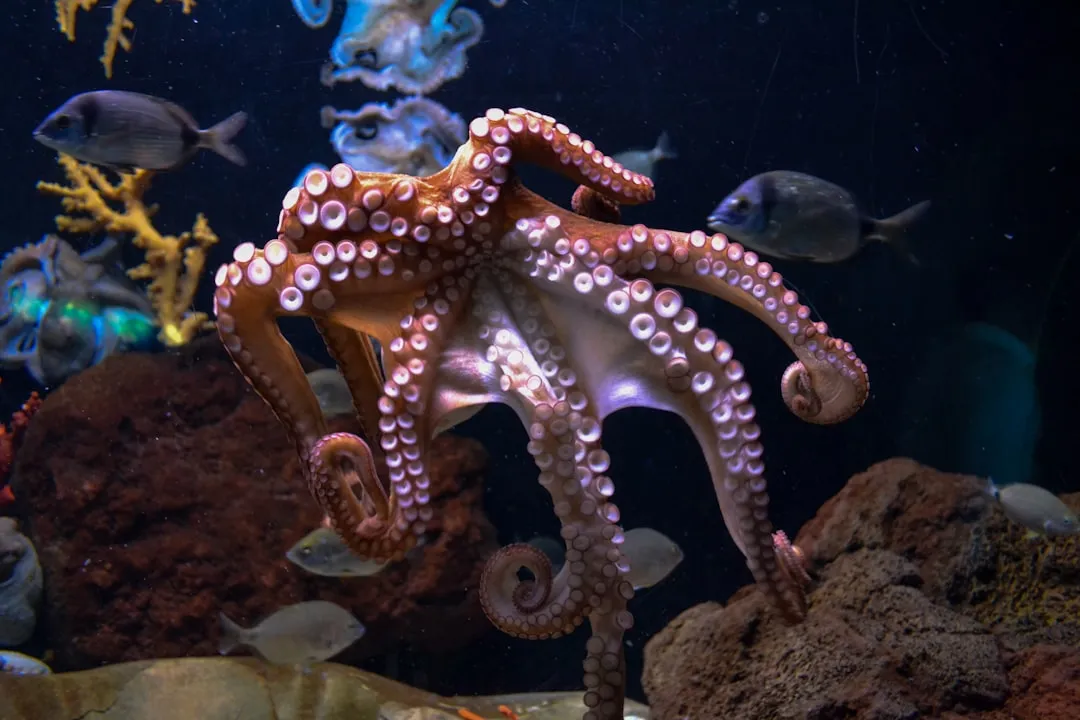
Play is often associated with higher intelligence and emotional complexity. Octopuses have been observed engaging in playful behaviors, such as repeatedly releasing and recapturing objects like bottles or toys. This isn’t about survival; it’s about exploration and perhaps even enjoyment.
Such behaviors suggest that octopuses possess a level of curiosity and cognitive flexibility that parallels that of young mammals. Their engagement in play challenges the notion that such behaviors are exclusive to creatures with complex social structures.
Problem-Solving Prowess: Navigating Mazes and Puzzles
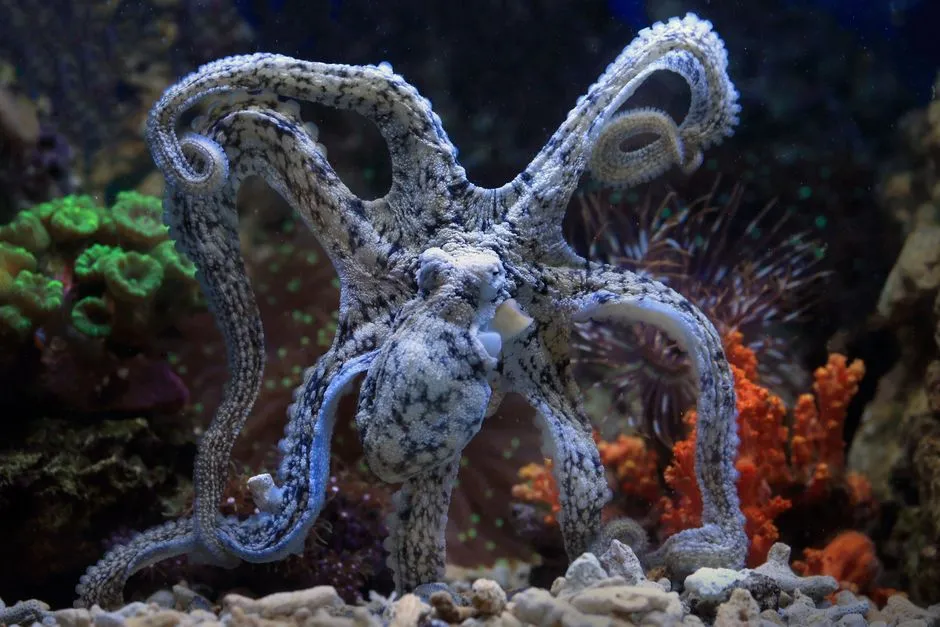
In controlled experiments, octopuses have demonstrated remarkable problem-solving abilities. They’ve navigated complex mazes, opened jars to access food, and even learned to unscrew lids. These tasks require memory, learning, and an understanding of cause and effect.
Their success in these challenges indicates not just instinctual behavior but a capacity for learning and adaptation. The octopus’s problem-solving skills highlight a form of intelligence that is both flexible and innovative.
Short Lifespans, Profound Intelligence
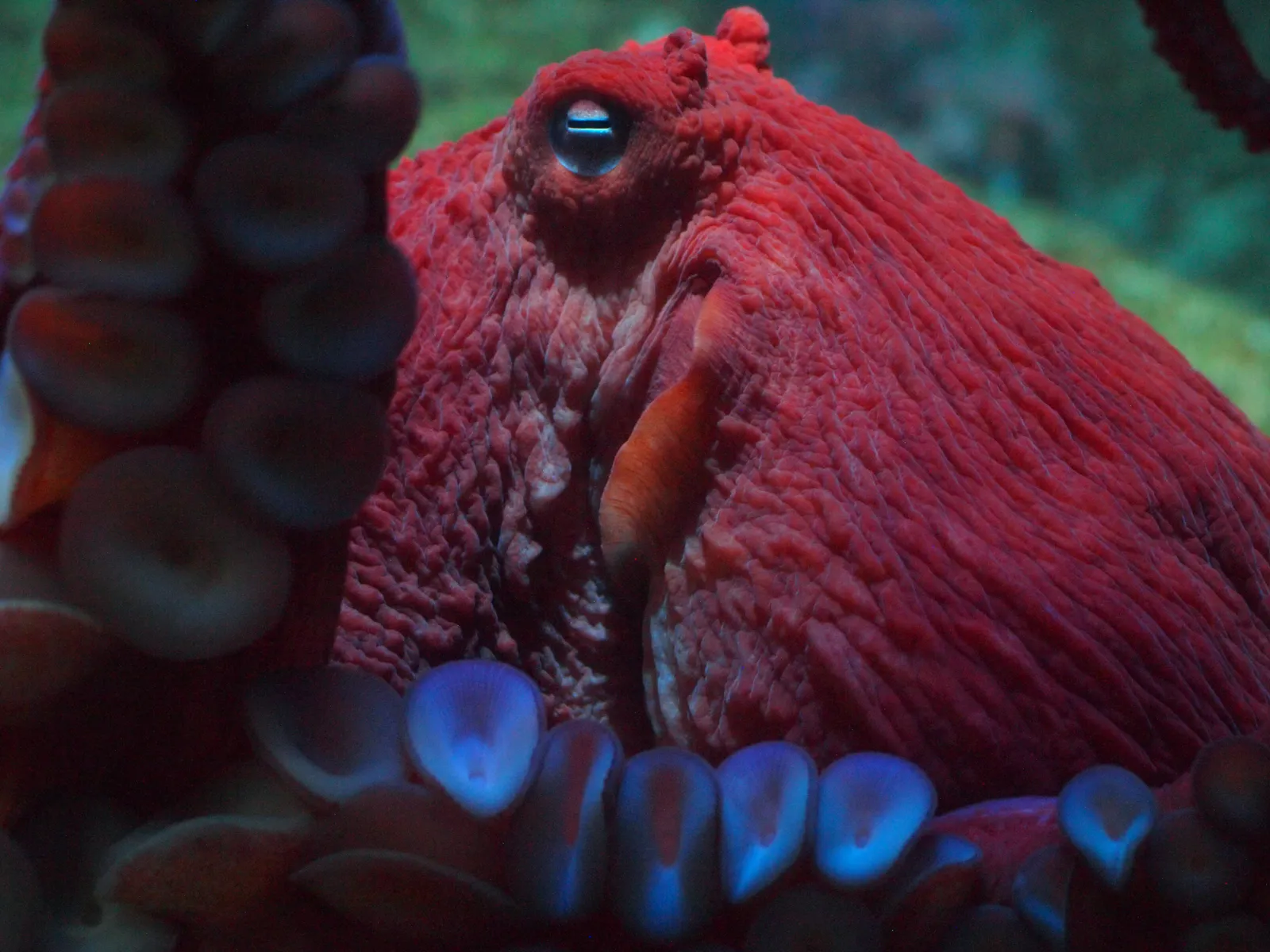
One of the most perplexing aspects of octopus intelligence is its development within a remarkably short lifespan. Most octopus species live only one to two years, yet they exhibit cognitive abilities that rival those of longer-lived animals. This rapid development of intelligence suggests that complex cognition can arise under different evolutionary pressures than previously thought.
Their brief but brilliant lives challenge our understanding of the relationship between lifespan and intelligence, indicating that the drive for cognitive complexity isn’t solely tied to longevity or social structures.
In conclusion, the octopus stands as a testament to the diverse manifestations of intelligence in the animal kingdom. Their unique neural architecture, problem-solving abilities, and behaviors challenge our traditional definitions of cognition and consciousness. Perhaps it’s time we broaden our perspective and recognize that minds can exist in forms vastly different from our own. After all, if an octopus can dream, play, and plan, who are we to define the boundaries of intelligence?

- 7 Facts About Octopus Intelligence That Marine Biologists Say Should Change the Way We Think About What Counts as a Mind - July 18, 2026
- 8 Animals That Have Been Documented Outsmarting Humans in Controlled Experiments – and the Species at the Top of the List Was Not the One Researchers Expected - July 18, 2026
- The Most Venomous Animal in North America Is Not a Snake or a Spider and Most Americans Walk Past It Every Summer Without Knowing - July 18, 2026