
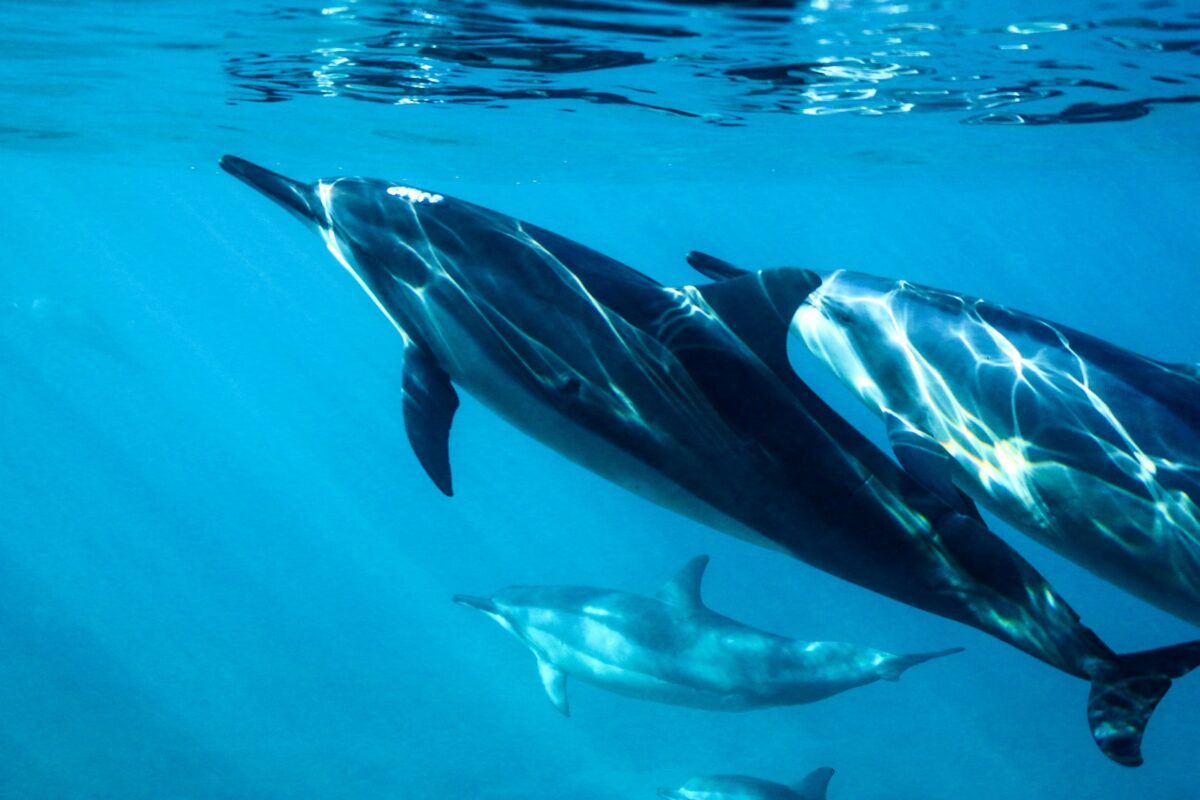
Imagine a world beneath the waves where knowledge isn’t just inherited but actively shared among peers. Recent studies have unveiled that dolphins, much like humans and great apes, possess the remarkable ability to learn and adapt hunting techniques from their social circles. This discovery not only challenges our understanding of marine life but also highlights the intricate social structures and intelligence of these fascinating creatures.
Unveiling the ‘Shelling’ Phenomenon
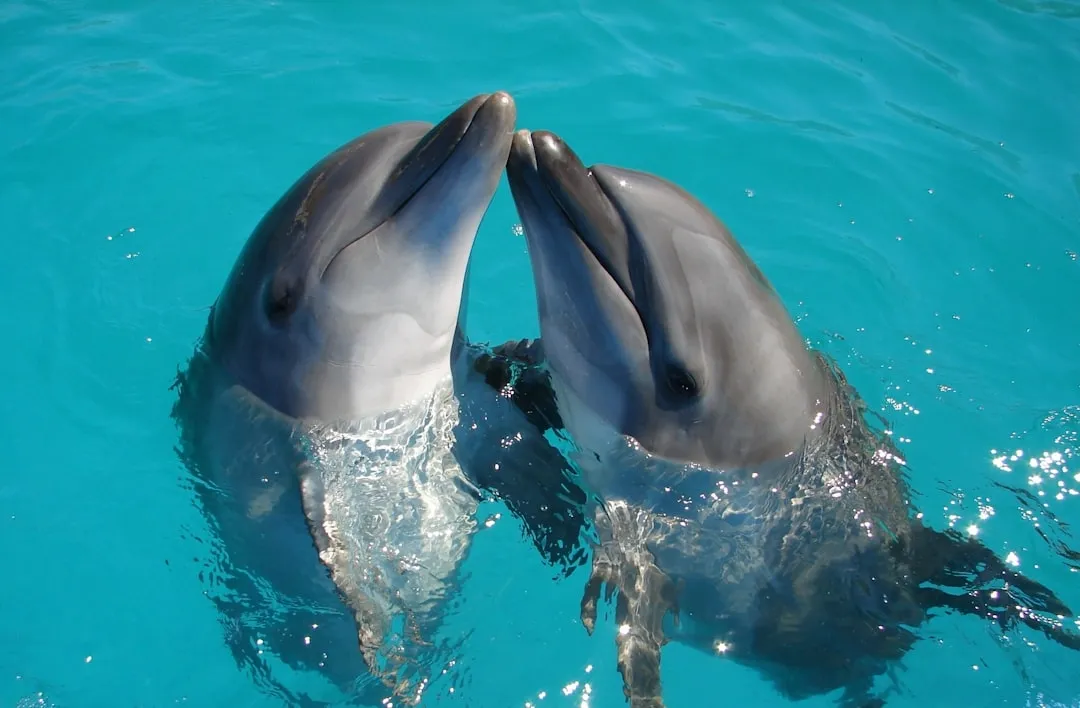
In the serene waters of Shark Bay, Western Australia, a captivating behavior known as “shelling” has been observed among Indo-Pacific bottlenose dolphins. This technique involves dolphins chasing fish into empty giant snail shells, then bringing these shells to the surface and shaking them to dislodge the trapped fish into their mouths. It’s a testament to their ingenuity and adaptability in foraging strategies.
What makes this behavior particularly intriguing is its mode of transmission. Unlike the traditional mother-to-calf learning pathway, “shelling” spreads horizontally among peers. Dolphins within the same generation observe and adopt this technique from their close associates, showcasing a level of social learning previously attributed mainly to primates.
Social Learning Beyond Maternal Bonds

Traditionally, it was believed that dolphins primarily learned foraging behaviors from their mothers, a process known as vertical transmission. However, the discovery of peer-to-peer learning in dolphins introduces a new dimension to our understanding of their social dynamics. This horizontal transmission indicates that dolphins are not only capable but also motivated to learn from their peers, expanding their behavioral repertoire beyond familial teachings.
This form of learning mirrors the cultural transmission observed in great apes, where individuals acquire behaviors from both their mothers and peers. Such parallels suggest that complex social learning mechanisms are not exclusive to terrestrial mammals but are also prevalent in marine environments.
Implications for Dolphin Culture and Adaptability

The ability to learn from peers equips dolphins with a flexible and dynamic approach to foraging. In changing environments, such as those affected by climate fluctuations or human activities, this adaptability becomes crucial. Dolphins can rapidly disseminate innovative hunting techniques across their social networks, enhancing their survival prospects.
Moreover, this peer learning fosters a rich cultural tapestry within dolphin communities. Different groups may develop unique foraging traditions, contributing to the diversity and resilience of their populations. This cultural complexity underscores the importance of preserving their habitats to maintain these intricate social structures.
Comparisons with Great Apes and Human Cultures
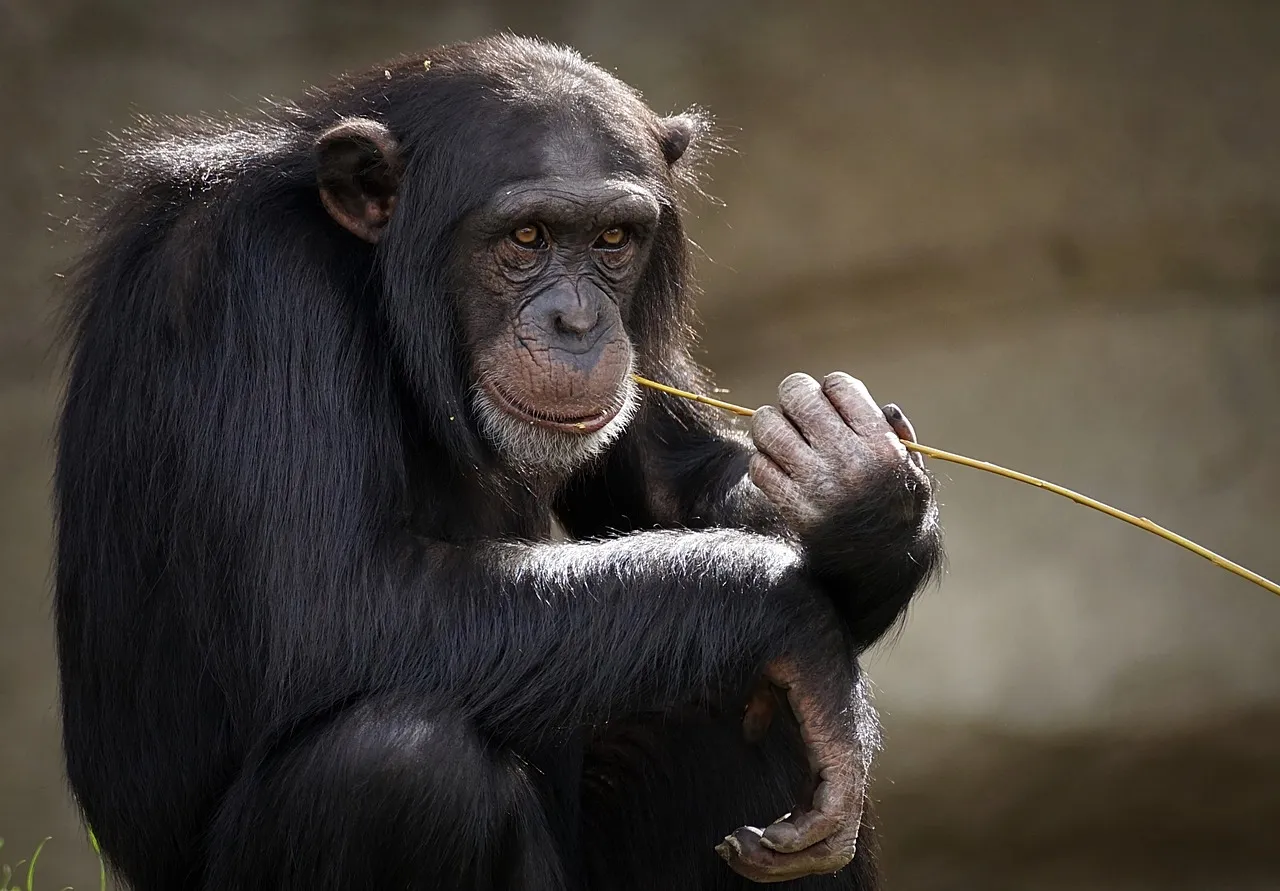
The parallels between dolphin and great ape cultures are striking. Both exhibit behaviors that are learned socially, not just genetically inherited. In chimpanzees, for instance, tool use and specific hunting strategies are often passed among peers, similar to the “shelling” behavior in dolphins.
These similarities challenge the notion of human exceptionalism in cultural behaviors. They suggest that the roots of culture and social learning run deep in the animal kingdom, offering valuable insights into the evolution of intelligence and social structures across species.
Research Methodologies and Findings

The revelations about dolphin social learning stem from extensive research conducted over more than a decade. Scientists observed over 1,000 individual dolphins in Shark Bay, meticulously documenting instances of “shelling” and analyzing social networks to understand the spread of this behavior.
By integrating behavioral observations with genetic and environmental data, researchers concluded that “shelling” is primarily transmitted through social associations rather than genetic relatedness or shared habitats. This comprehensive approach underscores the significance of social bonds in the dissemination of innovative behaviors among dolphins.
Conservation Implications and Future Research
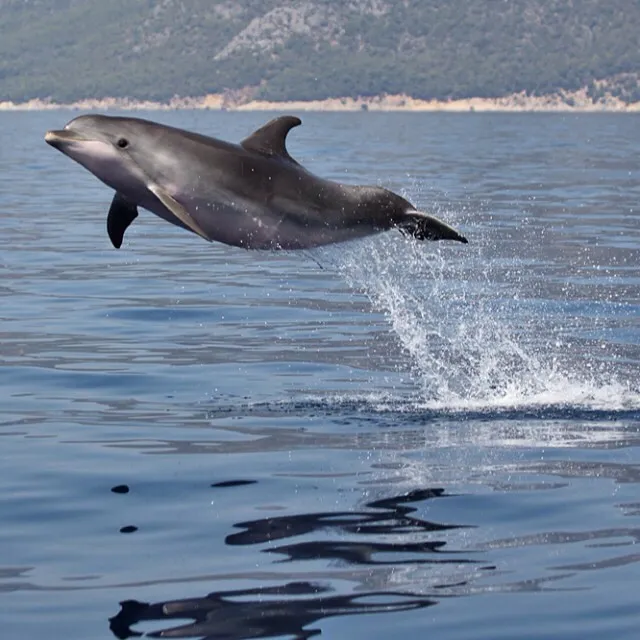
Understanding the social learning capabilities of dolphins has profound implications for conservation efforts. Protecting their social structures is as vital as preserving their physical habitats. Disruptions to their communities, whether through environmental degradation or human interference, could impede the transmission of essential survival behaviors.
Future research aims to delve deeper into the nuances of dolphin culture, exploring how various environmental factors influence the development and spread of new behaviors. Such studies will enhance our comprehension of marine mammal intelligence and inform strategies to safeguard these remarkable creatures.
Conclusion
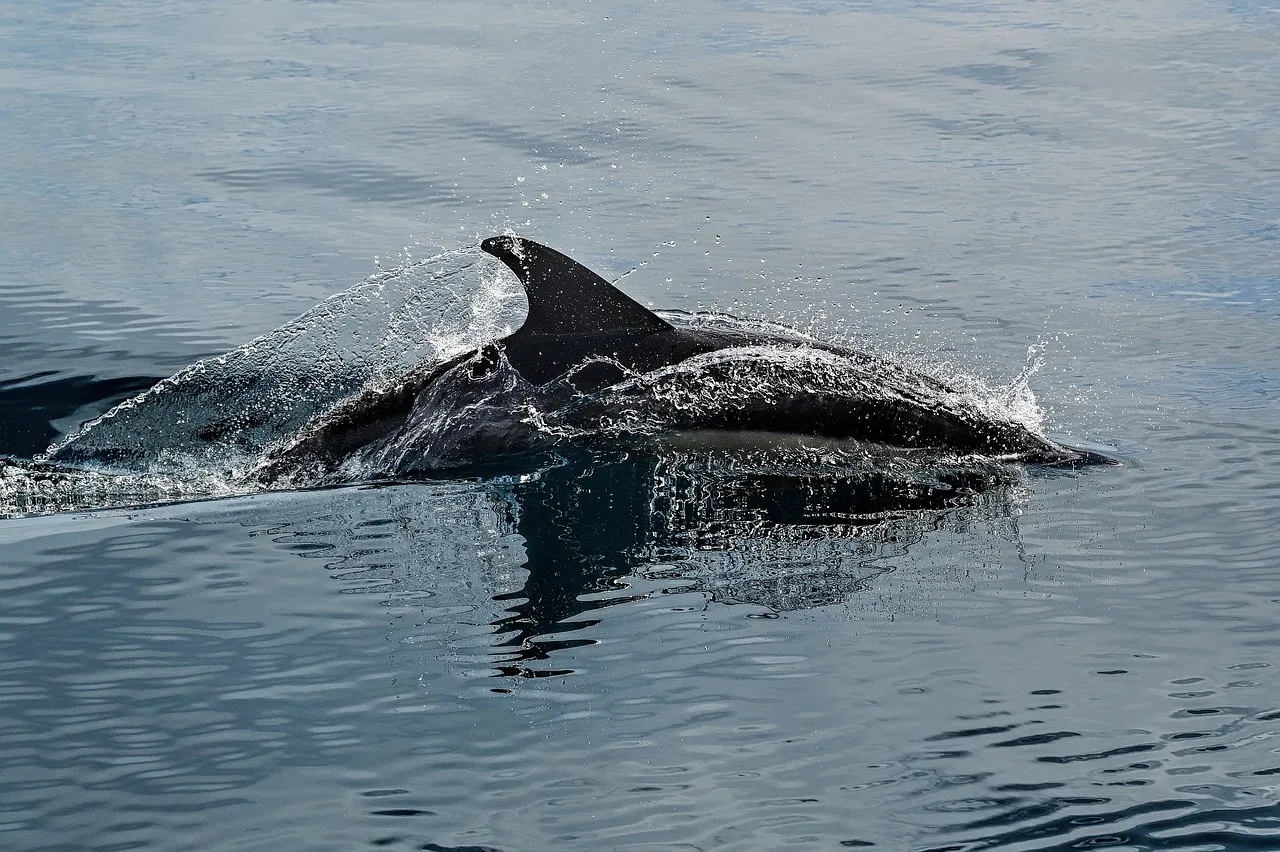
The discovery that dolphins learn local hunting methods from their peers illuminates the complex and dynamic nature of their societies. It challenges us to reconsider the boundaries of culture and intelligence in the animal kingdom. As we continue to uncover the depths of dolphin social learning, we are reminded of the intricate connections that bind all intelligent life forms. What other secrets might these oceanic communities hold, waiting for us to discover?
