
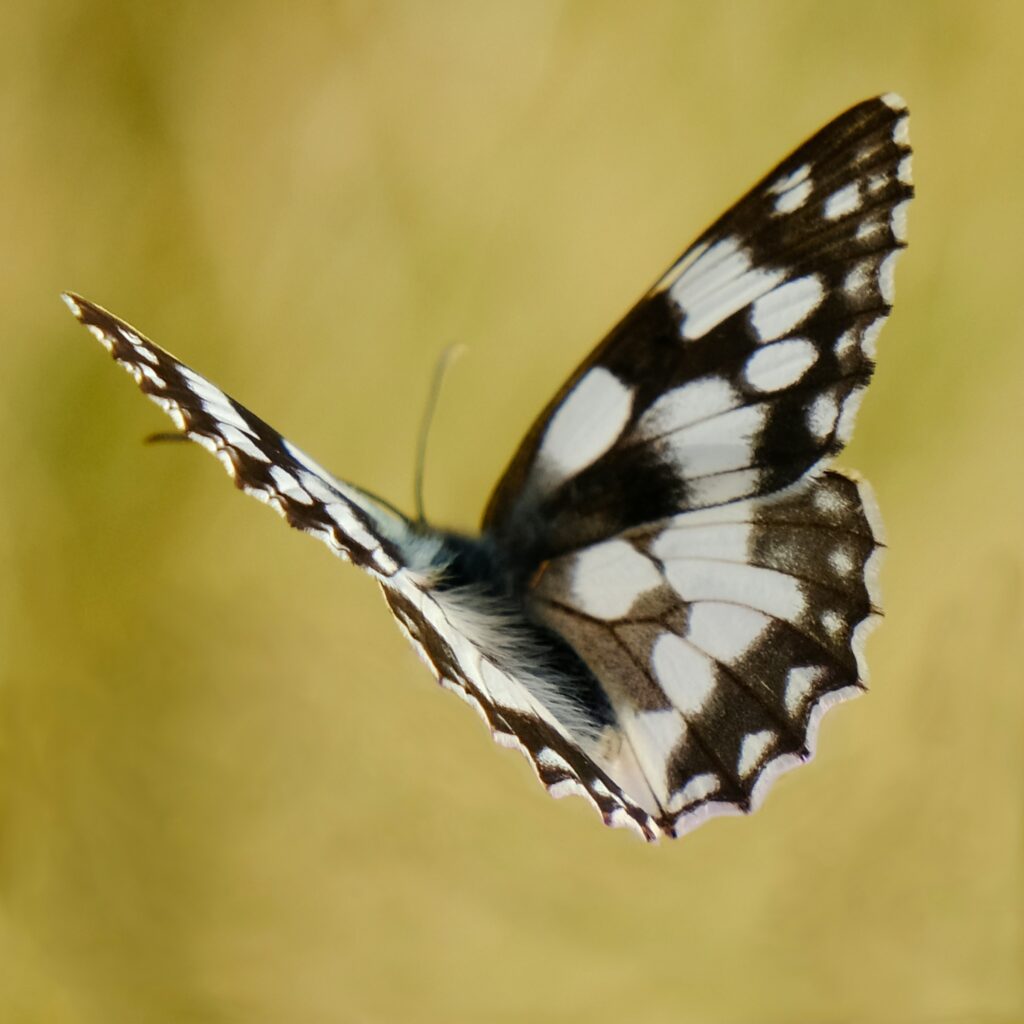
Imagine stepping into your backyard and noticing your dog pacing anxiously, birds flying lower than usual, or ants busily fortifying their nests. These behaviors aren’t random; they’re nature’s early warning systems. Long before your weather app pings with a storm alert, the animals around you are already sensing the impending change. Let’s explore 12 backyard animals that can detect approaching storms and understand how they communicate these warnings.
Dogs: The Restless Companions
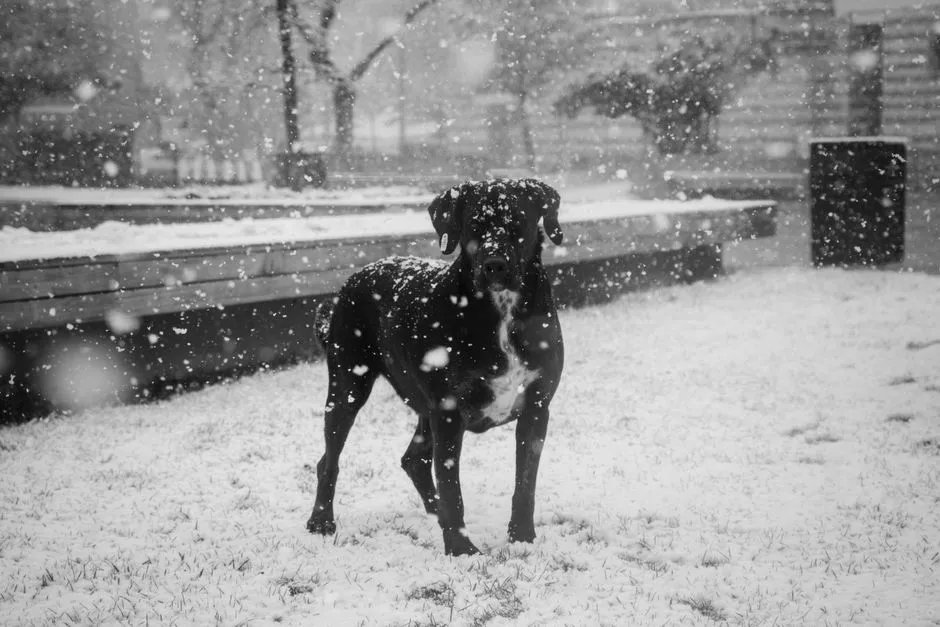
Your loyal canine friend might start acting out of character before a storm. Pacing, whining, or seeking shelter are common signs. Dogs possess acute hearing, allowing them to detect distant thunder long before humans can. Their sensitivity to barometric pressure changes and static electricity buildup also contributes to their storm-sensing abilities. This heightened awareness often results in anxiety-driven behaviors as they anticipate the approaching weather.
Cats: The Silent Seekers
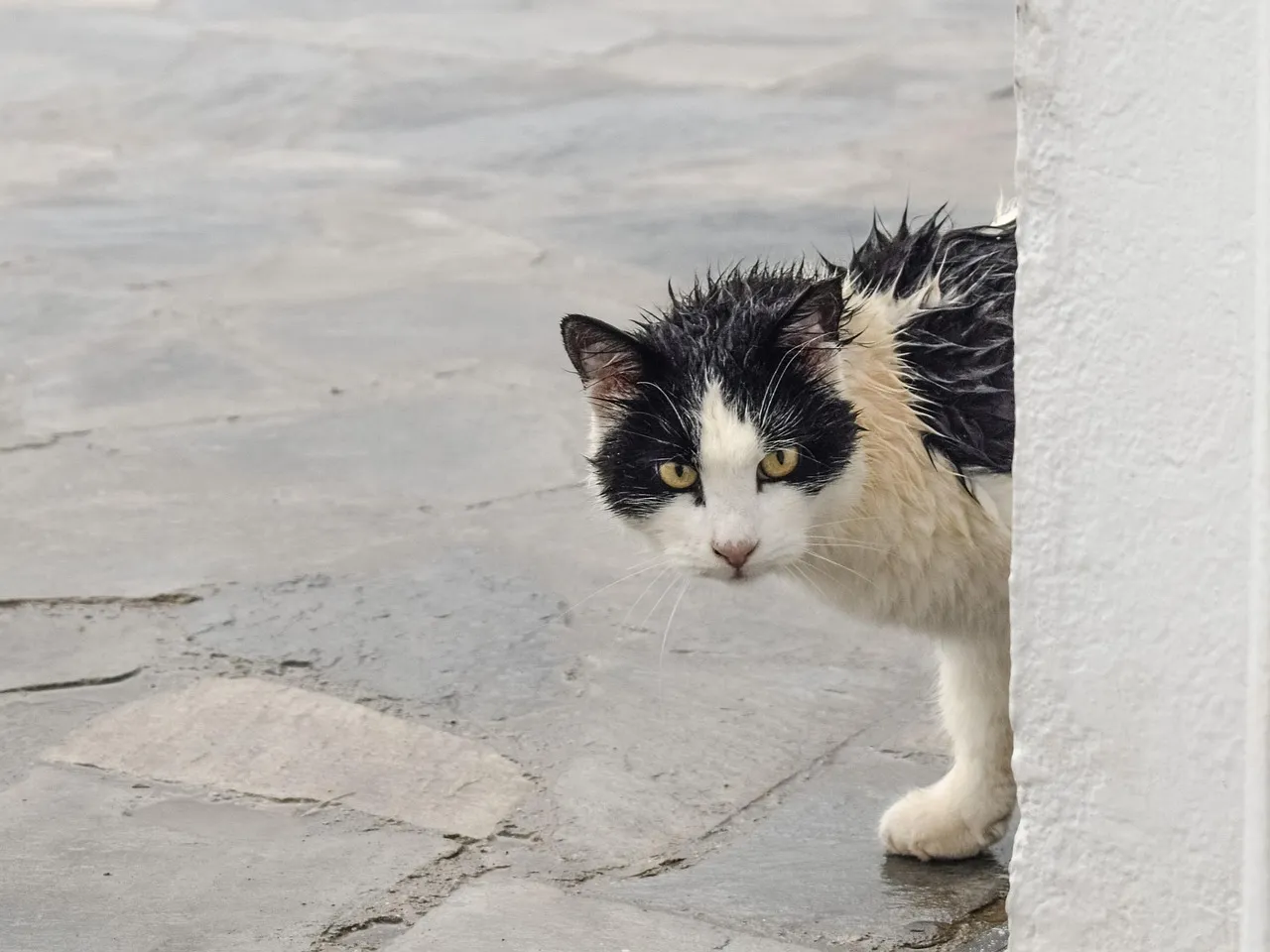
Cats may become unusually clingy or, conversely, hide in secluded spots as a storm approaches. Their whiskers are highly sensitive to changes in air pressure, and they can detect static electricity in the environment. This sensitivity makes them aware of impending storms, prompting them to seek safety. Observing your cat’s behavior can provide subtle clues about upcoming weather changes.
Birds: The Aerial Forecasters
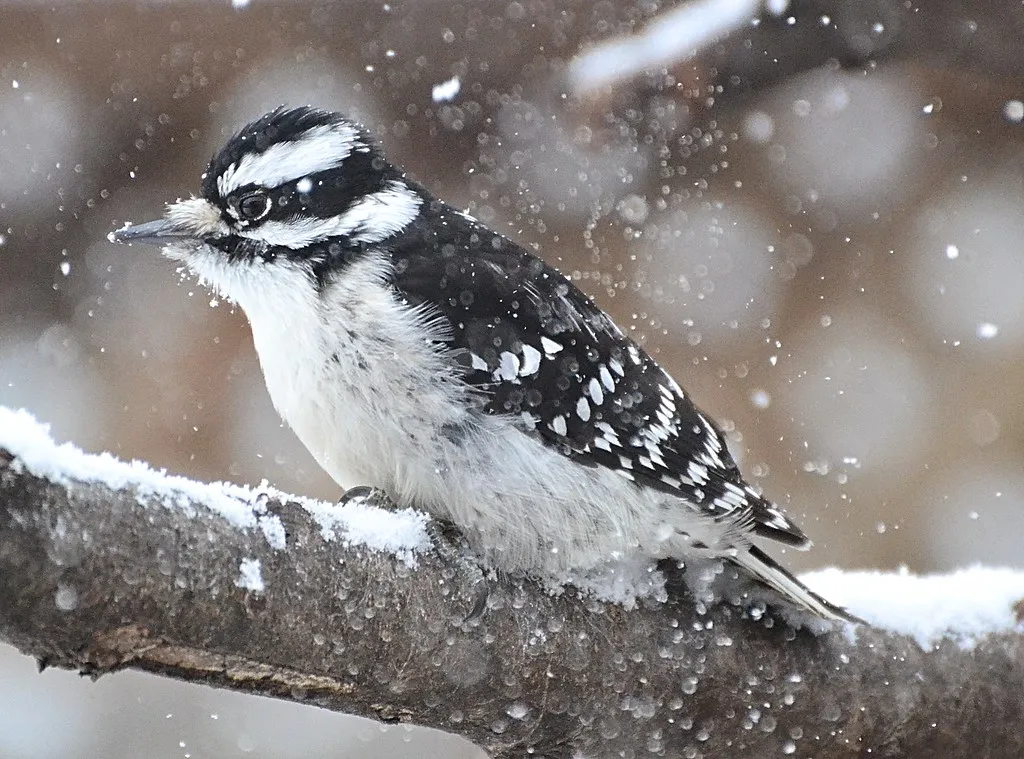
Birds often fly lower to the ground or seek shelter before a storm. They are sensitive to barometric pressure changes and can detect infrasound produced by distant storms. Some species may even alter their migration patterns in response to severe weather. A sudden silence in bird songs or erratic flight patterns can be a natural indicator of an approaching storm.
Ants: The Industrious Architects
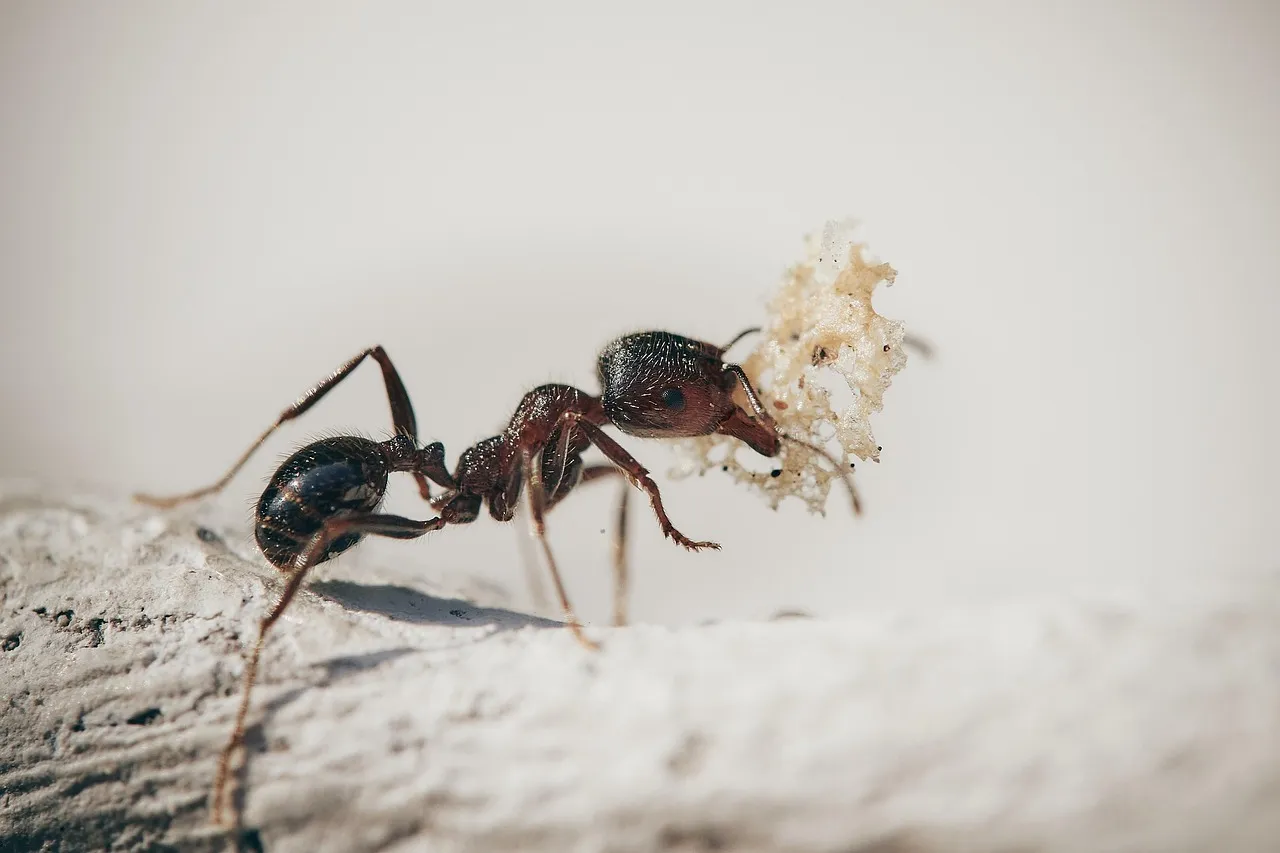
Before a storm, ants may build up their mounds or close off entrances to their nests. They can sense changes in humidity and barometric pressure, prompting them to fortify their homes against impending rain. Observing increased ant activity or changes in their mound structures can signal that a storm is on the horizon.
Cows: The Pasture Prognosticators
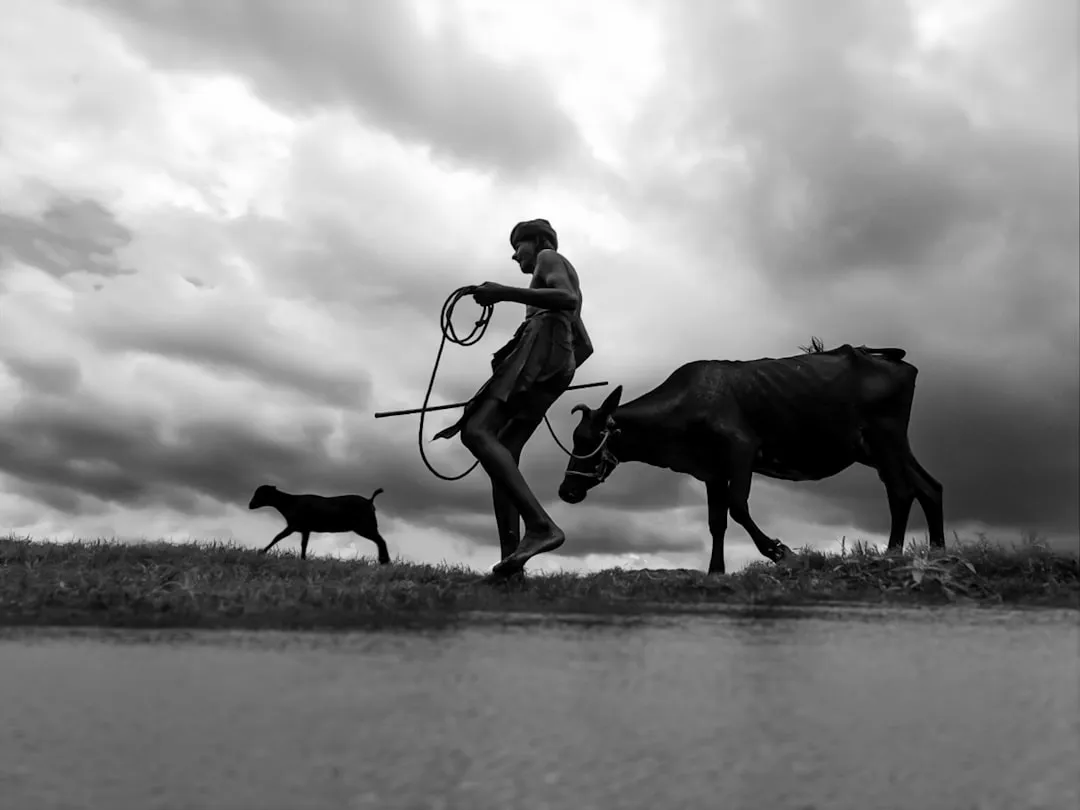
Cows have been observed lying down before a storm. This behavior is thought to be a response to changes in air pressure and humidity. By lying down, they may be preserving a dry spot on the grass or reacting to discomfort caused by atmospheric changes. While not a definitive predictor, this behavior has been noted anecdotally as a sign of impending rain.
Bees: The Buzzing Barometers
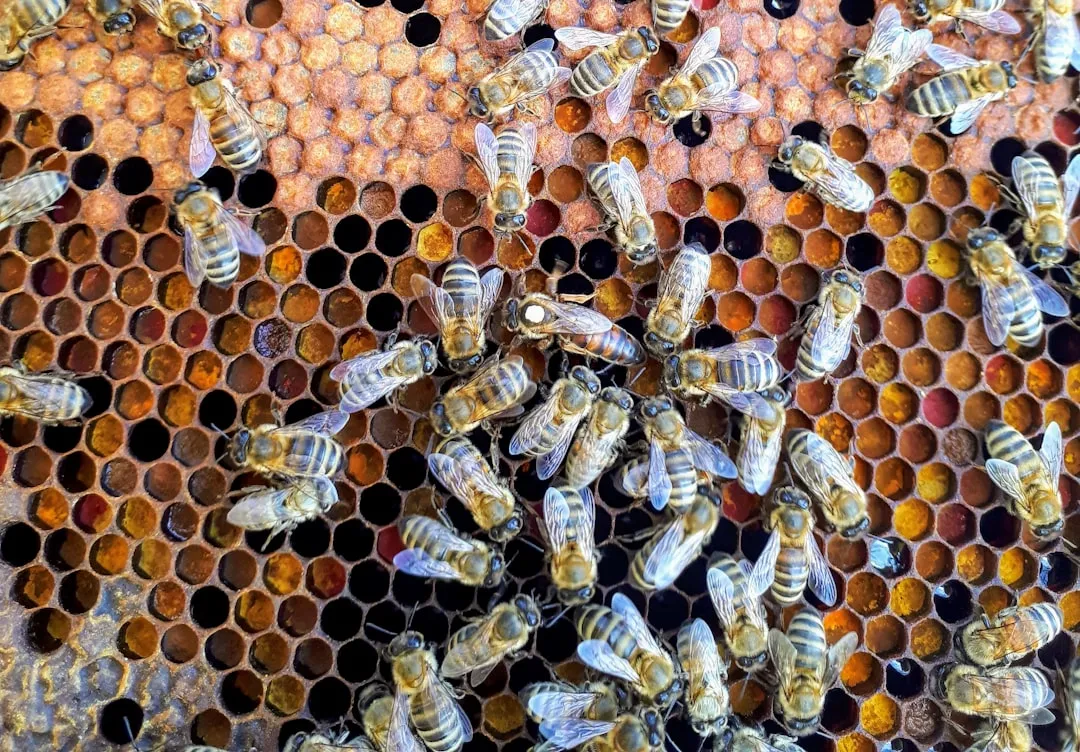
Bees often return to their hives and become less active before a storm. They are sensitive to changes in humidity and barometric pressure, which can affect their ability to fly. A sudden decrease in bee activity or an early return to the hive can indicate that a storm is approaching.
Spiders: The Web Weavers
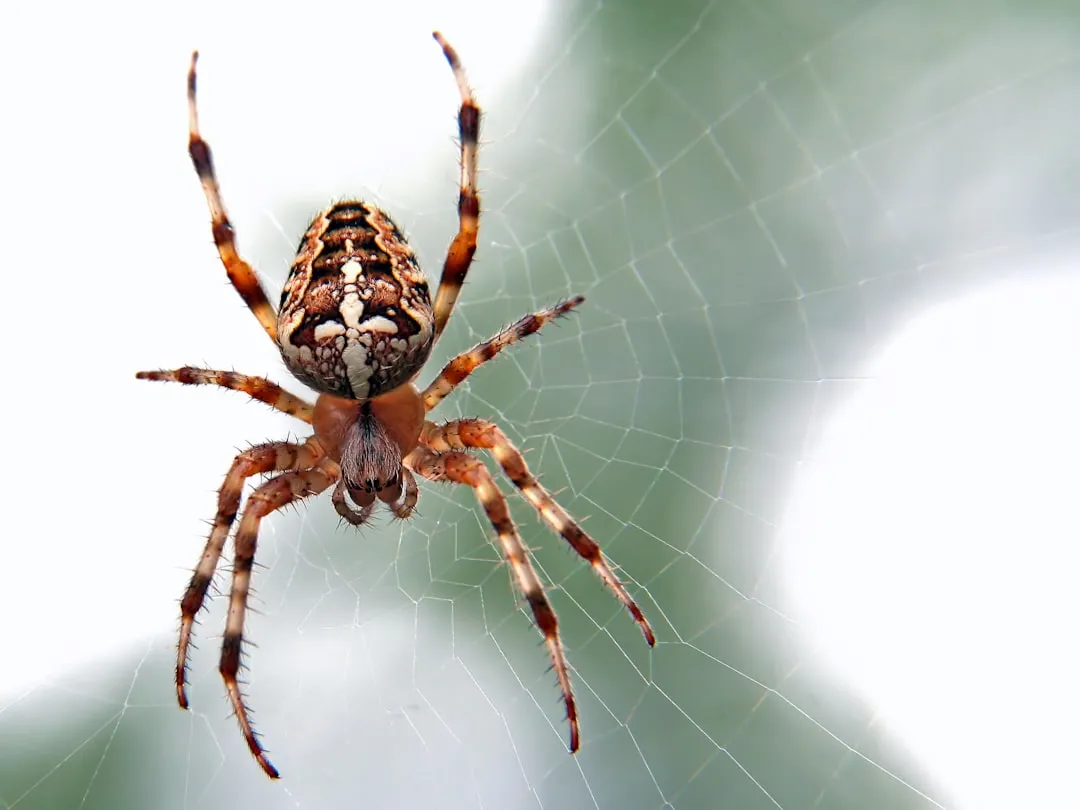
Spiders may take down their webs before a storm to prevent damage. They can sense changes in humidity and barometric pressure, prompting them to protect their silk structures. Observing spiders dismantling their webs can be a subtle sign of impending inclement weather.
Crickets: The Chirping Thermometers
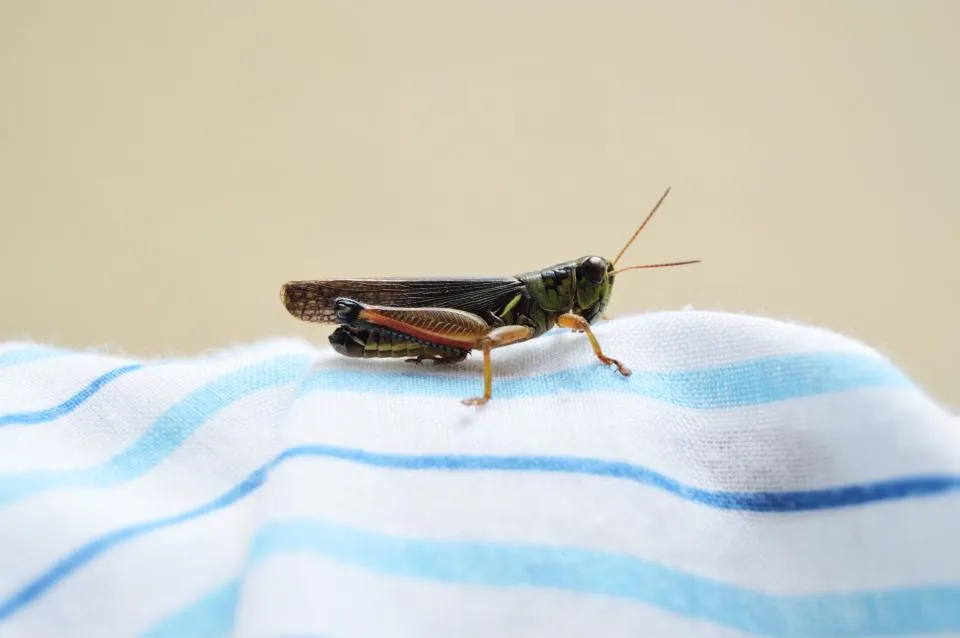
Crickets may become quieter before a storm. They are sensitive to temperature and humidity changes, which can affect their chirping behavior. A noticeable decrease in cricket sounds can indicate that a storm is near.
Ladybugs: The Shelter Seekers
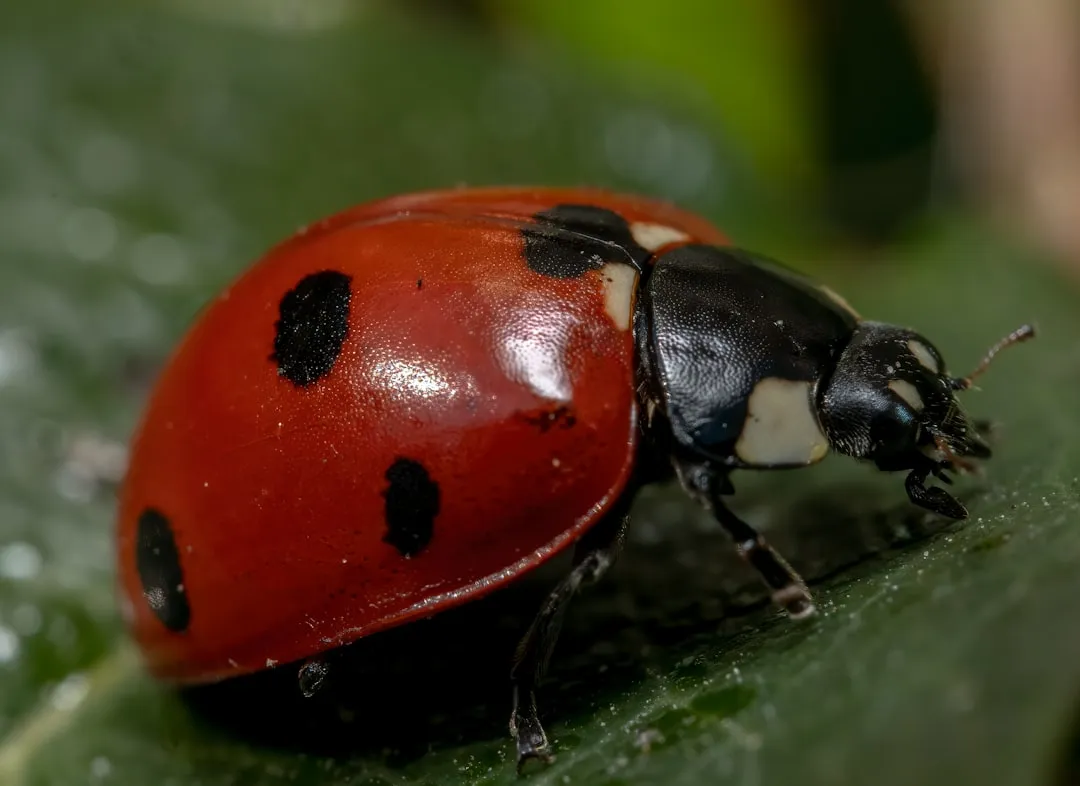
Ladybugs often seek shelter in large groups before a storm. They can sense changes in humidity and temperature, prompting them to find protection. Finding clusters of ladybugs in sheltered areas can be a sign that a storm is approaching.
Earthworms: The Surface Dwellers
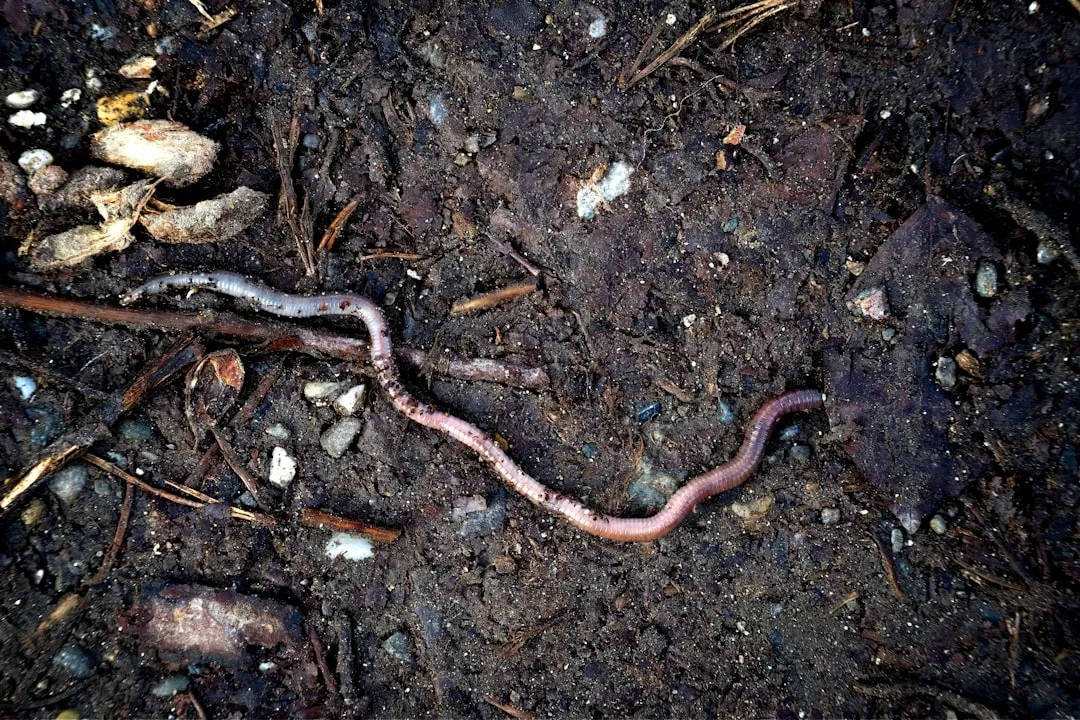
Earthworms come to the surface before a storm, likely to avoid drowning in their burrows due to increased soil moisture. They are sensitive to vibrations and moisture levels, prompting them to seek higher ground. An increase in earthworm activity on the surface can indicate that rain is imminent.
Butterflies: The Delicate Navigators
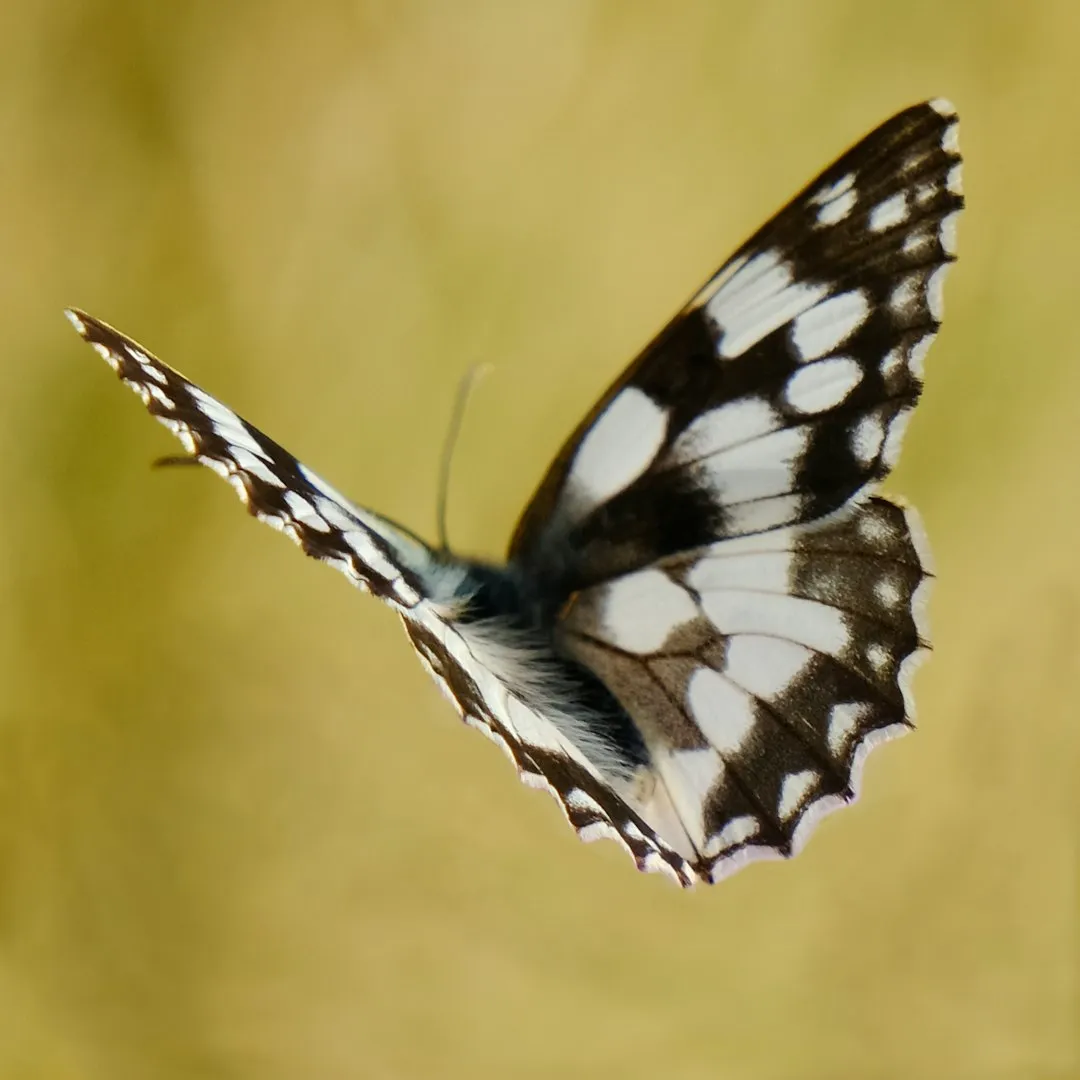
Butterflies may seek shelter and become less active before a storm. They are sensitive to changes in air pressure and humidity, which can affect their flight. Observing butterflies disappearing from gardens can be a sign that a storm is near.
Fish: The Underwater Indicators
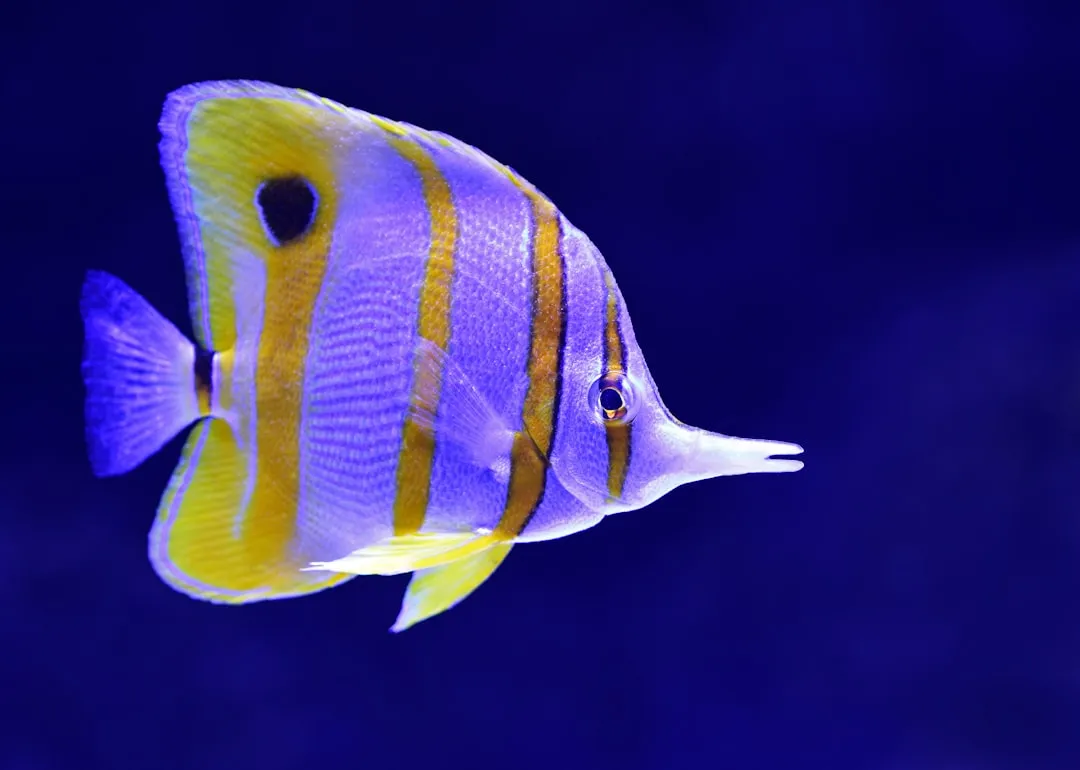
Fish may swim deeper before a storm to avoid turbulent surface waters. They can sense changes in barometric pressure, prompting them to seek calmer conditions. A decrease in fish activity near the surface can indicate that a storm is approaching.
Nature has equipped many animals with the ability to sense and respond to impending storms, often long before human-made instruments can detect them. By paying attention to the behaviors of the creatures around us, we can gain valuable insights into upcoming weather changes. So, the next time your dog acts restless or the birds fall silent, consider it a nudge from nature to prepare for what’s coming. After all, who needs a weather app when you have a backyard full of natural forecasters?
