
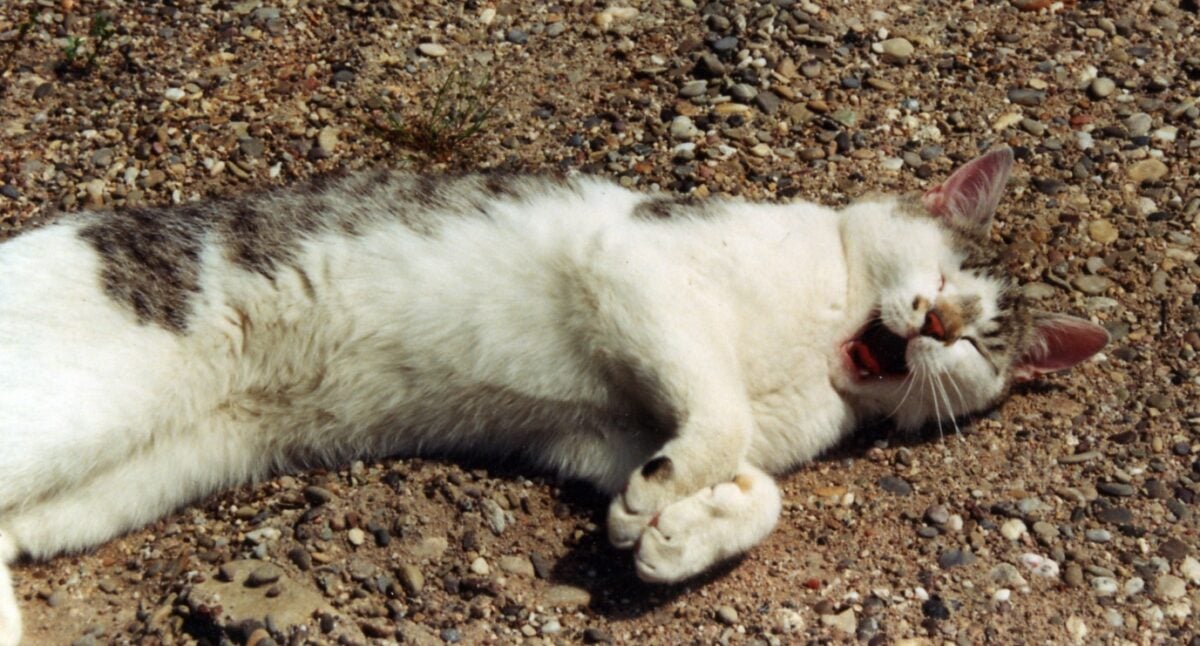
Have you ever noticed your cat settling down for a nap with their back turned toward you? While it might seem like a snub, this behavior is actually a profound display of trust. Understanding the nuances of feline sleeping positions can offer deep insights into your cat’s feelings and the bond you share.
The Significance of Sleeping Positions in Cats
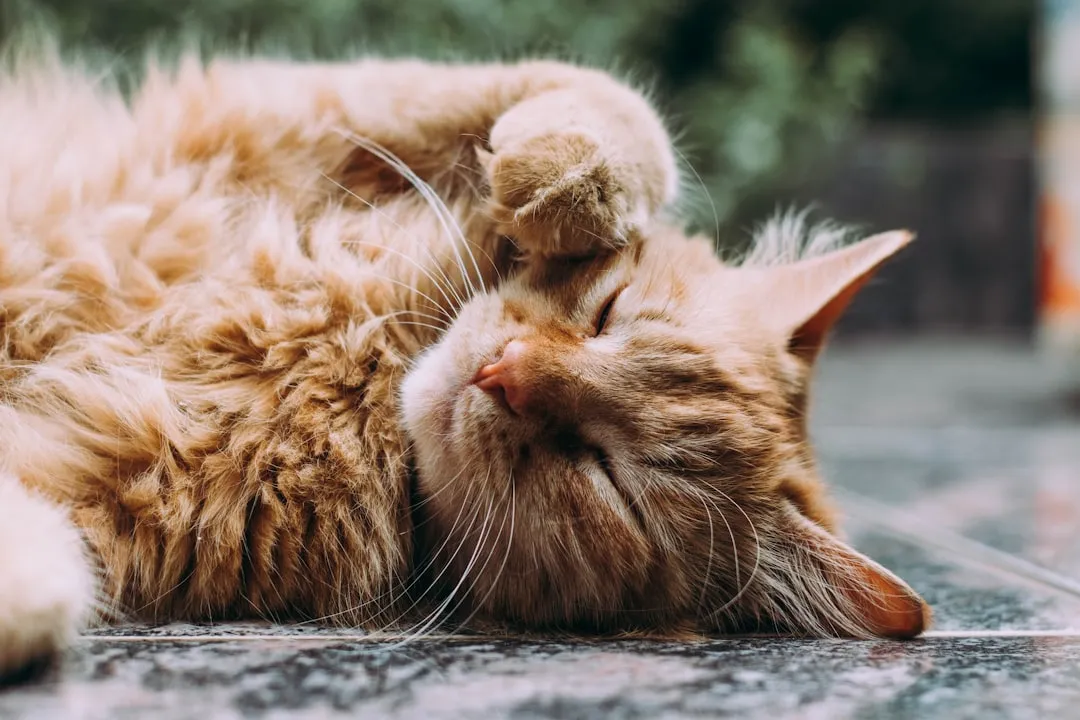
Cats are creatures of habit, and their sleeping positions are more than just about comfort. Each posture they adopt carries specific meanings, reflecting their emotional state, health, and level of trust. Observing these positions can help you gauge how your feline friend feels in your presence.
For instance, a cat curled up tightly might be conserving heat or protecting vital organs, while one sprawled out with an exposed belly indicates a sense of security. Recognizing these subtle cues can enhance your understanding of your pet’s behavior.
Turning Their Back: A Gesture of Ultimate Trust

When a cat chooses to sleep with their back facing you, it’s not an act of disregard but a significant sign of trust. In the wild, a cat’s back is vulnerable to predators. By exposing this area to you during rest, your cat is expressing confidence in your relationship and their safety in your presence.
This behavior suggests that your cat feels secure enough to let their guard down completely, trusting that you pose no threat. It’s a silent yet powerful testament to the bond you’ve built together.
Comparing Other Trust-Indicating Sleeping Positions
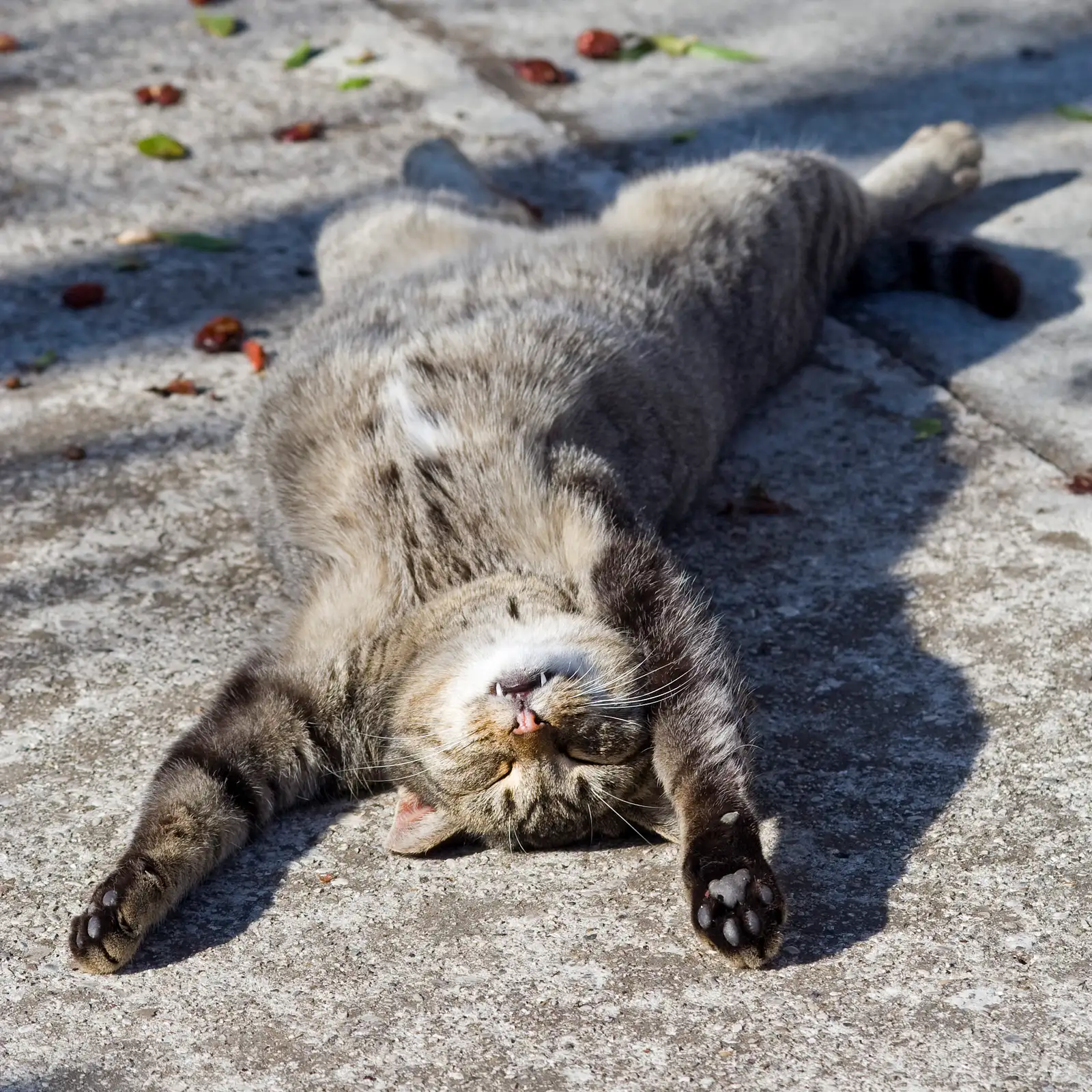
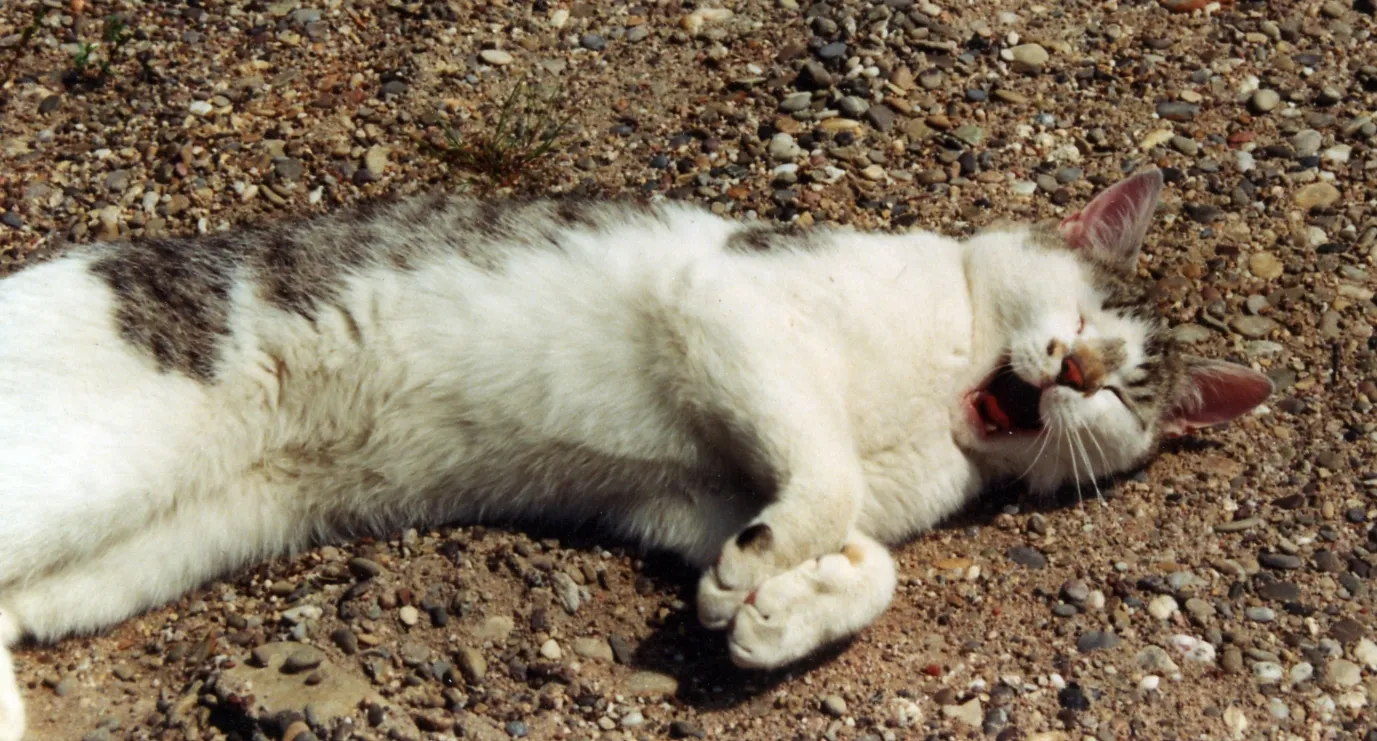
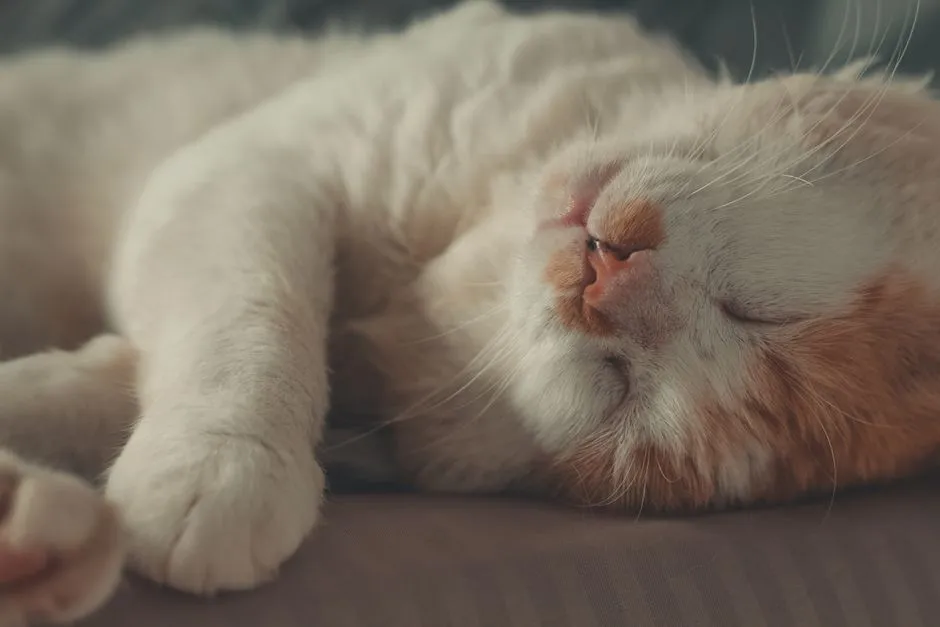
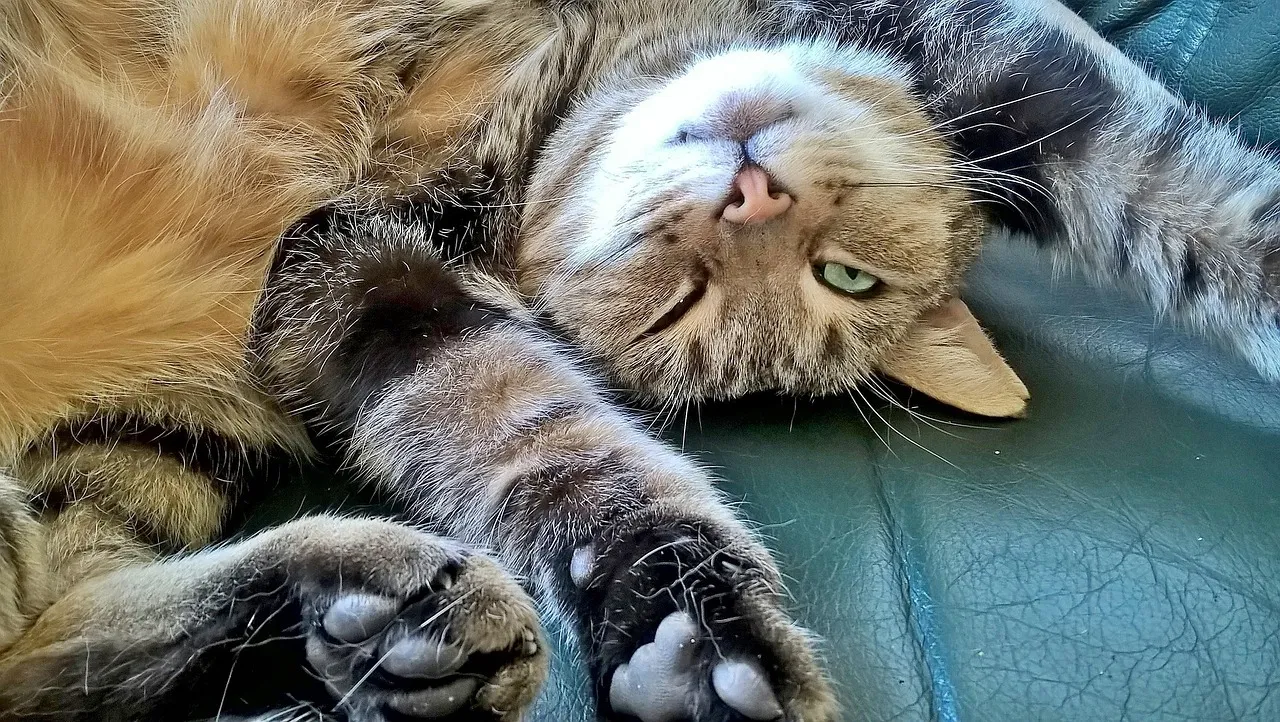
While turning their back is a notable sign of trust, other sleeping positions also convey similar sentiments. For example, a cat sleeping on their back with their belly exposed is demonstrating ultimate relaxation and trust, as the belly is a vulnerable area.
Similarly, a cat that sleeps curled up beside you or on your lap is seeking warmth and comfort, indicating a strong bond. Each of these positions reflects a different facet of trust and affection in your relationship.
Understanding the Context of Feline Behavior
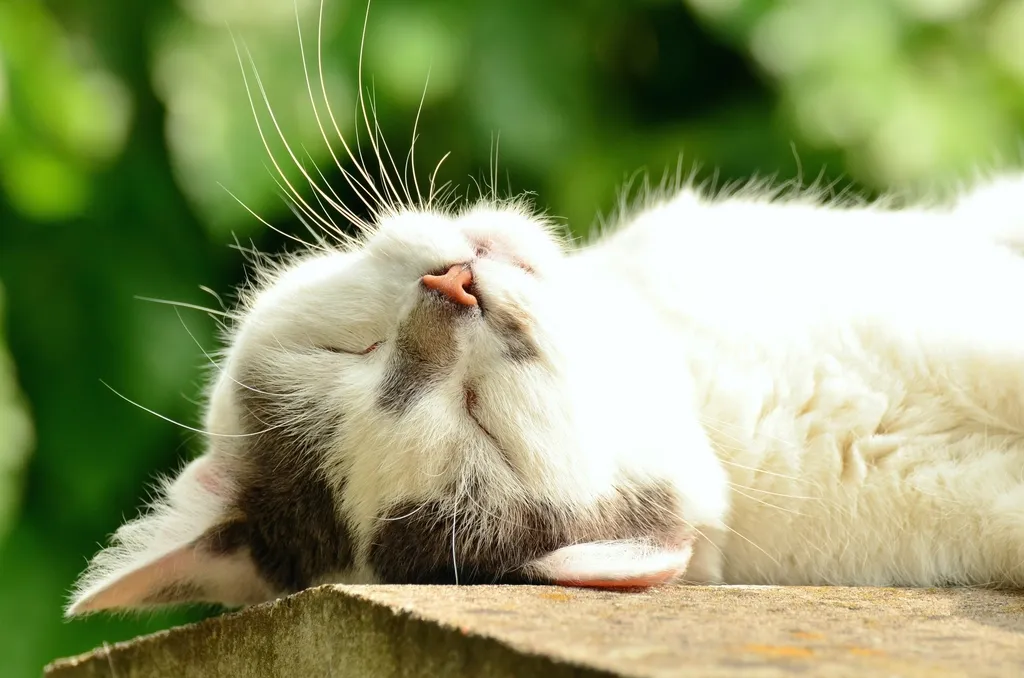
It’s essential to consider the context when interpreting your cat’s sleeping positions. Factors such as the environment, recent changes in the household, or the presence of other pets can influence their behavior.
For instance, a cat may choose to sleep with their back to you in a quiet, familiar setting but might opt for a more guarded position in a new or noisy environment. Being attuned to these nuances can help you better understand and respond to your cat’s needs.
Building and Maintaining Trust with Your Cat
Developing a trusting relationship with your cat requires patience and consistency. Providing a safe environment, respecting their space, and engaging in positive interactions are key components.
Regular playtime, gentle handling, and allowing your cat to approach you on their terms can strengthen your bond. Over time, these efforts will be reflected in your cat’s behavior, including their choice of sleeping positions.
When to Be Concerned About Sleeping Positions
While many sleeping positions are normal, sudden changes can indicate underlying issues. If your cat starts sleeping in isolated areas, adopts a hunched posture, or shows signs of discomfort, it may be time to consult a veterinarian.
Changes in sleeping behavior can be a sign of stress, illness, or discomfort. Being observant and proactive can ensure your cat’s well-being and address potential problems early.
Conclusion
In the intricate language of feline behavior, a cat sleeping with their back to you is a profound expression of trust. It’s a silent acknowledgment of the safety and comfort they feel in your presence. So, the next time your cat turns their back during a nap, take it as the highest compliment – a testament to the strong bond you’ve nurtured together. Isn’t it remarkable how much our feline friends communicate without saying a word?
