
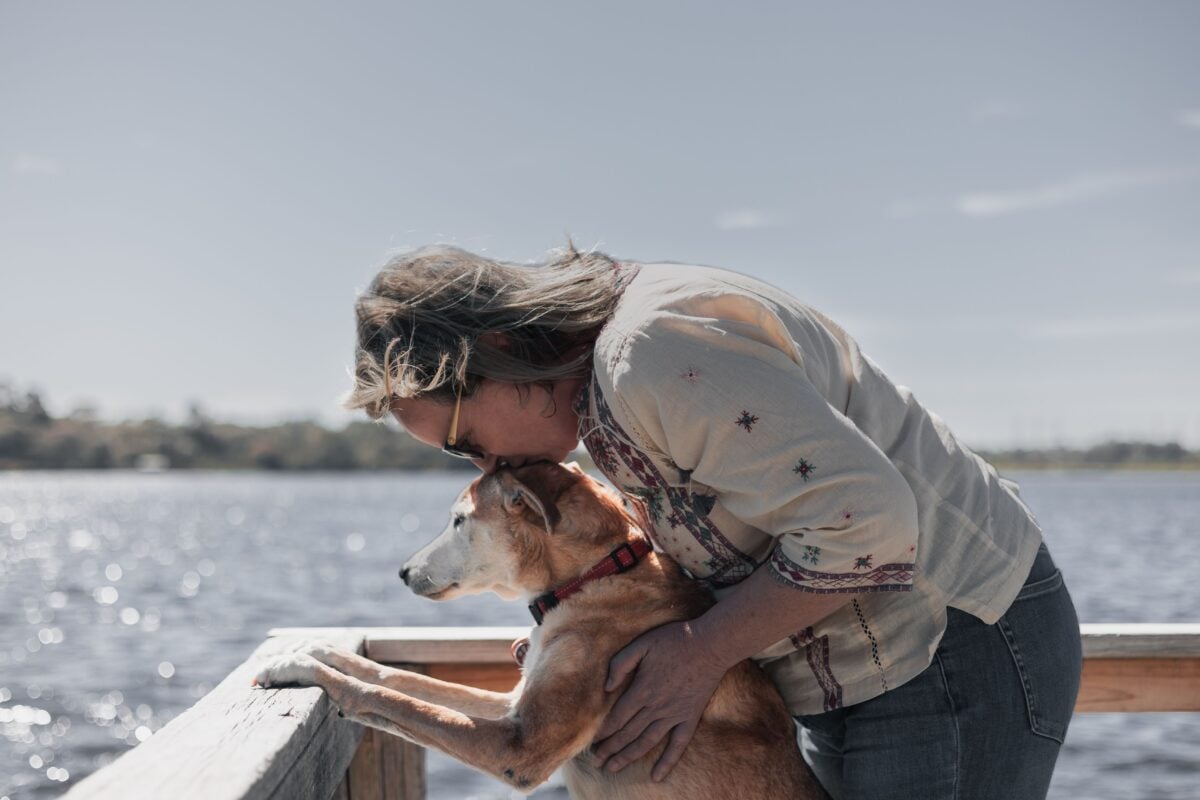
Everyone assumes the end of a dog’s life is just decline – slower legs, grayer fur, sadder eyes staring up from the floor. But spend enough time with an old dog and you notice something nobody warns you about: they often get sweeter. Softer. Strangely more present, like they’re paying closer attention to you than they ever did as a wild, treat-obsessed puppy.
These aren’t random quirks of old age. Vets and longtime owners recognize them as small, quiet signals – a private language dogs use once words and energy start running out. Once you know what to look for, you’ll never see your senior dog’s naps, stares, or bedtime rituals the same way again.
#1 – They Start Watching You More Than the World
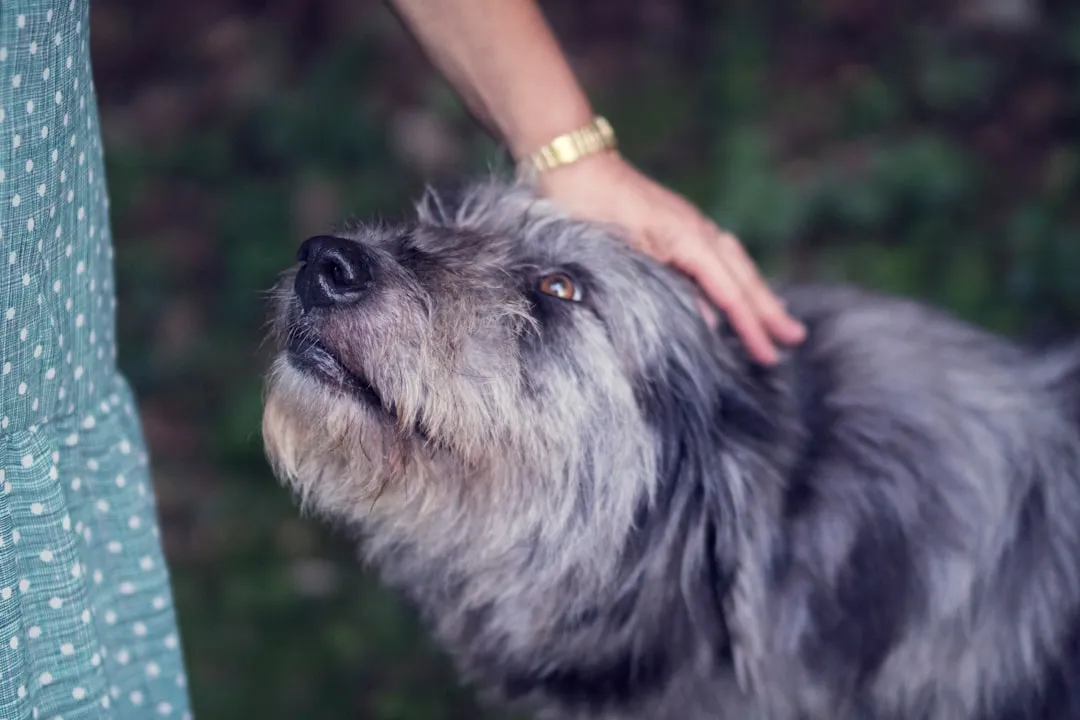
Somewhere along the way, an old dog’s universe shrinks – and you become the only thing left in it. The squirrels, the mail truck, the doorbell chaos that used to send them into a frenzy? None of it matters the way it used to. What matters is knowing exactly where you are in the room.
You’ll catch them just watching. Not begging, not whining – just quietly tracking you with soft, steady eyes, like they’re memorizing the sound of your footsteps. Many owners assume this stillness means boredom, but it’s the opposite. It’s focus. A dog who spent years chasing everything else has quietly decided you were always the only thing worth watching.
- They sleep in doorways where they can keep you in view.
- They lift their head when you move, then settle right back down.
#2 – Their “Goodnight” Routine Gets Weirdly Specific
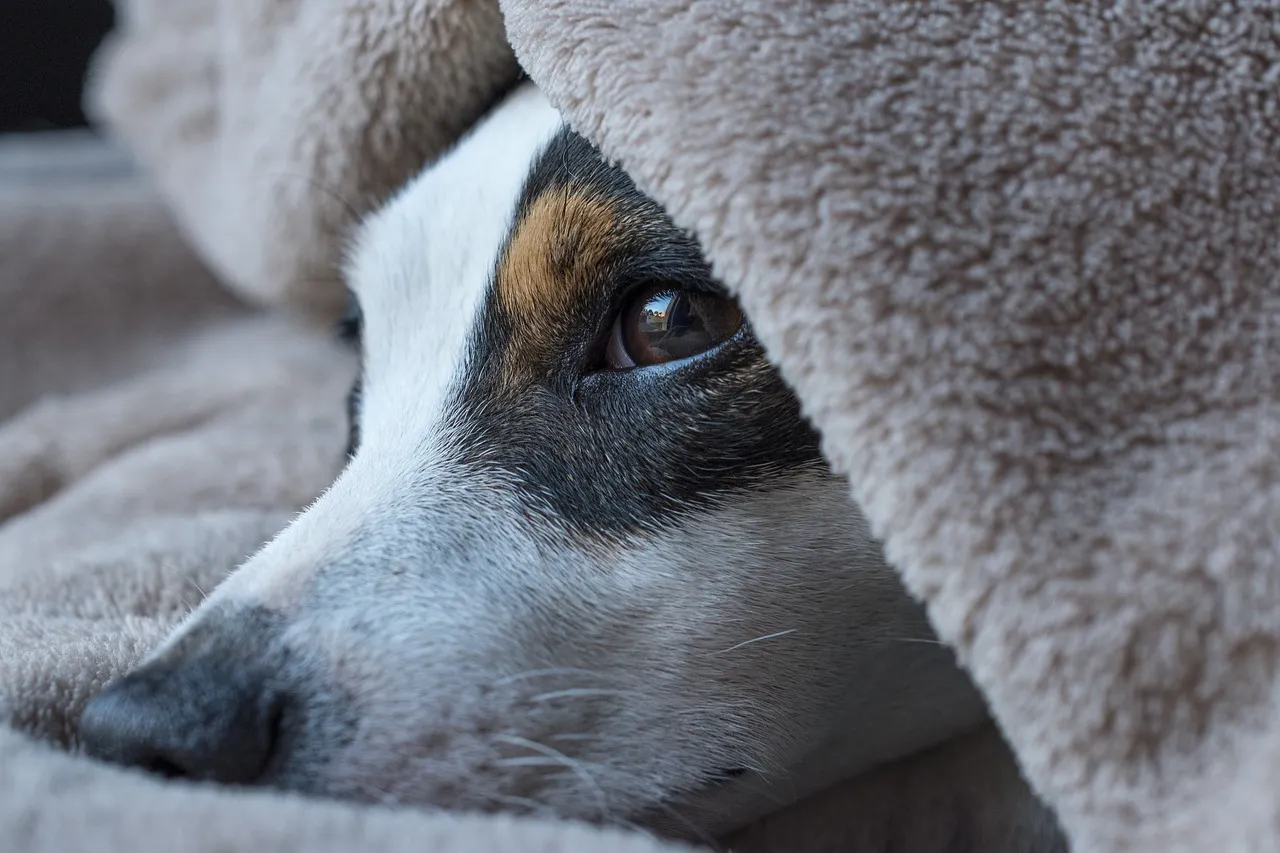
Watch an aging dog long enough and bedtime starts to look like a tiny ceremony. Maybe they circle the bed exactly twice, nose your hand once, then drop with a heavy sigh in the exact same spot every single night. Skip a step, and they’ll pause, confused, until it’s done right.
It isn’t superstition. As joints stiffen and senses dull, predictability becomes a lifeline. Every repeated motion – same corner, same side of the bed, same hour – is a dog quietly telling itself, this is still safe, this is still familiar. It’s comforting to watch, right up until the night the ritual suddenly stops, and that silence says more than the routine ever did.
Fast Facts
- Giant breeds often reach “senior” status by age 6 to 7, while small breeds may not get there until 10 to 12.
- Vets generally consider a dog senior once it enters the last quarter of its expected lifespan.
- Larger dogs tend to age faster, since their bodies handle more physical strain over a shorter life.
#3 – They Lean Into You Like They’re Grounding Themselves
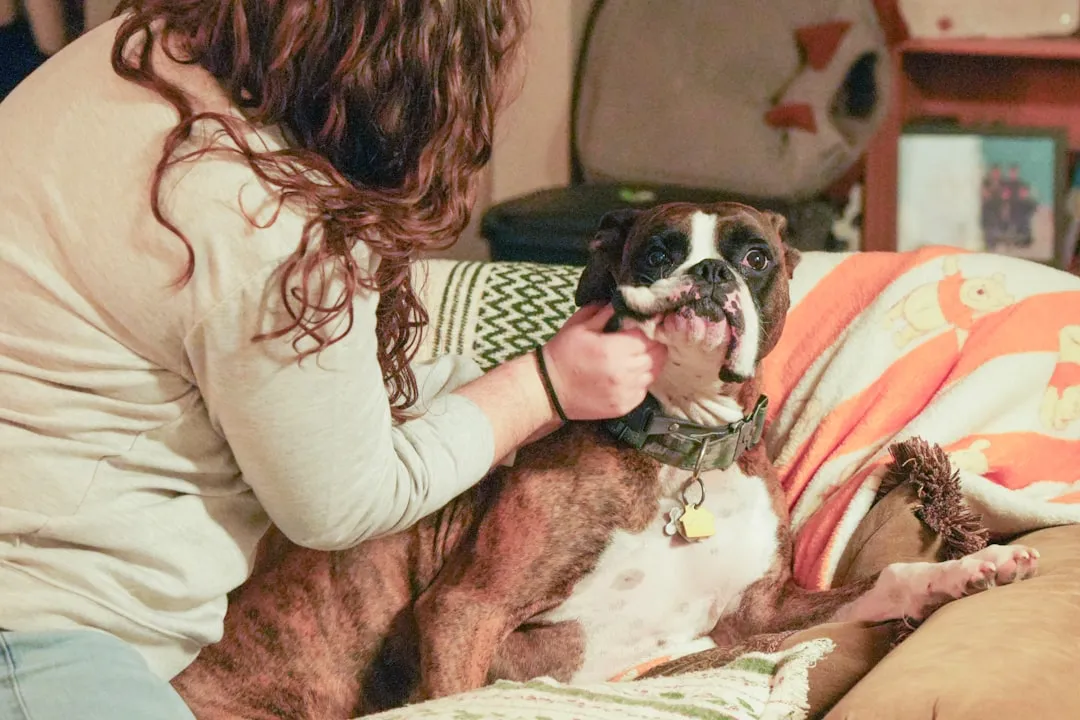
Puppies bounce off you. Old dogs lean – full weight, unmistakable, like you’re the only sturdy thing left in the room. As arthritis and muscle loss creep in, that lean stops being simple affection and starts being function: they’re literally using your body to hold themselves up.
Vets see it constantly – the old dog who shuffles across the exam room and melts sideways into their owner’s leg, eyes soft, breathing slow. Part hug, part “don’t let me fall,” part “you’re still my safe place.” Nobody knows exactly how much dogs understand about endings, but they clearly understand this much: contact means safety.
- They stand closer on walks, sometimes bumping your leg on purpose.
- They sit pressed against you instead of a few feet away, like they used to.
#4 – They Sleep Deeper, Dream Harder, and Stay in the Past
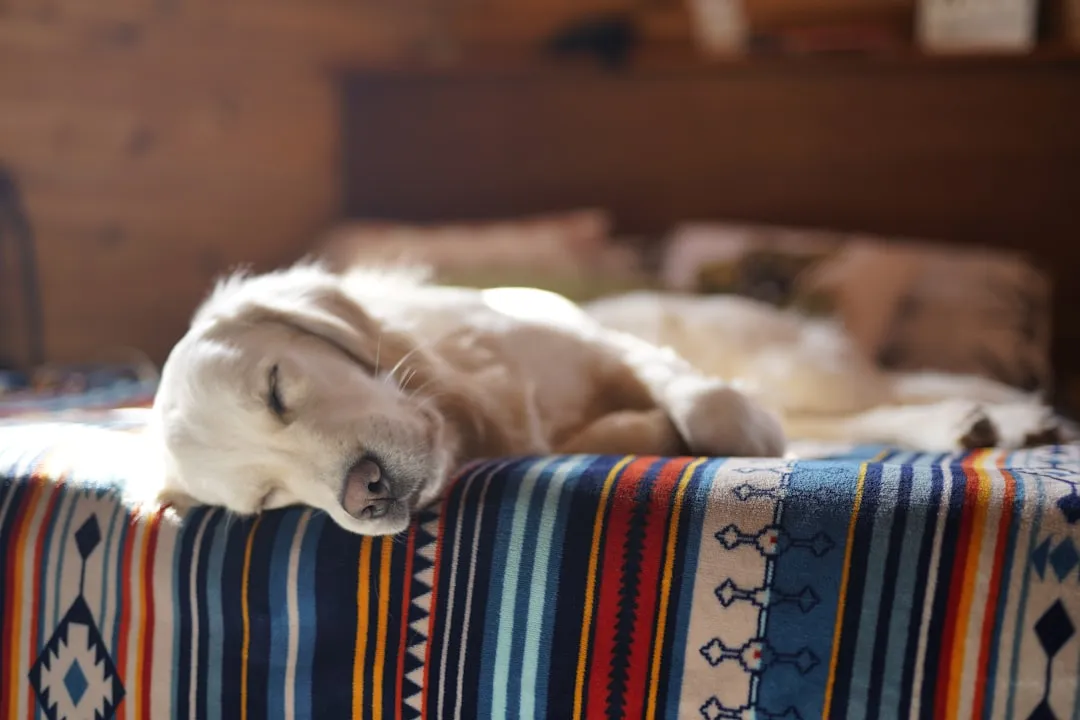
Older dogs sleep more – that part’s expected. What catches people off guard is how intense the dreaming becomes: twitching paws, muffled barks, full-body flutters like they’re running in slow motion through a field only they can see.
Nobody can ask a dog what they’re dreaming about, but deep sleep is also when a tired, aging body does what little repair work it still can manage. As organs slow and energy fades, dogs retreat into longer, heavier sleep – and that faraway look when they wake up, blinking like they’ve surfaced from somewhere else entirely, is proof their mind is still busy replaying a lifetime of “us.”
Worth Knowing
- Cognitive dysfunction is estimated to affect roughly 14% to 35% of dogs over age eight.
- One study found the rate jumped from 28% in dogs aged 11 to 12 to 68% in dogs aged 15 to 16.
- Common signs include disrupted sleep-wake cycles and disorientation – not just “getting old.”
#5 – They Choose “Their” Spot and Guard It Gently
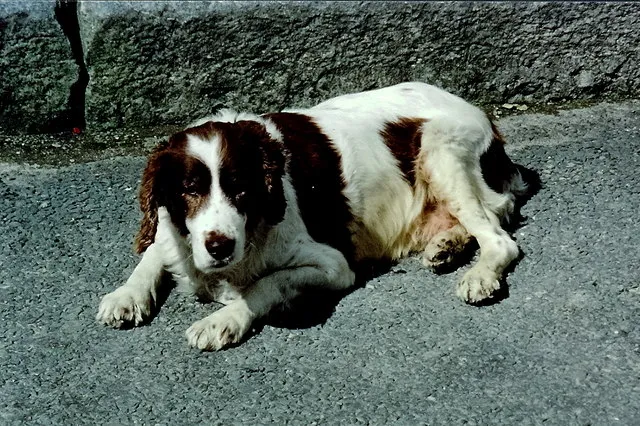
At some point, most old dogs pick a final favorite place – a sun patch by the door, the rug beside your bed, a couch corner with a clear view of the hallway. Once chosen, it becomes non-negotiable. Move them, and they’ll circle back, confused, until they’re right where they wanted to be.
It’s not stubbornness for its own sake. Aging dogs are chasing warmth for sore joints, quiet away from sudden noise, and closeness to the household’s heartbeat. Some hospice vets will tell you, quietly, that this is often exactly where a dog is found at the very end – not by accident, but because they chose it long before anyone else understood why.
#6 – Their Appetite Becomes a Conversation, Not a Constant
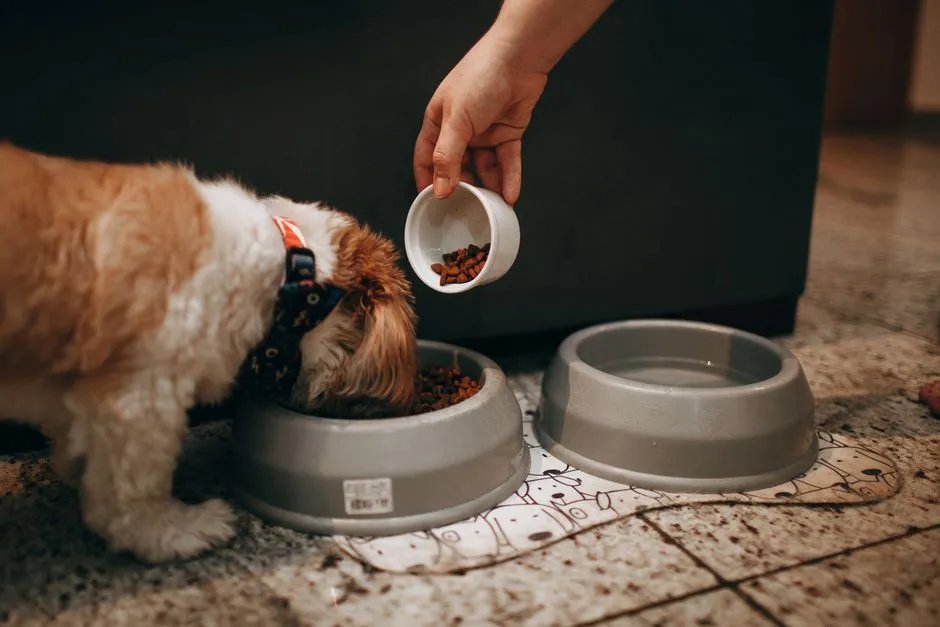
Food used to be an instant yes. Now it’s negotiable. One of the hardest tender signs to watch is a dog turning away from meals they once inhaled, or taking twice as long to finish a bowl they used to empty in seconds.
It’s easy to mislabel this as “picky,” but it’s usually pain, nausea, a dulled sense of smell, or plain fatigue. And yet flashes of the old appetite still show up – a perked head for chicken, a sliver of cheese, dinner scraps when nothing else works. That spark is why so many caregivers start hand-feeding or cooking “people food.” It isn’t spoiling. It’s the simplest form of comfort care there is.
Quick Compare
- Weight gain: often shows up even without diet changes, adding strain to aging joints.
- Weight loss: usually tied to muscle loss, dental pain, or a fading sense of smell.
- Either shift is worth a vet visit rather than a shrug – appetite changes rarely mean “nothing.”
#7 – They Seek Quiet Company Instead of Play
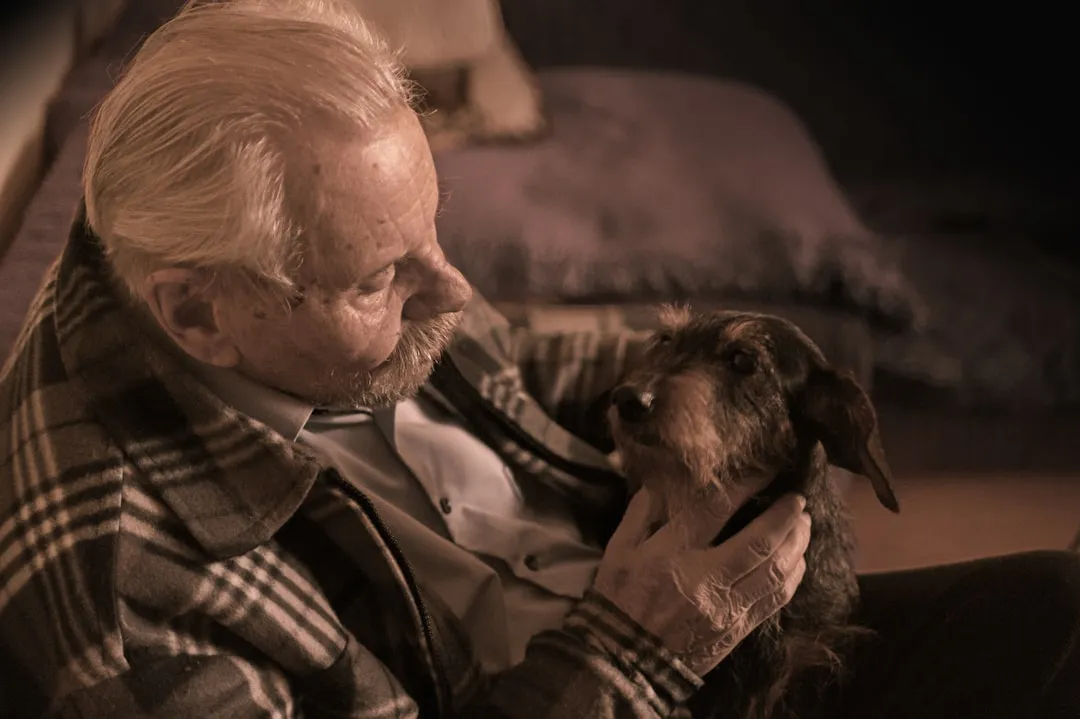
Fetch drops off the list before you do. Older dogs trade wild play for gentle presence – instead of chasing a toy across the yard, they wander over, flop down with a soft groan, and just exist next to you.
That’s not boredom; it’s contentment. The craving for stimulation fades, replaced by a craving for calm, shared space, which is why your dog is often happiest when you’re doing nothing at all. It breaks hearts in households used to a high-energy dog, but the joy hasn’t disappeared. It’s just gotten quieter – relaxed ears, slow blinks, a barely-there tail tap that says, this is enough.
#8 – They Start Having “Strange” Nights
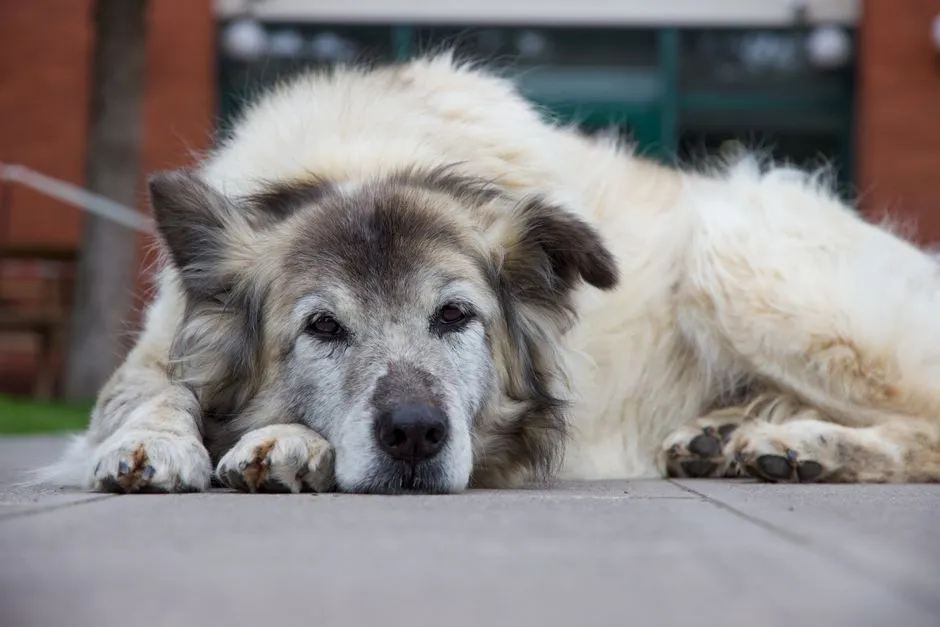
3 a.m., and your old dog is just standing in the hallway. Not distressed, not panicking – just staring, like they woke up in a house they half-remember. As dogs age, nights can turn oddly complicated, with restless pacing, panting, or a kind of confused wandering that mirrors cognitive decline in aging humans.
It’s unsettling to witness, but it’s also one of those quiet, unglamorous realities of a failing brain. A soft nightlight in the hallway helps. So does moving their bed – or your mattress – closer, so your breathing becomes their anchor. The nights spent on the floor next to a dog who can’t manage the stairs anymore are exhausting in the moment, and somehow the ones people miss most later.
- Soft nightlights in halls and living rooms.
- A bed in your bedroom, so your breathing becomes their anchor.
#9 – Their Greetings Become Slower, But Weirdly Deeper
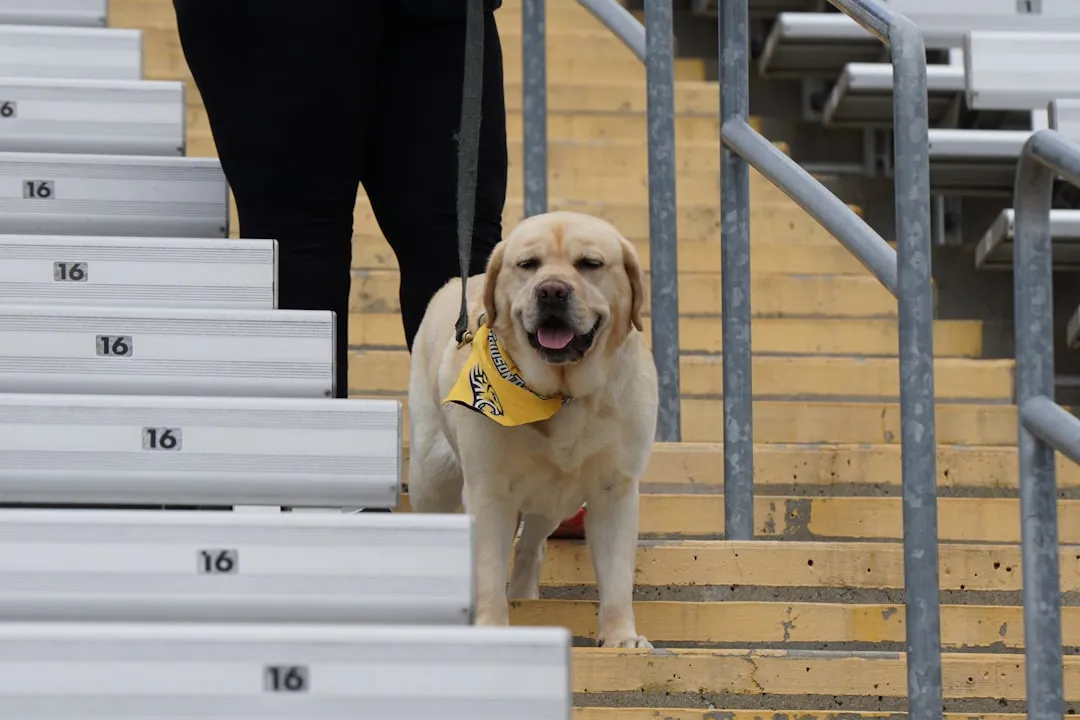
The explosive “you’re home!” body slam softens into something else entirely. Instead of launching off the ground, you get a slow rise, a wobbly walk, and a tail that starts wagging the second your key hits the lock – like the excitement never left, just the ability to show it the old way.
Some owners swear the eye contact lasts longer now, feels heavier, like the dog is trying to soak you in rather than just say hello. You can see the effort in every stiff step and careful landing back onto the bed, and yet they still get up, every single time. That’s a different kind of love than zoomies ever were. When they finally stop getting up altogether, most owners say that’s the moment it really hits them that something has changed for good.
#10 – They Tolerate What They Once Fought
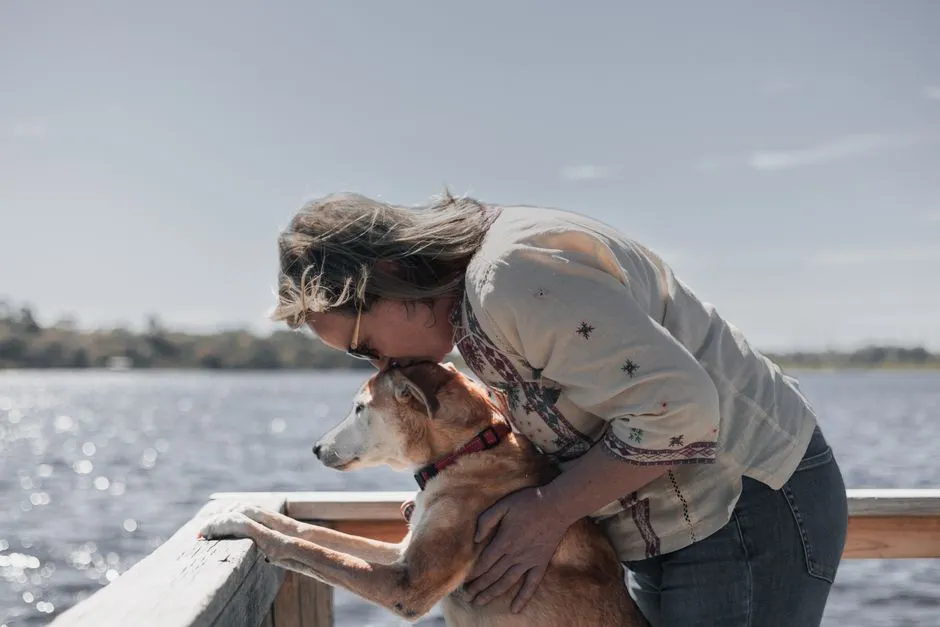
The dog who used to wrestle you over ear cleanings, or spit out pills no matter how well you hid them, suddenly stands still for it all. Injections, grooming, wiping a mess off their fur – the protest just stops.
Part of it might be resignation. But hospice vets see it as something more – trust built over years finally paying off, a dog who has decided to believe you when you say “this is to help you.” Whether it’s giving up or giving in, the effect is the same: a final, almost painfully pure kind of surrender to the person who’s always taken care of them.
- Letting you wipe their eyes without pulling away.
- Accepting being lifted when the stairs finally become too much.
#11 – They Start “Checking” Favorite Places One Last Time
Some dogs, in their final stretch, do quiet farewell tours nobody asked them to take. You’ll catch them slowly making their way to the tree they used to patrol for squirrels, the yard corner they always sniffed, the closet where the treats used to live.
They linger longer than usual, sniff the air, then shuffle off – almost like they’re closing tabs on chapters of a life that’s winding down. Science can’t confirm dogs “know” what’s coming, but longtime owners notice this pattern often enough to talk about it in hushed voices. What’s certain is this: an elderly dog who chooses to move somewhere, when every movement costs them something, is going somewhere that still matters.
#12 – They Become Strangely Okay With “Doing Less”
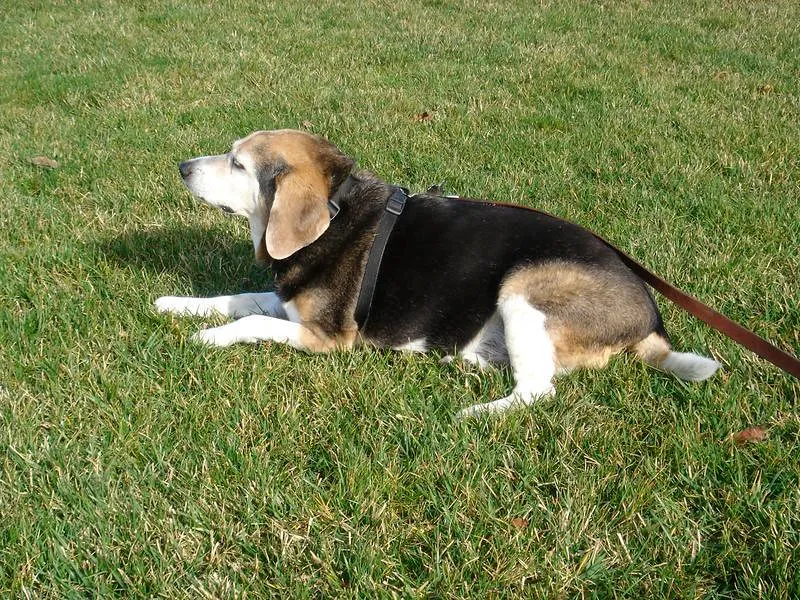
The guilt over this one usually belongs to the human, not the dog. The hike shrinks to a slow sidewalk sniff. The dog park becomes a bench, some sunshine, and watching other dogs run instead of joining them.
Owners often feel like they’re failing their dog by offering less, when in reality the dog’s whole definition of a good day has quietly adjusted right along with their failing lungs and aching joints. A good day now might just be a nap, a favorite snack, and time in the sun near you. Dogs aren’t measuring their life against what it used to be. They’re feeling this moment, this couch, this hand – and somehow, that’s genuinely enough for them.
#13 – They Seek Touch in Quieter, Shorter Bursts
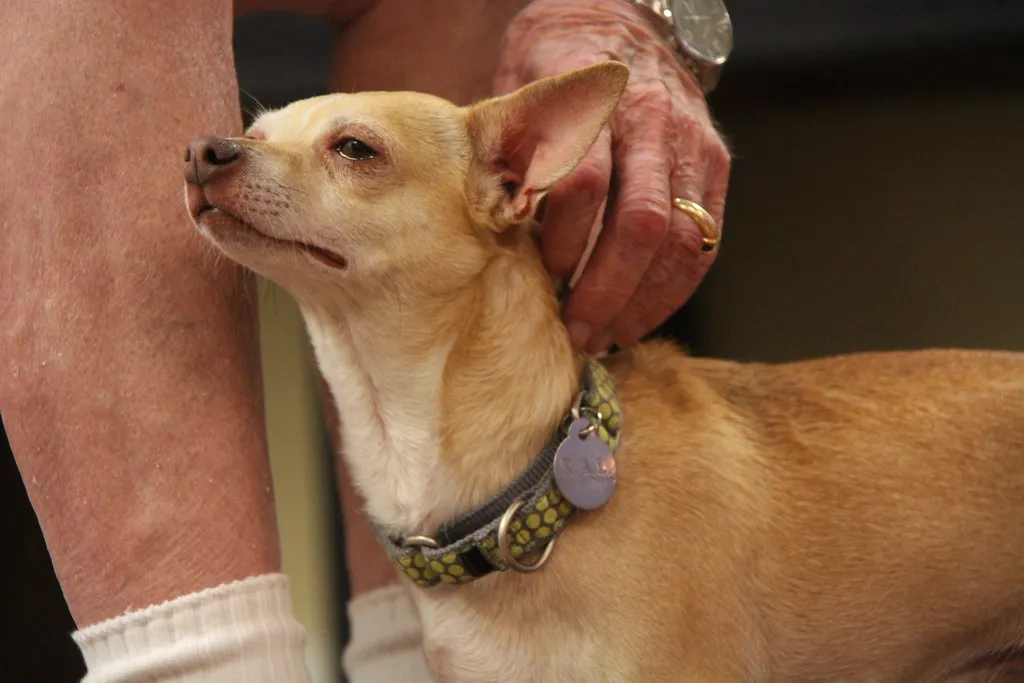
Physical affection doesn’t disappear in old age – it just gets more expensive. Instead of climbing into your lap for an hour, an old dog might pad over, rest their head on your knee for thirty seconds, take one deep breath, then wander back to their bed.
Every one of those small, deliberate touches costs them real energy, which is exactly why they matter more, not less. Too much handling can hurt arthritic joints, so seniors trade full-body cuddles for short, precise contact – a nudge of the hand, a cheek pressed into your palm, a gentle backward lean until they’re touching your legs. It isn’t distance. It’s a love letter written in the smallest possible increments.
At a Glance
- A slower “warm-up” – hesitating on stairs, struggling into the car – is one of the earliest aging signs.
- Osteoarthritis affects the vast majority of senior dogs, making joints tender to the touch.
- Short, gentle contact keeps affection alive without adding pressure to sore hips and knees.
#14 – They Start Having More “In-Between” Days
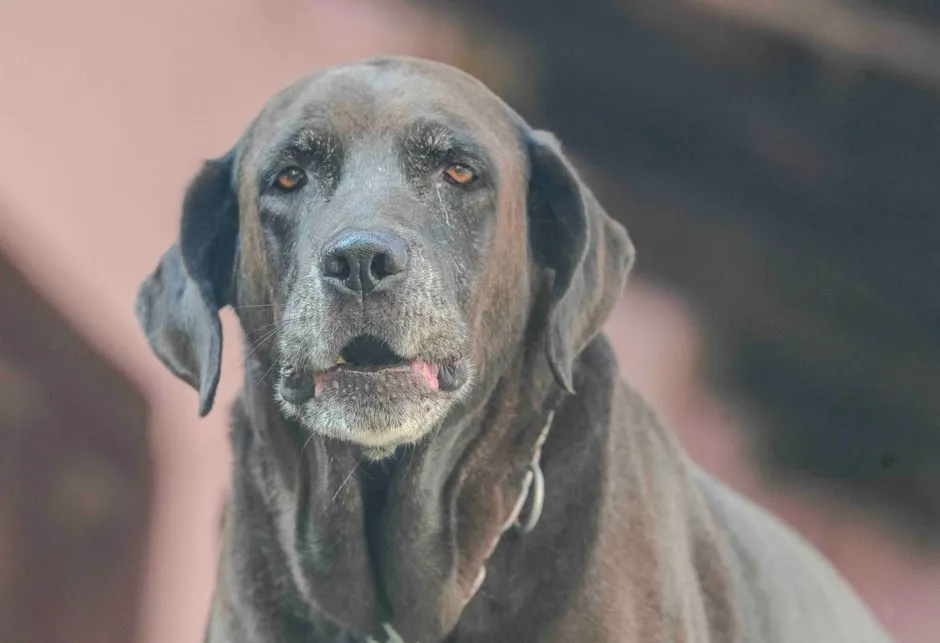
The end rarely arrives as one clean, terrible day. More often, it shows up as a patchwork – a morning where they won’t eat and can barely stand, followed by an afternoon where they’re bright-eyed and begging for snacks like nothing happened.
That whiplash wrecks a lot of owners emotionally, even though it’s medically normal – hearts, kidneys, and joints all fluctuate as a body wears down. These in-between days are tender for a brutal reason: they’re often the last flickers of who your dog used to be. Some people cling to the good days as proof there’s still time. Others use them on purpose – a special meal, one more car ride, a few photos in the yard. Neither response is wrong.
#15 – They Quietly Hand the Decision Back to You
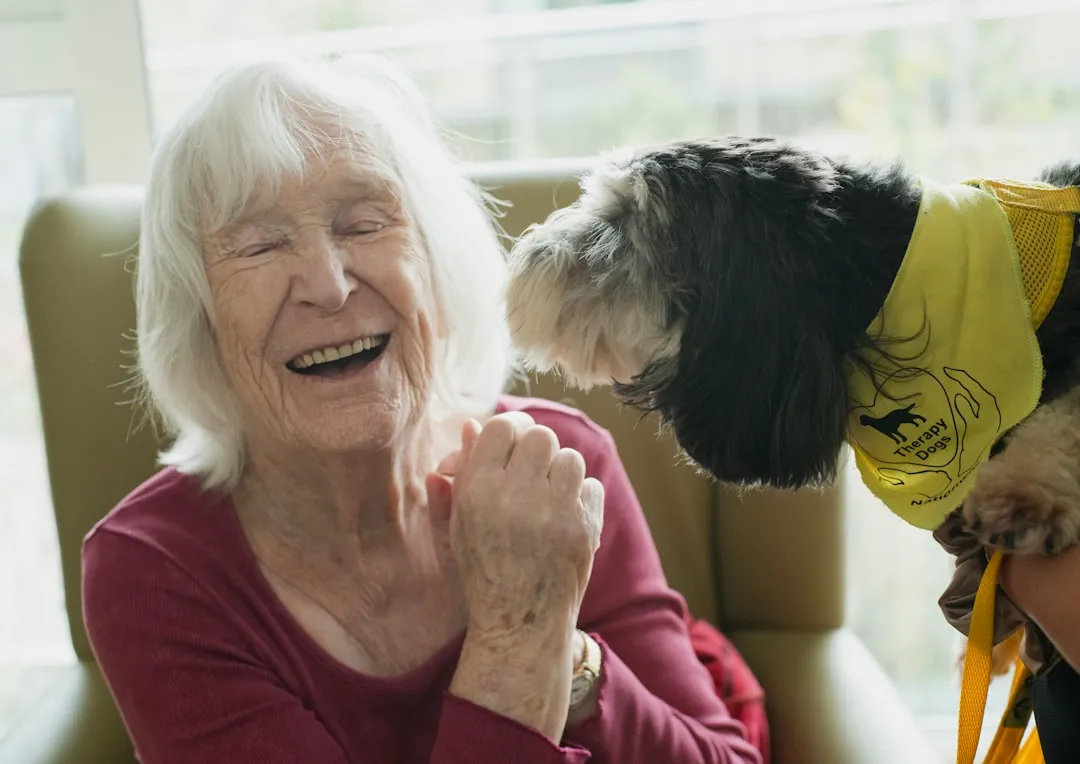
Here’s the hardest, most tender thing an old dog does: they make you decide. Dogs don’t get hospice consent forms or DNR conversations. As organs fail and pain builds, they simply keep doing what dogs have always done – trying to stay near you, trying to eat a little, trying to get outside when they can, long past the point their body would have quit in the wild.
That loyalty is exactly what leaves you holding a choice they can’t make themselves: keep going, or let them leave gently. People argue about this constantly – “they’ll tell you when they’re ready,” some insist, while plenty of vets counter that most dogs don’t tell us in words at all. We read it in labored breathing, in restless positioning, in a struggle that finally stops looking like living. The last tenderness an old dog offers is trust – trusting you to get it right, even knowing you’ll second-guess yourself forever.
The Bottom Line
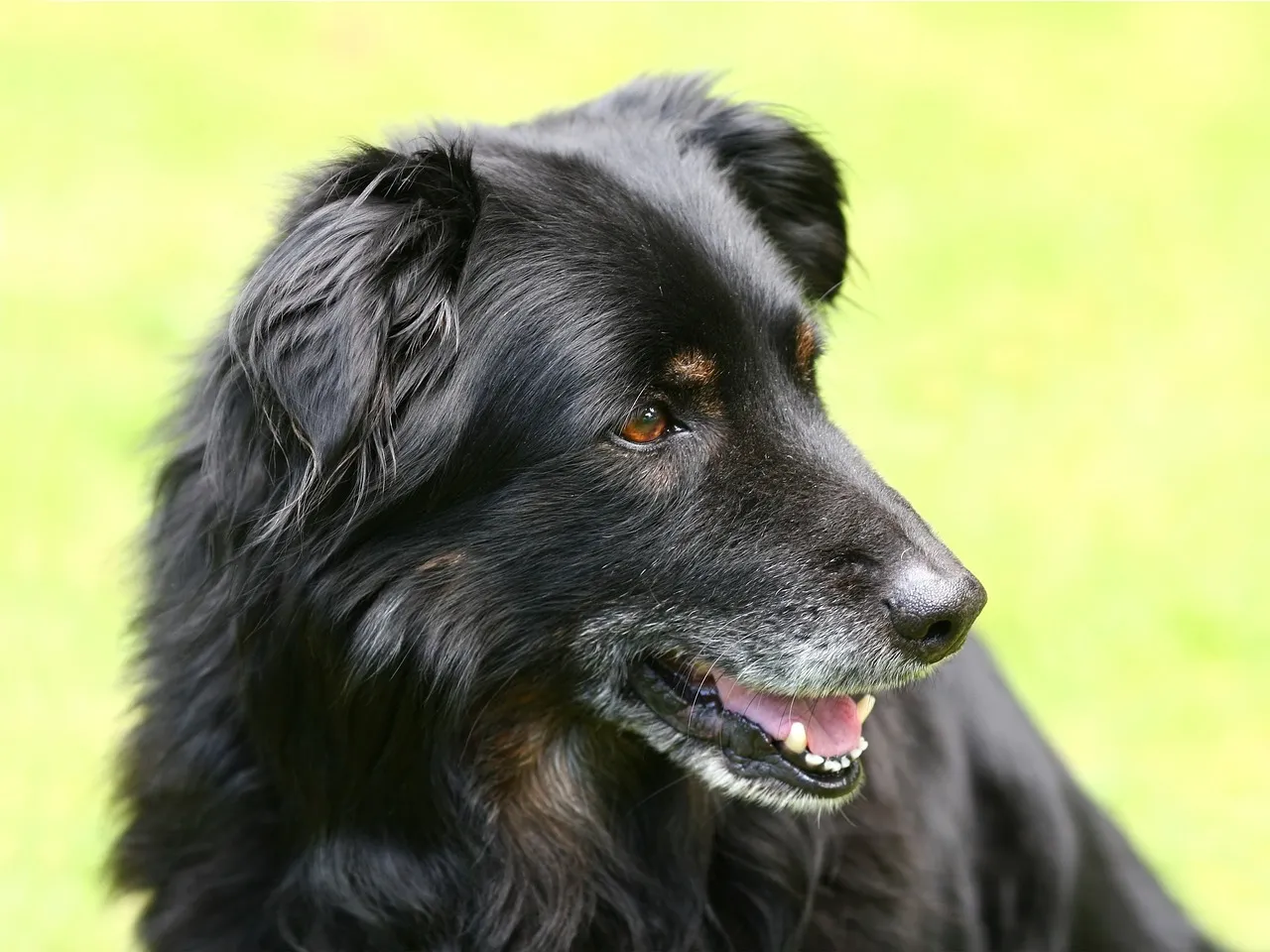
The closer the end quietly comes, the more an old dog strips life down to its raw essentials: comfort, routine, and the one person they chose as home. They watch you more. They lean into you harder. They dream deeper, eat slower, and ask for less – but what little they do ask for is almost unbearably simple: stay, touch, help.
Most people file all of this under “sad decline.” Looked at closely, it’s something closer to a series of small, deliberate acts of trust. And here’s the opinion worth sitting with: we owe our dogs the same clarity and courage they’ve shown us. That means noticing the quiet signs instead of looking away from them, honoring a world that has shrunk down to a couch and a sunbeam, and not dragging them through one more “one more day” simply because we’re the ones afraid to grieve.
Did your old dog do something in their final chapter that you still think about? Tell us in the comments – those small stories are how the rest of us learn to love better, right up until the end.

- 14 Ways an Old Dog Holds On a Little Longer for the Person It Loves - July 21, 2026
- 15 Tender Things Old Dogs Do the Closer the End Quietly Comes - July 21, 2026
- 14 Ways a Rescue Cat Shows It Has Given You Its Fragile Heart - July 21, 2026