
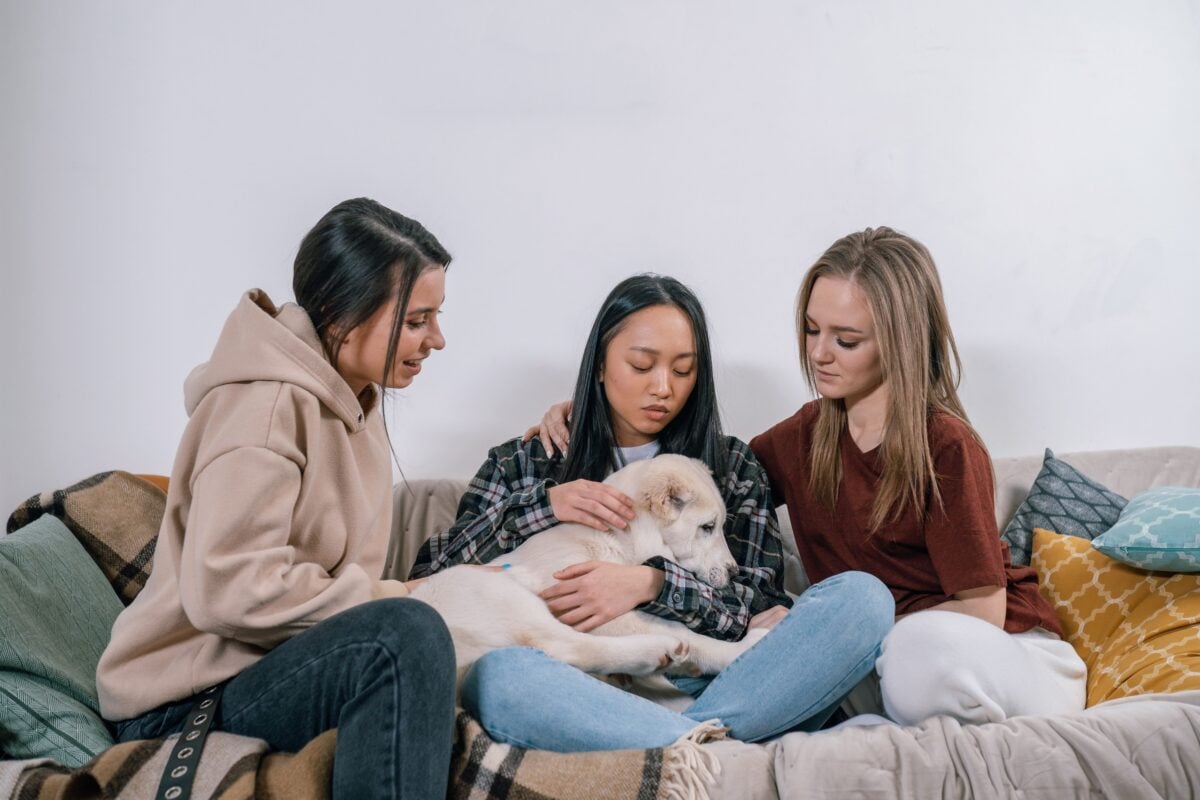
Most people think a dog’s devotion is obvious – the tail wag, the excited greeting at the door, the way they trail you around the house. But researchers who study canine behavior say the real proof is quieter than that, and a lot stranger. It shows up in things like where your dog chooses to nap, how their pupils change when they lock eyes with you, or what they do the instant real fear kicks in.
Some of these signals are so intense that trainers privately admit they worry a dog might be “too attached” to one person. Once you know what to look for, you’ll never see your dog’s little habits as random again – because a few of them are basically your dog telling you, in the only language it has, that you’re the whole map.
#14 – They Track You Like You’re Their Personal GPS Signal
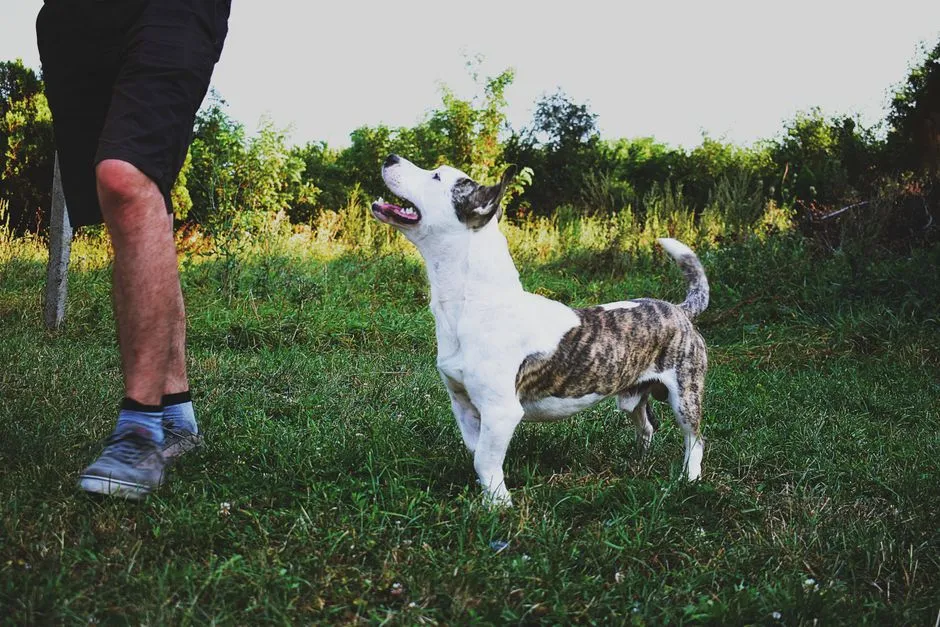
When your dog always seems to know exactly where you are in the house, that’s not nosiness – it’s a wiring thing. Dogs mentally track their favorite person the way sailors used to track the North Star. Walk from the kitchen to the bathroom, and don’t be surprised if they quietly relocate to the hallway outside the door a few seconds later.
Behaviorists call this “following proximity,” and it’s one of the clearest signs that you’re your dog’s safest, most important reference point in the world. You’ll catch it in tiny, easy-to-miss moments: they fake-nap with one eye cracked open the second you stand up, or they materialize behind you the instant the fridge door opens. People love to call these dogs “clingy,” but that label misses the point entirely – your dog is building their whole day around your footsteps, your voice, your routine.
#13 – They “Check In” With You, Even Off-Leash
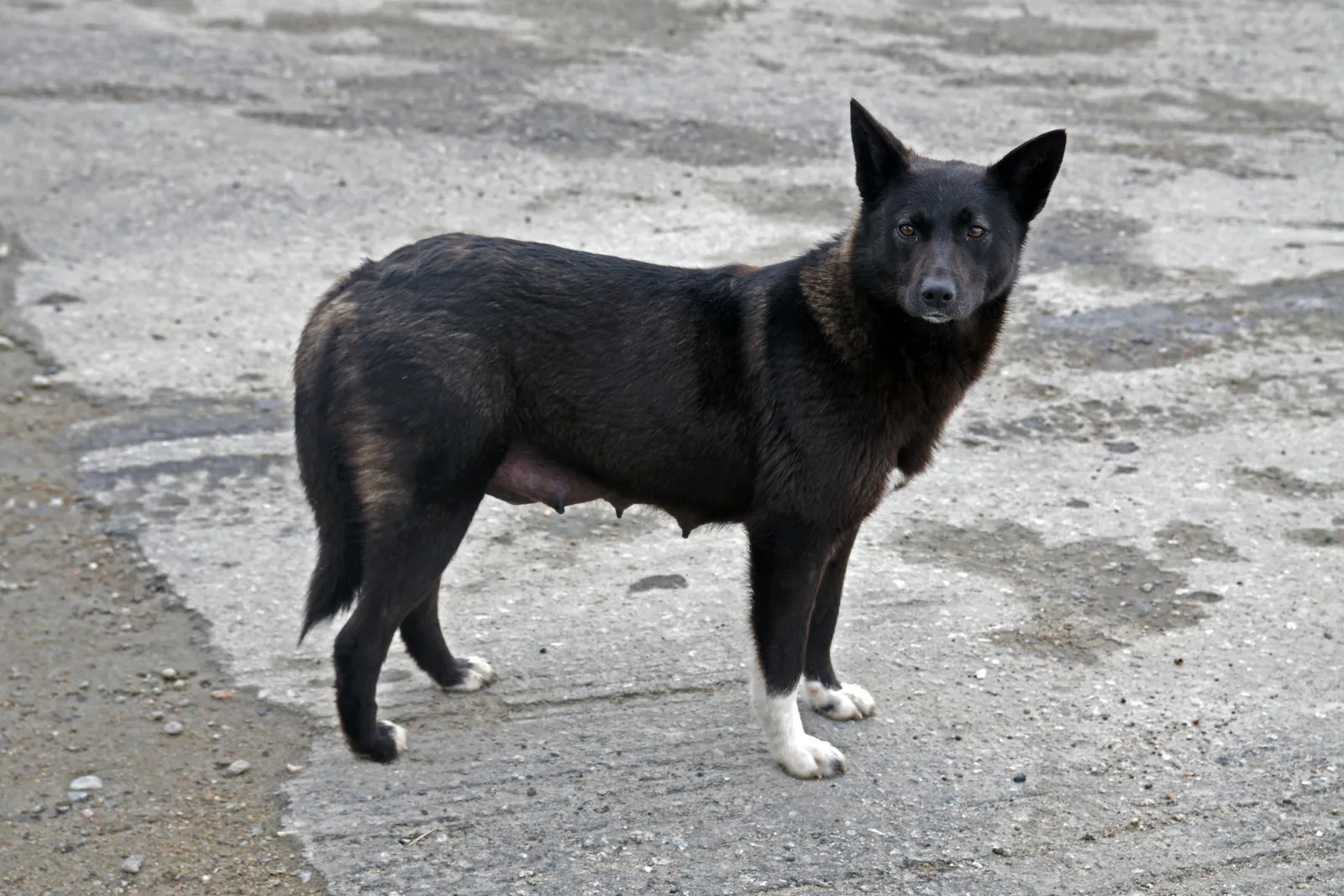
Let your dog run off-leash in a safe, open space and watch what happens. They’ll sprint ahead, sniff everything in sight, maybe say hello to another dog – and then, almost on cue, whip their head around to find you. That quick eye contact, or the little trot back in your direction, is called a “check-in,” and it’s your dog confirming their anchor is still exactly where they left it.
Here’s the twist trainers find fascinating: confident, securely attached dogs check in more, not less. They’re brave enough to wander far because they trust you’ll still be there when they look back. Some will even bump your hand with their nose mid-run, like hitting a save point in a video game, before tearing off again. Trainers actually worry more about the dogs that never check in – that pattern often points to a weaker bond, not independence.
At a Glance
- Check-ins happen even in wide-open, distraction-heavy spots like dog parks and hiking trails
- A backward glance, a nose bump, or a quick trot toward you all count as the same signal
- Confident dogs check in more often, not less – it’s trust, not insecurity
- Dogs that rarely check in may benefit from extra bond-building work, according to trainers
#12 – Their Eyes Go Soft When They Look at You
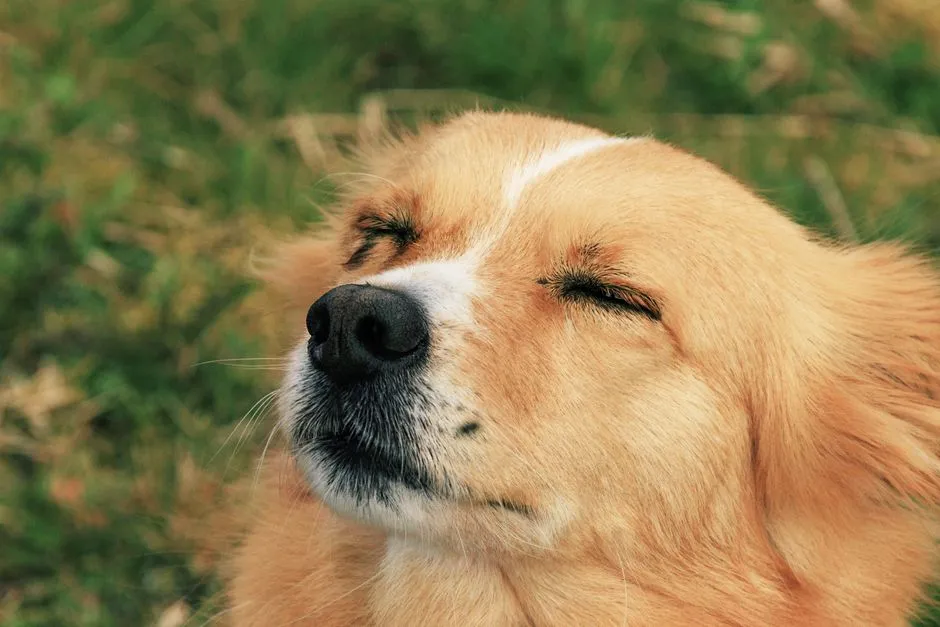
Not all dog eye contact means the same thing. When your dog’s eyes go soft – slow blinks, relaxed lids, pupils normal instead of huge – that’s not drowsiness. It’s affection, plain and simple. Researchers have found that mutual gazing between dogs and their humans can trigger oxytocin release in both species, the same bonding hormone that floods new parents holding a baby.
If your dog regularly seeks out your eyes during quiet moments – on the couch, first thing in the morning, right before bed – they’re not testing your authority. That old “alpha eye contact” theory has been thoroughly debunked. What they’re actually doing is the canine version of holding your hand. You might even notice they blink at you more than they blink at strangers; that soft blink is a social “I come in peace” signal dogs save almost exclusively for their inner circle.
Fast Facts
- Gazing behavior from dogs, but not wolves, increased urinary oxytocin concentrations in owners, which in turn raised oxytocin in the dogs
- Wolves don’t use mutual gaze as a form of social communication with humans the way dogs do
- Researchers say owner-dog bonding is comparable to human parent-infant bonding through oxytocin-mediated eye-gaze bonding
- Owners and dogs sharing a long mutual gaze had higher levels of oxytocin than owners of dogs giving a shorter gaze
#11 – They Sleep Where Your Scent Is Strongest
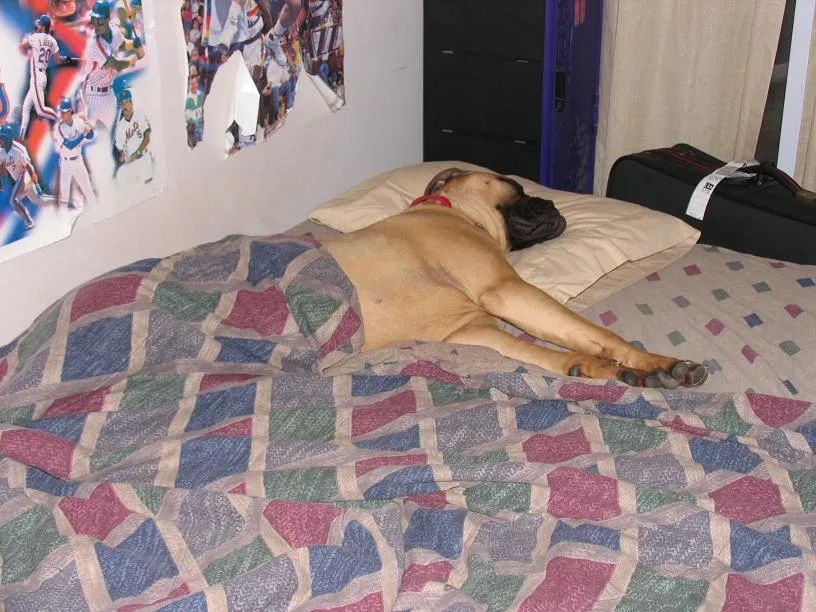
Here’s an oddly humbling truth: your dog doesn’t care about your decor. They care about your smell. If they curl up in your dirty laundry, steal your spot on the couch the moment you get up, or insist on sleeping directly on your pillow, that’s attachment in its rawest, least polished form. Your scent works like an emotional security blanket.
It’s part of why so many dogs cope better with time alone when they have an unwashed T-shirt of yours tucked into their bed, or free access to your usual chair or side of the mattress. Some owners see this habit as “naughty” and work hard to break it – but most behaviorists just wince. A dog gravitating toward the spot with the highest concentration of your scent is basically announcing, “You are home to me.” Blocking off every one of those spots can actually make an anxious dog worse, not better-behaved.
#10 – They Read Your Mood Before You Say a Word
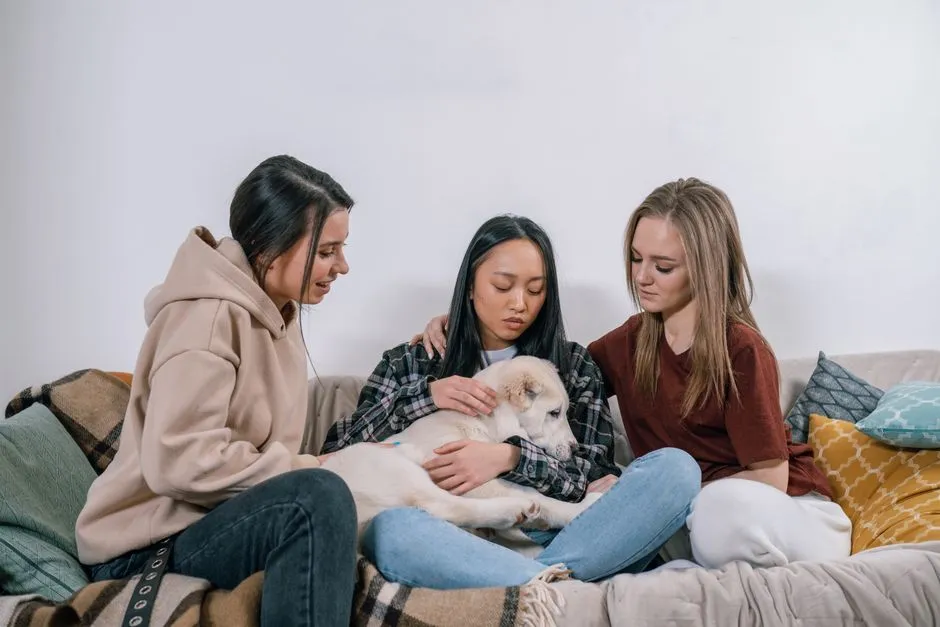
People consistently underestimate how good dogs are at reading human emotion. Your dog knows the difference between your real laugh and your fake one. They notice how you walk down the hallway, how hard you set your keys down, even how you open a cabinet door. When something’s off with you, their entire nervous system quietly recalibrates around it.
Watch what happens the next time you’re genuinely upset. Some dogs lie down closer without asking for anything in return. Others bring you a toy, lick your hand, or just stare hard at your face, trying to read the situation. Neither reaction is random – both translate to “something’s wrong with my person, and I need to monitor this.” Dogs that never seem to notice their owner’s mood swings usually aren’t “independent”; they’re just less bonded. If your dog’s mood mirrors your own, you’re the center of their entire emotional climate.
#9 – Their Recall Is Better With You Than With Anyone Else
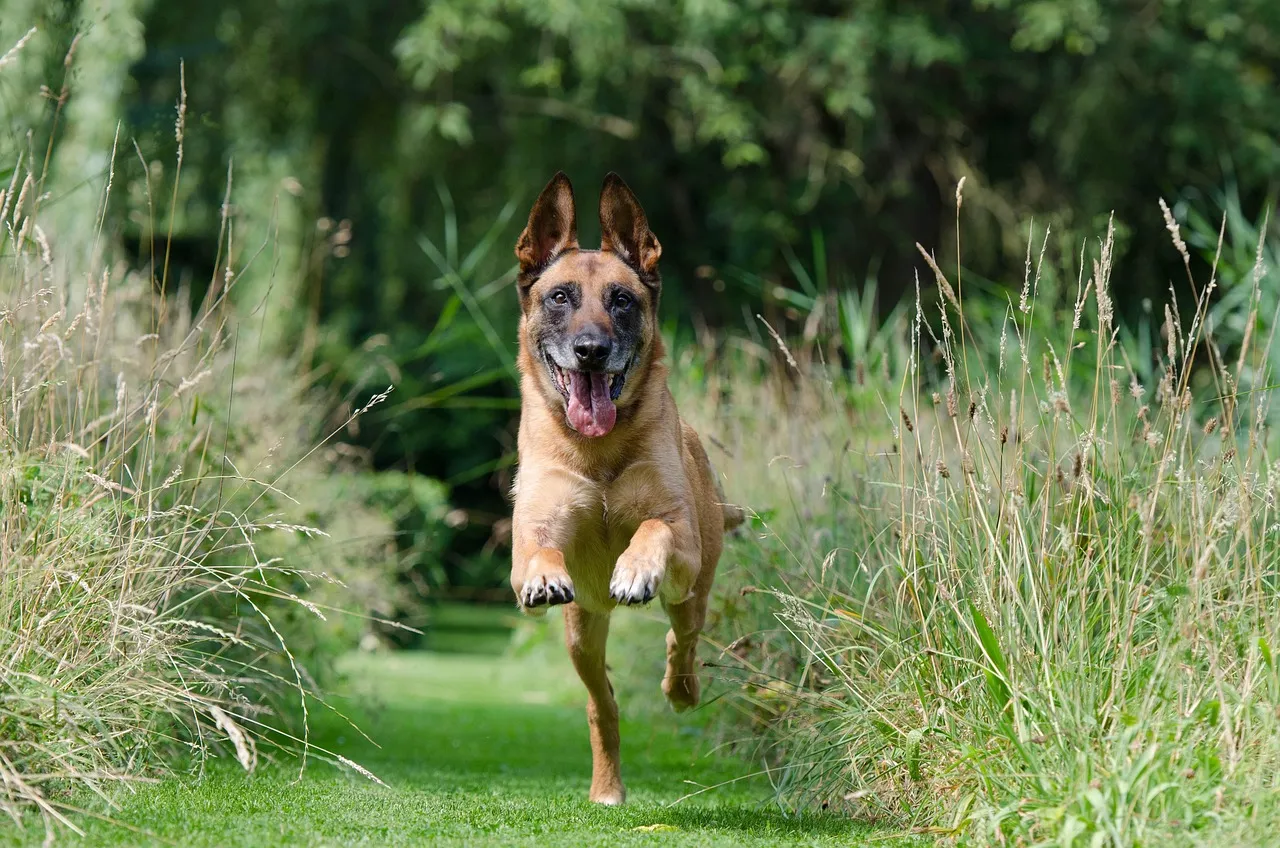
Here’s a brutally honest way to measure your standing in your dog’s world: who do they actually run to when called? In most multi-person households, there’s one voice that snaps the dog’s head around instantly – and if that’s you, it’s not just good training. It’s attachment plus motivation stacked together. Your call means something good is coming: safety, a treat, praise, or simply that unmistakable feeling of “my person wants me.”
Even when every family member uses the exact same cue word, dogs almost always show a favorite. That person is their true north. Watch closely and you’ll see them push past other people to reach you first, or break off mid-play with another dog the second your voice cuts through the noise. Sure, recall can be trained into any dog. But when you’re the only one they’ll cross an entire field for, you’ve become more than a trainer – you’re the main event.
#8 – They Guard You, Not Just the House
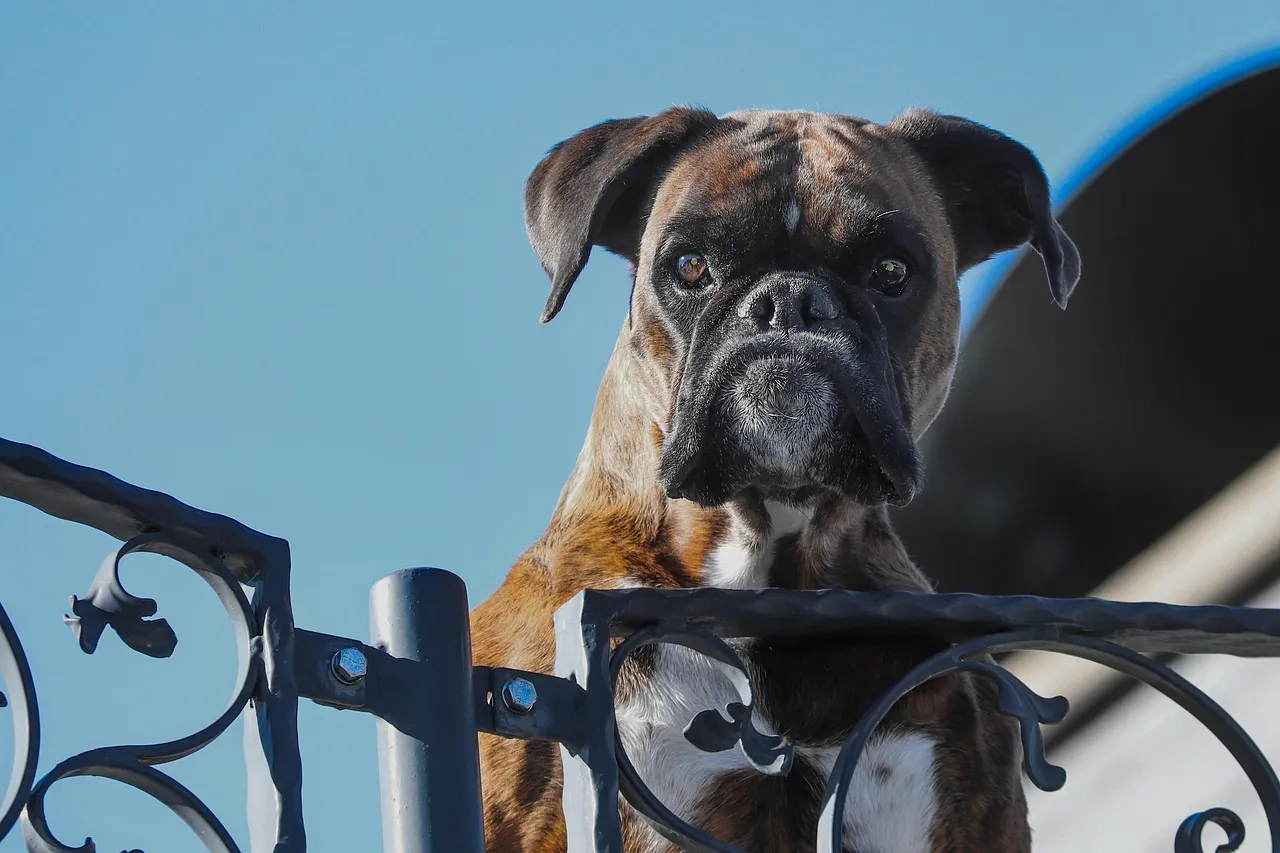
People love saying “my dog is a great guard dog,” but they rarely stop to ask what exactly the dog thinks it’s guarding. A dog that barks at every knock on the door is protecting territory. A dog that quietly positions their body between you and something unfamiliar is protecting you, specifically – and the difference matters.
Watch them on your next walk. Do they step slightly ahead of you when a strange dog approaches? Do they sit facing the direction of a strange noise while you rest on a park bench? That’s called body blocking, and despite what old-school trainers used to say, it isn’t dominance – it’s loyalty in its most physical form. Some behaviorists warn that over-guarding can tip into unhealthy obsession, especially if a dog can never relax unless they’re “on duty” near you. But underneath it, the instinct is simple: if anything happens, it goes through them first.
#7 – They Tolerate Things From You They’d Never Accept From Others
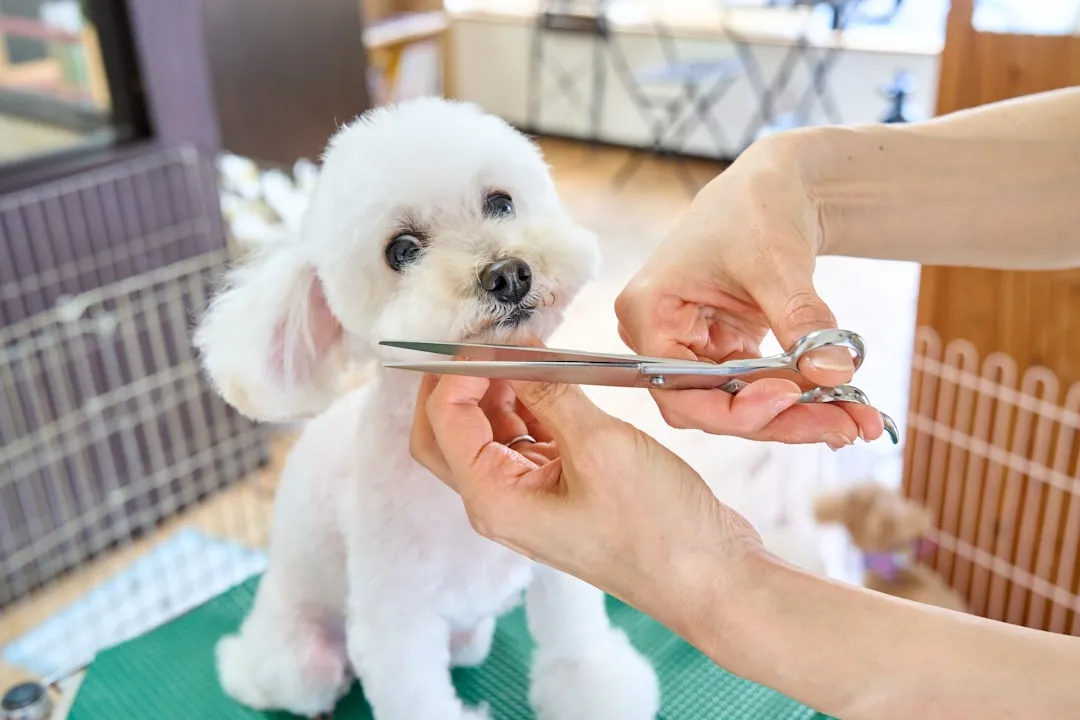
This one tends to surprise people, but it’s incredibly telling. Plenty of dogs will let their person touch their paws, clean out an ear, shift their food bowl, or gently move them mid-sleep – while stiffening or pulling away the second a stranger tries the same thing. That’s not simply obedience. That’s a permission slip reserved for a trusted inner circle of exactly one.
Ask yourself who gets to check that sore spot on their body without triggering a flinch, or who can scoop them up for a hug without them freezing or squirming away. Consent still matters, and a dog’s comfort should always be respected – but the simple fact that your dog relaxes faster around you in stressful situations, whether it’s a vet visit, a grooming session, or a thunderstorm, says something specific. You’re their designated safe person. They allow themselves to be vulnerable only around you.
#6 – They “Lose It” When You Come Home (And Not for Anyone Else)
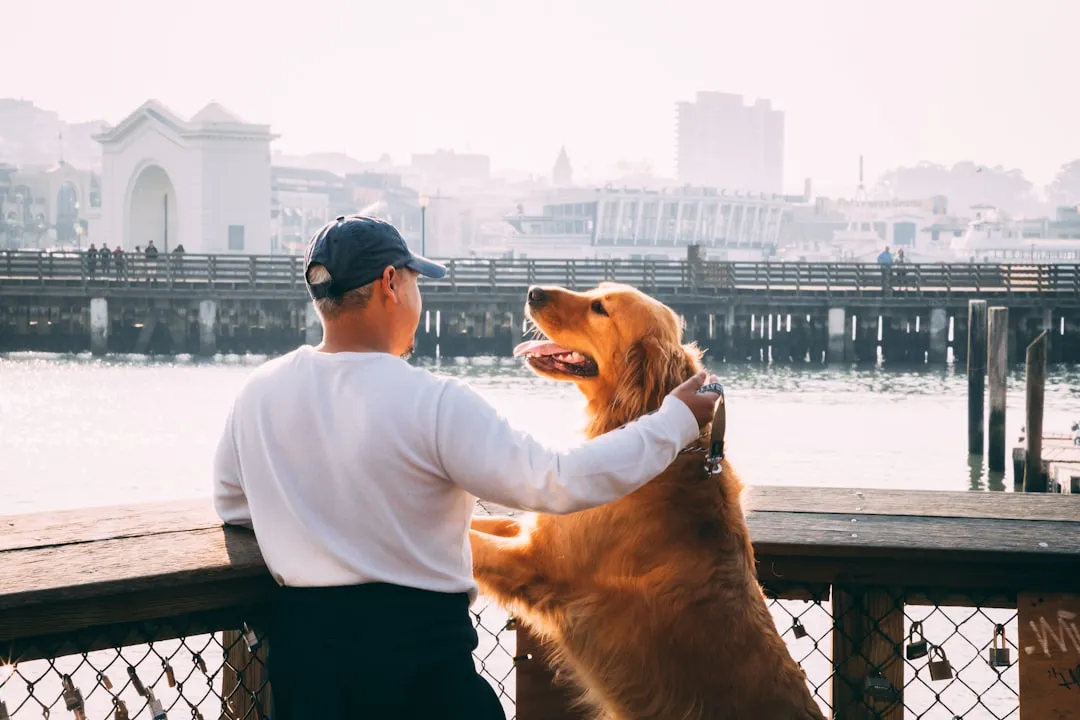
Not every dog turns into a fireworks show when someone walks through the door. But if your dog goes into full-body celebration mode specifically for you – tail helicoptering, butt wiggles, a lap or two of zoomies, maybe even a happy whine – that’s not just excitement. That’s a dog who’s been quietly holding their breath until their world clicked back into place.
What matters most here is the comparison. If your dog greets everyone in the house politely but saves the full meltdown exclusively for you, congratulations – you’re the emotional jackpot. Some dogs will even grab a toy on the way to greet you, a gesture trainers read as both joy and appeasement: “You’re back, I’m thrilled, here, take this.” Ironically, some owners try to train this energy down without realizing they’re watching living, breathing proof of unfiltered devotion.
Why It Stands Out
- Full-body wiggles, happy whines, and “zoomies” saved for one person signal something deeper than general friendliness
- Grabbing a toy on the way to greet you reads as both pure joy and a small peace offering
- Politeness with everyone else but euphoria with you is a clear hierarchy, not random excitement
- Trying to “train down” this energy often means suppressing your dog’s clearest sign of devotion
#5 – They Pick You Over Food or Other Dogs
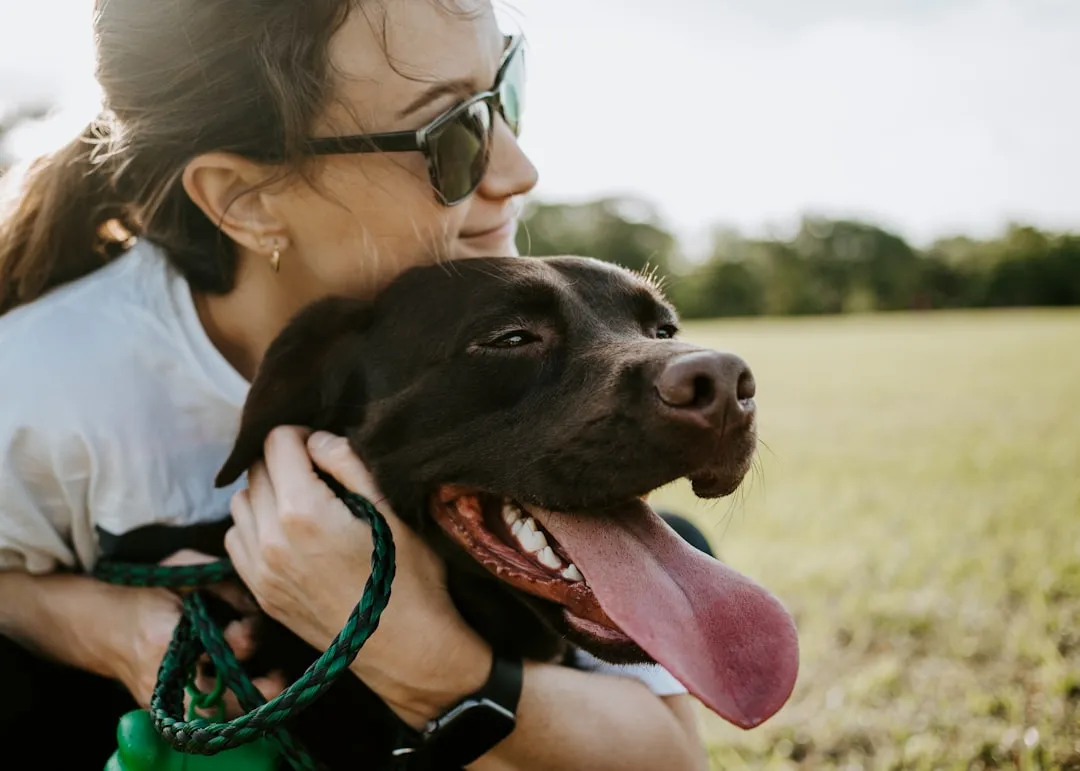
This is the sign that makes even trainers pause. In controlled tests, securely attached dogs will sometimes choose their person’s attention over food, or over playing with other dogs entirely. It doesn’t happen every time – mood and context matter – but when your dog repeatedly walks away from a full bowl, a favorite toy, or an exciting play session just to be near you, that’s not neutral behavior. That’s a priority ranking.
Pay attention next time you’re at the dog park. Does your dog periodically break off from play to lean against your leg or sit at your feet? Do they drop a toy mid-chase the moment you call their name? Those small, repeated choices add up to something bigger: your dog isn’t just generally social – they’re specifically, heavily invested in you. People love to argue that dogs “only love the person who feeds them,” but a dog who picks you over the food bowl is quietly proving that theory wrong.
#4 – They Struggle More When You Leave
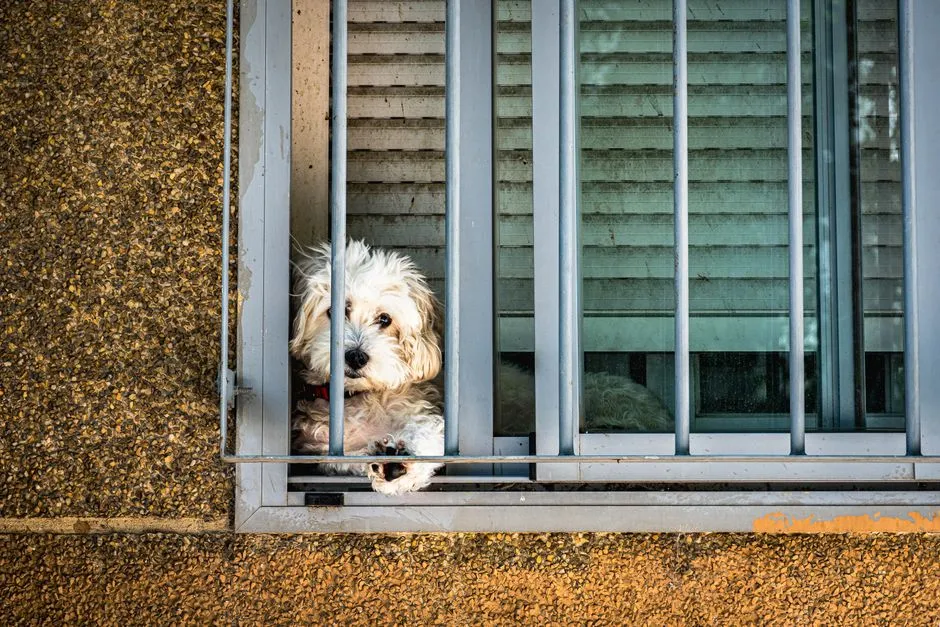
Not all separation anxiety looks like the dramatic, chewed-up-door videos that go viral online. Often it’s subtler than that – some pacing, a little whining, staring at the door, not fully settling down until your scent fades or your usual return time comes and goes. When that specific unease shows up only when you leave, and not when other family members leave, that’s a strong sign you’re the emotional center of the house.
Ask yourself: are they calm when someone else walks out the door, but restless the second it’s you? Do they trail you from room to room for a while before finally giving up and lying down? Extreme cases genuinely need professional help, because too much attachment can tip into real suffering. But in moderation, this pattern is exactly what it looks like on the surface – your absence throws their whole sense of balance off. Owners often mistake this for “spoiled” behavior, when really it’s a direct measure of how deeply bonded your dog is to you.
#3 – They Imitate Your Routines and Habits
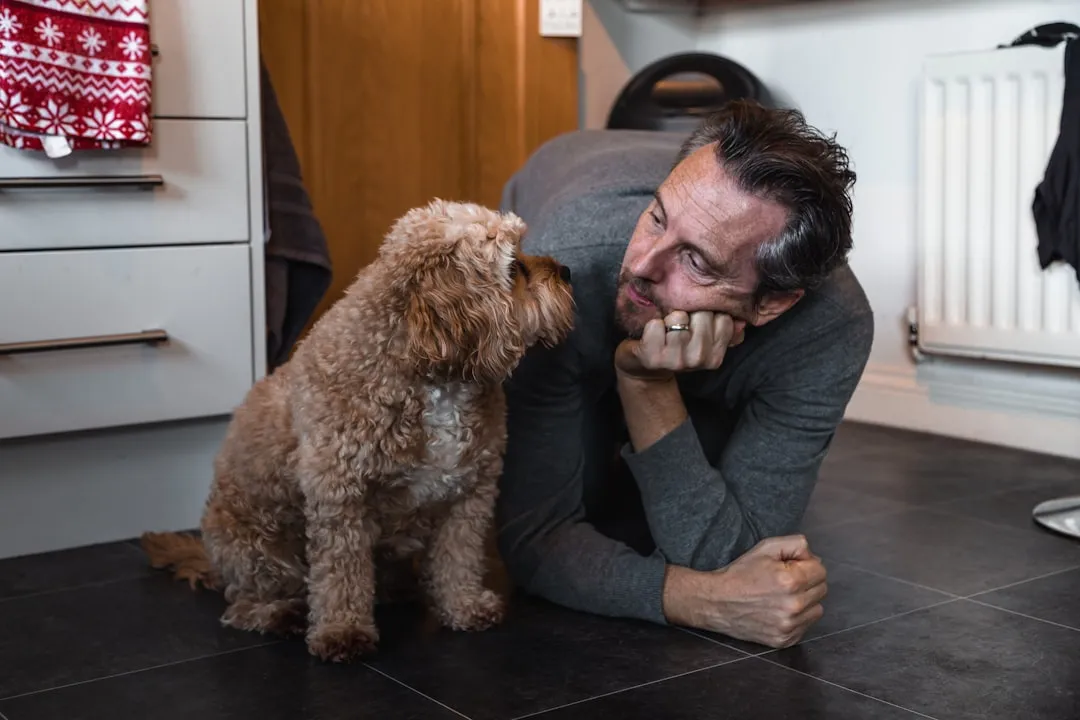
This is where it gets almost eerie. Dogs in long-term, deeply bonded relationships with their humans start syncing their internal clocks to yours. They wake up when you wake up. They get restless right around your usual time to leave for work. Some seem to predict your next move entirely – heading toward the bedroom before you’ve said “bed,” or walking to the kitchen a few seconds ahead of you.
Owners often brush off small examples like this: your dog standing and stretching the exact moment you do, almost like a mirror. Or hovering near the bathroom door every single morning because that’s “phase one” of your departure routine, and they’ve learned to read it. None of this is magic – it’s pure observation stacked on top of deep attachment. But the level of focused attention it takes to memorize your patterns that precisely isn’t casual affection. It’s full commitment. You’re their calendar, their clock, and their schedule, all rolled into one.
#2 – They Relax Completely Only When You’re There
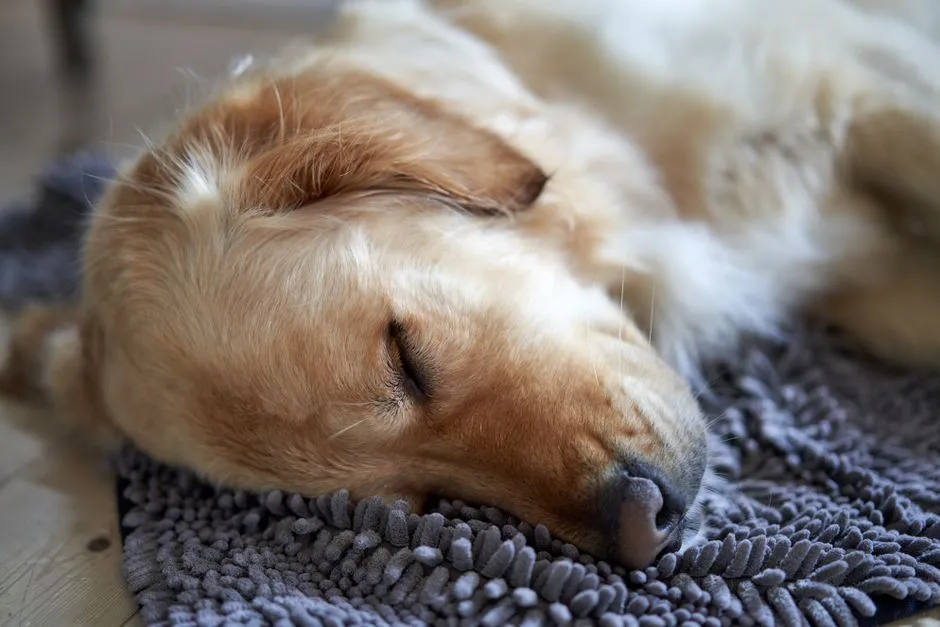
A dog that can nap anywhere is a happy dog. But pay close attention to how they sleep when you’re in the room versus when you’re not. Many dogs only drop into their deepest, most vulnerable sleep – flat on their back, belly exposed, legs in the air – when their key person is home and nearby. Your presence is the condition that unlocks total relaxation.
You might notice they barely twitch when you move around the room; your sounds have officially been filed under “safe noises.” Some dogs even choose to sleep facing away from you, trusting you completely to watch their back. People sometimes misread this relaxed distance as aloofness, but it’s the exact opposite. A dog that can fully switch off around you is a dog who’s decided you’ve got the universe covered. They don’t need to stay on guard, because as far as they’re concerned, their person’s got it handled.
#1 – They Choose You When They’re Scared, Sick, or Near the End
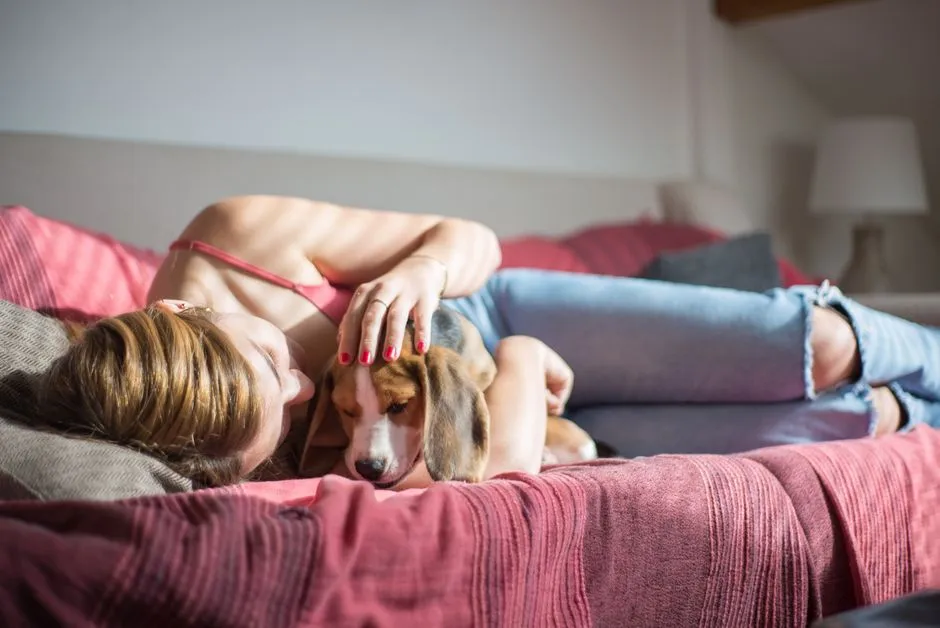
This is the clearest sign of all, and honestly, the hardest one to sit with. When your dog is scared, sick, or aging, who do they choose? Dogs instinctively try to hide weakness, but once the fear or pain gets big enough, they head straight for the one place their body still believes might be safe: their person.
Think back to the last thunderstorm or fireworks night – whose legs did they press against? When they’ve been unwell, who did they trail from room to room, even when moving clearly hurt? For a lot of people, there’s one memory that never quite fades: in a dog’s final days or hours, they still tried to reach their person, curl in close, or simply keep them in sight. That’s not drama. That’s clarity. In the most vulnerable moments a dog will ever face, they don’t go looking for “a human.” They go looking for you.
We are the center of their universe. We are the focus of their love and faith and trust.
Roger Caras
The Bottom Line
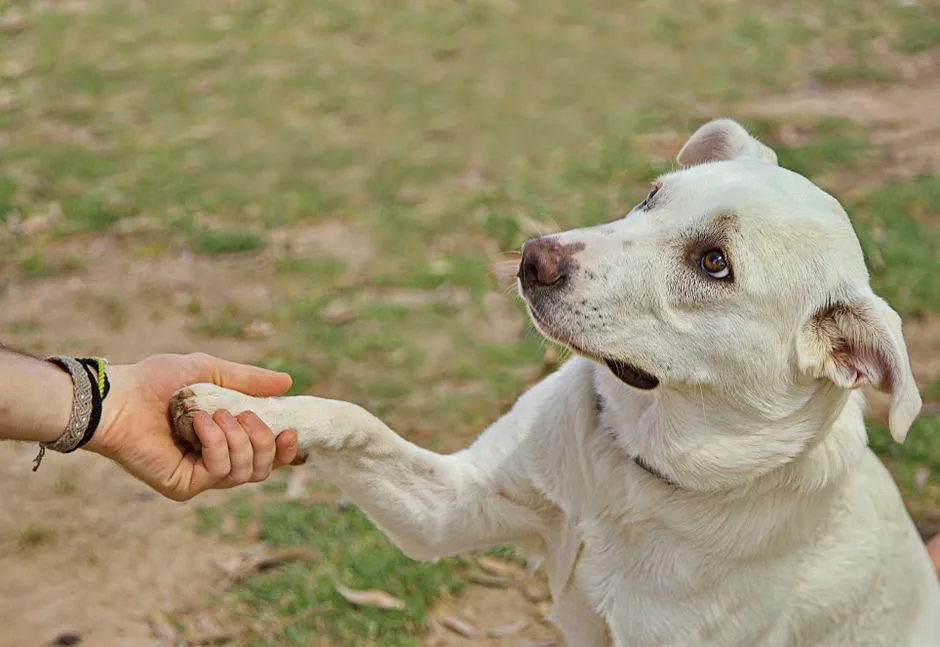
There’s a comforting lie a lot of us tell ourselves: “dogs just love everyone.” It’s a nice thought – it makes the world feel a little gentler. But look closely at the behaviors above – the check-ins, the soft eyes, the guarding, the way they come undone specifically when you walk out the door – and a sharper truth shows up instead.
Most dogs don’t spread their loyalty evenly. They pick one center of gravity, and if you’re seeing these signs, that center is you.
Is that always healthy? Not automatically. Sometimes devotion this intense tips into anxiety, and the responsible move is balance, not just more affection stacked on top of it. But pretending your dog’s love is generic does them a disservice too. When they curl into your scent, choose you over a full food bowl, or hunt you down on their hardest, scariest days, they’re not being “cute.” They’re telling you, in the only language they have, exactly whose name is written across their entire world.

- 14 Signs a Dog Near the Rainbow Bridge Is at Peace With Its Person - July 21, 2026
- 15 Ways a Shelter Animal Tells You It Was Always Meant to Be Yours - July 21, 2026
- 14 Ways a Dog Shows You Are the Center of Its Whole World - July 21, 2026