
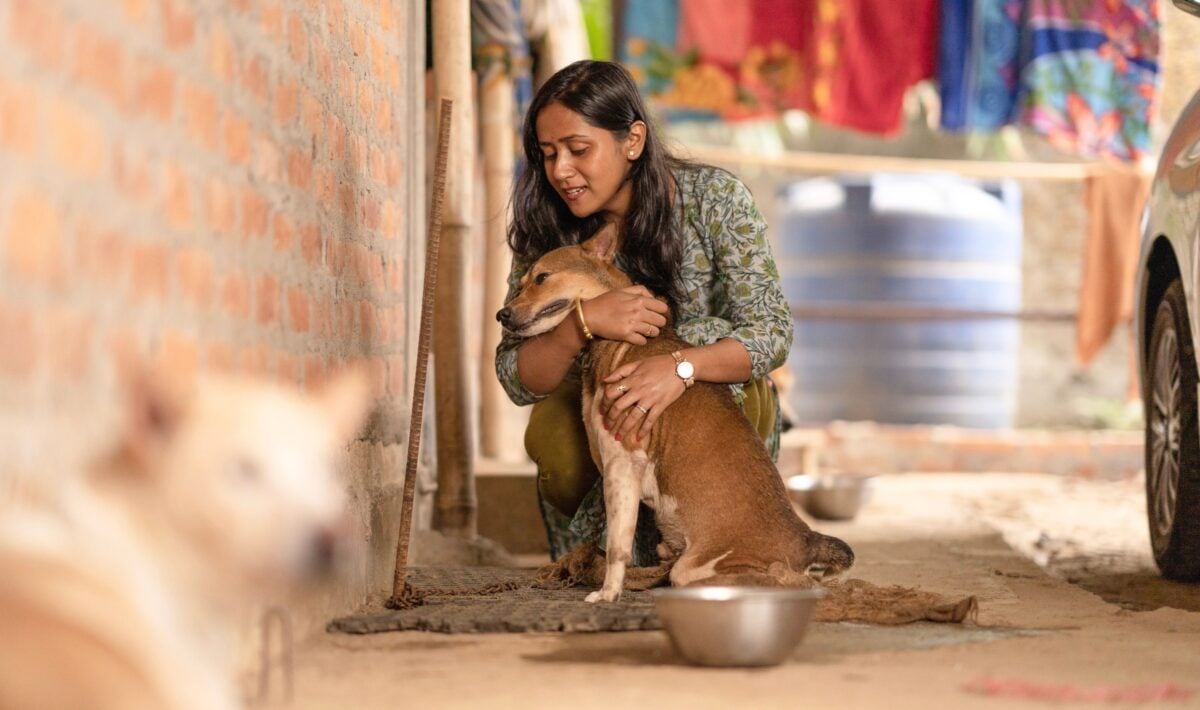
Most people assume a shelter dog’s gratitude is instant – that the moment you carry them across your threshold, the trauma melts away and they become your dog. That’s one of the biggest misconceptions in the rescue world. The truth is messier and slower: these dogs have often lived through abandonment, neglect, and environments where humans were unpredictable at best and dangerous at worst.
Earning their trust isn’t a moment. It’s a quiet negotiation carried out in soft glances, sleeping positions, and a hundred tiny moments you might not even notice happening. But when a shelter dog finally decides you’re safe, they don’t keep it to themselves – they show you, in ways that are specific, unmistakable, and genuinely moving once you know what to look for.
#1 – They Make Soft, Relaxed Eye Contact With You
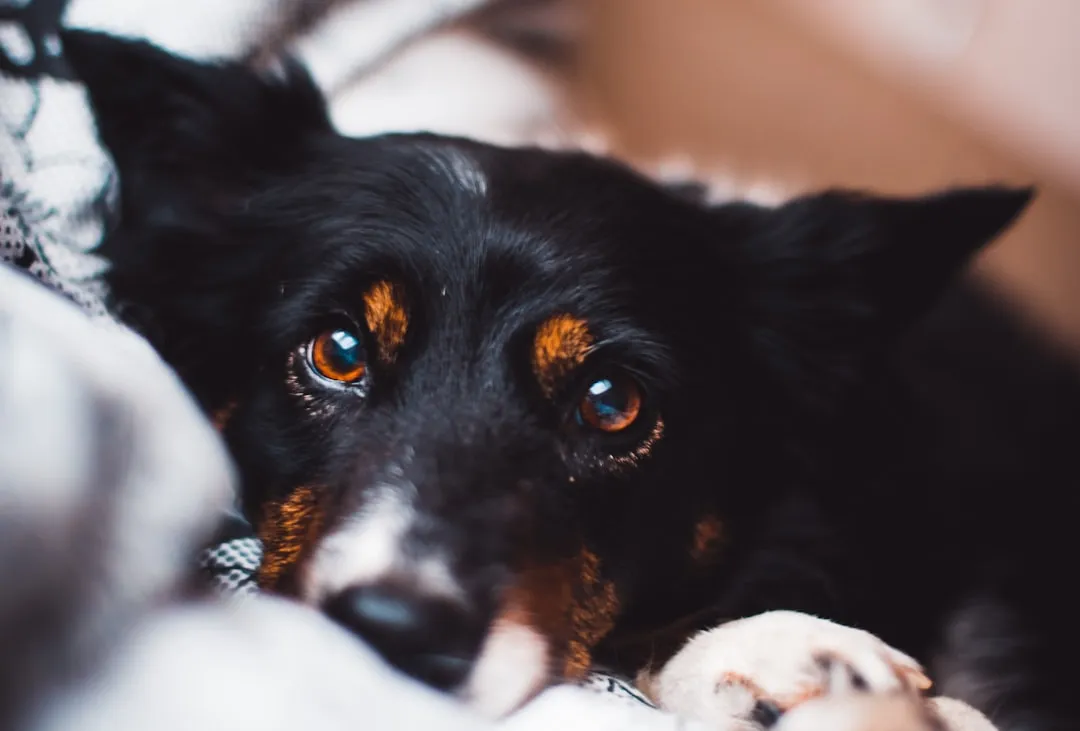
There’s a reason trainers and behaviorists point to eye contact as one of the single most powerful trust signals a shelter dog can give. In the wild, prolonged eye contact between dogs is a challenge, not a greeting. For a rescue dog who has every reason to see humans as unpredictable, holding your gaze calmly is an enormous act of emotional courage.
What makes this even more fascinating is the chemistry underneath it. This “mutual gaze” releases oxytocin – the same bonding hormone that floods new parents – and studies out of places like the University of Tokyo and Duke University show that when dogs and humans lock eyes, oxytocin spikes in both of you at once, creating a feedback loop that cements the bond. For a shelter dog, that soft, unhurried gaze is them choosing you, consciously and biologically.
The key distinction is soft eye contact versus a hard, stress-filled stare. Relaxed, trusting dogs gaze without freezing up or looking away in panic. If your shelter dog is starting to hold your eyes without flinching, take that moment seriously – it means they’ve decided the world behind your eyes is safe.
Fast Facts
- Mutual gaze between dogs and their people triggers an oxytocin release in both species, according to research from Duke University and the University of Tokyo.
- Prolonged eye contact from an unfamiliar dog often reads as a challenge – but a relaxed gaze from your own dog signals the opposite.
- A soft, blinking gaze paired with a loose body is one of the clearest trust markers a rescue dog can offer.
- Some shelter dogs need weeks or even months before they can hold eye contact without flinching away first.
#2 – They Sleep Deeply and Soundly Near You

Sleep is the most vulnerable state any animal can be in. For a dog who has lived in a noisy shelter, been shuffled between homes, or survived on high alert, genuinely relaxed sleep isn’t a given – it’s a hard-won privilege they only extend to the people they trust completely.
Wolves and wild dogs deliberately sleep in tight, confined spaces with pack members they trust to watch their backs. When a shelter dog stops startling at every creak of the house and starts sleeping in deep, boneless sprawls near you, that’s not just comfort – that’s a declaration. Dogs rest on their sides and backs only when they feel loose and unguarded, not tense and ready to bolt.
Watch for the full-body flop, the deep sigh, the paws twitching mid-dream. A shelter dog who sleeps like that near you has made a conscious decision: you are safe enough to be unconscious around. That is not a small thing. That is everything.
#3 – They Bring You Their Most Prized Possession
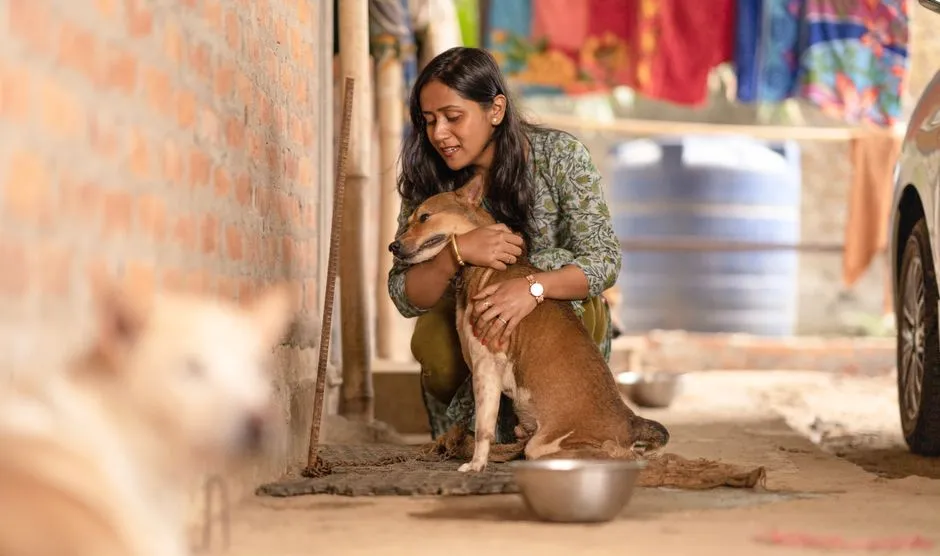
This one catches new adopters off guard every single time. You’re sitting on the couch, and your shelter dog – who has barely let you touch them – suddenly trots over and drops a toy, a sock, or a half-chewed bone in your lap. Most people think it’s random. It absolutely is not.
In dog social dynamics, sharing a high-value resource is an act of trust and inclusion. A shelter dog who has learned to guard everything they own, because in the shelter nothing was ever truly theirs, offering you their prized toy is them saying you’ve been let into the inner circle. The fact that they’re choosing to share rather than hoard tells you their anxiety around resources has eased enough to be generous.
Don’t underestimate this gesture. Take the toy, admire it, maybe toss it back. What you’re actually doing is confirming their trust was well placed – and that confirmation is the foundation everything else gets built on.
#4 – They Follow You From Room to Room
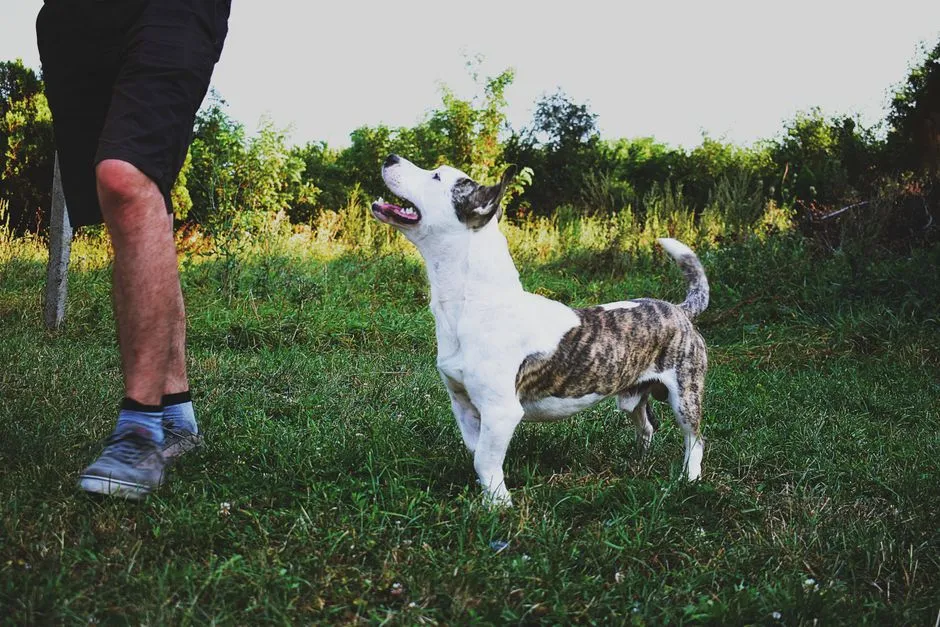
People often call this behavior “clingy,” or even mildly annoying, especially when you can’t get five minutes alone in the bathroom. But for a shelter dog, choosing to shadow you through the house is one of the clearest declarations of trust in their entire behavioral vocabulary.
“Dogs who are deeply bonded to you naturally want to know where you are at all times, even if that means following you to the bathroom,” one trainer explains. “Although this behavior may seem clingy, it’s a form of attachment and a way of maintaining connection for pack animals.” For a shelter dog specifically, this is loaded with history. These are animals who were once left behind – abandoned, surrendered, or lost – and on some level, following you is their way of making sure that never happens again.
It might be a little annoying that they’re trailing you everywhere, but you’re their person now, and that has to feel good. A shelter dog who follows you isn’t being needy. They’re choosing you, actively, every single time they get up and move.
#5 – They Let You Touch Sensitive Areas Without Flinching
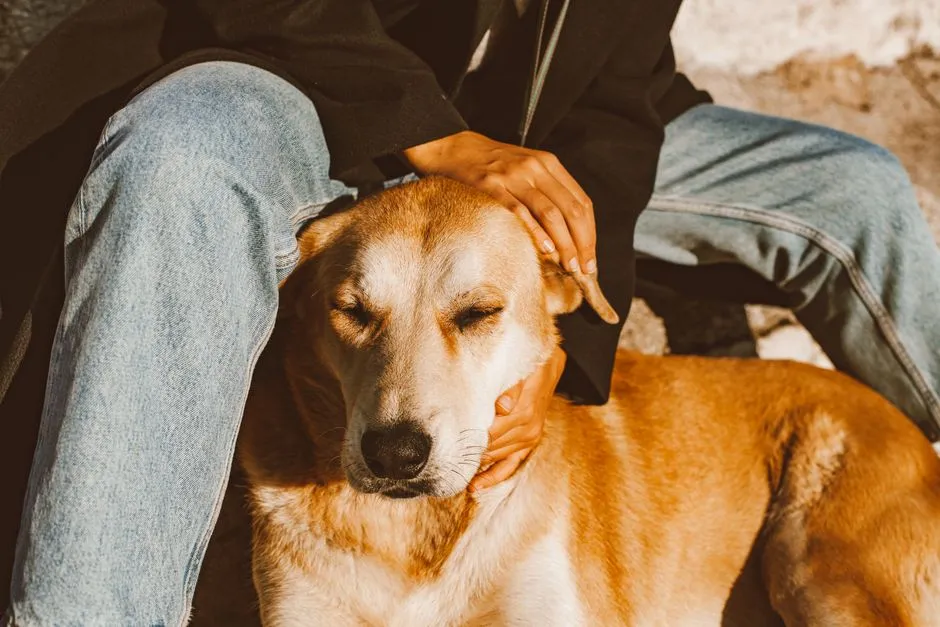
Here’s a revealing test of trust most owners overlook: can you touch your dog’s paws, ears, mouth, or belly without them pulling away, stiffening, or snapping? For most dogs this matters. For shelter dogs, many of whom have histories of rough handling or zero positive human contact, it’s monumental.
Most handling required for basic care is awkward or uncomfortable for dogs, so a dog who goes with the flow during nail trims or teeth brushing is telling you something important. The paws, in particular, are a significant indicator – dogs who’ve bonded with you will often let you enter that personal space without a second thought.
A trusting dog doesn’t pull away when you reach out, stays calm during grooming or vet visits when you’re there, and may even lean into your touch for comfort during stressful moments. When a shelter dog stops bracing for impact and starts leaning into your hand, the fear-response wiring is being actively rewired by trust. That’s neuroscience and love working together.
Quick Compare: Trust vs. Stress Signals
- Trusting touch: leans into your hand, stays loose during grooming, may even doze off mid-pet.
- Stressed touch: stiffens, pulls away, licks lips repeatedly, or shows the whites of the eyes.
- Trusting handling: allows paws, ears, and mouth to be checked without protest.
- Stressed handling: flinches, freezes, or tries to escape the moment you reach out.
#6 – They Check In With You During Outdoor Adventures
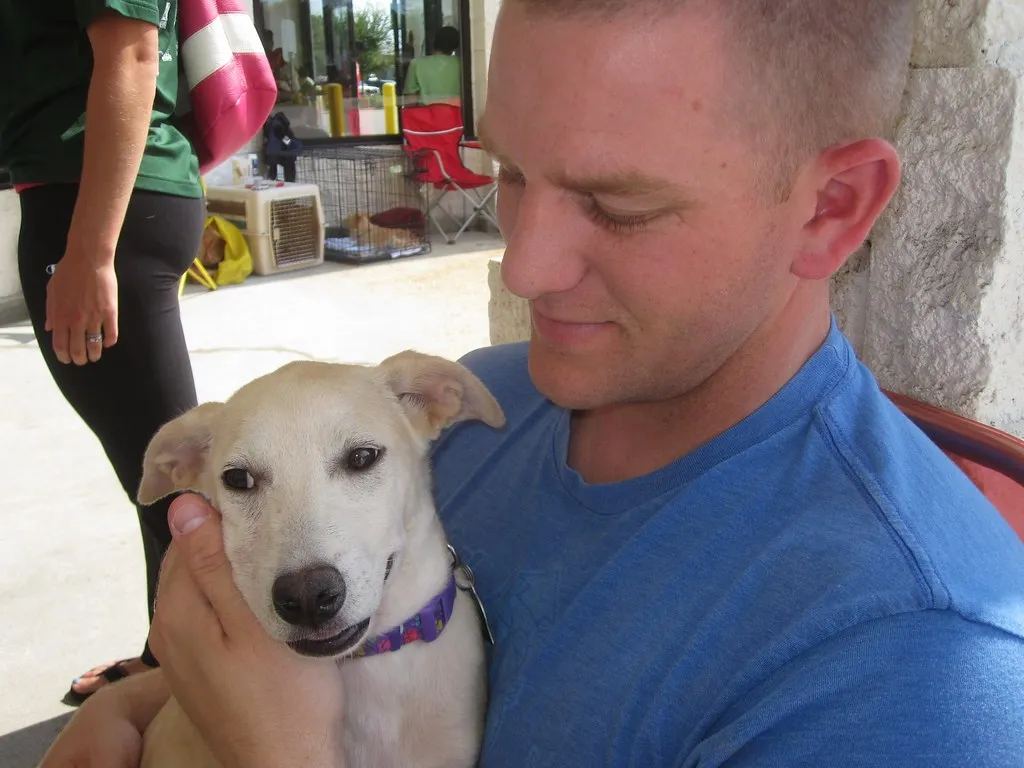
Take your shelter dog to a park, a trail, or even just the backyard, and watch what happens when something startles or interests them. Do they bolt and forget you exist? Or do they pause, glance back, gauge your reaction, and proceed accordingly? That “check-in” behavior is one of the most underrated trust signals in canine body language.
It’s a great big world out there, but a dog who trusts their person knows exactly who’s at the center of it. For a shelter dog, the outside world can be genuinely overwhelming – sights, sounds, and smells they may have had no controlled exposure to before. A shelter dog who glances back at you mid-exploration is using you as a living safety anchor.
This is especially true in unfamiliar environments, where dogs look to humans to help them read the room. If your dog sticks near and checks in for reassurance, you can rest assured they feel safe in your presence. That glance back isn’t distraction. It’s devotion.
#7 – They Lean Their Full Body Weight Against You
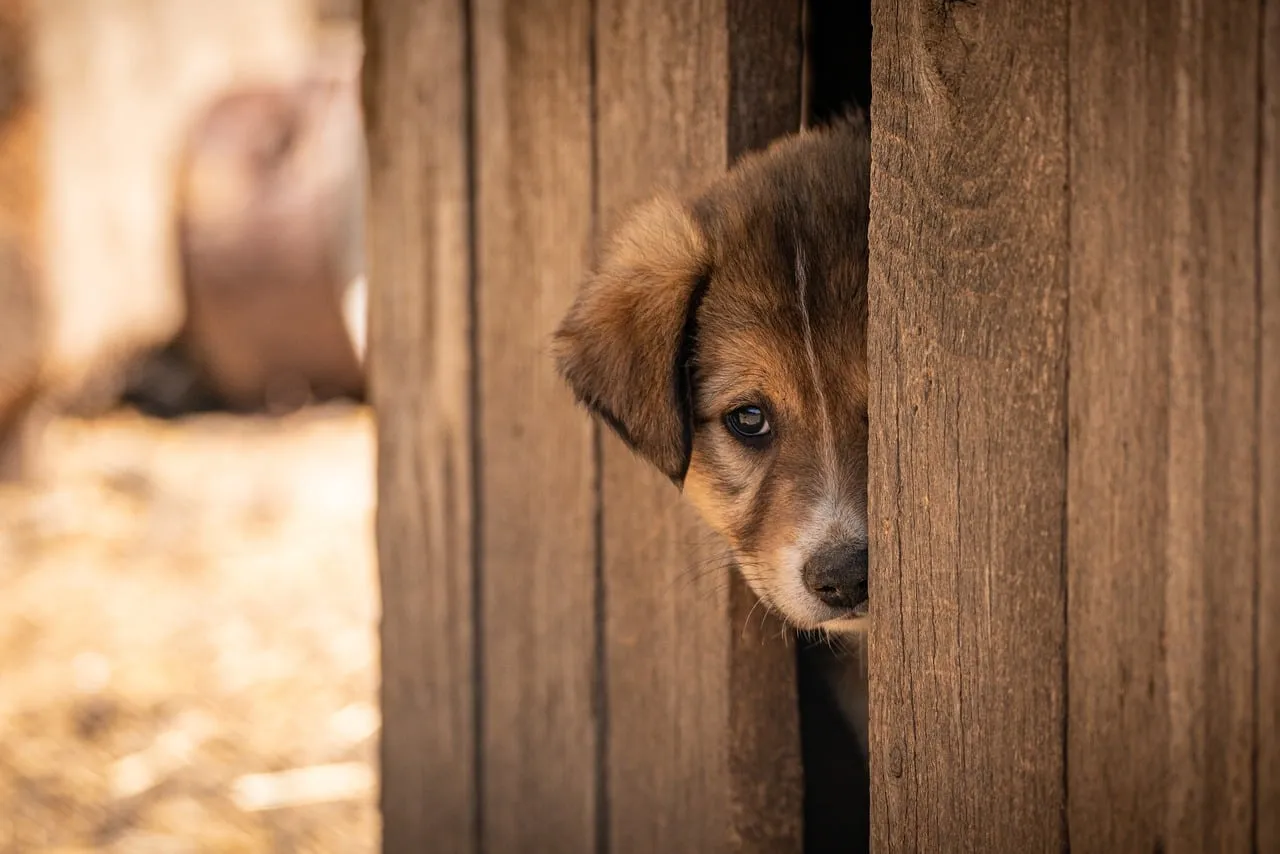
This behavior looks casual, but it’s anything but. When your shelter dog walks over, presses their flank against your legs, and just leans, they’re doing something that requires real physical and emotional surrender. Leaning means giving up stability – it means trusting another body to hold them up.
For a shelter dog who once had no reliable human to lean on, literally or figuratively, this act carries enormous weight. If your dog leans in and stays there instead of quickly pulling away, that’s a telltale sign they trust you with their life.
Leaning requires them to give up balance and control, something they’ll only do with someone they feel completely safe with.
Certified Dog Trainer
Many adopters confuse leaning with the dog “wanting something,” like a walk or a treat. Sometimes that’s true – but when a shelter dog leans and just stays, eyes half-closed, breathing slow, they’re not asking for anything. They’re simply telling you that being next to you is enough.
#8 – They Expose Their Belly to You
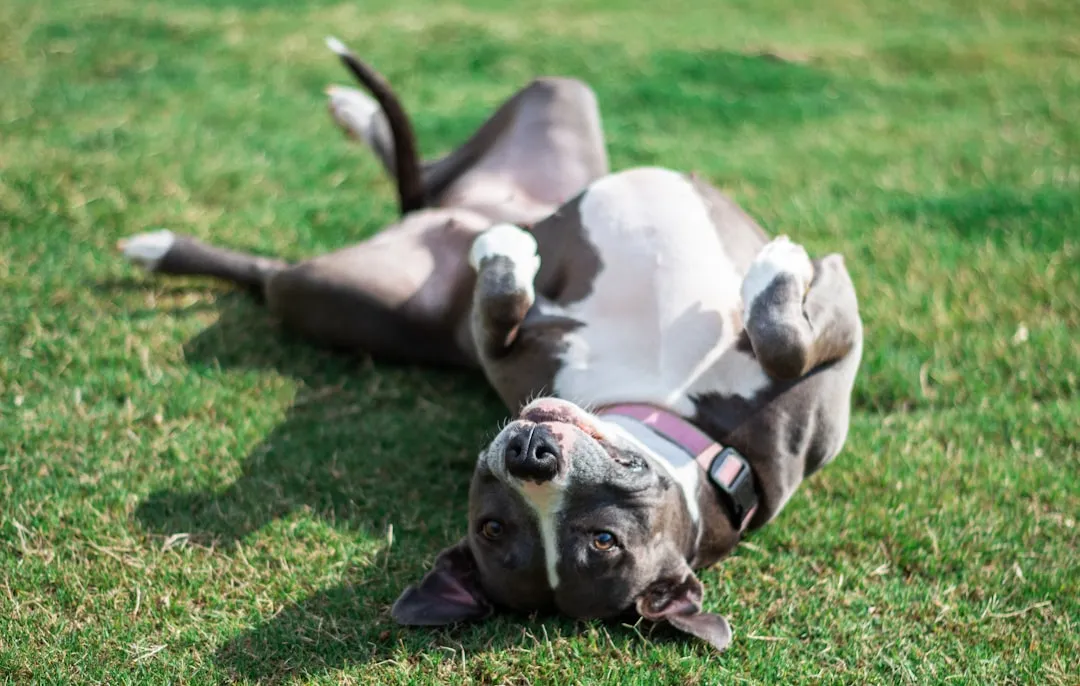
The belly is the most physically vulnerable part of a dog’s body – no protective fur, no muscle armor, just soft skin over vital organs. In the wild, exposing the belly is the ultimate act of submission and trust. For a shelter dog who came from an environment where vulnerability meant danger, rolling over to show you their underside is a seismic emotional shift.
It’s worth noting that not every belly presentation is an invitation for a rub – some dogs don’t enjoy them. This isn’t always a request for touch, but it’s always a sign of trust and submission. The distinction matters: your shelter dog may roll over and immediately stiffen if you reach for their belly, and that’s fine. The offer itself is the message, not the follow-through.
When a shelter dog begins doing this regularly, whether they want the rub or simply offer the position, they’ve moved from self-protection mode into genuine emotional safety. Recognize it. Honor it. It took them enormous courage to get there.
#9 – They Come to You for Comfort When Scared
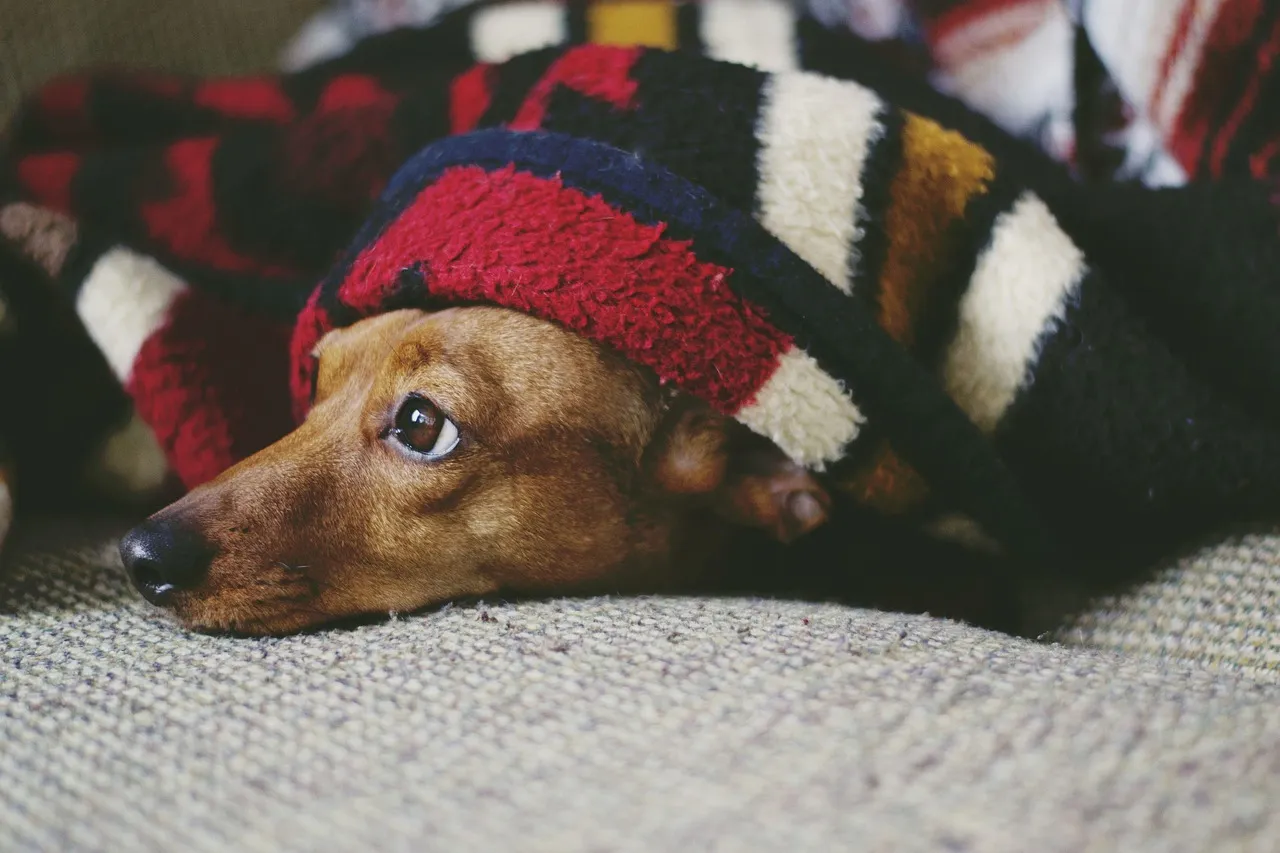
This is where you’ll find out, beyond any doubt, whether your shelter dog has truly decided to trust you. Watch what happens during a thunderstorm, when a car backfires, or when the vacuum cleaner appears. A dog who hasn’t bonded will retreat alone or pace in panic. A dog who trusts you will come find you.
Some dogs press against your legs or sit close during storms or when strangers show up. This behavior tells you something enormous: your shelter dog has internally categorized you as a safe harbor – the place where fear becomes manageable. Just like a young child glances at a parent when something feels uncertain, dogs look to the people they trust for reassurance, checking your reaction to decide whether a situation is safe.
A dog who seeks you out specifically in their worst moments has decided, consciously, that you reduce danger rather than create it. For a shelter dog – many of whom once associated humans with chaos and abandonment – there is no higher compliment they can pay you.
#10 – Their Whole Body Turns Loose and Relaxed Around You
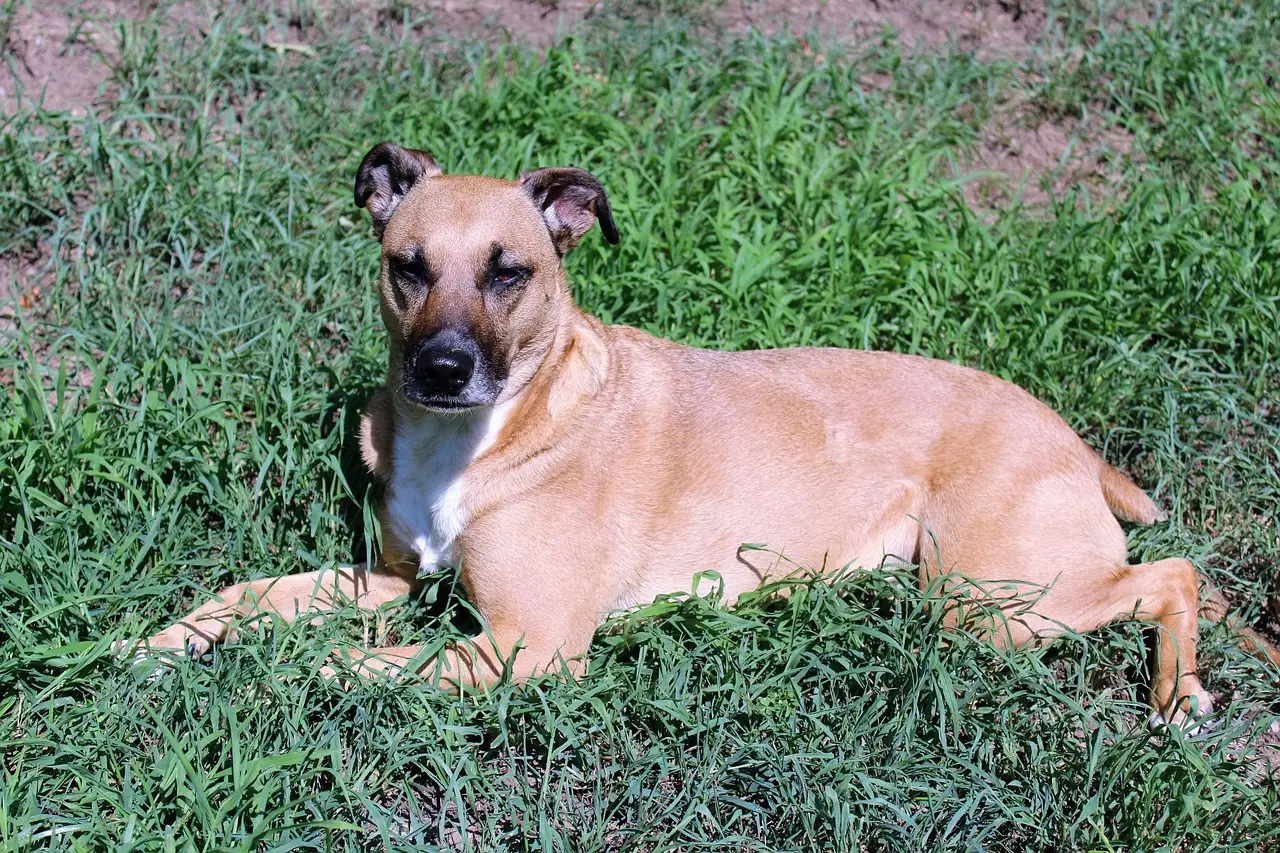
Pay attention to how your shelter dog carries themselves when you’re in the room. Is their jaw slightly open? Are their ears in a natural, non-rigid position? Is their tail swinging in broad, easy arcs instead of stiff, fast, anxious beats? This total-body relaxation is one of the most reliable, science-backed indicators of deep trust.
Dogs that feel safe don’t have to stay on high alert. You’ll notice loose muscles, soft facial expressions, and an overall sense of ease – their body language is telling you they’re comfortable enough to let their guard down. For a shelter dog specifically, this shift is profound. A rescue dog who trusts you moves with a loose, natural vibe, tail wagging at a comfortable height, ears resting in their natural spot.
They keep their mouths slightly open, blink often, and carry their ears forward and their tails wagging or perky and loose. This body language says your dog is confident by your side and isn’t bracing to be scared or surprised. When a shelter dog looks physically at ease around you – not performing, not bracing, just existing – that is trust made visible.
#11 – They Respond to Your Voice Even at a Distance
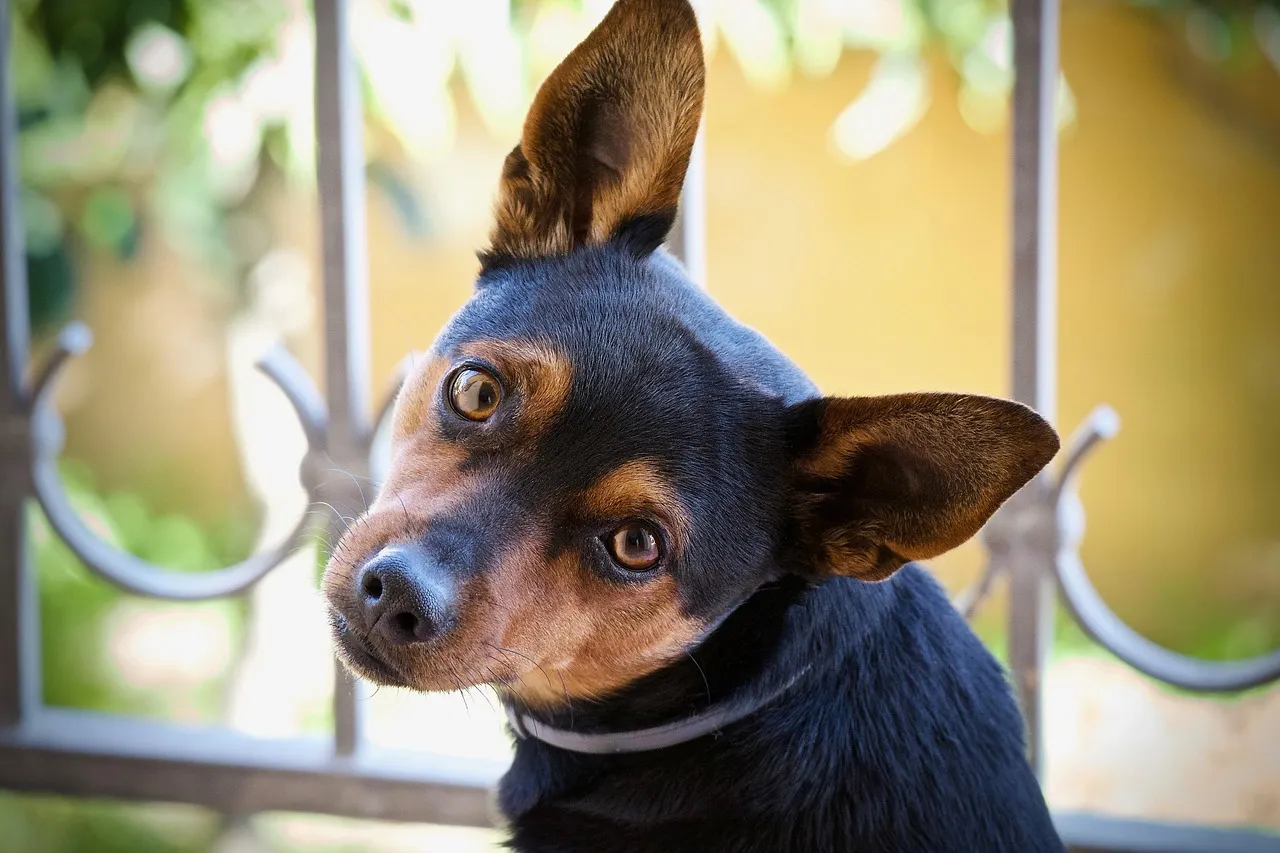
Here’s a subtle one that sneaks up on most shelter dog owners. You’re in the kitchen, your dog is in another room, and you say their name – not loudly, not urgently, just casually – and they lift their head, perk up, or come trotting over. That responsiveness, especially from a relaxed state, means something deep has clicked.
They perk up when they hear your voice because of the bond you’ve built, recognizing and associating it with positive experiences. For a dog who once lived in a shelter filled with dozens of voices, none of them specifically theirs, learning to single out your voice as meaningful is a real cognitive and emotional achievement. Research suggests dogs can recognize their owner’s voice specifically, and the more you talk with your pup, the stronger that recognition becomes.
Your rescue dog will start responding to their name and simple commands, tilting their head when you talk or trotting over when you call. When your voice – not anyone else’s – causes your shelter dog to respond with calm attention or eager approach, you have become the sound of safety in their world.
Worth Knowing
- Dogs can distinguish their owner’s voice from a stranger’s, even without any visual cues to help them.
- Shelter dogs often arrive having heard dozens of different voices with no consistent bond attached to any of them.
- Calm, familiar tones tend to have an outsized soothing effect on dogs who came from chaotic environments.
- Consistent, positive vocal interaction can noticeably speed up the overall bonding timeline.
#12 – They Mirror Your Emotions and Yawn When You Yawn
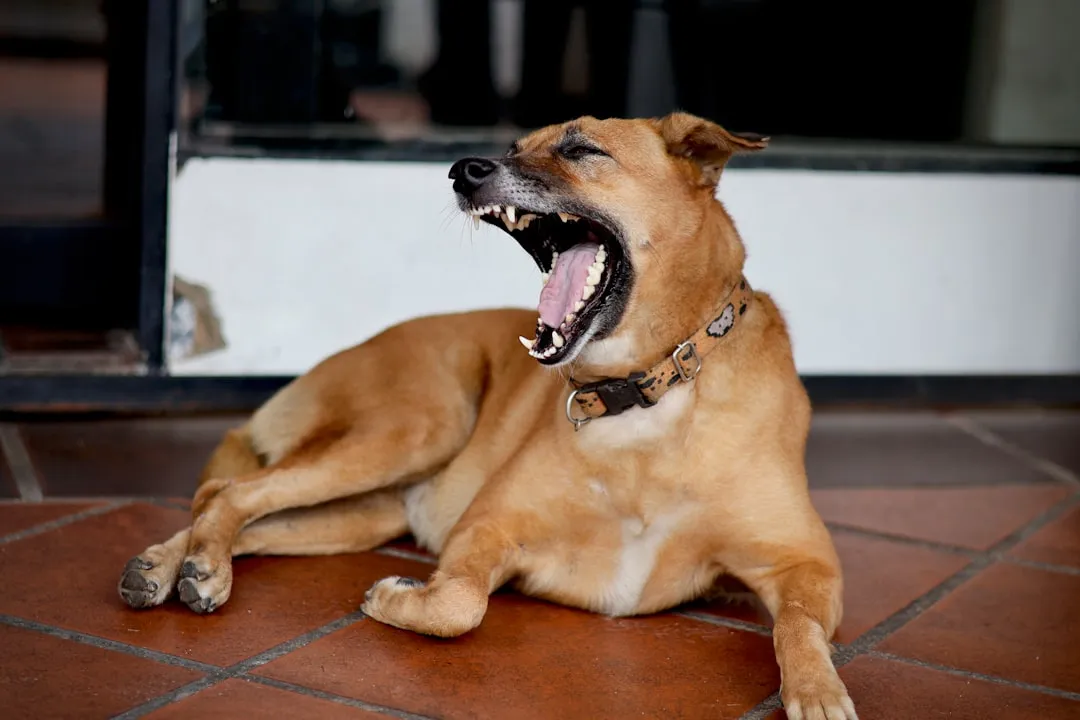
This one sounds almost too subtle to count – until you notice it happening and it stops you in your tracks. You yawn. Your dog yawns. You shift into quiet, calm energy. Your dog settles. This emotional mirroring is not coincidence; it’s one of the most scientifically documented expressions of deep inter-species bonding.
A “social yawn” – when your dog yawns right after you do, especially outside of sleepy times – is a form of canine empathy. A 2017 study out of Austria found that dogs are sensitive to their owners’ emotional states over time, picking up on those feelings and beginning to mirror behavior back.
Dogs read facial expressions, tone of voice, and body language to understand your feelings and adjust their own accordingly. For a shelter dog to reach the level of emotional attunement required to mirror you, they have to feel so safe in your presence that their nervous system essentially synchronizes with yours. That is not just trust. That is love.
#13 – They Greet Your Return With Pure, Uninhibited Joy
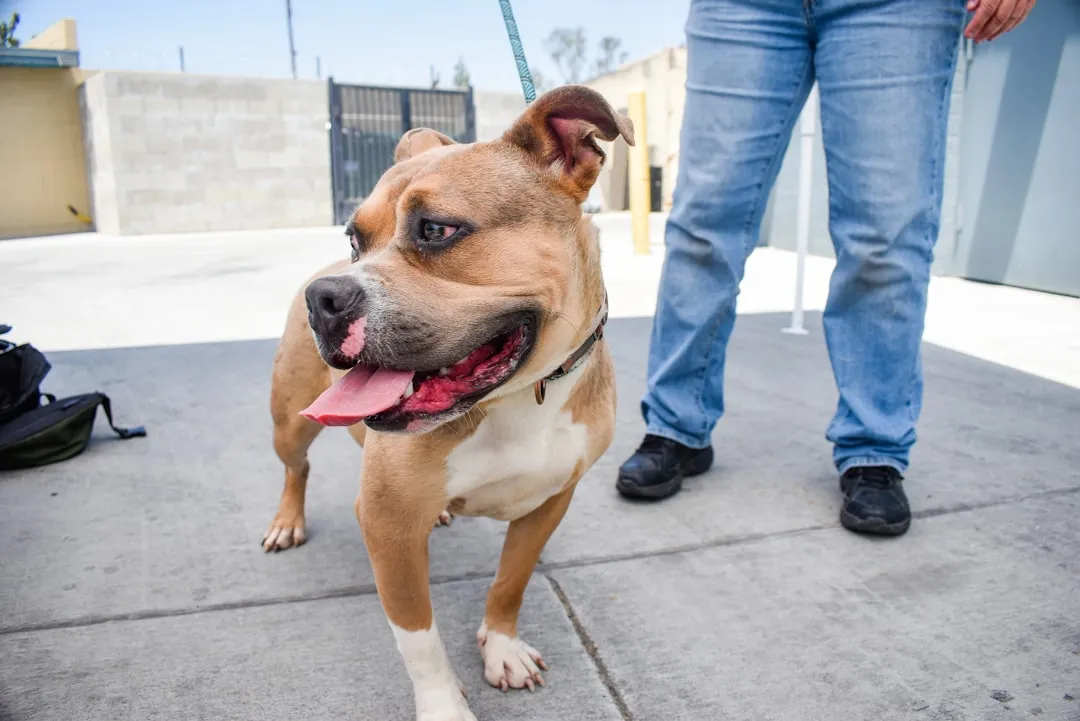
Save the best for last, because this one breaks hearts wide open. You’ve been gone twenty minutes, maybe an hour. You open the door, and your shelter dog – an animal who once cowered in a kennel with no reason to believe humans were worth trusting – loses their entire mind with joy at the sight of you.
Tail wagging, wiggly soft body, jumping, licking your hands and face, wanting to be near you the second you’re through the door – that excitement is a key sign of a close bond. For a shelter dog, this greeting carries a weight that pet-store puppies simply don’t bring to it. They build strong emotional attachments to their people and, like children, may show real distress when separated for too long.
The shelter dog who greets you like you’ve been gone for a year, every single time, has connected your presence to the most profound sense of safety and belonging they have ever known. You didn’t just adopt them. You became their world. And every ecstatic greeting is them telling you so, in the only language they have.
The Bottom Line
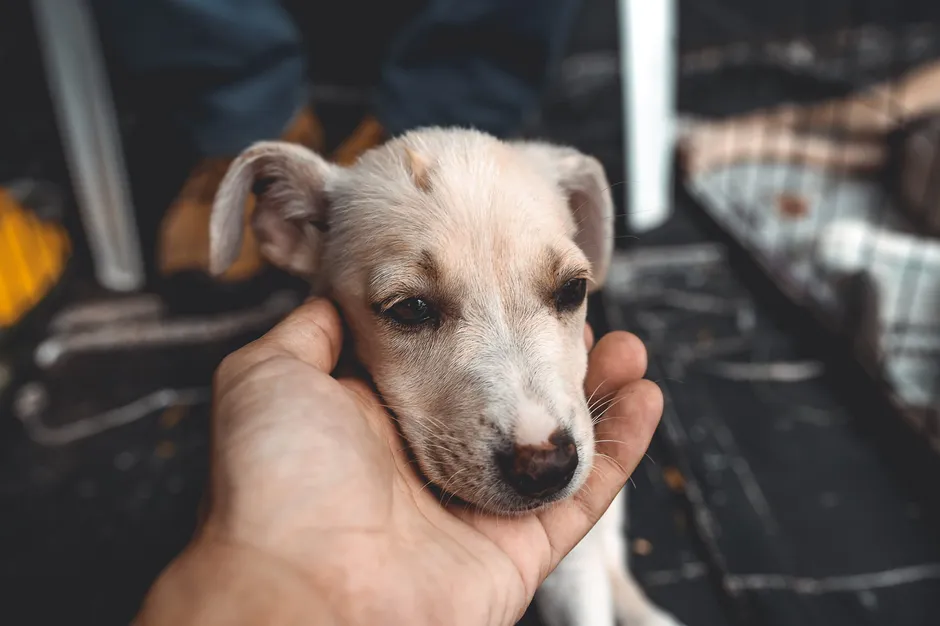
Shelter dogs don’t give their trust away freely – and they shouldn’t have to. Many of them have learned, through hard experience, that humans are unpredictable, that safety is temporary, and that love can disappear without warning. When one of these dogs decides, really decides, to trust you, they show it through biology, behavior, and a dozen quiet daily gestures most people miss entirely.
The signs are real and deeply moving once you know what to look for: the soft eye contact, the deep sleep, the full-body lean, the ecstatic homecoming greeting. Every one of those behaviors represents a wall coming down, brick by brick, because you showed up consistently enough to make it possible.
In my view, there is no achievement in human life more quietly profound than earning the permanent trust of an animal who had every reason not to give it. Did your shelter dog show you a sign of trust that isn’t on this list? Drop it in the comments – we’d love to hear their story.
