
Most rescue owners think trust arrives the day their dog stops hiding under the table or finally lets them scratch behind its ears. That feels like the big moment. Behaviorists will tell you it’s actually just the warm-up act.
The real emotional shift happens somewhere quieter – in where your dog chooses to sleep, what it does the second you stand up, whether it flinches when a pan hits the floor. Most owners miss every single one of these tiny cues, which is exactly why so many people underestimate how far their once-shut-down dog has actually come. Here’s what trainers and rescue insiders actually watch for.
#1 – They Sleep Deeply Near You (and Stop “Sleeping With One Eye Open”)
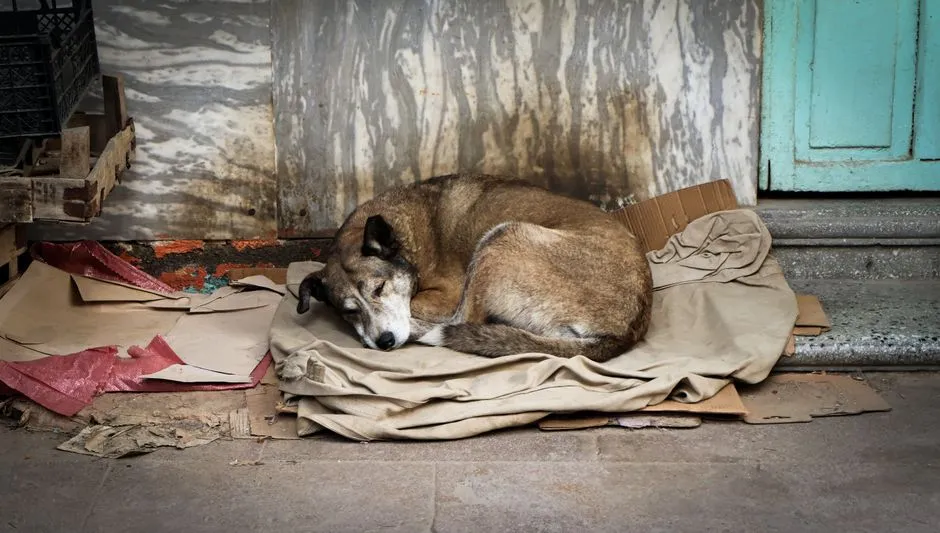
Everyone celebrates the first time a rescue dog naps on the couch. The real milestone comes later, when they sleep so hard they don’t wake up at every little noise. For a dog that’s had to survive on high alert, deep sleep is a dangerous luxury it doesn’t hand out to just anyone.
When they curl up near you – on the floor, on their own bed, or at the foot of yours – and finally let their body go completely limp, that’s trust talking, not laziness.
- Loose, relaxed muscles instead of a tight, “ready to spring” posture
- Exposed belly, throat, or a back turned toward you
Fast Facts
- Many rescue groups reference a “3-3-3” adjustment pattern: roughly 3 days to decompress, 3 weeks to settle into a routine, and 3 months to feel truly at home.
- Deep, uninterrupted sleep is one of the last defenses a stressed dog gives up, not one of the first.
- A relaxed sleeping position – belly up, back turned, legs sprawled – signals a dog has stopped scanning for threats.
A fearful dog protects its most vulnerable spots at all times. A trusting dog stops bothering. When your rescue can snore through a dropped remote or you walking past, they’re telling you, in the only language they have: you’re my safe place now.
#2 – They Start Checking In With You, Without Being Asked
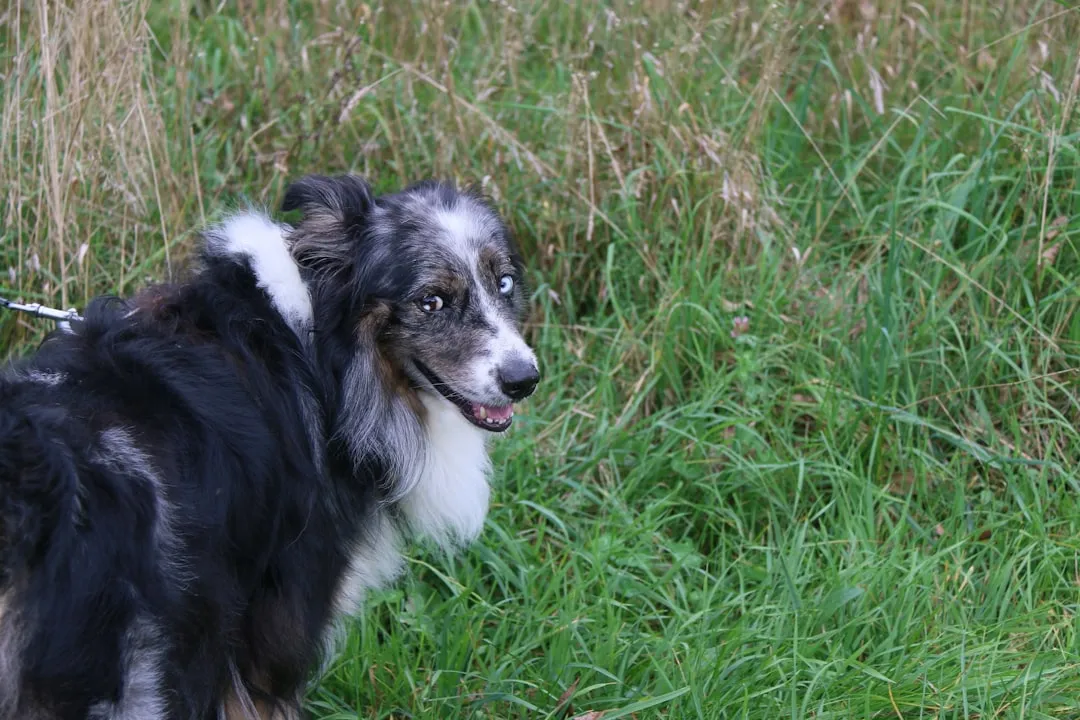
A lot of owners assume “checking in” only happens during training, when you teach a dog to make eye contact for a treat. But one of the quietest signs a rescue has truly softened is when they start voluntarily glancing back at you – just to make sure you’re still there. No cue. No treat. Just a soft eye, then back to whatever they were doing.
You’ll catch it on walks when they pause to turn their head back toward you, or slow down and speed up to match your pace without being told. Inside the house, they might pop their head around a doorway just to see which room you drifted into.
- A pause on the walk to look back at you
- Matching your pace without any cue
Nervous, self-protective dogs stay locked inside their own bubble. Dogs who trust their people quietly expand that bubble to include you. That casual “where’d you go?” glance is attachment, happening in real time.
#3 – They Can Finally Handle Your Everyday Chaos
Here’s where a lot of people get it backwards. They assume a “good” rescue dog is the one that freezes politely in the corner while life happens around it. Real comfort looks messier than that – it looks like a dog who can nap through the vacuum, visitors, kids slamming doors, and you yelling at the TV during a game.
Calm in chaos is earned, never automatic. Before trust builds, any disruption can trigger startling, pacing, panting, hiding, or a hyper-vigilant stare locked on every door and sound in the house.
Quick Compare
- Before trust: startles at footsteps, paces near exits, watches every door
- After trust: lifts an ear at noise, then settles right back down
- Before trust: hides during arguments or loud TV moments
- After trust: naps through them, undisturbed
As trust settles in, your ordinary household noise turns into background static. They might lazily lift their head during an argument, then go right back to chewing their bone. That doesn’t mean every anxiety sign disappears – some dogs will always need extra support – but it does mean their nervous system finally believes something new: things get loud here, but I don’t get hurt.
#4 – They Bring You Their Favorite Things (Not Just to Play Fetch)
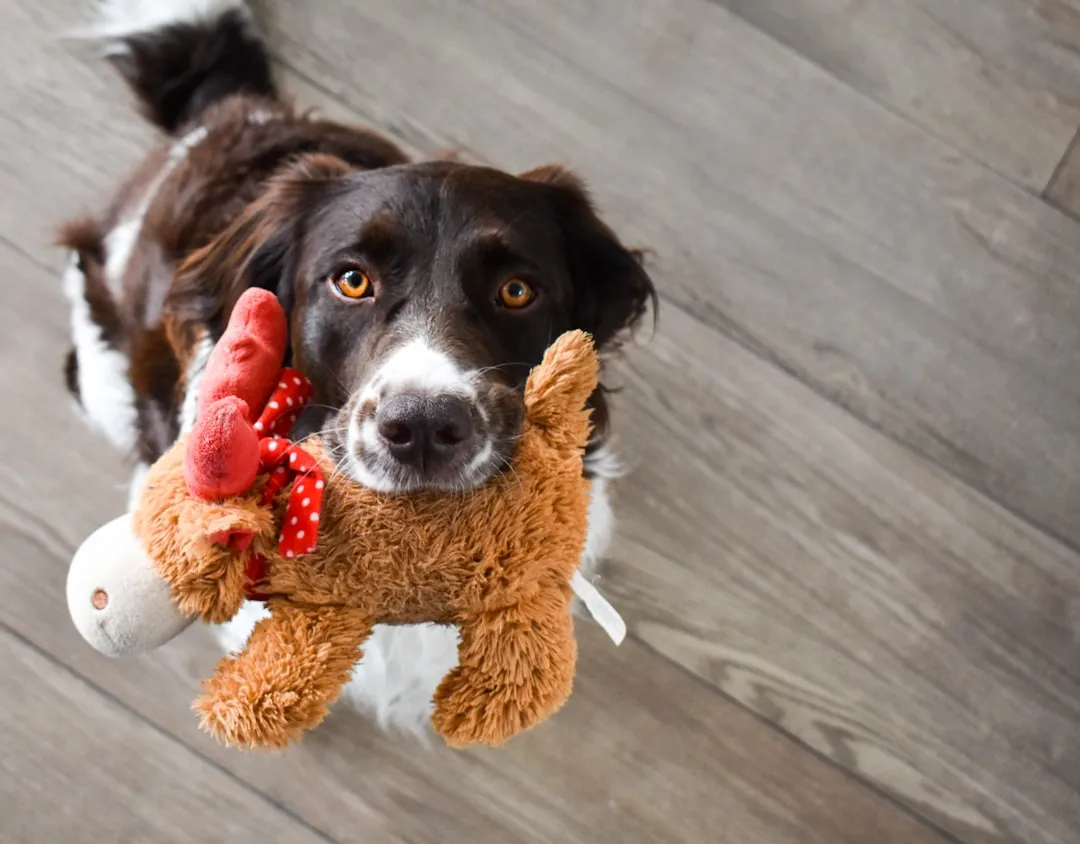
Most people celebrate the first game of fetch with a rescue dog. Trainers pay closer attention to something smaller: a dog that brings a prized toy or chew over and simply lies down beside you with it, no game required.
Resource-guarding and hoarding are common in dogs who’ve been neglected or gone hungry. Sharing space with something valuable, without any tension in their body, is a real emotional shift.
- Carrying a bone onto the couch and settling right against your leg
- Dropping a favorite toy at your feet and staying nearby instead of snatching it back
This isn’t always an invitation to tug or throw. Often it’s social sharing: “this matters to me, and I feel safe having it here with you.” Not every dog becomes a toy-sharer. When it happens, though, it’s a bigger deal than most owners realize.
#5 – They Follow You Room to Room, Then Stop Being Needy About It
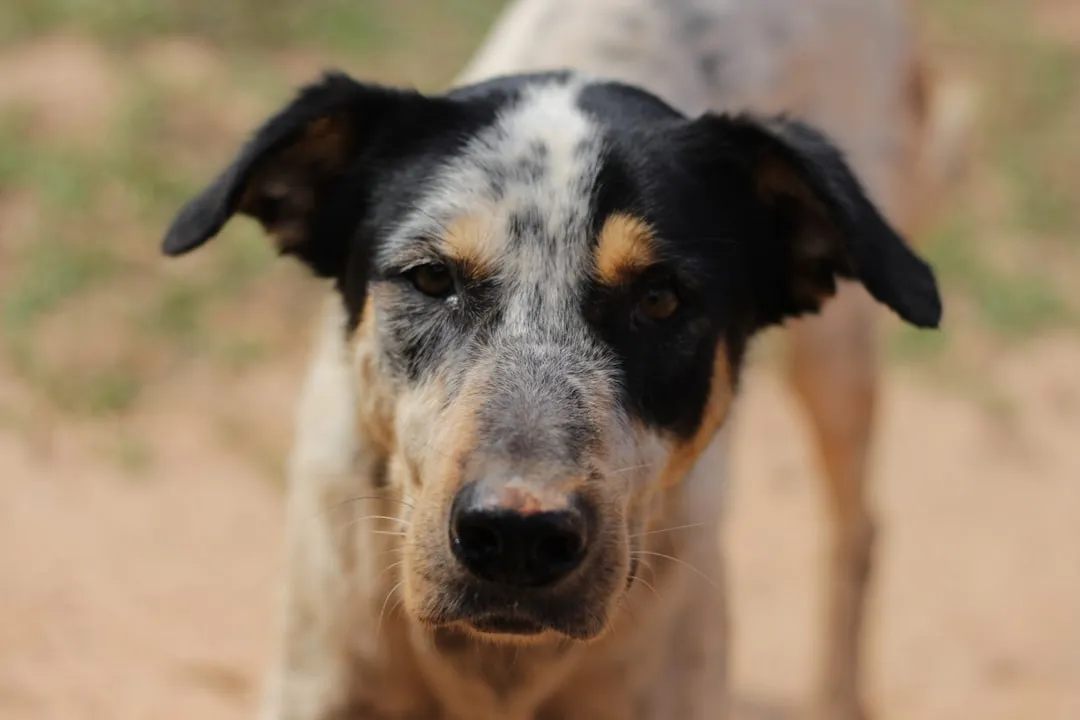
Early on, a rescue dog usually swings to one extreme – shadowing you frantically, or avoiding you almost entirely. Both come from the same place: insecurity. The real sign of trust shows up later, when they choose to follow you but don’t fall apart the second you disappear for a minute.
They’re not your jailer anymore. They’re your companion.
- A sleepy dog getting up just to move into whatever room you’re in
- Settling back down quickly instead of whining, pacing, or clawing at the door
This isn’t separation anxiety – it’s relationship. They like being near their person, but they don’t unravel without you in their line of sight. A dog that waits calmly while you shower, then lights up happily when the door opens, is a dog that believes you always come back.
#6 – Their Startle Response Softens Around You
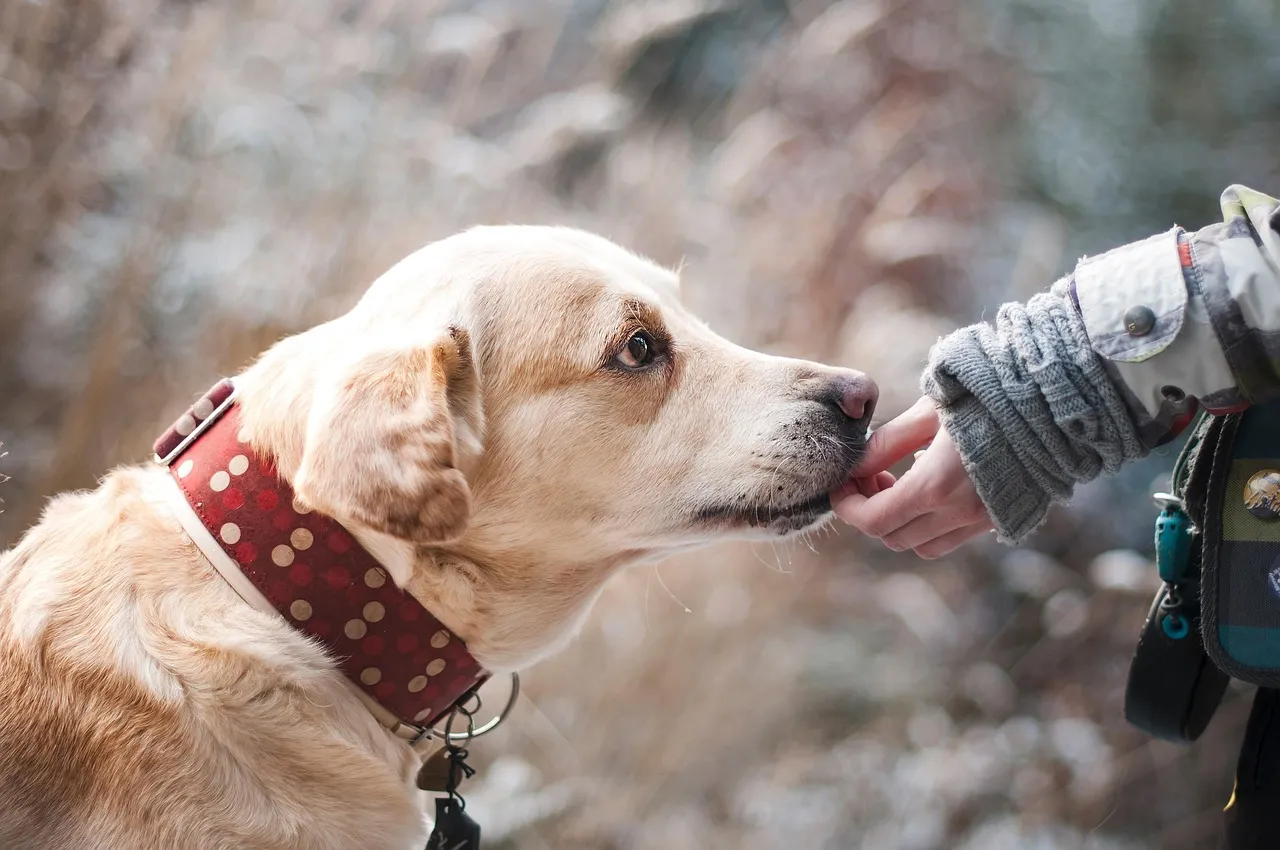
Rescue dogs often arrive with sharp edges. A dropped pan, a raised hand, even a sudden laugh can send them flinching, ducking, or bolting. One of the quietest but most meaningful shifts is when they still notice the noise – but recover almost instantly, especially if you’re standing nearby.
The fear doesn’t magically disappear. What grows is their belief that you won’t let anything bad happen.
- Early on: a jump, wide eyes, tucked tail, maybe leaving the room entirely
- Later: a brief flinch, a glance at you, then a visible exhale back to normal
That glance at you is everything. They’re learning to use you as a safety reference – if you’re not scared, they don’t have to be either. Some people write this off as “getting used to the house.” In reality, it’s nervous-system rewiring, and it’s tied directly to trust in you specifically.
#7 – They Start Showing You Their “Weird”
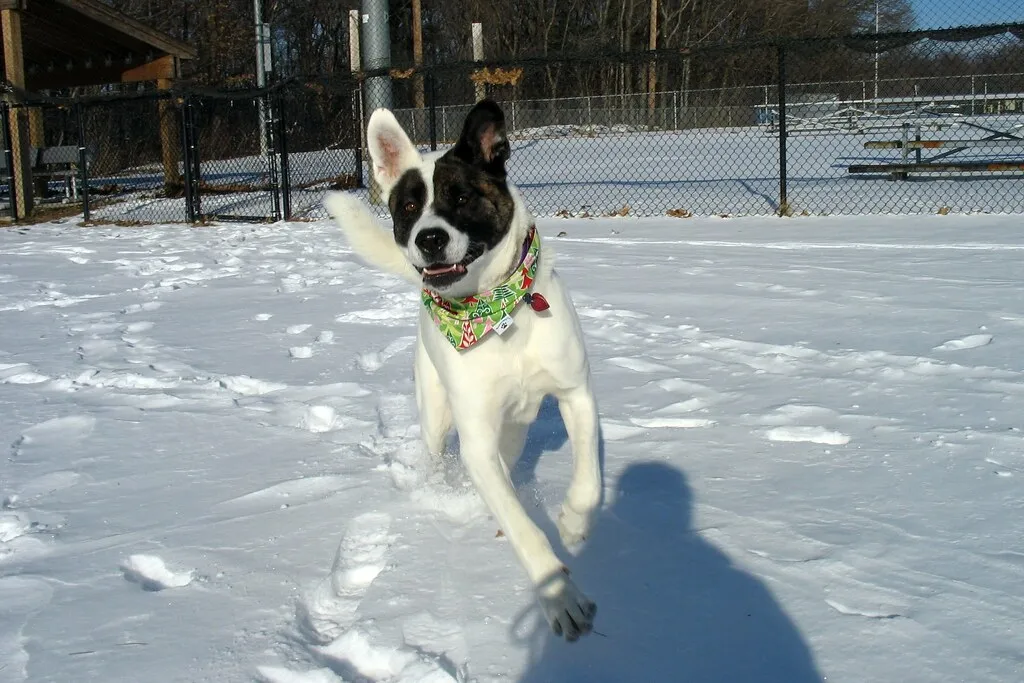
A dog hasn’t fully relaxed until it lets its quirks out. At first, a lot of rescues look almost eerily quiet or “perfect” – no zoomies, no play bows, no goofy behavior at all. That’s not good manners. That’s shutdown.
When they start doing bizarre little rituals or silly behaviors they never showed before, you’re finally meeting who they are underneath the fear.
- Late-night zoomies down the hallway
- Strange toy obsessions, like fixating on one random squeaker
- Play-barking, rolling onto their back, or “talking” at you
To an outsider, it can look like bad behavior. In truth, it’s emotional unmasking – they’re finally confident enough to risk being annoying, loud, or a little embarrassing. Plenty of seasoned rescuers will say it bluntly: a suspiciously “well-behaved” dog may be more shut down than secure. The weird ones are usually the ones who feel home.
#8 – They Accept Gentle Handling in Their Most Vulnerable Spots
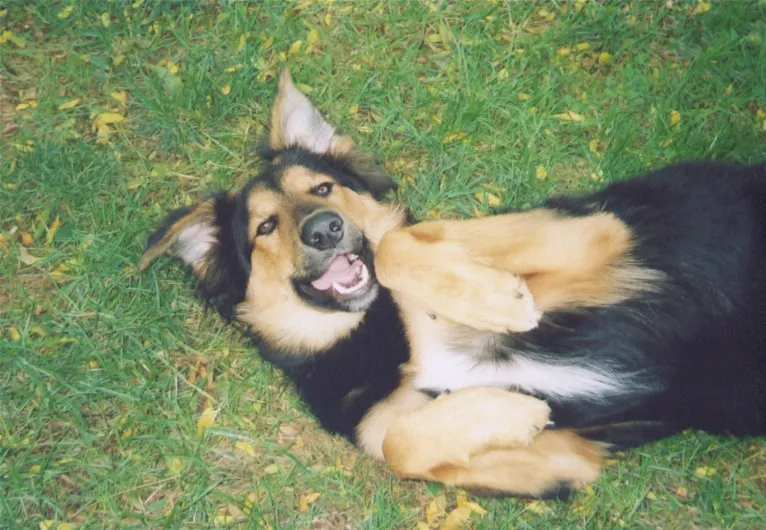
It’s easy to overrate the first time a rescue dog lets you pet its head. Heads are actually a defensive zone. The real milestone comes when they allow slow, respectful handling of the places scared or traumatized dogs guard hardest: paws, ears, tail base, belly, collar area.
This isn’t about forcing “touch tolerance.” It’s about a dog choosing to relax into your touch instead of bracing against it.
- From stiff muscles, quick backward glances, or flinching at the leash clip
- To soft eyes, a loose jaw, maybe even leaning into your hand
If they can stretch out on their side and let you check a paw or adjust a harness without freezing, that’s earned trust. Not every dog will love full-body contact, and that’s fine. The real marker is that their body has stopped treating your hand like a threat.
#9 – They Eat, Drink, and Chew Comfortably in Front of You
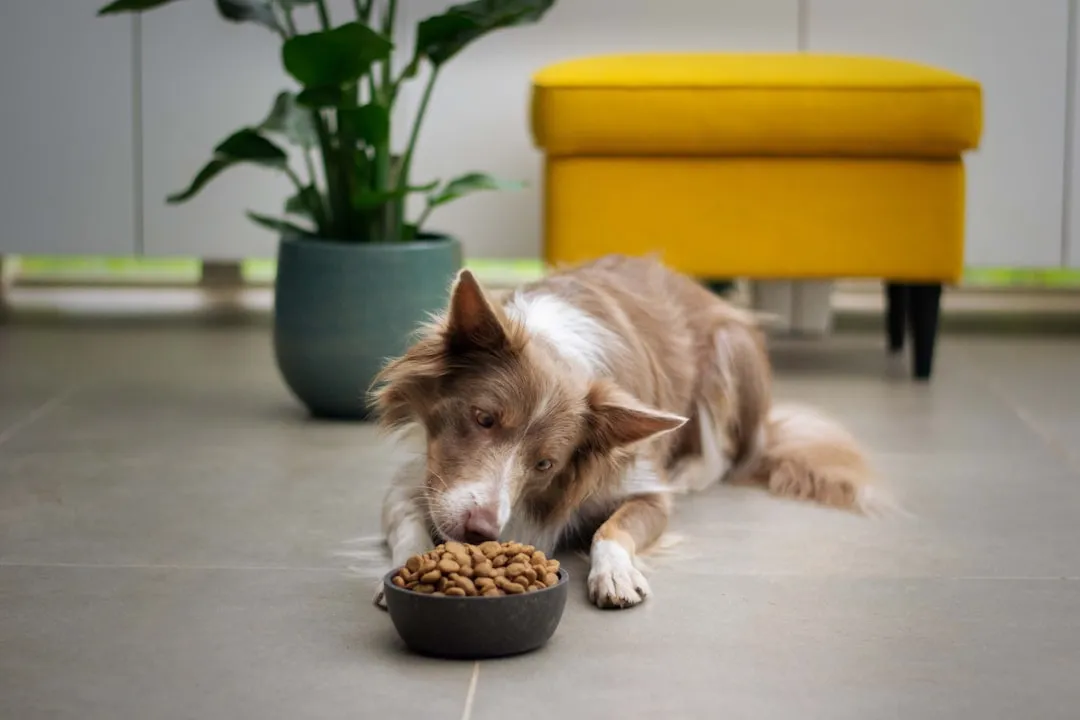
Nervous rescue dogs often won’t eat while being watched. Some won’t drink with anyone nearby. Plenty will snatch their food and bolt off to hide with it. A powerful, easy-to-miss sign that your dog has let its guard down is when they eat, drink, and work through a chew slowly and openly while you’re just… there.
Food is survival. For dogs with a rough past, it’s guarded fiercely, right up until it isn’t.
- Moving their bowl closer to the main living area instead of a hidden corner
- Lying down with a chew in the middle of the room, not facing the wall
Choosing to eat in front of you, without rushing, means they no longer see you as competition or a threat. Some owners mislabel this as the dog “getting spoiled.” In a lot of cases, it’s actually the first time that dog’s nervous system believes it has enough – and that you’re part of that safety.
#10 – They Use You as a Safe Base in New Places
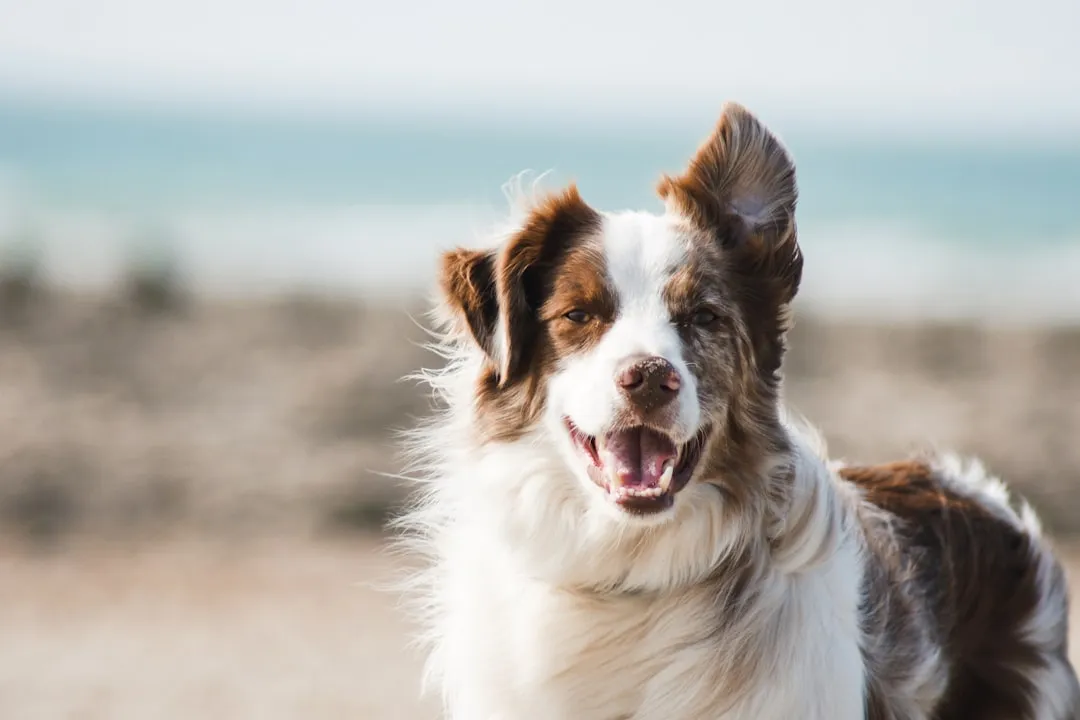
A lot of people assume a confident dog is the one dragging its owner into every new situation. Rescue specialists look for something quieter: a dog that checks in with you, calmly explores, and comes back when it’s unsure. This is called a “secure base,” and it’s one of the clearest markers of real attachment.
Watch the pattern in unfamiliar places – parks, vet lobbies, a friend’s living room.
Worth Knowing
- The “secure base” idea comes from attachment psychology, originally describing how a child explores confidently while checking back with a trusted caregiver.
- Trainers borrow the same concept for dogs: exploring plus reliable check-ins equals real security, not detachment.
- A dog without a secure base tends to either freeze near the exit or wander without ever glancing back – both are stress patterns, not confidence.
- Do they circle back to touch your leg or lean into you briefly?
- Do they glance at your face before approaching something new?
A dog that has genuinely let its guard down doesn’t just cling or bolt – it orbits. You’re home base, and it moves out from you, not away from you. If a sudden startle sends them straight to your side, instead of under the furniture or toward the exit, that’s the relationship doing the real work.
#11 – Their Body Language Around You Turns Soft and “Melted”
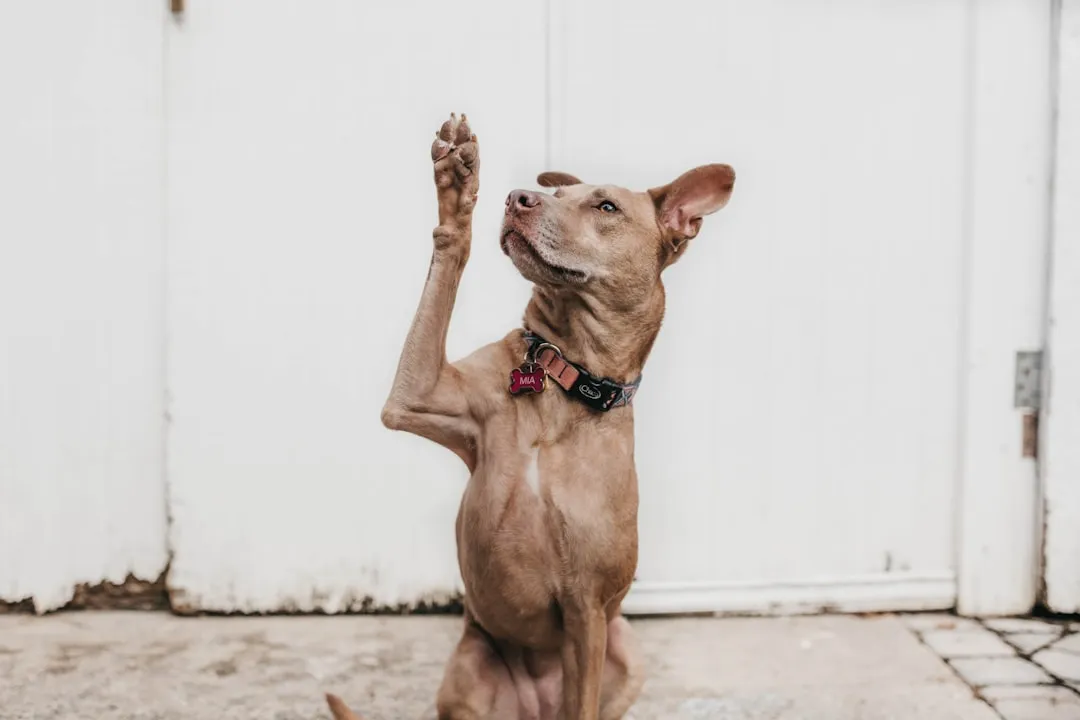
Early on, even the friendly moments with a rescue tend to look a little stiff – tight tail wags, rigid backs, hard eyes. Over time, a dog that trusts you starts to look almost melted around you. One of the quietest signs of that shift is when their whole body softens in your presence: loose spine, wiggly hips, slow eye blinks.
Watch the tail and ears especially, since they tell the truth even when everything else is calm.
- A tail that sweeps low and wide instead of high and choppy
- Ears sitting neutral or slightly relaxed, not pinned or on high alert
A lot of people confuse over-arousal – jumping, frantic licking, spinning – with affection. In reality, those can be stress signals in disguise. The real gold standard is that boneless flop against your leg, the deep sigh when they settle at your feet, the slow wiggly approach instead of a head-on charge. That soft body is your actual report card.
#12 – They Can Handle Gentle, Playful Conflict With You
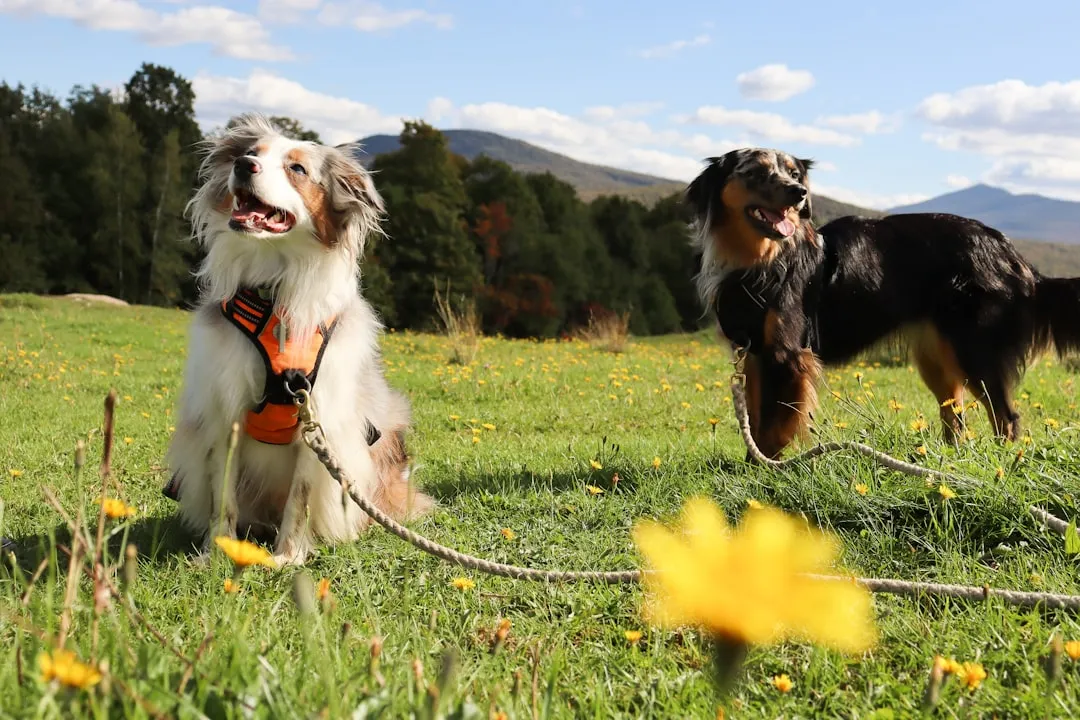
This one sparks real debate among dog people. Some think a dog should never “talk back” or protest anything. Seasoned rescuers see it differently: a dog that can safely grumble, paw at you, or walk away from something it doesn’t like is a dog that finally feels secure enough to have boundaries. Silence from a scared dog isn’t respect. It’s fear.
Watch for these small, low-stakes disagreements once trust has built.
- Pushing your hand away with a paw once petting has gone on too long
- A small huff or shift of the body if they’re squeezed too tightly on the couch
You respond by listening, not punishing, and over time the dog learns that speaking up is safe and actually works. That back-and-forth, even a little sassy, is proof they trust you won’t explode or abandon them for having an opinion. A lot of dogs from rough homes never learned that. Undoing it is a bigger win than it looks.
#13 – They Seek Comfort From You When They’re Scared or Sick
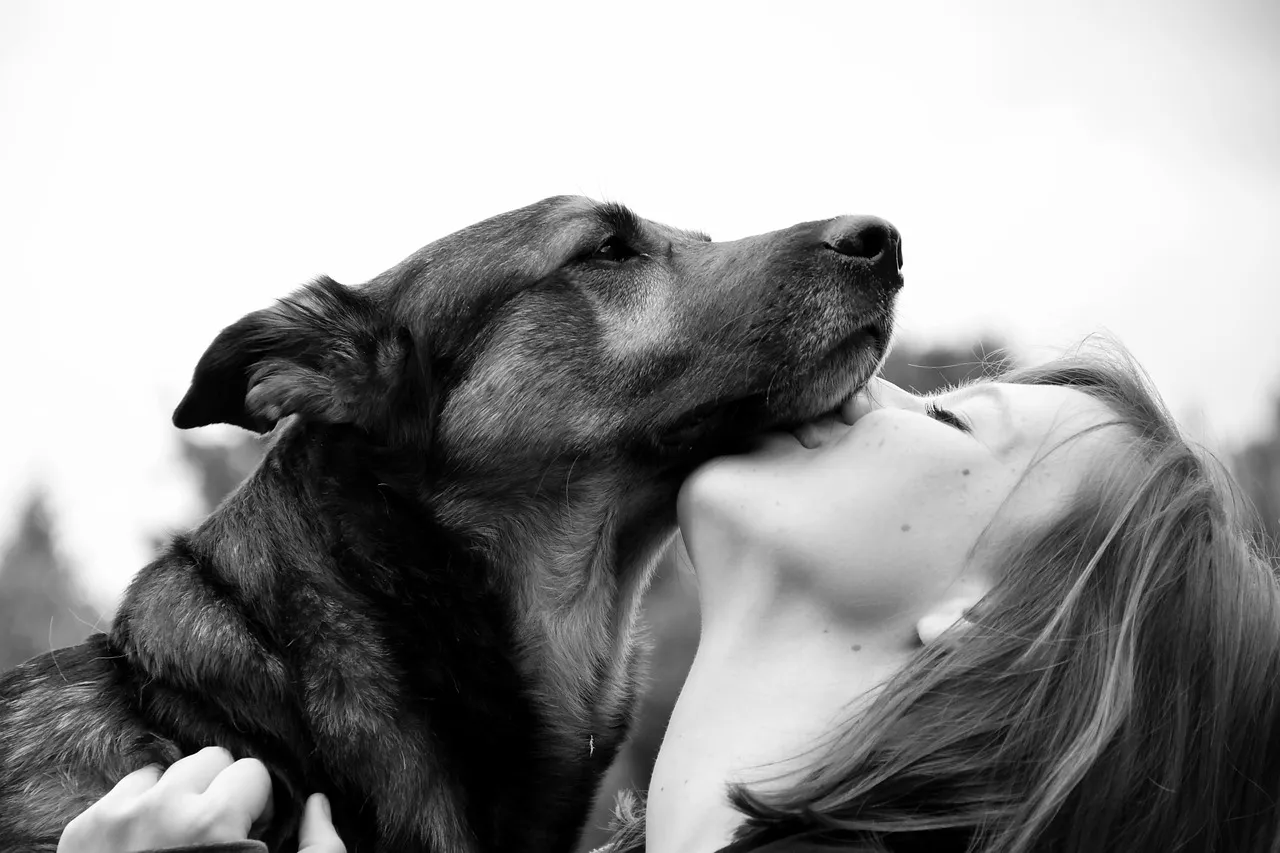
For a lot of rescues, the deepest trust doesn’t show up during the happy, easy moments. It shows up when they’re scared, hurting, or completely overwhelmed. If your dog chooses to press into you, curl beside you, or hide behind your legs when something is wrong, you’ve become their emotional shelter, not just the source of their dinner.
Pay close attention during storms, fireworks, illness, or right after a stressful vet visit – those moments reveal more than any calm afternoon ever could.
- Thunderstorms, fireworks, or construction noise
- Illness, injury, or the drive home from a hard vet appointment
A dog that hasn’t let its guard down will usually retreat alone, shut down, or lash out defensively. A trusting dog goes straight to its person, shaking or not, betting that you’ll protect it and help the scary thing end faster. Some owners miss this entirely because they’re too busy trying to “fix” the problem. Noticing it changes how you see the whole bond.
#14 – Their Default Is Running Back to You, Not Away From You
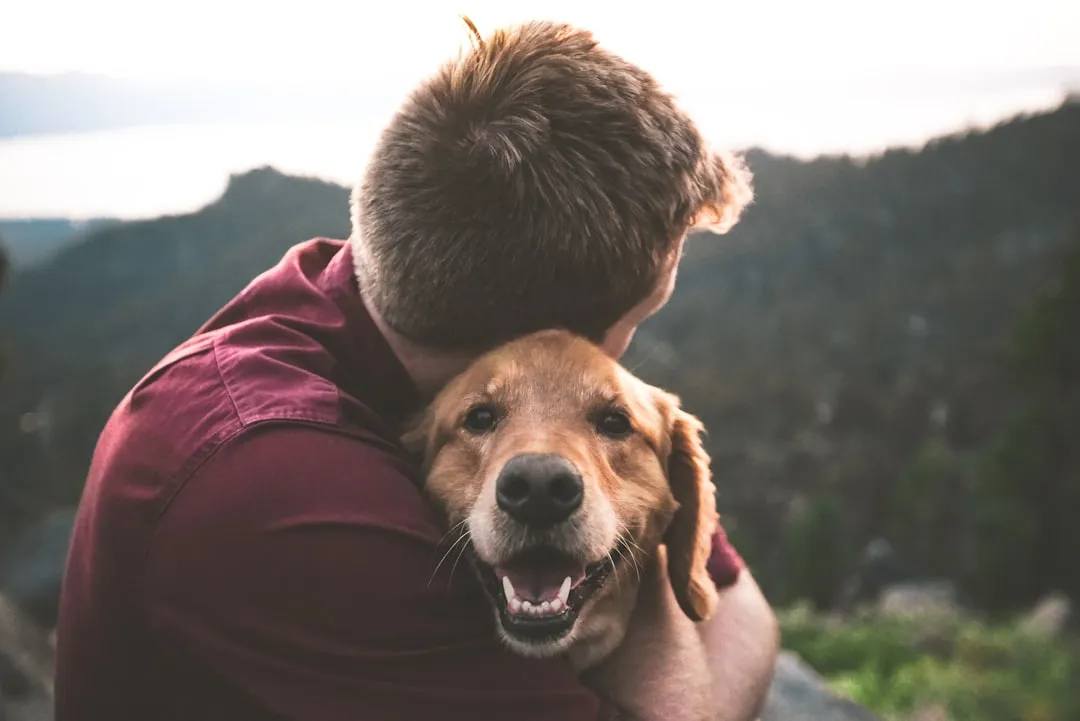
Here’s the underrated, ultimate sign. Something sudden happens – a gate left open, a loud crash, a stranger stepping in – and your dog’s first instinct is to come back to you or stay glued to your side instead of bolting. That single reaction is years of quiet trust distilled into two or three seconds.
You’ve become their whole safety strategy, and their body knows it before their brain even catches up.
- A loose-leash moment where they stop, look back, and trot straight to your side
- A big scare where they circle back to you, even with the door or yard wide open
None of this means you should test them by leaving gates open or skipping recall training – that trust deserves respect, not experiments. But when their gut reaction is “run to my person” instead of “run from everything,” they’ve made their decision about where they belong. It’s quiet, you might only catch it once, but it’s the loudest “I trust you” a rescue dog has to give.
The Bottom Line
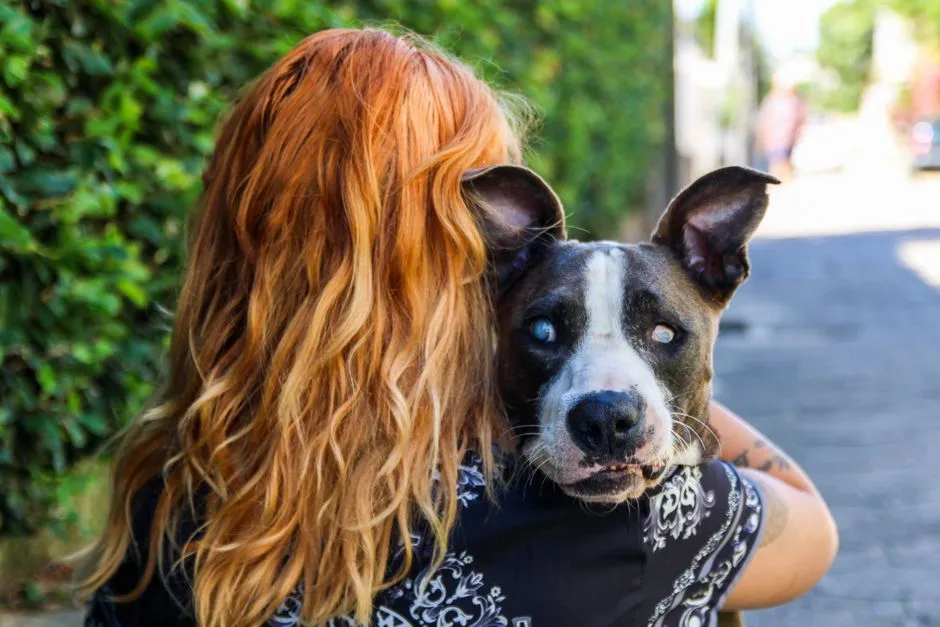
People love loud proof that their rescue dog loves them – big cuddles, dramatic reunions, the kind of moment you’d film for social media. The truth is less flashy and a lot more honest: real trust shows up in the boring, repeatable stuff. Where they sleep. How they eat. Who they run to when life gets messy.
At a Glance: Signs Trust Has Taken Hold
- Deep, loose-limbed sleep instead of light, guarded naps
- Voluntary check-ins with no cue or treat involved
- Calm through household noise, chaos, and visitors
- Running toward you, not away, when something startles them
If you’re seeing deep sleep at your feet, soft eyes, weird little quirks, and a dog that orbits you confidently in new places, you’re not “just spoiling” them. You’ve quietly rebuilt their entire idea of safety, one boring Tuesday at a time.
Some people insist dogs “get over” their pasts quickly. Anyone who’s actually lived with a shut-down rescue knows that’s a fantasy sold by people who’ve never done the work. Trust isn’t owed to anyone, dog or human. It’s earned, slowly, in silence – and once it’s there, it doesn’t announce itself. It just quietly stays.
