
Everyone walks past the quiet dog in the back kennel and assumes the same thing: something must be wrong with that one. No tail wag, no jumping at the gate, no desperate eye contact begging you to stop. Shelter staff will tell you the opposite is usually true.
The shy, shut-down dogs are often the most loyal, Velcro-style companions once they finally feel safe. They’re not broken – they’re overwhelmed. And every so often, one of them locks onto a single person like they’ve been waiting their whole life for that exact face, that exact voice, that exact smell. If you’ve ever felt a strange pull toward the quiet dog nobody else notices, keep reading, because that pull might not be in your head at all.
#1 – They Ignore Everyone… Until You Walk By
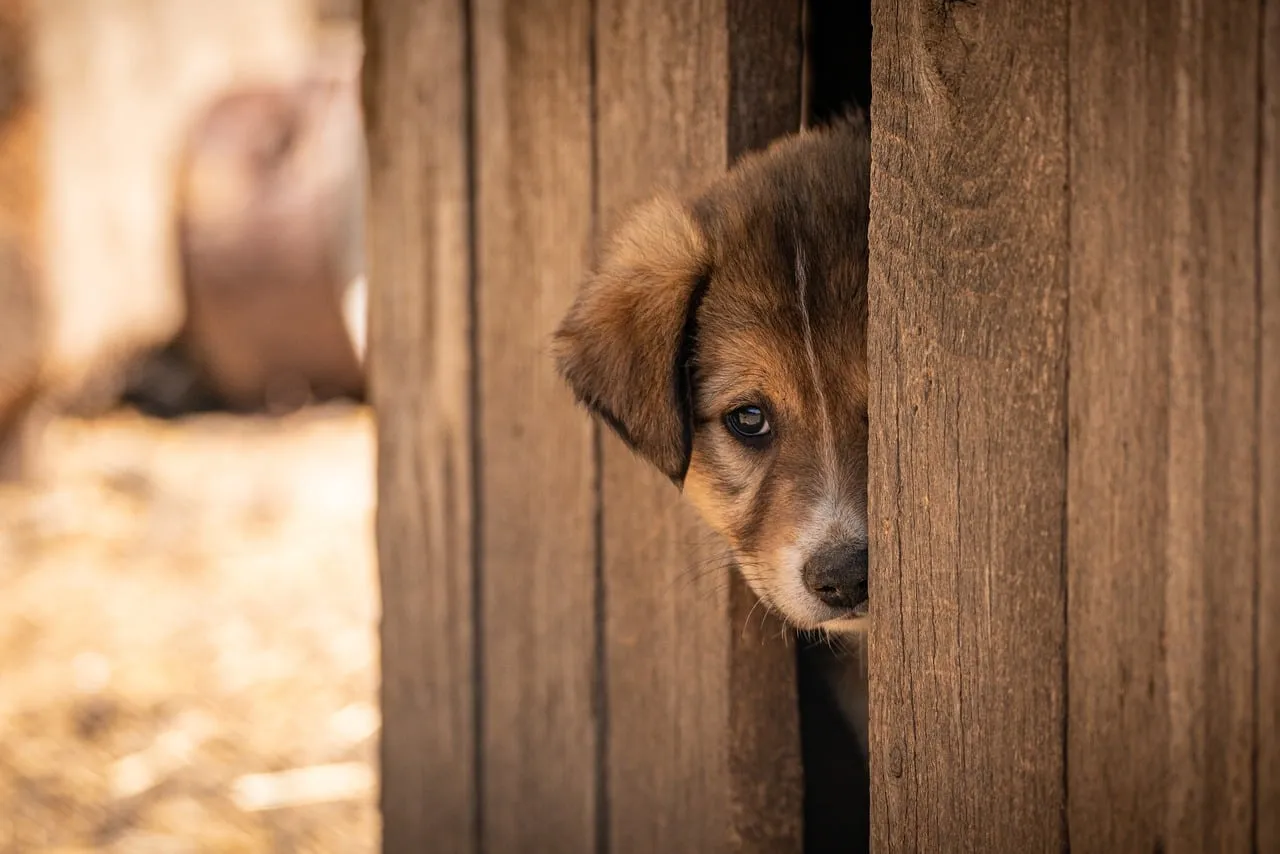
Staff swear there are dogs who seem checked out all day, then suddenly “wake up” for one specific person. This dog may turn away when strangers coo at the kennel door but slowly lifts their head or steps forward the second it’s you, even if you haven’t said a word.
Maybe their eyes track you the whole way down the row. Or they shuffle a few inches closer, tail barely flicking, while staying frozen for everyone else. That’s not random. That’s a dog spending their tiny reserve of courage on purpose.
- A subtle lean toward you when you pause.
- A quiet, soft gaze instead of frantic barking.
Shelter workers see dozens of visitors a day, so when a shut-down dog reacts to exactly one of them, they notice. It’s a small tell – but it’s rarely the last one.
#2 – Their Body Stays Still, But Their Eyes Light Up
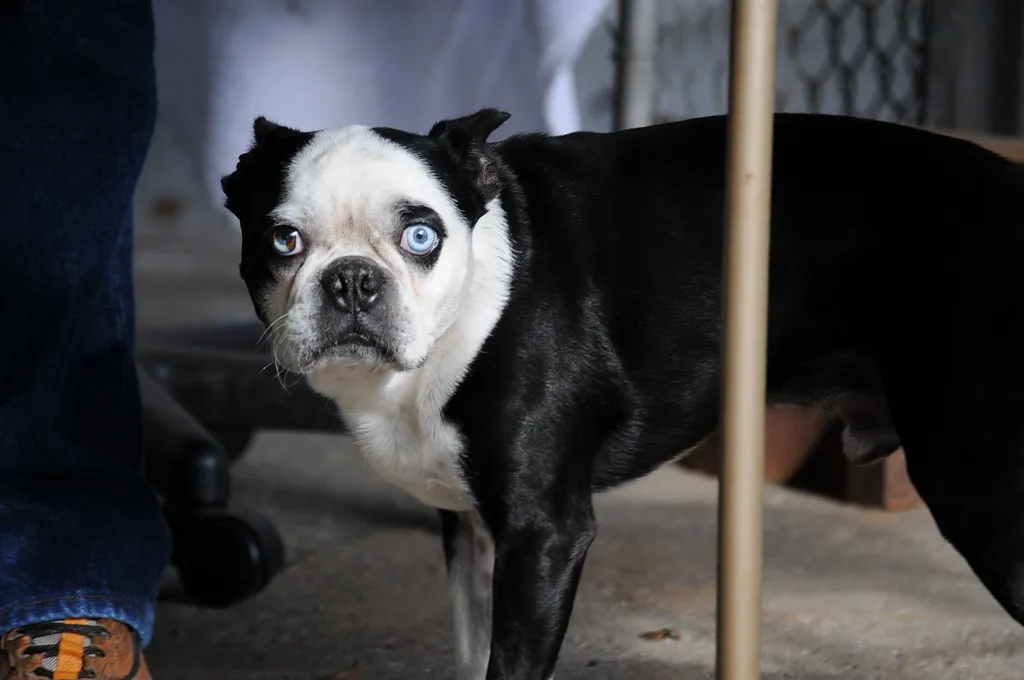
Most adopters go looking for wagging tails and happy dances. Shy dogs show their crush in quieter ways. Their body might stay low and stiff, but watch the eyes – they suddenly soften and brighten the second you start talking.
That hard, whale-eyed stare melts into slow blinks. Their face loosens for a few seconds, almost like a different dog is looking back at you. Experienced behavior staff watch for exactly this – the micro-expressions most people scroll right past.
- Small side-eyes, like they’re curious but still scared.
- Their ears flick forward briefly when you say their name.
Plenty of people walk away thinking, “They’re not interested in me.” In reality, the dog is running a quiet safety test, one tiny emotional bet at a time.
#3 – They Smell You Longer Than They “Should”
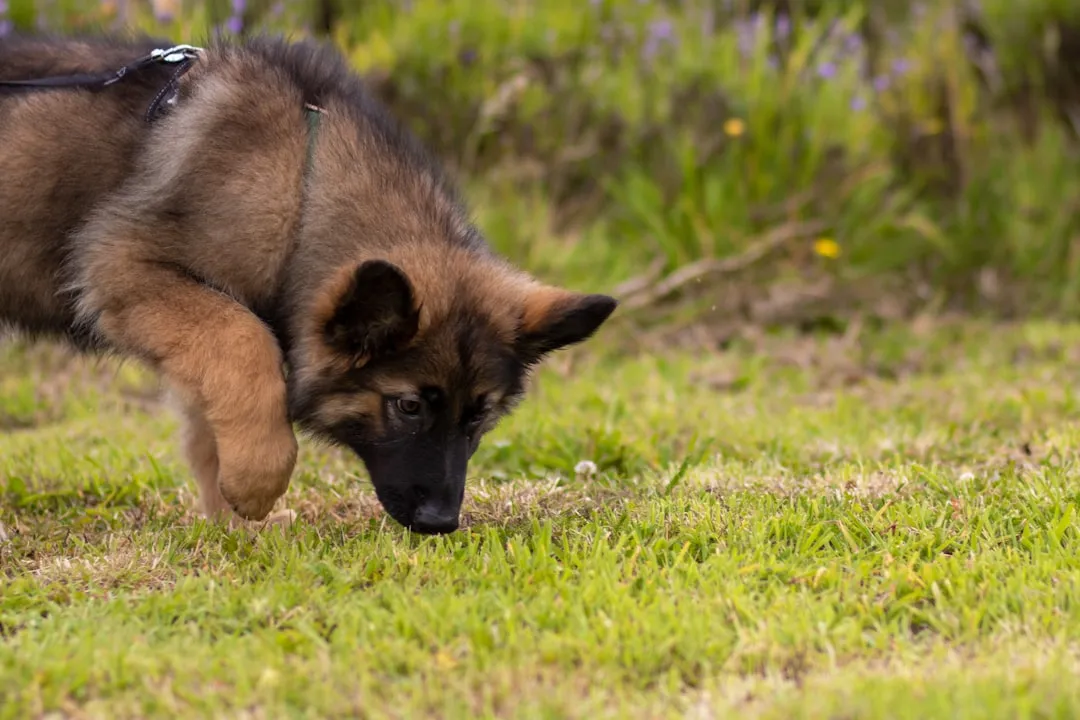
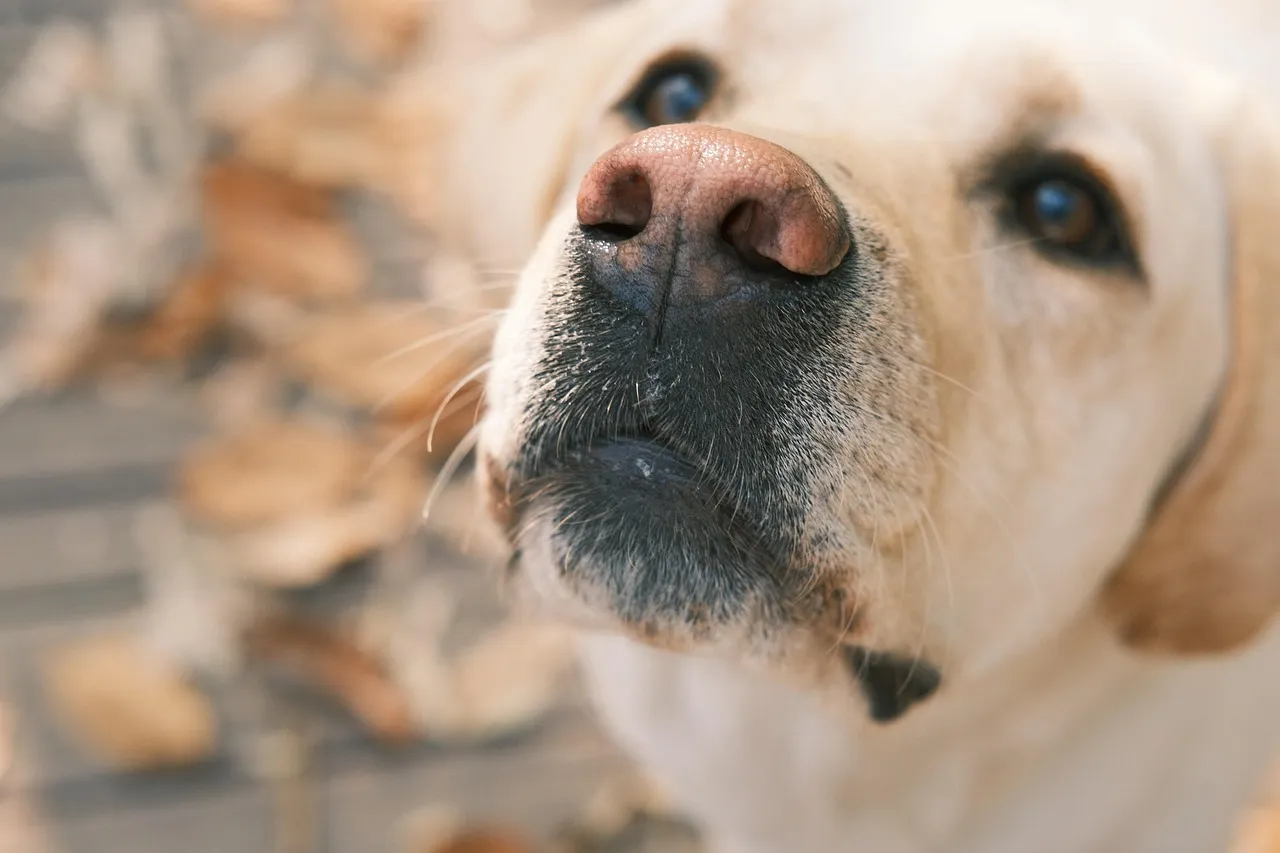
To a nervous dog, scent is safer than eye contact – and they’ll use it to figure you out before they trust anything else. On a short meet-and-greet, this dog might keep a polite distance at first, all caution, no commitment.
But once they’re brave enough, they’ll give you a slow, thorough sniff, like they’re reading your entire life story off your skin. They might circle back, gently bump your leg, or linger at your hands and shoes long after “hello” is technically over.
- They return to sniff you again after walking away.
- They choose your scent over treats or toys offered by staff.
Some behaviorists call this “filing your scent away” – an early attachment blueprint. Others just call it curiosity. Either way, it’s hard to ignore a dog who keeps coming back for more.
Fast Facts
- Dogs have up to 300 million scent receptors, compared to roughly 6 million in humans.
- The part of a dog’s brain devoted to analyzing smells is proportionally far larger than in people.
- A dog’s nose print is unique, much like a human fingerprint.
#4 – They Hide From Chaos But Edge Closer to You
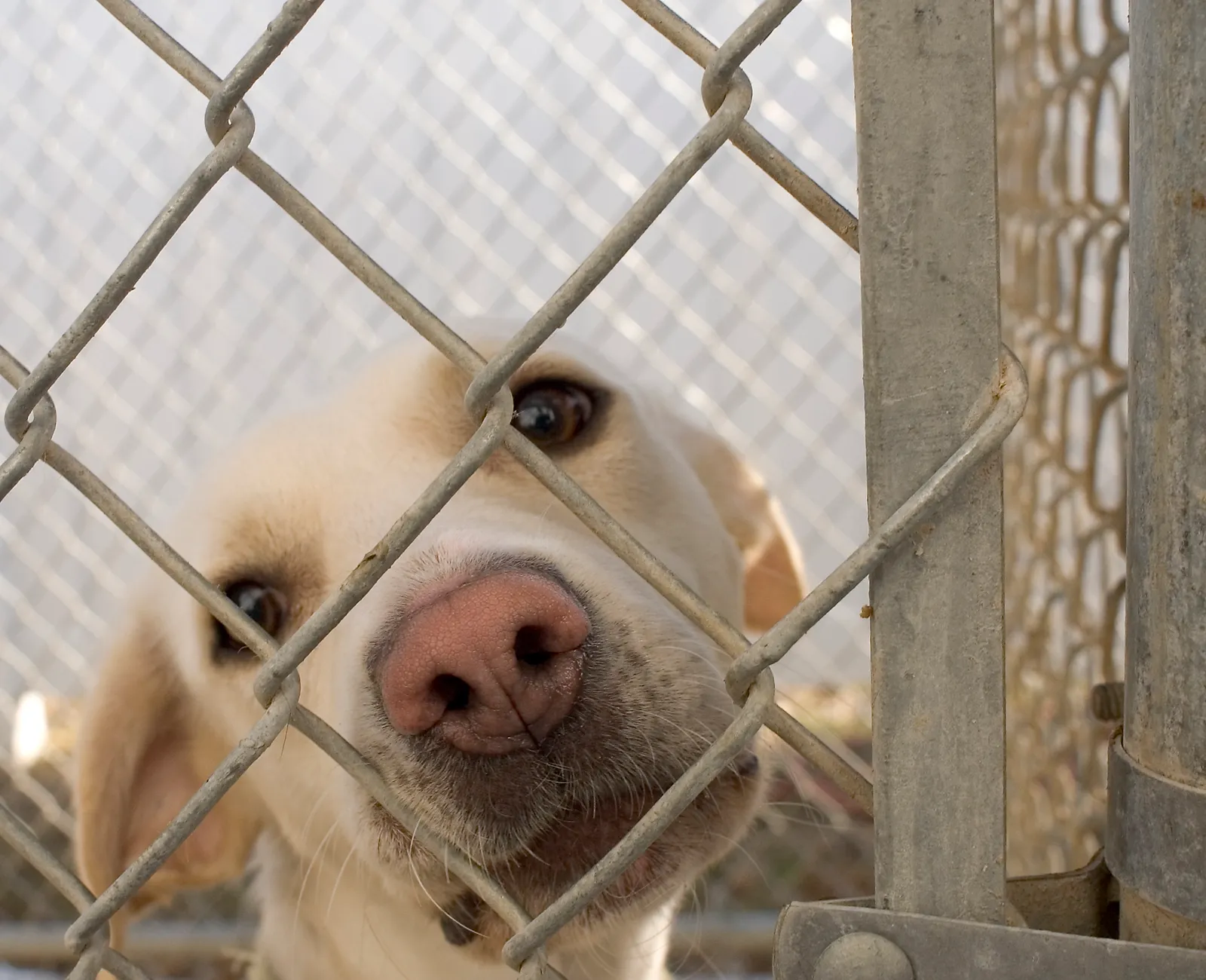
Shelters are loud, fluorescent, and relentless. Shy dogs usually retreat from all of it – unless they’ve already picked their person. You might see this dog shrink back when kids run past or another dog barks two kennels down.
Then you quietly sit or crouch, and they take two or three tentative steps closer, pause, then repeat. It’s the emotional equivalent of asking, “Is it safe if I sit near you?” They may never fully close the gap, but their comfort bubble clearly moves wherever you are.
- They position themselves to keep your face in view, even from a corner.
- Tiny shifts closer when you lower your voice and posture.
Most visitors read this as “scared of everything.” Seasoned rescuers read it as a dog choosing their safe spot – and that spot happens to be you.
#5 – They Relax Faster With You Than With Staff
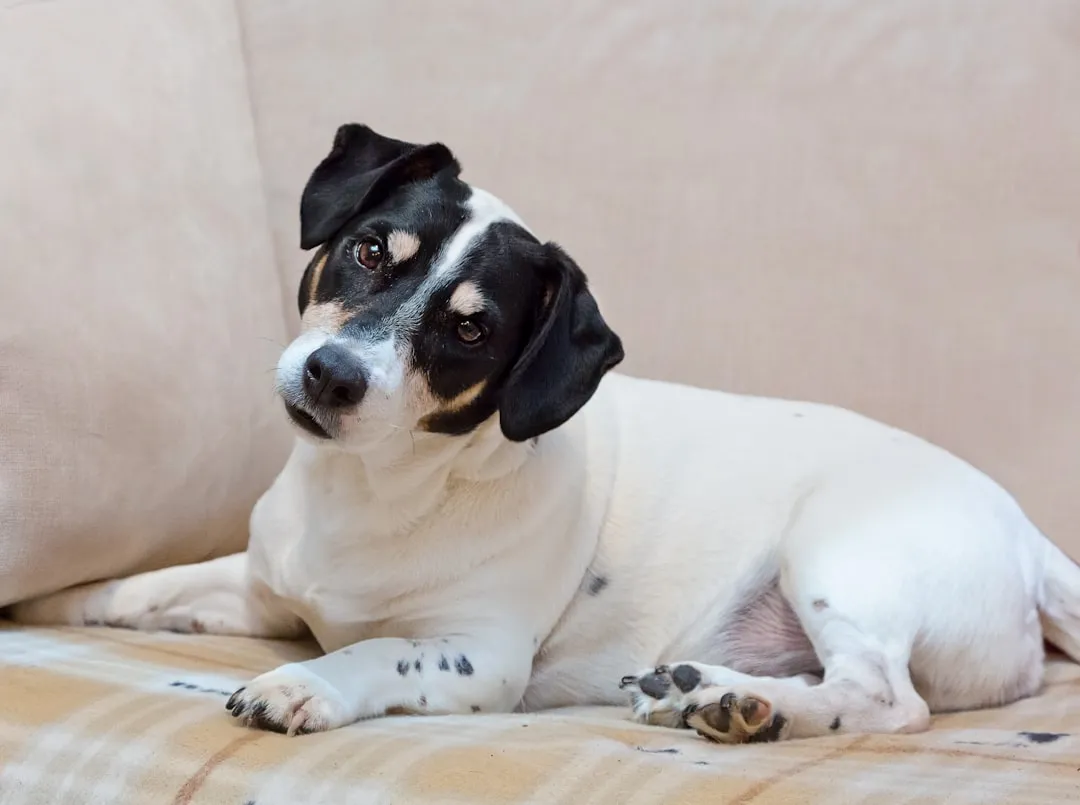
Here’s the part that quietly gets under shelter workers’ skin, in a good way. A dog terrified for days can suddenly “unlock” for one random visitor with zero warning.
Staff might tell you they’ve barely seen the dog move in a week – and then within minutes of you sitting down, you’re getting the first tail thumps, sighs, or even a small play bow. Dogs are pattern machines. If they skip their usual cautious timeline just for you, something about your energy, posture, or scent is screaming “safe.”
- They lie down facing you instead of the door.
- Their breathing slows into those deep, content dog sighs.
When a shut-down dog decompresses that quickly with a stranger, behavior teams flag it immediately. It’s the kind of thing they’ve learned not to shrug off.
#6 – They “Check In” With You Constantly During the Meet
Even scared dogs show who they’re mentally tethered to. During your yard visit, this dog might wander, sniff the fence line, or pace – but keeps flicking their eyes back to you like you’re their anchor point.
They don’t have to cling physically for this to count. Every few seconds, they check in, silently asking, “You still there? Are we good?” That invisible elastic band stretching between you is a strong early sign of the bond to come.
- Brief eye contact followed by a relaxed blink.
- A quick return to sit near you after exploring.
Casual visitors just see a nervous dog pacing. Adoption counselors see a dog rehearsing the exact check-in behavior that makes for rock-solid off-leash trust later on.
#7 – They Choose Your Lap Over the “Safe” Corner
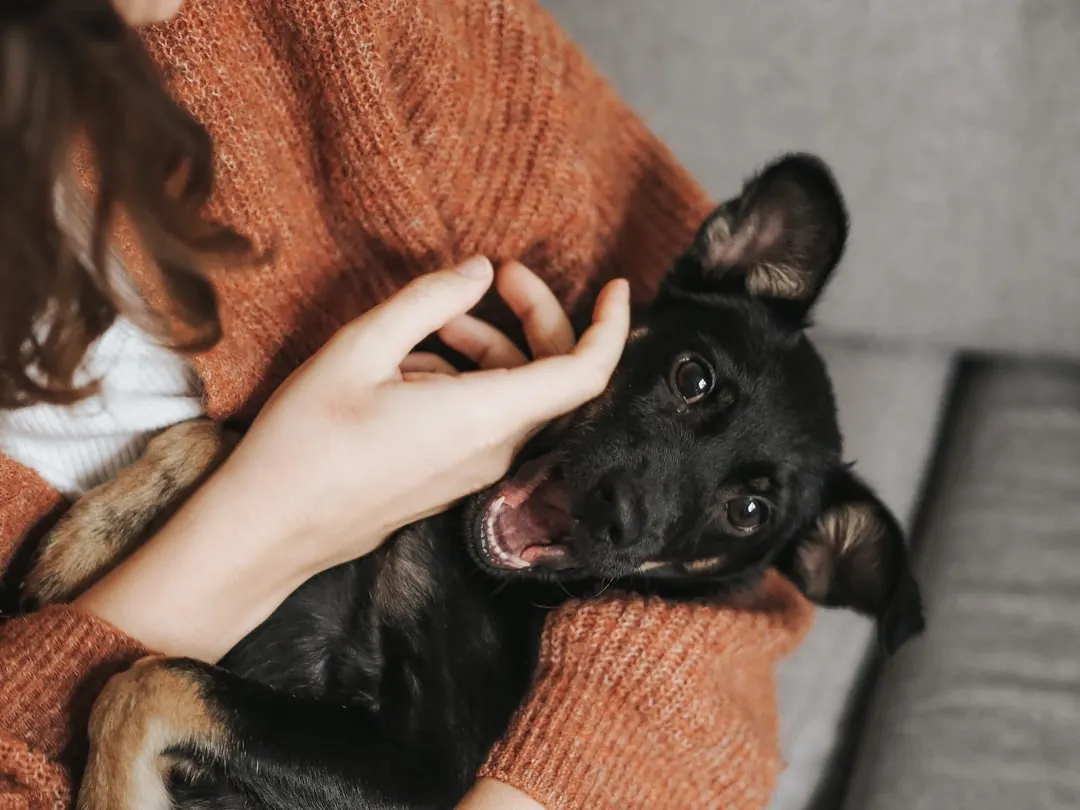
For a shy dog, physical contact is a high-risk move. They don’t hand it out for free. So if this dog has been glued to the back wall of the kennel all week, and during your visit they abandon that corner to curl up near you, or partly on you, that’s massive.
They might wedge their back into your leg, place a paw on your knee, or rest their chin on your shoe. It looks small from the outside, but in dog language, it’s a neon sign flashing one message: “I picked this human.”
- They only seek touch from you, not from every visitor.
- They settle into deeper relaxation once contact is made.
Some adopters dismiss this as “just wanting warmth.” Behavior experts know better – shy dogs don’t gamble contact like that on just anyone.
Worth Knowing
- Fearful or shy dogs typically avoid physical contact with unfamiliar people.
- Trainers often recommend letting a nervous dog initiate touch rather than reaching toward them first.
- Consistent, calm contact can help a dog begin to see a person as a “safe base.”
#8 – They Guard Your Attention Without Being Aggressive
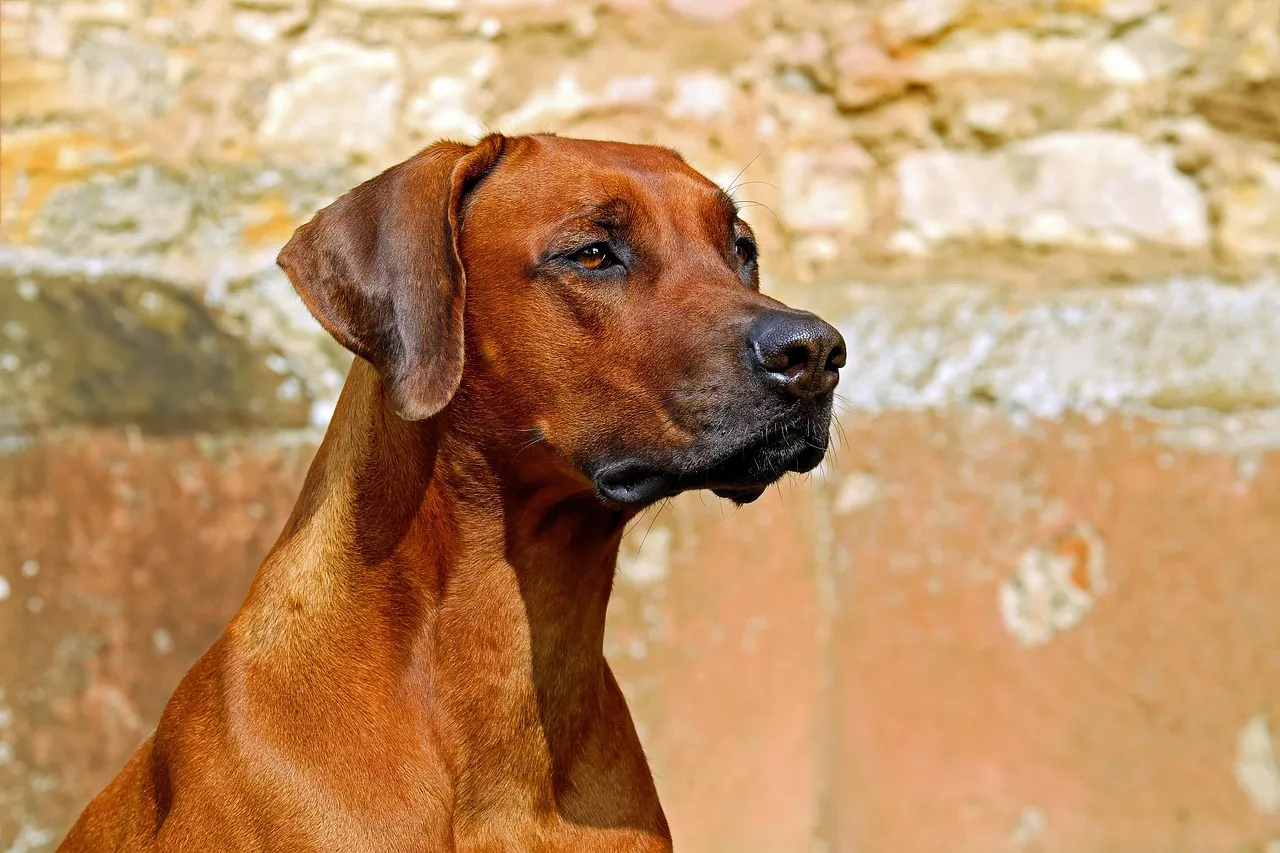
Possession isn’t always about toys. Sometimes it’s about people. You might notice the dog gently slide their body between you and another visitor, or subtly lean into you the moment someone else reaches out, as if to say, “this one’s taken.”
There’s no growling involved, just quiet blocking. They may suddenly lose interest in being petted by anyone else, turning their head away while staying pressed against your side.
- Soft, silent position changes that keep you “claimed.”
- Turning their body so your hand naturally lands on them, not someone else’s.
Some trainers hesitate to call this protectiveness, calling it resource guarding of comfort instead. Whatever the label, a shy dog choosing you as their emotional resource this fast is genuinely rare.
#9 – Their First Play Ever Happens Because of You
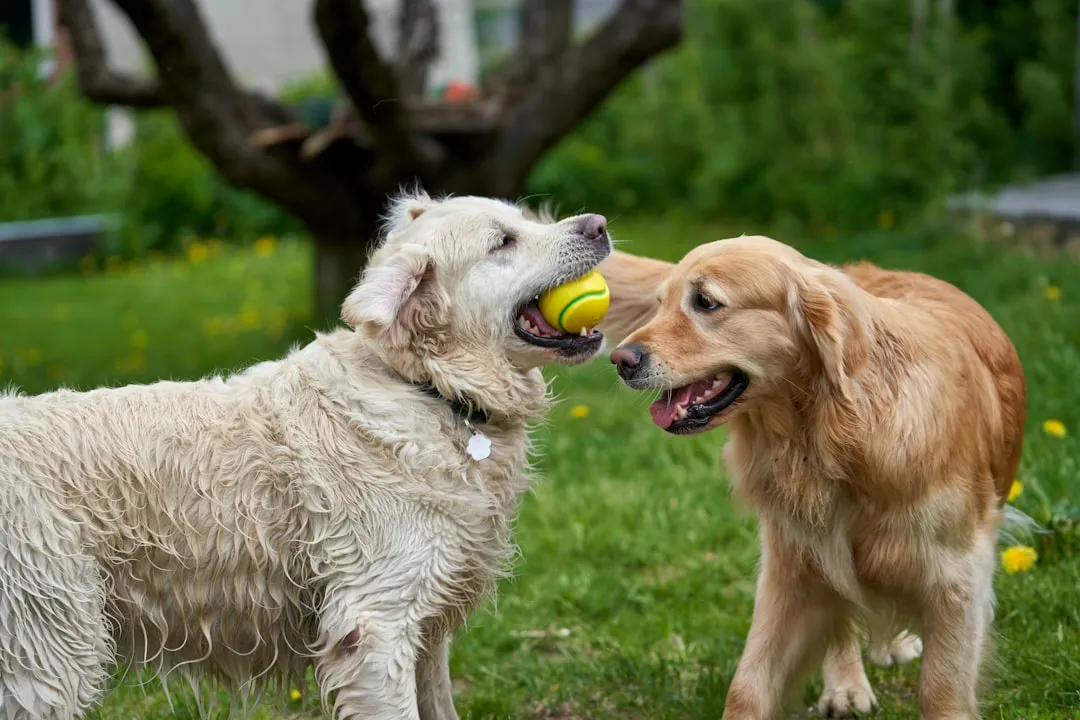
In a lot of shelters, the first time a shut-down dog plays is treated almost like a medical milestone, written down and celebrated by staff. If they’ve told you this dog hasn’t touched a toy in weeks, and suddenly with you they pounce on a ball, do a clumsy zoom, or offer a tiny play bow, you are watching a wall come down in real time.
Play only happens when a dog feels safe enough to waste energy on joy instead of survival. It’s their version of laughter, and for whatever reason, they’re choosing to laugh with you.
- They glance back at you mid-play, inviting your reaction.
- They mirror your energy the second you get a little goofy.
Some people chalk this up to coincidence. Long-time rescuers tend to just go quiet for a second and say, “That’s your dog.”
#10 – They Remember You Between Visits
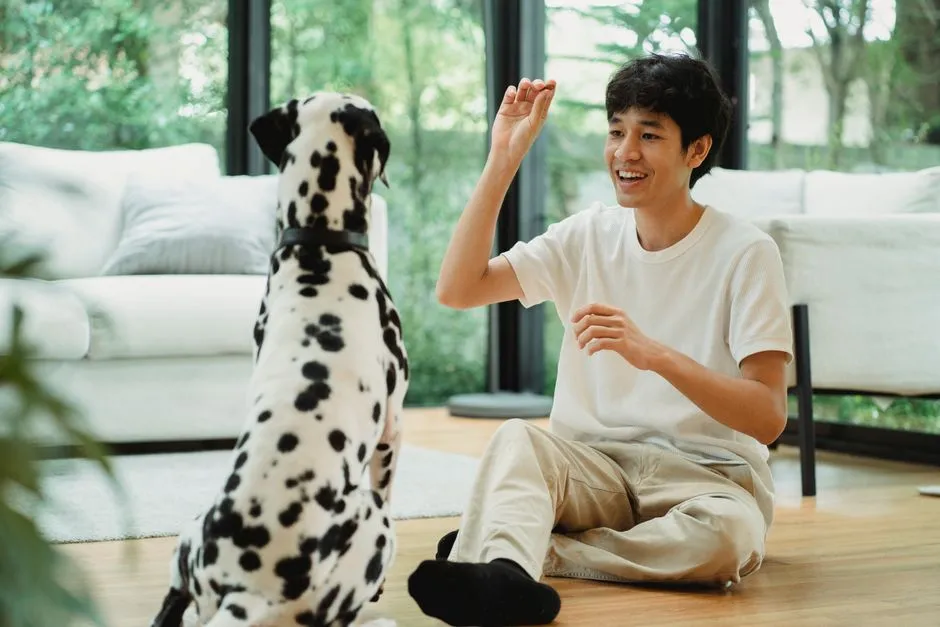
This is where “it’s just in your head” stops holding up. Say you visit on two separate days. The second you walk in on day two, the shy dog who ignored every other stranger suddenly pops up, tail low but wagging, staring straight at you. That’s recognition, not coincidence.
Dogs can remember individual humans for months, even years, especially the ones tied to a feeling of safety. When it happens after one or two short meetings in a stressful shelter environment, it usually means you’ve already imprinted on them.
- They move to the front of the kennel only when they see you.
- Their body language relaxes faster than it did on day one.
Skeptics will argue this is just a dog hoping anyone will finally take them home. But when staff say, “Wow, they don’t usually do that,” that’s worth listening to.
#11 – They Mirror Your Emotions Almost Instantly
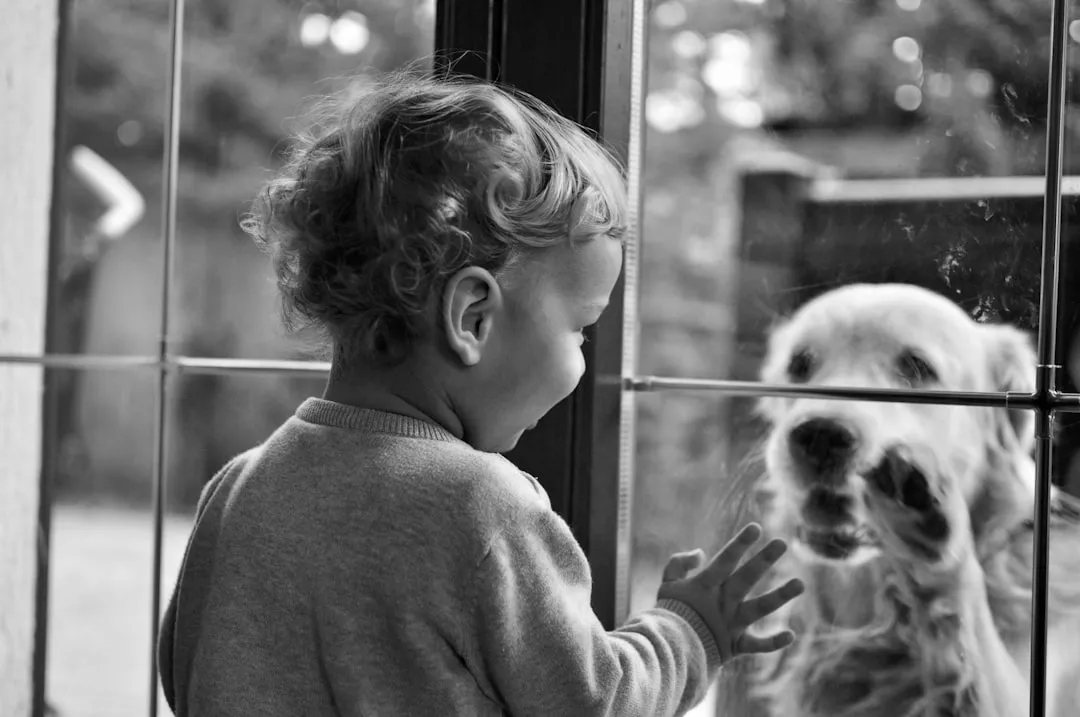
Bonded dogs become emotional sponges – and some start that pattern on day one. Sit quietly and breathe slowly, and you may notice the dog’s panting easing, shoulders dropping, head lowering to match your energy.
If, when you smile, coo, or laugh, you see an immediate softening – gentle tail swishes, relaxed ears, a tiny half-smile – that’s emotional synchrony. They’re calibrating to you specifically, not just to the room around them.
- They spook less at loud noises when you stay calm.
- They perk up the second your voice turns playful, even from a shut-down state.
Most people underestimate how fast this happens. For dogs who are simply shy, not feral or severely traumatized, choosing an emotional home-base human is often step one. Sometimes, without realizing it, you’re already that base.
At a Glance
- Dogs can recognize familiar humans even after long stretches apart.
- Emotional mirroring, sometimes called emotional contagion, has been observed in domestic dogs.
- A trusted human’s calm presence can help lower a stressed dog’s arousal within minutes.
#12 – They Struggle the Moment You Leave, Even Briefly
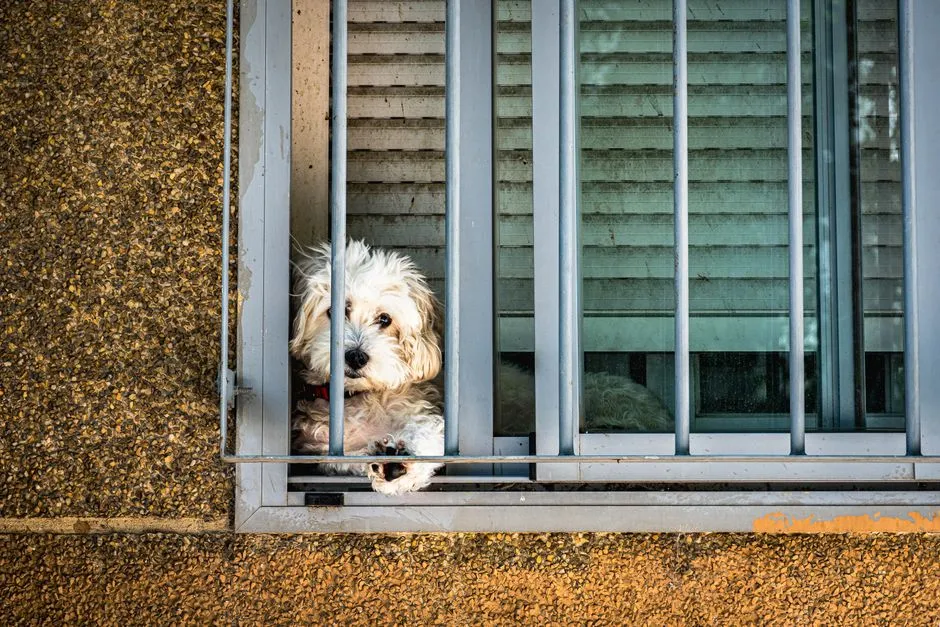
Nobody enjoys watching a dog get upset, but the context here tells you something real. After a short bonding session, if you stand up to go and the dog suddenly whines softly, paws at the door, or stares fixedly at the spot where you disappeared, that’s attachment talking.
It matters even more if they showed zero reaction when previous visitors walked away. They don’t need to explode into frantic barking. Their entire focus just funnels toward the space you left behind.
- Staff say, “They usually just go back to their spot, but they haven’t settled since you left.”
- On your return, they visibly brighten more than they did for anyone else.
Some will point to future separation anxiety as a concern worth planning for. Others counter that with structure, these dogs become the most devoted companions a person will ever have. Either way, they’ve clearly decided that losing you feels different.
#13 – Staff Quietly Tell You, “They’re Different With You”
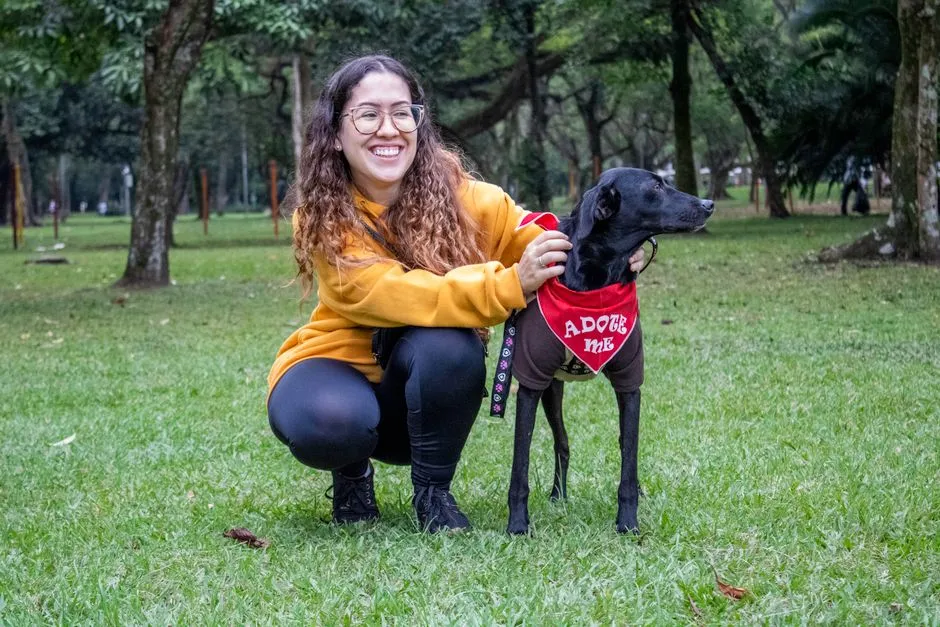
Insiders rarely say this unless they mean it. Shelter workers and volunteers watch hundreds of dog-human interactions a month. So when one pulls you aside and says it plainly, it isn’t sales talk. It’s relief.
These are the people who’ve watched that dog shake, hide, or shut down day after day for weeks. Watching them soften for a stranger is a genuinely big deal to someone who’s clocked hundreds of hours worrying about that dog.
- “They usually won’t leave the back of the kennel.”
- “We’ve been waiting for someone like you to walk in.”
Until one has loved an animal, a part of one’s soul remains unawakened.
Anatole France
Some adopters instinctively distrust compliments from staff, assuming it’s a pitch. This one is different. It’s rooted in weeks or months of behavioral data, not persuasion.
#14 – You Walk Away… And Can’t Stop Thinking About Them
Here’s the part experts can’t fully explain, and it’s as much about you as it is about the dog. You go home, but their face keeps popping into your mind, and it genuinely hurts to picture them still sitting in that kennel.
Other dogs at the shelter were friendlier, cuter, easier. This one feels like an unfinished sentence anyway. You catch yourself checking the shelter’s website, zooming in on their photo, quietly rearranging your Saturday around “maybe I’ll go back.”
- You’re rehearsing all the ways you’d help them feel safe at home.
- Every excuse you come up with for not adopting them feels hollow the moment you say it out loud.
Some people call it destiny. Others call it a trauma bond waiting to be healed the right way. But when your gut and that shy dog keep choosing each other, despite the fear on both sides, it’s usually the clearest sign of all that they were only ever waiting for you.
The Bottom Line
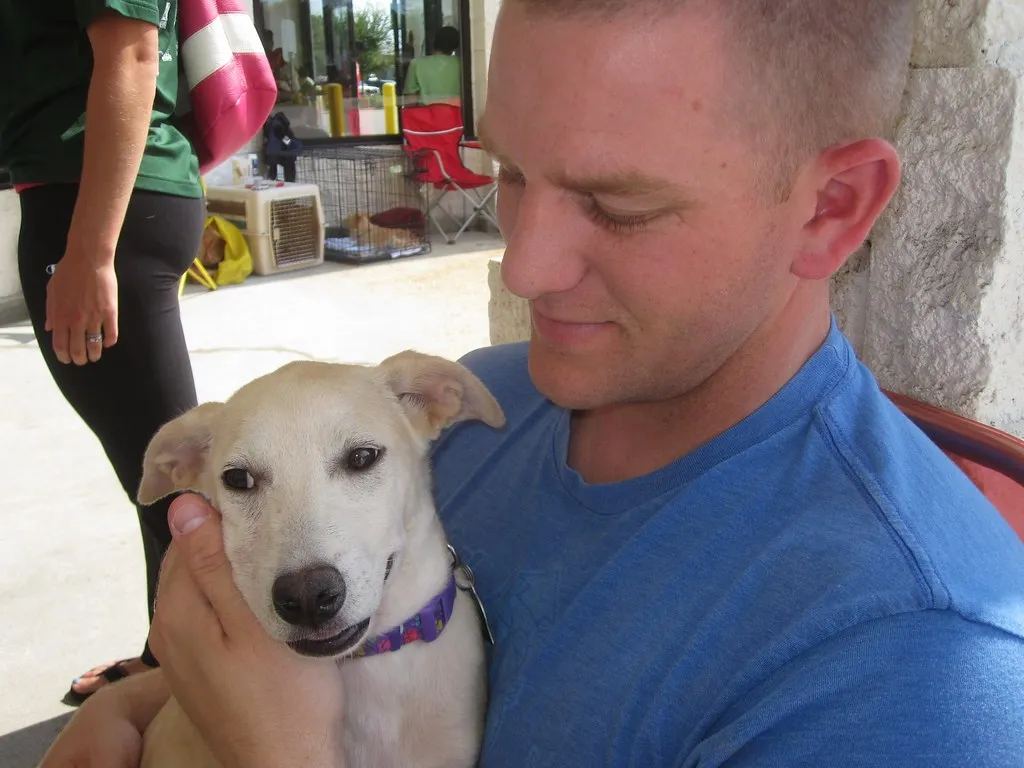
The quiet dog in the back kennel is rarely broken. More often, they’re carefully saving their first real trust for the right person, and the signs are far more subtle than a wagging tail or a jumping welcome at the gate.
The dog who only brightens when you pass, who plays for the first time in your presence, who remembers you after a single visit – that’s not random. That’s a scared animal gambling everything on one human.
Quick Compare
- Outgoing shelter dogs: easy to read, quick to bond, rarely overlooked.
- Shy shelter dogs: harder to read, slower to bond, but often deeply loyal once trust is earned.
- Either path can lead to a wonderful companion – the difference is simply how fast the trust builds.
Some people will tell you to pick the easy, outgoing dog, and there’s nothing wrong with that choice. But if you’ve already met the shy one you can’t shake from your mind, be honest with yourself: was that just a visit, or was it the moment your dog finally found you? Did we miss a sign you noticed with your own rescue? Drop it in the comments.
