
Most people assume a rescue dog falls hopelessly in love with you the second it crosses your threshold. Tail wags, soft eyes, instant bond – that’s the story we like to tell ourselves about adoption day.
The truth is messier, and honestly a lot more interesting. Real bonding usually happens quietly, weeks or even months later, once the dog finally decides on its own: this is my home, these are my people. That’s when things get strange – clingier, louder, weirder, sometimes bossier – in ways that confuse first-time owners who mistake real progress for a behavior problem.
Rescuers and behaviorists have watched this pattern play out again and again. Once you know what to look for, you’ll never read your dog’s “bad behavior” the same way again.
#15 – They Start Sleeping Like They Actually Feel Safe

When a rescue dog first arrives, sleep is usually on high alert. Many curl into tight balls, face the room, or park themselves near exits so they can bolt if needed.
Once they believe they’re truly home, that changes fast – and it’s almost unsettling to watch. They sprawl belly-up, limbs everywhere, in the most vulnerable position a dog can take. That “dead dog flop” on the couch isn’t laziness. It’s a survival brain finally putting its guard down, sliding into deeper sleep cycles complete with snoring, twitching paws, and little dream-whimpers as they move from hard floors and doorways into the softest, most central spot in the house.
#14 – They Claim “Their” Spot In The House

At first, many rescue dogs hover – pacing, following you room to room, hiding in odd corners like they’re not sure they’re allowed to relax anywhere. Once they accept this is home, they quietly start claiming a specific spot as theirs.
It might be one corner of the couch, a certain stair, or a crate that turns into their personal studio apartment. In the beginning they’ll only use it when you’re nearby; over time they’ll retreat there when the house gets loud or guests show up. Some owners get annoyed when the “good bed” quietly becomes “the dog’s bed,” but trainers will tell you that territorial comfort is a massive green flag.
#13 – Their “Velcro Dog” Phase Gets Surprisingly Intense
People assume clinginess only happens at the start. Many rescues actually do the opposite – frozen or oddly polite in the early days, then suddenly glued to you once trust locks in.
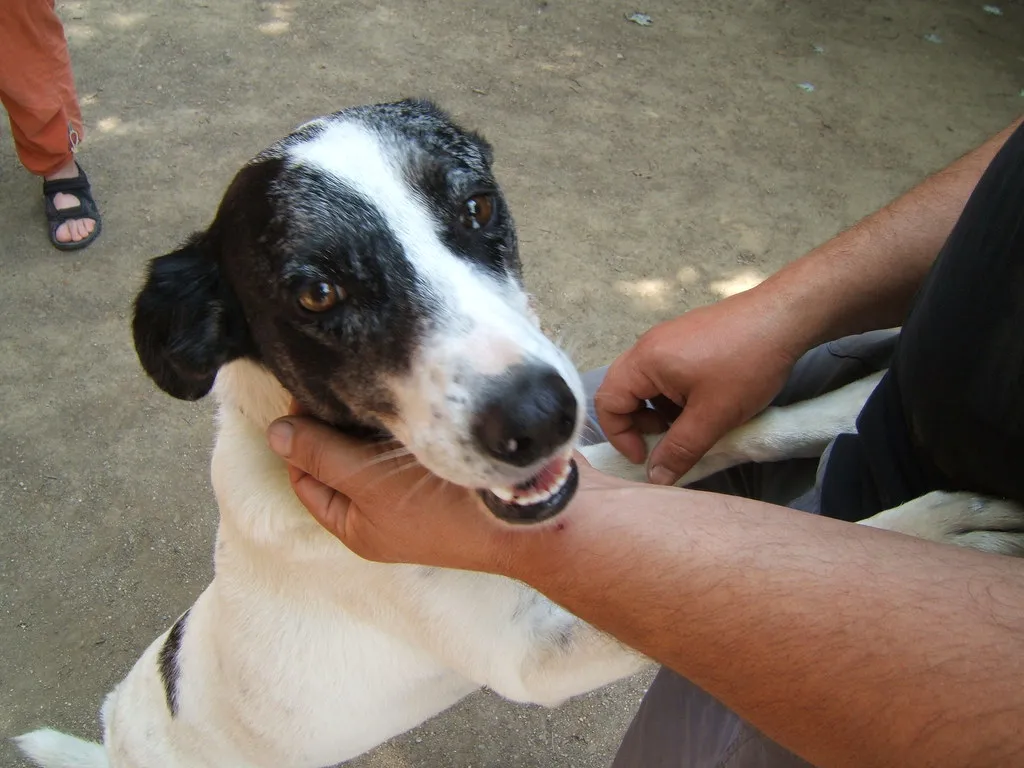
You’ll notice a paw resting on your foot, a body leaning its full weight into your leg, a nose that follows you into the bathroom. It can feel needy, but it’s usually a dog finally choosing a person. Many behaviorists argue the attachment itself isn’t the problem – unmanaged separation is, which is exactly why intentional alone-time training matters here.
#12 – Their True Personality (And Quirks) Finally Explode
The biggest mistake new adopters make is assuming the dog they meet on day three is the real dog. Seasoned rescuers talk about the 3-3-3 rule – three days to decompress, three weeks to learn the routine, three months to reveal the real self – and that last stage is where things get fun.
The quiet, “perfect” dog can suddenly turn goofy, bossy, or hilariously dramatic. You might see play bows and zoomies out of nowhere, new grumbles and happy howls, or a sudden hobby of stealing socks. This isn’t a dog misbehaving – it’s a dog finally unclenching. If your rescue suddenly gets weirder, you’re probably doing something right.
At a Glance
- Days 1-3: Decompression – hiding, low appetite, watching more than acting
- Weeks 1-3: Routine sets in – testing rules, easing into the household rhythm
- Month 3 and beyond: True personality emerges – quirks, humor, and confidence show up
#11 – They Test Boundaries Like A Teenager
Once a dog realizes you aren’t giving it back, boundary testing usually kicks in. This is the phase where a rescue might suddenly jump on furniture it used to avoid, or push into rooms that were previously off-limits.
You’ll see the classic moves: inching closer to your plate at dinner, suddenly “not hearing” the word off, stealing a shoe just to see what happens. It’s not defiance – it’s a dog quietly asking how this family actually works. Clear, calm, consistent rules make a dog feel safer, not controlled. A dog that believes there are no rules doesn’t feel free; it feels unstable.
#10 – They Start Guarding You… Or The House
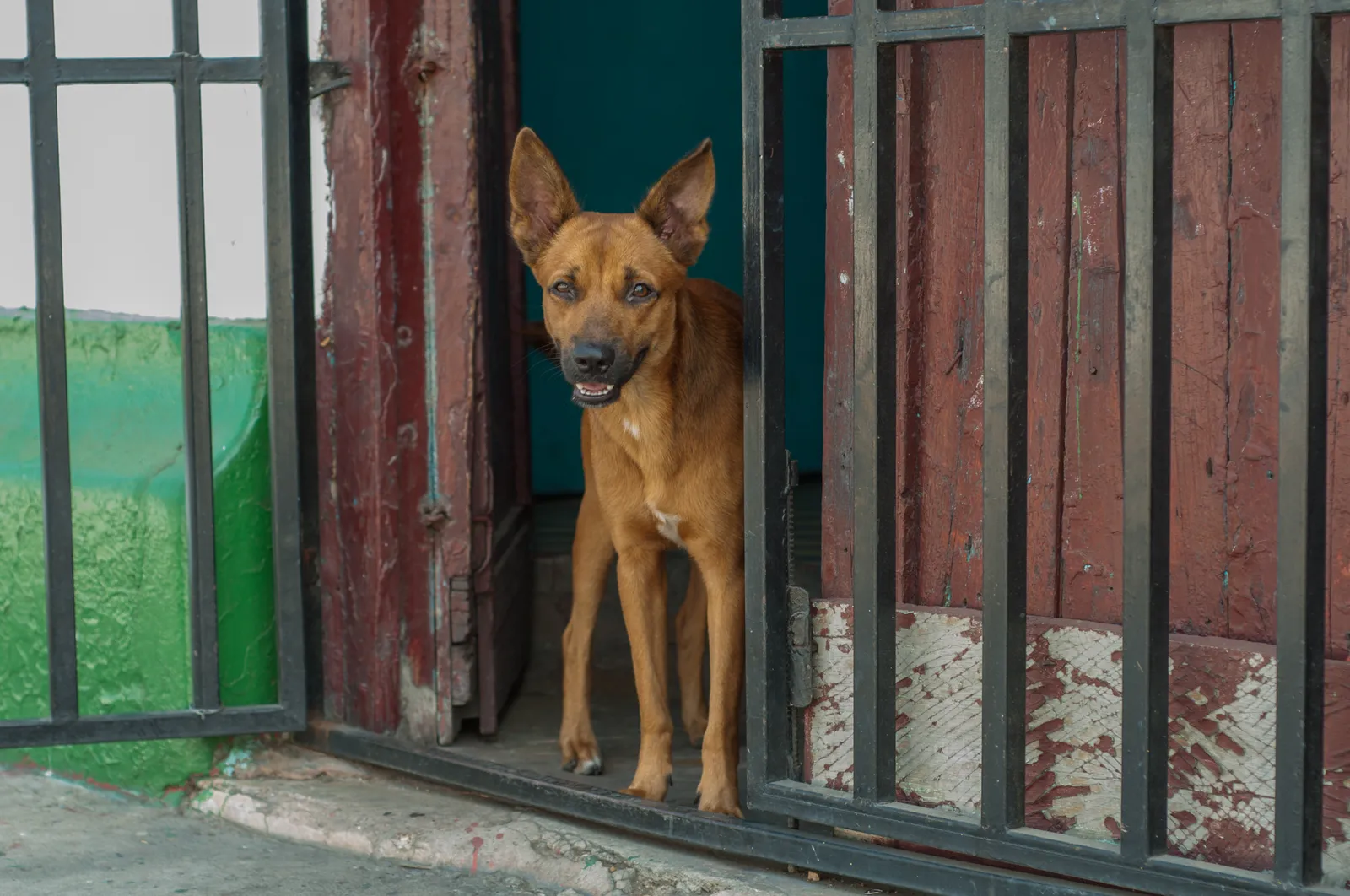
Once a rescue dog believes this is its home and you are its people, protective instincts often intensify. Neighbors notice new barking at the door, or the dog positioning itself between you and a stranger, staring down delivery drivers from the window.
That “who are you and why are you near my house” bark is a sign of ownership, not random aggression – though it can absolutely wear on your nerves. Trainers suggest thanking the dog once, calmly ending the show, then redirecting. The flip side matters too: a dog that ignores everything at the door after months in your home can quietly signal something else is off. A healthy dose of “this is my turf” usually means your rescue believes the house, and the people in it, are worth protecting.
#9 – They Bring You “Gifts” (Yes, Even Gross Ones)
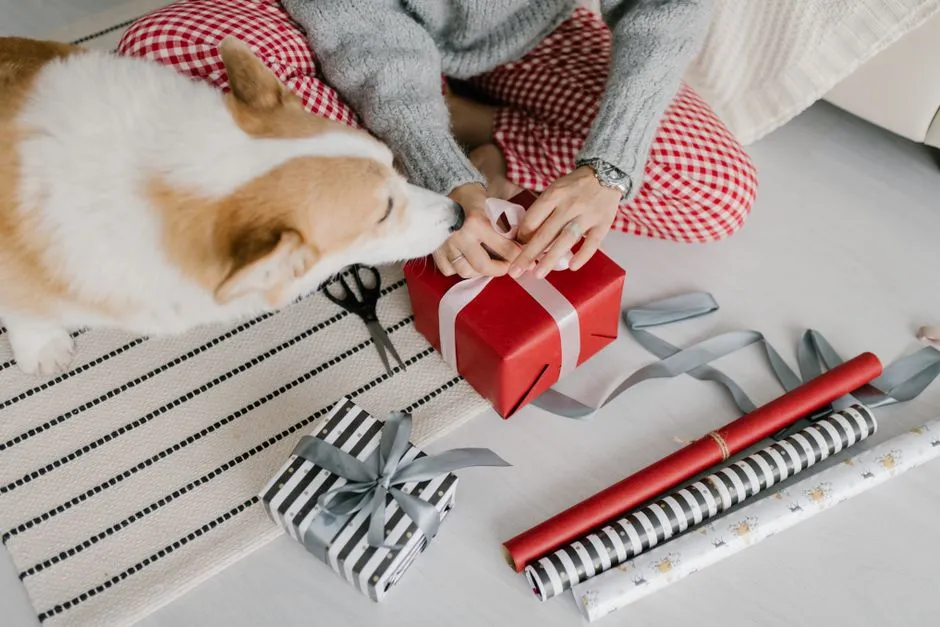
Many owners laugh the first time their rescue proudly drops a slobbery toy – or worse, a random object – straight into their lap. This behavior isn’t random at all. For a dog that finally feels at home, gift-giving is a mix of play, bonding, and social sharing.
Sometimes the gifts get questionable: a chewed tissue, a shoe, a stick from the yard, or the infamous dead bug offering. It’s easy to see this as mischief, but underneath it, the dog is saying you’re in its inner circle. Some behaviorists even point out that dogs who stash toys in your bed or under your pillow are deliberately blending their scent with yours.
#8 – They Start To Play Like Little Kids Again
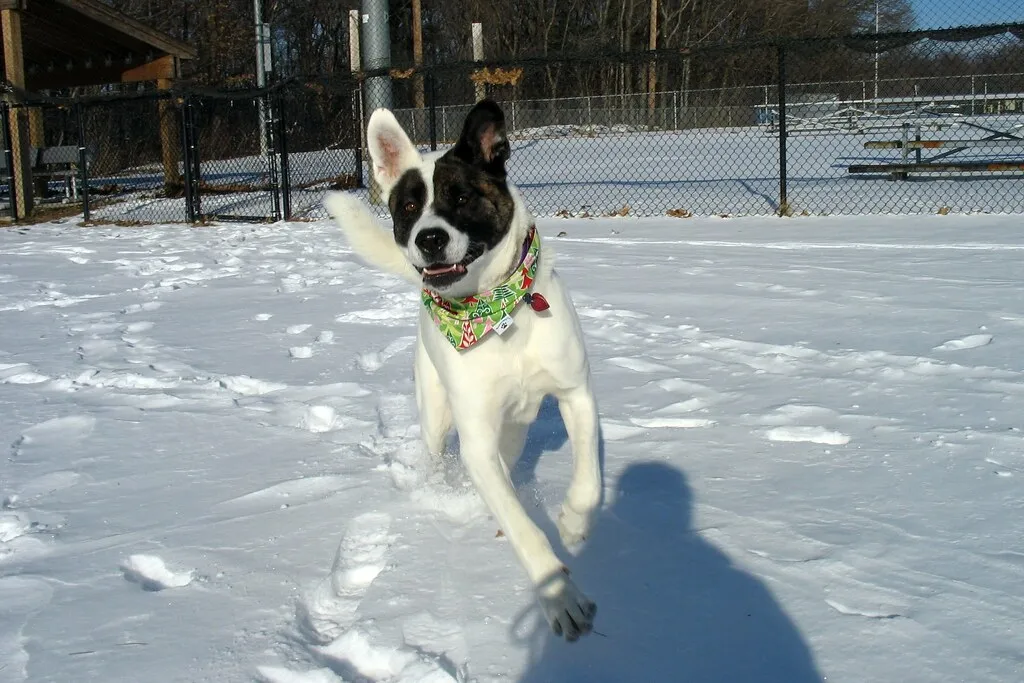
In shelters or unstable homes, many dogs simply stop playing – it’s a luxury they can’t afford emotionally. When they finally feel secure, play often comes roaring back, and it can look nothing like their early days with you.
The first time your rescue does full-body zoomies through the living room, that’s not hyper energy – that’s relief. You might see dramatic play bows followed by wild spins, solo games with toys, or invented rituals like racing you to the kitchen. Some people mistake this burst for a problem and over-correct. Smart owners channel it instead, because a dog that feels safe enough to be silly is a dog that trusts the floor won’t fall out from under it again.
#7 – Their Eating Habits Completely Change
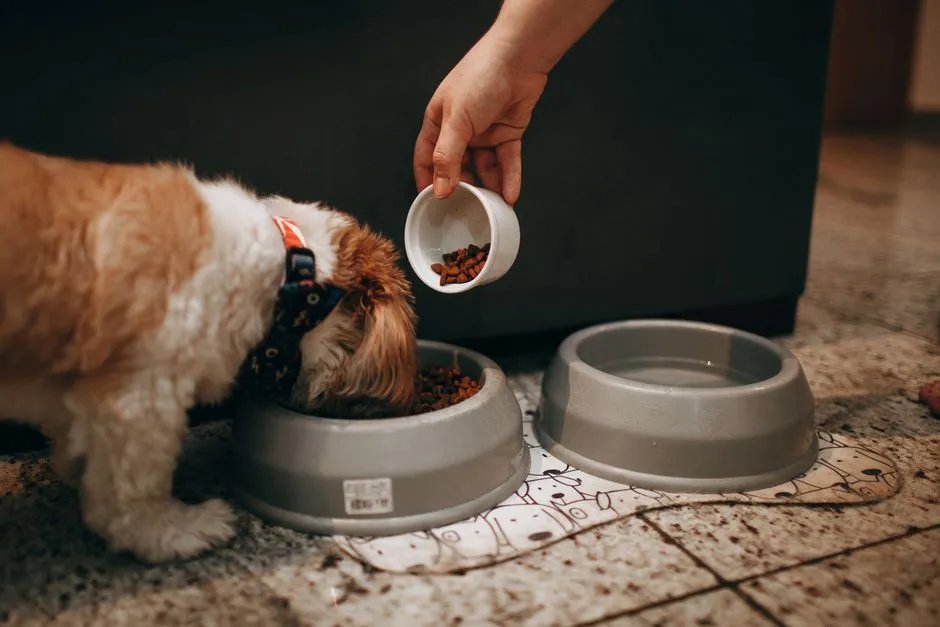
Food tells you more about a rescue dog’s internal state than almost anything else. Early on, many inhale meals like they’re in a race, guard the bowl, or refuse to eat at all out of stress.
Once they accept that food is reliable and this home is permanent, eating slows down, snacking becomes casual, and dogs move away from defensive corners toward the middle of family activity. Some owners misread new pickiness as “spoiled,” but it’s often the opposite – only a dog that believes food will always be there dares to have preferences. The panic around mealtime is finally fading.
Fast Facts
- Gulping or guarding food is typically a stress response, not bad manners
- Eating away from a busy room, then slowly moving closer, often tracks rising comfort
- Casual snacking near family activity signals real trust in food security
- Sudden appetite loss lasting more than a day or two still warrants a vet check
#6 – They Relax Their “Escape Plan”
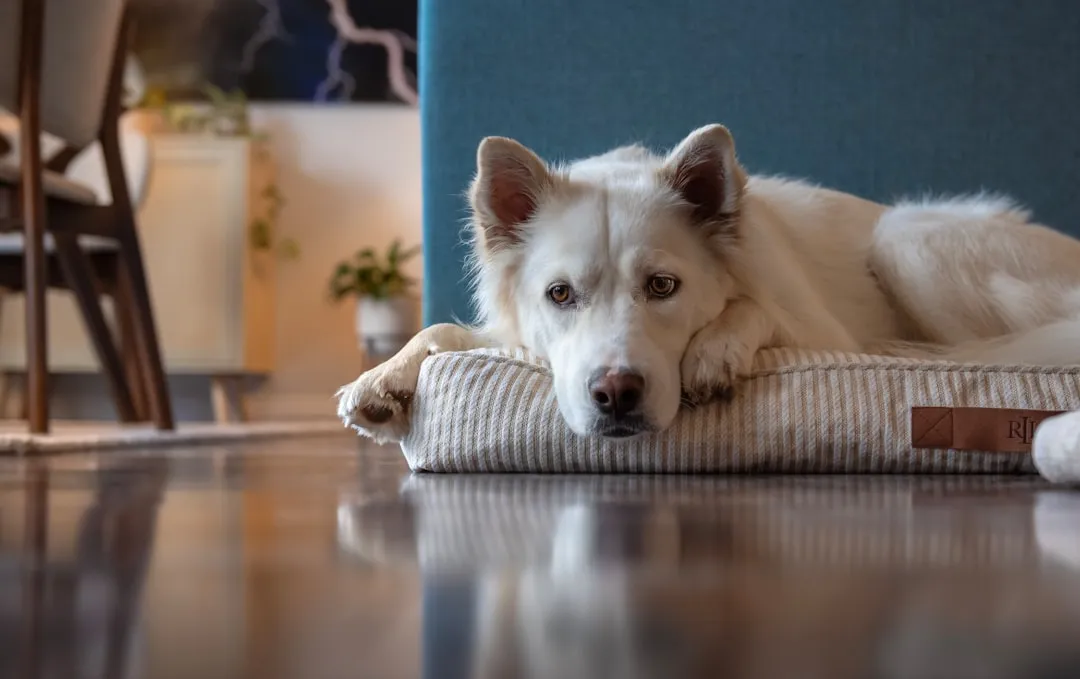
A lot of adopters never realize how long their dog secretly keeps an exit strategy running in the background. Many rescues fixate on doors, windows, and gates at first, watching every opening, flinching at leashes, bolting whenever they sense change.
When they truly believe they’re home, that hyper-vigilance softens. They stop racing to the door when you grab your keys, lie down instead of pacing when you pack a suitcase, lose interest in squeezing through gaps. Behaviorists see this as a genuine emotional milestone – a rescue that can watch you leave without panicking has quietly decided you always come back, and that this place will still be here.
#5 – They Lean Into Physical Affection On Their Own Terms

Early cuddles with a rescue are often tolerated, not truly enjoyed – stiff, wide-eyed, frozen when hugged. When a dog finally accepts a home as its safe place, contact shifts from endured to actively sought.
That’s when you get head nudges under your hand, full-body couch snuggles, or a 60-pound dog trying to become a lap dog. This affection usually appears on the dog’s own schedule – they hop up beside you, press their back against your chest, sigh into your lap. Physical closeness isn’t just cute; for a dog that once associated humans with chaos, it’s a declaration. Dogs don’t choose to sleep inches from faces they don’t fully trust.
#4 – They Start “Talking” In Very Specific Ways

A lot of rescue dogs arrive nearly silent – no barks, no whines, just watching. Once they’re settled, the vocal repertoire shows up, and it can be surprisingly complex.
Owners report dogs who complain when bedtime runs late, grumble dramatically when moved on the couch, or yodel with excitement before walks. Over time you learn the dialect: a short “boof” for someone passing the house versus a full alarm bark, a soft whine that means bathroom now please, play growls that sound terrifying but only show up during happy wrestling. A dog that feels safe enough to express itself without fear of punishment is a dog that believes it belongs.
#3 – They Show You Their Stress… Instead Of Hiding It
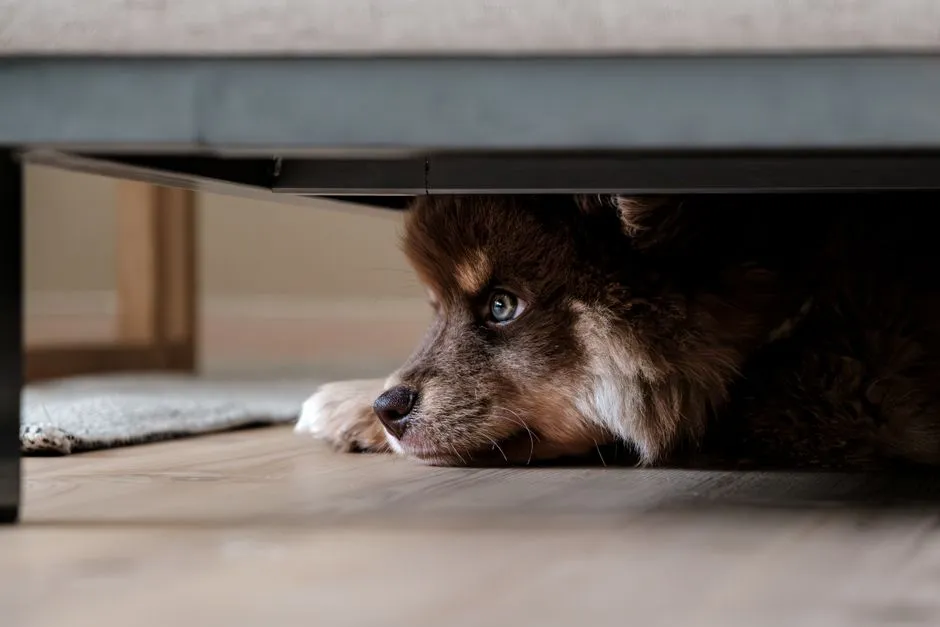
This one surprises people. When a rescue finally feels at home, you may actually see more obvious signs of stress, not less – lip licking, yawning, pacing when fireworks start, seeking you out during storms.
Your dog didn’t suddenly become more anxious. It finally believes you’re safe enough to run toward when it’s scared. In rough situations, many dogs learn to shut down instead – no whining, no seeking comfort, just silent enduring. When that same dog wedges itself between your legs during thunder, it’s choosing you as its coping strategy, which is an enormous emotional shift. Trust doesn’t always look like bravery; sometimes it looks like finally admitting you’re afraid.
#2 – They Sync Their Routine To Yours
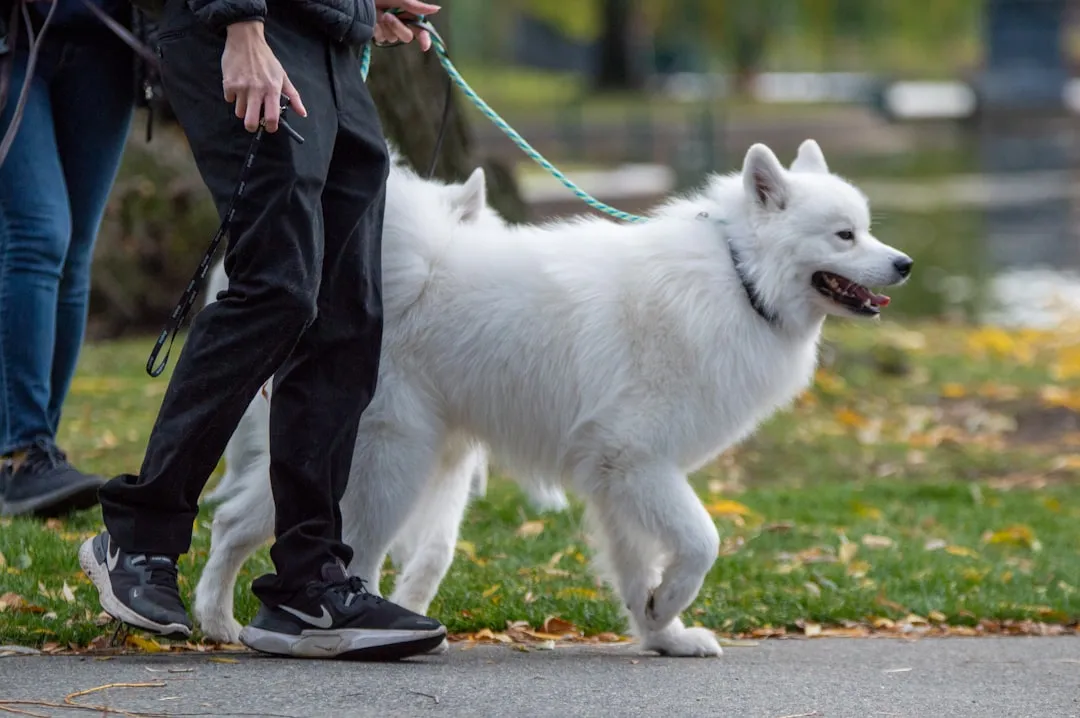
One of the clearest signs a rescue dog believes it’s home is a quietly synced internal clock. Wake-up, meals, walks, bedtime – they start anticipating your schedule instead of living in constant uncertainty.
You’ll notice them get up when you do even if they could sleep longer, wait at the window right before you’re due home, wander to bed the moment you shut off the TV. This isn’t just habit, it’s social bonding – dogs are cooperative animals that naturally align their rhythms with a stable group. When a rescue stops flinching at every shift in routine and simply rolls with your weird hours, that’s a vote of confidence. They’re not bracing for the next upheaval anymore – they’re planning to be here tomorrow.
Quick Compare
- Early days: Flinches at jingling keys, paces while you pack, hovers near the door
- Fully settled: Naps through your goodbye, waits calmly, greets your return without panic
- Early days: Reacts to any schedule change with stress
- Fully settled: Rolls with late nights, odd hours, and last-minute plans
#1 – They Quietly Choose You As “Their” Person
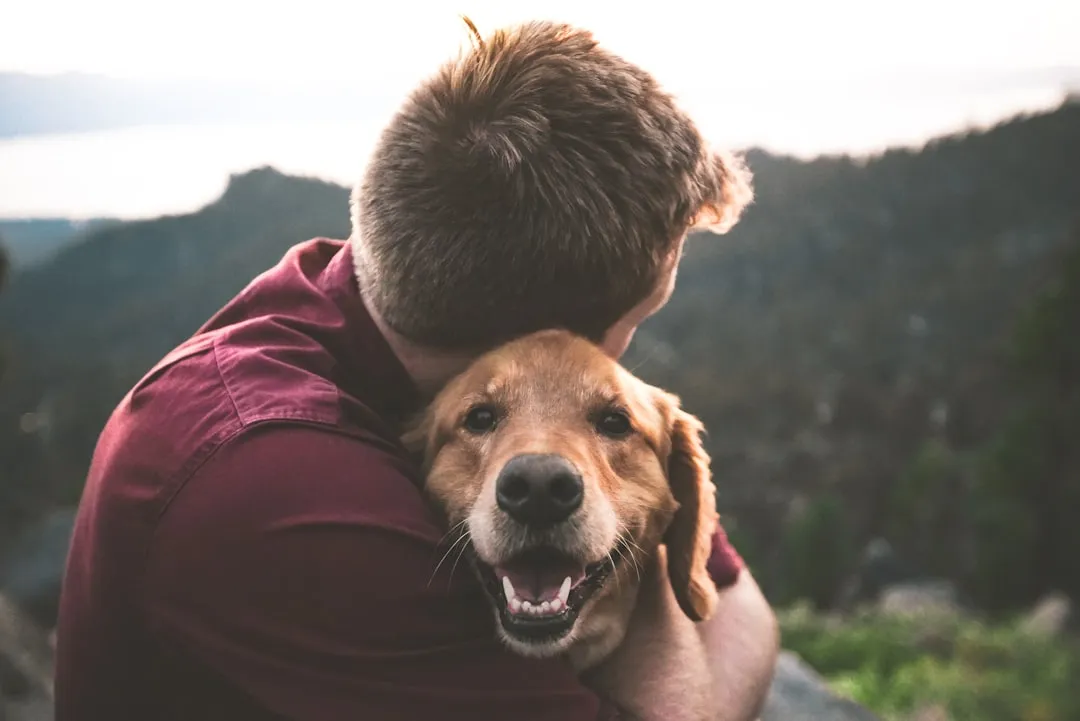
Here’s the moment long-time dog people wait for, and it almost never looks cinematic. No soaring music, no slow-motion run – just the way your rescue positions itself closer to you than anyone else, checks your face when unsure, returns to you after every new interaction.
You’ll see it in tiny decisions: scanning for your location at the park, seeking your legs instead of the nearest stranger when frightened, settling in a crowded room where it can still see your face. Plenty of dogs are friendly with everyone – that’s not the same thing as choosing a primary person. For a dog that’s already experienced loss, that kind of attachment is deep, and it’s also the first time in its life it may feel truly claimed. Which means, quietly, it’s claiming you right back.
The Bottom Line

Rescue dogs don’t announce the moment they believe they’re finally home. They whisper it through sleep positions, weird little rituals, and who they run to when things get loud.
The “problems” new owners complain about most – clinginess, boundary testing, protectiveness, sudden bursts of energy – are usually the exact signs that a dog has stopped living like a disposable object and started living like family. A rescue that never changes, never pushes back, never fully relaxes might not actually feel safe yet.
Worth Knowing
- Deep, sprawled-out sleep replaces tense, near-the-exit napping
- A synced daily routine shows real emotional security, not just habit
- New vocal complaints and “attitude” often mean a dog finally feels safe enough to speak up
- Seeking you out during fear or storms is trust, not new anxiety
The real magic begins the moment they finally let their guard down, flaws and all. If you live with a rescue, which of these signs did you notice first – and which ones are you still waiting on?
