
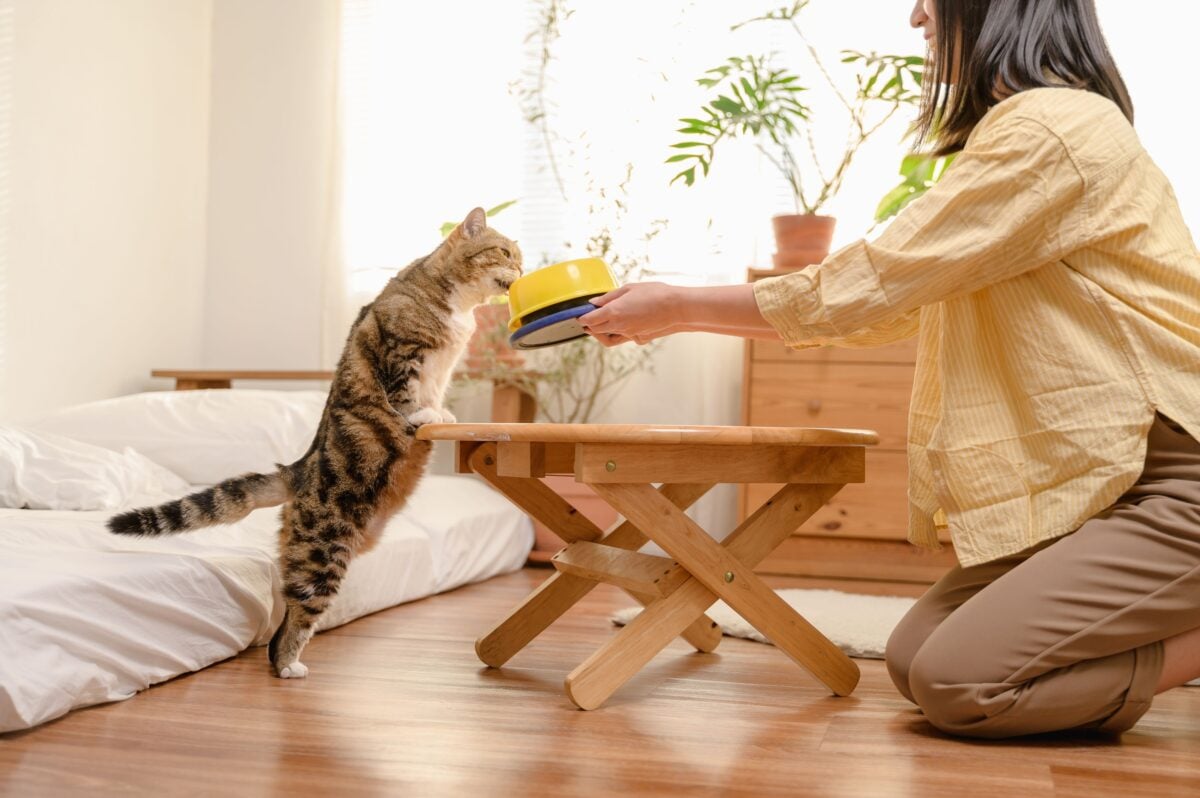
People love to say senior cats just “slow down” toward the end. That’s the polite version. The real version is stranger and more moving than that: in their final weeks, a lot of cats stop being everyone’s cat and become one person’s cat. Completely. Almost overnight.
It’s not confusion, and it’s not just “clinginess” from a tired old animal. Veterinarians who work in feline hospice, and longtime guardians who’ve lived through it, will tell you the same thing: there’s a pattern here, made up of small, specific signals most people miss until they’re looking back at them. Thirteen of them, actually – and once you know what to watch for, you’ll never read a senior cat’s quiet stare the same way again.
#1 – They Follow You From Room to Room, Then Just Watch
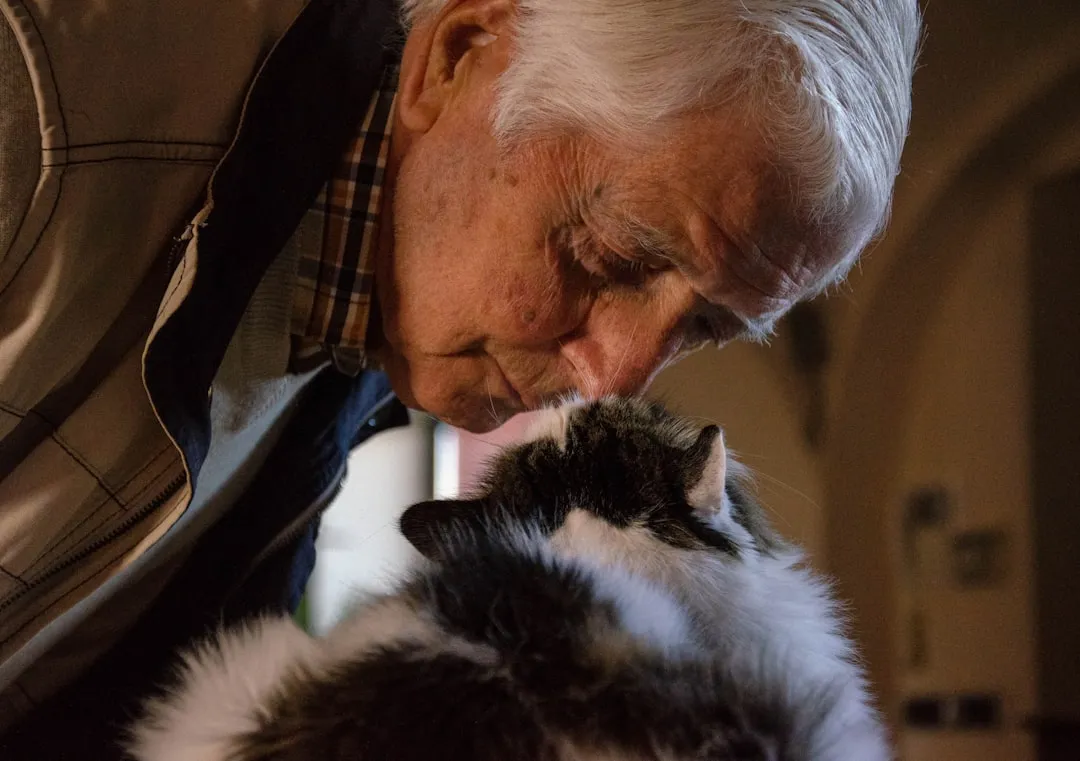
A senior cat that’s chosen you doesn’t just trail behind you out of habit. It shadows you like a bodyguard on a slow, aching patrol – bedroom, kitchen, bathroom – then settles somewhere it can keep your face in view.
This isn’t wandering. Older cats have less energy and more pain, so every step costs something real. When they spend those steps staying in your orbit instead of resting, that’s a deliberate investment. A cat in kidney failure will still drag itself off a warm bed just to lie on cold tile near your feet – not for comfort, but for you. You might catch them simply staring while you scroll your phone or cook dinner, saying nothing, demanding nothing. Hospice-focused vets have a quiet name for this: attachment behavior. Your cat isn’t being needy. It’s making sure you’re there, because it has already decided you’re the one it’s leaving with.
Fast Facts
- Cats instinctively mask pain and weakness, so any extra movement toward you is a deliberate choice, not leftover habit.
- Hospice-focused veterinarians describe this shadowing pattern as attachment behavior aimed at one trusted person.
- Silent watching, without meowing or pawing for attention, is often more telling than louder bids for attention.
- This kind of shadowing tends to intensify in the final weeks, even as mobility and energy decline.
#2 – They Turn Down Everyone Else’s Affection, But Melt for You
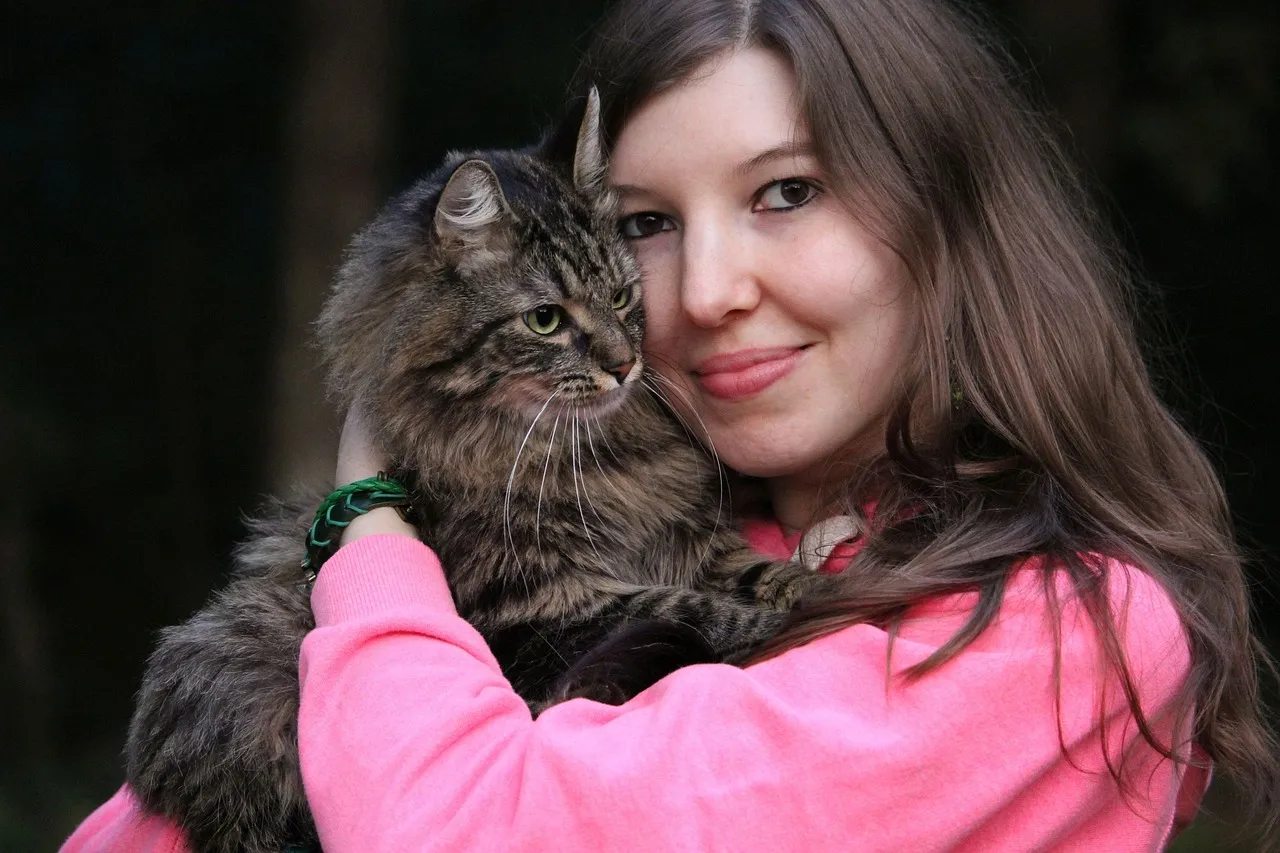
If your senior cat suddenly snubs your family and friends but goes soft the second you walk in, that’s not “being picky.” That’s selective bonding, and it’s deliberate.
Someone else offers a pet and gets a tail flick or a slow retreat. Then you sit down, say their name once, and the whole cat changes – ears level out, breathing slows, eyes half-close. Many owners swear their cat’s pain looks lighter only when they’re the one doing the touching, and that’s not wishful thinking. Stress amplifies pain; a familiar voice and scent dial it back down. Some behaviorists will tell you to “encourage independence” in an aging cat. In the final weeks, ignore that advice completely. Your cat has already made its choice. Respecting it is the whole job now.
#3 – They Change How They Sleep: Always Facing You
Sleep is where senior cats show their cards. Watch closely and you’ll notice a quiet shift – they start choosing sleep spots based on your position, not comfort or convenience.
Suddenly they’re on your pillow, above your head, pressed to your chest instead of curled at the foot of the bed. More telling still, they sleep facing you instead of turned away – a massive trust signal from a species built to hide weakness. Guardians in hospice situations describe the same thing again and again: their cat started sleeping nose-to-nose every night, something it had never done before. An old cat will tolerate a cramped shoulder or an uncomfortably warm chest just to stay close enough to feel you breathe. That’s not cuddling. That’s orientation – a cat quietly aligning its last nights around your heartbeat.
#4 – Quiet Check-Ins Replace the Play and the Zoomies
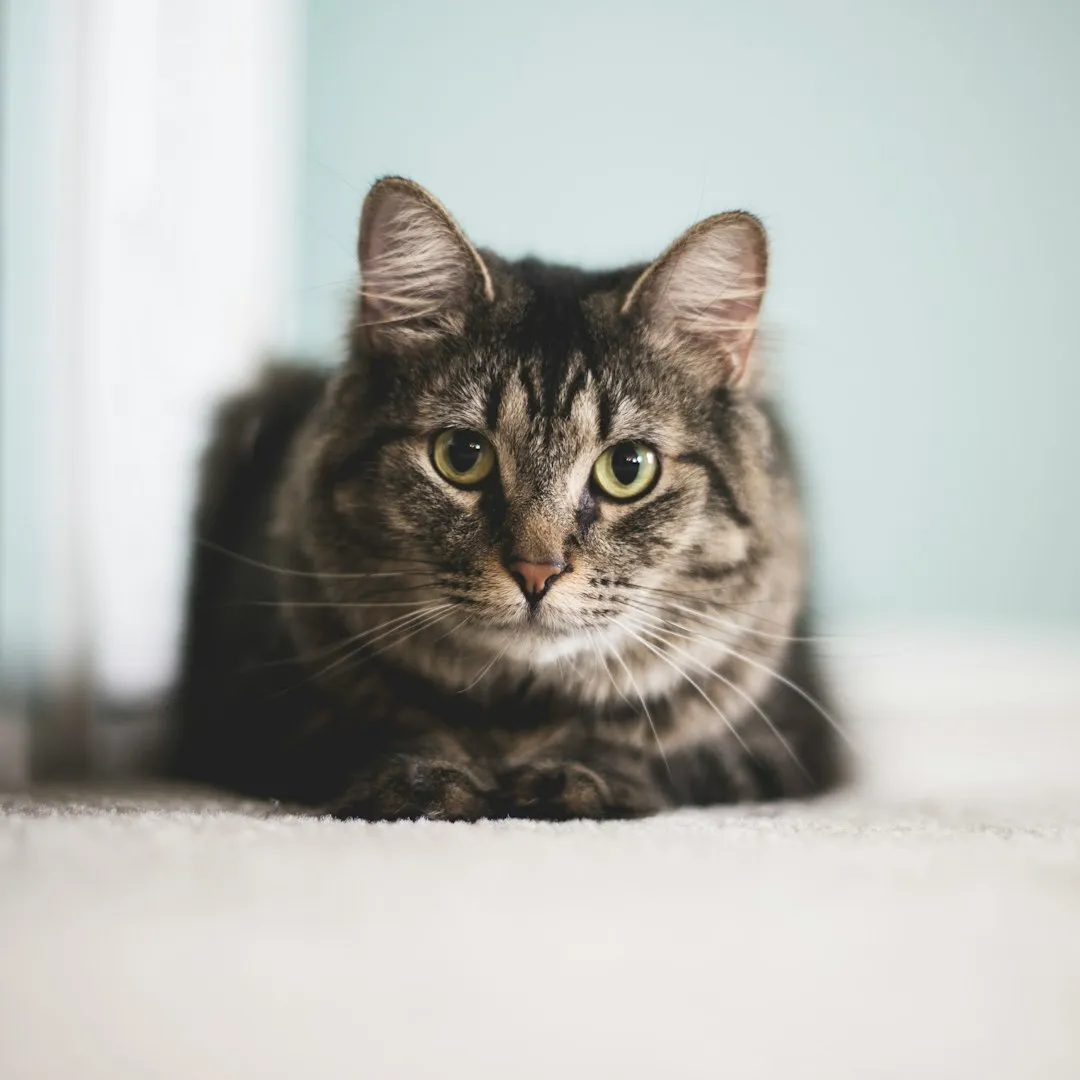
Most people panic when a senior cat stops chasing toys, but they miss what quietly replaces it: small, wordless check-ins. Your cat won’t play anymore, but it will trot over when you come home, stand close enough to touch, blink once or twice, then wander back to its bed.
It’s fast. Easy to miss if you’re not paying attention. But those ten-second visits are the new version of zoomies. Vets who perform in-home euthanasia hear this story constantly: “She hasn’t played in months, but she always came to say hi at the door.” Walking across the room on aching joints is a decision, and your cat is spending that decision on you. Don’t test it by forcing play. Bend down instead, offer your hand, and let it know you got the message.
#5 – Slow Blinks Turn Into Full Paragraphs
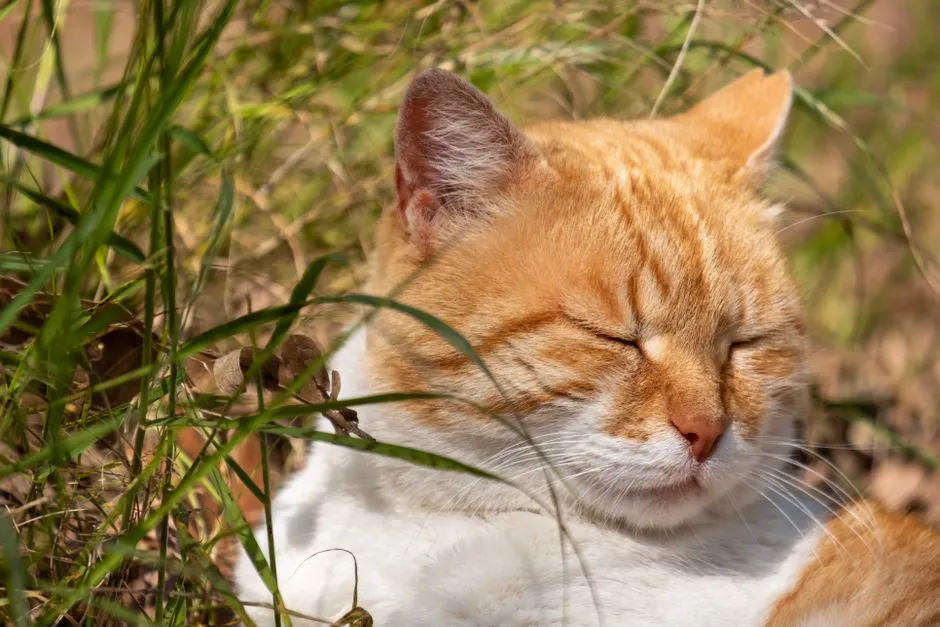
Most cat owners know about the slow blink. Almost nobody realizes how much it intensifies at the end. In a cat that wants only you, those blinks become slower, longer, almost exaggerated – they lock eyes with you from across the room and hold it, blink once, twice, three times.
That sequence is the closest thing feline behavior researchers have found to a cat saying, “I’m safe with you.” Guardians in hospice situations often describe these moments as strangely human – like their cat was saying goodbye. Maybe that’s projection. But experienced vets take those blinks seriously for a reason: as a cat’s world shrinks, its communication condenses, trading general “cat stuff” for small, high-meaning signals aimed directly at you. If you’re rushing through your day, you will miss them, and they don’t repeat.
#6 – They Tolerate Care From You They’d Never Allow From Anyone Else
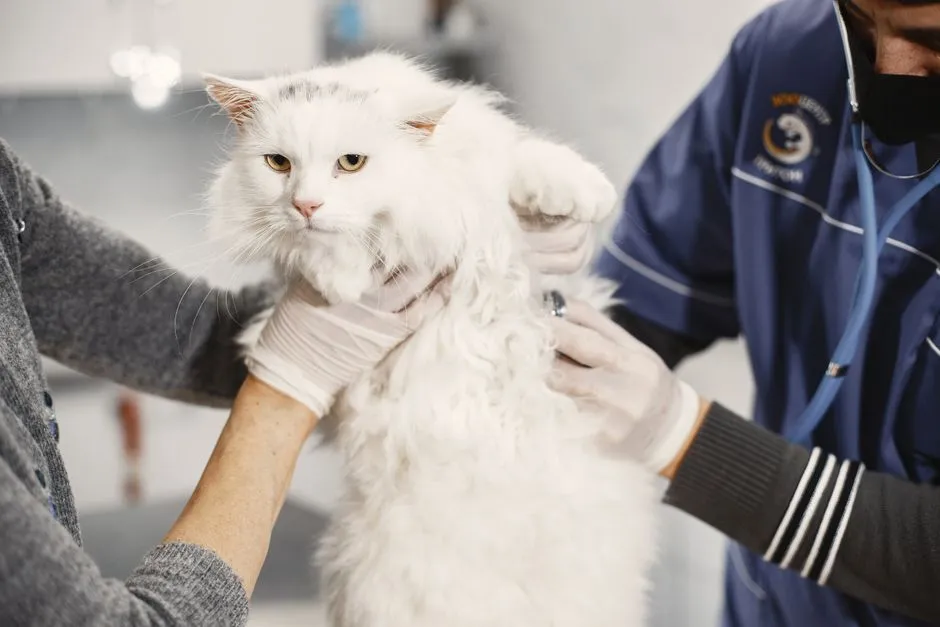
One of the clearest signs a senior cat has chosen you is what it lets you do to it. Nail trims it used to fight? Suddenly it just endures. Cleaning crusty eyes, wiping a messy backside, giving subcutaneous fluids – things nobody else could physically manage become possible when it’s your hands doing them.
This isn’t about dominance. It’s consent. Every painful or scary procedure gets filtered through one question in a cat’s brain: do I trust this specific human? If the answer is yes, they’ll still flinch, but they won’t fight you off. Some people insist that tolerating care from you means “they’re fine.” They’re not fine – they’re loyal, trading comfort now for more time with you later. Understanding that trade is what separates a guardian from an owner.
Worth Knowing
- Trust, not stubbornness, decides how a cat responds to nail trims, cleaning, or medical handling.
- A cat may still flinch or tense up but won’t actively fight the one person it has chosen to trust.
- Subcutaneous fluids, eye cleaning, and wound care often become possible only in the hands of a single trusted guardian.
- Tolerating uncomfortable care is a trade-off: short-term discomfort in exchange for more time together.
#7 – They Hide, But Only Where They Can Still See You
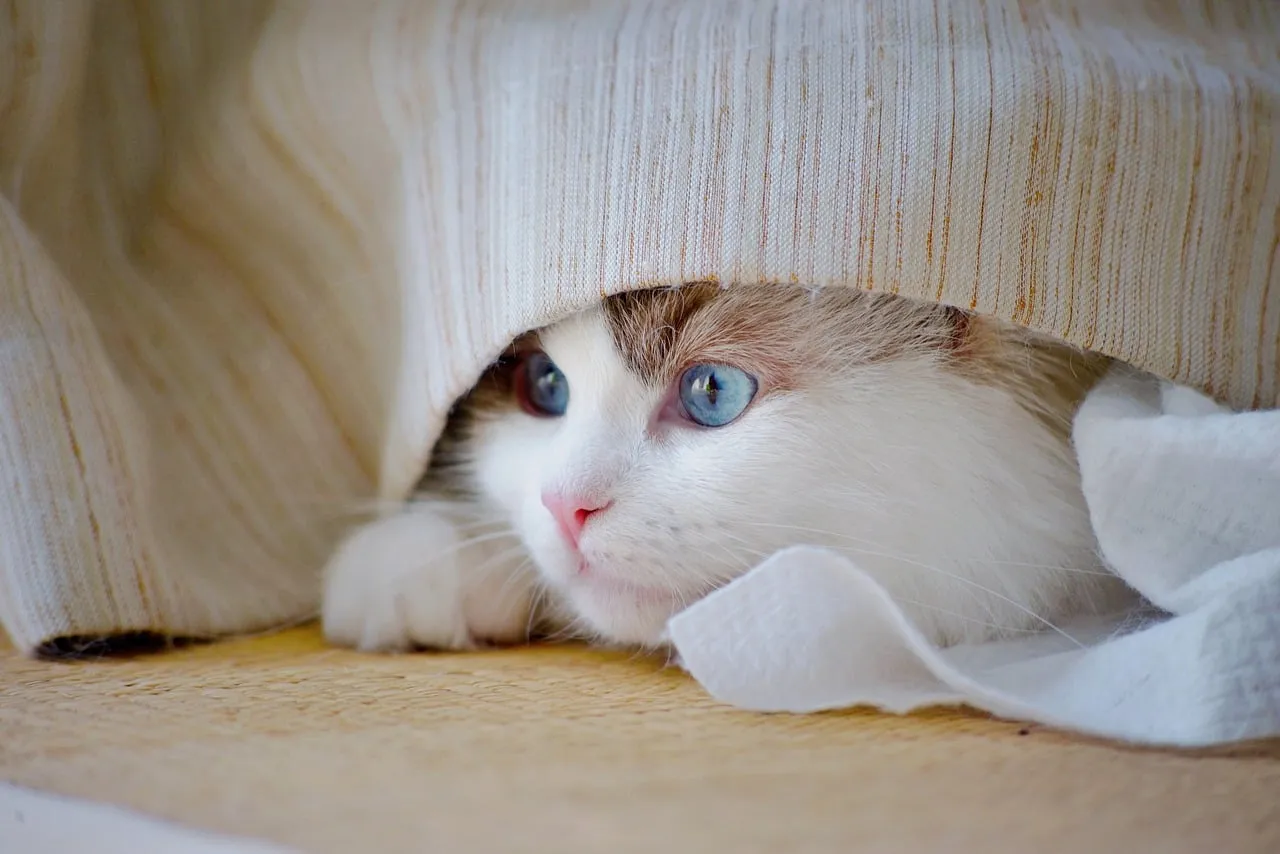
Everybody knows sick cats hide. What nobody talks about is the compromise version: hiding, but not too far. Senior cats near the end often pick liminal spots – under the coffee table where you watch TV, beside the bed where your hand can dangle down, in a closet doorway facing your desk chair.
They’re trying to do two opposite things at once: disappear, and stay with you. A cat that truly wanted total solitude would pick somewhere you never go – behind the furnace, deep under furniture, inside a box in a closet you never open. Instead, these half-hideouts shield them from noise and light while letting them track your every move. Bad advice online says never disturb a hiding cat. Fair, generally – except when the hideout was clearly chosen around you. Then a soft voice and a gentle hand are exactly what they came there for.
#8 – Eating and Drinking Become Strangely Dependent on You
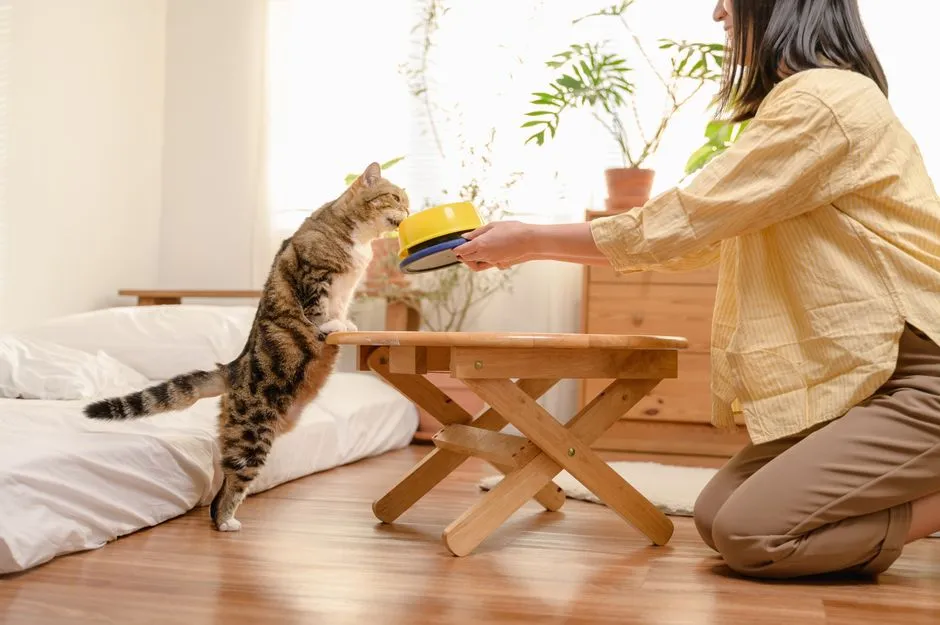
One of the odder late-stage patterns: some senior cats will only eat or drink while you’re in the room. Leave a full bowl and walk away, and they ignore it completely. Sit down nearby, say their name, stir the food a little, and suddenly they nibble.
In serious illness, appetite is barely there to begin with – so if a cat is saving what little it has for when you’re present, that’s a massive tell. This isn’t drama. It’s association. Your presence has become tightly linked to safety, so when you’re there, nausea and anxiety dip just enough to allow a few bites through. Yes, this can be exhausting – you become the gatekeeper of every sip and bite. But in your cat’s language, it’s one of the highest compliments it can pay you.
#9 – They Start Vocalizing Just to Locate You
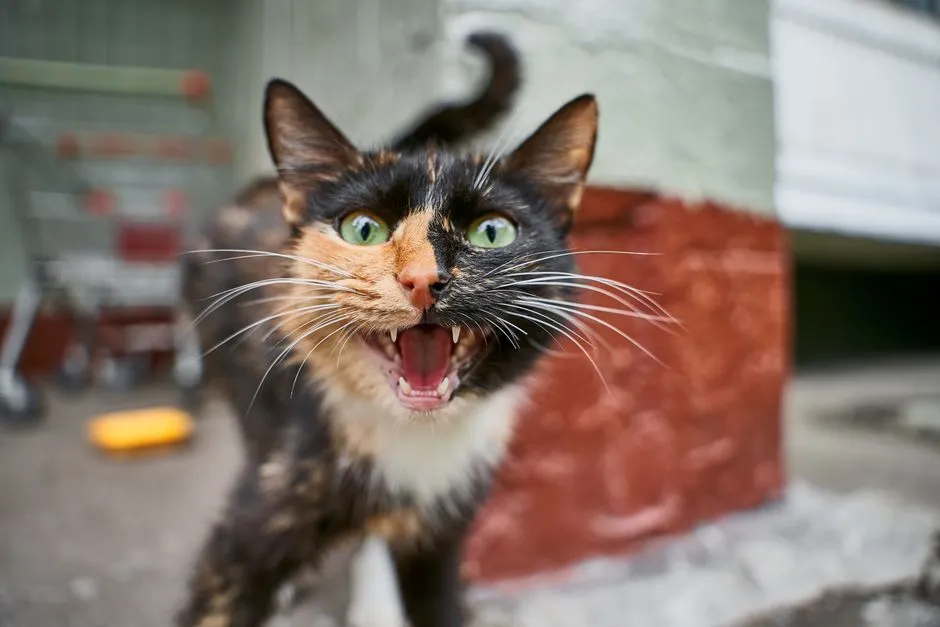
Not every senior cat gets louder, but when they do, there’s a pattern: wandering cries that stop the instant they find you. They’ll stand in a hallway, cry out once, twice, three times – then fall silent the second you answer or step into view.
Those “lost” meows can mix cognitive decline, failing vision, and plain separation distress, all narrowed onto one person. Some guardians find it haunting – a cat crying in the kitchen until it hears its name, then running over to flop at their feet. Some training advice says to ignore attention-seeking meows. In a bored young cat, fine. In a senior burning calories it can’t spare just to call you closer, ignoring it is cruelty dressed up as discipline. Answer the song.
Quick Compare
- Young, healthy cat meowing: often attention-seeking, repetitive, and usually safe to ignore.
- Senior cat “lost” crying: tied to vision loss, cognitive decline, or separation distress, and it stops the instant they find you.
- Young cat: meows at anyone nearby. Senior cat in its final weeks: often calls out specifically until one person answers.
#10 – The Belly Comes Out, But It’s Not a Game Anymore
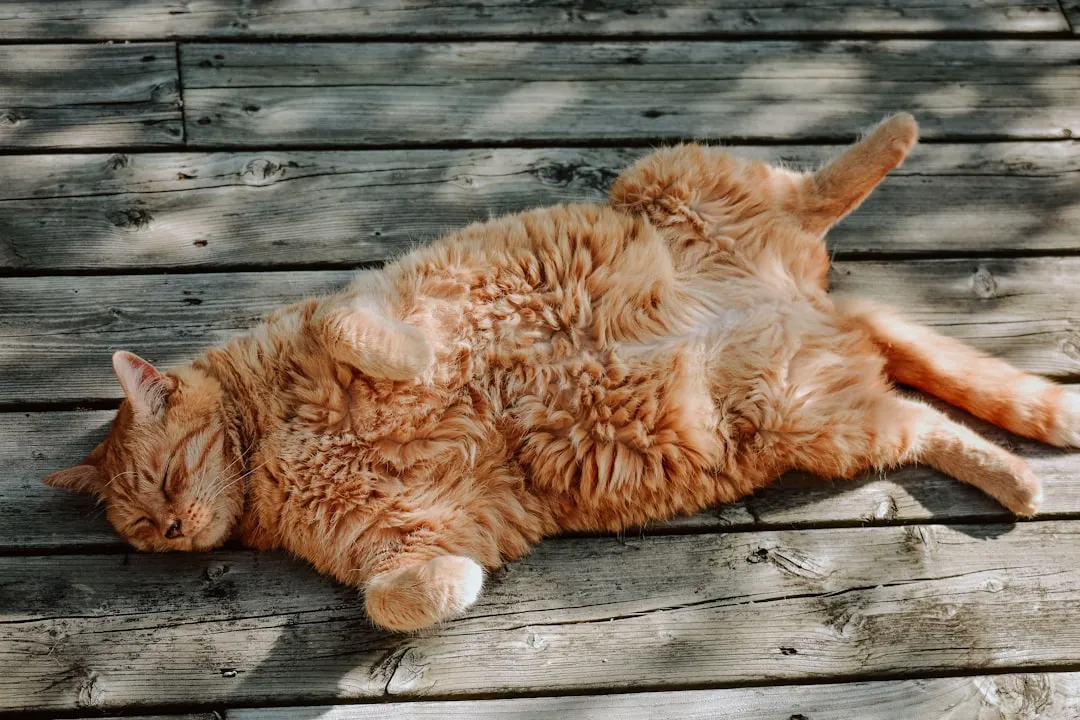
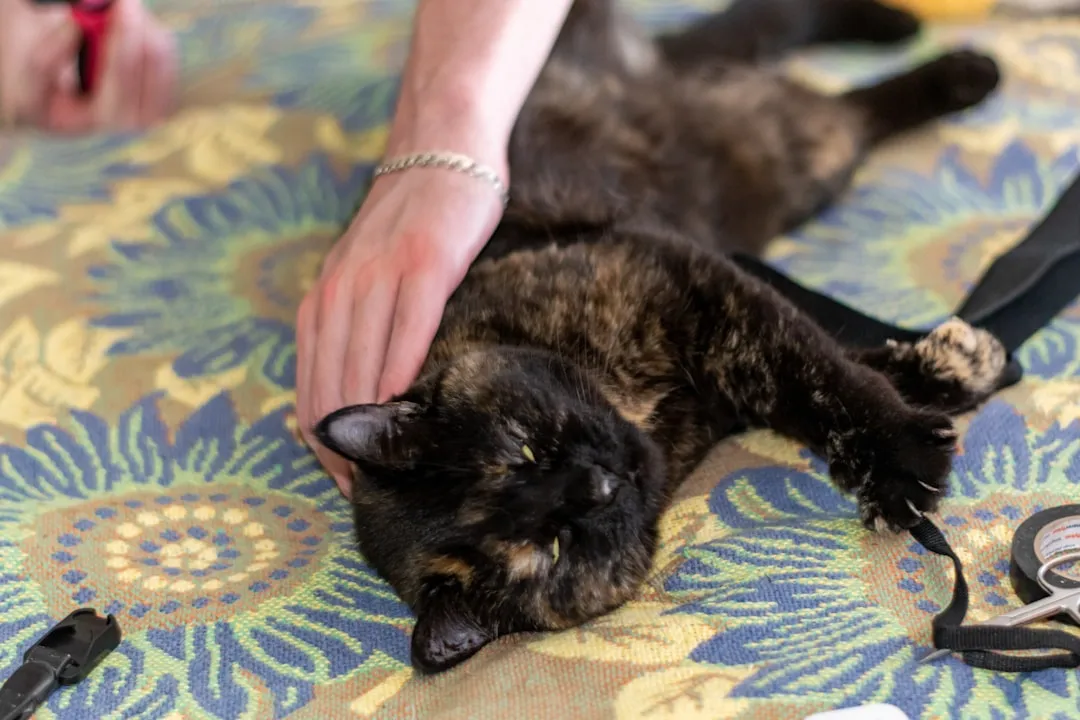
Belly exposure is a classic cat behavior, but in the final weeks it stops being playful and turns almost ceremonial. Your senior cat rolls onto its side near you, stretches out, and shows you that soft, vulnerable underside – with far less swatting or “trap” behavior than it ever showed in its younger years.
In a failing body, exposing the belly is about as close as a cat gets to saying, I trust you completely. Many guardians see this just days before the end – a cat lying fully open, letting its chest and belly be rubbed for the first time ever. Physically, it’s not a comfortable position for arthritic hips or a sore spine. They hold it anyway, showing you ribs, breath, heartbeat, everything. If they seem loose and relaxed, it’s fine to touch gently. Just don’t mistake it for a tickle invitation – it’s closer to a quiet handshake.
#11 – They Take Over “Your Spot” the Moment You’re Gone
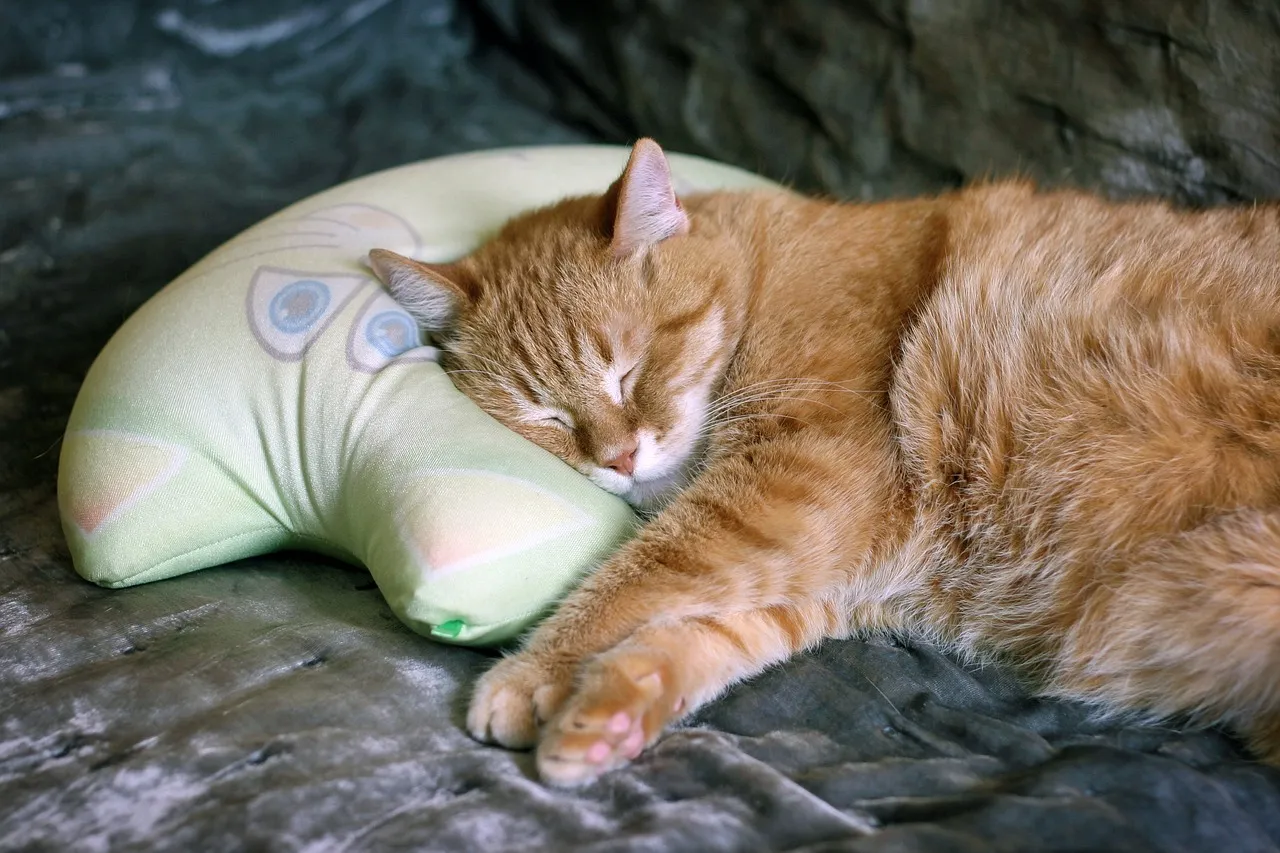
Pay attention to where your cat ends up when you’re not home. In the final weeks, many guardians find their cat sleeping in oddly specific places: your side of the bed, your desk chair, the dent in the couch shaped like you.
It’s not just warmth they’re after – it’s scent. Your smell becomes the environment they choose, even in your absence. A cat that used to love sunbeams or high shelves suddenly abandons them for your still-warm pillow instead, and that’s not picking the “best” spot objectively. It’s picking the most “you” spot available. Sometimes they’ll do this even when they’re too weak to jump – awkwardly climbing, or needing a boost, just to curl up where you normally sit. That effort, in a failing body, is not small. It’s a stubborn little love story written in dust and cat hair.
#12 – Your Voice Calms Them When Nothing Else Can
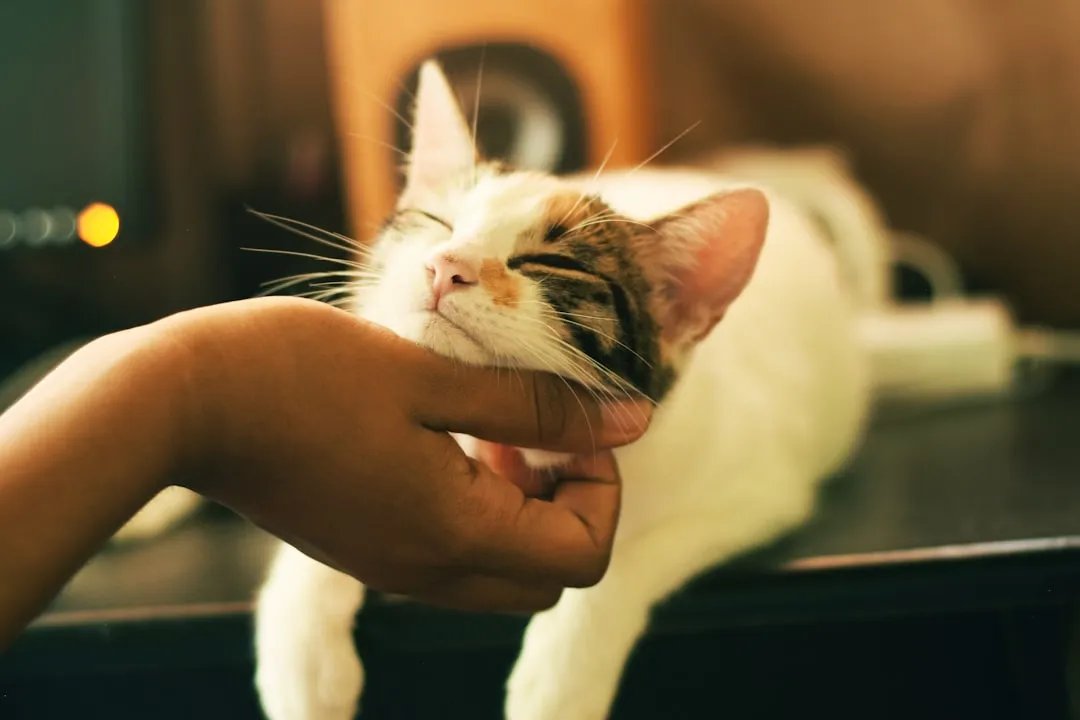
Near the end, medication, heated beds, and soft blankets can only do so much. One thing often still cuts straight through: your voice. You’ll notice it in small, almost invisible shifts – say their name from across the room and their ears tilt toward you.
Talk softly, and their breathing evens out, muscles unclench, tail stops twitching. Familiar human voices have been shown to measurably lower stress responses, and senior cats prove it in real time. Guardians describe it like magic – a panting, restless cat finally settling to sleep the moment someone lies beside it and talks. That’s not imagination. It’s basic neurology: safety cues calm the nervous system, and at this stage, you are your cat’s primary safety cue. Your voice can’t cure organ failure. But it can be the difference between an agitated last hour and a peaceful one.
#13 – They Wait for You… and Sometimes They Wait Until You Leave
This is the part that splits people right down the middle. Some senior cats clearly wait for their person – hanging on until you get home from work, rallying for one last purr, taking a final breath with their head in your hand.
Others do the opposite. They hang on stubbornly through every hour you keep vigil, then slip away in the five minutes you step into the bathroom. Vets see both constantly: a cat that’s been crashing all day suddenly perks up the moment its person arrives, then passes peacefully that night. Or a deeply bonded cat that seems unable to let go while watched, and dies quietly the second it’s alone. People torture themselves over which version happened to them. They shouldn’t. Whether your cat left in your arms or during a brief absence, if it spent its final weeks orbiting only you, it had already made its choice. And it knew exactly what it was doing.
At a Glance
- Pattern one: the cat rallies the moment its person arrives, then passes peacefully soon after.
- Pattern two: the cat holds on through hours of vigil, then slips away the moment it’s finally alone.
- Both patterns show up repeatedly in hospice and in-home euthanasia cases, according to those who witness them regularly.
- Neither pattern means a cat loved its person less – both are simply different final expressions of the same bond.
The Last Quiet Truth
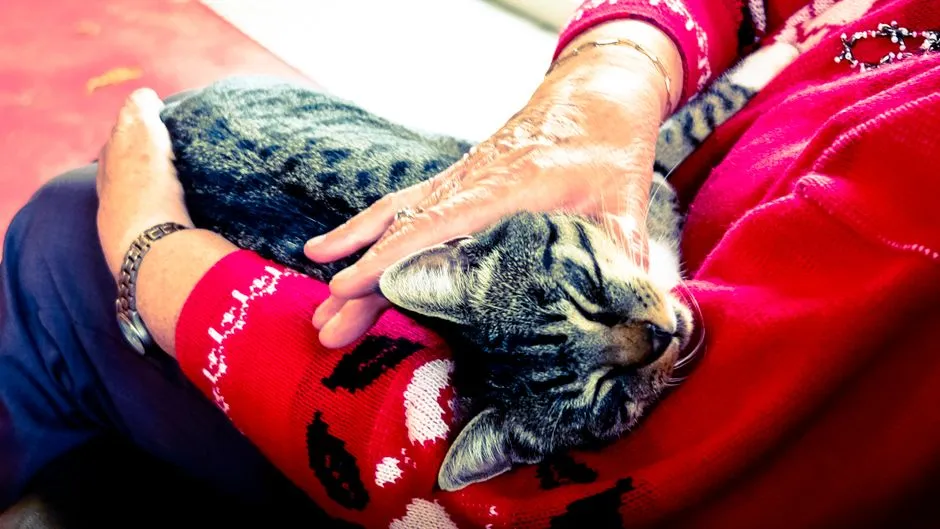
A senior cat doesn’t send Hallmark-style goodbye messages. It sends small, costly signals instead – walking on aching joints just to follow you, eating only when you’re near, relaxing only under your hand, choosing your scent over a warm sunbeam.
Every one of these thirteen behaviors is a cat spending its last reserves of energy to say one thing: I trust you with the worst part of my life. That’s not random. That’s loyalty sharpened by time.
People love to argue about whether cats really bond with one person. At the end, that debate feels almost childish. The way an old cat narrows its entire world down to a single human is as real as anything gets. If you’re that human, your job was never to be perfect. It was just to be there.
