
You probably think it’s just laziness. An old cat sighs, sags against your leg, and passes out – cute, sure, but nothing deep, right? Feline behaviorists would tell you that’s exactly the wrong read, and once you see why, you’ll never look at nap time the same way again.
Senior cats are actually harder to win over than kittens, not easier. Their joints ache, their senses dull, and every choice about where to sleep is quiet survival math. So when an aging cat skips every soft blanket and heated bed in the house just to press against you, something much bigger than comfort is going on. Here are the 14 quiet signals vets and behaviorists say prove your old cat has already decided you’re the safest place on earth.
#1 – They Always Choose Your Side Over Any Other Spot in the House
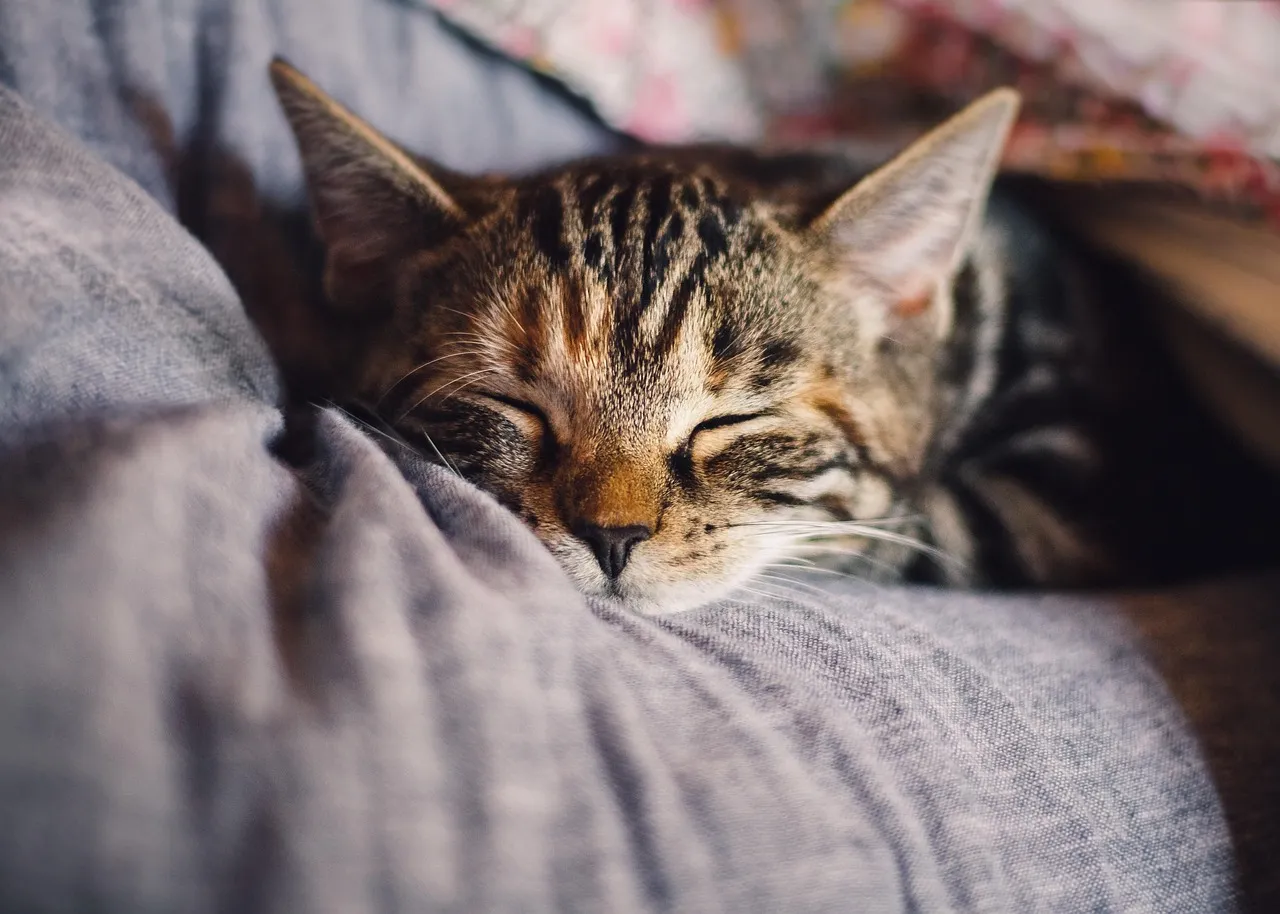
When an old cat has dozens of comfy options but still parks itself against your leg every single time, that’s not random – it’s strategy. Senior cats are ruthless comfort optimizers, and if they walk past soft blankets and heated beds just to wedge in beside you, they’ve already made a decision: you are the safest den available.
Watch what happens when you get up. Many senior cats will wait, then resettle the instant you sit back down, which tells you the anchor is you, not the furniture. They’re not just napping near you – they’re guarding their safe human, and that’s before you even get to how they position their body, which is where things get really interesting in #2.
#2 – They Sleep With Their Back Turned Toward You
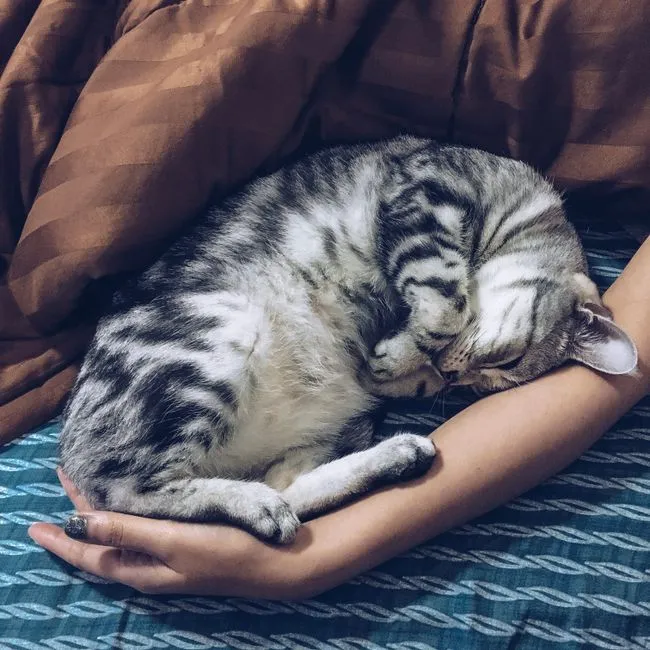
In the wild, turning your back is a gamble. For a small predator like a cat, exposing the spine and belly to whatever’s behind them is basically saying, “I trust you not to hurt me.” When your older cat curls up with their back pressed against your body, they’re doing something huge – using you as a shield while putting themselves in the most vulnerable position they’ve got.
This is especially telling in senior cats, because age makes them warier, not braver. Joints ache, reflexes slow, and sleep gets deeper and harder to snap out of. If they still choose to snooze back-first against you, they’re betting that if anything goes wrong, you’ll notice before they do. You’re not a pillow – you’re security detail, and it only gets more vulnerable from here.
Worth Knowing
- Cats are generally considered “senior” starting around age 11, with “geriatric” often used from 15 onward
- A fully exposed spine is one of the rarest sleep postures among small predators, who almost never show it in the wild
- Older cats tend to sleep more overall than younger adults, making a deliberately vulnerable sleeping position even more significant
#3 – They Expose Their Belly and Actually Stay Relaxed
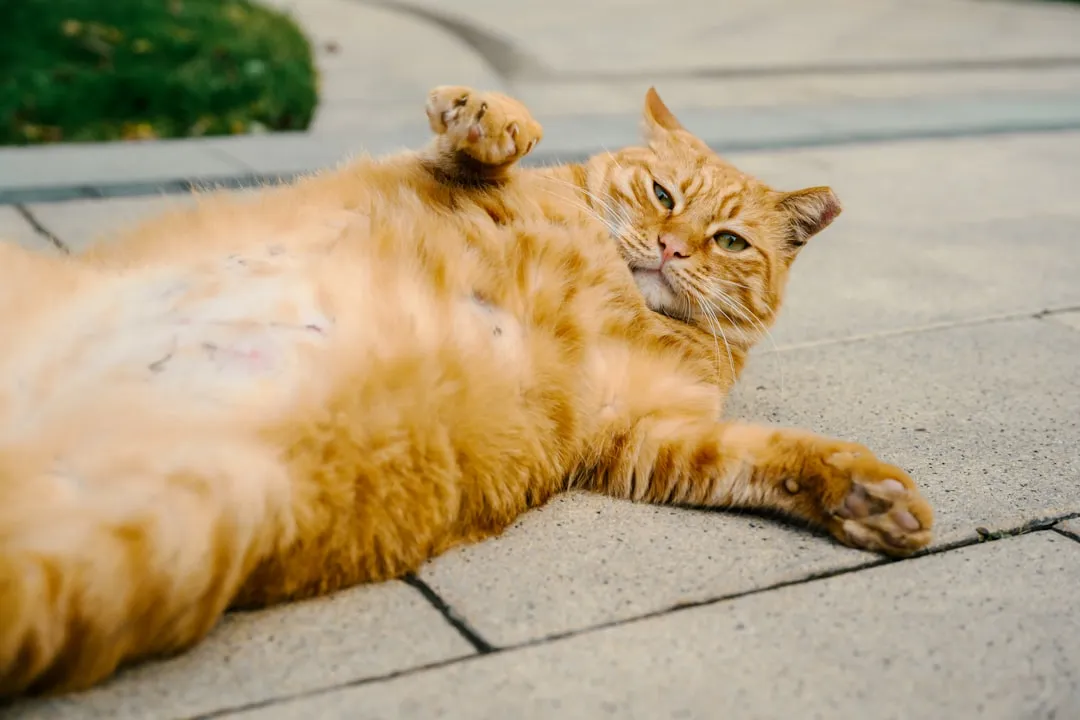
Everyone loves a cat belly, but any seasoned cat owner knows a belly flash isn’t always an invitation. With older cats, it’s an even more loaded signal. When a senior cat sprawls out beside you and keeps that belly exposed while sinking into a deep sleep, that’s next-level trust – their most vital organs are completely unguarded.
Notice the difference between a quick roll and a long, floppy sprawl. A true “safest spot” moment looks like this:
- They roll onto their side or back
- Their paws go loose and limp
- Their eyes close and stay closed, even if you shift
Many behaviorists call this one of the clearest markers of emotional safety in cats. But it’s nothing compared to how loudly they “say” it out loud, which shows up next.
#4 – Their Purr Changes the Moment They’re Curled Up Beside You
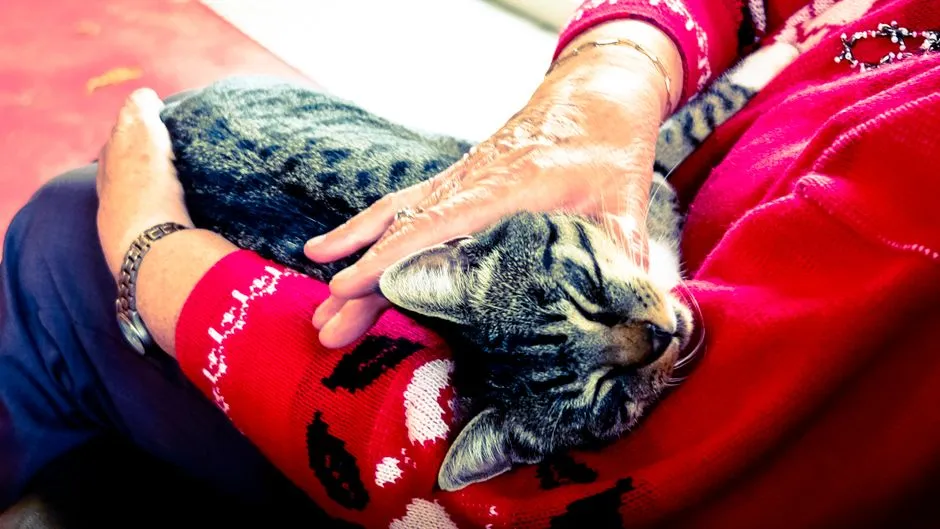
Most people assume purring always equals happiness. It doesn’t – cats also purr when stressed or in pain, and context matters even more with seniors, who may be quietly managing arthritis or chronic aches. When your old cat settles beside you and slides into a slow, low, rumbling purr that starts and stops with your touch, that’s a comfort purr, not a coping one.
Watch for the pattern: the purr deepens when you stroke their favorite spots – head, cheeks, base of the tail – then fades if you leave and restarts the second you return. That on/off switch tied entirely to your presence means your body and scent are actively soothing them. Some vets even suspect those low vibrations help ease inflammation, which makes the next sign hit even harder.
#5 – They Fall Asleep Faster Beside You Than Anywhere Else
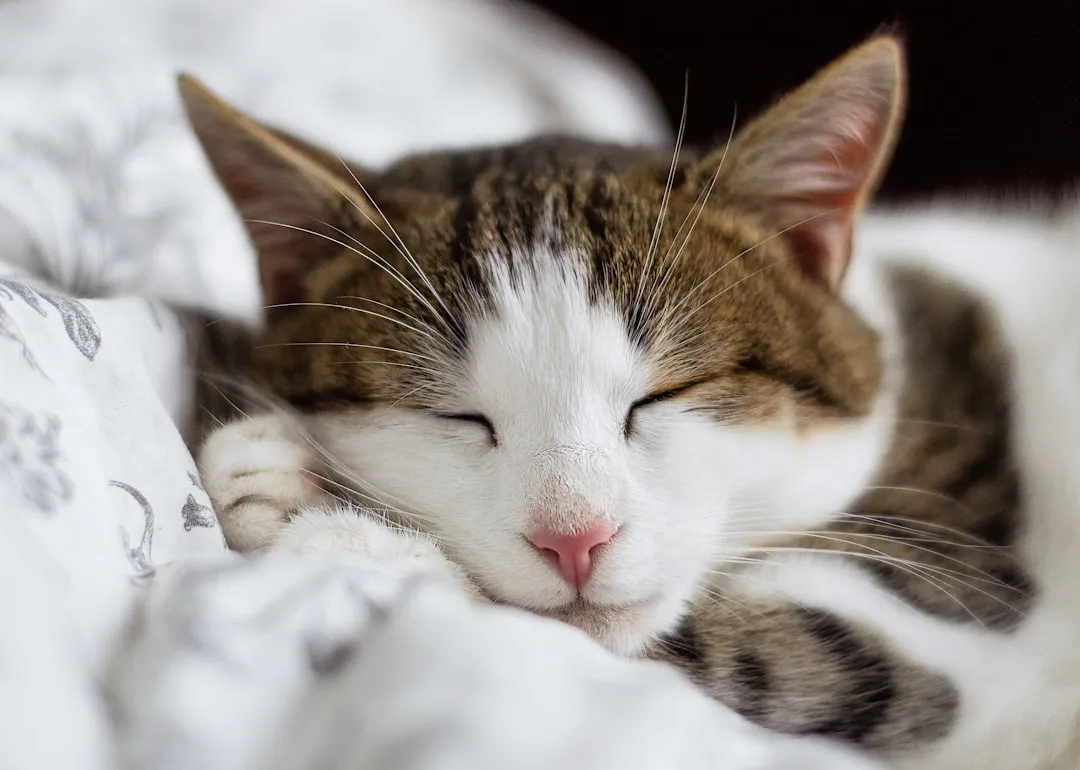
Senior cats often have lighter, more fragmented sleep. Age, aches, and low-grade anxiety keep them on a kind of permanent half-alert. So if your old cat curls up against you and conks out in minutes – faster than in their regular bed or favorite hideout – that’s a sign your presence physically lowers their guard.
Pay attention on the restless nights. They might pace, switch spots, or meow, right up until they settle near you. Then it happens fast: breathing slows, paws tuck in, eyes shut completely. That shift from scanning the room to melting into sleep is basically a trust test, and they just passed it without even trying.
#6 – They Follow You Room to Room Just to Nap Beside You
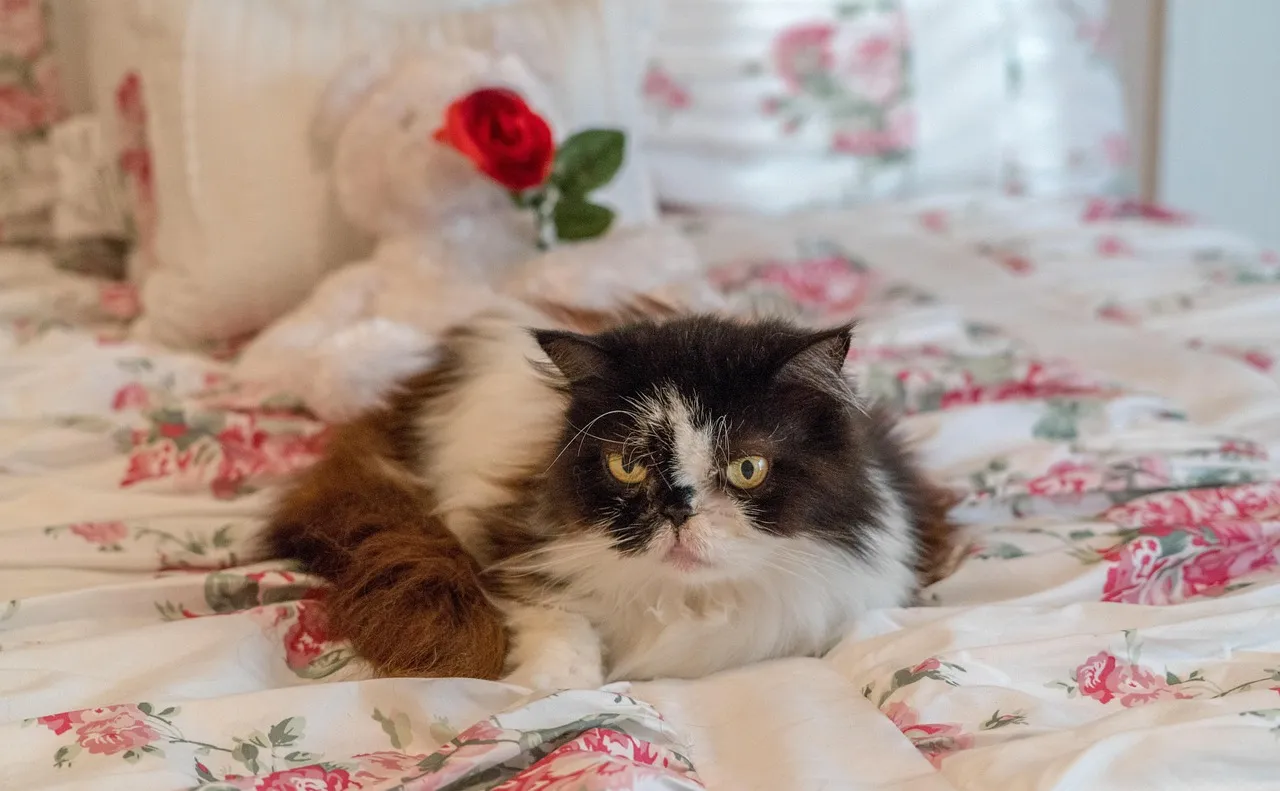
Most people call this “clingy,” but for an older cat, shadowing you isn’t just affection – it’s strategy. Senior cats map out safe zones in their world, and if your cat trails you from the living room to the bedroom and immediately curls up again, they’re saying something specific: my safe zone is wherever you are.
This is even more telling if they ignore other family members’ laps entirely, skip a sunny windowsill to be near you instead, or perch anxiously near the door until you sit down, then instantly go still. That pattern is pure attachment. They’ve made you their portable security bubble, and it’s flattering – but it’s also a quiet responsibility.
Quick Compare
- Anxious following: tense body, pacing, meowing, never fully settling nearby
- Trust-based following: loose body, quiet shadowing, slow blinks, calm settling
- Fear-driven closeness: ears back, quick startled movements, restless shifting
- Security-driven closeness: soft purring, deep sleep, staying put once curled up
#7 – They Press Their Head or Paw Against You While They Sleep
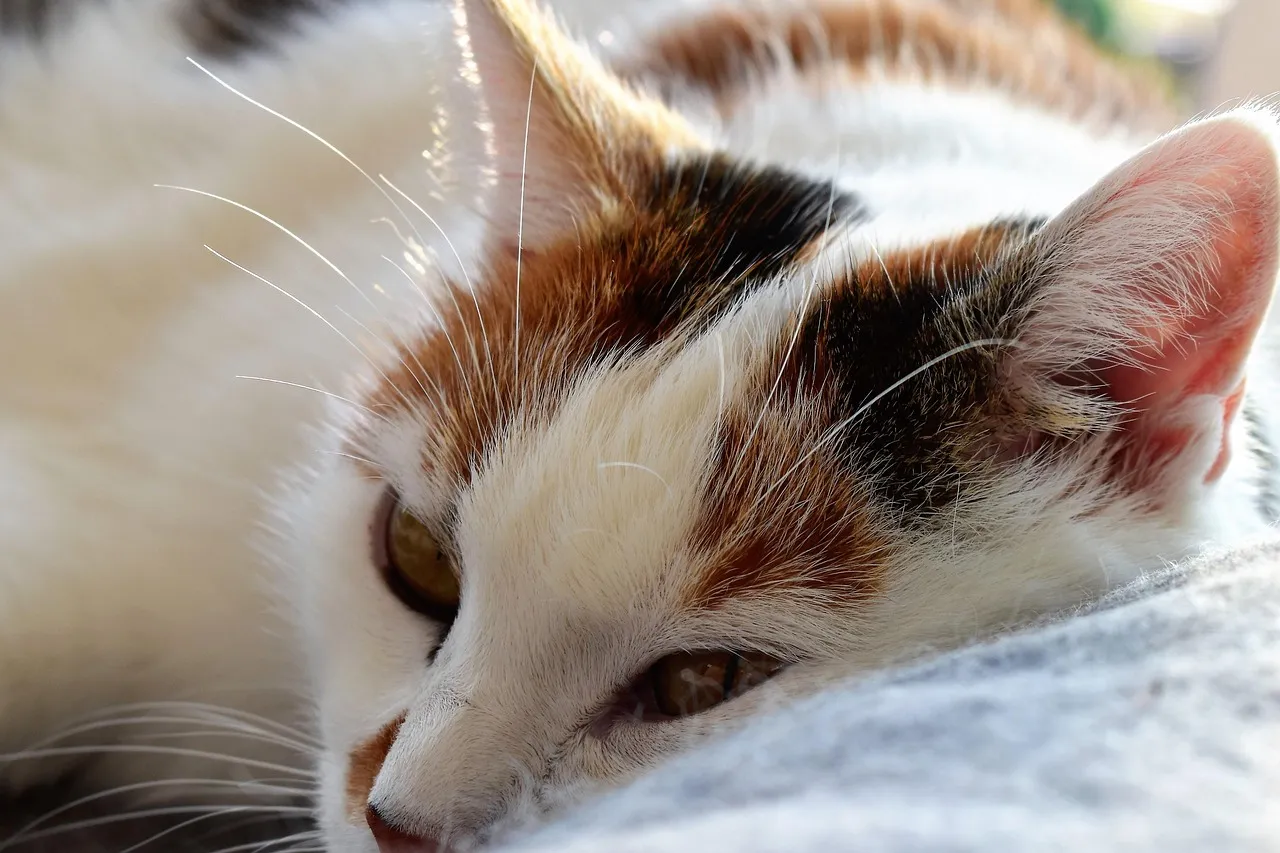
Head-butting, or bunting, is classic cat affection, but what they do while actually asleep matters just as much. When your old cat drifts off with their forehead, cheek, or even just one paw resting on you, they’re doing two things at once – scent-marking and grounding themselves to the one thing they’re most sure of.
Think of it as a safety tether. With age, hearing and vision often dull, and sudden noises can feel more jarring than they used to. Keeping a paw or head on you gives them constant, quiet feedback: you’re here, you’re solid, everything’s fine. Some cats will even tap you lightly if you shift in your sleep, then settle again the moment they “find” you – a tiny gesture that carries enormous weight.
#8 – They Sleep Through Noise and Chaos When They’re Next to You
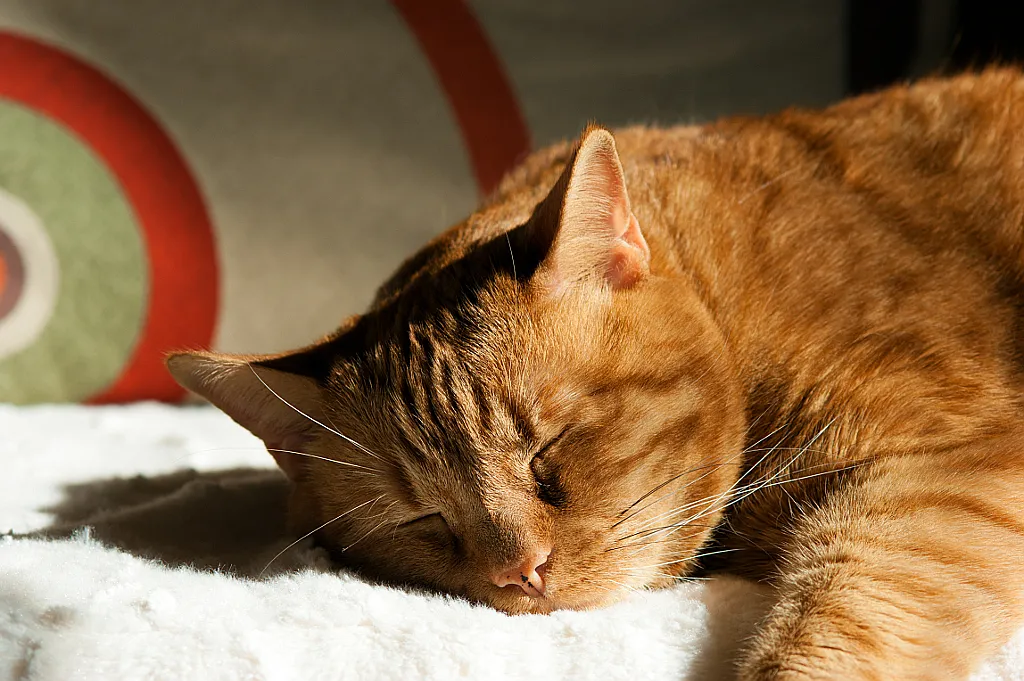
Older cats usually spook easier, not less – their senses shift, and sounds that never used to register can suddenly jolt them awake. So if your senior cat can curl up beside you and sleep straight through doors closing, the TV blaring, kids stomping past, or you shifting position, that’s a very loud quiet statement: if you’re here, I don’t need to stay on guard.
You’ll usually see a stark contrast. Alone, they sleep lightly, ears twitching, one eye practically open. Next to you, they flop, stretch out, and stay out cold far longer than usual. You’ve effectively become their safety filter – they trust you to react first to anything threatening, and for a naturally cautious species, that’s about as big a compliment as it gets.
#9 – They Ditch Fancy Beds Just to Sleep Where They Can Smell You
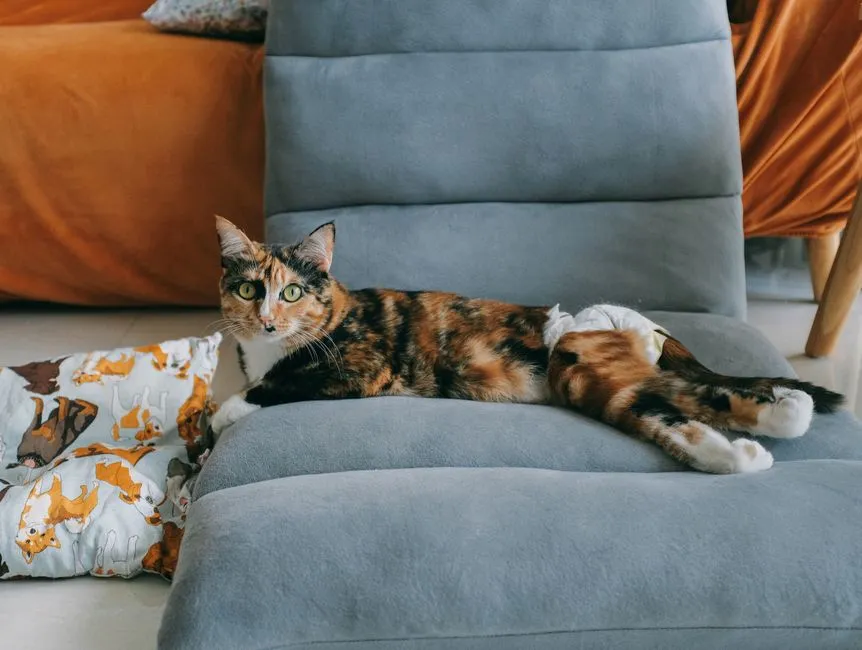
Cat bed brands probably don’t want you to hear this, but plenty of senior cats will abandon the plushest, most expensive bed in the house just to sleep in the dent you left in the mattress. If your old cat keeps giving up their “designated” sleeping spot to curl up on your pillow or blanket instead, that’s not stubbornness – it’s your scent working as an emotional security blanket.
Your smell – skin, hair, laundry detergent, all of it – signals familiarity and safety in a world that’s getting blurrier and noisier for them. Predictability becomes priceless with age, which is why some cats will meow or pace if your usual sleeping spot changes. They’re not spoiled; they’re temporarily lost without their human-scent map.
Fast Facts
- Cats have scent glands concentrated on their cheeks, chin, and forehead, which they use to mark familiar people and objects
- A cat’s sense of smell is far more powerful than a human’s, making your scent an especially strong comfort cue
- As eyesight and hearing decline with age, many senior cats lean even more heavily on smell to navigate their world
#10 – They Have a Bedtime Ritual That Revolves Entirely Around You
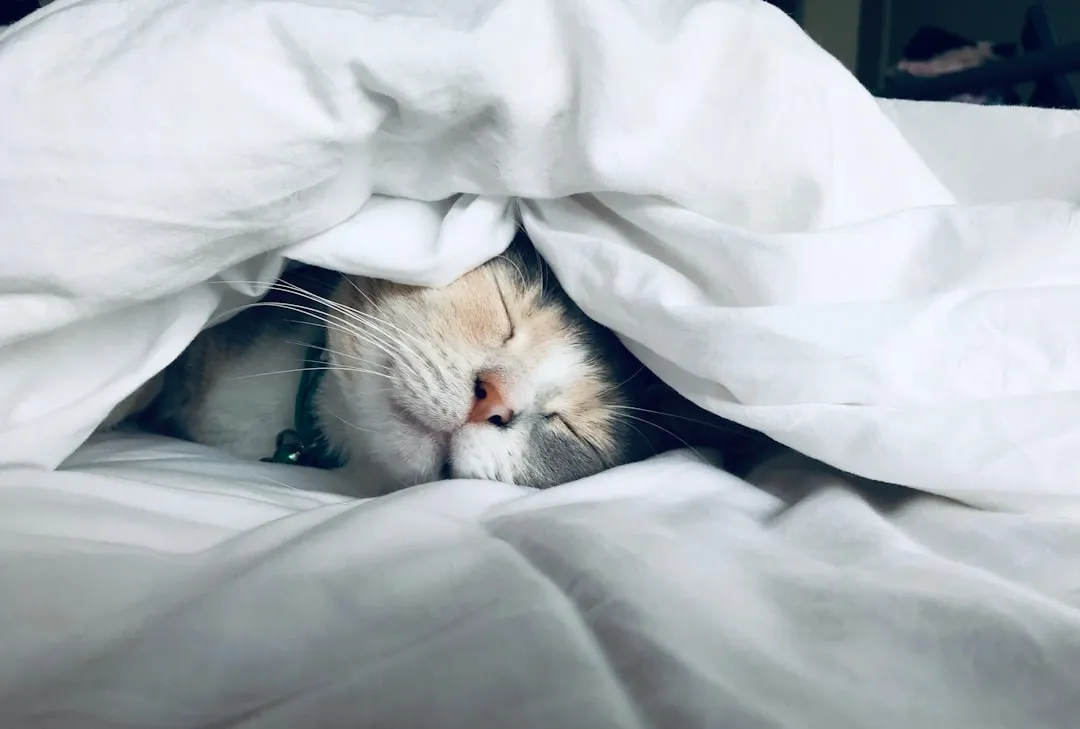
If your old cat seems to “remind” you it’s bedtime – pacing, meowing, hopping onto the bed the moment you head that way – pay attention, because that’s not habit, that’s ritual. Many senior cats build routines to cope with aging, and if that routine ends with them curling up tight against you at roughly the same time every single night, that’s a strong sign your presence equals safety in their mind.
Maybe they circle your pillow before settling at your shoulder, walk over you until you’re lying in “their” spot, or simply refuse to lie down fully until you’re under the covers. To a behaviorist, this says your cat has built their entire sense of nighttime security around where you are and what you do. You’ve become their clock, their guardian, and their comfort object, all rolled into one.
#11 – Their Meows Get Softer and Shorter Once They’re Beside You
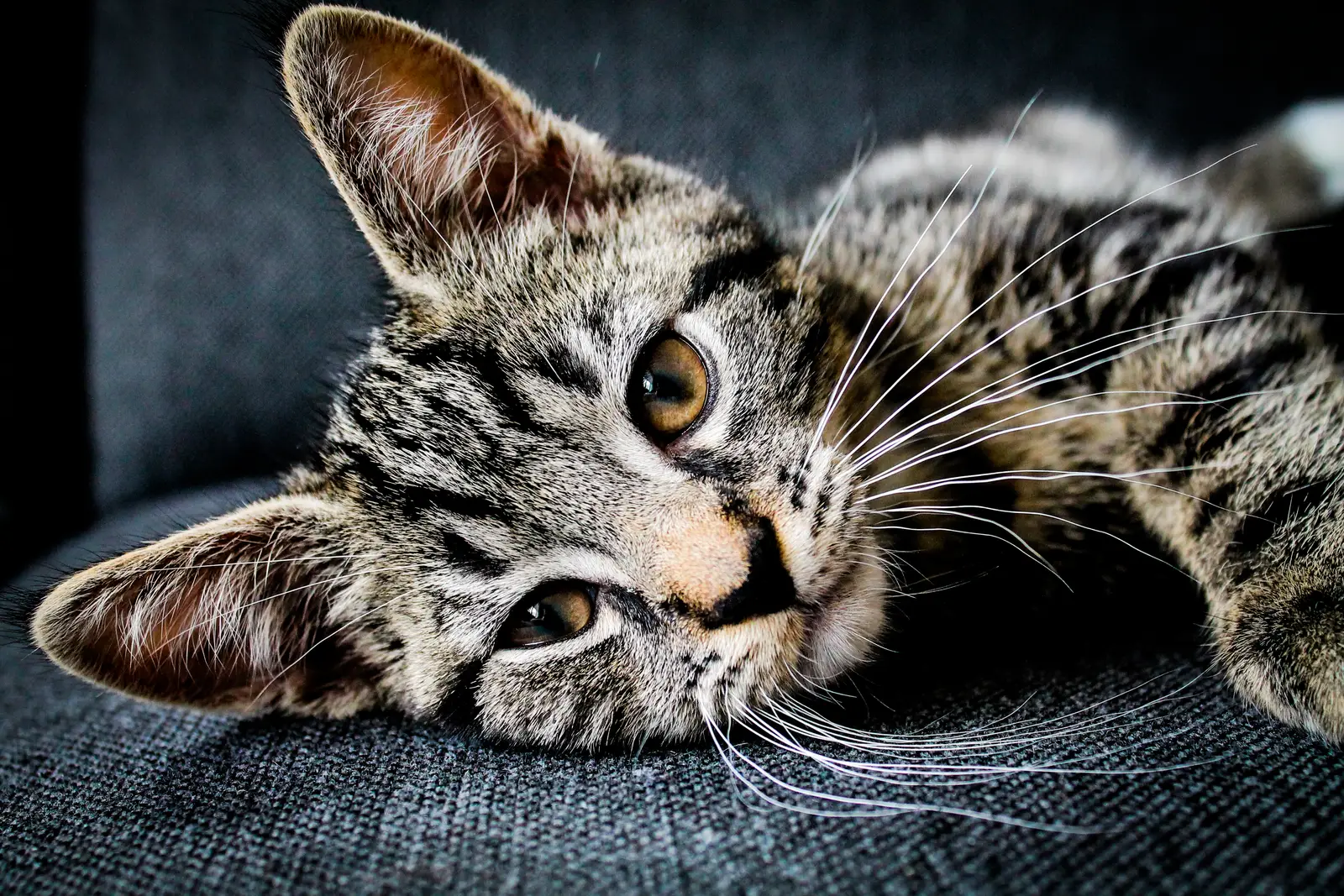
Senior cats often become more vocal at night, thanks to anxiety, disorientation, or underlying medical issues. That’s exactly why what happens to their voice around you matters so much. If your old cat cries or yowls when alone but shifts into soft chirps, quiet trills, or barely-there murmurs the moment they curl up beside you, that’s a sign you’re actively calming their nervous system.
Watch the pattern play out: loud, restless meows when you’re away, gentle almost-whispered sounds as they settle in beside you, then deep quiet once they finally drift off. That downshift is emotional – you’re taking them from “is everything okay?” to “I know I’m okay.” Some owners write it off as coincidence, but it’s one of the clearest behavioral tells that you’re their emotional anchor.
#12 – When Something Startles Them, They Lean Into You Instead of Away
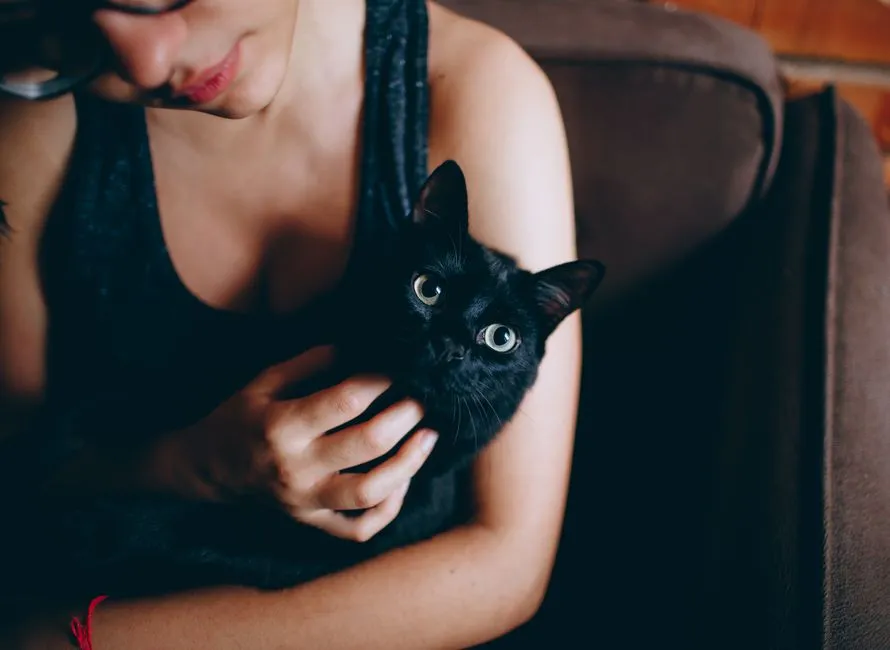
Startle responses are brutally honest – there’s no time for a cat to fake how it feels. When a sudden noise or movement happens, an anxious or unsure cat whips its head around, bolts, or puts distance between itself and the threat. A truly secure cat does the opposite.
If your senior cat is curled up against you, gets startled, and their very first move is to press closer or glance at you before relaxing, that’s trust running on pure instinct. This matters even more in older cats, who tend to be jumpier to begin with. In that split second, their brain ran a threat assessment and decided you were the safest point in the room – it’s the feline equivalent of a child reaching for a parent’s hand.
#13 – When They Don’t Feel Well, They Still Choose to Curl Up Beside You
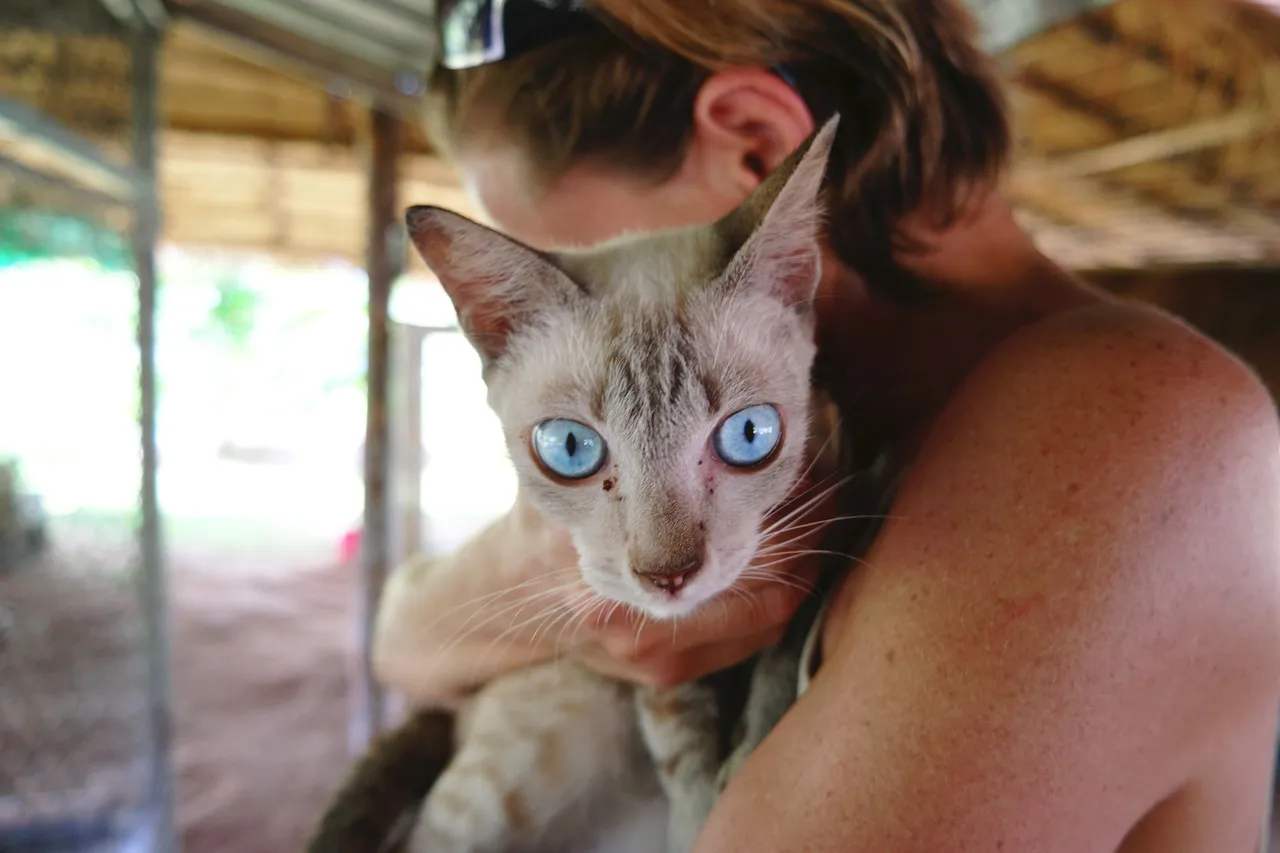
Sick cats are hard-wired to hide – it’s ancient survival instinct. So when a senior cat who’s feeling off, moving slower, eating less, or dealing with chronic pain still chooses to curl up right beside you instead of vanishing under a bed, take that seriously. They’re overriding a deep instinct in favor of seeking comfort from the one being they trust most.
You might notice them sticking closer during arthritis flare-ups or after a rough vet visit, insisting on climbing to your usual spot even when they seem exhausted, or sleeping heavier and deeper once they’re actually pressed against you. This doesn’t replace medical care, but it does say everything about how they see you. In their most vulnerable moments, you’re the safety they choose.
Why It Stands Out
- Hiding illness or weakness is an instinct passed down from wild ancestors who couldn’t afford to look vulnerable
- Choosing closeness over isolation while unwell is rare and almost always deliberate
- Vets often note that sudden changes in where a senior cat chooses to rest can be an early clue something feels off
#14 – They Turn Your Side Into Their Forever Spot in Their Final Years
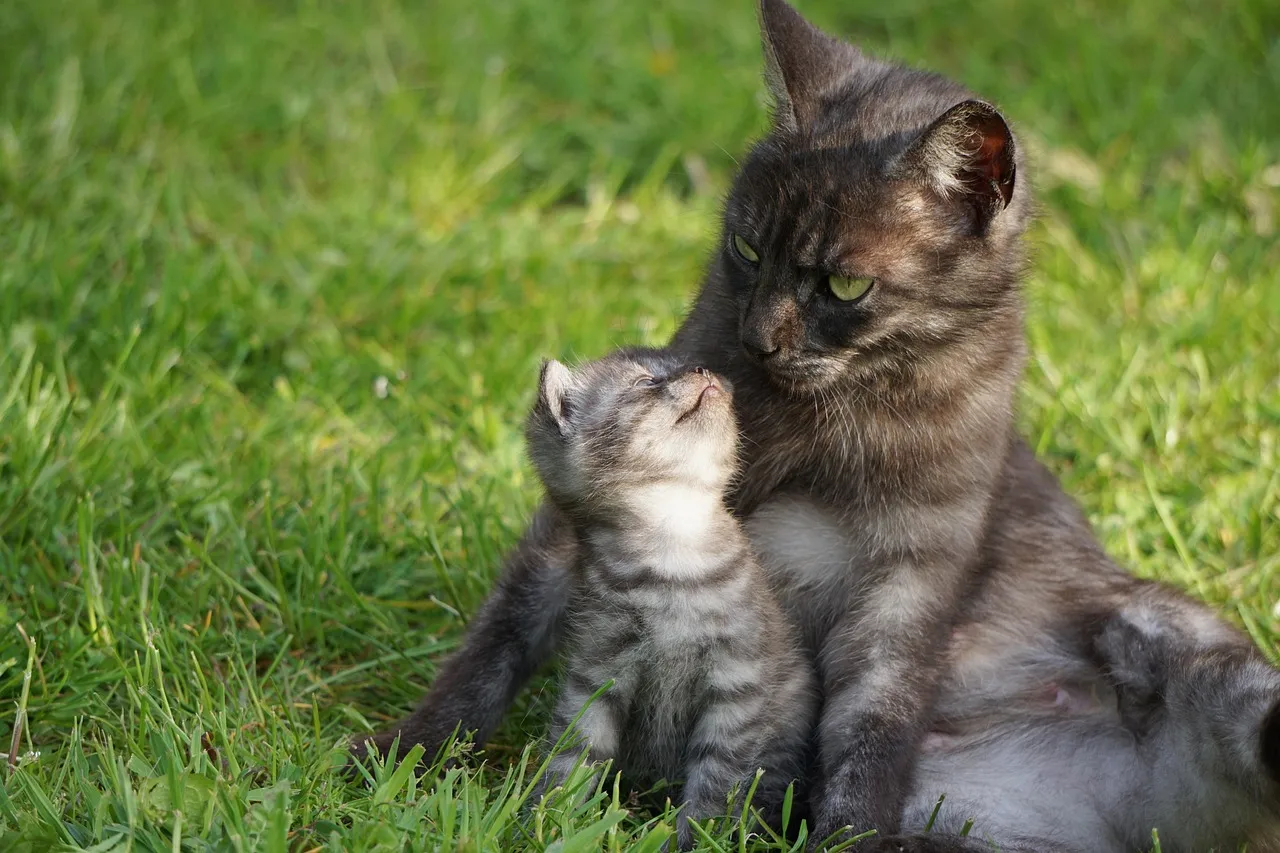
This is the sign most people don’t like talking about, because it stings a little – but it’s also the clearest proof an old cat feels safest beside you. In their final years, many senior cats dramatically shrink their world. They stop roaming at night, lose interest in random perches, and commit instead to one or two primary resting spots, almost always pressed against their favorite person.
If your aging cat spends nearly all their downtime curled beside you – same side of the bed, same groove in the couch, same small rituals before sleep – that’s not just habit anymore. It’s a conscious retreat into the one place that has never once failed them. Some cats stay tucked against their person almost constantly in the last stages of life. It’s devastating for us to watch, but for them, it’s peace. They’ve already picked their safest den, and it’s you.
The Bottom Line
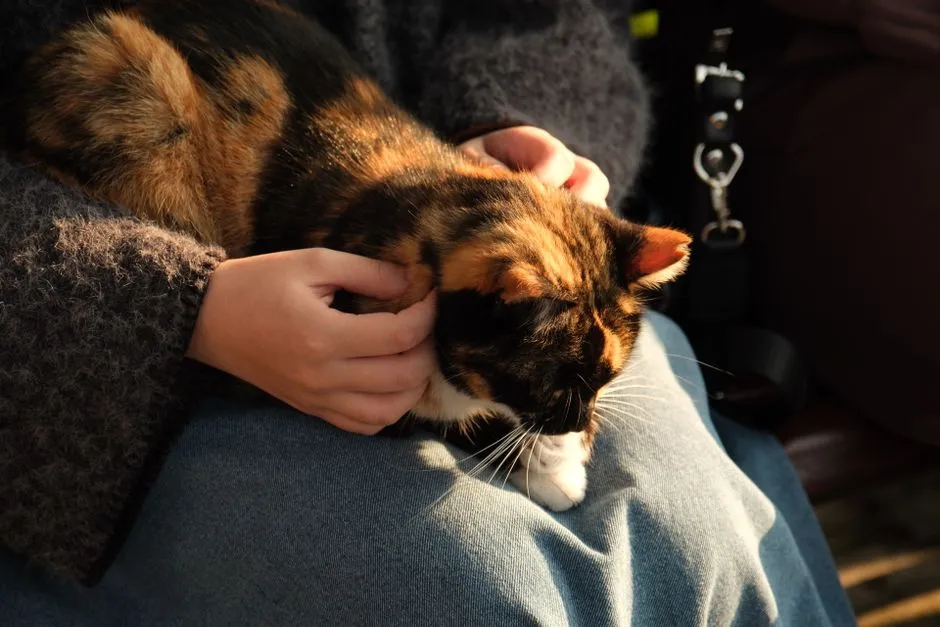
When an old cat curls up beside you, it’s never “just” a nap. It’s a lifetime of feline instinct – suspicion, self-preservation, caution – being slowly worn down by one simple, unshakable conclusion: you are the safest place they know.
From choosing your scent over an expensive bed to sleeping through total chaos as long as you’re nearby, these aren’t random quirks. They’re trust, spelled out in fur and whiskers, one nap at a time. People love repeating that “cats are aloof,” but senior cats prove the opposite – they’re not aloof, they’re selective, and selective is a much bigger compliment.
Not everyone likes hearing this, but it’s true: if your old cat doesn’t just live with you but actually rests in you, you’re not their owner anymore. You’re their safe place. So take another look tonight when they curl up beside you – and ask yourself how many of these 14 signs you’ve been missing all along.
