
Most people assume they’ll “just know” when it’s time to say goodbye to their dog. Veterinarians will quietly tell you that’s almost never how it actually happens.
The real signs are softer, slower, and so easy to mistake for “just old age” that thousands of pet parents miss them completely – until it’s too late to prepare. That’s why so many later whisper the same regretful line: “I wish I’d understood what my dog was trying to tell me.”
This isn’t about scaring you or rushing a decision you’re not ready to make. It’s about learning to read the tender, wordless ways an aging dog asks you to stay close – signs vets and lifelong dog owners see over and over, but rarely explain out loud. Fifteen of them are below, and some will stop you mid-scroll.
#15 – Your Dog Starts Following You Like a Shadow
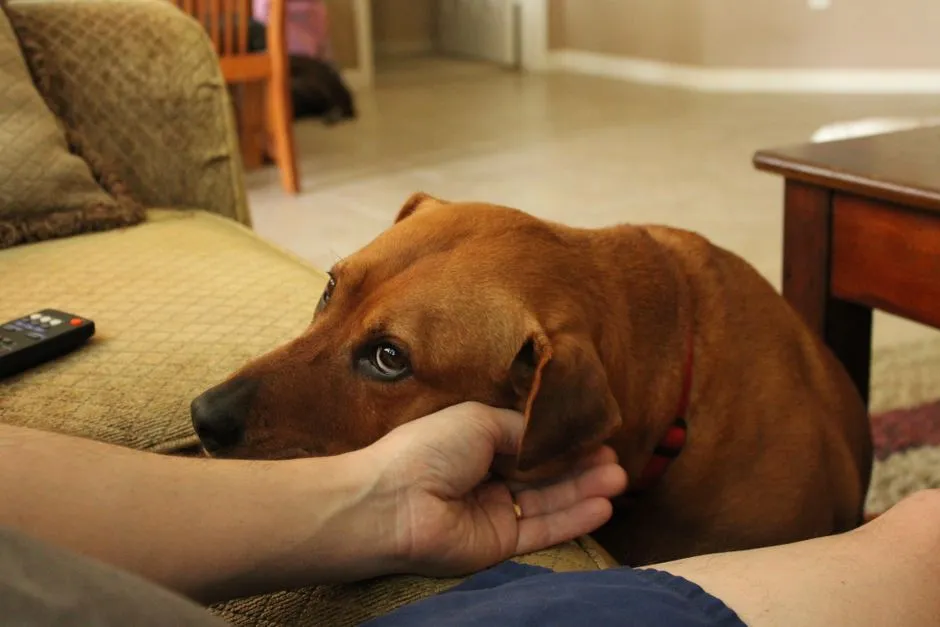
One of the first “something is different” signs is clinginess that suddenly ramps up. A dog who used to nap across the room may now glue itself to your side, even when standing up costs real effort.
That’s the part that should catch your attention: when movement itself is painful, choosing to follow you anyway is not laziness or spoiling. It’s often a signal that your dog feels vulnerable – vision dimmer, hearing weaker, joints aching – and has decided you are the safest place in the house.
- They wake up the moment you leave the room, even if they’re exhausted.
- They lie pressed so close you can feel their whole body against yours.
Many owners write this off as “spoiled” behavior. In reality, it’s often a senior dog saying, plainly, “I’m not okay being alone anymore.” If you notice this shift in a dog who used to be fiercely independent, your presence has quietly become medicine.
#14 – Sleep Patterns Change in Quiet, Subtle Ways
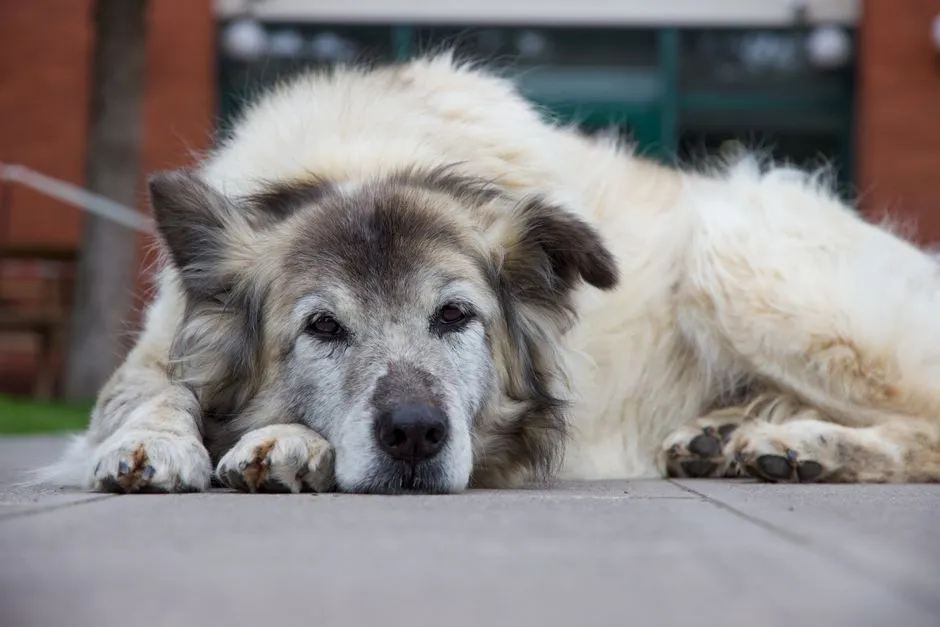
Aging dogs sleep more – that part is expected. What catches owners off guard is how the pattern itself changes near the end.
You might see your dog sleep like the dead all day, then pace or wander restlessly once night falls. Sometimes they drift from bed to bed, floor to couch, unable to settle anywhere for long.
This isn’t ordinary “old dog laziness.” It can be pain, confusion, or failing organs making rest genuinely hard to find. Other dogs swing the opposite way, dozing off mid-activity – even next to a half-chewed bone they once would have guarded fiercely.
A sudden or sharp change in sleep rhythm is usually your dog’s body telling you it’s struggling to feel comfortable anywhere. What it wants most is a calm, steady human close by when nothing else feels stable.
#13 – Appetite Quietly Fades… or Becomes Worryingly Picky

Most people expect a dramatic “stopped eating overnight” moment. In reality, it’s usually a slow, sneaky slide – a few kibble left in the bowl, one skipped meal, a favorite treat ignored for the first time ever.
Some dogs lick at food and then simply walk away, as if the desire is still there but the energy, or the comfort, isn’t. Dental pain, nausea, organ failure, or plain weakness can turn eating into hard labor.
Fast Facts
- Over 80% of dogs over age three already have some form of active dental disease, and pain from it often worsens quietly with age.
- Nausea from kidney or liver decline can suppress appetite long before other symptoms become obvious.
- A senior dog refusing two or more meals in a row is a reasonable trigger for a same-week vet visit.
- Weight loss combined with reduced appetite is a stronger warning sign than either change alone.
- Hand-feeding bite by bite just to get something into them.
- Warming food, adding toppers, trying anything to spark interest.
Here’s the hard truth: when a dog that once inhaled every meal now needs coaxing for a single nibble, it isn’t “being stubborn.” It’s often telling you that basic survival tasks have become too much – and in those moments, it isn’t really asking for food. It’s asking for your calm, reassuring presence while it struggles with something instinct insists should be easy.
#12 – They Seek Out Unusual, Tucked-Away Resting Spots
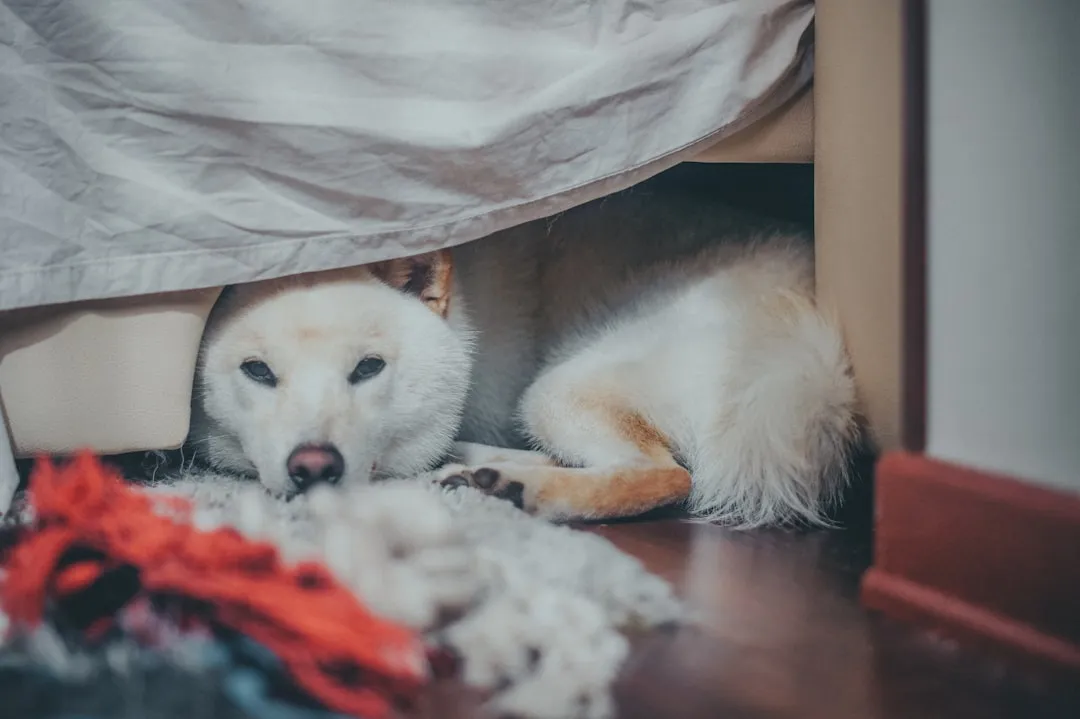
One of the most misunderstood signs is a dog suddenly choosing strange, hidden places to rest. A pet that always claimed the couch may start curling up behind it, under a desk, or tucked into a closet.
This “denning” instinct is ancient – vulnerable animals naturally seek sheltered spots to feel safer. It doesn’t mean your dog loves you less. It usually means it feels fragile.
- They drift away from busy family areas toward darker, quieter corners.
- They settle near you, but just outside the main flow of activity.
This can signal pain, sensory overload, or early cognitive decline. Ironically, even as some dogs withdraw physically, their emotional need for you skyrockets – and sitting quietly on the floor beside them, wherever they’ve chosen to hide, can be one of the kindest things you do in these final weeks.
#11 – Mobility Becomes a Daily Struggle, Not Just “A Little Stiff”
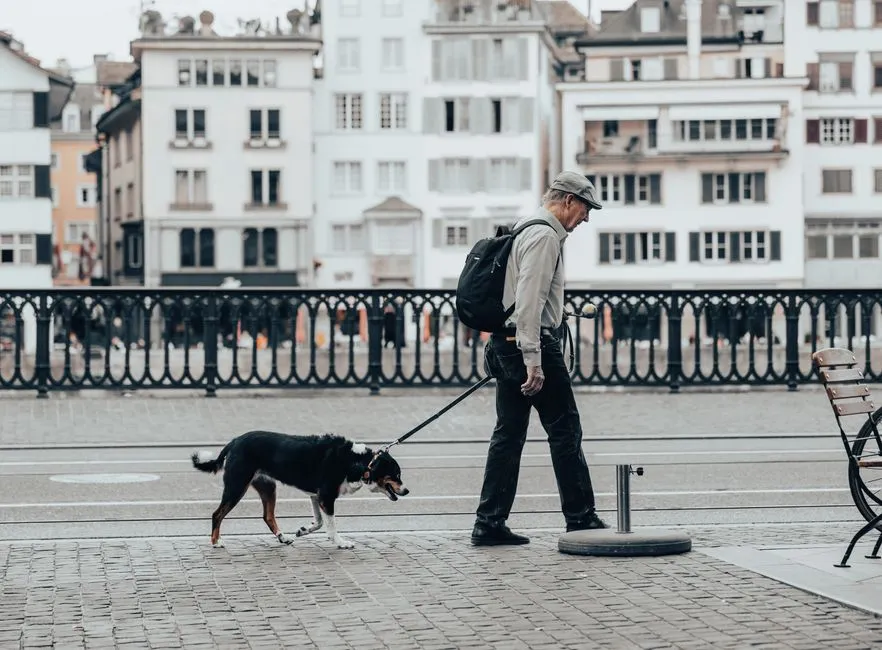
Nearly every senior dog gets stiff. The red flag isn’t stiffness itself – it’s when simple movement starts looking like a negotiation with pain.
Getting up takes multiple tries. Stairs become a battle. They hesitate before a curb or the car, or simply freeze mid-step, clearly wanting to move but not trusting their own body.
- Back legs shaking or sliding out from under them.
- Sitting or lying down mid-walk, long before they used to tire.
This isn’t about whether they can technically still walk. It’s about what it costs them. When a dog forces itself to hobble after you despite the pain, that’s not bravery in the way we like to romanticize it – it’s a dog clinging to its bond with you. That’s when support harnesses, floor rugs, and slower, shorter walks stop being “extras” and start being love in action.
#10 – Their Eyes Look Different… Even If You Can’t Explain How

Many owners say, after the fact, “I could see it in their eyes.” That’s not just sentimentality talking.
Near the end, you may notice a distinct change in your dog’s gaze – distant, glassy, or oddly pleading. Sometimes it’s cloudiness from age. Sometimes it’s simply the way they hold your gaze longer, as if trying to communicate something they never needed words for before.
- A tired, sunken look around the eyes and face.
- Moments where they search your face, then visibly relax once you touch them.
Not every eye change means the end is near. But a dog who locks onto you more often, and only seems to calm once it can see or feel you close, is sending a clear message. Vision may be fading and the world growing more confusing – and you are its last solid anchor.
#9 – Accidents in the House from a Dog That “Never Does That”
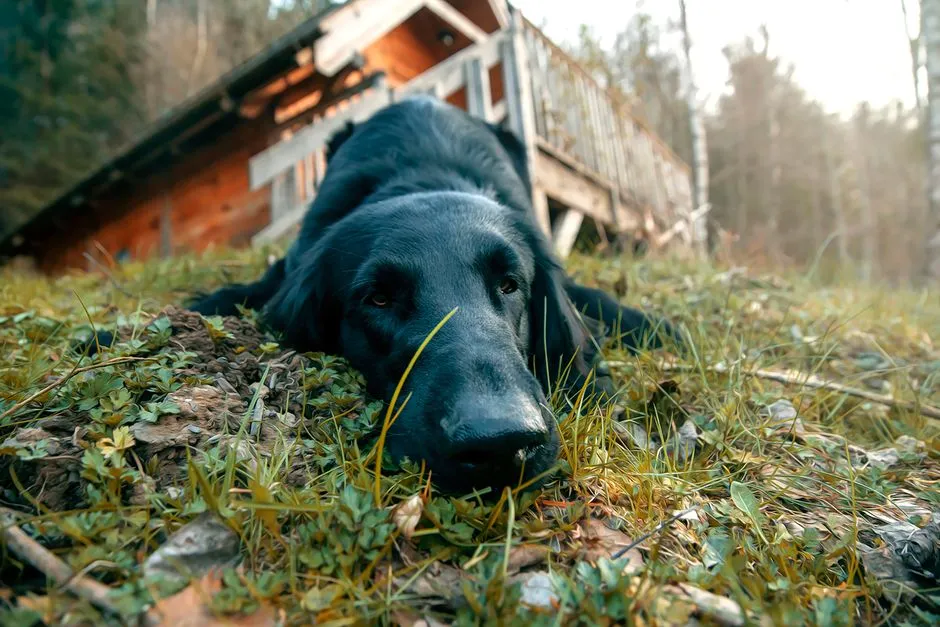
House-trained dogs take genuine pride in keeping their space clean. So when an older dog starts having accidents, it’s often deeply upsetting to them, even if they can’t show it the way we do.
You might see them look ashamed, hide, or lick obsessively at the spot. It can stem from weak muscles, pain that slows them down, kidney issues, or simply not catching the signal in time anymore.
- Many senior dogs are more stressed about the mess than their owners are.
- Scolding at this stage isn’t just unfair – it’s cruel.
A dog who soils the house near the end is often losing control in more ways than one. When they look to you immediately afterward, head low and eyes searching, they’re not asking if you’re mad. They’re begging to know you still love them while their body is betraying them.
#8 – Breathing Changes You Can Hear and Feel
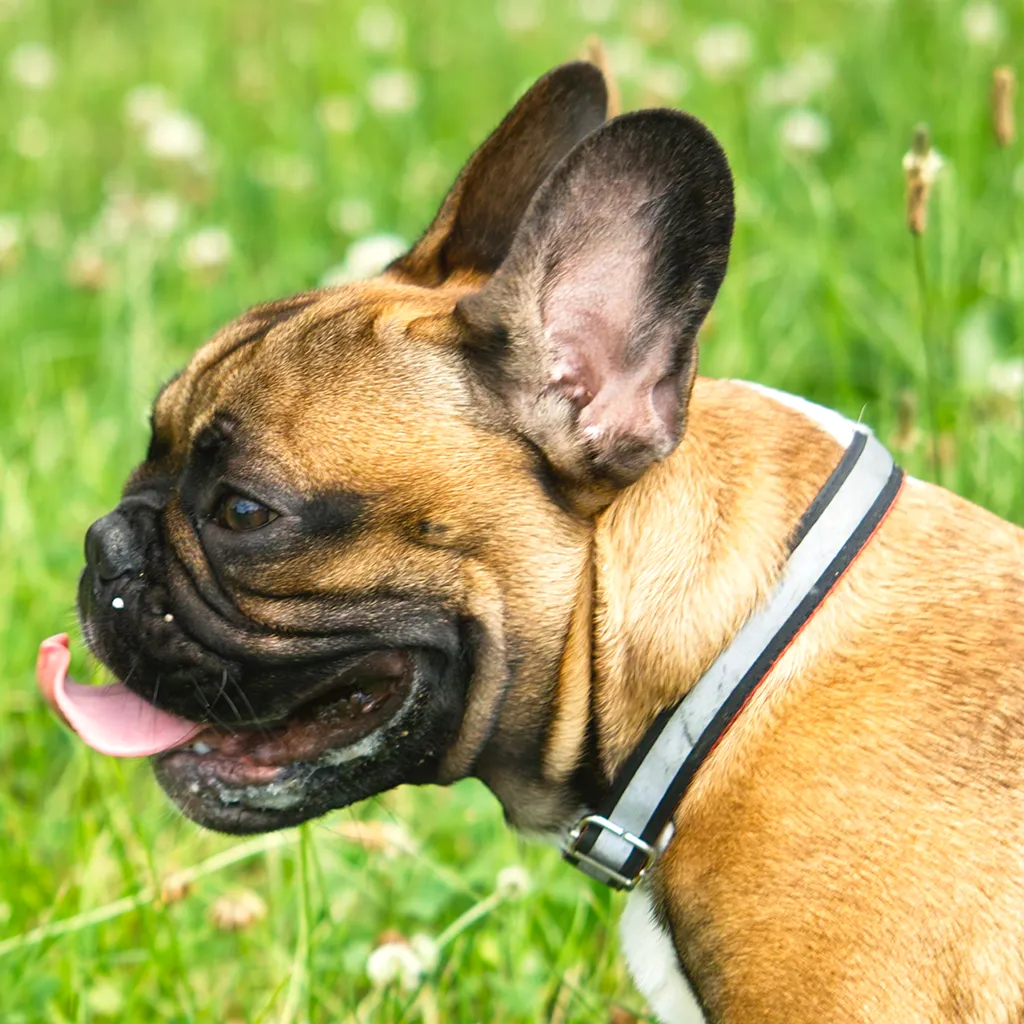
One of the most physically alarming changes is breathing. It may turn shallow, faster than normal, or visibly labored – even while resting.
You might hear raspy sounds, watch their chest work harder, or notice flared nostrils. Some dogs pant heavily in cool rooms, which usually signals pain or heart and lung trouble rather than simple heat.
Worth Knowing
- A healthy resting dog typically breathes somewhere between 15 and 30 breaths per minute.
- Heavy panting at rest, in a cool room, with no exercise involved, is worth flagging to a vet.
- Labored breathing paired with pale or bluish gums should be treated as an emergency, not a wait-and-see moment.
- Heart and lung disease become noticeably more common as dogs move past age ten.
- They can’t get comfortable lying down, repositioning again and again to “catch” a better breath.
- Panting that doesn’t stop even after they rest or drink water.
Dogs are wired not to show weakness, so if breathing looks off, it’s usually been building for a while. When they gravitate toward you during these spells, curling closer or resting their head against you, it’s not just affection – your calm voice and touch can genuinely lower their stress. But needing you just to breathe comfortably is also a serious signal that the end may be closer than it looks.
#7 – Personality Shifts: The Sweet Dog That’s Suddenly “Not Themselves”
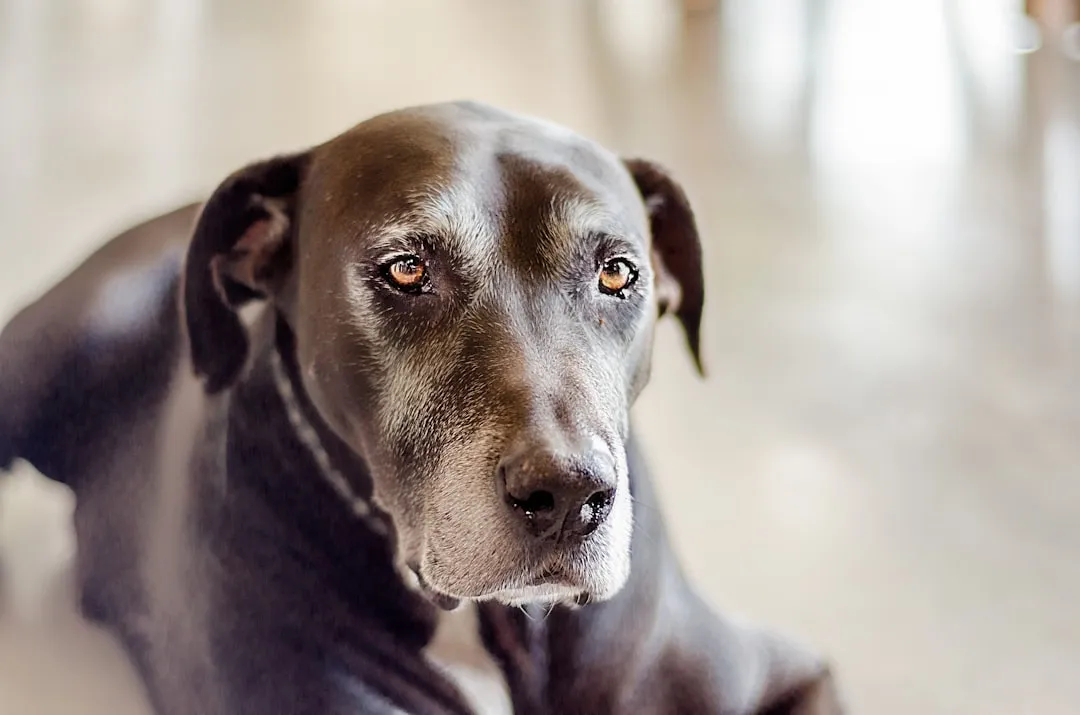
Owners hate this sign the most. A dog who spent years being gentle and predictable may start snapping, growling, or withdrawing for what looks like no reason at all.
Or the opposite happens – a dog that was always reserved suddenly turns needy, clingy, restless. These aren’t behavior problems. They’re often pain, cognitive decline, or anxiety finally breaking through old patterns.
- A normally social dog hides from guests or other pets.
- A stoic dog whines or barks at night, seemingly lost in rooms it knows by heart.
Some people write this off as “old dog crankiness,” but many vets argue that’s a lazy label. Behavior is often the only language dogs have to report internal problems. When they seek you out in these moments, they’re asking for comfort – not correction.
#6 – Confusion and “Getting Stuck” in Familiar Places
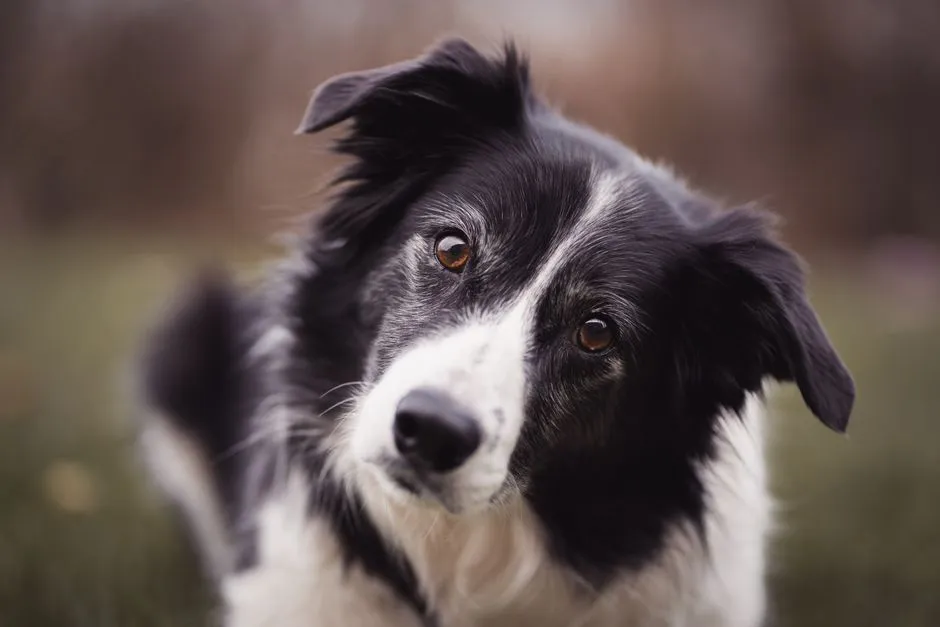
Canine cognitive dysfunction – a doggy version of dementia – is far more common than most people realize. Near the end of life, you may catch your dog standing in a corner, staring at a wall, or seeming genuinely unsure how to walk around a chair.
They may wander outside, forget why they went out, then come back in and have an accident minutes later. This isn’t disobedience. It’s a brain that’s failing.
At a Glance
- One well-known study found that 28% of dogs aged 11-12 and 68% of dogs aged 15-16 showed at least one sign of cognitive impairment.
- Common signs cluster around disorientation, changed sleep-wake cycles, and forgotten house-training.
- Many cases go unreported to vets because families assume it’s simply “old age.”
- Consistent routines, steady lighting, and gentle hands-on guidance can measurably ease a confused dog’s stress.
- Wandering at night, pacing in circles, aimless roaming.
- “Freezing” in doorways or getting stuck behind furniture until you guide them out.
In these moments, your dog is genuinely lost in a place it once ruled completely – terrifying for any animal wired to know its territory. When they settle only once they can feel you near, or relax as you guide them gently with a hand on their shoulder, they’re using you as a living compass. Your presence becomes the map their own mind can no longer draw.
#5 – They Stop Doing The One Thing They Always Loved Most
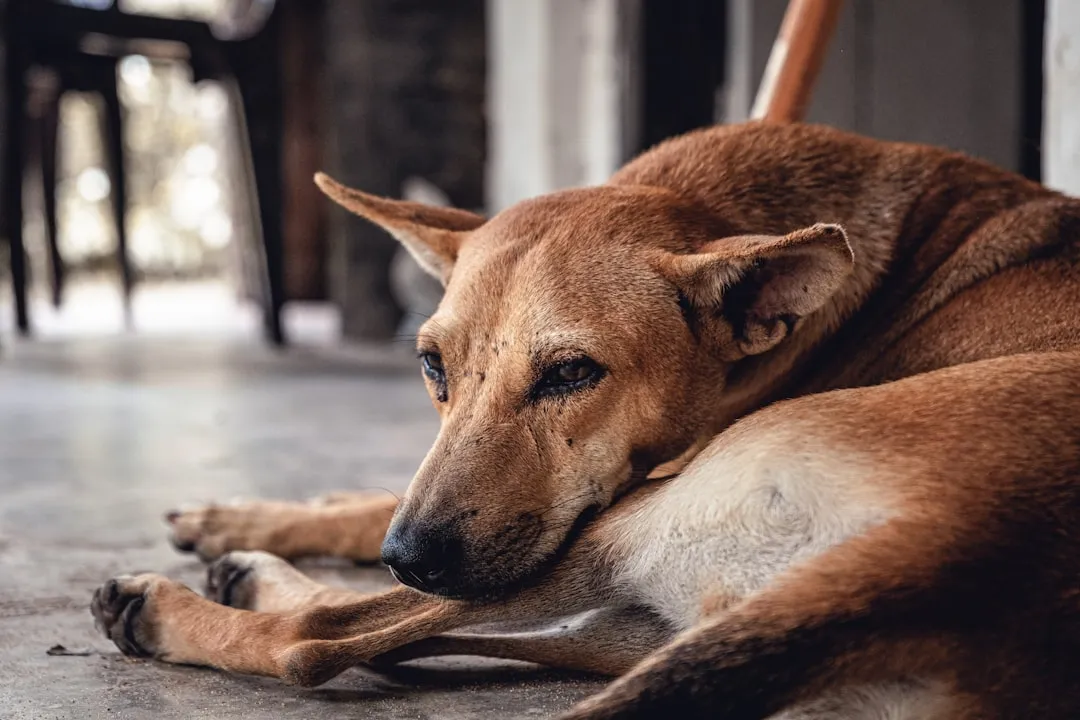
Every dog has “the thing.” Chasing a ball. Bolting to the door when the leash appears. Barking at the mailman like it’s their life’s calling. One of the clearest late-stage signs is when that core joy disappears – quietly, consistently, and for good.
They don’t just skip fetch once. They watch the ball roll away and turn their head like it never happened. This is nothing like a tired day or bad weather.
- The ball-obsessed dog who won’t even glance at it anymore.
- The walk-obsessed dog who hides the moment you touch the leash.
At that point, you’re not looking at an “old dog slowing down.” You’re watching a being whose emotional and physical reserves are running out. When even their most beloved ritual isn’t worth the effort, their priorities simplify fast – food, fun, and routine fall away, and you remain. Quiet contact with you becomes their last, best comfort.
#4 – Rapid Weight Loss or a “Shrinking” Look, Even If Eating Some
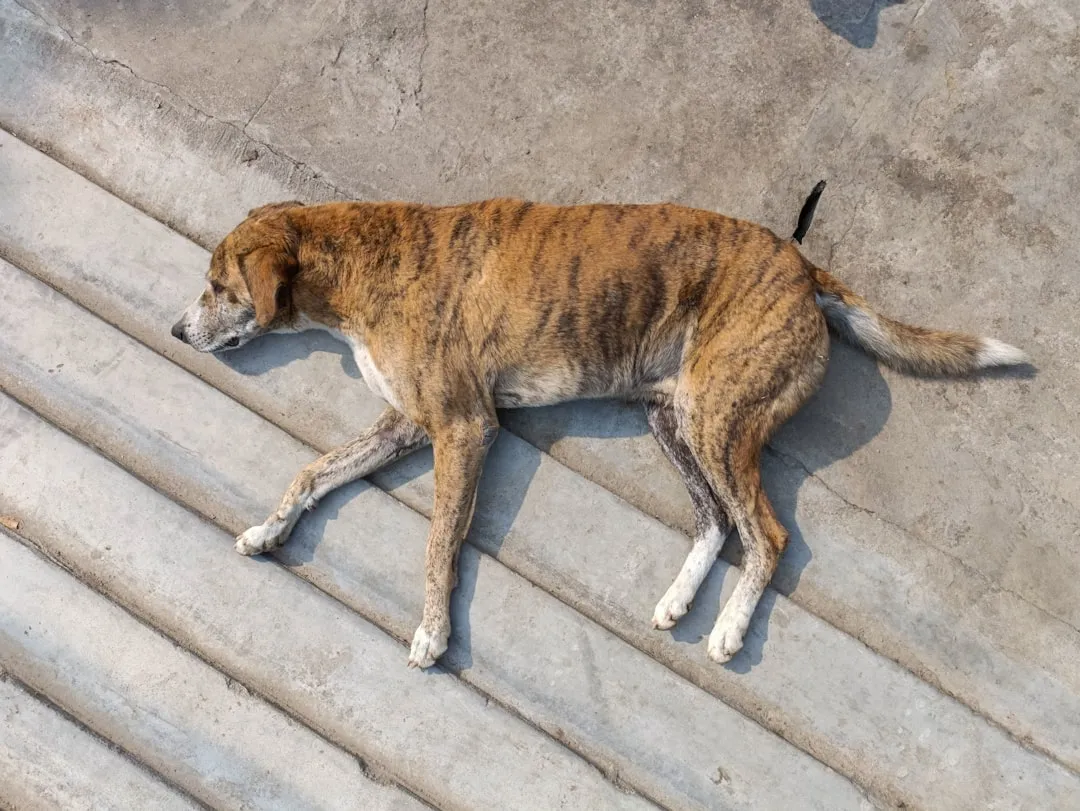
A lot of owners don’t catch this until they scroll back through old photos. Over weeks or months, an aging dog can lose muscle, fat, and overall body condition, growing bony over the spine, hips, and shoulders.
Their head might look narrower. Their collar suddenly hangs loose. Their once-solid body can feel almost fragile under your hand.
- They may still eat a little, tricking you into thinking things are stable.
- The real change is in the muscle – thinning back legs, a chest that’s lost its fullness.
This often reflects organ decline, chronic disease, or simply a body that can no longer rebuild what it loses. When they lean into you now and feel lighter than before, you instinctively grow gentler. That protective instinct isn’t random – it’s your gut responding to a body that’s winding down, not just aging quietly in the background.
#3 – They Start Having “Good Days” and “Bad Days”… Then Fewer Good Ones
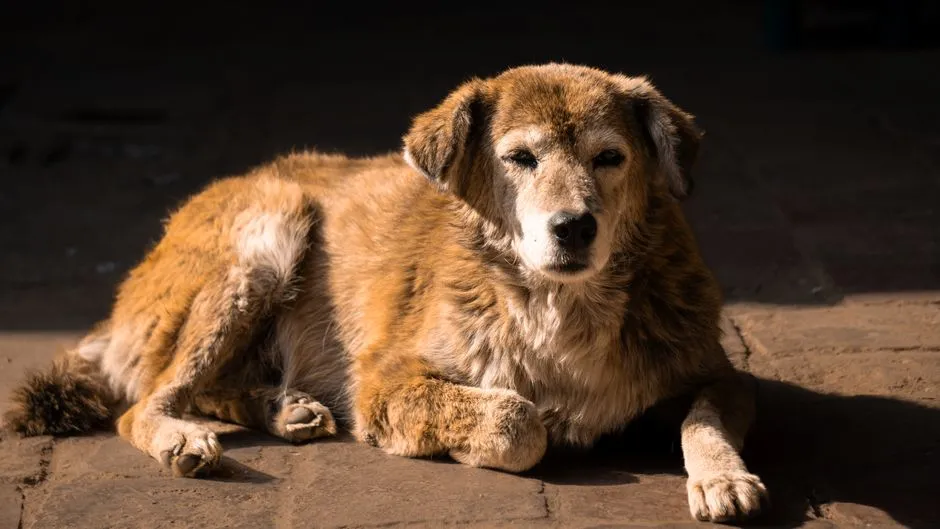
Most people wait for one clearly terrible stretch before making end-of-life decisions. The reality is messier than that.
Near the end, many dogs cycle – bright and hungry one day, barely moving and refusing everything the next. This rollercoaster can drag on for weeks, even months, trapping owners between hope and guilt.
Quick Compare
- Good day: eats without much coaxing, greets you at the door, moves with relative ease.
- Bad day: refuses food, struggles to stand, seems withdrawn or unusually restless.
- Warning pattern: bad days consistently outnumber good ones across a full week, not just one rough afternoon.
- Simple tracking method: mark each day on a calendar to see the real trend, not just the memorable bright hour.
- Good days shrink into “good hours.”
- Then good moments, scattered thin between longer stretches of struggle.
Some vets suggest tracking each day on a calendar with a simple face – happy, neutral, or sad. When the sad and barely-okay faces clearly outnumber the good ones, quality of life may already be low, no matter how tightly you hold onto that one bright hour where they wagged. During this stretch, your dog is often clinging to you exactly as hard as you’re clinging to them.
#2 – They Seek Physical Contact in a New, Almost Desperate Way

Dogs are cuddly by nature – that’s nothing new. But many owners notice a specific shift near the end: their dog stops just lying near them and starts pressing into them instead.
Head on your chest. Body curled fully into your torso. A paw resting on you that never moves. They may sigh deeply the second they make contact, like they’re finally allowed to let go of tension they’d been holding alone.
- This isn’t casual affection anymore. It’s closer to a need.
- They may whimper until they reach you, then go instantly quiet.
Until one has loved an animal, a part of one’s soul remains unawakened.
Anatole France
For an animal who can’t read a chart or understand a timeline, your body is the only certainty left. Touch lowers heart rate, eases anxiety, and can genuinely reduce the perception of pain. When your dog clings to you like this, its final wish is crystal clear: whatever is coming, it doesn’t want to face it alone.
#1 – That Quiet, Hard-to-Explain Sense That “They’re Letting Go”

Ask anyone who’s loved many dogs, and you’ll hear the same three words: “I just knew.” It was never one symptom – it was a shift.
A calm, resigned, almost peaceful sense that their dog was done fighting. They might stop getting up to greet you, but their eyes still soften the moment you come close. They may ignore food, ignore toys, ignore everything – except you.
- They choose one spot and barely move from it.
- They seem at ease only when you’re right there, touching them gently.
Science can list the physical signs, but this one is purely emotional – their energy turns inward. It often feels like your dog is quietly handing you permission, even if you’re nowhere near ready to take it. When they relax as you speak softly, when their breathing eases under your hand, they’re telling you the only thing that still matters is that you’re with them as their story ends.
The Bottom Line

Here’s the harsh truth nobody wants to hear: most people wait too long, not because they don’t love their dogs, but because they love them so much they can’t bear to face what the signs are actually saying.
These fifteen tender changes aren’t random “old dog quirks.” They’re your dog’s body and mind quietly waving a white flag, asking for comfort, safety, and closeness more than anything else in the world.
No article, no checklist, and no stranger on the internet can hand you the exact day to say goodbye. But ignoring a clear pattern of pain, fear, and vanished joy doesn’t honor your dog – it just prolongs their struggle for your own sake, not theirs.
The most loving choice is often the most agonizing one: listening when their behavior, their body, and that deep gut feeling all agree they’re ready to rest. If your dog ever showed you a sign that isn’t on this list, tell us in the comments – it might be the exact thing that helps someone else recognize it in time.
