
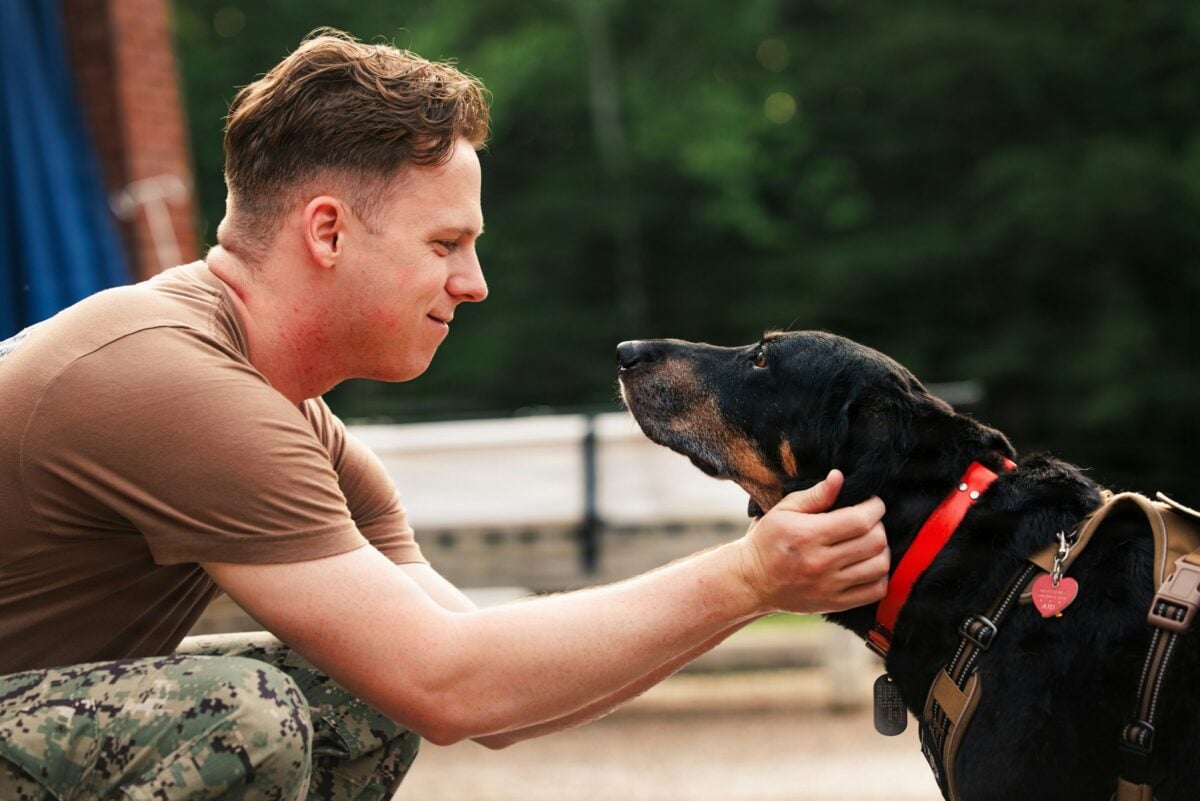
Everyone assumes a senior dog is doing great if he can still leap into the truck bed or bolt after the mail carrier. That’s the version people post online, anyway – the highlight reel that gets the comments and the hearts. But vets and animal behaviorists say the truest signs of a dog aging well are almost invisible if you’re only watching for tricks, speed, and energy.
Some of the habits owners brag about most – “He’s fourteen and still acts like a puppy!” – can actually be hiding pain, anxiety, or exhaustion instead of health. The real markers of graceful aging are quieter, slower, and a lot more meaningful once you know what to look for. Here are the 15 gentle signs that actually matter.
#1 – They Move Slower, But They Still Choose to Move
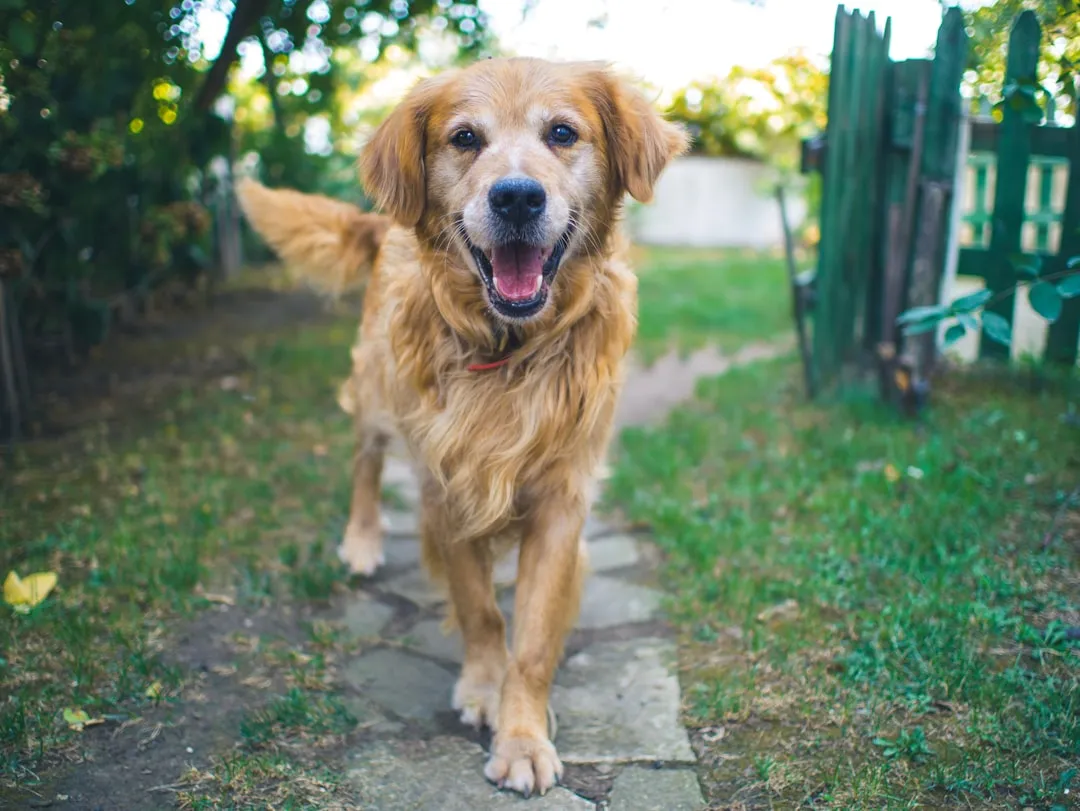
Watching an old dog slow down can feel like a warning sign, but it usually isn’t. Choosing a slower pace is often a smart, healthy adjustment, not the beginning of a decline. A senior dog who still gets up to greet you, wanders over to the window, or shuffles toward the treat jar – even at half speed – is doing just fine.
- Taking the stairs one careful step at a time
- Pausing before jumping off the couch, like they’re doing the math first
That little hesitation is their body saying, “I know my limits, and I plan on respecting them.” Dogs who self-pace like this tend to have fewer injuries and more comfortable years ahead of them. A dog who’s truly struggling stops moving altogether, so if yours is slower but still curious and willing, that’s a real win worth noticing.
#2 – Their Sleep Gets Deeper, But Their Days Still Have a Rhythm
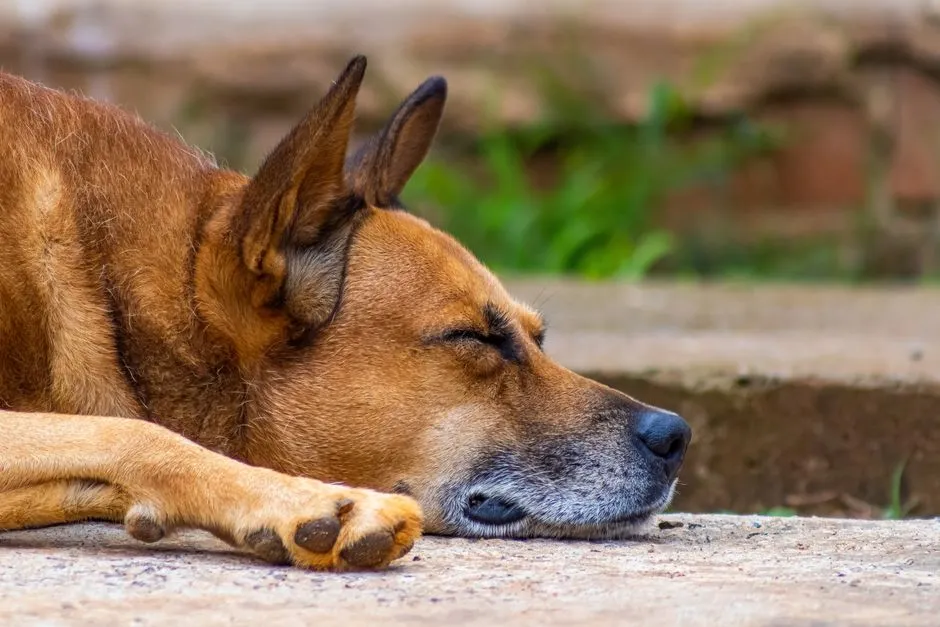
Most owners assume more sleep automatically means trouble. For seniors, it’s usually the opposite. Consistent, deep sleep paired with a predictable daily rhythm is one of the clearest signs their body still “runs the show” instead of falling apart.
- Longer naps, but always in the same familiar, favorite spots
- A reliable pattern – wake, potty, eat, short stroll, snooze
The warning signs look different: restless nights, aimless pacing, sudden barking at 3 a.m., or staring blankly at walls. Those can point to pain or cognitive decline. But an old dog who crashes hard, snores gently, and then calmly rotates between bed, couch, and sunny spot on schedule is telling you their nervous system is still stable and steady.
Fast Facts
#3 – They Still Care About Food, Even on Their Own Terms
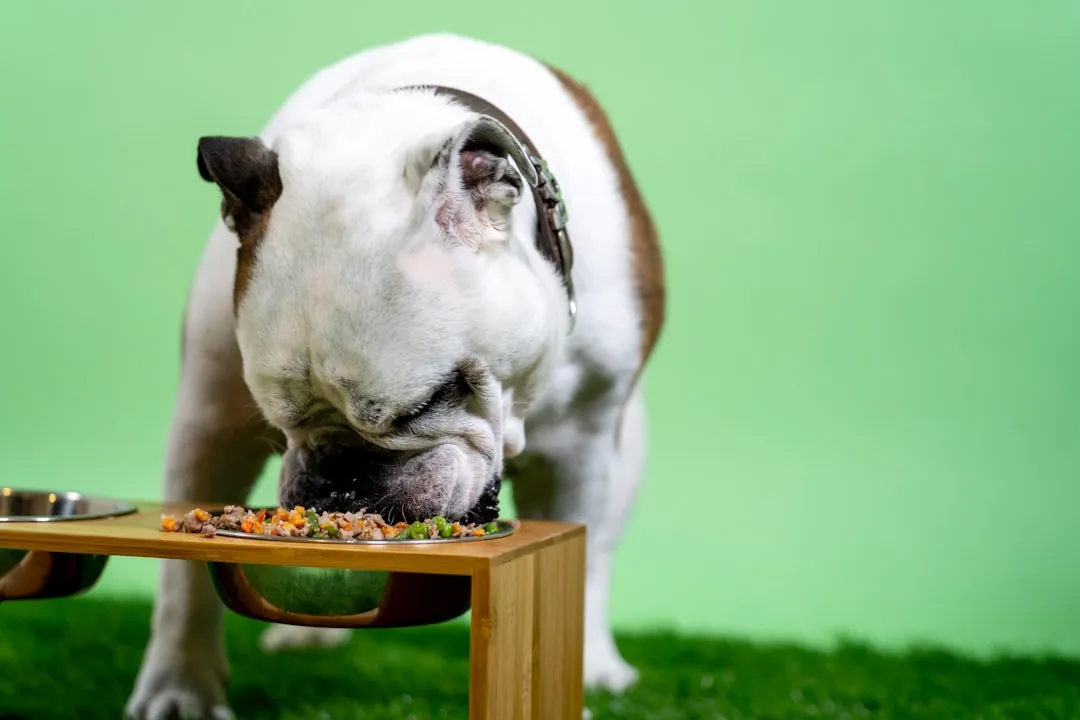
A senior dog who eats with real interest – but on their own conditions – is quietly telling you a lot. Maintained appetite is one of the strongest everyday signs that things are still working well enough on the inside to support a good life. It doesn’t have to be the wild, anything-goes puppy appetite anymore, and pickiness is often discernment, not disaster.
- Eating slower, but still finishing most meals
- Getting noticeably more excited when you warm the food or add a topper
What actually worries vets is a dog who stops asking for food altogether, ignores old favorites, or leaves entire bowls untouched. That’s a very different story from “I’m just not into this dry kibble anymore.” If your dog still shows up in the kitchen the second the fridge opens, that’s a sign their drive to live is fully intact.
#4 – They Pick Comfort Over Chaos, No Apologies
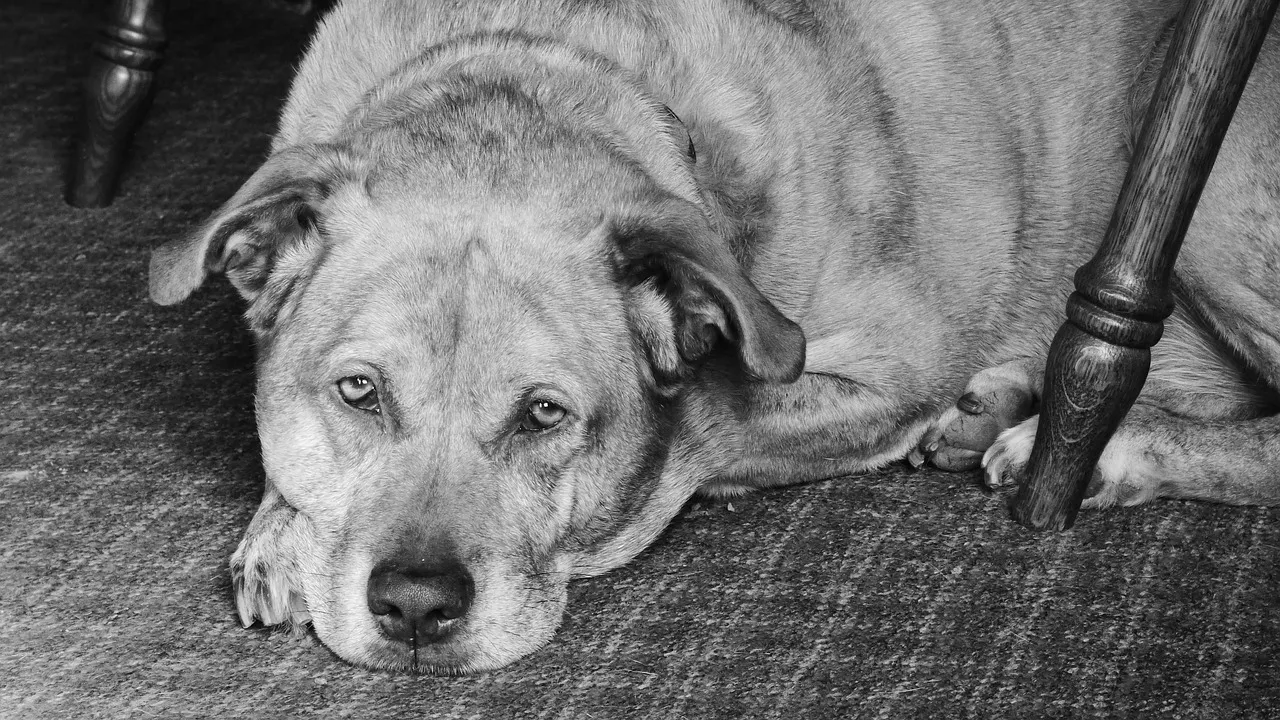
People love to say things like, “He used to love the dog park, now he just wants the couch,” as if that’s sad. In reality, turning down chaos in favor of calm is one of the most underrated signs of emotional maturity in a senior dog. This is a dog who’s finally figured out he doesn’t owe the world his energy.
- Leaving the room the moment things get too loud
- Choosing a quiet corner over the center of the party
This isn’t giving up – it’s self-protection. A dog who can remove himself from stress, pick relaxed company, and settle in with a satisfied sigh is telling you he feels safe enough to actually rest. Ironically, the dog still dragged to packed gatherings “because he’s so chill” is often more overwhelmed than anyone realizes.
#5 – Their Eyes Soften Every Time They Look at You

Everyone worries about cloudy eyes and cataracts, but they miss something far more emotional: the expression underneath. A senior dog who looks at you with soft, slow-blinking eyes is showing deep trust and emotional security. That’s not just sweet to watch – it’s a real quality-of-life marker.
- Their gaze lingers on your face a beat longer than it used to
- Their brows relax – no hard stare, no constant scanning of the room
Even as vision fades, that gentle “melt” when they recognize your voice or smell and turn toward you is powerful. Dogs under chronic stress tend to have wide, hard, darting eyes. The old dog whose whole face softens the second you walk in is telling you, without a single word, that his world still feels safe.
#6 – They Still Have Little Bursts of Puppy-Like Joy
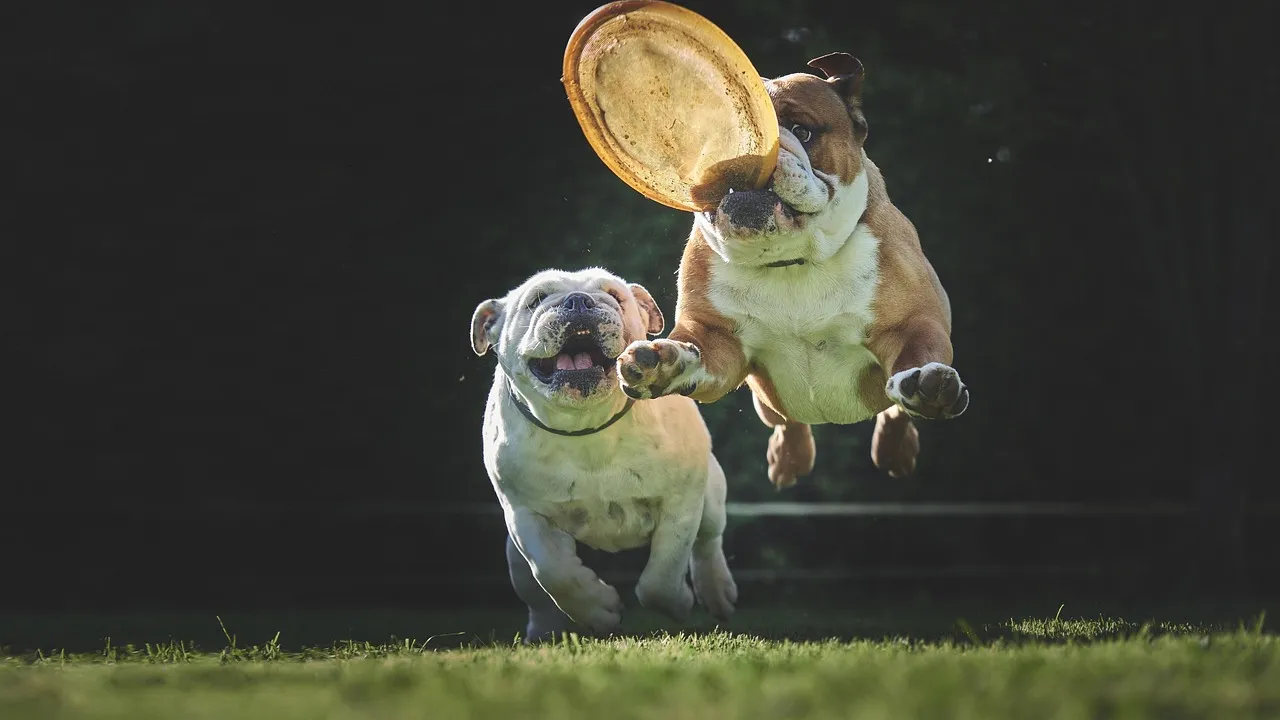
Graceful aging is not “acting like a puppy forever.” In fact, constant puppy-level energy in an older dog can sometimes mask anxiety or pain running on adrenaline. What behaviorists actually like to see are short, gentle bursts of joy sprinkled through an otherwise slower day.
- A goofy play bow every now and then, out of nowhere
- A quick zoomie in the yard, followed by a happy flop on the rug
These are controlled “joy spikes,” not frantic marathons. Your dog might chase the ball twice instead of twenty times, but he’s doing it because he wants to – not because you pushed him. That voluntary spark shows his brain still finds pleasure in the world, even with a body that has limits now.
#7 – They Adapt to Change, Even When They Don’t Love It
You can learn a lot about a senior dog by watching how he handles life’s curveballs. An older dog who can adapt – slowly, but successfully – to small changes is usually still cognitively and emotionally resilient. He doesn’t have to love every new routine. He just has to cope without falling apart.
- Moving his bed to a quieter room
- Switching up the walking route, or adding a ramp to the car
At first he might hesitate, sniff around, or look a little uncertain. Then, if he’s aging well, you’ll see him problem-solve – trying the ramp, figuring out the new water bowl, settling into a new sleeping spot after a few nights. A dog who completely shuts down over any minor change deserves a vet visit, not “tough love.”
Worth Knowing
- Vets sometimes describe cognitive decline in senior dogs using the acronym DISH.
- Getting briefly puzzled by a new ramp or bowl is normal adjustment; getting lost in a familiar hallway is a different story.
- Dogs adapting well to change typically settle within a few days, not weeks.
- A dog whose confusion keeps building over time, rather than easing, is telling you it’s more than just aging.
#8 – They Still Groom and Care for Themselves Quietly
Everyone obsesses over teeth cleanings and fancy shampoos, but one subtle sign of graceful aging is a senior dog who still keeps up his own little self-care rituals. That might look like gentle licking of the paws, repositioning until the joints feel right, or patiently waiting for you to wipe his face after dinner.
- Shifting posture to get comfortable instead of just suffering through it
- Licking dirt off his fur after a walk, then settling down to relax
It doesn’t have to be perfect – plenty of seniors need real help. But a dog who still chooses to stay reasonably clean, moves away from drafts, and picks the soft bed over the bare floor is showing real awareness of his own comfort. That quiet self-advocacy is exactly the kind of thing vets like to see.
#9 – They Seek You Out Just to Be Near You
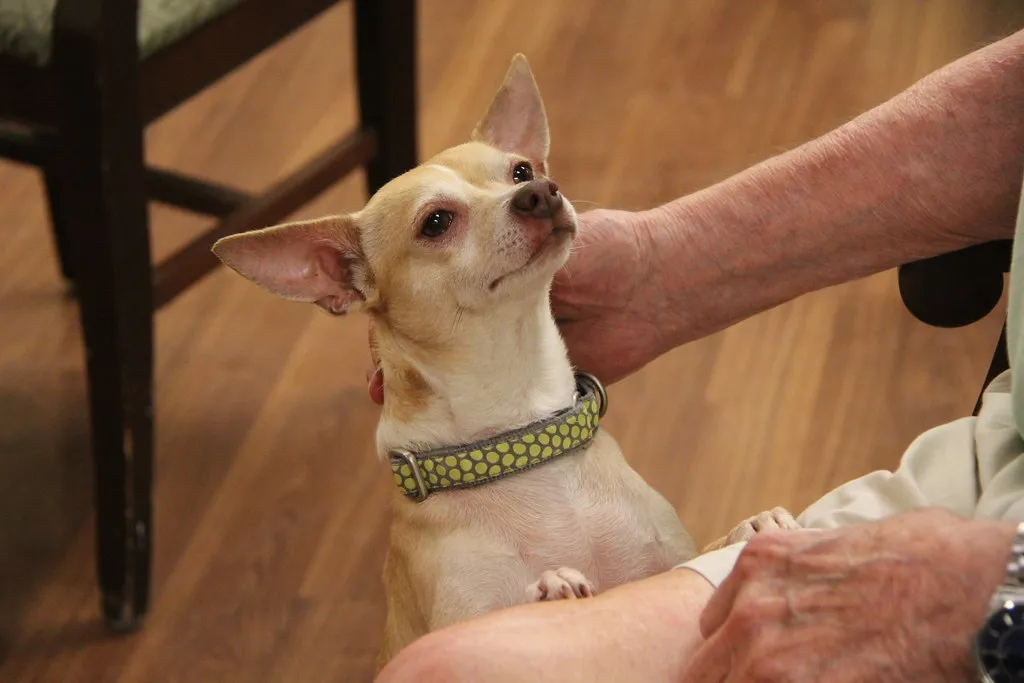
A senior dog aging with grace doesn’t only appear when the food bowl clinks. He still makes what amounts to social visits – leaning on your leg, following you from room to room, asking for slow, gentle petting for no reason at all. Choosing connection for its own sake is a powerful sign his emotional world is still intact.
- Nudging your hand, then falling asleep with his head resting there
- Shuffling into the bathroom just to lie on the mat while you get ready
Some people mistake this for clinginess, but as long as it stays calm and relaxed, it’s comfort-seeking, not panic. The real concern is the opposite – withdrawing from touch, hiding, isolating in strange corners of the house. When your old dog keeps “checking in” throughout the day, he’s telling you, in the only language he has, that you’re still his safe place.
#10 – They Accept Help Without Losing Their Dignity
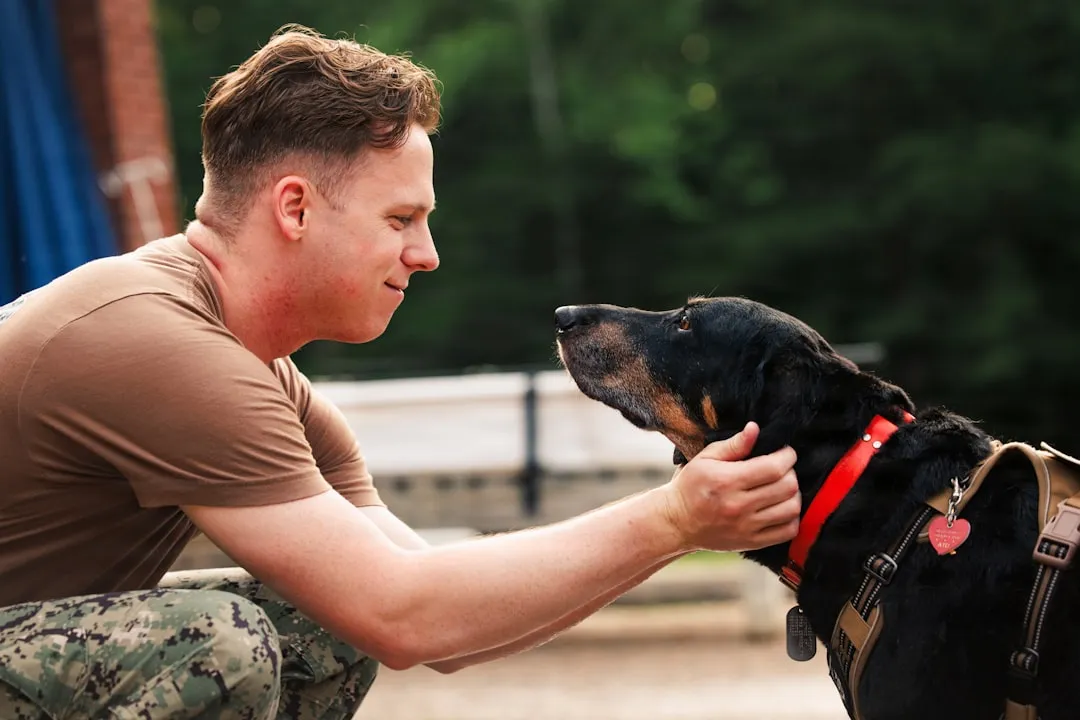
This is where a lot of owners struggle emotionally. Using ramps, slings, or joint supplements can feel like admitting your dog is old. But one of the clearest signs a dog is aging well is letting you help him – and then carrying on without shame or distress. Dogs don’t carry our ego about aging; they just feel safer when their needs are met.
- Steadying him as he steps into the car
- Lifting his back end up the stairs with a harness
A dog coping poorly often fights, panics, or shuts down when you try to help. A dog aging gracefully might look confused the first few times, then accept the support and relax into it. He’s not embarrassed. He’s relieved. The real loss of dignity is forcing him to struggle just to prove he’s still young.
#11 – Their Accidents Come With Signs They Still Care
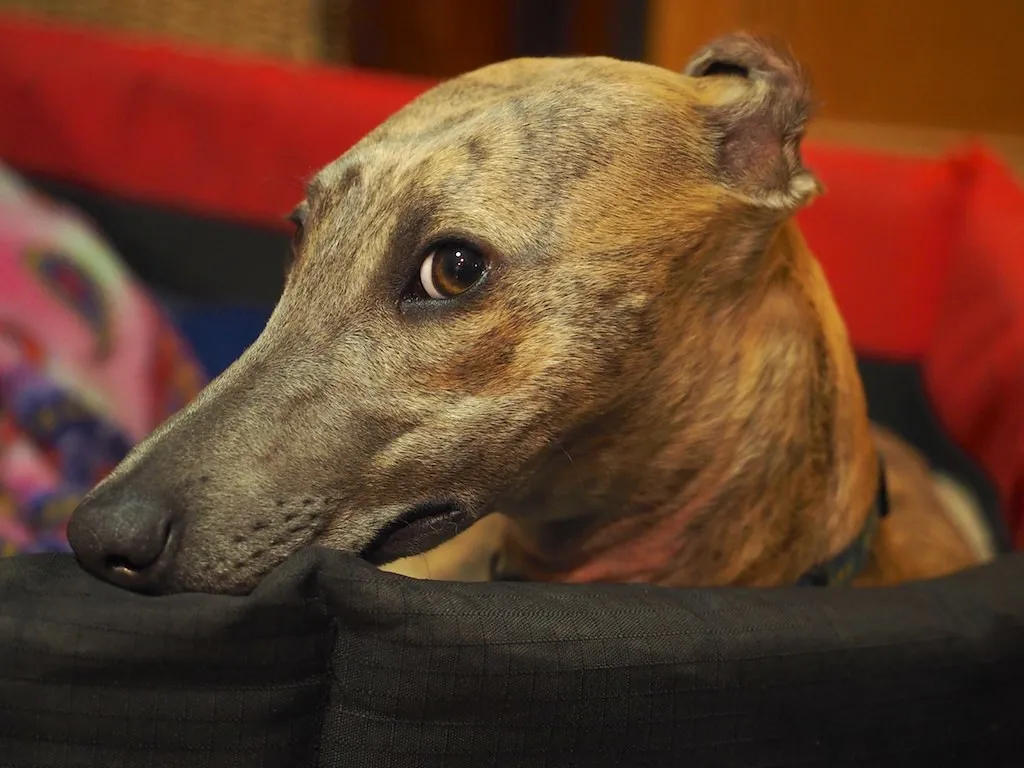
Here’s the one nobody wants to talk about: occasional accidents don’t automatically mean your dog is “failing.” How he responds afterward tells you far more than the mess itself. A senior dog who looks guilty, seeks you out, or tries to move away from soiled bedding is actually showing awareness and concern about his environment.
- Standing by the door but not quite able to hold it long enough
- Seeming uneasy after an accident until you clean it up
None of this means you should scold him – ever. It means his brain still recognizes the “rules,” even if his body can’t fully keep up anymore. That’s a very different picture from a dog who lies in a mess and seems completely disconnected, which can signal serious medical or cognitive trouble. A dog who’s clearly bothered by accidents is telling you he still cares about doing right by you.
#12 – Their Bark Changes, But Their Voice Is Still Theirs
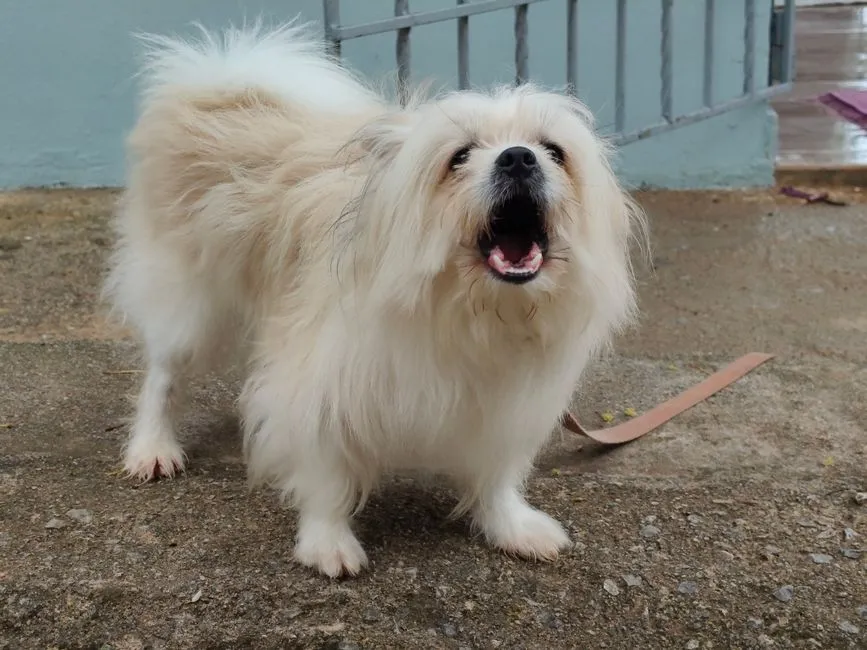
Owners often notice their dog’s bark getting softer, hoarser, or less frequent and assume the worst. In reality, a changing voice with a consistent purpose is far less concerning than sudden silence or nonstop vocalizing. A senior dog who still “uses his voice” to greet you, protest bath time, or announce the mail is staying engaged with his world.
- A shorter, croakier woof instead of a booming guard-dog bark
- A single “I see you” bark instead of a full meltdown at the window
What worries behaviorists more is either obsessive barking at nothing for long stretches, which can hint at cognitive decline, or a once-chatty dog going strangely mute. When the voice changes but the meaning stays exactly the same – “You’re home!” or “Someone’s here!” – that’s usually just aging, not a crisis.
#13 – They Still Get Curious About Small, Quiet Things
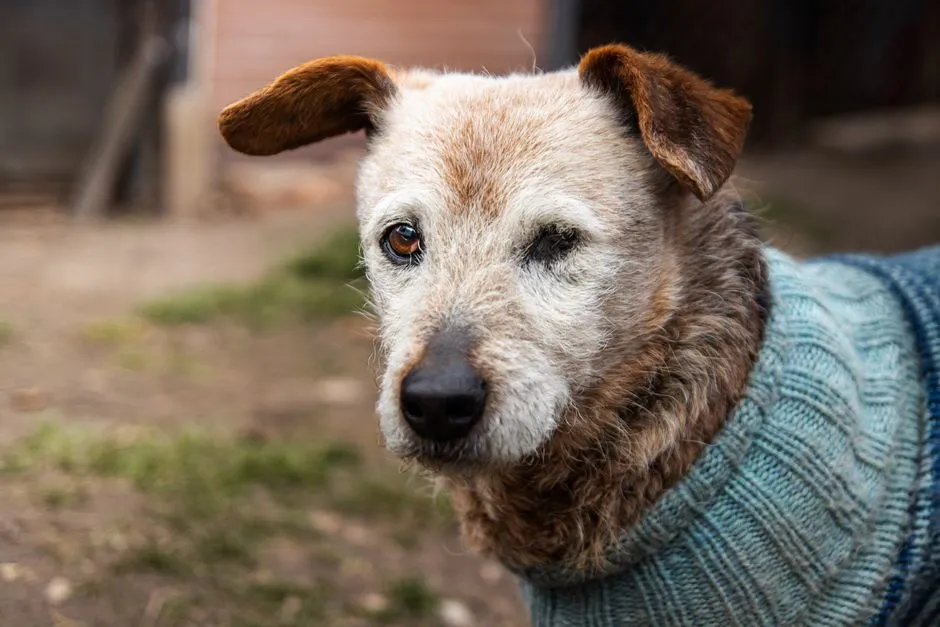
Curiosity doesn’t have to look like exploring mountains and beaches. In older dogs, it often shrinks down into small, quiet moments – sniffing a new plant, watching birds through the window, investigating the bag you just brought home. That tiny spark of interest is a huge quality-of-life marker.
- Pausing to sniff a new smell on the sidewalk instead of getting dragged past it
- Gently checking out a new toy, treat, or visitor, even without fully engaging
Curiosity is the opposite of emotional shutdown. A dog who has stopped caring about anything new – food, smells, people – often isn’t just “tired.” He may be depressed, in pain, or genuinely unwell. The senior dog who still pauses to investigate your grocery bag is quietly saying, “I’m still in this.”
#14 – Their Good Days Still Outnumber the Bad
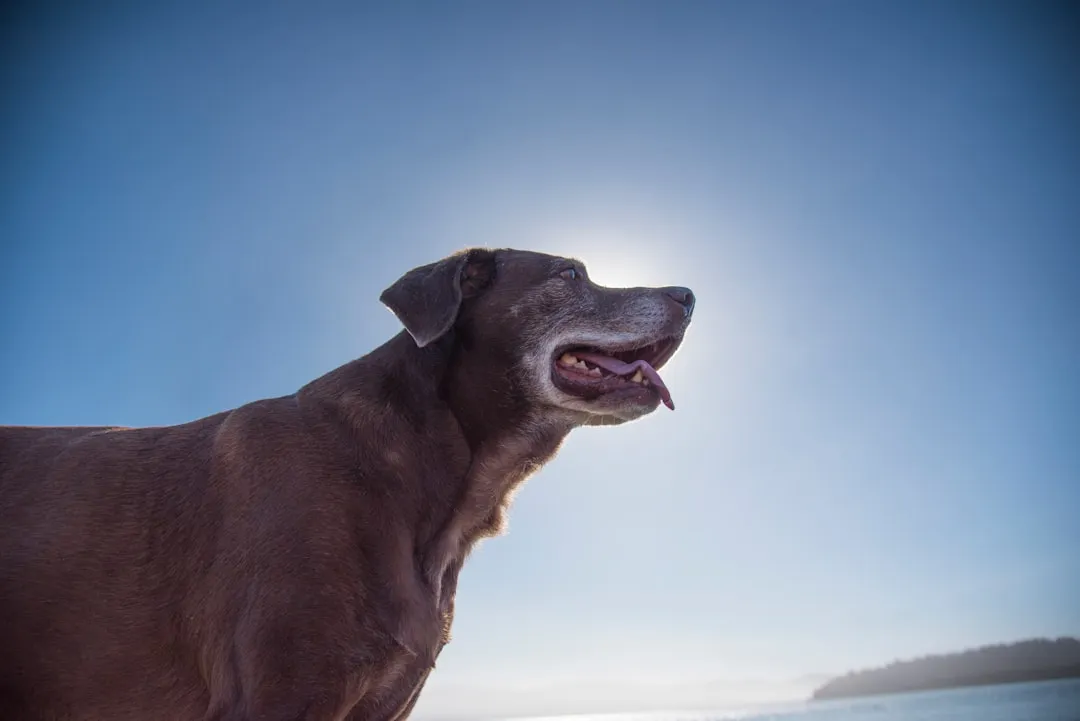
One of the most overlooked habits of a senior dog aging well is simply this: the overall pattern still leans toward good days. You’ll start to recognize the bad-day signs – stiffness, extra naps, less interest in walks – but you can also point to plenty of days where he seems comfortable, engaged, and fully himself.
- Bright-eyed, involved “up” days that still show up regularly
- Bouncing back after a rough day with rest, meds, or a quiet schedule
This doesn’t mean life is perfect – aging never is. But when you actually step back and count, there are still more days you’d call “content” than “struggling.” That ratio is a real metric many vets use when discussing quality of life. When bad days start steadily outnumbering the good, the story changes.
At a Glance: The Vet’s “Good Days” Scale
- Veterinary oncologist Dr. Alice Villalobos created a widely used quality-of-life checklist known as the HHHHHMM scale.
- It scores seven areas: Hurt, Hunger, Hydration, Hygiene, Happiness, Mobility, and More good days than bad.
- That final “M” – more good days than bad – is exactly the pattern owners are watching for at home in this section.
- Hospice-trained veterinary teams still use this same framework today to help families evaluate how their dog is really doing.
We don’t get to choose whether we have to say goodbye to our pets. We just get to decide how.
Jon Katz
#15 – They Know How to Say “I’m Done for Today” – Not Forever
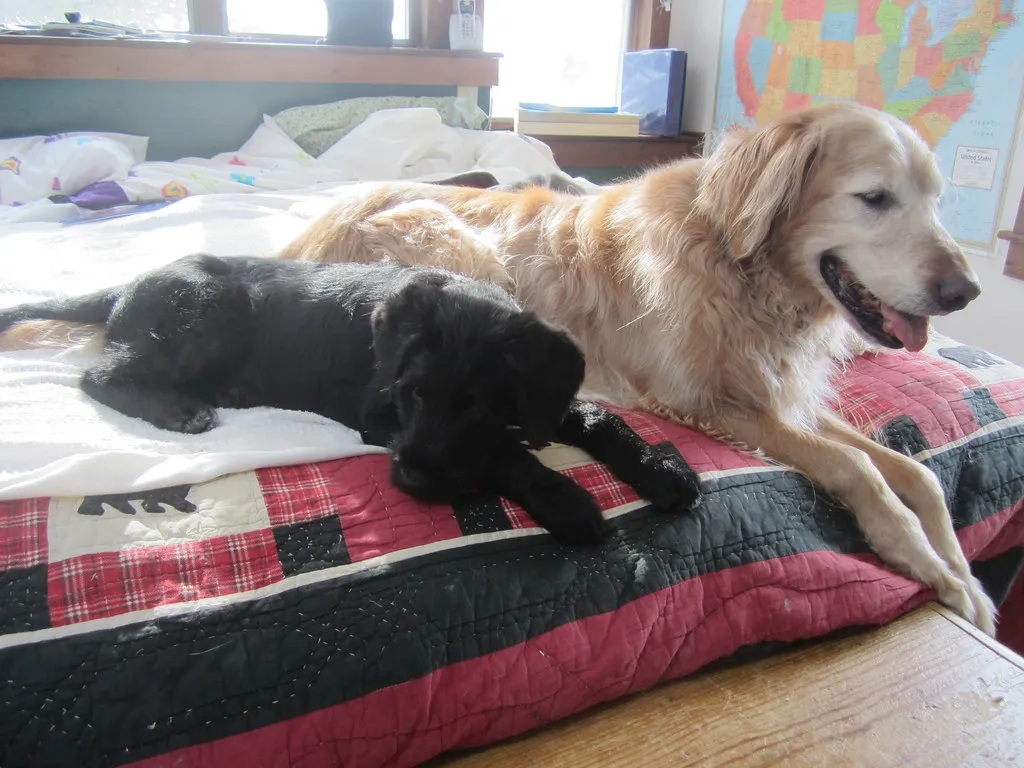
This last one tends to catch people off guard emotionally. A senior dog aging with grace gets really good at saying, “That’s enough for me today.” It might be walking back toward the house after five minutes, turning away from a game of fetch, or slipping out of the room when the kids get too loud. It isn’t rejection – it’s self-respect.
- Pausing, looking at you, then calmly heading to his bed
- Accepting a few pets, then gently shifting away and sighing down
When you honor those boundaries instead of pushing him to do “just one more,” you’re working with his aging process instead of against it. A dog who can clearly say “I’m done” and then rest peacefully afterward is usually still very much okay inside. That quiet boundary, oddly enough, is one of the strongest signs of real grace.
The Bottom Line
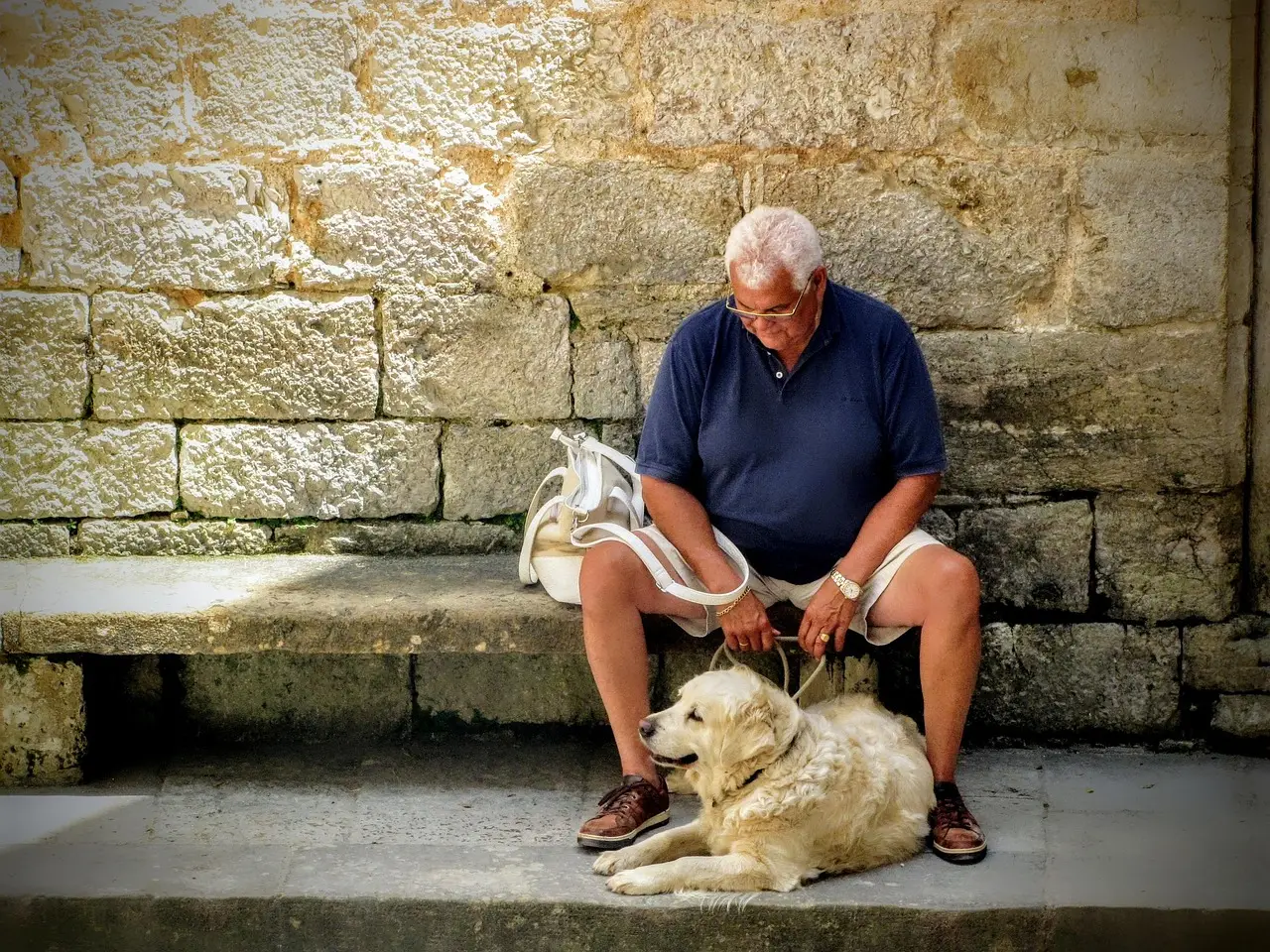
The truth most people miss is that graceful aging in dogs almost never looks like “He’s fourteen and still acts like he’s two!” That might get the likes on social media, but it often ignores pain, exhaustion, or anxiety hiding underneath the energy. The real markers are quieter: self-paced movement, deep but rhythmic sleep, small sparks of curiosity, and a dog who still chooses you and chooses comfort.
They may need ramps, meds, or help with the stairs, and none of that makes them any less of a good dog. What matters is the overall pattern, not perfection – more good days than bad, more calm contentment than constant struggle. If your senior dog is slower, softer, and more selective, but still shows up for food, for you, and for the small stuff, he’s probably aging better than most of us ever will.
Do you see these gentle habits in your own old dog, or do you think something else defines aging well? Drop your take in the comments.
