
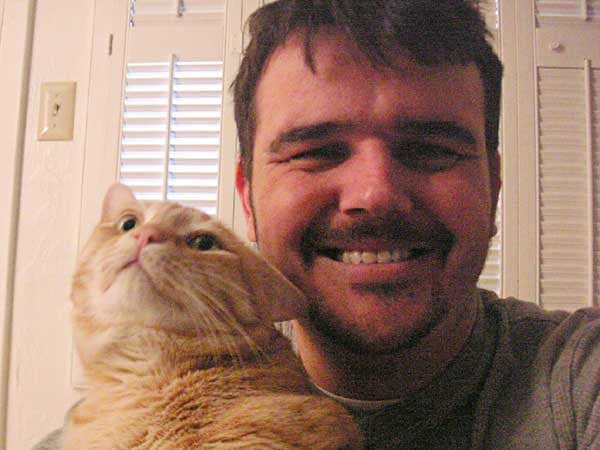
Walk into any shelter and it feels like you’re the one calling the shots – scanning kennels, deciding who’s “the cutest,” who “seems friendly.” Longtime rescuers know better, and they’ll tell you with a knowing smile: the cat usually picks first.
The real decision happens fast, quiet, and almost invisible to the untrained eye. A stressed, guarded cat who’s been hiding all day suddenly stops hiding – for you. Shelter staff call these moments micro-signs, and once you know what to look for, you’ll never walk past a kennel the same way again. Here are the 14 signs that a shelter cat has already chosen you, whether you’ve noticed it yet or not.
#14 – They Notice You the Second You Walk In
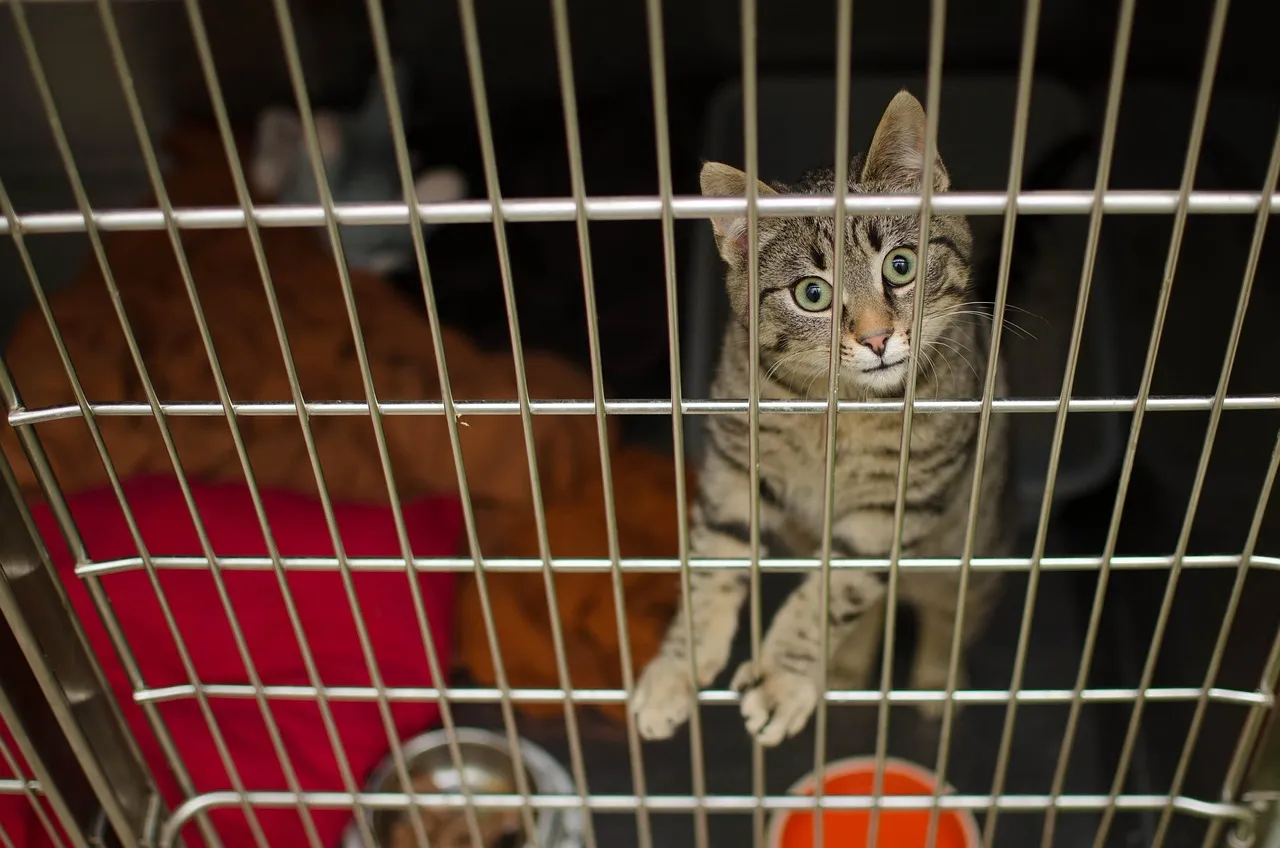
When a cat has quietly decided you’re “their” person, they clock you instantly – not with a casual glance, but something closer to a laser lock. Walk past a row of kennels, and if one cat immediately tracks your movement and refuses to look away, that’s not random chance.
In a stressful shelter environment, most cats shut down and avoid eye contact altogether. The ones who stay locked on you, ears forward, pupils normal, are actively sizing you up. Staff will often say something like, “That one’s been hiding all day, but suddenly they’re out for you” – and that shift matters more than people realize.
- Head slightly tilted toward you
- Slow blinks starting almost right away
If a cat stays glued to you while tuning out the chaos around them, that’s your first real clue something is happening. And it only gets more telling from here.
#13 – They Give You an Instant Slow Blink
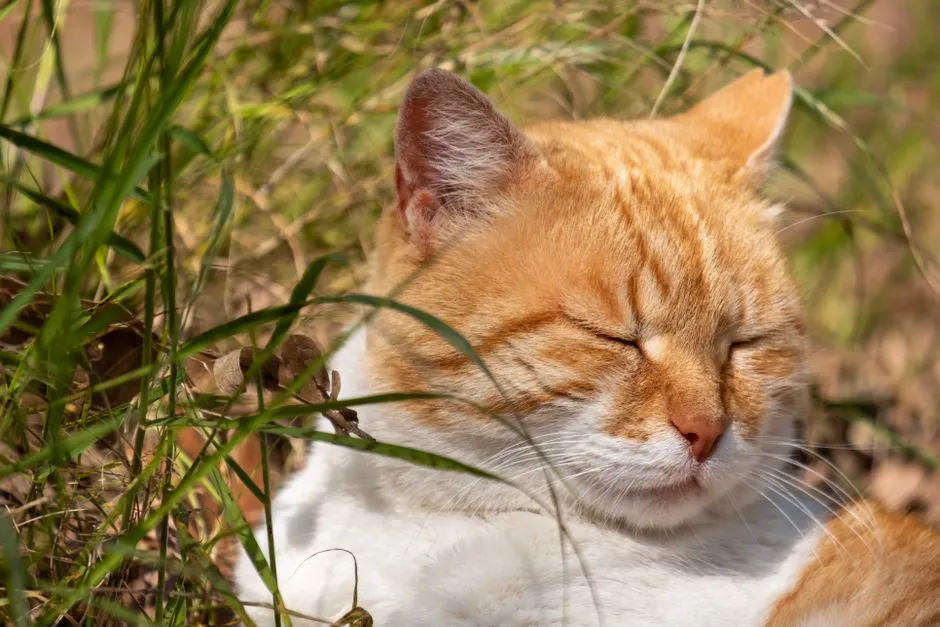
Most visitors think a slow blink is just “cute.” Behaviorists call it something more specific: a trust confession. Shelters are loud, chaotic, and full of strange smells – not exactly the setting where cats hand out soft social signals for free.
So when you stop at a kennel and a cat holds your gaze, then gives you that long, sleepy slow blink, it functions almost like a feline handshake. Researchers who study cat behavior interpret it as the cat essentially saying, “I feel safe enough with you to relax.” That’s not a signal they give to just anyone.
- Blink back with soft eyes and a steady gaze
- Watch for them blinking back, shoulders and face softening
If you get a full “blink conversation” going during your very first meeting, that’s sign number two that this cat already sees you differently.
Worth Knowing
- Behaviorists sometimes call slow blinking a “cat kiss”
- Cats rarely offer it to strangers they perceive as a threat
- The gesture usually pairs with soft ears and a loose, swaying tail
- Shelter stress often suppresses this signal until a cat feels truly at ease
#12 – The “Shy” Cat Suddenly Comes Out for You
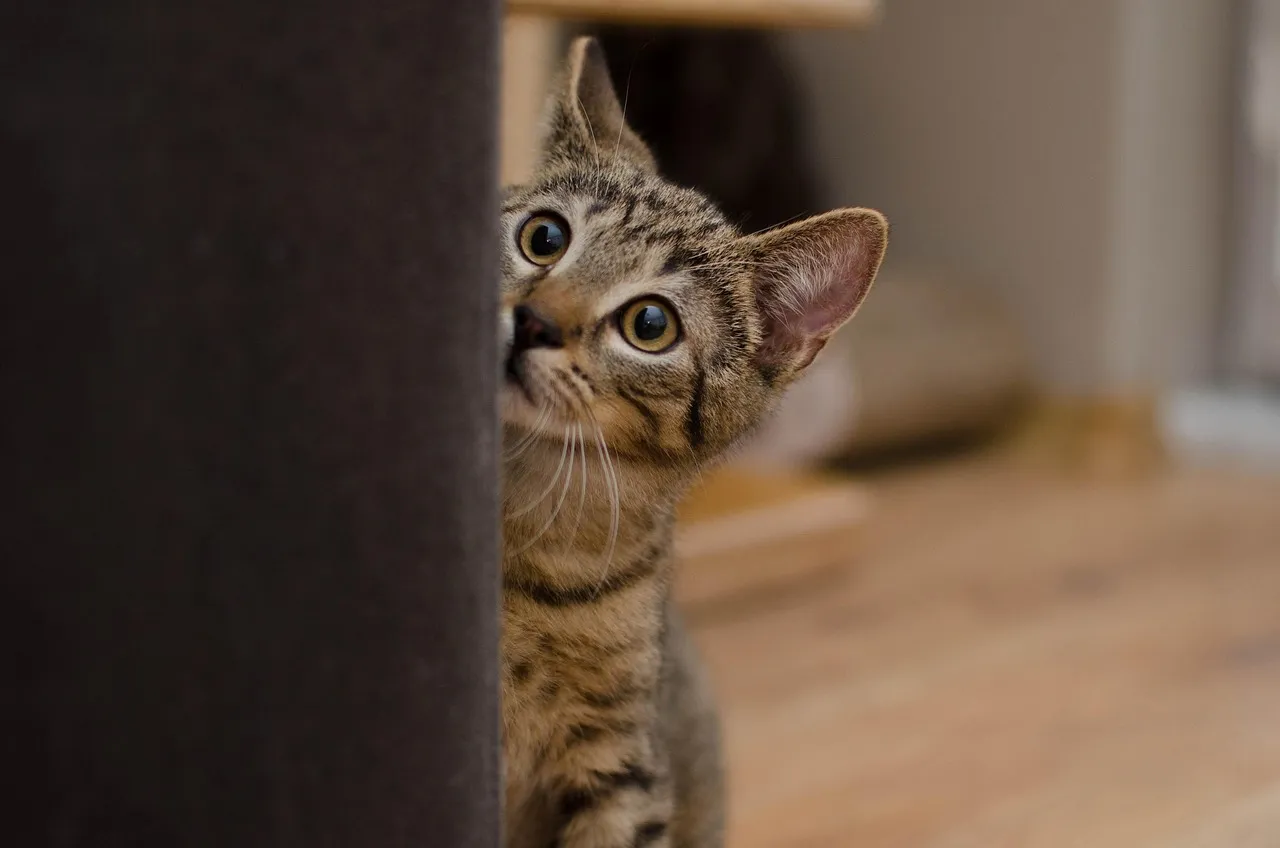
Shelter staff know this one so well it’s practically an inside joke. The cat who’s been hiding in the back of the kennel for days suddenly appears – for you, and seemingly only you.
A truly shy, shut-down cat doesn’t waste precious energy approaching random strangers. So when a volunteer says, “Wow, this is the first time I’ve seen her come out today,” pay close attention. A fearful cat deciding you’re safe enough to leave their hiding spot means you’ve just passed a serious trust test – not general friendliness, but a calculated risk taken specifically with you.
- They emerge slowly but keep moving closer instead of retreating
- Tail low but not tucked, ears forward, body curved toward you
Shy cats don’t perform for the masses. They audition for one person, and if that’s you, you’re not imagining it.
#11 – They Ignore Everyone Else to Focus on You
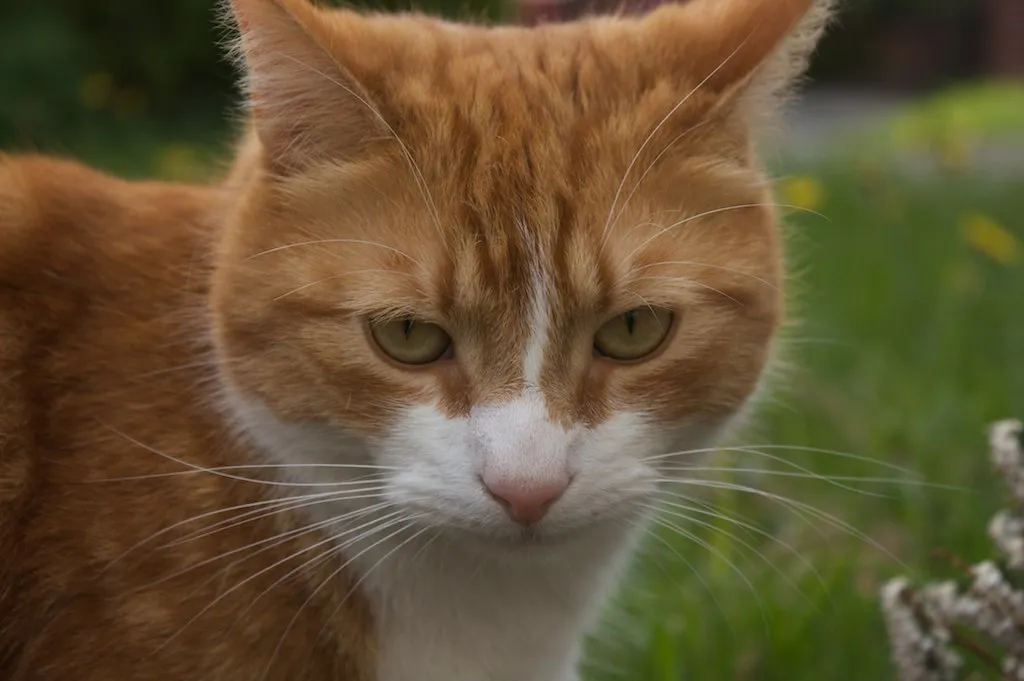
Some cats are social butterflies who’ll greet anyone with a pulse – that’s not what we’re talking about here. When a shelter cat truly chooses you, you’ll notice how ruthlessly they tune out everyone else in the room.
Another visitor might wiggle their fingers at the kennel and the cat won’t even flinch. A loud noise goes off, they glance over, then snap their focus straight back to you. That kind of concentrated attention is rare in a sensory-overload environment, and cats don’t spend it unless they think it matters.
- Staying at “their” side of the kennel even when others try to engage
- Following your movement, pacing with you as you shift position
If they keep reorienting their whole body toward you, like you’re the only channel worth watching, you’re not just another visitor passing through.
#10 – They Rub Their Face Where You Touched
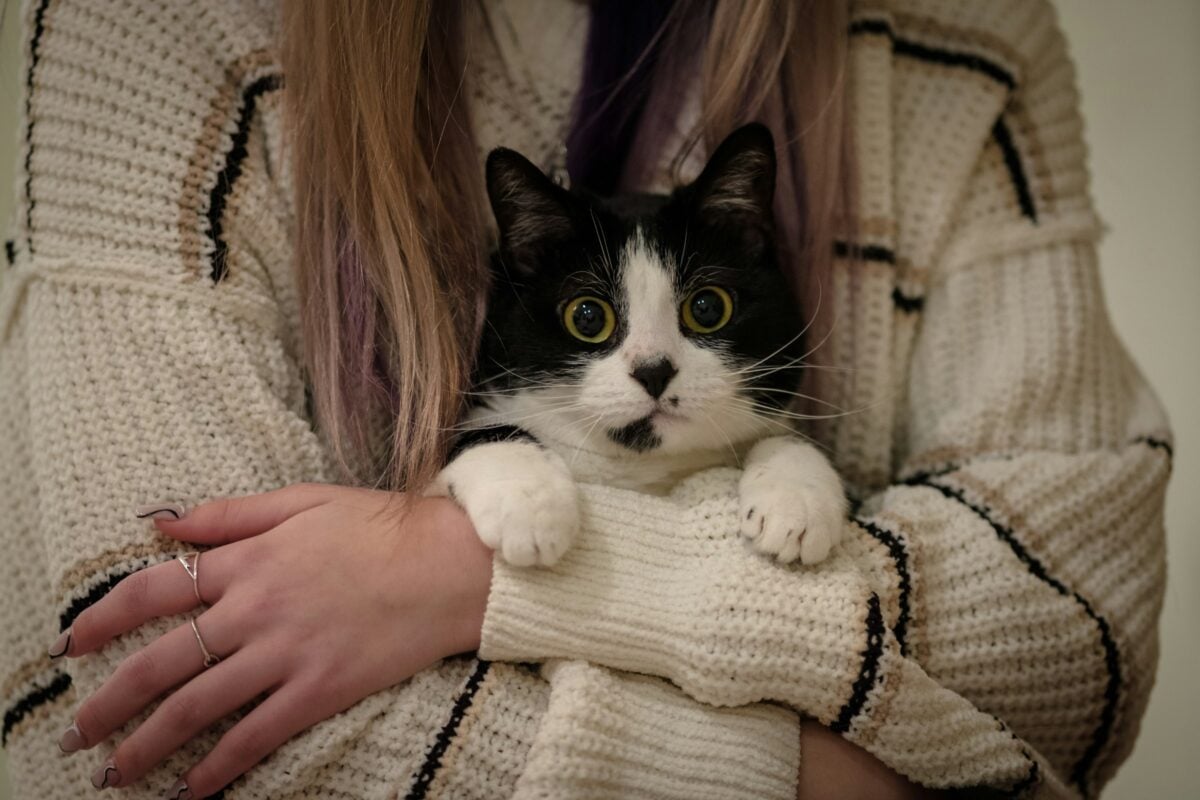
People obsess over head-butts and totally miss a subtler, more serious move: scent marking after contact. When you touch the kennel bars or gently stroke a safe spot with staff permission, and the cat later rubs their face exactly where your hand was, that’s not a coincidence.
Cats carry scent glands on their cheeks and lips. By deliberately marking over your touch, they’re layering their scent on top of yours – essentially filing you under “mine.” It’s understated, but it’s ownership, and a cat that marks that fast isn’t just curious. They’re investing.
- You touch the bars or offer a finger
- They investigate, maybe sniff or brush against it once
- After a beat, they return and really grind their cheek along that spot
That quiet little ritual means more than it looks like – you’ve just been claimed.
#9 – They Relax Their Body Completely in Your Presence
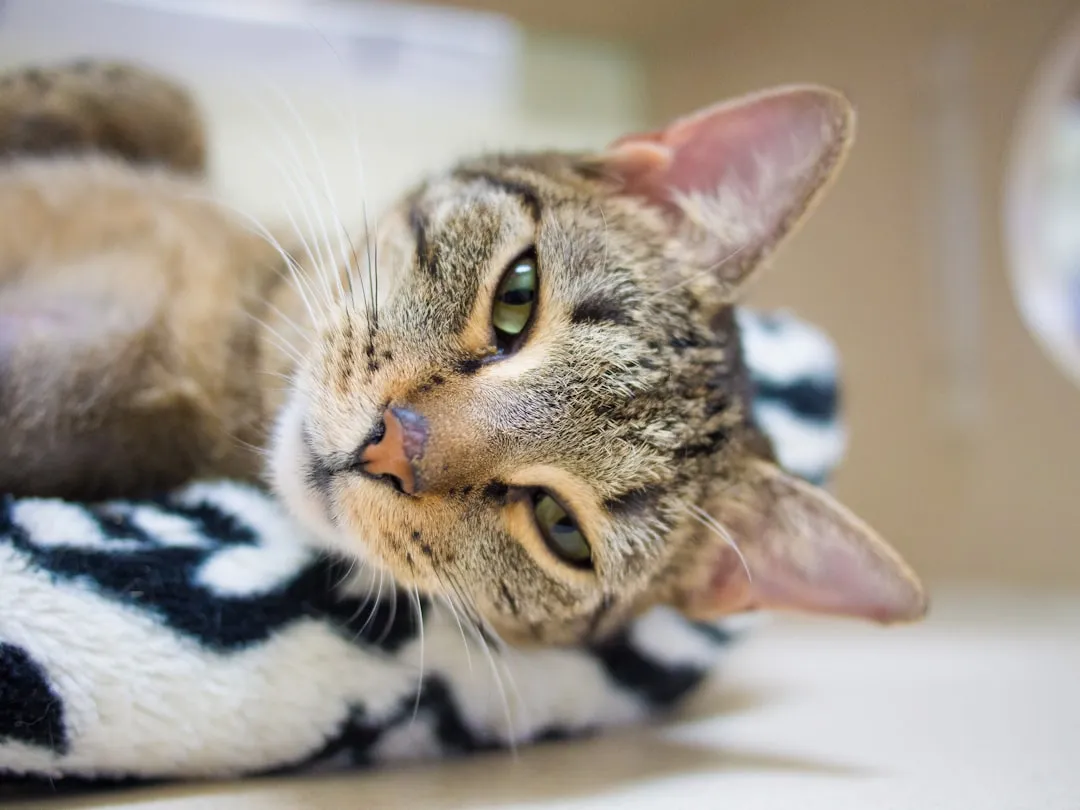
In a shelter, true relaxation is rare. The default mode is tension: tight shoulders, curled tail, paws tucked into a tight, ready-to-spring loaf. So when a cat’s body language shifts noticeably around you compared to everyone else, pay attention.
You might watch them go from stiff and upright to fully flopped on their side, belly exposed, legs stretched out. That doesn’t necessarily mean “rub my belly” – it means “I’m willing to be vulnerable around you,” and cats don’t offer that without feeling a very specific kind of safety.
- Slow breathing, half-closed eyes, whiskers loose and forward
- Tail lying still or gently curling instead of twitching at the tip
If they go from hyper-alert with strangers to melting into a puddle the second you kneel down, the environment didn’t change – you did.
Quick Compare
- Tense cat: ears pinned sideways, tail tucked or thumping, crouched low, pupils wide
- Relaxed cat: whiskers loose and forward, half-closed eyes, belly exposed
- Tense cat: quick, jerky head turns toward every sound
- Relaxed cat: slow, steady breathing and a softly swaying tail
#8 – They Vocalize Differently When You Approach
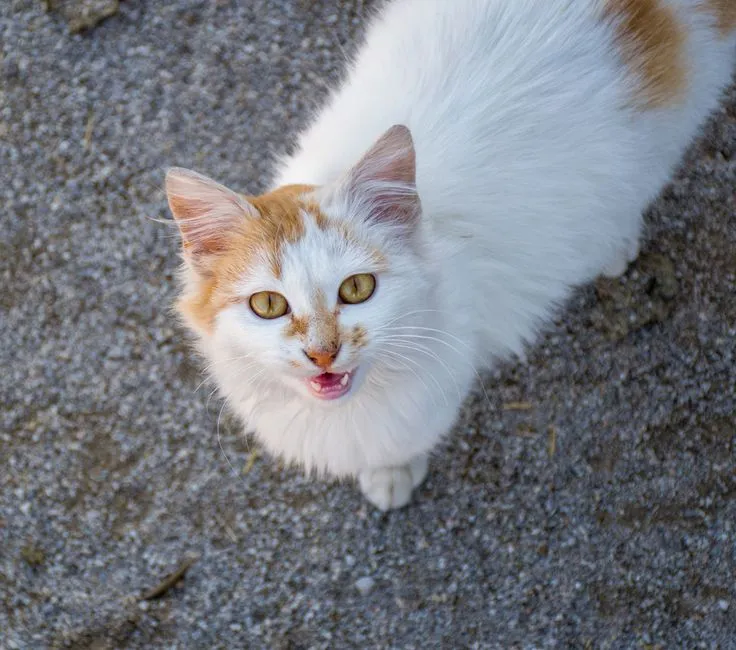
Not all meows are created equal. Cats genuinely change their vocal patterns depending on who they’re “talking” to. Some chosen humans notice that when they return to a kennel, the cat uses a specific, softer, or more insistent meow just for them – a chirp, a trill, an almost-silent squeak.
The tell isn’t the sound itself; it’s the pattern. Quiet or generic with everyone else, suddenly chatty the moment you show up. Researchers who study cat vocalizations suggest cats tailor their calls to get a reaction from specific people, almost like a personalized doorbell only you can hear.
- A meow that starts the instant they see or hear you again
- Shifts in pitch or rhythm that don’t show up with staff or other visitors
Skeptics call it coincidence. Experienced rescuers know better – when a cat saves their “special voice” for you, that bond is already forming.
#7 – They Mirror Your Movements
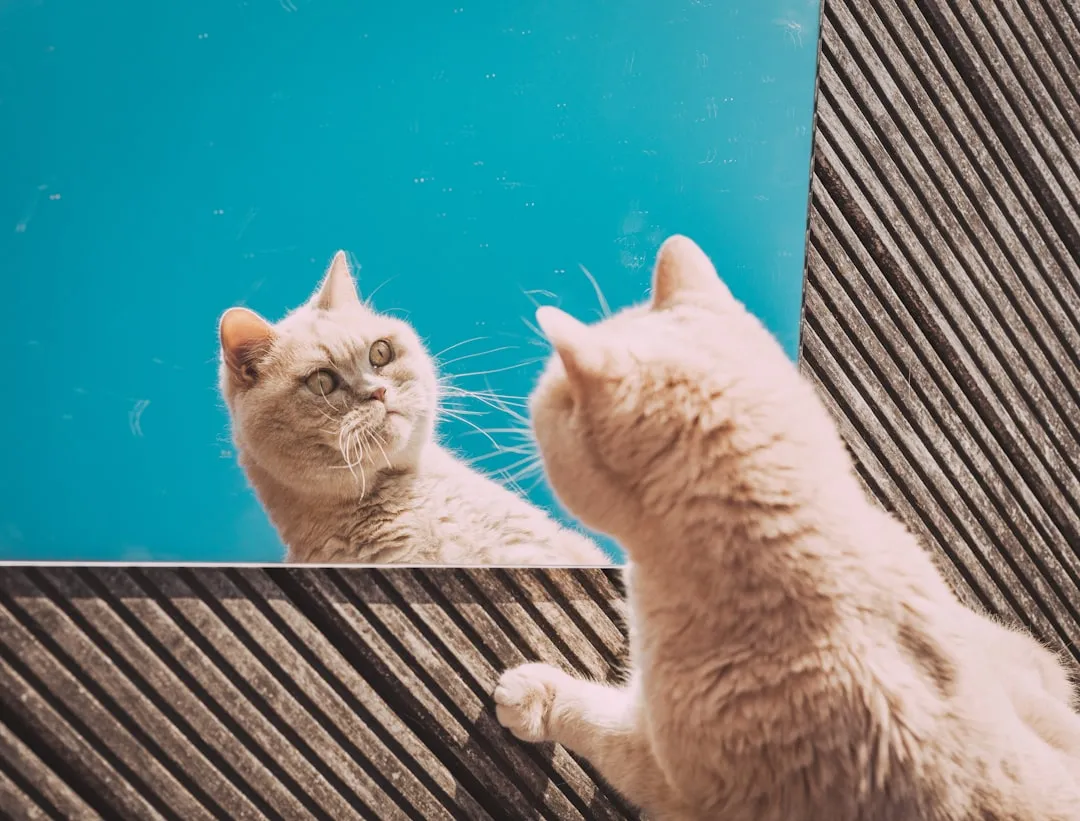
This one feels almost eerie once you notice it, and it’s one of the clearest signs of a real social connection. You lean left, they shift left. You crouch down, they lower themselves. You turn slightly away, they inch closer, matching your posture like a shadow.
This subtle mirroring shows up as a social glue behavior across many species, humans included. When cats do it, they’re trying to sync with you, not just tolerate your presence nearby.
- Walking alongside you inside the kennel as you move past
- Pausing when you pause, sitting when you kneel
Most people miss this because they’re too focused on trying to touch the cat. But a cat mirroring your movements is already doing the emotional work of connecting with you – and that’s miles beyond casual interest.
Why It Stands Out
- Mirroring is considered a bonding signal across many social species
- It requires the cat to actively track and predict your movement, not just react
- Shelter cats rarely bother syncing with someone they plan to avoid
#6 – They Reach Through the Bars Specifically for You
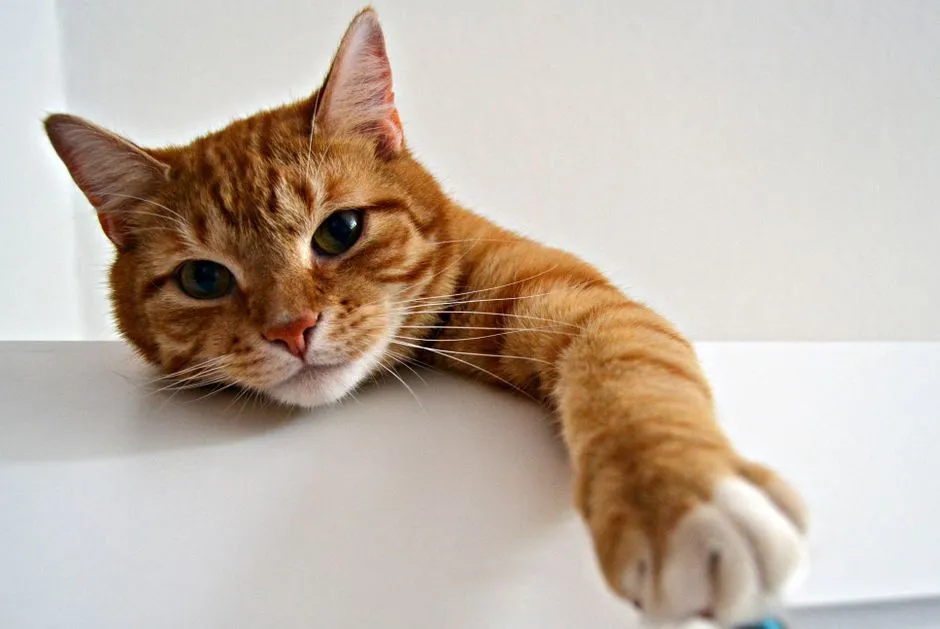
The paw-through-the-bars move is social media gold, but in shelters it actually means something real. Sure, some cats are naturally “handsy” with everyone. But when a mostly reserved cat suddenly extends a paw toward you, hooks your sleeve, or gently taps your hand every time you step away, that’s targeted engagement.
They’re not bored – they’re physically trying to keep you there. Plenty of adopters describe the exact same moment: “I walked away and he kept patting at me. That’s when I knew.”
- Soft reaching with claws retracted signals they’re seeking contact
- Grabbing and holding on is stronger “stay with me” energy
If a cat saves that paw-for-attention trick only for you, it’s not an accident. It’s a deliberate attempt to hold onto the connection they just felt.
Fast Facts
- Retracted claws during a reach signal invitation, not warning
- A single tap usually means curiosity; repeated patting means “stay”
- Cats rarely initiate paw contact with someone they view as unsafe
#5 – They Calm Down When You Talk
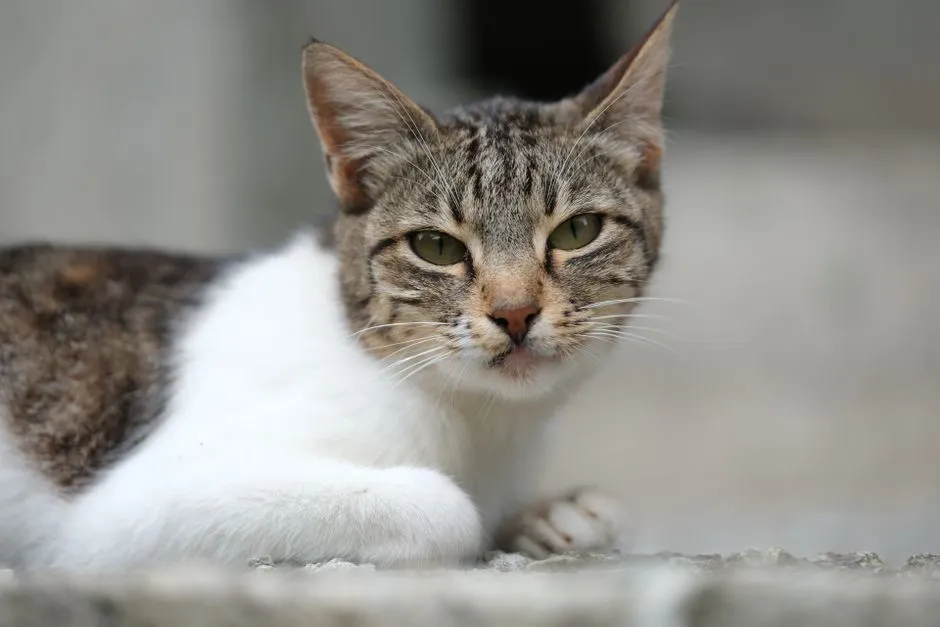
This is where you can literally watch your emotional impact on them play out in real time. Some shelter cats pace, cry, or swat at the bars nonstop. But every so often, one of them will visibly settle the moment you start talking in a calm, steady voice.
Their pacing slows. Their tail quiets. Their eyes soften. That kind of nervous-system shift doesn’t happen with every stranger who walks by – it happens when a particular person’s presence genuinely soothes them.
- Breathing visibly slowing while you’re there
- Distress vocalizing switching to quiet chirps, or silence, as you speak
Cats are remarkably sensitive to tone and rhythm. If your voice becomes their “safe sound” on the very first meeting, that’s not something to shrug off – a cat regulating their own stress around you is already attaching.
#4 – They Turn Their Back on You (In the Best Possible Way)
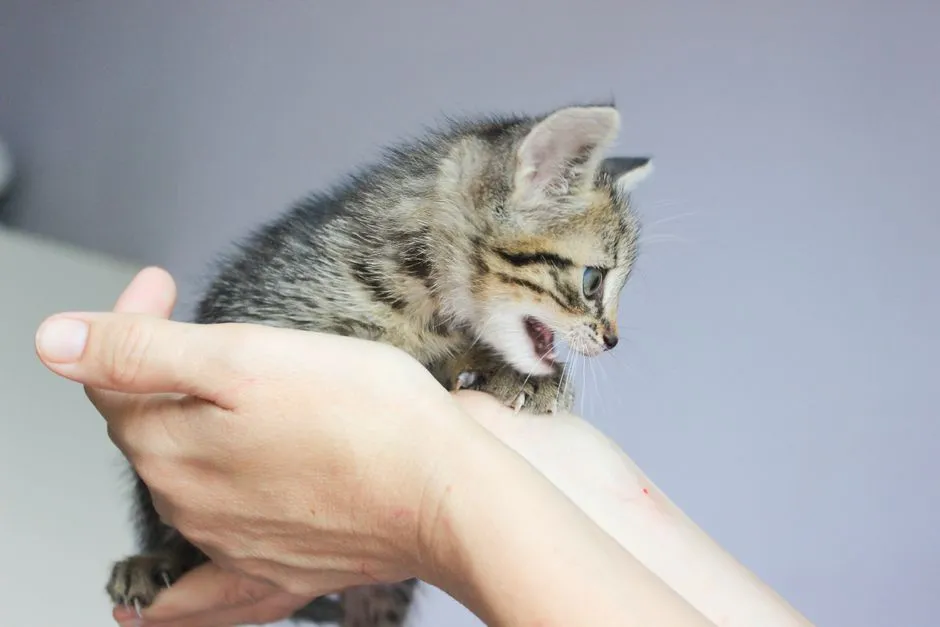
This one sounds backward, and it’s where a lot of people misread the moment entirely. In cat language, turning their back on you isn’t rude – it’s trust. By sitting with their back or side facing you, they’re deliberately exposing their blind spot, which is a cat’s way of saying, “I don’t feel the need to watch you for danger.”
In a shelter, where most cats stay pressed to the back of the kennel facing the door at all times, choosing to turn away from you specifically is a big deal.
- A cat that initially faces you, sniffs, then calmly turns and lies down with their back toward you
- Tail tip occasionally flicking against the bars near your hand – a quiet “I know you’re there”
Most visitors chase eye contact as the only proof of bonding. But a cat comfortable enough to stop monitoring you altogether is choosing you on a much deeper level of safety.
#3 – They Remember You on Your Second Visit
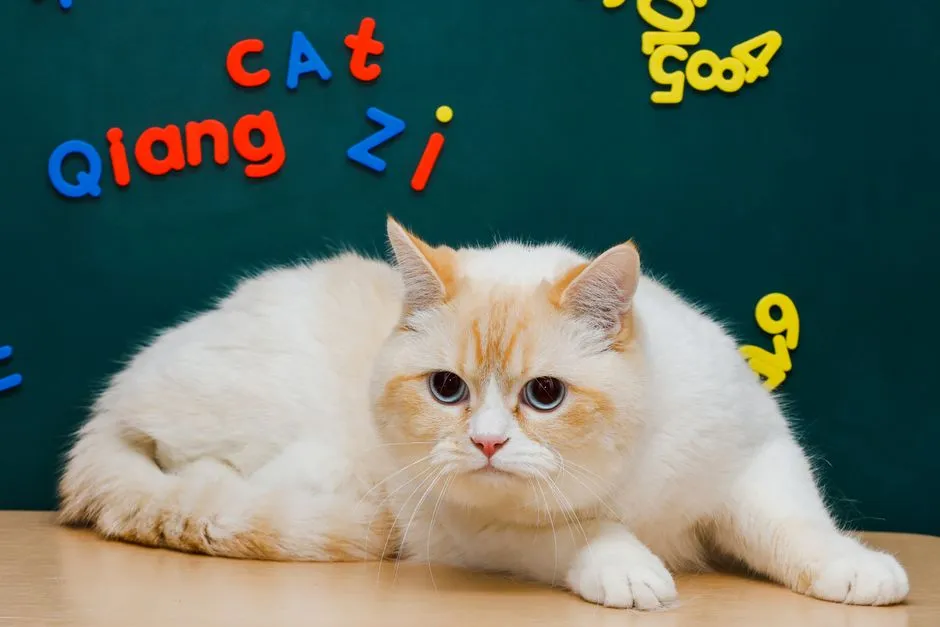
Plenty of people do a “thinking about it” visit and assume every cat will react the same way each time they come back. They won’t. If you return another day and the same cat immediately lights up at the sight of you, that’s not basic friendliness – that’s memory.
We’re talking about a cat who recognizes your footsteps or voice, rushes to the front, and behaves like you’re already a regular in their life. Cats have strong associative memory, and once they file you under “good things happen,” that imprint sticks hard.
- Going from resting to fully engaged the second you appear, even before you speak
- Repeating a unique behavior they only ever did with you, like a particular trill or paw tap
If a cat acts like you’ve come home instead of just walked in, the bond is already well underway.
#2 – They Let You See Their “Real” Personality Fast
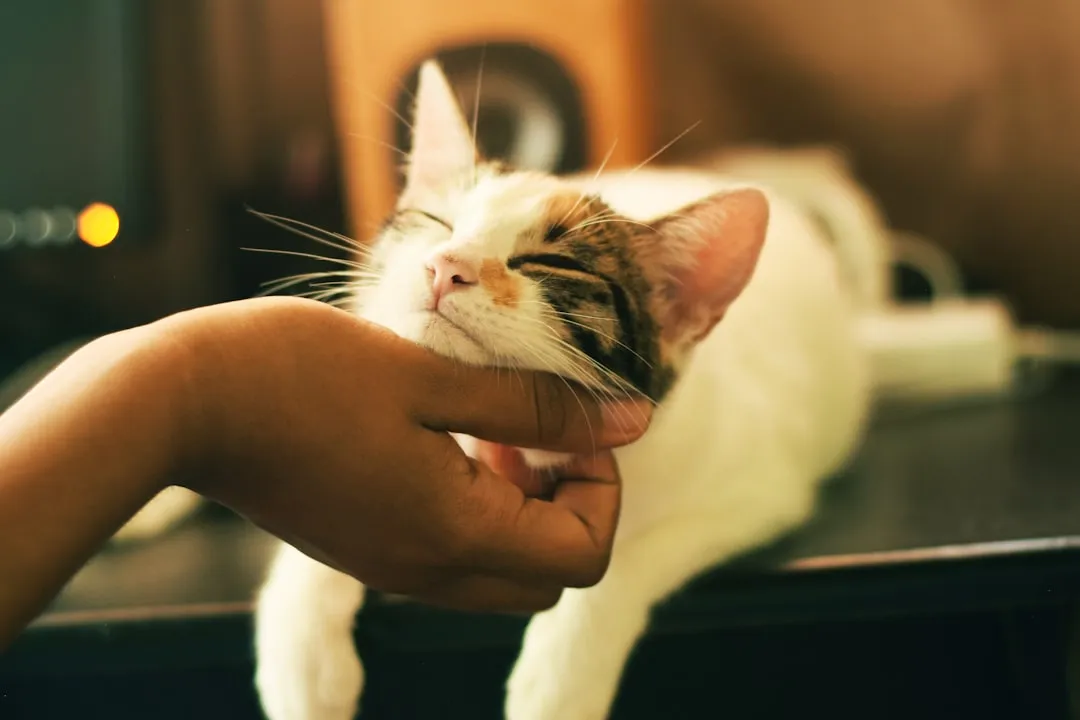
Most shelter cats show a flattened, guarded version of themselves. What you see on day one usually isn’t the real cat. But when a cat chooses you, they’ll sometimes drop that mask in record time.
The “quiet, low-energy” cat suddenly plays with a toy you’re holding. The supposedly aloof cat starts rolling dramatically, making biscuits, or chasing shadows the moment you’re around. Staff are often genuinely stunned: “We’ve never seen him do that before.” That’s your signal this isn’t just chemistry – it’s a rare unlock.
- Switching from shut-down to goofy or affectionate only when you interact
- Curiosity exploding – exploring, sniffing, gently testing boundaries around you
You’re not imagining that you’re getting a different cat than everyone else sees. You’re witnessing the version they were saving for the right person.
At a Glance
- Shelter stress can mask a cat’s real personality for days or weeks
- Consistent visits, scent, and voice tend to speed up the “reveal”
- Staff often track personality shifts tied to specific visitors
- A fast personality unlock is treated as a strong adoption signal by many rescuers
#1 – They Make It Emotionally Hard for You to Walk Away
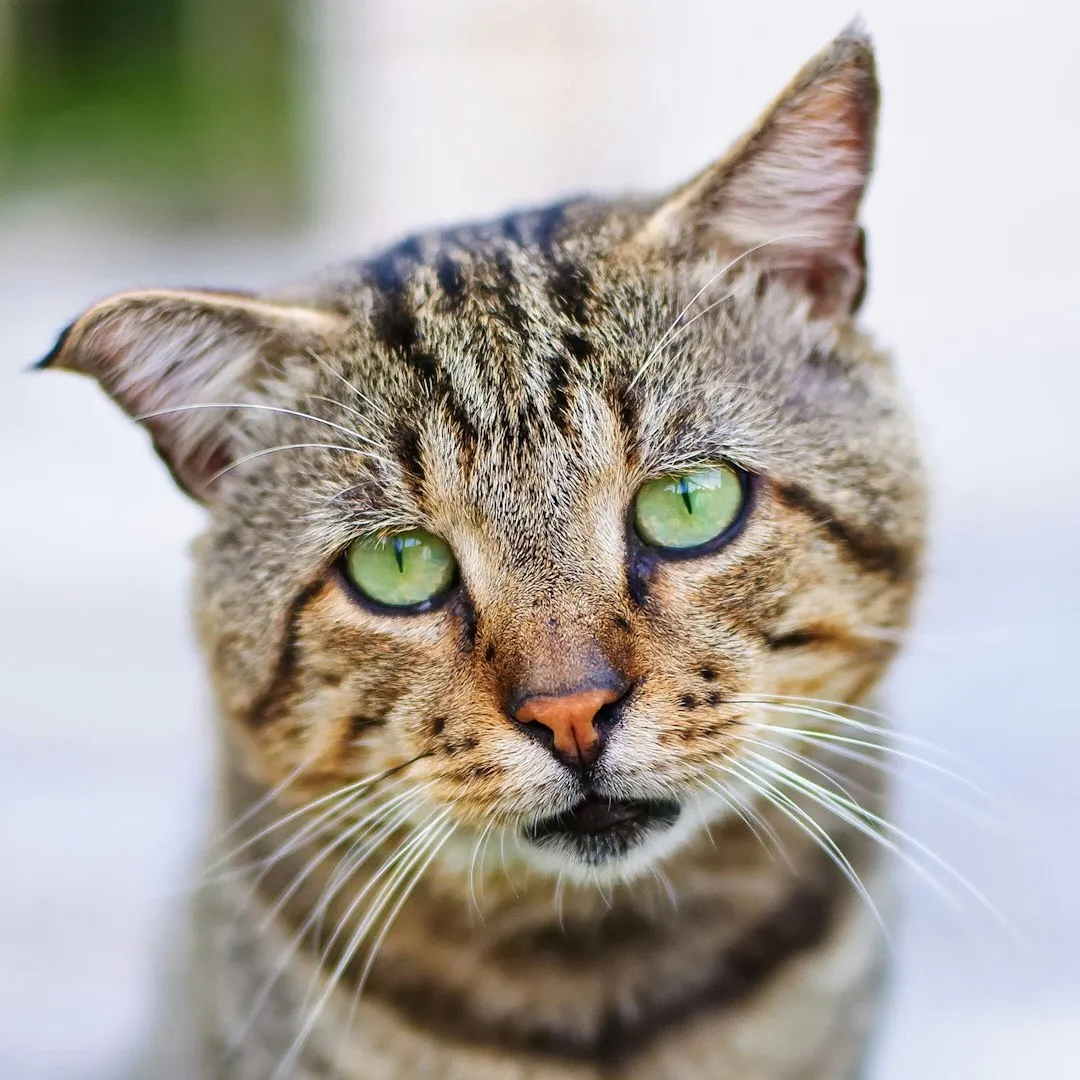
This is the one almost every “I wasn’t planning to adopt” story has in common. You step away, and something in your chest pulls like a hook. The cat watches you leave with a look that feels uncomfortably personal – ears soft, body pressed toward you, maybe one small cry as you go.
Rationally, you know hundreds of cats need homes. But this one suddenly feels like more than just another animal in a cage, and that emotional punch isn’t magic. It’s your brain responding to every micro-signal this cat has thrown at you in a very short window of time.
- You keep circling back to their kennel without meaning to
- Other cats blur together in your memory, but this one stays in sharp focus
Some people will call it “meant to be.” Behaviorally, it’s simpler than that: a two-way attachment spark you can either listen to or ignore. When walking away feels that hard, the cat has already chosen you – and your nervous system already knows it.
The Bottom Line
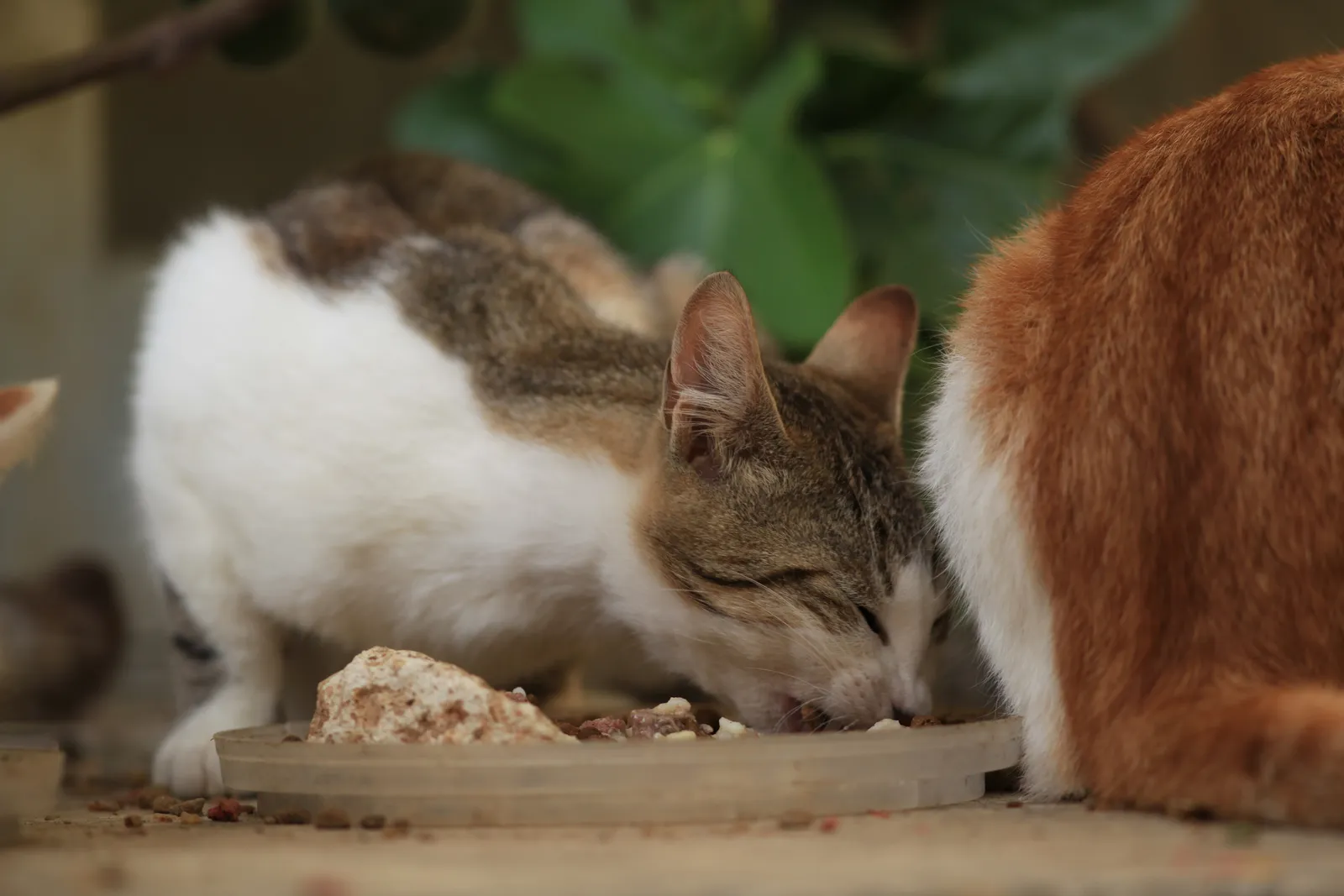
Most people think choosing a shelter cat comes down to who looks cutest or who seems the friendliest in the moment. The truth is harsher, and honestly more beautiful: the deepest bonds happen when a cat, under real stress and uncertainty, still decides you’re worth the risk.
A slow blink in a noisy room. A shy cat creeping out just for you. That oddly specific meow nobody else gets to hear. These aren’t throwaway moments – they’re trust tests you happened to pass without even realizing you were being evaluated.
Not every dramatic gesture is destiny, and plenty of great matches form without fireworks on day one. But when several of these signs stack up in the same tiny kennel, it’s not an accident. That cat isn’t hoping for just any home. They’re quietly betting on you – and if you ask most rescuers, that’s the only kind of “choosing” that ever really works. Did your shelter cat pick you in a way that didn’t make this list? Tell your story in the comments – rescuers really do read those more closely than you’d think.
