
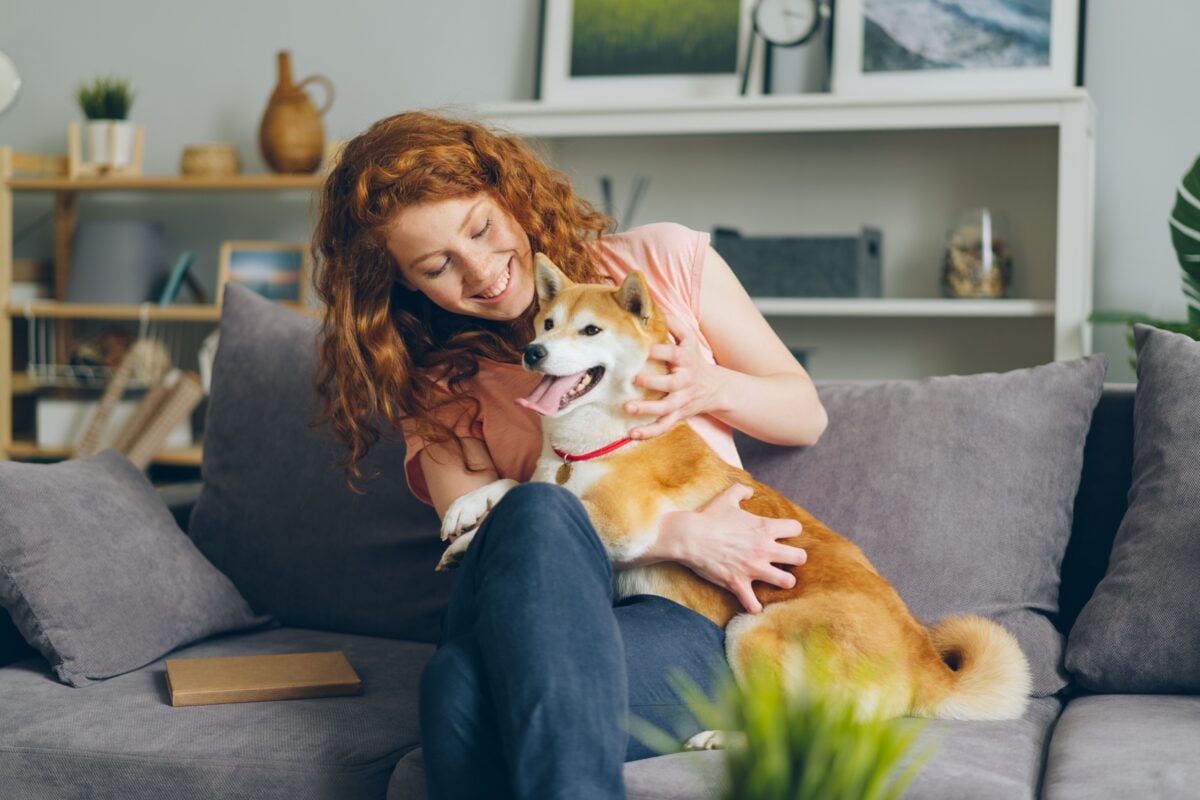
Everyone assumes a rescue dog “settles in” the day you sign the adoption papers and snap that proud car-ride selfie. Trainers and shelter behaviorists know better. The real moment a once-overlooked dog decides you’re home doesn’t come with fireworks – it creeps in weeks, sometimes months later, hidden inside behaviors most new owners misread as bad manners.
Miss these signals and you might spend months quietly assuming your dog is clingy, stubborn, or ungrateful, when really you’re watching the slow, unglamorous proof that it worked. Below are the real markers experienced rescuers and behaviorists watch for – the ones that separate a dog just living in your house from a dog who has finally claimed it as home.
#13 – They Finally Sleep Like They’re Not on Guard Duty
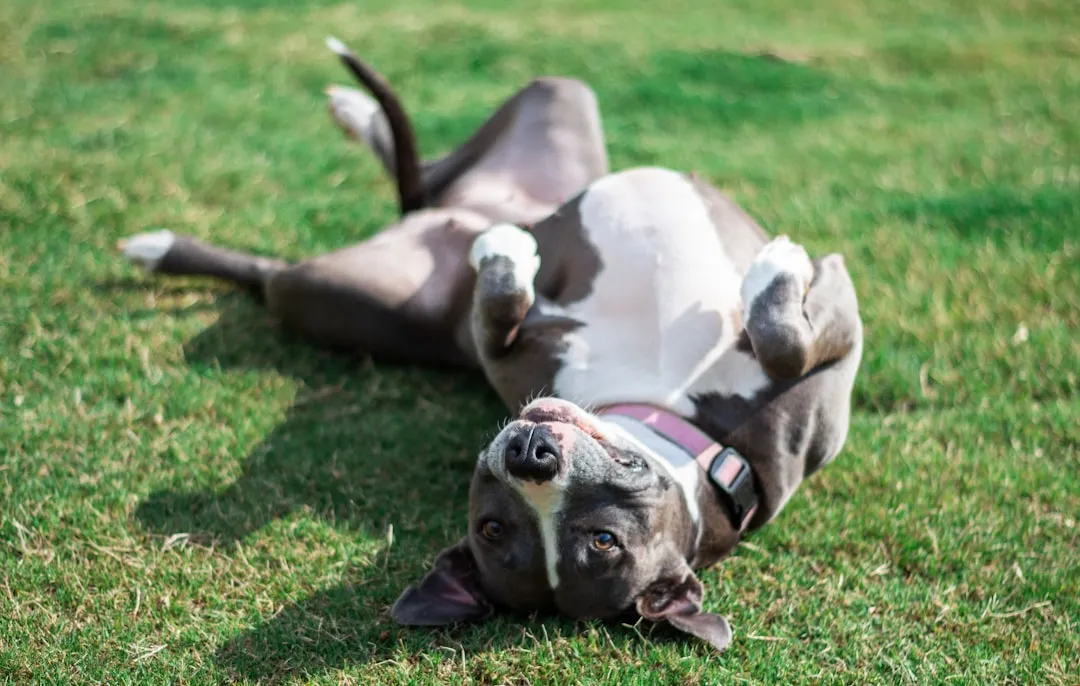
The first real sign your shelter dog has come home isn’t a trick or a tail wag. It’s how they sleep. Newly adopted dogs often sleep lightly, startle at every noise, and prefer corners or doorways where they can keep watch. That’s survival mode, not comfort, and it’s exhausting for a nervous system to maintain night after night.
Watch for the day they sprawl in the middle of the room, belly up, paws in the air, snoring through the vacuum cleaner. A dog that exposes their belly while sleeping is putting total trust in you and the space around them. That “dead weight” nap where you can step right over them and they barely twitch? That’s a body that finally believes it’s safe. Keep that image in mind, because sign #12 flips a behavior most owners completely misunderstand.
Fast Facts
- The widely cited “3-3-3 rule” used by many shelters suggests it takes about 3 days to decompress, 3 weeks to learn routine, and 3 months to fully bond.
- Dogs generally need 12 to 14 hours of sleep a day, but anxious rescues often get it in short, alert bursts instead of deep rest.
- Sleeping belly-up with limbs relaxed is considered one of the clearest visual trust signals in canine body language.
- Startling awake at small sounds is common in the first few weeks and typically fades as stress hormones settle.
#12 – The “Velcro” Fades and They Choose Solitude Sometimes
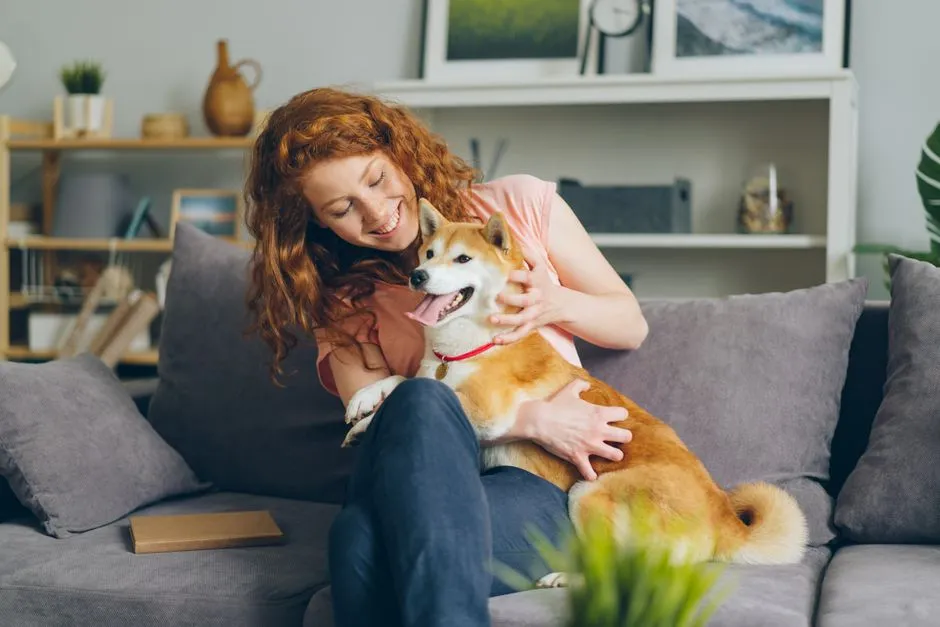
At first, many shelter dogs become “Velcro dogs,” following you to the bathroom, panicking when you leave a room, panting the second you pick up your keys. People call it separation anxiety, but often it’s simpler and sadder than that – it’s the fear of being abandoned again. Clinginess, in this context, is survival instinct, not personality.
The surprising good news is that one of the clearest signs a dog feels secure is when they stop shadowing you 24/7 and voluntarily choose another room. That moment you realize, “Wait, where is she?” and find her snoozing on the couch instead of glued to your feet, isn’t rejection. It’s emotional progress. She trusts you’ll come back even when she can’t see you, and that trust proves the same rule: sometimes distrust looks a lot like ingratitude.
#11 – Their Appetite Shifts from Desperation to Preference

In the beginning, many shelter dogs inhale food like they haven’t eaten in weeks. Some guard bowls, dive for crumbs, or try to steal anything that smells remotely edible. That’s not bad manners – that’s a scarcity brain that learned food can vanish without warning, and punishing it only reinforces the fear underneath it.
Over time, a dog who’s truly settled will slow down, leave a few bites in the bowl, or even walk away mid-meal. Even more telling, they start having opinions about treats and kibble. The dog who once ate anything now spits out that one biscuit or turns up their nose at the cheap kibble they used to inhale. That new pickiness is annoying, but only a dog who trusts food will always be there dares to be fussy about it. And once the food anxiety fades, something even stranger starts happening at play time.
#10 – Their “Zoomies” Start to Look Like Pure Joy, Not Panic
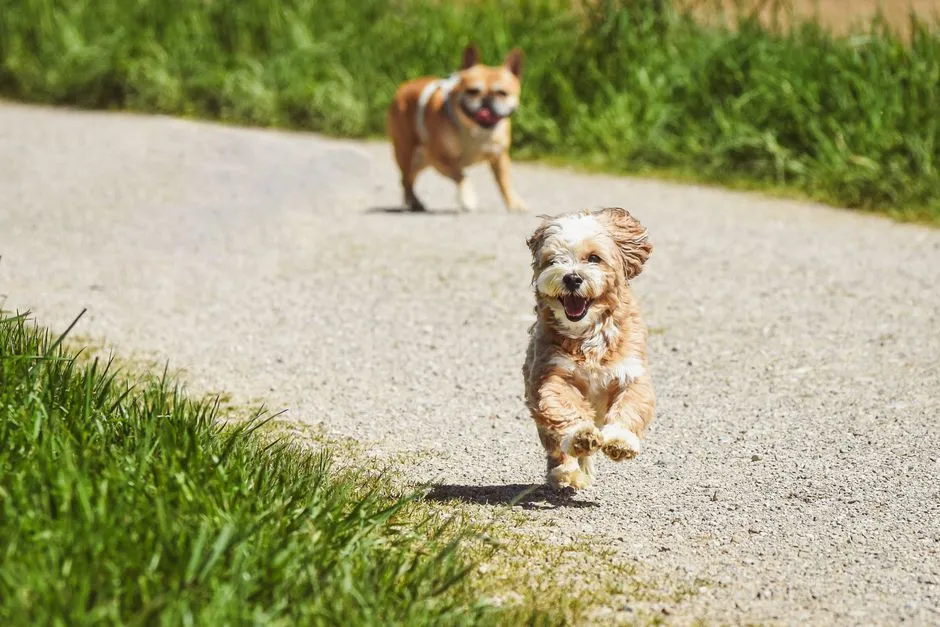
Most people cheer when their new rescue does zoomies, but context matters more than people realize. Early on, frenzied running can be an adrenaline dump from stress, not happiness – frantic laps, wild eyes, difficulty calming down afterward. That’s a nervous system trying to reset itself, not a dog having fun.
Later, once they feel at home, zoomies change shape entirely. Their body loosens, their face softens, and their tail becomes a relaxed helicopter instead of a stiff flag. They pause mid-zoom to check in with you, invite play, or do goofy spins that are clearly just for fun, sometimes flopping onto their back in silly surrender. That loose, silly energy carries right into the next shift, the one that trips up even experienced owners.
Quick Compare
- Stress zoomies: tight, frantic laps, wide eyes, hard to interrupt, little to no eye contact with you.
- Joy zoomies: loose, bouncy strides, relaxed mouth, playful pauses, frequent glances your way.
- Stress zoomies: often end in panting hard or hiding somewhere quiet.
- Joy zoomies: often end in a play bow or a flop for belly rubs.
#9 – They Start Testing Rules Instead of Tiptoeing Around You
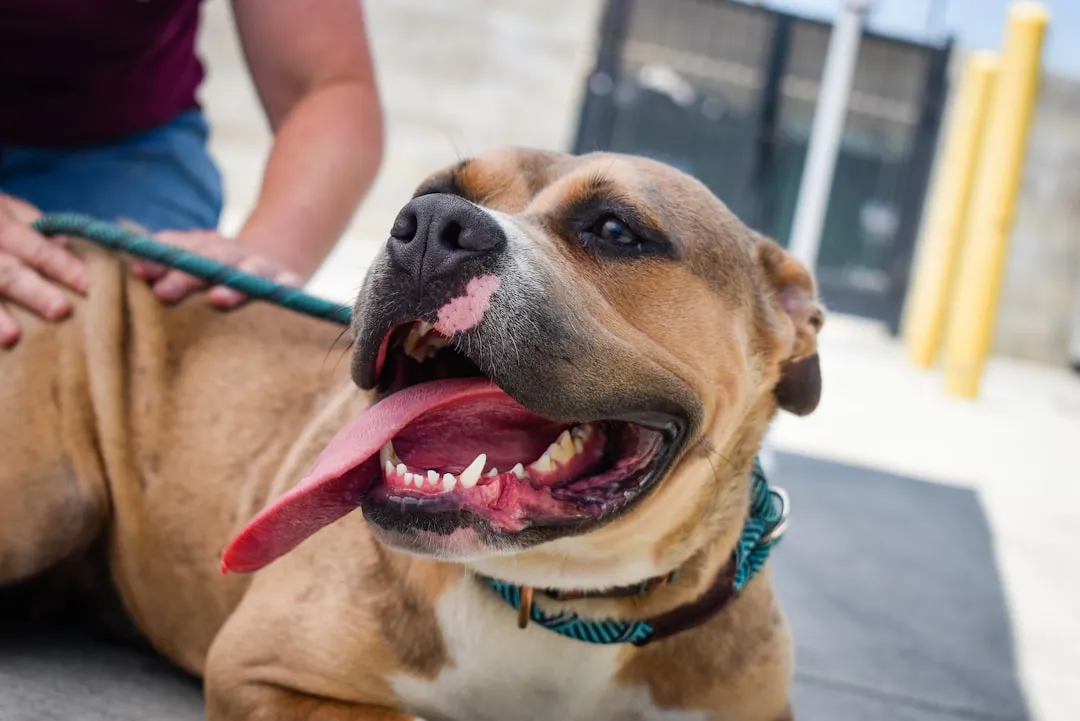
This is the one that secretly annoys people the most. In the early weeks, many shelter dogs seem “perfect”: no barking, no counter surfing, no chewing. They’re shut down, not trained. They’re too scared to make a mistake, and everyone posts about how well-behaved their rescue is.
Then one day, they jump on the couch you said was off-limits. Or they bark when you leave. Or they steal a sock and practically dare you to chase them. That shift from quiet compliance to testing boundaries is often the first real glimpse of their true personality, and trainers will tell you the “naughty” phase is actually good news – it means your dog feels safe enough to experiment. Once your dog starts breaking rules, watch their whole body, because sign #8 reveals just how much tension they’ve been quietly carrying.
#8 – Their Body Language Softens Around Everyday Chaos
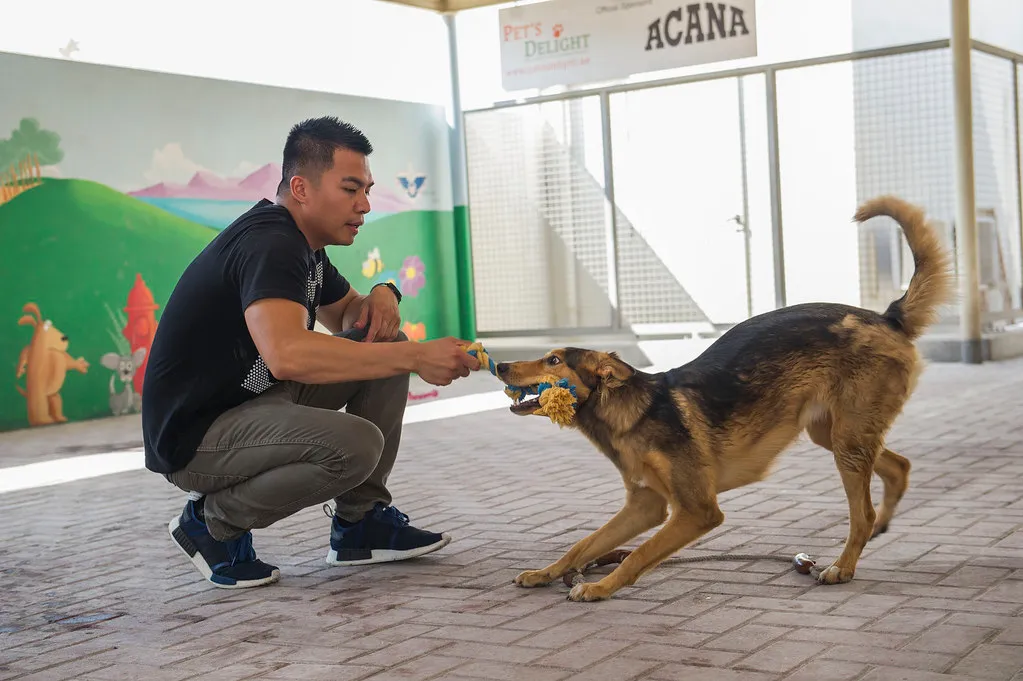
Early on, everyday life can feel like a war zone to a formerly overlooked shelter dog. The dishwasher, the doorbell, the garbage truck, kids running past the window – each sound or movement can trigger flinching, pacing, or hiding. Many adopters underestimate how exhausting that level of constant scanning really is for a dog.
A dog who has truly come home starts to glance at a noise, decide it’s not a threat, and go right back to what they were doing. Their ears relax, their tail carries at a natural height, their movements look loose instead of stiff. They may even investigate the vacuum or watch the mail carrier from a safe distance with calm curiosity. Once that tension drains out of their body, it usually settles somewhere specific – literally.
#7 – They Develop a Weird, Very Specific “Favorite Spot”
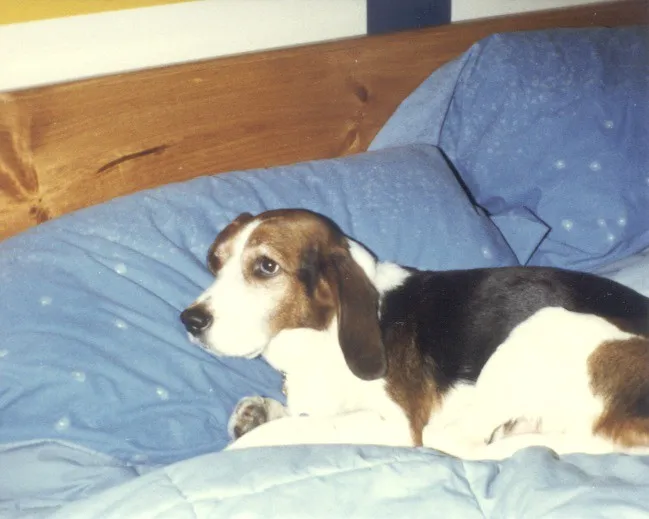
Every house has that one spot the dog claims: a stair landing, the left corner of the sofa, the sunny patch by the back door. Newly adopted dogs often pace, hover by exits, or curl up wherever you happen to be. They’re not territorial yet – they’re just trying to stay close to safety.
When your dog has truly settled, they often select a specific spot as “theirs” and return to it again and again. It might be the bed by the window where they can people-watch, or the crate they once avoided but now choose as a den. They may stash toys there or sigh dramatically when someone else sits in their place. Claiming a spot is one thing. Claiming how they’re touched is a whole different milestone.
#6 – They Start Seeking Affection in Their Own Way (Not Just Yours)
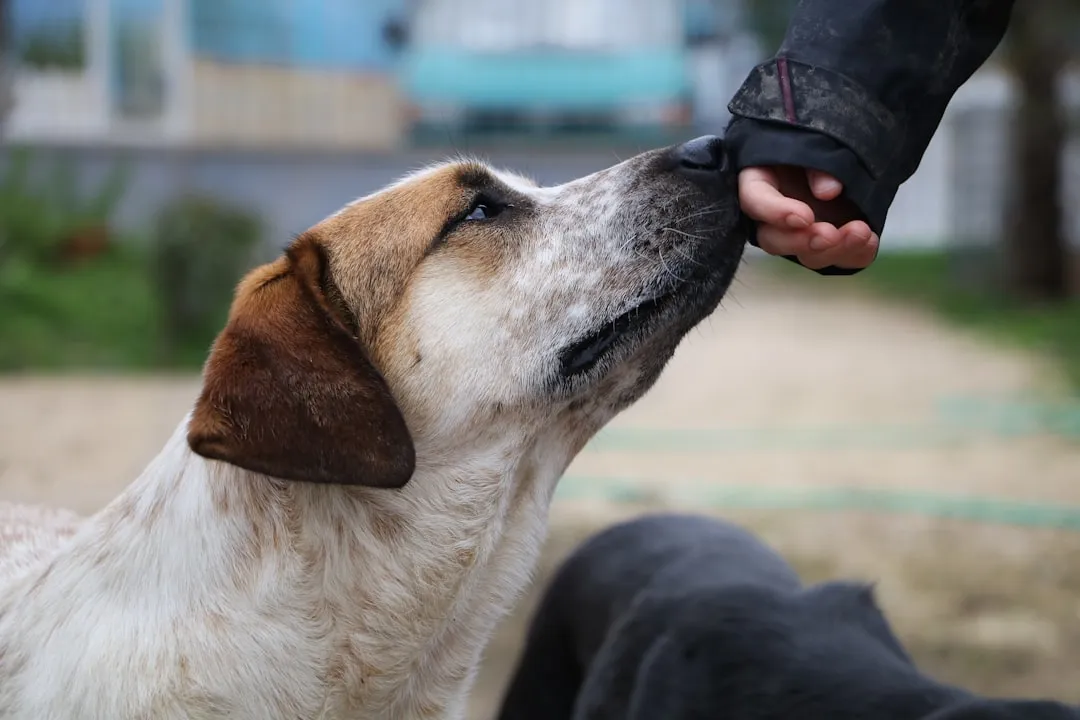
At first, humans usually decide what affection looks like: hugs, head pats, constant petting. Many rescue dogs tolerate it politely or freeze through it, not yet understanding they’re allowed to say yes or no to touch. Consent, it turns out, takes time to build.
A dog who has truly come home begins to initiate contact in a way that’s specific to them. Maybe they lean their full weight into your legs, gently paw at your hand, or press their head into your chest at night. Others quietly climb onto the bed at 4 a.m. and curl into the crook of your knees. The key sign is that they choose the timing, the distance, and the type of contact – and once they’ve decided how they want to be loved, their weirdest habits start showing up right on schedule.
Worth Knowing
- This shift is sometimes called “consent-based affection,” where the dog controls when and how touch happens.
- Leaning, gentle pawing, and head-pressing are common self-initiated bonding gestures in dogs.
- A dog choosing to sleep touching you, rather than nearby, is considered a strong trust signal.
- This behavior usually appears weeks after adoption, once basic fear responses have started to ease.
#5 – Their “Strange Little Quirks” Finally Come Out
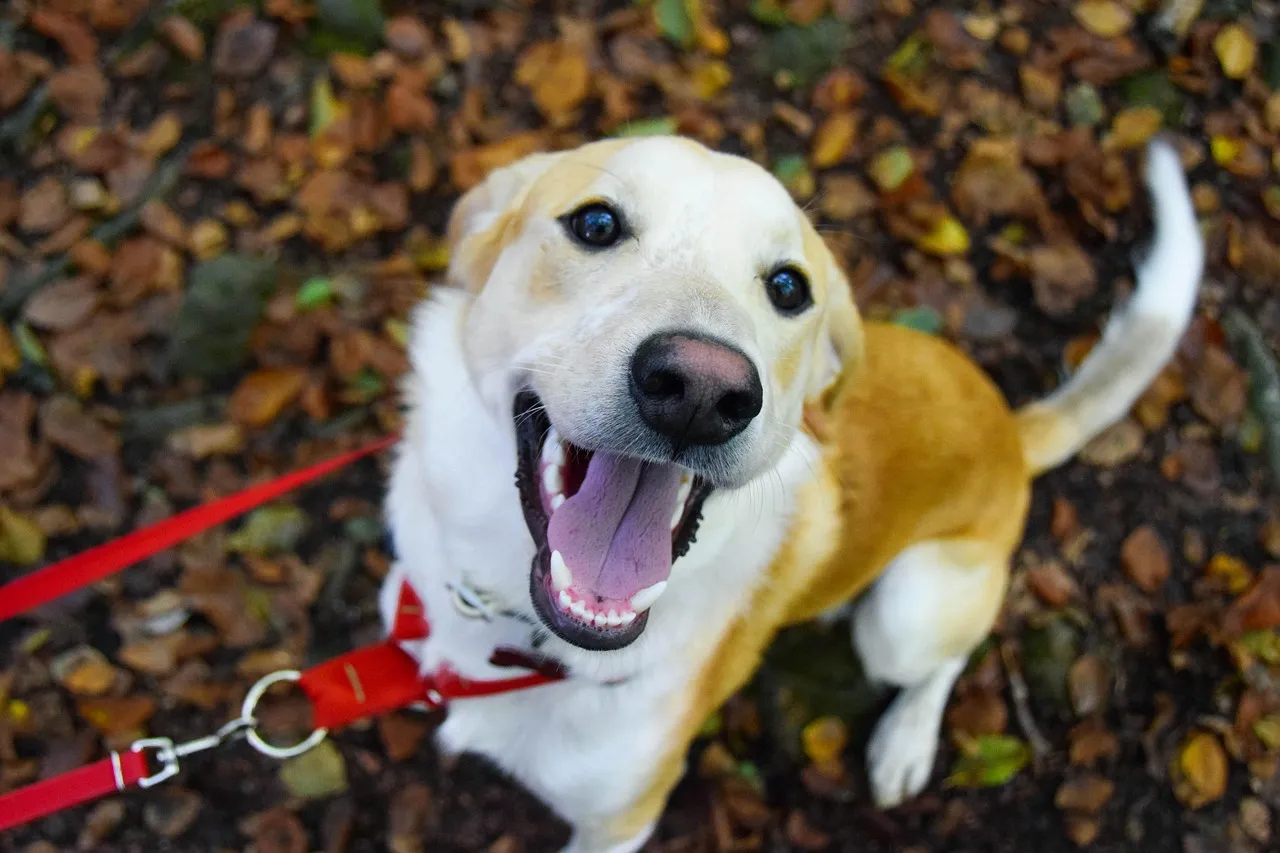
Every dog has weird habits, but they often stay hidden until the dog feels truly safe. For weeks you might think you know your rescue, and then suddenly you discover they “talk” back with grumbles, herd the vacuum, or obsess over carrying your slipper but never chewing it. This is the personality reveal nobody warns you about.
Rescue advocates say a major turning point is when your dog shows you a behavior so odd or specific that you catch yourself saying, “Oh my God, that’s just so *them*.” Maybe they spin exactly three times before bed, or insist on bringing one particular toy outside every single time. These quirks rarely show up in the stress of the shelter – they emerge only once the dog feels secure enough to be fully themselves. Once the personality is fully out, something else changes too – how they move around you when you’re not even looking.
#4 – They Start Checking In With You, Even Off-Leash (When It’s Safe)
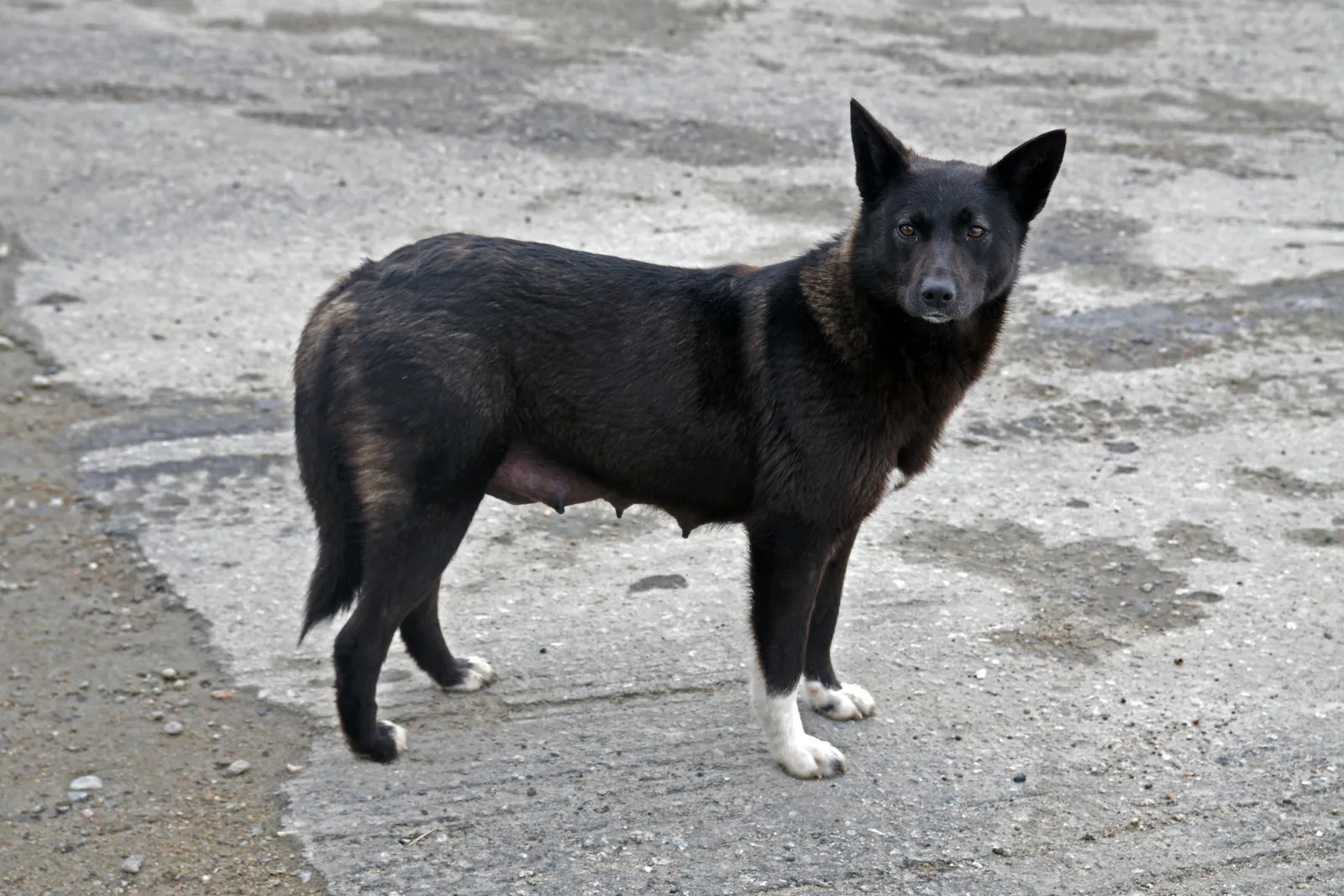
Most new adopters obsess over recall: “Will my dog come when called?” In reality, behaviorists pay closer attention to something quieter – unsolicited check-ins. On a long line, in a fenced yard, or even just moving around the house, a dog who glances back at you, trots over briefly, then returns to exploring is showing genuine attachment.
This isn’t about control; it’s about connection. A formerly overlooked shelter dog who once ignored humans or avoided eye contact now cares where you are. They might pause mid-sniff to make eye contact, touch your hand with their nose, or sit facing you in a new environment, clearly asking, “Is this okay?” That quiet awareness of you is impressive. What comes next is even more revealing.
#3 – They Show You Their Full Range of Emotions
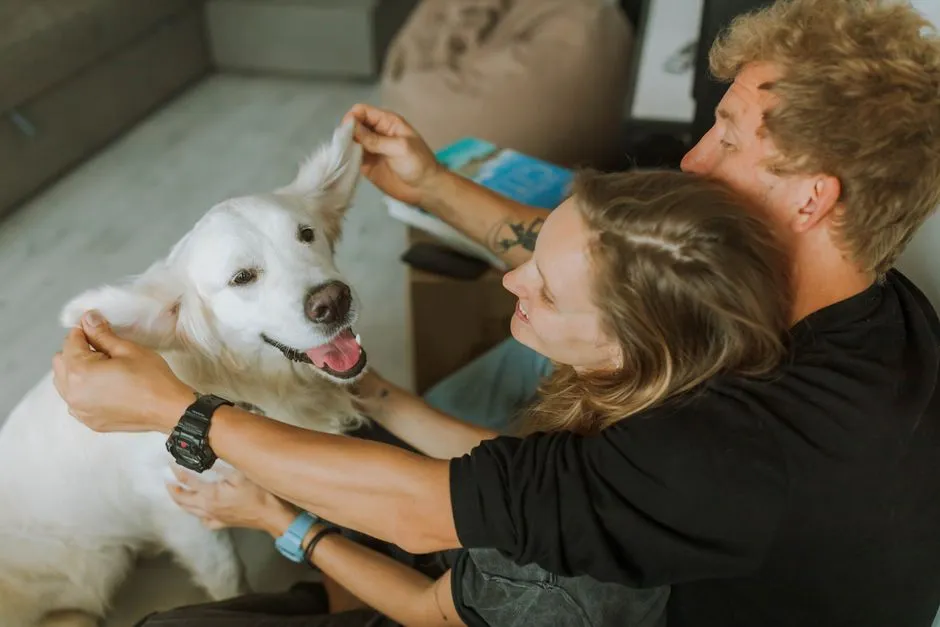
In survival mode, dogs narrow their emotional spectrum down to fear, vigilance, and occasional bursts of hyperactivity. Joy, frustration, boredom, and silliness get buried under stress. Many new rescue owners quietly worry, “Is this dog just… blank?” The answer is usually no – they’re just shut down.
When a dog has truly come home, you start seeing a messy, beautiful mix of emotions. They may pout when you stop playing, sulk when you leave, get the “zoomie grumps” after a bath, or do that full-body wiggle reserved only for you when you walk in the door. You might hear new vocalizations: playful growls, contented groans, excited little barks. There’s one more layer most people never notice, and it might be the most important one on this list.
#2 – They Calm Faster After Getting Scared
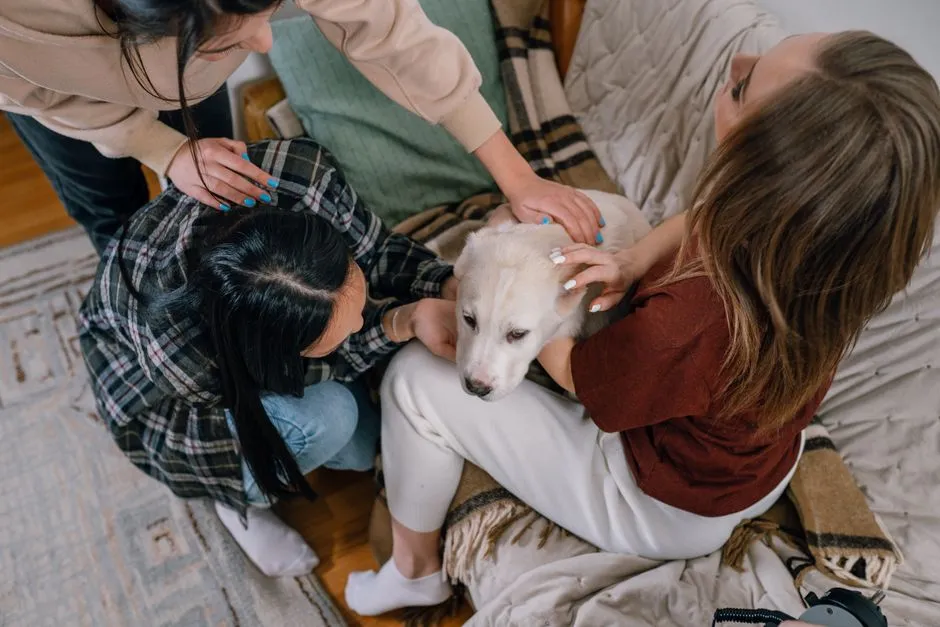
Here’s a nuance almost no one talks about: the goal isn’t to have a dog that never gets scared. Life is loud and unpredictable, and even the most settled dog will flinch sometimes. The real sign of a secure, attached dog is how quickly they recover after something spooks them.
In the early days, a dropped pan or a slammed door might send them shaking under the table for an hour. Months later, the same event might make them jump, then look to you, take a treat, and settle again within minutes. That’s called resilience, and it’s learned – it means your dog trusts not just the environment, but trusts *you* to handle the scary stuff. All of it builds toward one final, quiet shift – the moment the word “rescue” just stops fitting.
#1 – They Stop Acting Like a “Rescue” and Start Acting Like Your Dog
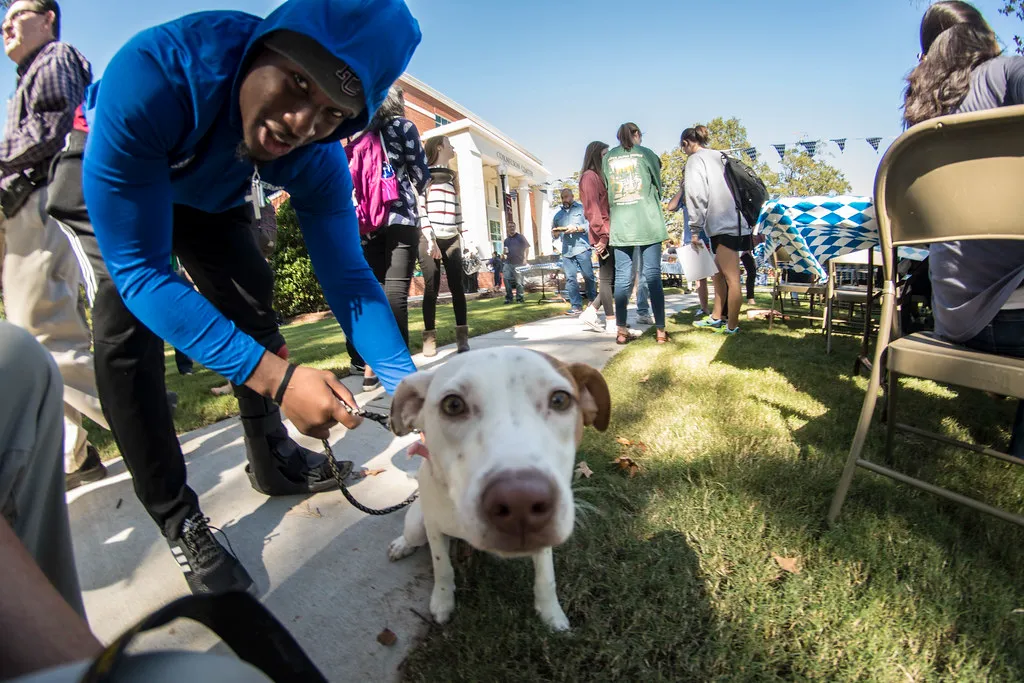
The most powerful sign of all isn’t one behavior; it’s a shift in identity. At the beginning, everything about them is defined by their past: “He’s a rescue,” “She’s from a shelter,” “He had a hard life.” You see the fear, the flinches, the hesitation, and that label feels heavy every time you say it.
One day, often without you noticing exactly when, it changes. They greet you at the door like they’ve been doing it forever. They know your routines and you know theirs. You stop introducing them as “my rescue” and start saying, “This is my dog, [name].” The stories you tell become less about what was done to them and more about the ridiculous thing they did last Tuesday. That’s the moment a formerly overlooked shelter dog has truly come home – when their past is part of their story, but no longer the whole story.
At a Glance
- They no longer flinch when a hand reaches toward them.
- Visitors get greeted with curiosity instead of fear.
- Their name gets a happy response, not a flinch.
- You’ve stopped saying “he’s a rescue” and started just saying “he’s my dog.”
The Bottom Line
A lot of people expect a movie-moment transformation the day they bring home a shelter dog: instant gratitude, instant connection, instant trust. In reality, the real magic is quieter and slower. It hides in the first deep belly-up nap, the stolen sock they dare you to chase, the annoying barking that suddenly means they care who comes near the house.
The very behaviors some people complain about – rule-testing, pickiness, big emotions – are the same signs experts recognize as proof a dog finally feels safe. You don’t need a “perfect” dog. You need a dog who feels secure enough to be imperfect with you, because that’s the exact moment a rescue stops being a project and becomes family.
Which of these signs did you notice first with your own dog – and be honest, do you think people romanticize the “grateful rescue” myth a little too much?
