

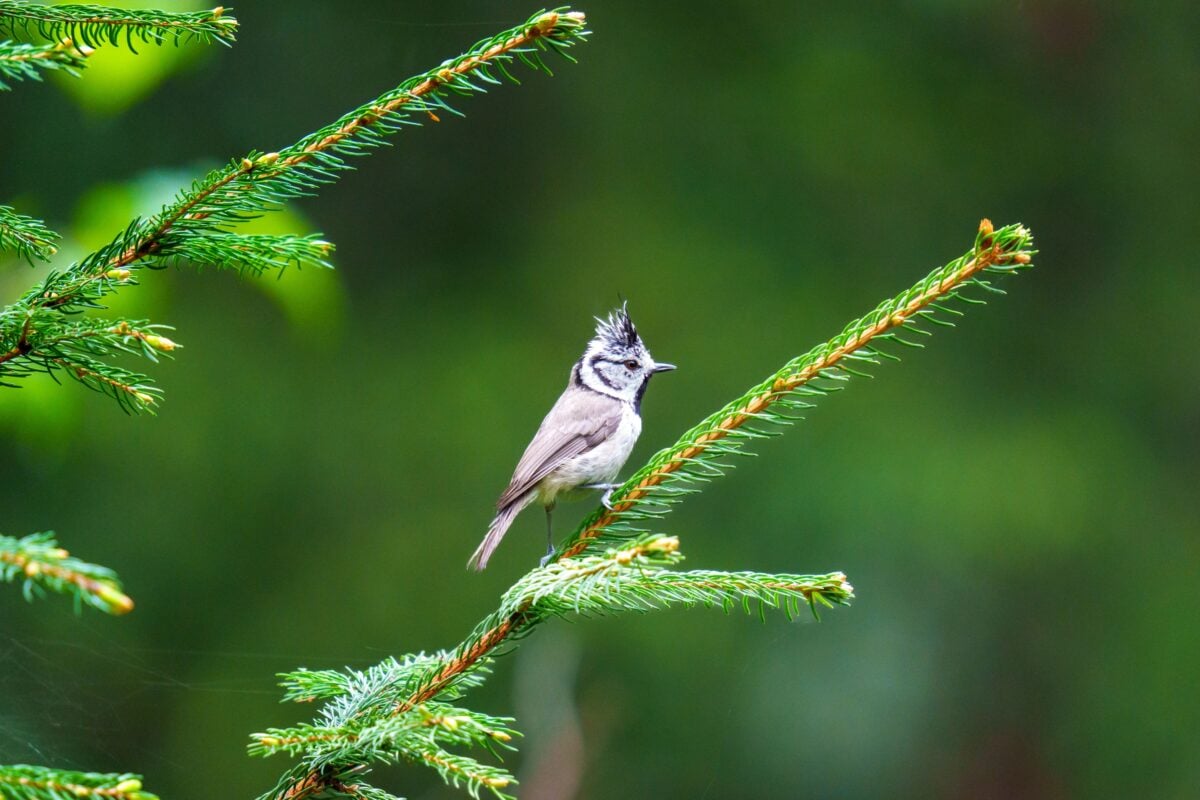
Most homeowners plant trees for shade, privacy, or curb appeal – and never once think about the wildlife crisis playing out ten feet from their back door. Since 1970, North America has quietly lost nearly three billion birds, almost 30% of the total population. New Cornell research shows the decline is hitting hardest in the exact places birds used to thrive – lawns, subdivisions, and yards like yours.
Here’s the part almost nobody talks about: scientists have found a fix hiding in plain sight, and it doesn’t involve feeders, baths, or an expensive landscaping overhaul. The species of tree you plant can single-handedly decide whether your yard becomes a bird refuge or a green, silent void. Ornithologists and entomologists have already ranked which trees actually work – and the results reshuffle almost everything garden centers tell you to buy.
#1 – Native Oaks Are the Single Most Powerful Bird Magnet You Can Plant
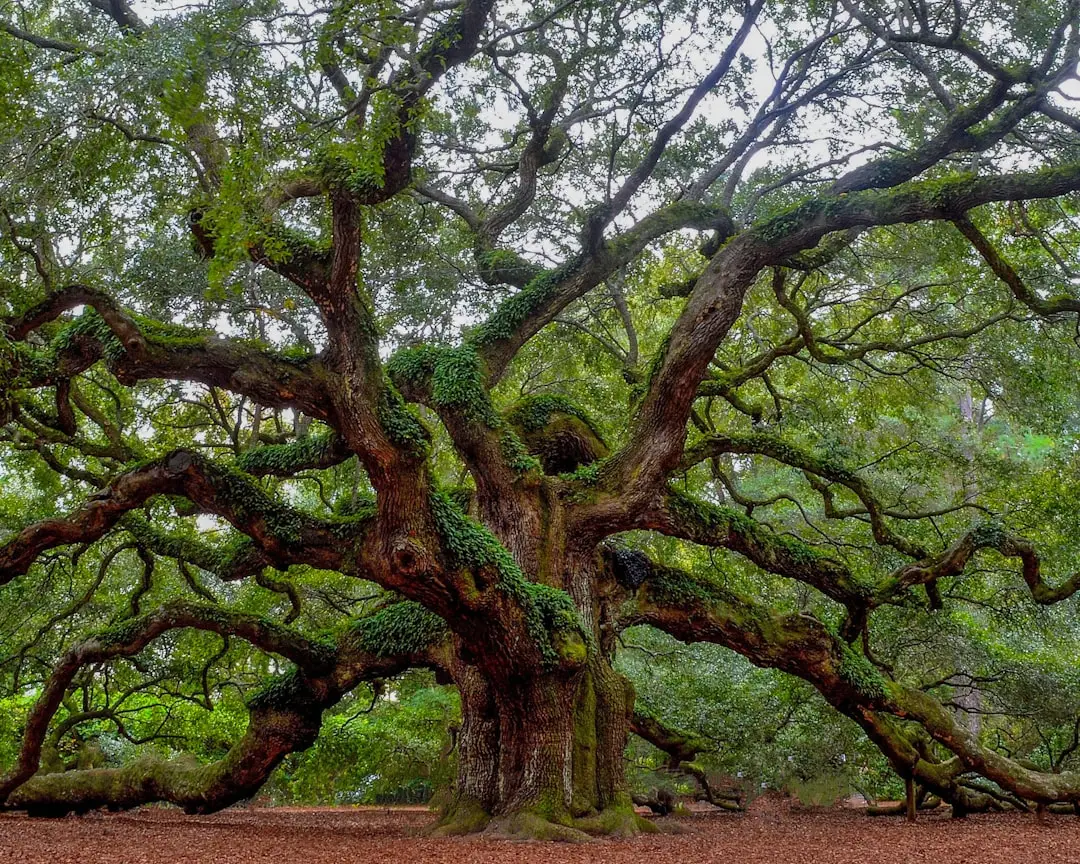
If you plant nothing else on this list, plant an oak. The data isn’t close, and it isn’t subtle either.
Entomologist Doug Tallamy’s research found that oaks support 534 native Lepidoptera species, and some counts push the number past 950 species of butterfly and moth caterpillars. That matters because baby birds are raised almost entirely on caterpillars, not seeds – a single clutch of chickadees can burn through thousands of them before leaving the nest.
“Take a keystone native plant like an oak tree.”
Doug Tallamy, Entomologist
The comparison to non-native ornamentals is brutal. Researchers counted 410 caterpillars living on one White Oak and 233 on another, while two similarly sized Bradford Pear trees hosted a single caterpillar each, combined. Acorns keep the tree working long after summer, too, pulling in blue jays, wild turkey, and grouse the moment they start dropping in fall.
#2 – Wild Cherry Trees Secretly Outperform Most “Bird-Friendly” Ornamentals
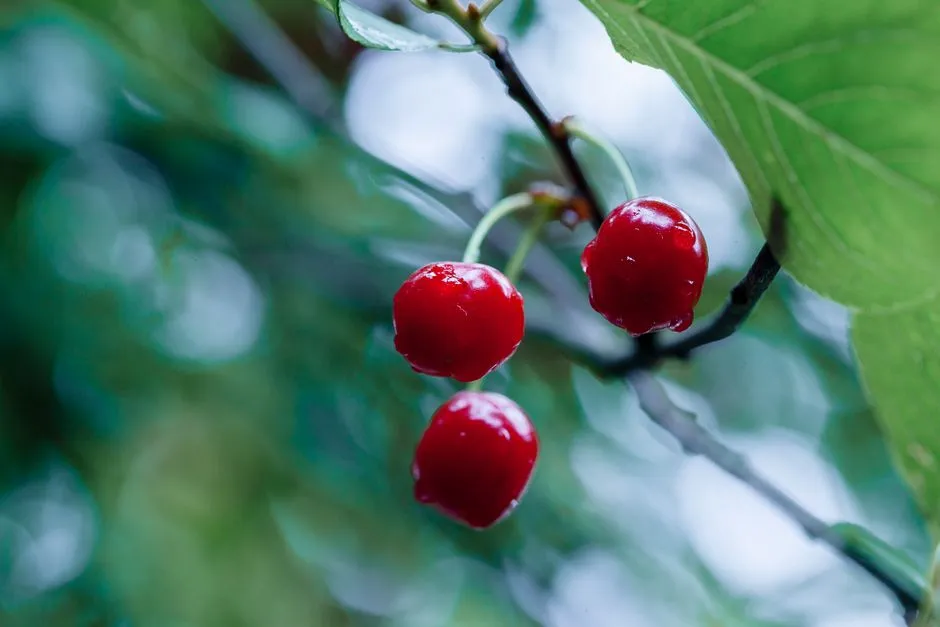
Garden centers rarely push cherry trees for birds, but experts rank them near the very top of the list.
Black cherry (Prunus serotina) ties with willow as one of the most productive host trees in North America, supporting 456 Lepidoptera species – trailing only oaks. That caterpillar traffic is exactly what nesting songbirds are hunting for every spring, especially with a nest full of hungry chicks to feed.
Cherries double as a woodpecker magnet, too. Downy, Hairy, and Red-bellied Woodpeckers are drawn to pines, hickories, oaks, and cherries for the insects hiding under the bark. Most homeowners have no idea a single fruiting cherry tree can pull in more species diversity than a birdbath and three feeders combined. Add the summer fruit drop and you’ve got a tree quietly working overtime for wildlife all season long.
#3 – Willows Quietly Rank as a Top-Tier Caterpillar Factory
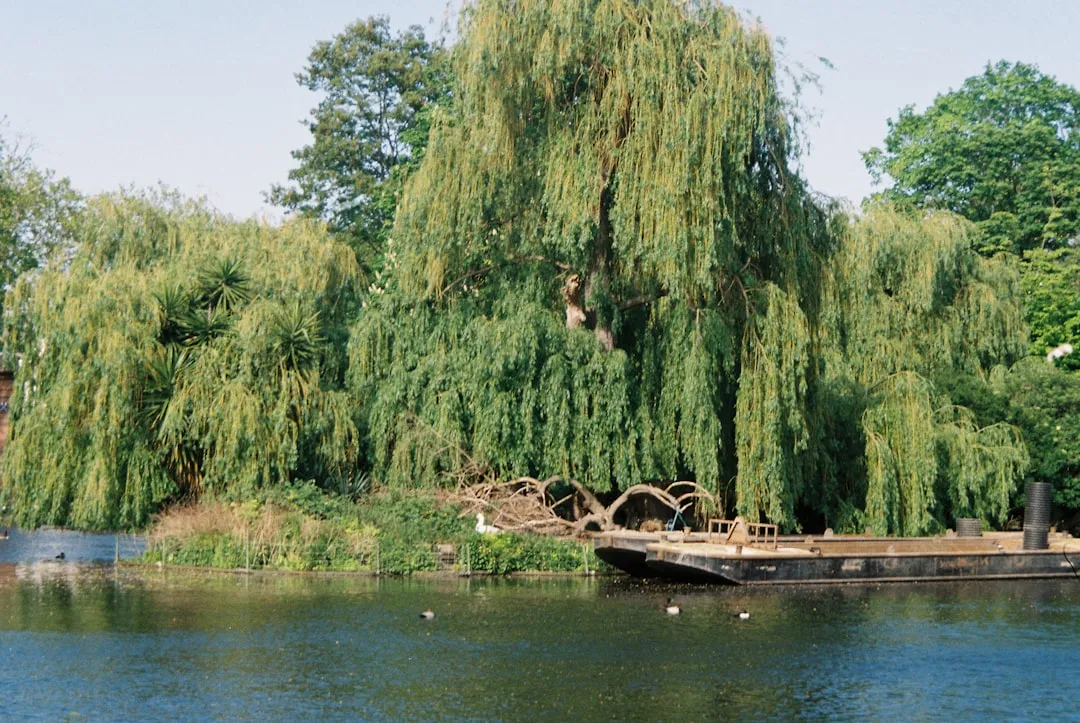
Willows get dismissed as “messy” trees, but that reputation is costing your yard serious bird traffic.
Willows serve as larval host plants for 455 Lepidoptera species, including the eastern tiger swallowtail butterfly – putting them in a virtual tie with cherry for second place behind oak on Tallamy’s keystone plant rankings. Fast-growing black willow thrives especially well near streams and wet soil, exactly where most yards struggle to grow anything else.
Quick Compare
- Oak: 534 species, with some counts topping 950
- Black Cherry: 456 Lepidoptera species
- Willow: 455 Lepidoptera species
Few people realize willows are considered valuable enough that peer-reviewed research singles them out alongside oaks and cherries as the most attractive tree types for caterpillars. If your yard has a soggy corner nobody wants to landscape, a willow could turn that “problem spot” into your busiest bird zone within a couple of seasons.
#4 – Serviceberry Is the Migration-Season Secret Experts Won’t Stop Talking About
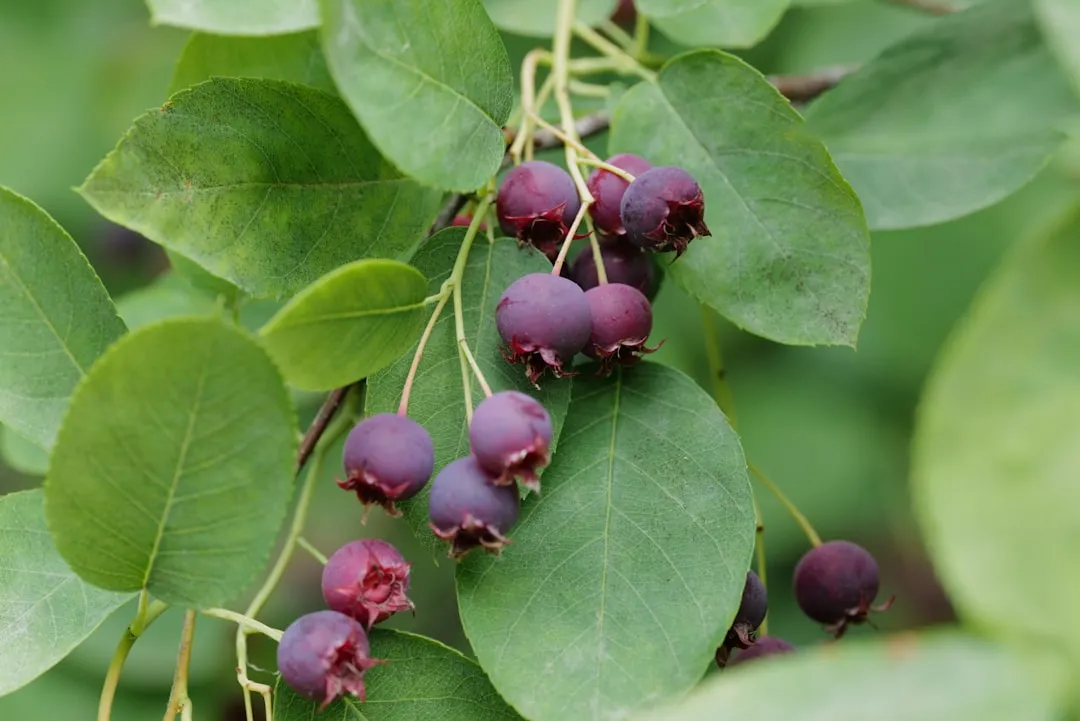
This small tree barely gets mentioned in mainstream gardening guides, yet migration researchers treat it like gold.
Serviceberries are less widely known than crabapple or dogwood, but their highly nutritious fruit is prized by cardinals, grosbeaks, and tanagers. The timing is what makes this tree special – it fruits right when fall migrants desperately need fuel. Rose-breasted Grosbeaks depend so heavily on these berries that fruit makes up roughly 95% of their diet during migration season.
Serviceberry blooms early, too, so it isn’t just feeding birds in fall – it’s feeding the insects birds rely on before a single berry even appears. That dual role, spring insects and fall fruit, is rare in one small tree, and most yards have room for it even on a tight urban lot.
#5 – Flowering Dogwood Does Double Duty That Most Trees Can’t Match
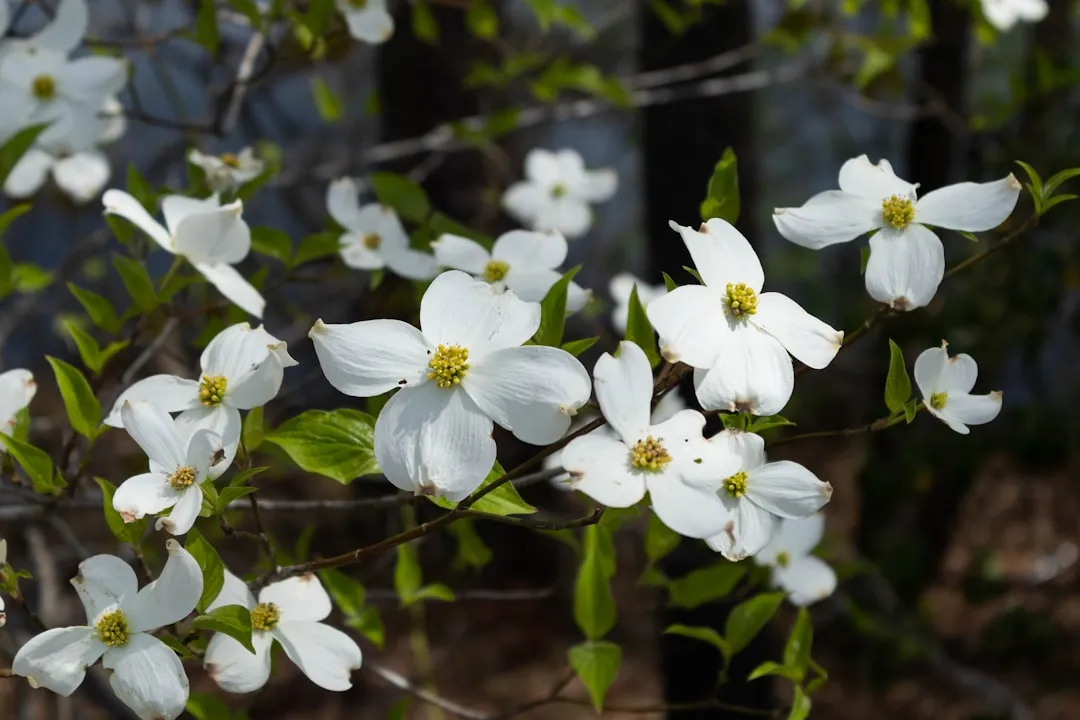
Dogwood gets planted for its spring blooms, but almost nobody plants it for what happens in October.
Dogwoods produce fall berries and offer dense nesting cover, attracting bluebirds, cardinals, catbirds, grosbeaks, robins, and thrushes – an unusually long guest list for one ornamental species. The fruit isn’t just abundant, it’s timed perfectly for birds stocking up before cold weather hits.
What most people miss: dogwood berries are prized specifically for their high fat content, exactly what migrating birds burn through fastest. Related shrubs share the trait – red osier and gray dogwood both produce high-fat fruit that fuels songbirds through fall migration. Combine that with the dense branching dogwoods use for nesting, and the tree earns its reputation as a genuine two-season powerhouse.
#6 – American Holly Solves the Winter Food Shortage Nobody Talks About
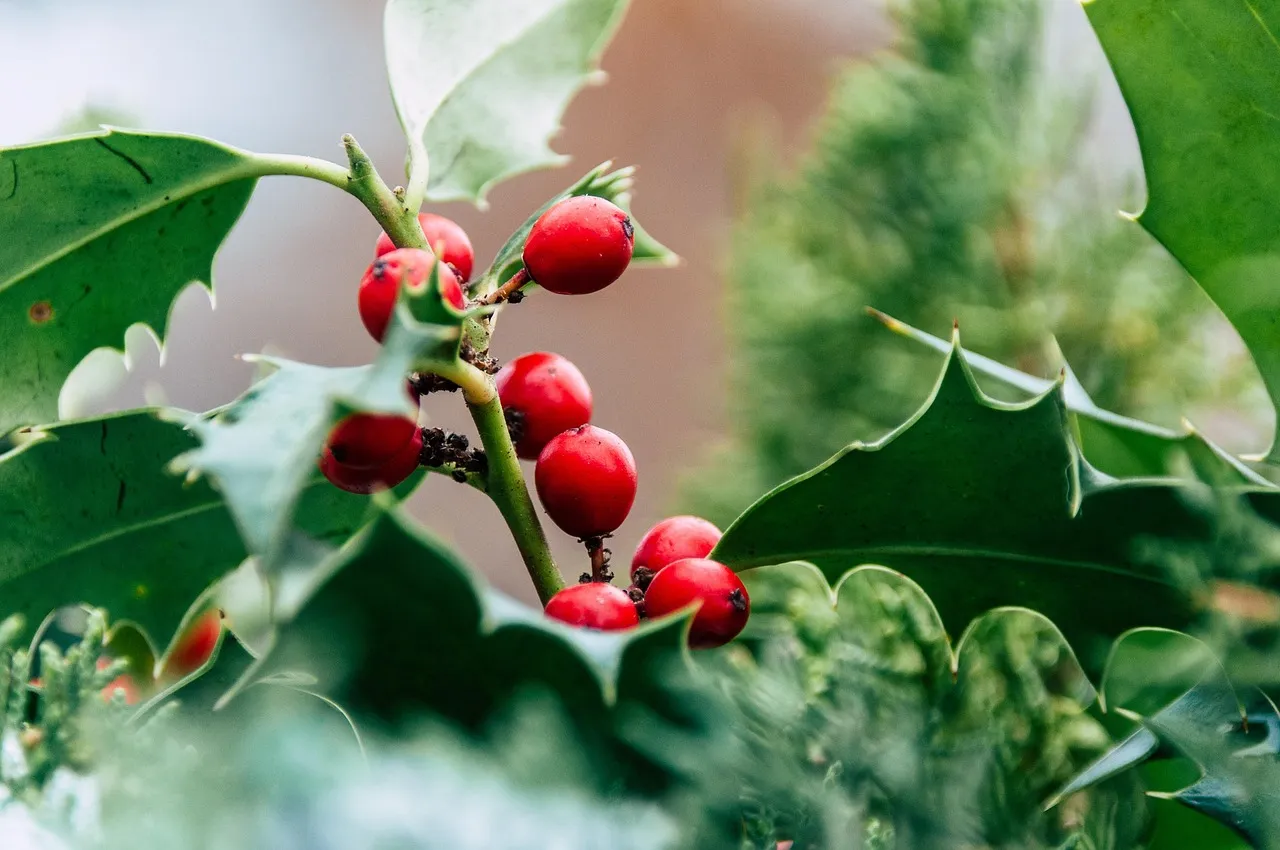
Winter is when most yards go completely silent for birds – holly is one of the few trees that refuses to quit.
Cardinals and other winter birds perch in American holly, one of the few native plants that still carries berries when food is scarce. That timing is the entire point: while most fruiting trees empty out by November, holly berries often persist into January and February, exactly when natural food sources vanish.
Here’s the controversial part: holly may be more valuable to winter bird survival than any feeder you’ll ever buy. It never needs refilling, and it offers shelter in the same package – holly, cedar, and sumac all share this role as cold-weather food sources. Its dense, spiny evergreen structure also blocks wind and hides nests from predators all year round.
#7 – Elderberry Attracts Bugs Before It Ever Grows a Single Berry
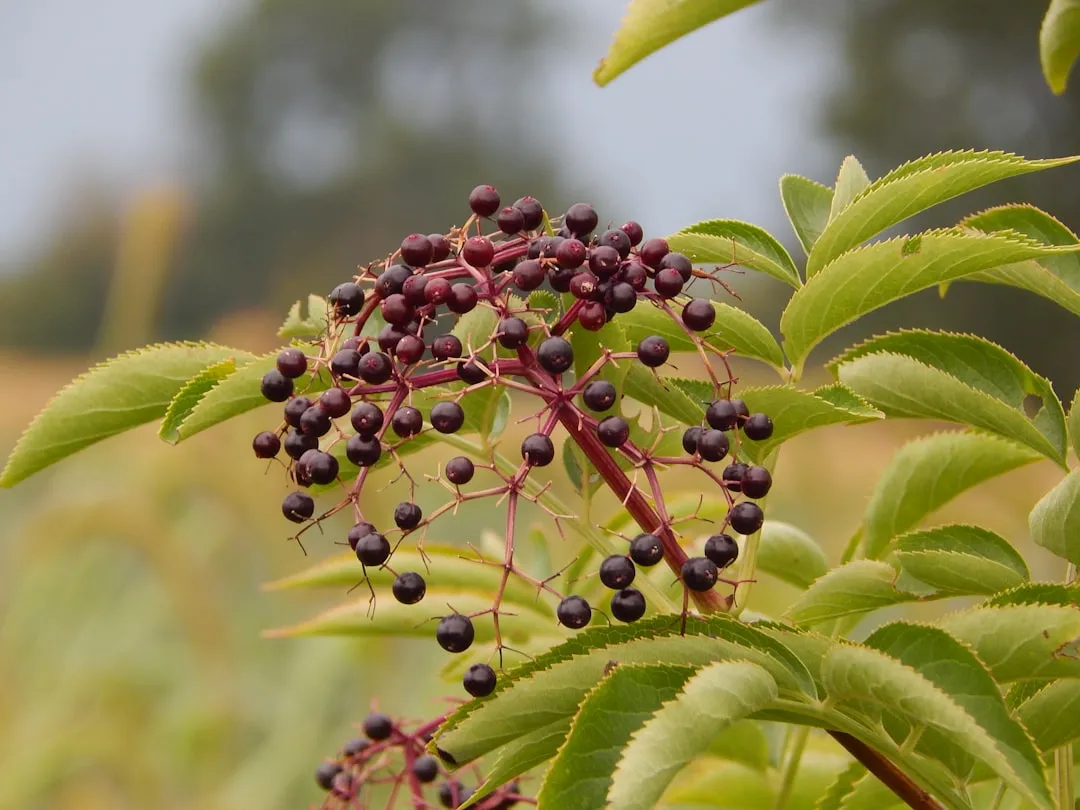
Most people wait for the fruit to show up before assuming elderberry is doing anything for birds – that’s a mistake.
Elderberry flowers attract insects, which in turn attract even more birds in spring, long before any fruit forms. That means the tree is already working the moment it blooms, pulling in insect-eating songbirds during the exact window when nesting pairs are feeding hungry chicks.
The fruit is a magnet, too – cardinals, grosbeaks, and tanagers target elderberry clusters the same way they target serviceberry. Because it grows fast and tolerates a wide range of soils, elderberry might be the easiest “quick win” on this entire list.
#8 – Birch Trees Feed an Army of Insects Hiding Where You’d Never Look
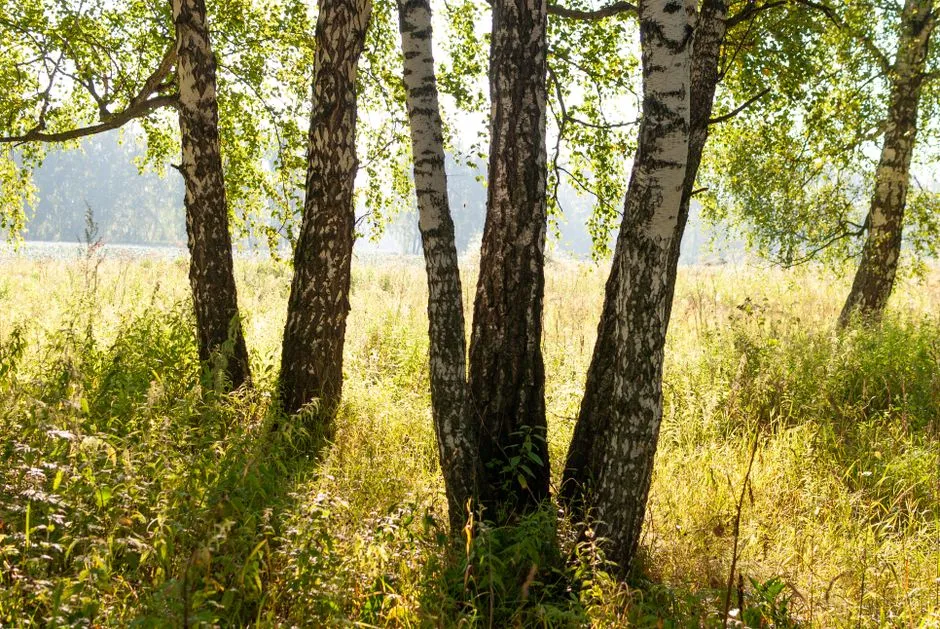
Birch gets planted purely for its striking white bark, but the real value is happening underneath it.
Birch trees shelter countless insects in their bark and feed hundreds of caterpillar species, drawing in goldfinches, redpolls, and chickadees for both the bugs and the small seed clusters. That combination of bark-dwelling insects plus seed cones gives birch a rare one-two punch most ornamental trees can’t match.
Worth Knowing
- Birch bark hides insects that feed chickadees and nuthatches all year
- Seed cones bring in goldfinches and redpolls through fall and winter
- Tallamy ranks birch among his short list of “powerhouse” keystone genera
Few homeowners realize birch made entomologist Doug Tallamy’s short list of “powerhouse” tree genera, sitting alongside oaks, willows, and cherries as one of the most critical plants sustaining regional food webs. If you already have a birch and assumed it was purely decorative, it’s been quietly feeding chickadees this entire time.
#9 – Native Pines and Spruces Are the Only Trees Doing This Job in Winter
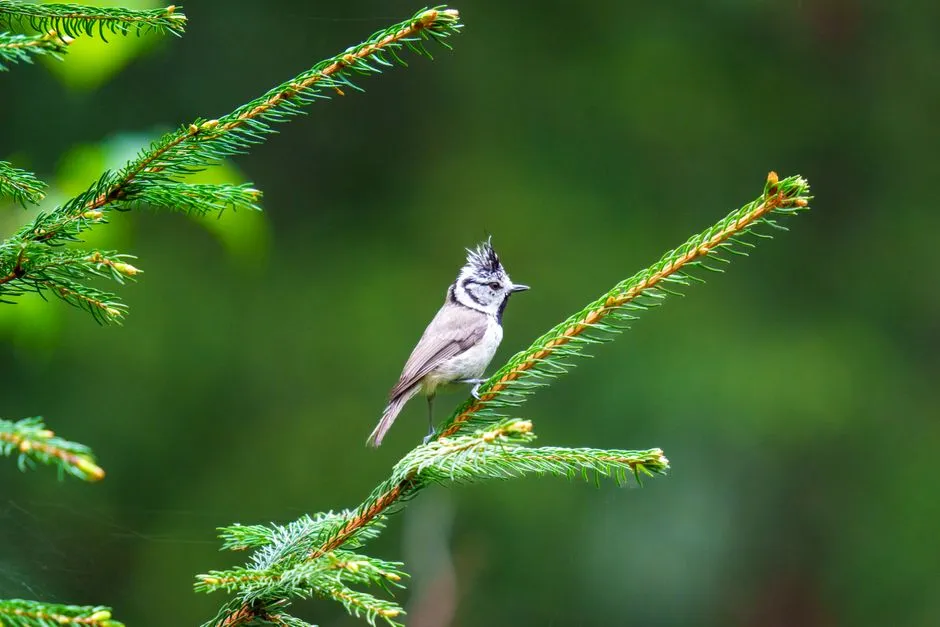
Deciduous trees drop their leaves and disappear as bird habitat every winter – conifers never stop working.
Pine’s dense foliage provides excellent shelter and nest sites, and in spring, migratory warblers feast on insects hidden among the needles. Come fall and winter, seed-filled cones attract pine siskins, crossbills, chickadees, nuthatches, and woodpeckers – essentially a 12-month service contract from one tree.
Spruce doesn’t get nearly enough credit either. The genus ranks among Tallamy’s keystone conifers, with pine landing at #10 (203 Lepidoptera species) and spruce at #13 (156 species). A single clump of conifers gives birds the one thing deciduous trees can’t offer during a snowstorm: cover that actually blocks the wind.
#10 – Hackberry Is the Overlooked Tree That Feeds Birds All Winter Long
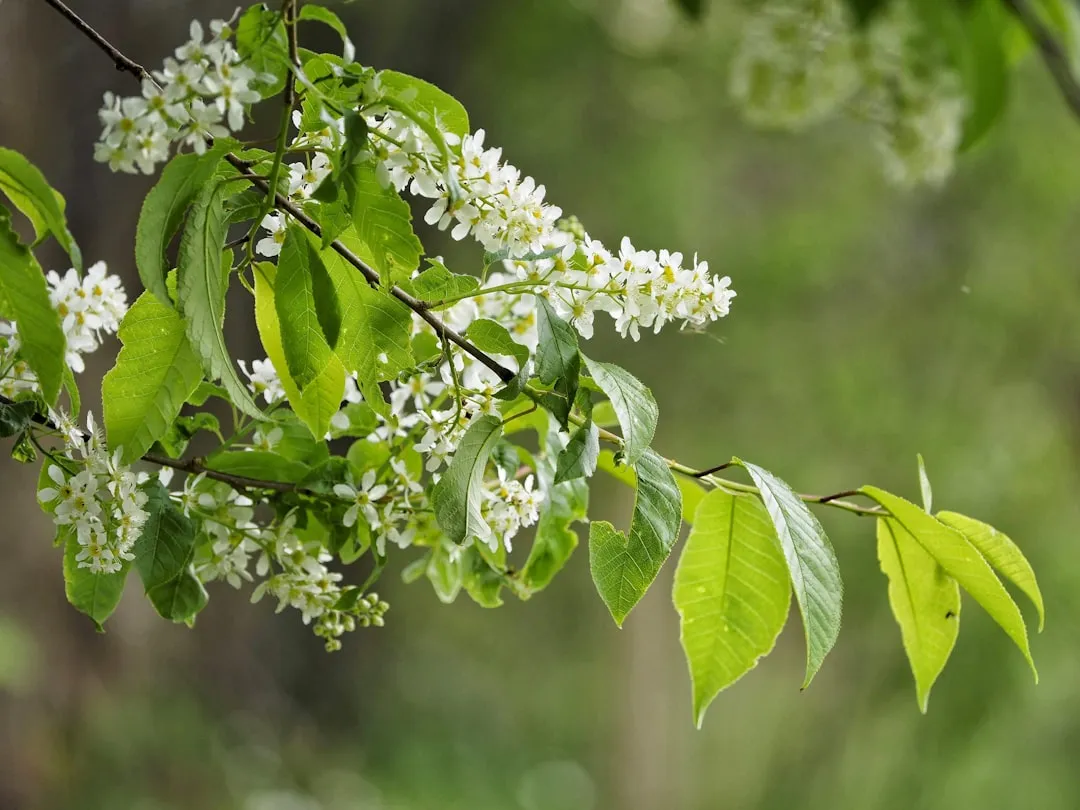
If you’ve never heard of hackberry, you’re not alone – and that’s exactly why it’s underplanted.
Hackberry belongs to the same tier of caterpillar-supporting trees that experts point to again and again, alongside elms and hickories, as reliable hosts for the moth and butterfly larvae songbirds need to raise young. Its small, sugary drupes ripen in fall and then persist on bare branches well into winter, holding on long after softer fruits have rotted or been stripped clean.
That persistence is the entire appeal. Hackberry fruit becomes a late-winter emergency ration for robins, waxwings, and woodpeckers when almost nothing else on the landscape still has food attached. It’s also remarkably tough, tolerating drought, pollution, and poor soil better than most “showier” ornamentals homeowners choose instead.
#11 – Sumac Is the Ugly Duckling Tree Experts Quietly Recommend
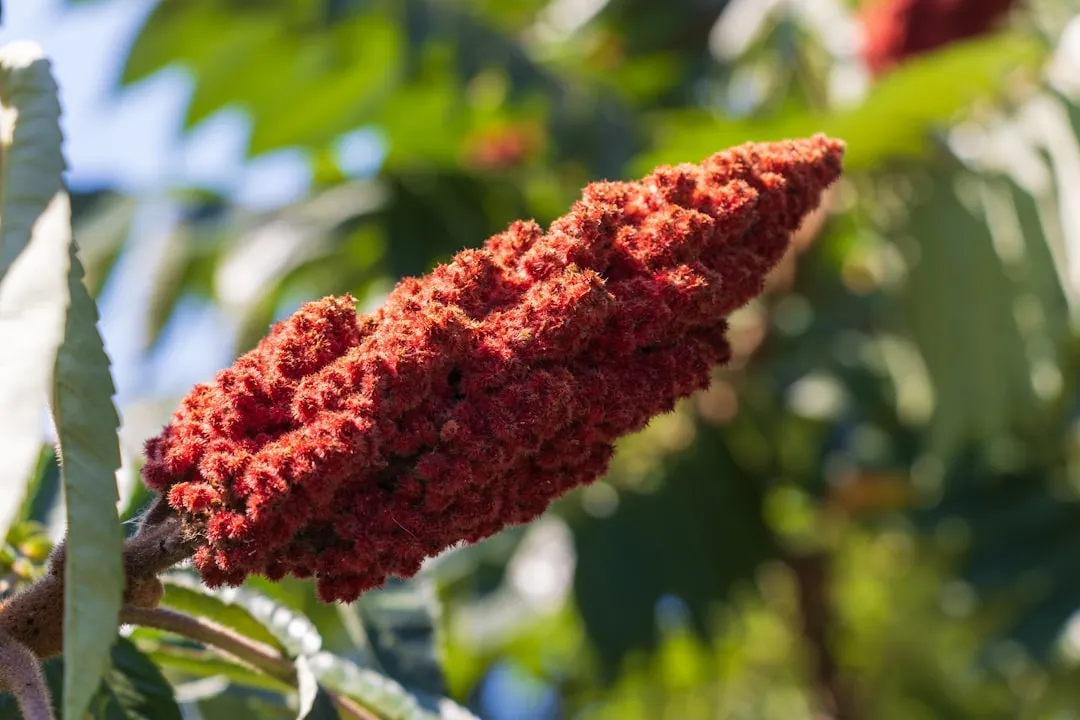
Sumac has a reputation problem. It looks scrappy, spreads aggressively, and gets ripped out of yards constantly – experts think that’s a mistake.
Sumac produces berries that birds rely on through the coldest months, putting it in the same winter-survival category as holly and cedar. Its dense, upright fruit clusters stay attached through snow and ice, making them one of the last accessible food sources when temperatures crash.
At a Glance
- Fruit clusters stay attached through snow and ice
- Thrives in poor, dry, or disturbed soil where showier trees struggle
- Thicket growth shelters ground-feeding sparrows and towhees from hawks
The controversial take: sumac deserves a spot in far more yards than it currently gets, precisely because it thrives in the poor, dry, or disturbed soil where other bird-friendly trees struggle. Its thicket-forming habit also creates dense low cover that ground-feeding sparrows and towhees use for protection from hawks. Give it a corner of the yard instead of yanking it out.
#12 – Crabapple Keeps Feeding Birds Long After Every Other Fruit Tree Is Empty
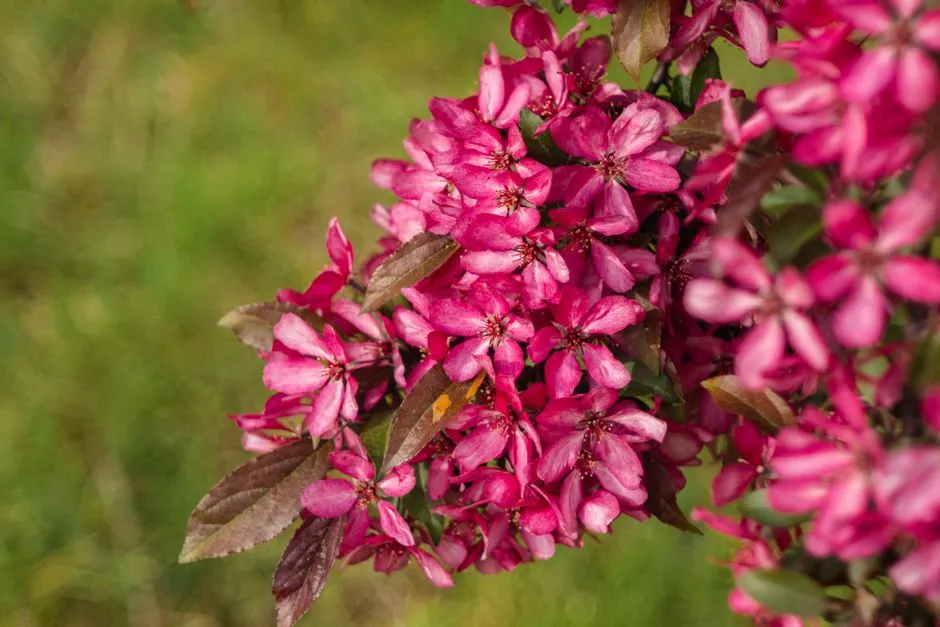
Most fruit trees get stripped bare within weeks – crabapple is built differently.
A profusely blooming sweet crabapple supplies hummingbirds with a nearly endless nectar source, erupting with small, star-shaped flowers in spring that catch pollinators immediately. But the real advantage shows up much later in the year.
Crabapples often hold their small, hard fruit on the branch through the entire winter, softening gradually after repeated freezes and thaws until robins, waxwings, and grosbeaks can finally break them down. That slow-release food source is rare – most berries get eaten or rot within a single season. Pairing early nectar with late-winter fruit makes crabapple one of the few trees feeding birds through two completely separate crises: spring pollinator shortages and late-winter food scarcity.
#13 – Desert Willow and Flowering Nectar Trees Bring In the One Bird Seeds Can Never Attract
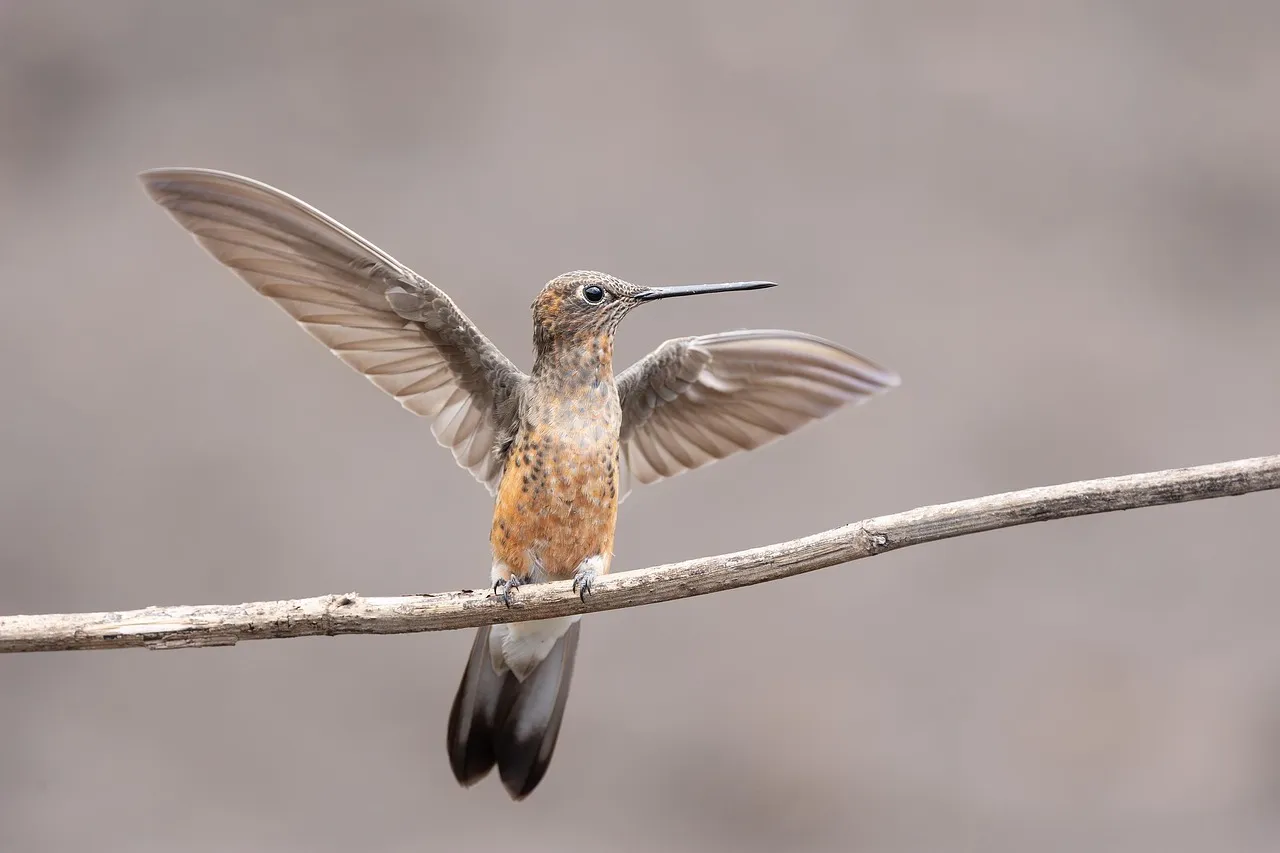
Every tree on this list so far feeds seed-eaters and fruit-eaters. None of them feed hummingbirds – this is the fix.
Desert willow produces catalpa-like, pink, tubular blooms that lure in hummingbirds, and unlike most flowering trees, it doesn’t quit after a few weeks. The sweetly fragrant flowers last from spring all the way to fall, giving pollinators months of food instead of days.
Here’s the detail almost nobody mentions: desert willow feeds hummingbirds twice, not once. It’s also a larval host to the white-winged moth, so a hummingbird may stop by to snag a few caterpillars for its hungry hatchlings, too. In cooler climates, northern catalpa fills a similar role, producing large clusters of white flowers in late spring that create a later food source just as other blooms fade. No feeder, however well-stocked, replicates a nectar window that long.
The Bottom Line
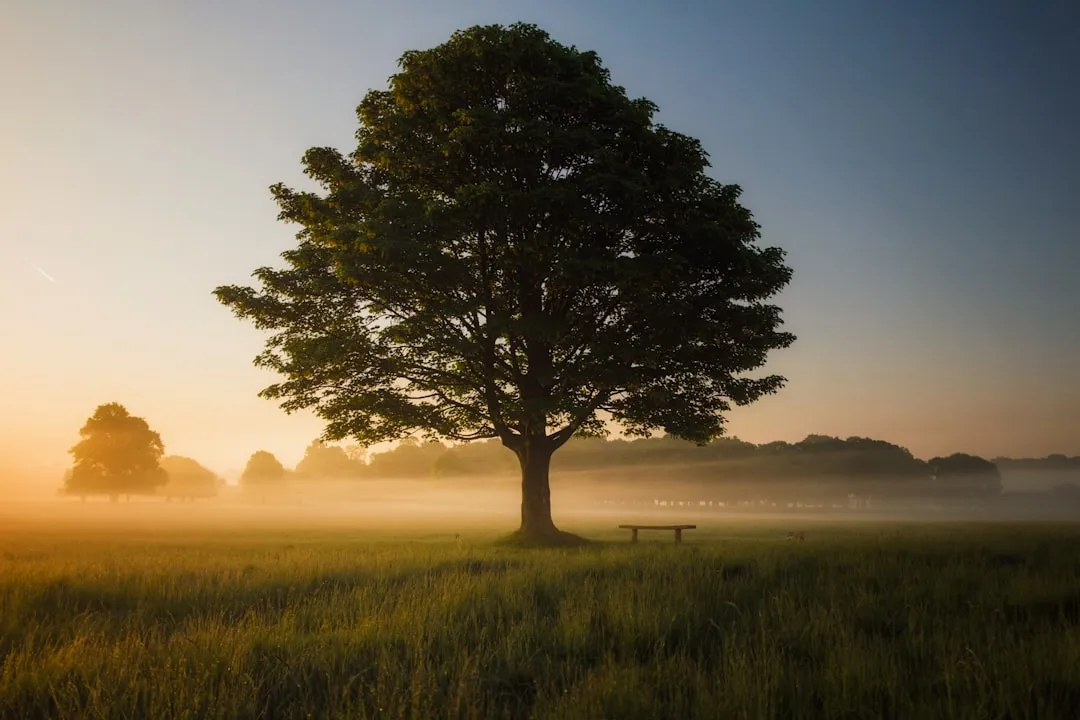
Feeders get the credit, but the data says trees are doing the real work – and most yards are missing the ones that matter most.
Oaks alone can host over 500 caterpillar species while a Bradford Pear hosts almost none, which is about the clearest proof you’ll find that “pretty” and “useful” are not the same thing. With nearly three billion birds gone since 1970, planting even one keystone tree from this list isn’t optional landscaping anymore – it’s damage control.
We’d argue oak and willow belong in every yard with room for them, no exceptions. Which tree on this list is already missing from your yard? Tell us in the comments.

From exploring the marine wonders in the Azores and witnessing the vast savannas of Kenya, to delving deep into the rich biodiversity of South Africa and traversing iconic landscapes in Australia and the US like Yellowstone, Chris's experiences are vast.
With a penchant for diving alongside sharks, the ocean holds a special place in his heart.
Through his academic insights, he champions wildlife conservation, striving with 'Animals Around The Globe' to cultivate a profound connection between humans and animals, enhancing our mutual appreciation.
Connect with him at Feedback@animalsaroundtheglobe.com.
- 13 Ways the Right Trees Coax Vanishing Birds Back to Your Yard - July 23, 2026
- What Happens If Bees Go Extinct Faster Than Expected? - July 23, 2026
- The Fastest-Reflex Animal Snatches Prey in Milliseconds - July 23, 2026