
The moment gray creeps across a cat’s muzzle, most owners brace for bad news. They start treating every extra nap like a diagnosis and every skipped meal like the beginning of the end. But talk to vets who see hundreds of senior cats a year, and you’ll hear something surprising: plenty of gray-muzzle cats are aging beautifully, not despite their age, but because their bodies and routines are quietly holding together in ways most people never think to check.
The catch is that most owners are watching the wrong things. They’re staring at fur color and how slow the cat walks, while the real clues, how it grooms, sleeps, eats, and bounces back from a bad day, go completely unnoticed. Here are the 14 signs that actually separate a cat aging gently from one quietly struggling, and a few of them might surprise you.
#1 – They’re Still Genuinely Interested in Daily Life
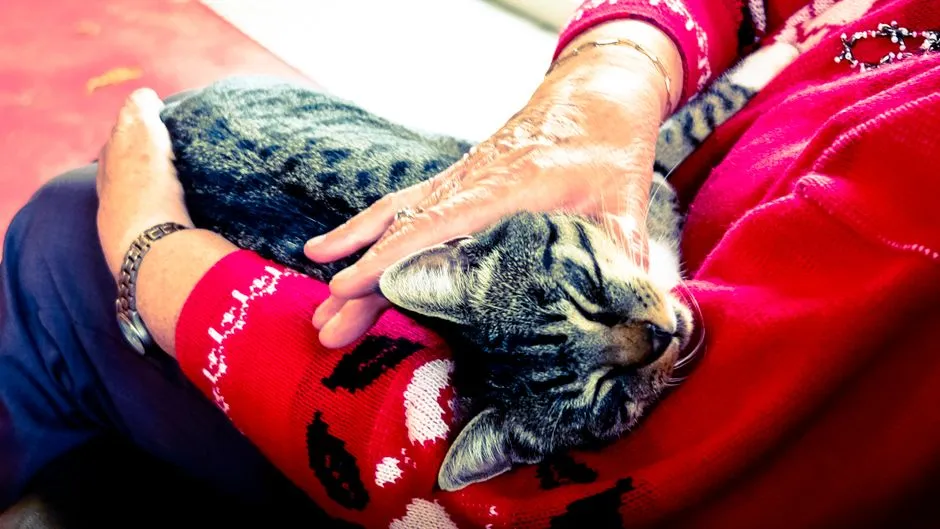
A gray-muzzle cat who’s aging well doesn’t check out of life, they just slow the pace. If your senior cat still comes trotting, or sauntering, over to investigate grocery bags or supervise you in the bathroom, that’s a genuinely good sign. Healthy older cats stay mentally “present,” tracking sounds, turning their head for familiar voices, and following the household routine like it’s their job.
They may not chase every toy anymore, but they keep a quiet curiosity about what you’re doing. A cat who still wants a sunbeam, a lap, or a spot on the windowsill is showing you their brain and mood are holding steady. Vets worry far more about seniors who hide, stare at walls, or seem “vacant” than the ones who are simply a little slower on their feet.
#2 – Their Weight Is Steady, Not Swinging Up or Down
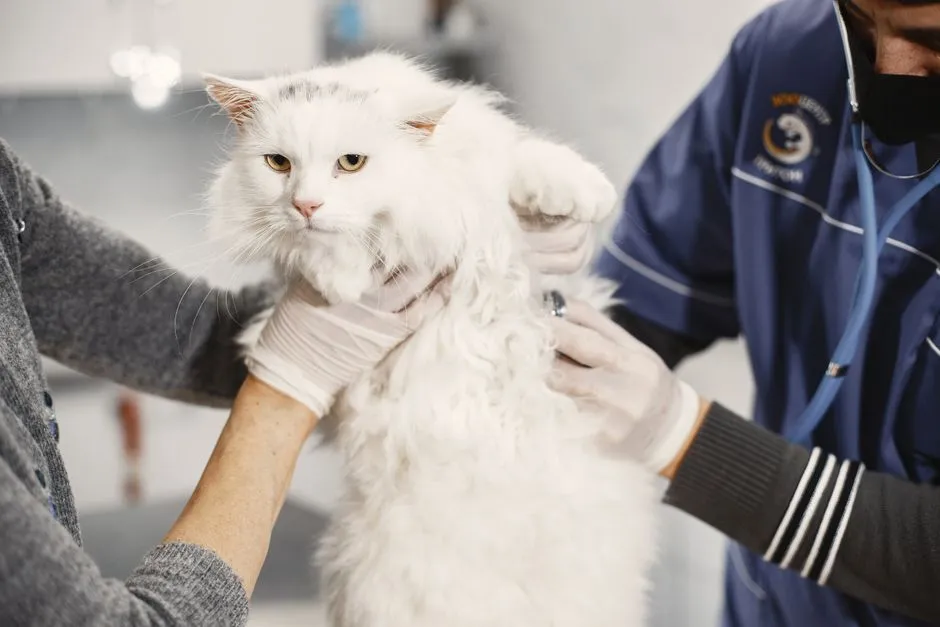
Most people obsess over how old their cat is turning. Vets quietly obsess over what the scale does between visits. A gray-muzzle cat aging gently usually holds a fairly stable weight, maybe a slow, gradual dip over years, never a dramatic drop or sudden gain over a few months. Run your hand along their side and you should feel ribs under a thin layer of padding, not sharp bone and not a soft roll.
Sudden weight loss in seniors can point to hyperthyroidism, kidney disease, diabetes, or cancer. Fast weight gain often means arthritis is limiting movement, or overfeeding has crept in. What you actually want is boring: the same scoop of food, the same shape in profile, the same feel under your fingers, visit after visit.
Quick Compare
- Losing weight fast? Often linked to hyperthyroidism, kidney disease, diabetes, or dental pain
- Gaining weight fast? Usually tied to arthritis limiting activity or portions creeping up over time
- Staying steady? The pattern vets actually want to see, even with a slow decline over years
#3 – They Groom Regularly and Don’t Smell “Off”
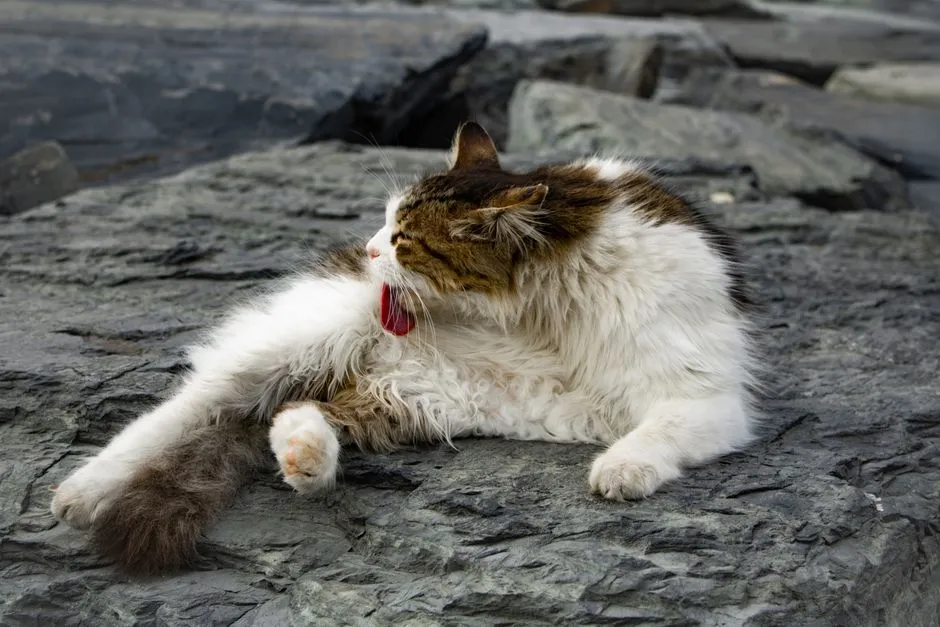
One of the most underrated health indicators in older cats is their vanity. A gray-muzzle cat aging well still cares about grooming, you’ll catch them washing their face, chest, and paws after meals, coat mostly smooth and free of heavy mats. Once-silky fur that suddenly turns greasy, smelly, or clumped is often the very first visible sign something has gone wrong.
A gently-aging cat might accept a little help from you, especially along the lower back or behind the ears, but they’ll still do most of the work themselves. There shouldn’t be a strong, sour, or urine-like smell hanging around them. Senior cats in pain, or dealing with dental disease or systemic illness, often quit grooming because it hurts too much or they simply feel too unwell to bother.
#4 – Their Litter Box Habits Haven’t Become Chaos
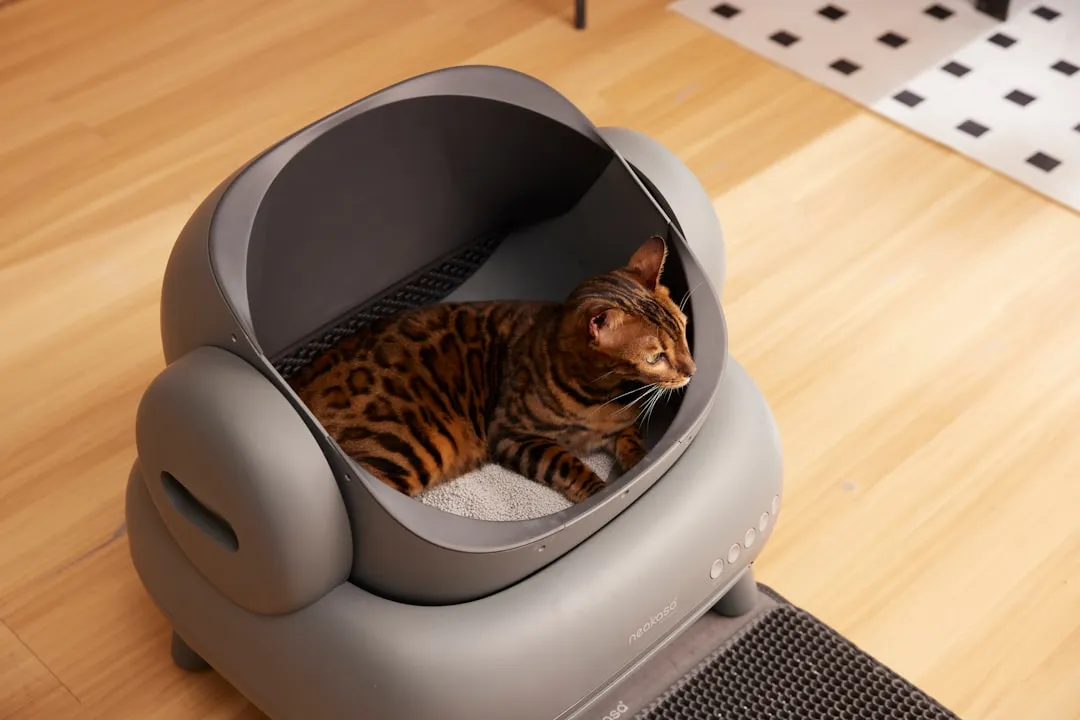
Most people chalk litter box “mistakes” up to attitude, but in senior cats they’re almost always a health report. A gray-muzzle cat aging gently uses the box consistently, produces stools that look fairly normal for them, and isn’t suddenly flooding the box or leaving tiny, strained drops. Consistency is the magic word here.
- Stable habits usually mean their kidneys, bladder, and digestion are handling age reasonably well
- Preferring a lower-sided box, or one closer to their favorite sleeping spot, is smart adaptation, not decline
- A cat who starts peeing outside the box, straining, vocalizing, or leaving very runny or very dry stools is telling you something hurts
If your senior is still quietly stepping in, doing their business, and walking away without drama, you’re in better shape than you might assume.
#5 – They Can Still Jump, Even If They Pick Easier Targets
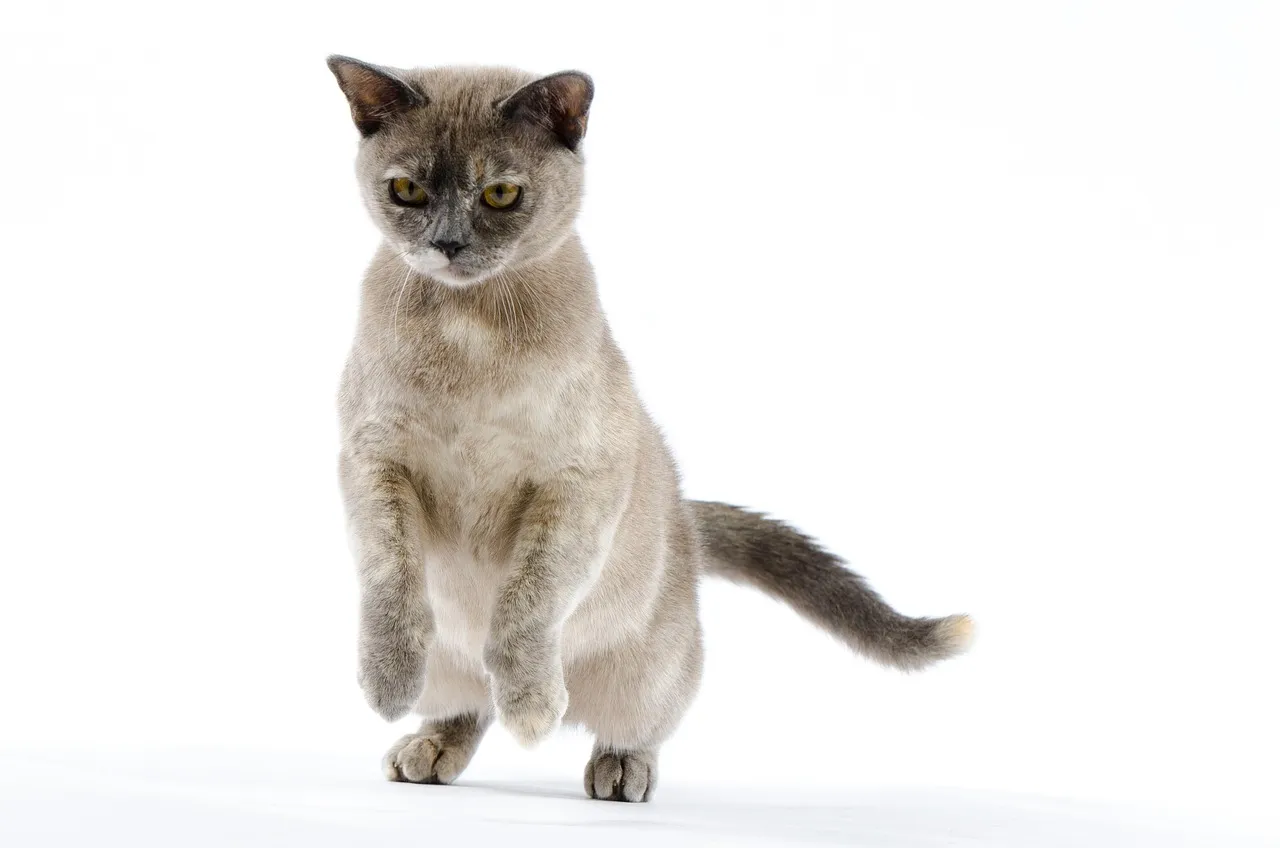
Here’s an uncomfortable truth: expecting a 14-year-old cat to leap like a two-year-old is ridiculous. But they should still be able to get up onto something. Aging gently often looks like choosing the couch over the top of the fridge, or using a step stool to reach the bed instead of launching straight off the floor.
Watch how they move. Do they hesitate for a second, then jump confidently? Do they pick lower perches but still climb and explore? That’s normal adaptation. What worries vets is when a cat stops jumping altogether, starts pulling themselves up with their front paws, or avoids stairs and cat trees they used to love, that usually points to arthritis, not just “getting old.”
#6 – Their Eyes Stay Bright, Clear, and Responsive
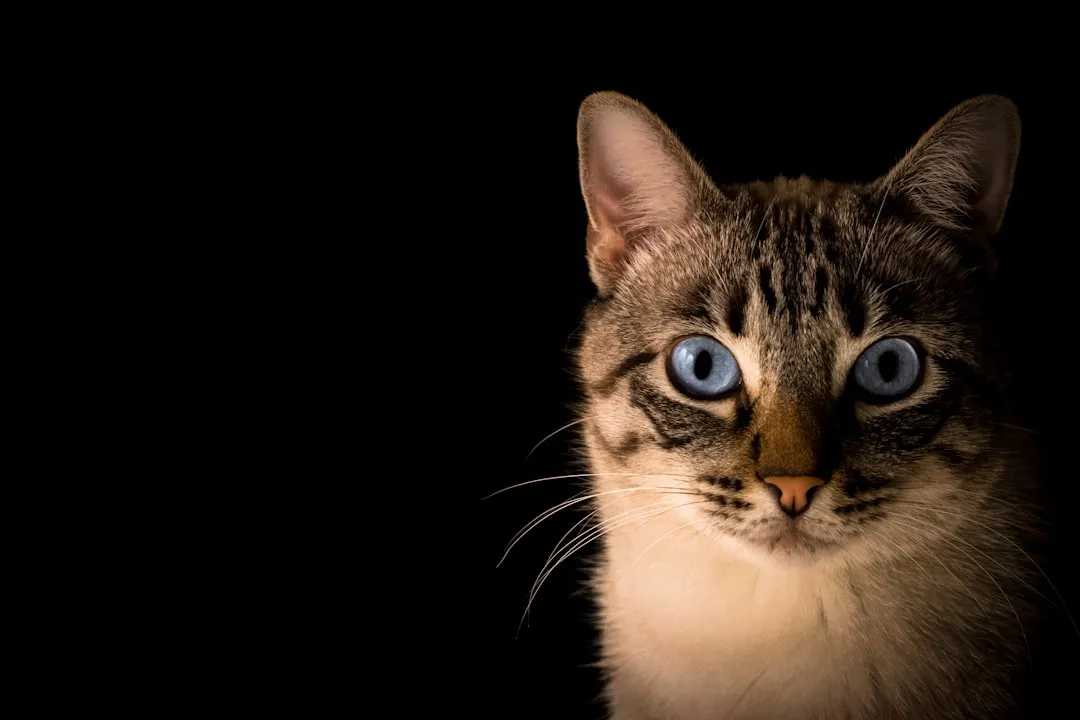
Most people write off cloudy eyes as “just aging,” but a sudden change in eye clarity, pupil size, or color can signal something far more serious, high blood pressure, cataracts, even retinal disease. A senior cat aging gently tends to have clear corneas with no dense white or blue haze, pupils that respond normally to light, and no thick, constant discharge or heavy redness.
A very mild age-related haze is fine, as long as they’re still tracking toys, watching birds, and making eye contact. Cats with uncontrolled hypertension can go suddenly blind, and owners often only notice when the cat starts bumping into furniture or hesitates before jumping. If your gray-muzzle is still visually “locked in” to movement around the house, that’s a genuinely reassuring sign.
#7 – Their Appetite Is Predictable, Not Dramatic
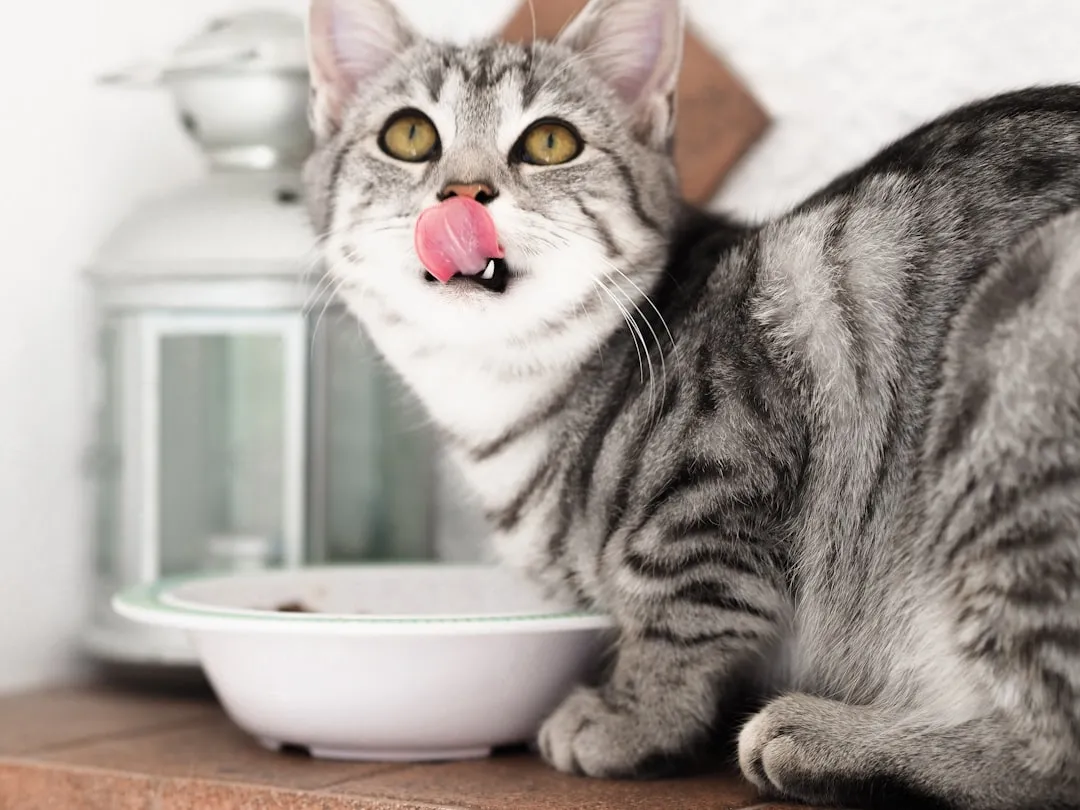
It sounds simple, but a senior cat who eats reliably is usually doing far better than people realize. The real red flag isn’t a slightly smaller, more polite appetite, it’s a sudden surge or crash. Hyperthyroid cats often become ravenous while losing weight; kidney or dental disease can make a cat walk away from even their favorite food.
Gentle aging looks like this: they still come running when the can opens, they eat most of their usual portion, and they might get pickier but never wildly inconsistent. Maybe they now prefer softer textures or smaller, more frequent meals, that’s fine, as long as the pattern doesn’t swing overnight. Predictable meals are a quiet sign their body is handling age with some grace.
Fast Facts
- A sudden appetite surge paired with weight loss often points to an overactive thyroid
- Walking away from favorite foods can signal dental pain or nausea
- Softer textures and smaller, more frequent meals are a normal senior adjustment
- An abrupt swing matters far more than a slow, mild change in portion size
#8 – Their Sleep Changes Make Sense, Not Worry You
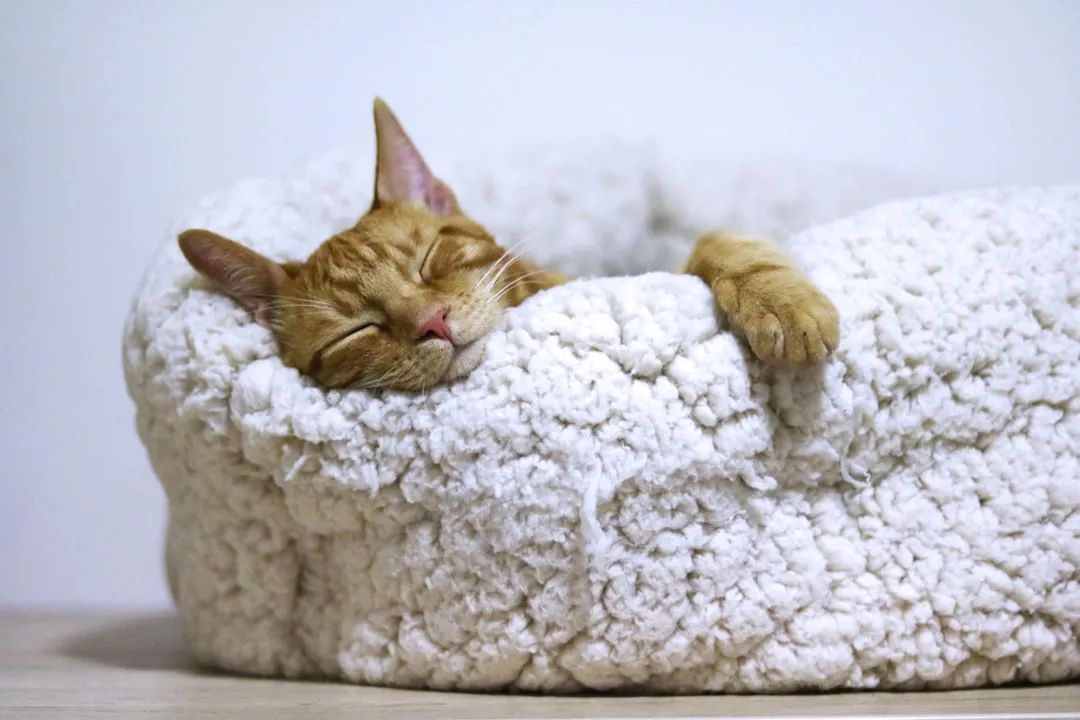
Yes, older cats sleep more, but so do plenty of perfectly healthy adults. The real question isn’t how long they sleep, it’s how. A gray-muzzle cat aging gently sleeps deeply in familiar, safe spots, shifts positions comfortably, and wakes up alert the second you call their name or open the food.
They might trade 3 a.m. zoomies for long afternoon sun naps, which most humans consider a fair trade. Problem sleep looks different: pacing or yowling through the night, restlessness, or sleeping so hard they’re difficult to rouse. Those patterns can signal pain, anxiety, or cognitive decline, not simple old age.
#9 – Their Personality Is the Same, Just Calmer Around the Edges
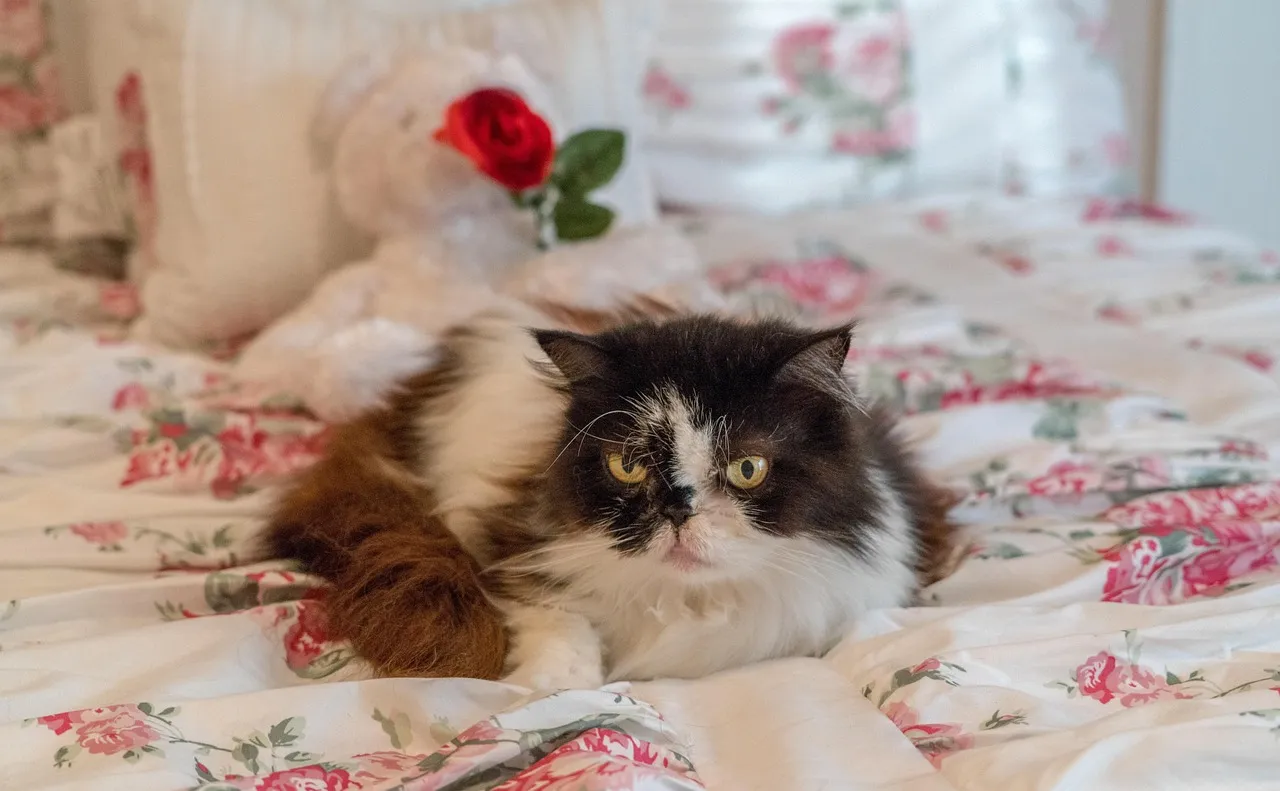
One of the clearest signs your older cat is aging gently is that their core personality never really leaves. The clingy cat is still clingy. The aloof cat is still dignified. The clown cat still pulls at least one ridiculous stunt a day, even if it’s in slow motion. They might soften, yesterday’s hyper kitten becomes today’s couch critic, but their basic reactions to people and other pets don’t flip overnight.
What worries vets and behaviorists is abrupt change: the sweet cat who suddenly hides and hisses, the confident cat who turns anxious and vocal, the laid-back cat who develops sudden aggression. Those shifts usually point to pain, cognitive decline, or illness, not “getting old.” If your gray-muzzle is basically the same character they’ve always been, just slower and maybe a little more opinionated about comfort, that’s exactly the kind of gentle aging every owner hopes for.
#10 – Their Vet Bloodwork Is Boring, and You Actually Do It
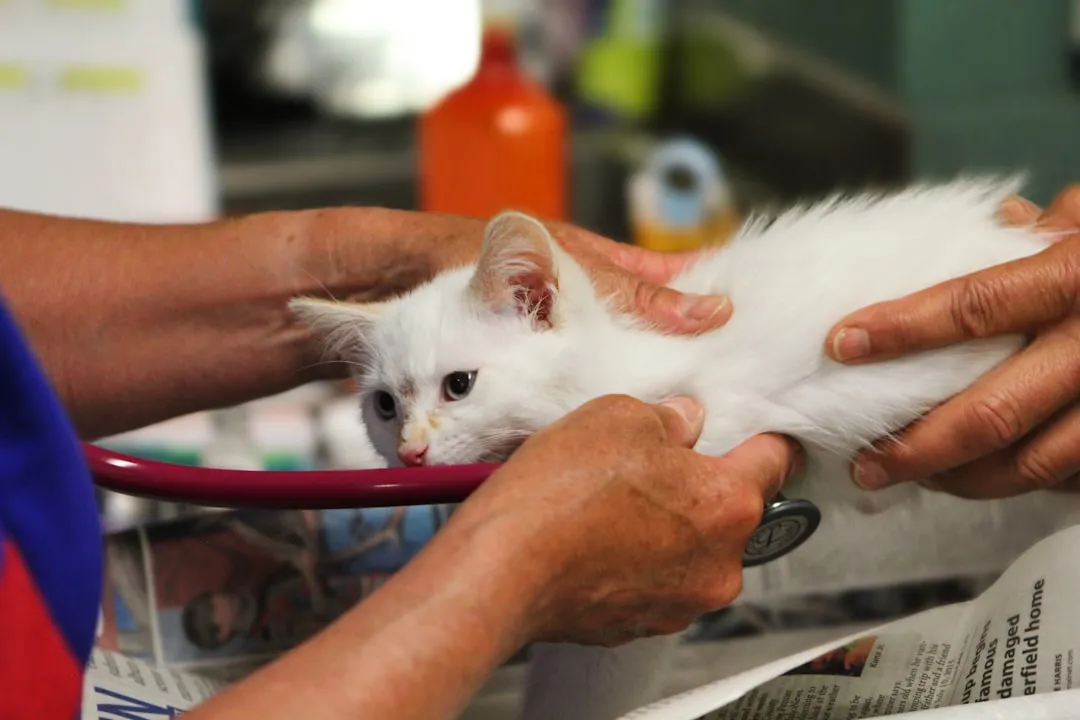
Social media is full of cute senior-cat photos, but the least glamorous part of gentle aging happens in a lab, not on camera. A gray-muzzle cat aging well typically has stable kidney and liver values over time, a thyroid level in normal range, and no major surprises in blood sugar or red and white cell counts. Small age-related drifts can be normal; dramatic jumps rarely are.
The cats who age best usually have humans who catch small issues early and adjust diet, medication, or lifestyle before things spiral out of control. Many vets argue that yearly, or twice-yearly, labs for older cats aren’t optional if you actually care how they age, not just how they look on the outside. If your vet keeps saying “everything still looks pretty good for their age” year after year, that’s not luck. That’s a strong sign your cat’s trajectory is on the gentler side.
At a Glance
- Kidney values staying steady from one visit to the next
- Thyroid hormone levels within normal range
- Stable blood sugar and red or white cell counts
- Yearly, or twice-yearly, senior panels to catch small drifts early
#11 – They Use Their Senses Confidently, Not Like They’re Lost
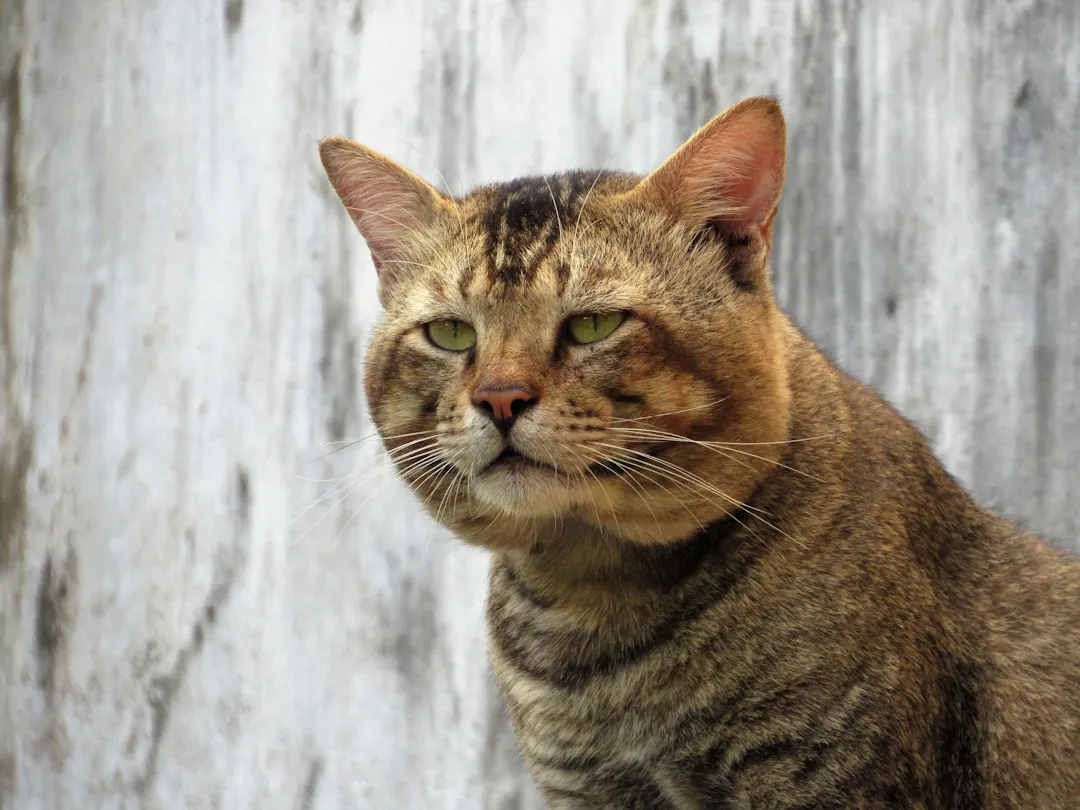
Older cats absolutely can lose some hearing or vision and still age gently, the key is whether they adapt or seem terrified. A well-aging gray-muzzle might startle less at loud noises but still respond to vibrations or visual cues, track toys with whatever vision they have left, and move through your routines with total confidence.
You might notice they don’t hear the door open from across the house anymore, or they sleep straight through thunder that used to send them running. That can be completely normal. What’s more worrisome is a cat who walks into corners, seems confused in familiar rooms, or gets stuck in odd places, that lost, “where am I?” energy points more toward cognitive or neurological trouble than simple sensory aging.
#12 – They Can Still Handle Basic Stress Without Falling Apart
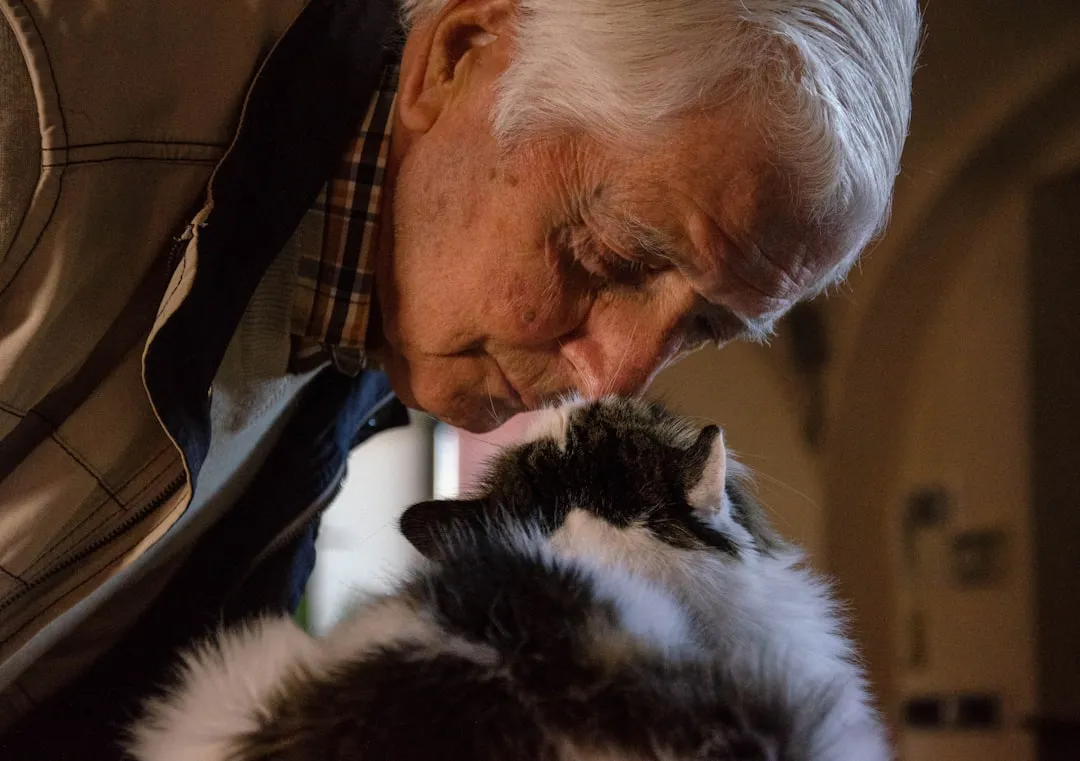
This is the quiet test most people skip: how does your senior cat handle mild stress? A cat aging gently won’t love vet trips or houseguests, but they should recover. Maybe they hide for a while, then come back out for food, treats, or their favorite nap spot. Their appetite returns. Their litter habits stay normal.
Cats whose health is hanging by a thread often decompensate after even small stressors, a houseguest, a short boarding stay, or a loud storm can trigger days of not eating, diarrhea, or a total shutdown. Resilience is as much a marker of healthy aging as any lab result. If your gray-muzzle grumbles, complains, then shrugs it off like nothing happened, that bounce-back is a genuinely good sign.
#13 – They Still Have Non-Negotiable Joys They Insist On
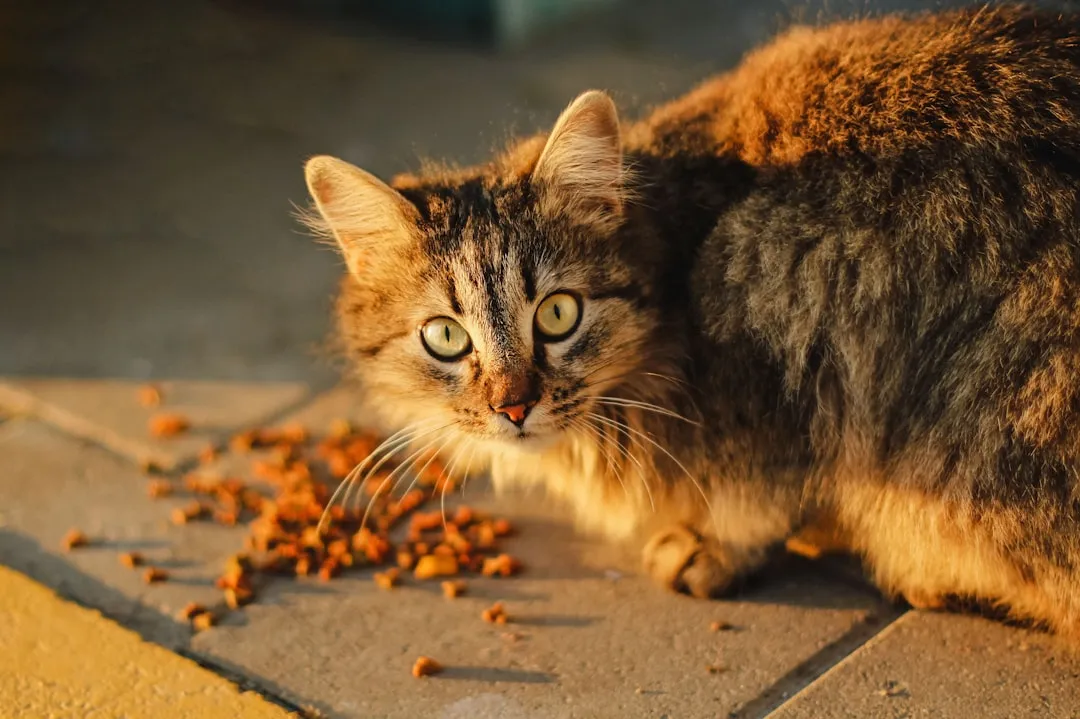
One of the gentlest signs of good aging is stubbornness, in the best possible way. Healthy senior cats still have “must-have” pleasures: the 4 p.m. treat, the one specific spot on the bed, the exact window ledge reserved for bird-watching. When an older cat quietly stops lobbying for the things they love, that’s often more alarming than an extra nap ever could be.
Pay attention to what they still insist on. Do they demand a particular food, toy, or cuddle routine? Do they complain if you’re late filling the bowl or opening the blinds? That insistence means they still find life worth engaging with. A cat who lets go of their old joys one by one may be telling you they feel unwell, even before anything shows up on a test.
Why It Stands Out
- They still demand their favorite treat at the same time every day
- They claim one specific spot and defend it like prime real estate
- They complain, loudly, if feeding or window time gets delayed
- They keep engaging with small pleasures instead of quietly giving them up
#14 – Their “Bad Days” Are Rare, and You Can Usually Explain Them
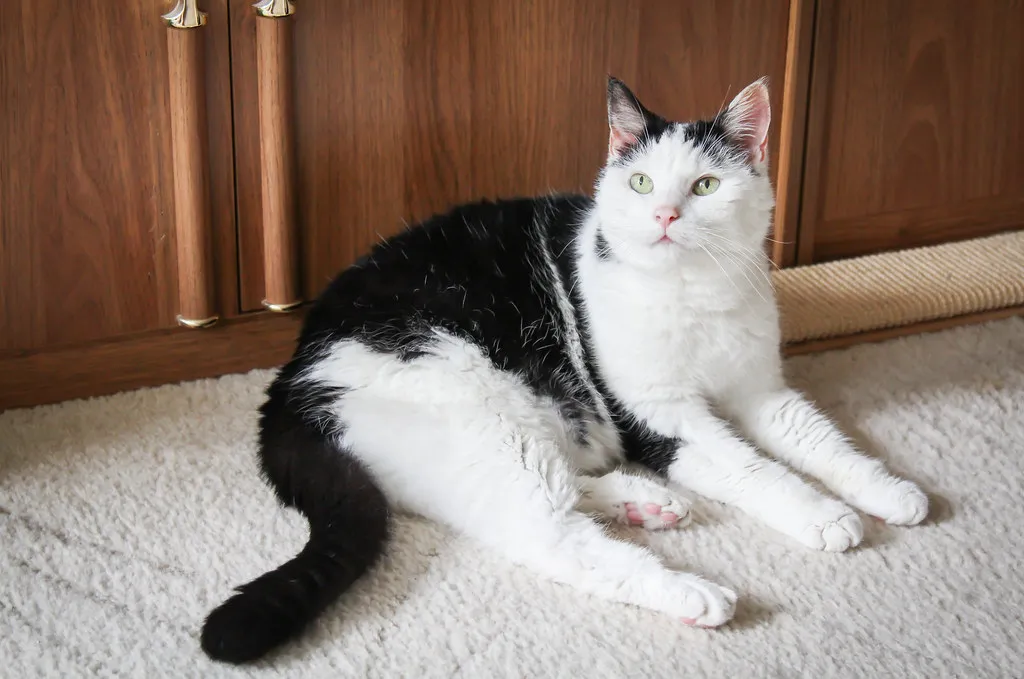
No senior cat has a hundred perfect days in a row. The real question is whether the off days are occasional blips or the new normal. A gray-muzzle cat aging as gently as possible might have the odd slow morning, an off meal, or a creaky-joint day after too much play, and crucially, they bounce back within a day or two and return to their baseline.
When bad days start stacking up, less eating, more hiding, less grooming, more litter box drama, that’s when you’re drifting out of gentle-aging territory. It’s not about pretending decline doesn’t exist; it’s about noticing whether it’s creeping in slowly or slamming down all at once. Stable, explainable dips followed by solid recoveries are one of the clearest signs of a senior who’s still on a kind trajectory.
The Bottom Line
Here’s the truth most people don’t want to hear: gray fur was never the problem. The real story is written in the patterns, weight, grooming, curiosity, litter habits, bloodwork, and how fast they bounce back from a bad day. A cat can be sixteen, arthritic, and a little deaf, and still be aging gently if their days stay mostly comfortable, predictable, and full of the small joys they still insist on.
The flip side is just as uncomfortable to admit: a much younger cat can quietly be doing far worse if those same signs are sliding the wrong direction. Aging well was never about staying young forever, it’s about staying yourself, with as little unnecessary suffering squeezed in along the way as possible. If your gray-muzzle still looks like your cat, just wiser and a little more strategic about where they jump, you’re already beating the odds more than you realize. Disagree with where we drew the line on “gentle aging”? Say so in the comments, we’re curious where cat owners push back hardest.

- The Zodiac Signs That Cats Naturally Gravitate Toward - July 24, 2026
- 14 Signs Your Gray-Muzzle Cat Is Aging as Gently as It Should - July 24, 2026
- 13 Signs the Songbirds Are Slowly Vanishing From Your Corner of the Street - July 24, 2026