
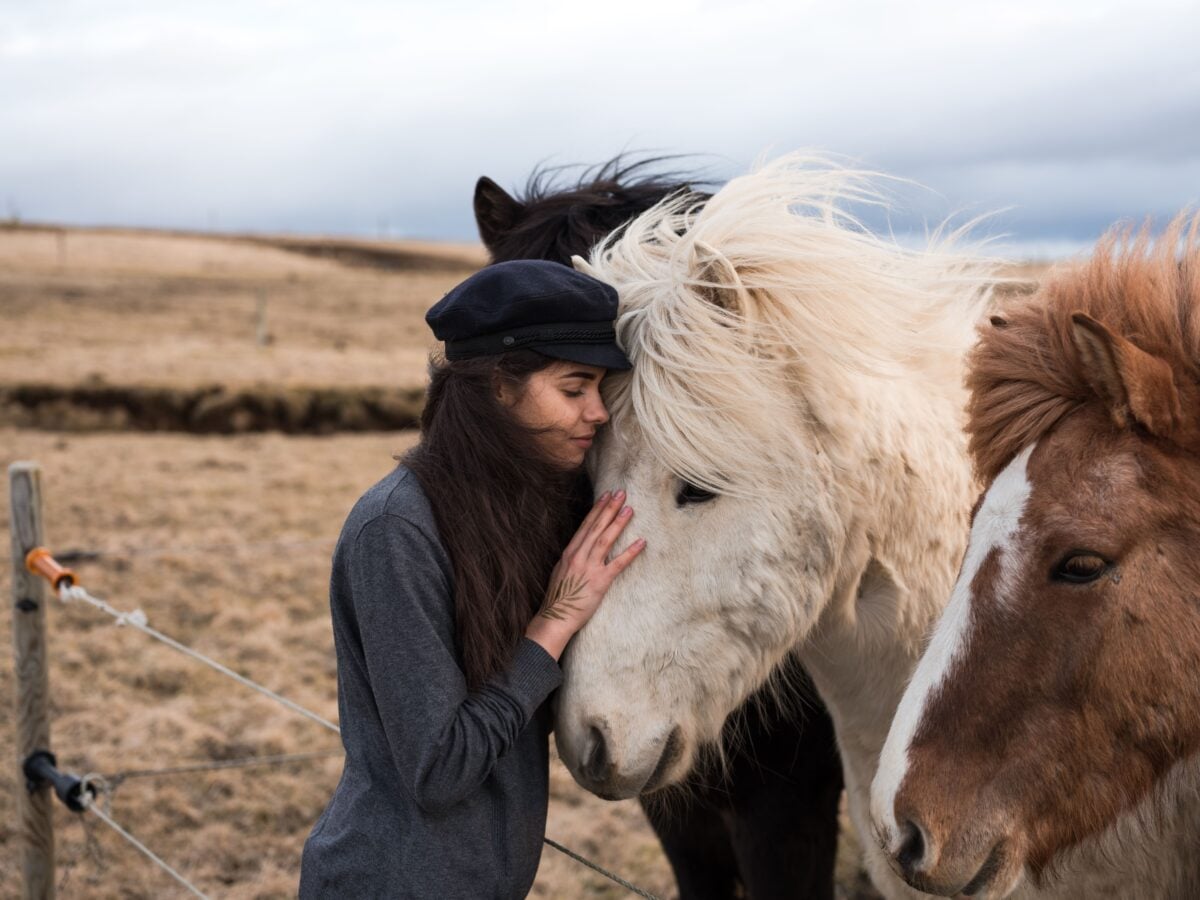
You’ve been gone three months. Maybe longer. Work, money, life – whatever pulled you away from the barn didn’t feel optional at the time. But somewhere in the back of your mind, a quieter worry has been sitting there the whole time: does she even remember me anymore?
Most people assume the answer is no – that horses live entirely in the moment and forget a face the second it’s out of sight. Barn stories, and actual behavior science, say otherwise. Horses build long-term social memory around the people tied to their strongest emotions: safety, fear, comfort, pain. What that memory looks like in real life is stranger and more specific than most owners expect, and some of it you’d only catch if you knew exactly where to look. Here are the 13 signs trainers and longtime owners swear by.
#13 – They Spot You In A Crowd… And Lock On
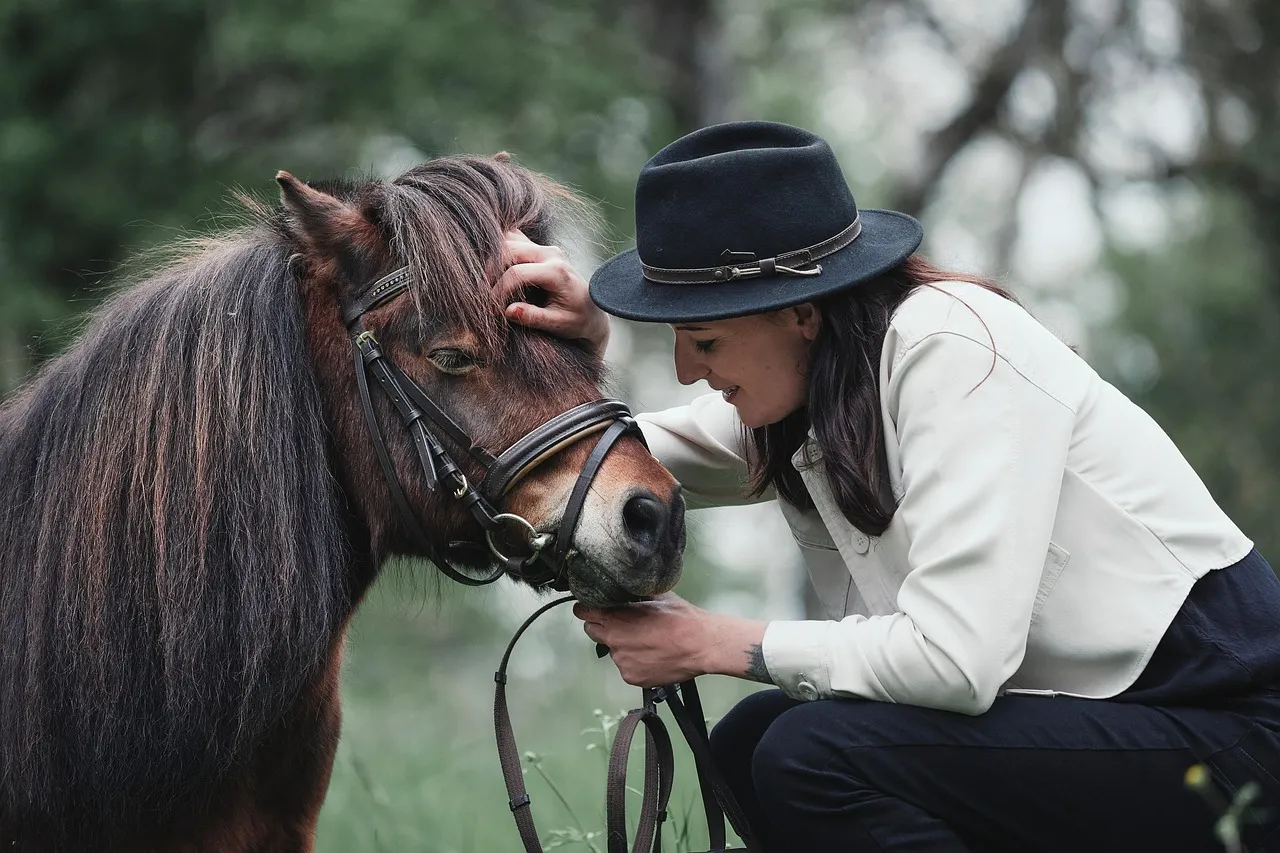
When a horse remembers you, the first giveaway is often the eyes. You step onto the yard or into the arena, and instead of a casual glance, your horse does a double-take, then locks onto you like you’re the only thing in the field worth looking at. Ears prick forward, the head lifts slightly, nostrils stay soft and relaxed.
Most people wave this off as coincidence. But trainers who watch dozens of horses a day notice the pattern fast. If, months later, that same horse consistently tracks you the second you appear – even with other people and horses milling around – that’s not random. Horses remember who fed them, who scared them, and who stood quietly through the bad days. Eye contact that holds a beat too long is usually your very first clue.
#12 – They Walk Away From Others To Come To You
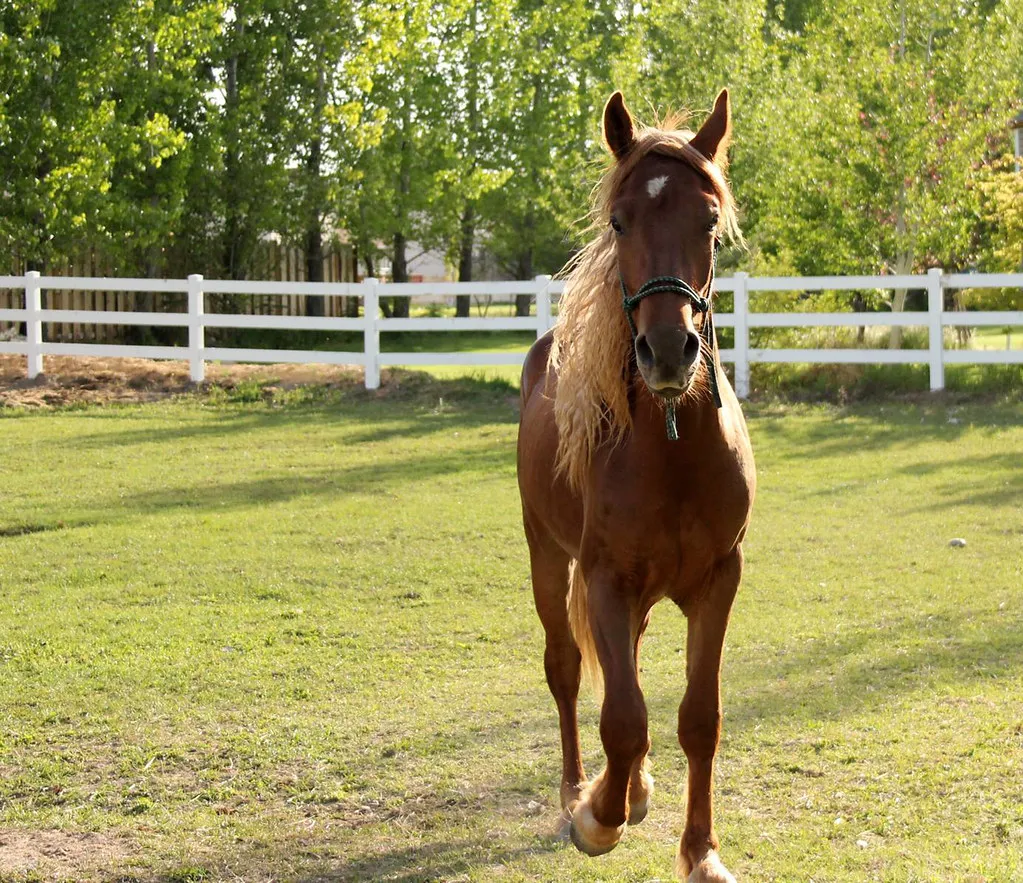
Plenty of horses will wander toward anyone who walks into the pasture, treat or no treat. The real test is different: they willingly leave hay, buddies, or the barn’s most popular human just to walk straight to you. For a prey animal whose safety lives in the herd, that’s a genuinely big deal.
- Are other people already in the field, but your horse angles toward you anyway?
- Do they peel away from a tightly packed group, threading past more dominant horses to reach you?
When a horse chooses you like that – head low, tail relaxed, eye soft – it isn’t just food-driven. Boarding barn owners will quietly tell you which horses obviously have “their person.” If months have passed and your horse still pushes through the social noise of the herd to stand at your shoulder, that’s memory talking, not chance.
Fast Facts
- A well-known French study found horses still gravitated toward a trainer they hadn’t seen in eight months, largely ignoring an unfamiliar person standing nearby.
- Separate research shows horses can pick a familiar keeper’s photo out from a stranger’s roughly six months after last contact.
- Horses have been shown to retain complex trained routines for ten years or longer.
- Recognition leans on a mix of sight, scent, and voice – not just one sense working alone.
#11 – Their Greeting Is Different From How They Treat Strangers
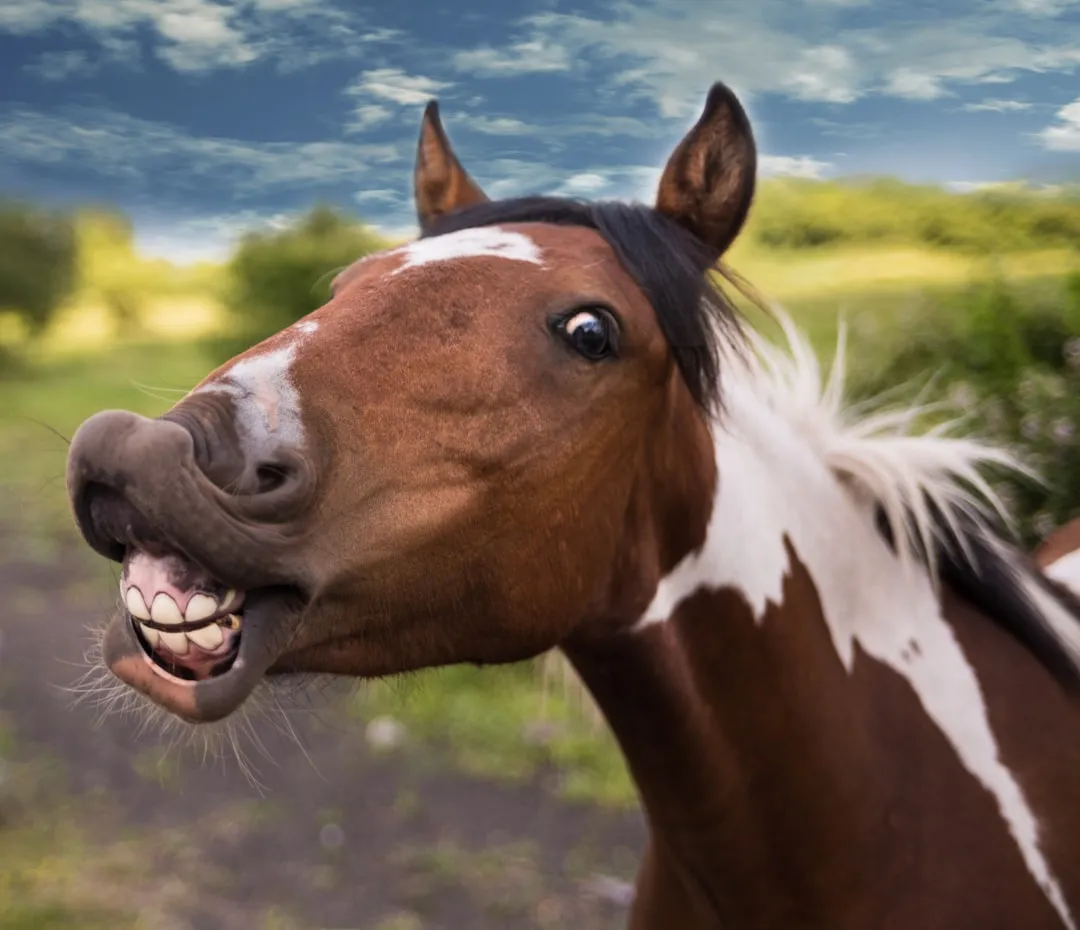
A horse that remembers you often has a specific “hello ritual”: a nudge toward your pocket, a slow sniff of your hair, a chin dropped on your shoulder, even a snort in your face that would startle anyone else. The behavior itself isn’t the tell – the contrast with how they treat everyone else is.
- Do they crowd your space a little more, but in a relaxed, familiar way?
- Do they go straight for your usual treat pocket even when it’s empty?
- Do they drop their head to your chest the way they used to?
Casual observers call this pushy or rude. Horse people know these little rituals are learned and repeated on purpose. If your horse falls almost instantly back into your private greeting after months apart, while staying formal or unsure with everyone else, they’re not just being friendly. They’re telling you they know exactly who you are.
#10 – They Relax Faster Around You Than Anyone Else
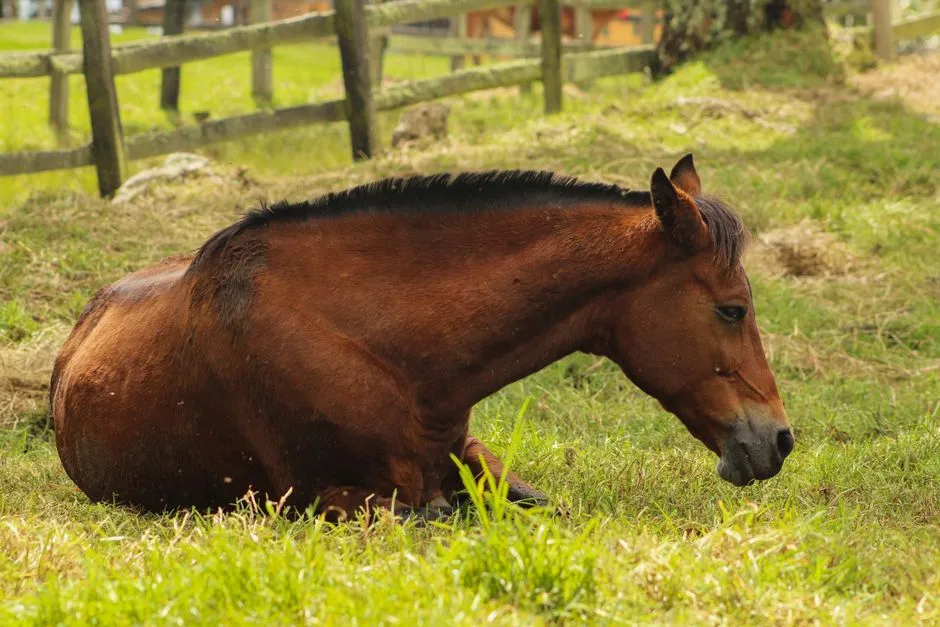
Horses don’t fake relaxation. You can force one to stand still, but you can’t fake licking and chewing, slower blinking, a long sigh, a lowered head, a hind leg resting. A horse that still remembers you often shifts from on-alert to melting noticeably faster once you’re the one holding the lead rope.
- Do they stop pacing or calling the moment you step into the stall?
- Does their breathing slow and their body soften within a minute or two?
- Are they more tolerant of new, uncertain things when you’re the one asking?
Horses remember emotional experiences with people more than almost anything else. If you once equaled calm and predictability in their mind, your presence is basically a shortcut back to safety. If everyone else needs time to settle them but they exhale the second you walk in – that’s emotional memory doing its job, not magic.
#9 – They Remember Old Cues You Taught Them
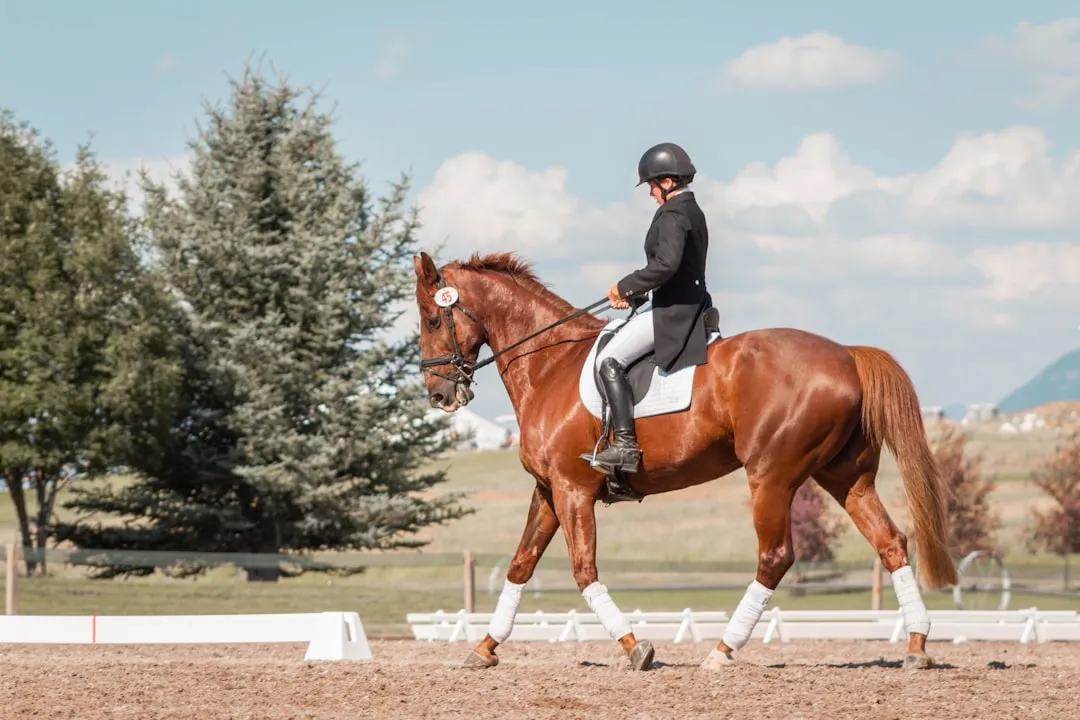
Here’s where the “horses forget everything over winter” crowd gets proven wrong. A horse with real history with you will often snap right back into responding to your specific cues, even after months off – especially if your style differs from whoever handled them while you were gone.
- Your lighter leg or seat cue works, while others need to kick or cluck.
- Your specific groundwork signal – a finger wag, a shift of your hip – still moves their feet.
- They anticipate your old routines: pausing at a certain gate, stepping to the mounting block, standing where you always groomed.
These aren’t generic tricks. They’re habits built from hundreds of quiet repetitions together. When you climb back in the saddle and that horse instantly tunes into your version of a half-halt or your specific “whoa,” it’s clear they didn’t just remember the task. They remembered who taught it, and how.
#8 – Their Scent Check Is Calm, Curious, And Very Specific
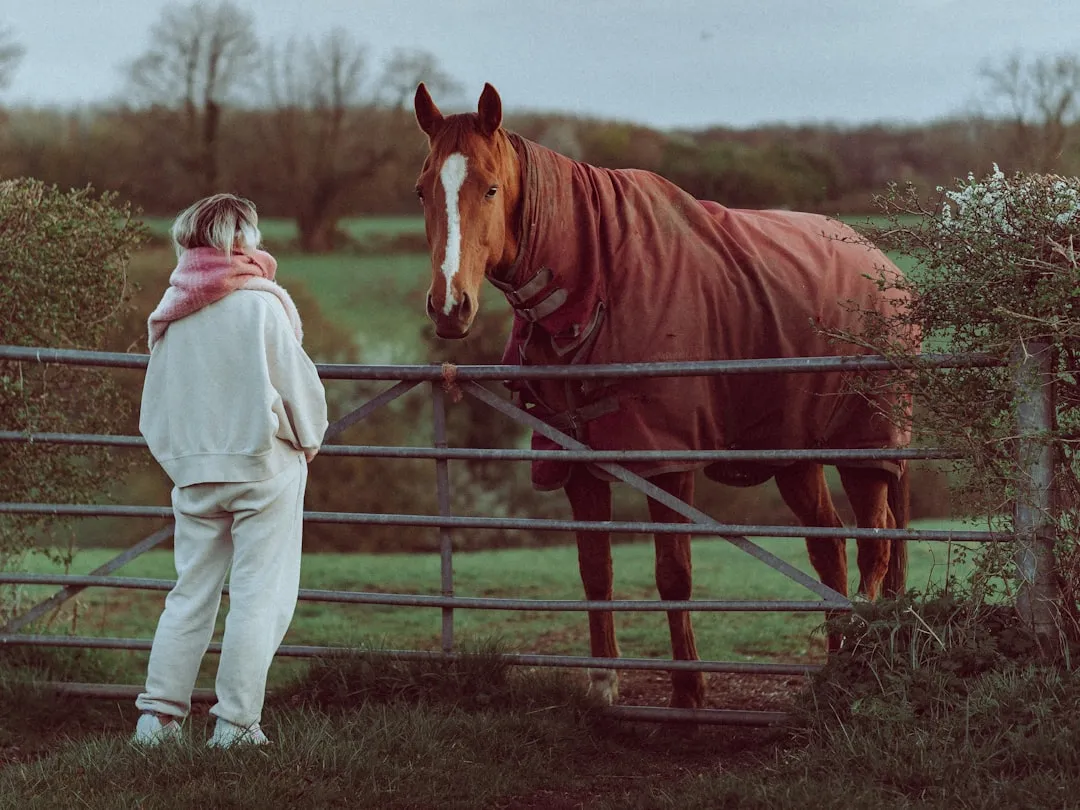
The nose never lies. Horses identify individuals – human and equine – largely through scent. When a horse remembers you, the sniffing is slow and almost tender, not frantic. They start at your hands, move to your chest or shoulders, then your hair or hat, as if re-downloading a file they already have.
- A horse who doesn’t know you well does a brief, cautious sniff, then pulls back.
- A horse who remembers you lingers on your clothes, especially if you still smell like their barn or saddle soap.
- They might blow softly into your face, then relax immediately – ears soft, eyes half-closed.
Some owners chalk this up to “they’re just checking for food.” Watch the body instead. A soft back, loose lips, and a relaxed neck mean recognition, not suspicion. When months have passed and they still run through the same focused scent check before visibly settling, you’re watching long-term memory happen in real time.
Quick Compare: How Horses “Check” For You
- Sight: A held gaze and pricked ears signal recognition from clear across a field.
- Scent: A slow, deliberate sniff of your hands, hair, or clothing quietly re-confirms who you are.
- Sound: Your voice can cut through barn noise faster and more reliably than sight or smell alone.
#7 – They Gravitate To Your Voice Over Everyone Else’s
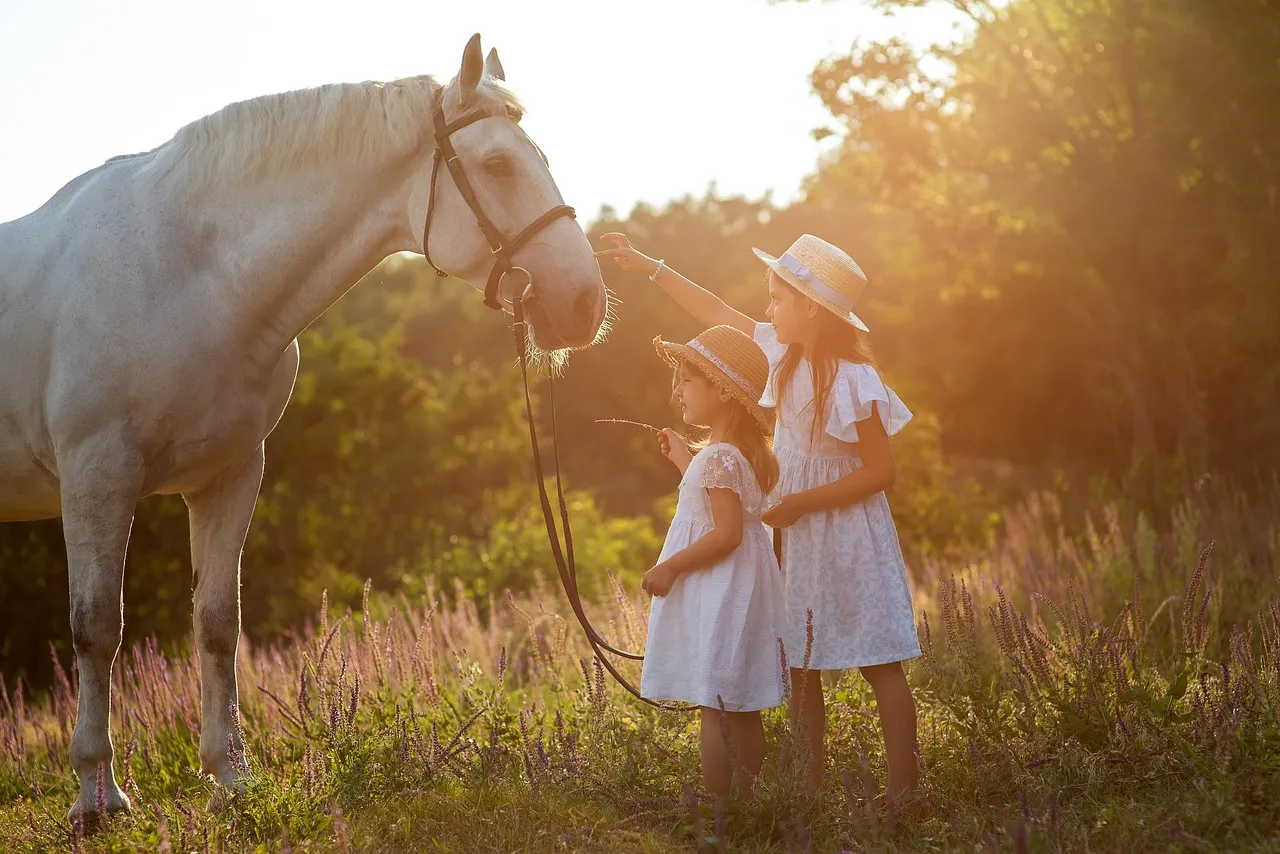
Horses are better at voice recognition than most people realize, capable of matching a familiar voice to the right person even before they see them. If your horse still remembers you, your voice can cut straight through barn chaos – tractors, kids, lesson riders yelling – like nothing else does.
- Call their name from outside the barn or across the pasture.
- Use a phrase you always used: “Easy, buddy,” “Good girl,” “Whoa there.”
- Speak in the tone you used during grooming or cool-down after a ride.
A horse that remembers you might lift their head instantly, swing an ear toward you, or walk to the gate before they’ve even spotted you. They’re pairing an old emotional state with a familiar sound. Some horses blatantly ignore everyone else’s calls but perk up the second it’s you. People call that spoiled. Behaviorists call it selective recognition.
#6 – They Stand In “Your Spot” As If Waiting For You
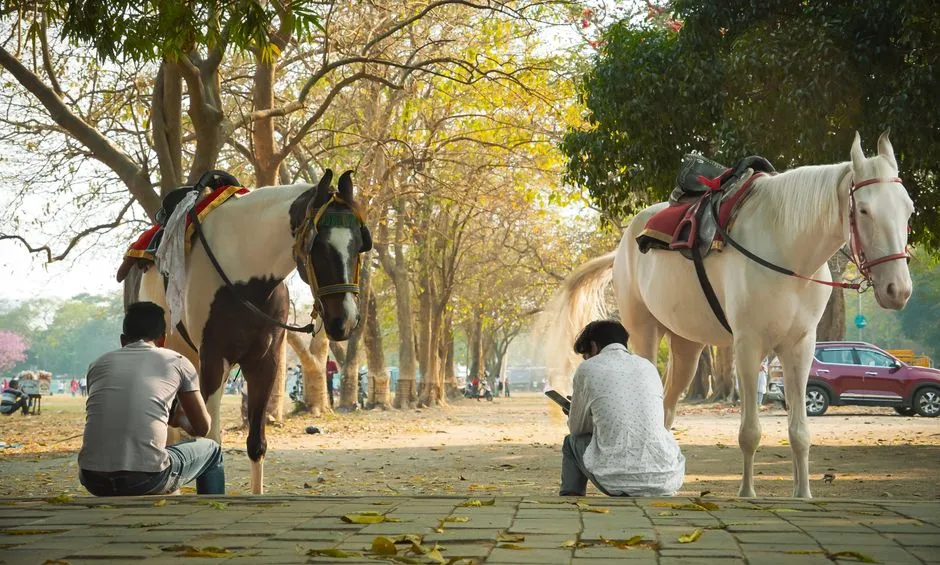
This one drives skeptics crazy because it’s so specific. Many horses build location-based memories tied to their favorite person – a certain cross-tie, grooming area, fence post, or mounting block where your routine always started. Months later, some horses will still drift to that exact spot and simply wait.
- They walk to the old grooming area the second they see you enter the barn.
- They line up near the same post or mounting block you always used.
- They pause at the gate where you always met them, even if others use a different one now.
To an outsider this looks like plain habit. But habit is memory made visible – they’re replaying your shared script without needing a cue. If you walk toward that same spot and find them already standing there, watching you approach like no time passed at all, that’s one of the clearest “I remember you” moments you’ll ever get.
#5 – They Mirror Your Emotions Like They Used To
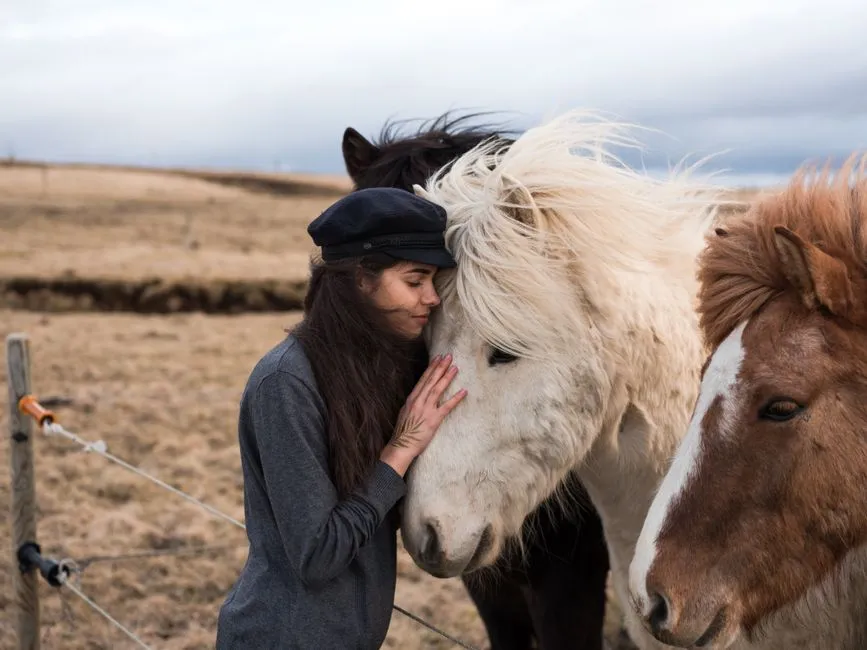
One of the most underrated signs is emotional mirroring. Horses are extremely sensitive to human mood – calm, tense, sad, wired. If a horse still remembers you after months apart, they’re far more likely to fall back into the emotional feedback loop you had together, for better or worse.
- You arrive stressed, and they get slightly high-headed or fidgety, just like before.
- You slow your breathing and soften your posture, and they visibly follow – head lowers, jaw relaxes.
- You’re upset, and they lean into you or rest their nose on your chest the way they always did.
Skeptics call this projection, but experienced handlers see it repeat over and over with the same long-term pairs. Horses don’t mirror every human equally – they mirror the ones they’re deeply bonded to. If they sync back up with you within minutes of your return, you’re not just some person holding a lead rope. You’re their familiar emotional anchor again.
#4 – They Show Old Jealous Or Protective Behaviors Around You
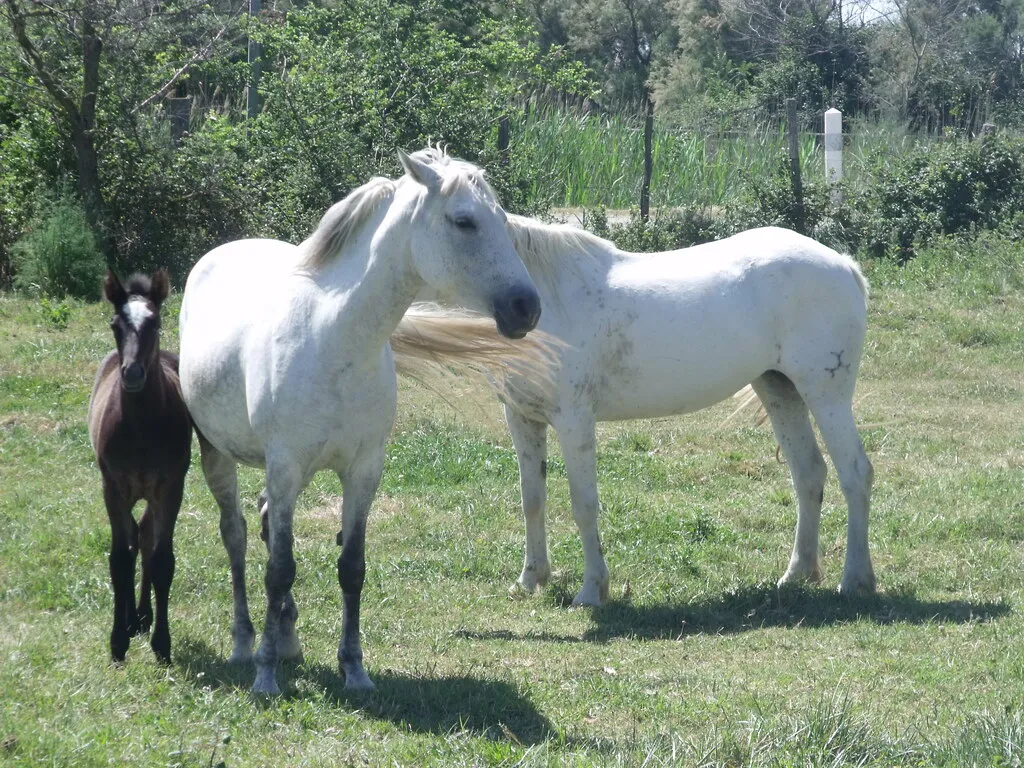
Not everyone loves this one, but it’s real. Some horses show low-level jealousy or guarding toward their favorite person – pinning ears at another horse that crowds you, wedging themselves between you and someone else, or getting subtly tense if another rider gets affectionate with you. Ethologists call it resource guarding. Owners call it loyalty.
- Do they swing their hindquarters to put themselves between you and a pushy horse?
- Do they pin ears, even briefly, if another horse crowds in while you’re scratching them?
- Do they get mildly restless when someone else handles you like you belong to them?
Is it ideal behavior? Not always, and it needs boundaries. But behavior doesn’t appear out of nowhere – horses don’t guard humans they see as interchangeable. If those small possessive quirks reappear almost instantly after months apart, that’s their memory of you as “important” snapping back online.
Worth Knowing
- Research on young horses found that those trained with rewards sought out and lingered near their trainer months later, while those trained with pressure alone kept their distance.
- Horses trained mainly with pressure showed far more negative behavior on reunion – head tossing, evasive movement, general wariness.
- How you built the relationship, not just how long you spent together, shapes how strongly a horse remembers and responds to you.
#3 – They Remember Your “Off-Limits” Zones And Personal Rules
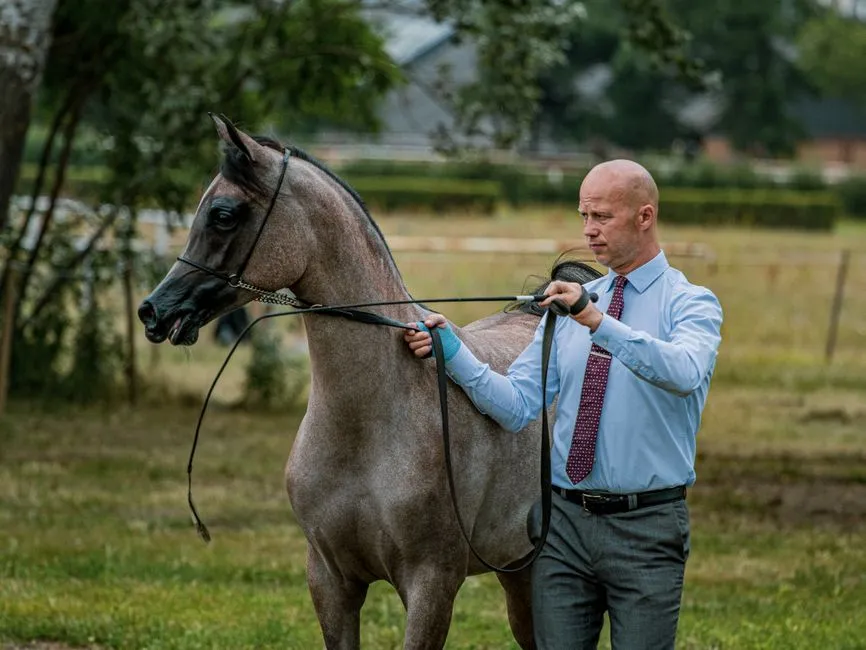
Horses don’t just remember cues. They remember your specific lines in the sand. Maybe you never allowed shoulder-barging, so yours always stopped a half-step farther back than they did for the barn worker. Or you insisted on stillness at the mounting block. Months later, if they still default to your rules the moment you’re back, that’s a clear memory.
- With others, they crowd, rub their head on people, or swing their hindquarters around.
- With you, they stop exactly where you used to correct them, and stay there.
- They halt at “your” distance before you even ask, or square up at the mounting block like muscle memory.
People love to say horses “test you again” after time off. Very often it’s the opposite – they’re sliding straight back into the boundaries you consistently held. Different human, different rulebook. If they remember which rulebook is yours after all that time apart, they remember you.
#2 – They Show A Strong Emotional Flash When They First See You
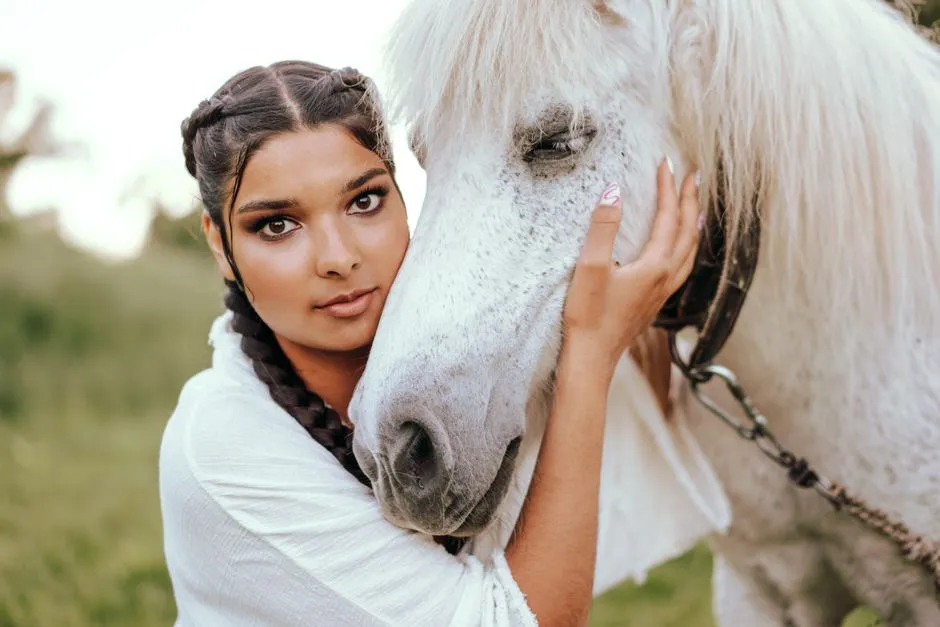
Not every reunion is dramatic. But when it is, it’s impossible to ignore. Some horses have a clear emotional spike the moment they recognize a long-lost person – a sharp whinny, frantic nickering, trotting the fence line, or swinging their whole body toward you and staying locked there, breathing hard.
- A sharp, urgent call the second they clock your face or voice.
- Repeated attempts to reach you if they’re tied or behind a gate.
- A full-body softening once they’re next to you, like the air goes out of them.
Skeptics shrug and say they’re just excited someone showed up. Test that theory yourself: have someone else walk in first. No fireworks. Then you appear, and the energy changes instantly. That contrast is the evidence. Emotional memories are sticky, especially ones formed during illness, rehab, or big milestones together – and if their first response to seeing you is a wave of feeling, it’s because your history with them never actually left.
#1 – They Slip Instantly Back Into Your Old Relationship “Role”
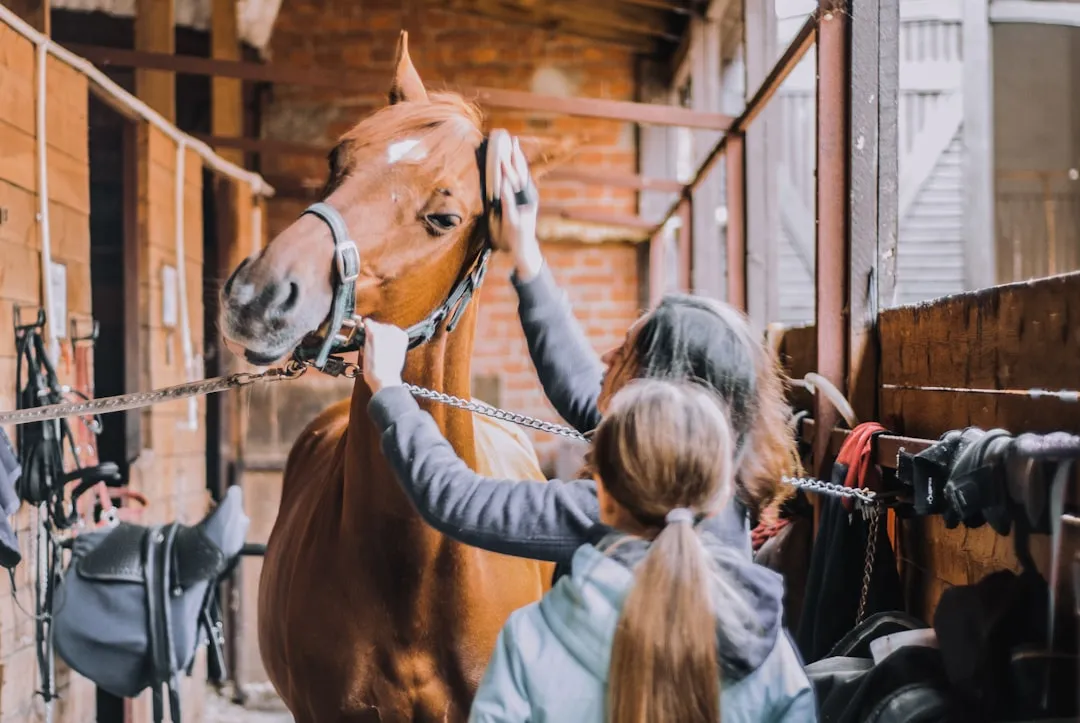
The most powerful sign a horse still remembers you isn’t one single behavior – it’s the entire dynamic snapping back into place almost overnight. Every pair develops a role script: maybe you were the confident leader they leaned on, the soft groomer who never pushed too hard, or the only person who could ride them without a fight.
- Do they test you briefly, then settle into the same calm rhythm you had before?
- Do the old in-jokes come back – that one spot they always offer for scratching, the exact way they line up to be bridled?
- Does the whole interaction feel like “them” again far faster than it does with anyone new?
At a Glance: How Long Horse Memory Really Lasts
- Familiar face recognition: still measurable after 6 months apart.
- Trainer recognition and preference: documented after 8 months apart.
- Complex trained routines: recalled after 10 years or more.
Behaviorists would say they’re recalling a reinforced pattern. Owners just say, “He knows I’m his person.” Both can be true at once. Horse memory isn’t sentimental the way we describe our own, but it’s real, specific, and long-lasting when the relationship actually meant something – and if it reappears almost fully formed the second you’re back, that’s your answer.
The Bottom Line
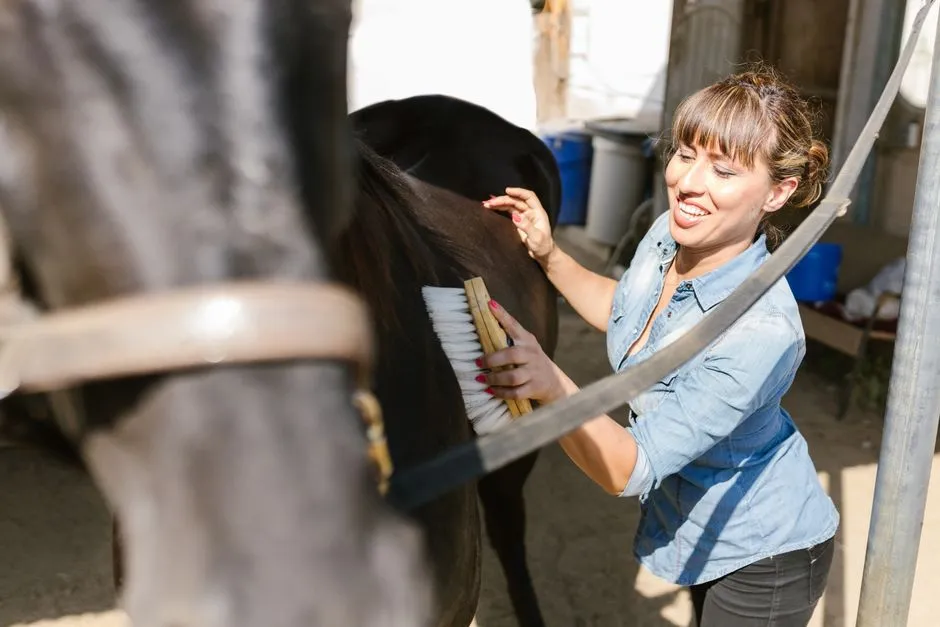
People love to argue online about whether horses “love” or “remember” humans, usually based on one viral video or a single barn story. The truth is more grounded, and honestly more interesting: horses build long-term, emotionally loaded memories with specific people, and those memories show up as precise, repeatable behaviors – not vague vibes.
The staring across a crowded arena. The drift toward your old grooming spot. The instant respect for your rules and no one else’s. Those aren’t fairy tales. They’re patterns, and once you’ve seen them stack up in your own horse, it’s hard to unsee them.
Not every horse will show all 13 signs, and yes, some riders romanticize perfectly ordinary behavior. But here’s my honest take after digging into this: the “horses forget you” myth mostly survives because it’s convenient, not because it’s true. Your horse may not miss you the way a person would, but their body and brain absolutely remember what you were like, how you made them feel, and what the two of you built together. That’s not projection. That’s biology doing something quietly remarkable.

- 13 Signs a Horse Still Remembers You After Months Apart - July 24, 2026
- 15 Signs a Horse Has Bonded to You Alone and Will Pine Without You - July 24, 2026
- 12 Ways a Once-Abused Horse Shows It Has Learned to Love Again - July 24, 2026