
If your horse could grab your phone and text you, a lot of them would probably send the same message: “I’m bored.” The tricky part is that most horses do not show it in loud, obvious ways. Instead, it leaks out in tiny changes to their behavior, energy, and attitude that are easy to brush off as “just how they are.” That is how boredom quietly chips away at their mental health, rideability, and even their relationship with you.
I remember the first time I realized my own gelding wasn’t “lazy” – he was mentally checked out. Once I stopped blaming his personality and started looking at his life through his eyes, everything changed. In this article, we’ll walk through the subtle signs of boredom that many riders miss, how to tell boredom from pain or stress, and simple ways to give your horse a life that feels richer, fuller, and more fun for both of you.
That Flat, “Whatever” Expression
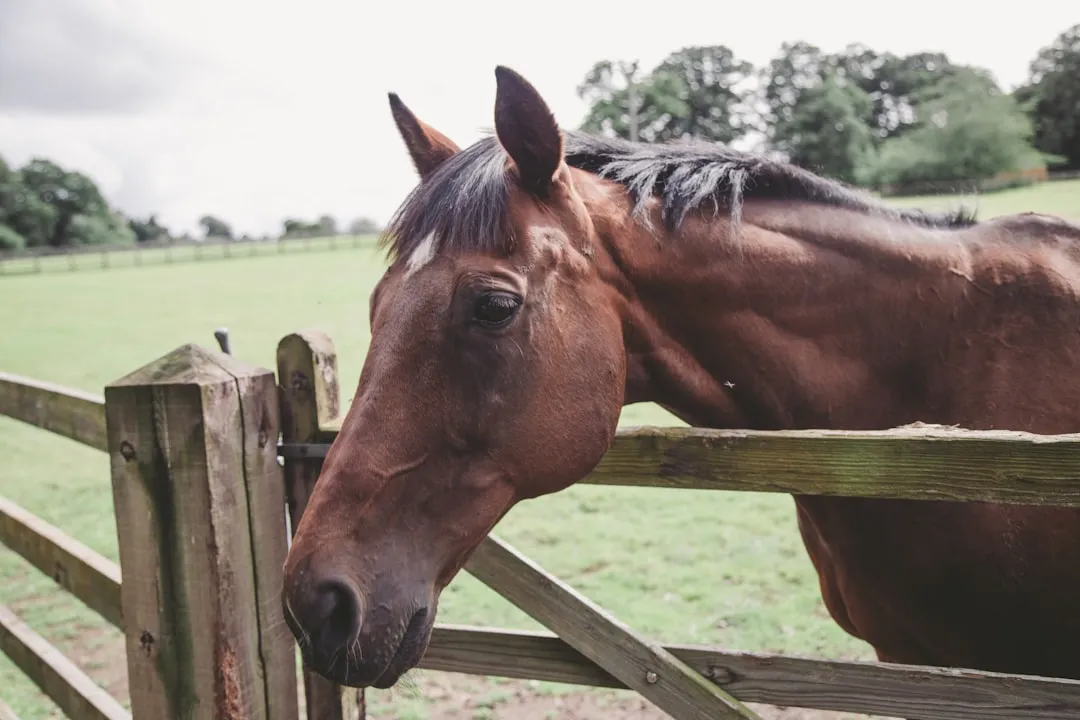
One of the quietest signs of boredom is a horse that just looks emotionally flat. The eyes seem dull, the ears barely flick, and the overall expression is more “stuck on standby” than curious or engaged. It is not dramatic like rearing or bolting, which is exactly why it is so easy to overlook or dismiss as a calm temperament.
Healthy, mentally stimulated horses tend to scan their environment, watch what is happening around them, and react to new things with some level of interest. When that spark of curiosity fades, it can be your horse’s way of saying that life has become too predictable and uninteresting. I used to think my mare was just chill, until I saw how her whole face lit up when I started giving her new, low-pressure things to explore.
The “Good As Gold” Horse That Feels Half-Asleep
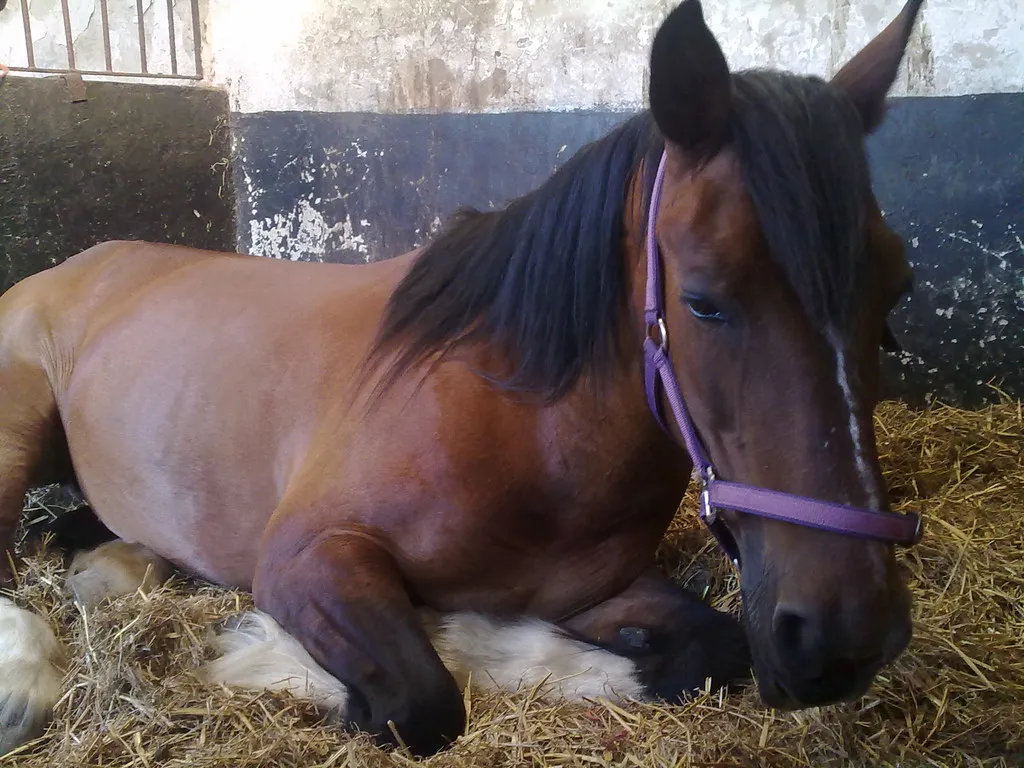
It sounds like a dream to own the horse that stands like a statue, never spooks, never fusses, and will plod around the arena all day. But sometimes that saintly behavior is not calm confidence – it is emotional shutdown. The body is obedient, but the brain has left the chat because nothing ever changes, and there is nothing worth tuning in for.
This kind of horse can feel heavy in your hand and leg, sluggish off your aids, and strangely disconnected even when you are technically “together.” If you notice that they offer nothing on their own and only respond in slow motion, it is worth asking whether they are truly relaxed or just mind-numbingly bored. Once you start giving these horses more variety and small decisions to make, many of them wake up in the best possible way.
Calling, Pacing, Or Watching Everything From The Gate
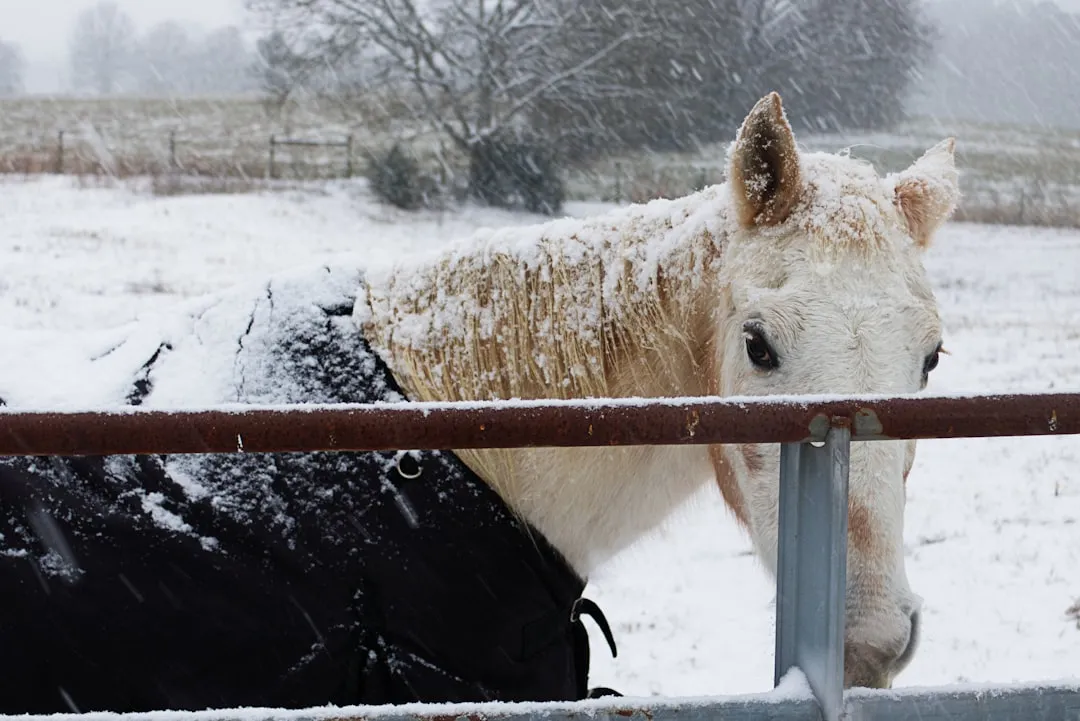
Some bored horses go the opposite way: instead of shutting down, they become restless. You might see them hanging at the gate all the time, staring out of the paddock, or pacing the fence line when other horses move around. They are not always anxious; they are often just desperate for something, anything, to happen.
If your horse always positions themselves where the most action is, but their own day is predictable and empty, boredom may be at play. They might whinny when they hear the tractor, watch every person who walks by, or perk up only when there is a hint of change. It can look like clinginess or nosiness, but very often it is a horse screaming, in the politest possible way, for more stimulation.
Nibbling, Chewing, And Low-Level Mischief
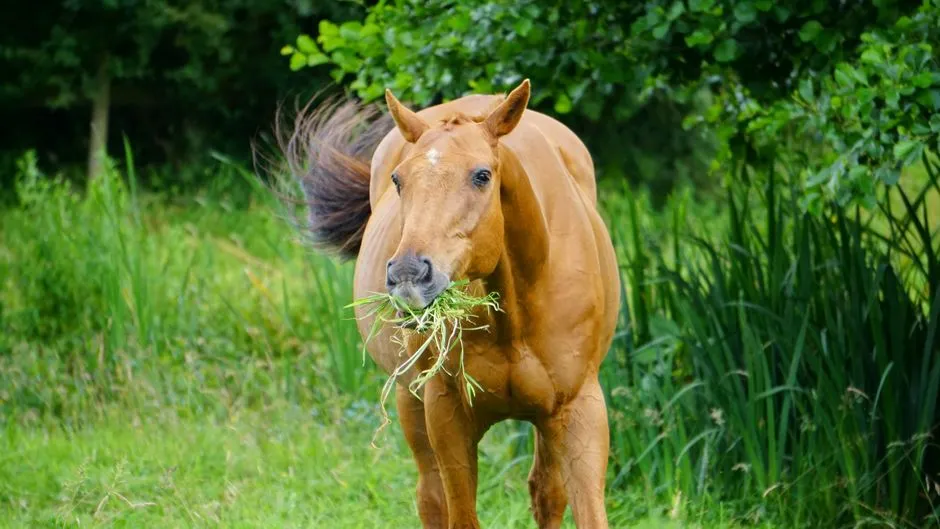
Horses that poke at everything – the lead rope, the gate latch, your jacket, the wheelbarrow – are sometimes written off as “mouthy” or rude. In many cases, they are simply clever and under-stimulated. If there is nothing else to do, exploring the world with their lips and teeth becomes their best entertainment option.
Chewing wood, tugging rugs, or constantly fidgeting with nearby objects can be a horse’s version of fidgeting with a pen in a boring meeting. It is not always a serious behavior problem; sometimes it is a boredom problem with a behavioral costume on. Giving those same horses puzzle feeders, slow hay nets, or legal objects to manipulate can turn the mischief into something more constructive.
Stereotypies: Weaving, Cribbing, And Other Repeated Behaviors
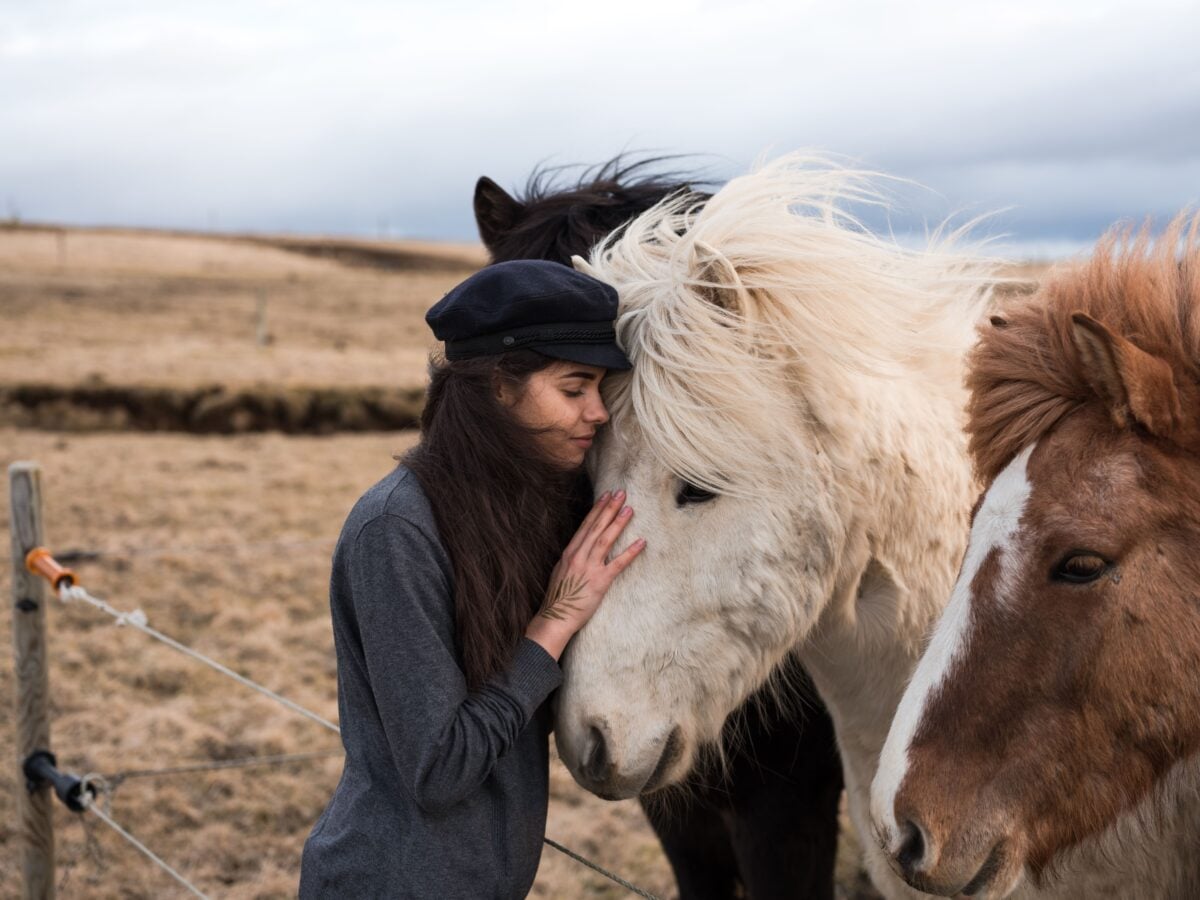
When boredom and frustration run deep and long term, some horses develop stereotypic behaviors like weaving at the door, cribbing on fences, or pacing the same worn track. These are more than just annoying habits; they are often coping mechanisms for an environment that does not meet the horse’s mental or social needs. Once established, these patterns can be very hard to completely undo.
Not every horse that weaves or cribs is simply “bored,” because stress, isolation, and early life management also play big roles. But a lifestyle with very little turnout, minimal social contact, and long hours in a stall sets the perfect stage for these behaviors to explode. Instead of only chasing gadgets to stop the symptom, it is worth asking a harder question: does this horse have anything meaningful to do with their time?
Over-The-Top Spookiness That Feels Like Excess Energy
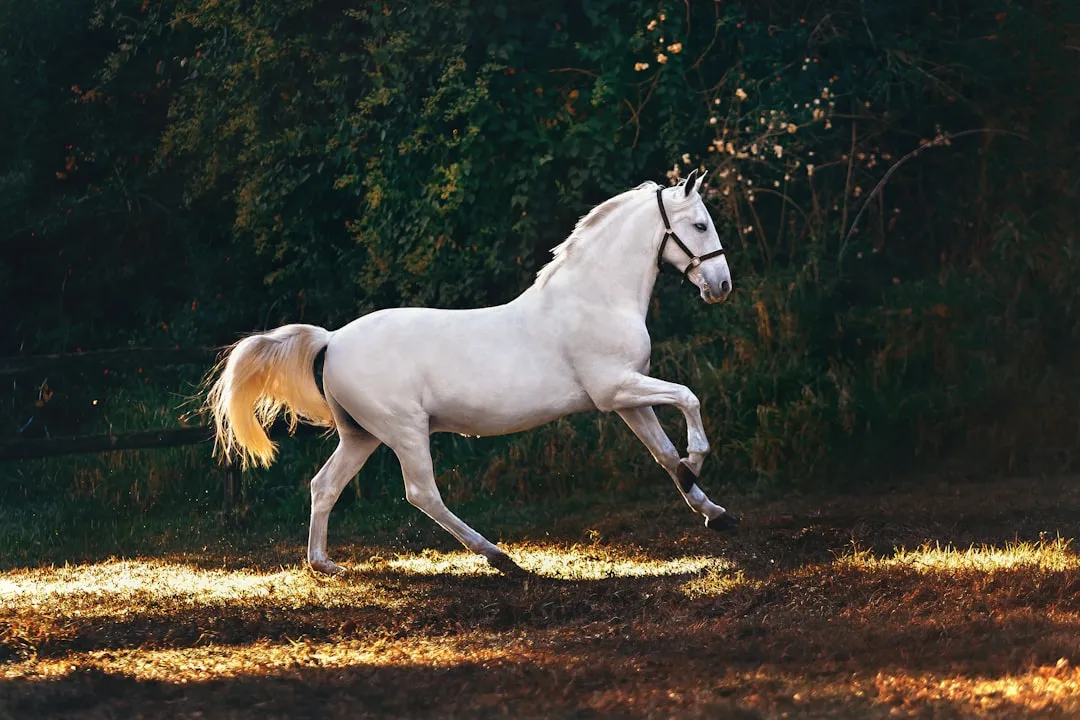
Sometimes what we label as a “spooky” horse is also a bored horse with a full battery and nowhere for that energy to go. If their daily routine is mostly stall time, short turnout, and repetitive arena work, the smallest leaf or shadow may become their only form of excitement. In that state, the body is ready for action, and the brain latches onto tiny triggers because there is not much else going on.
When you add more variety and mental challenges to these horses’ lives, you often see their dramatic reactions soften. Hit the trails, include ground poles, in-hand obstacles, or low-key liberty play, and suddenly the “explosive” horse starts using their brain instead of just their flight response. They do not necessarily become dull; they become appropriately occupied.
The Horse That Hates The Arena But Loves The Trail
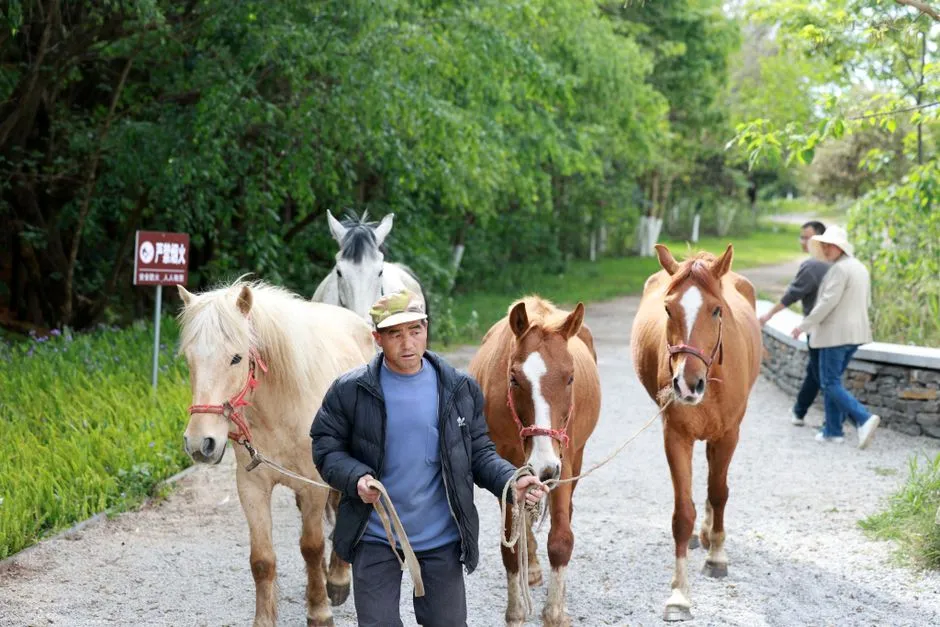
Many riders have lived with that horse who pins their ears, drags their feet, or objects in the arena, then transforms into a different creature outside. On the trail they are forward, alert, and willing; in the ring, they feel resentful and uninspired. This split personality is often less about laziness and more about how predictable and limited the arena experience is for them.
Horses are pattern experts, and if your arena rides are always the same circles, the same exercises, and the same order, it can become mentally suffocating. Introducing variety in schooling – like changing patterns, adding poles, or using “play days” where you just explore – can make the arena feel less like a boring office cubicle and more like an interesting workspace. The goal is not endless entertainment, but enough diversity to keep their mind switched on.
Lack Of Curiosity In New Objects Or Environments
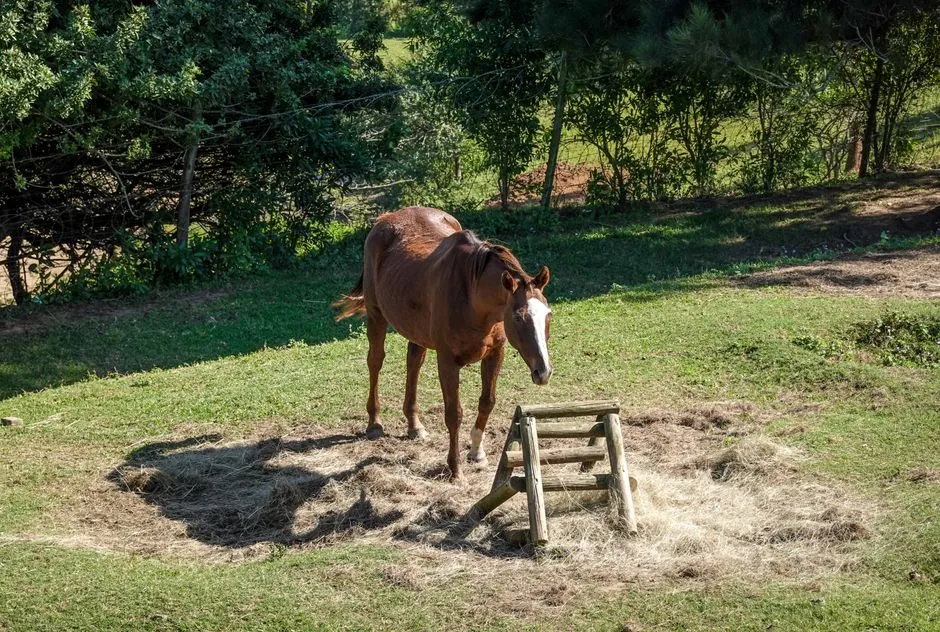
Healthy curiosity is a powerful sign of mental wellbeing. A horse that approaches new things cautiously but willingly, sniffs, looks, and thinks, is one that feels engaged with their world. When you notice the opposite – a horse that ignores new objects, refuses to investigate, or seems weirdly indifferent to changes – it can sometimes point to boredom or emotional flatness.
Of course, some horses are naturally more reserved, but even the quiet ones should show some interest from time to time. If they truly do not care about anything new, it might be because their life has trained them that nothing they do makes a difference and nothing interesting ever comes their way. Re-awakening curiosity can start with something as simple as placing different safe objects in their field and letting them decide when to explore.
Excessive Sleepiness Or Napping At Odd Times
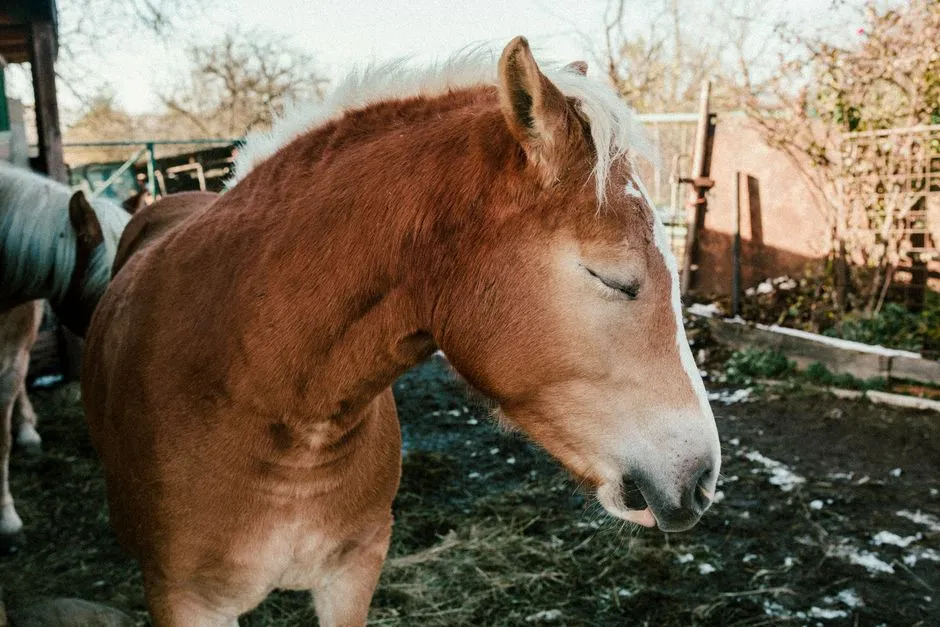
Boredom can sometimes look like constant dozing. If your horse spends long stretches standing half-asleep, especially when they are not catching up on missed rest, it can be a sign that their day is simply not offering much else. This is different from a tired horse after a tough ride; it is more like a person repeatedly scrolling their phone because there is nothing better to do.
Of course, you should always rule out health issues like pain or sleep deprivation before blaming boredom. But once the physical boxes are checked, look critically at how much of their day offers movement, interaction, or brain work. That sleepy, checked-out horse often perks up dramatically when given a reason to be engaged beyond waiting for the next feeding time.
Overeating And Food Obsession
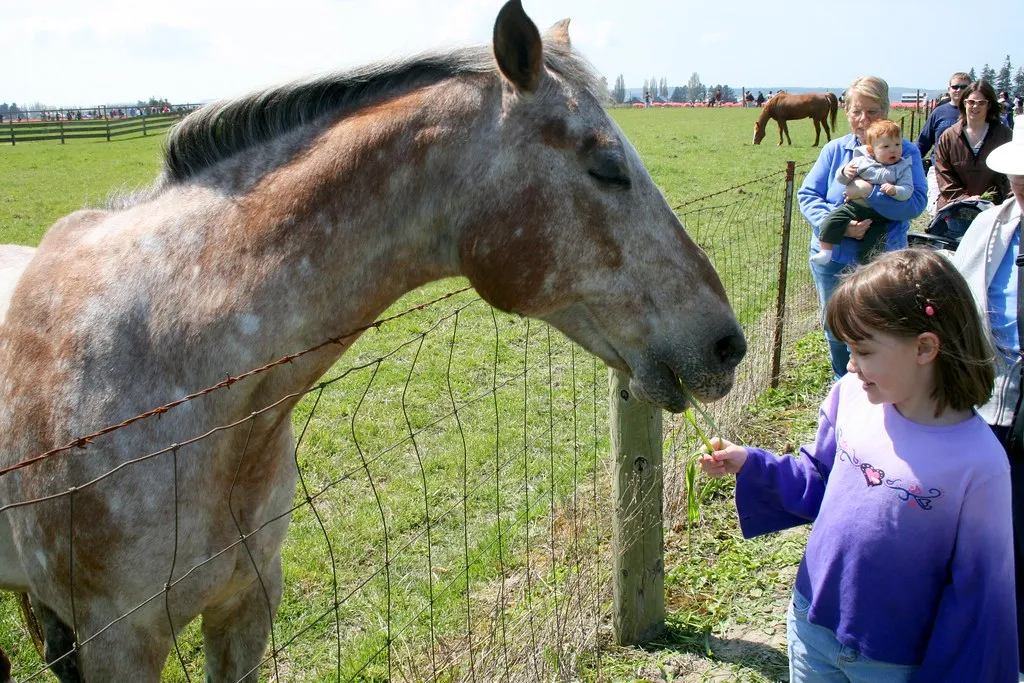
Horses are grazing animals, so wanting to eat is totally normal. But when eating becomes the only interesting part of their day, it can tip into a kind of food fixation. You might notice frantic behavior around mealtimes, intense mugging for treats, or a horse that seems emotionally flat unless food is involved.
Sometimes we create this by making meals the only highlight in an otherwise empty routine. If the only stimulation a horse experiences is hearing the feed cart or bucket, it is no wonder everything revolves around that moment. Slow feeding options, foraging toys, and non-food enrichment can help shift them from pure food obsession to a more balanced, mentally active life.
The “Difficult To Catch” Horse
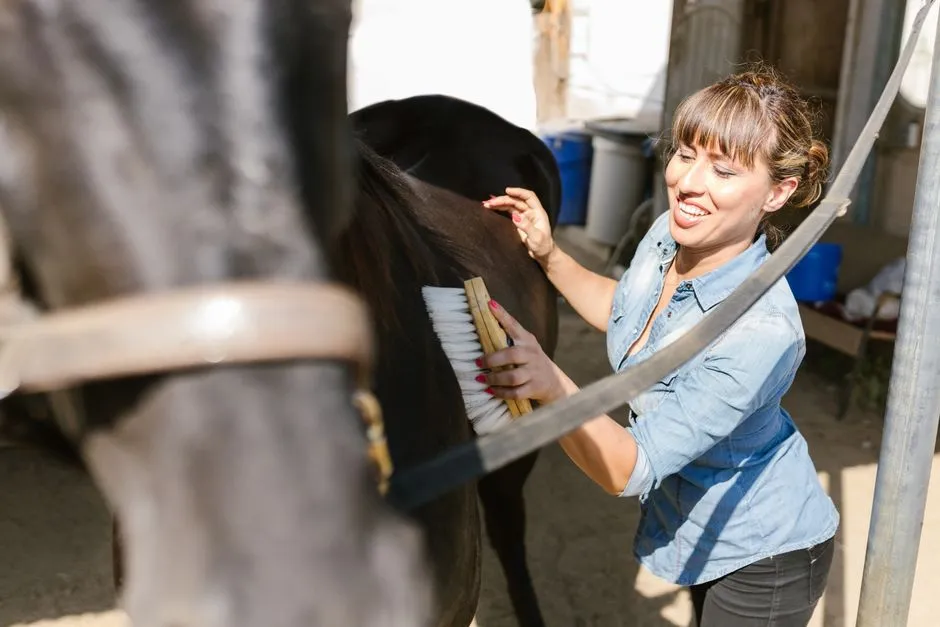
A horse that walks away when you come with the halter is not always being rude or stubborn. In some cases, they have simply learned that going with you means doing the same repetitive thing in the same place, every single time. If the choice is between mildly boring turnout and very boring work, they might decide neither sounds appealing.
When you mix up what happens after you catch them – sometimes grooming, sometimes hand-grazing, sometimes a walk, sometimes groundwork, not always riding – they start to see you as a source of variety instead of just another predictable routine. I noticed a big shift with one mare when I started catching her occasionally just to scratch her favorite itchy spot and then turn her back out. Suddenly, I felt a lot less like the boring boss and more like a partner worth walking up to.
Minimal Interaction With Herd Mates
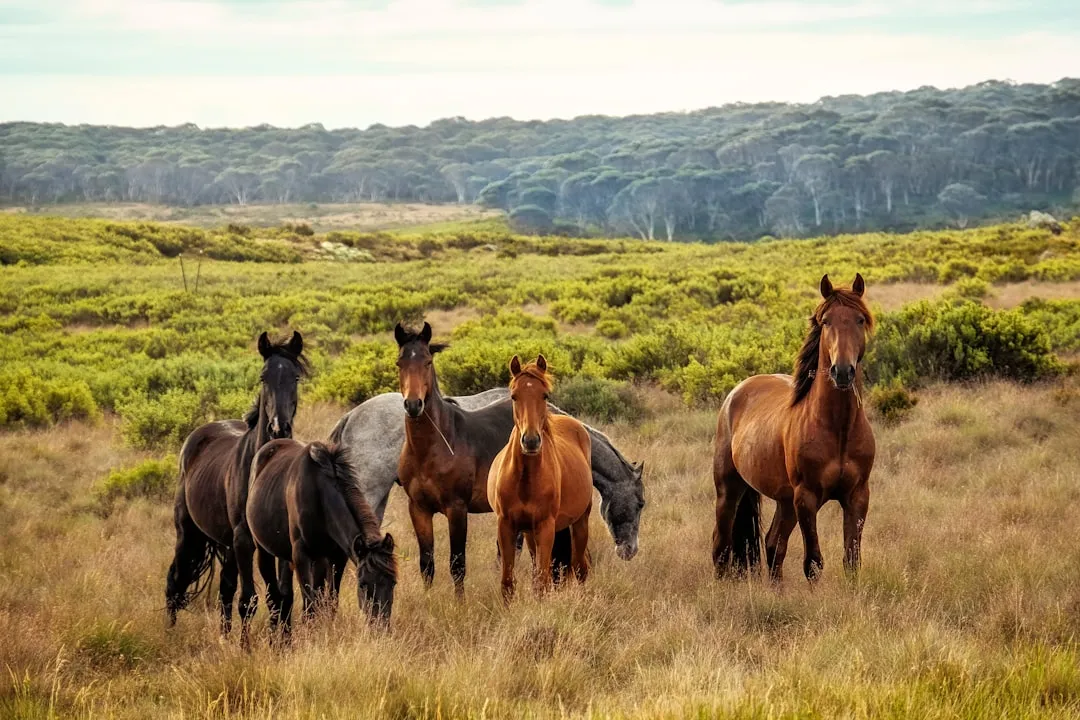
Horses are deeply social, and a lot of their mental wellbeing comes from interacting with other horses. A bored or emotionally flat horse might stand apart, avoid playful interactions, or just drift on the edges of the group without much engagement. While this can also be a personality thing, a sharp drop in social behavior is worth paying attention to.
Sometimes the boredom is not just about the environment but about limited social options. A horse turned out alone or with companions who do not interact much may have their social needs half-met at best. Adding compatible herd mates, or adjusting turnout groups to encourage more positive interaction, can dramatically improve a horse’s overall energy and mental state.
Repetitive Patterns During Rides
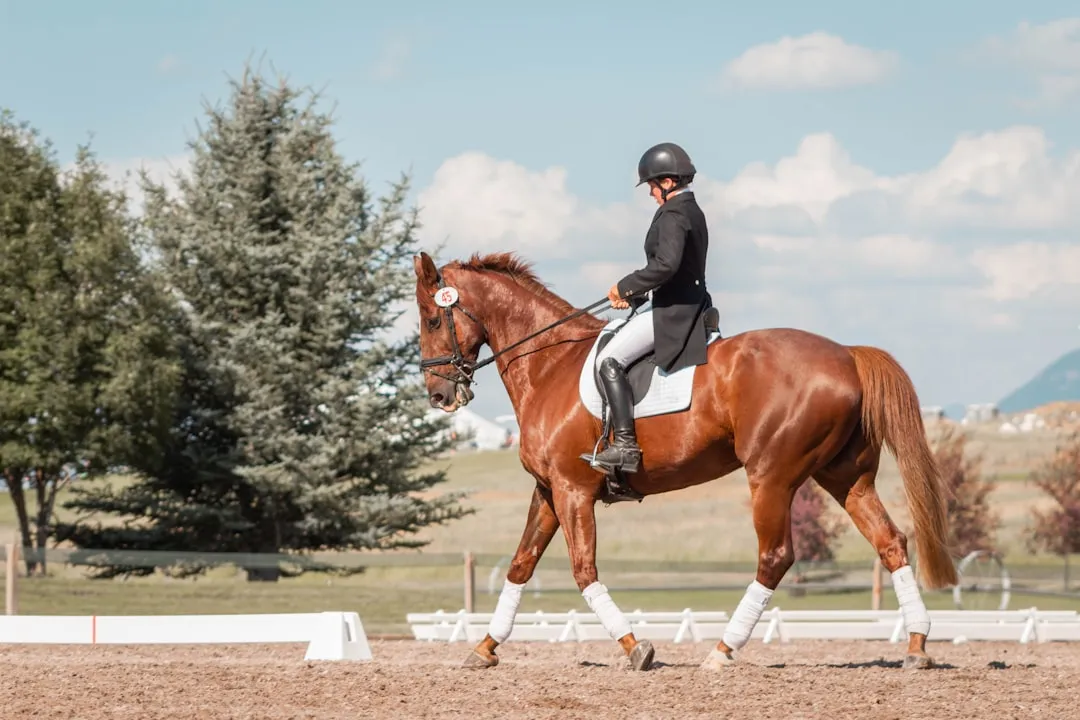
If you ride and realize, without even thinking, that you always trot at the same spot, canter in the same direction, do transitions at the same letters, and finish with the same cool-down loop, your horse has definitely noticed. Horses excel at spotting patterns, and if your rides feel like playing the same playlist on repeat, the boredom is real on their side too.
When boredom sneaks into your schooling sessions, your horse might start anticipating, tuning you out, or turning into an autopilot mode that feels heavy and unresponsive. Small changes can make a big difference: reverse your usual order, ride new lines, add poles, set tiny challenges, or include short play breaks. You do not have to throw out your training goals; you just have to stop making every session feel like an identical copy of the last one.
How To Give Your Horse More Of A Life, Not Just A Routine
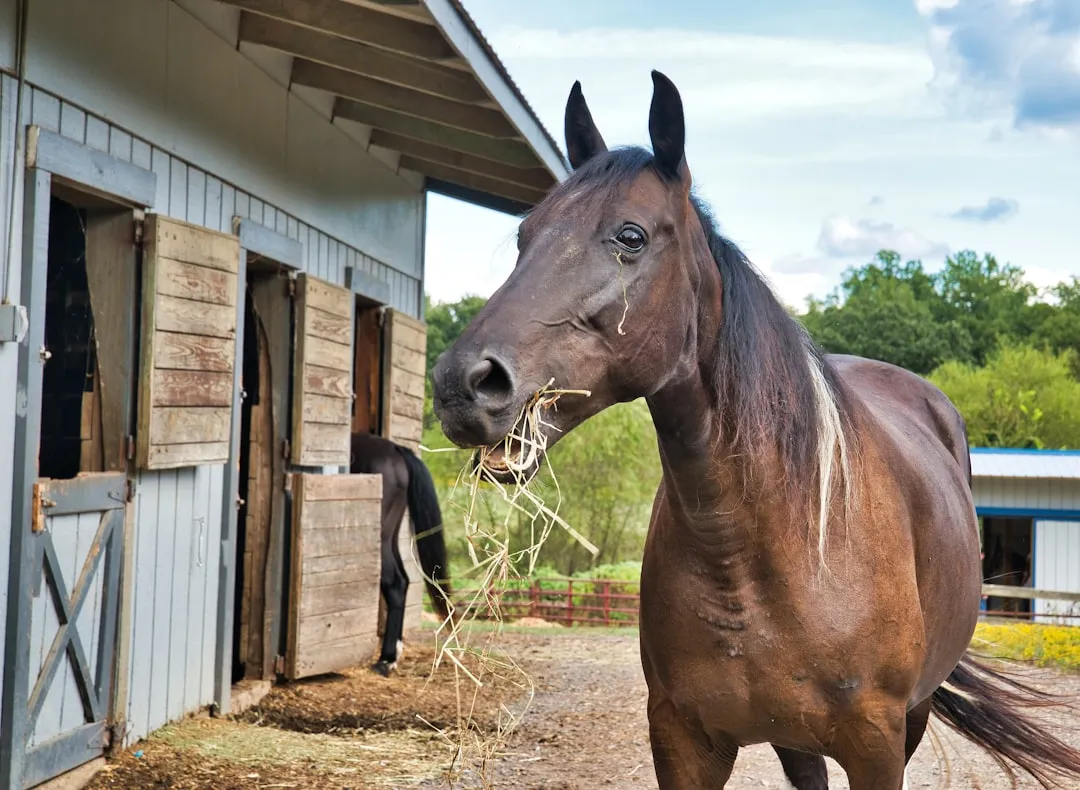
The good news is that boredom is not a life sentence. Small, thoughtful changes can turn a dull day into something richer without requiring a massive budget or fancy equipment. More turnout, especially with compatible horses, is one of the most powerful tools you have. Time to move, graze, and socialize naturally gives your horse built-in entertainment and mental stimulation.
On top of that, you can layer in simple enrichment: different hay locations, safe objects to investigate, basic obstacle courses, and short, fun groundwork sessions. Even changing the route you lead them on or doing a “walkabout” around the property can help. Think less about entertaining them nonstop, and more about giving them choices, variety, and reasons to stay curious about their world.
Opinionated Conclusion: Your Horse Deserves More Than “Fine”
In my view, a lot of modern horses are not suffering from bad owners; they are suffering from boring lives that nobody meant to give them. We are busy, routines are convenient, and as long as the horse is fed, shod, and ridden, it is tempting to call that good enough. But once you start noticing the subtle signs of boredom, it is hard to unsee how many horses are quietly checked out, just passing time between meals.
I think we owe them more than that. We owe them lives that feel like something, not just endless loops of stall, arena, stall. That does not mean spoiling them or throwing away structure; it means being brave enough to question habits that keep them safe but uninspired. The real magic happens when your horse stops looking bored and starts looking back at you with bright eyes that say, “What are we doing today?” – and you actually have an answer. If your horse could vote on their current lifestyle, do you think they would say “this is enough,” or would they quietly ask for more?
