
If you have ever had a bad day and noticed your dog suddenly glued to your side or your cat acting strangely jumpy, it is not your imagination. Our pets read us far more closely than we realize. They watch our faces, track our routines, sense our body language, and even pick up changes in our scent and posture when we are stressed.
That can be comforting, but there is a hard truth underneath it: your anxiety can quietly become their anxiety. As someone who has walked into the house in a spiral of stress and then wondered why my normally chill dog was pacing and whining, I had to face that I was not just living with my emotions – I was broadcasting them. The good news is, once you see how this works, you can actually protect your pet’s mental health and make your home feel calmer for both of you.
The Surprising Ways Pets Sense Your Stress
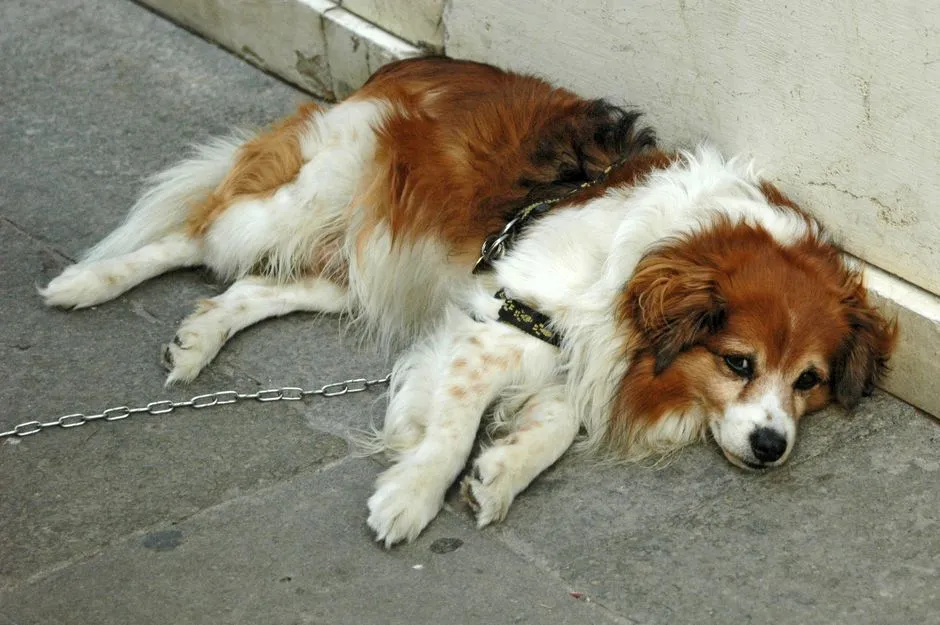
One of the most shocking things many people learn is that pets do not just react to your words; they react to your nervous system. Dogs and cats can detect tiny shifts in your body language, breathing rate, and tone of voice, even when you think you are “holding it together.” They may also pick up on hormonal and scent changes that happen when you are anxious, like increased sweat or tension in your muscles.
Over time, your personal stress pattern can become a kind of emotional background noise in the home. A dog that constantly hears snapping responses and sees rushed movements may start to anticipate conflict even when nothing bad is happening. A cat that sees you pacing, staying up late, and altering routines can come to associate your presence with unpredictability rather than safety, which is the opposite of what we want for them.
How Your Anxiety Shapes Their Daily Behavior
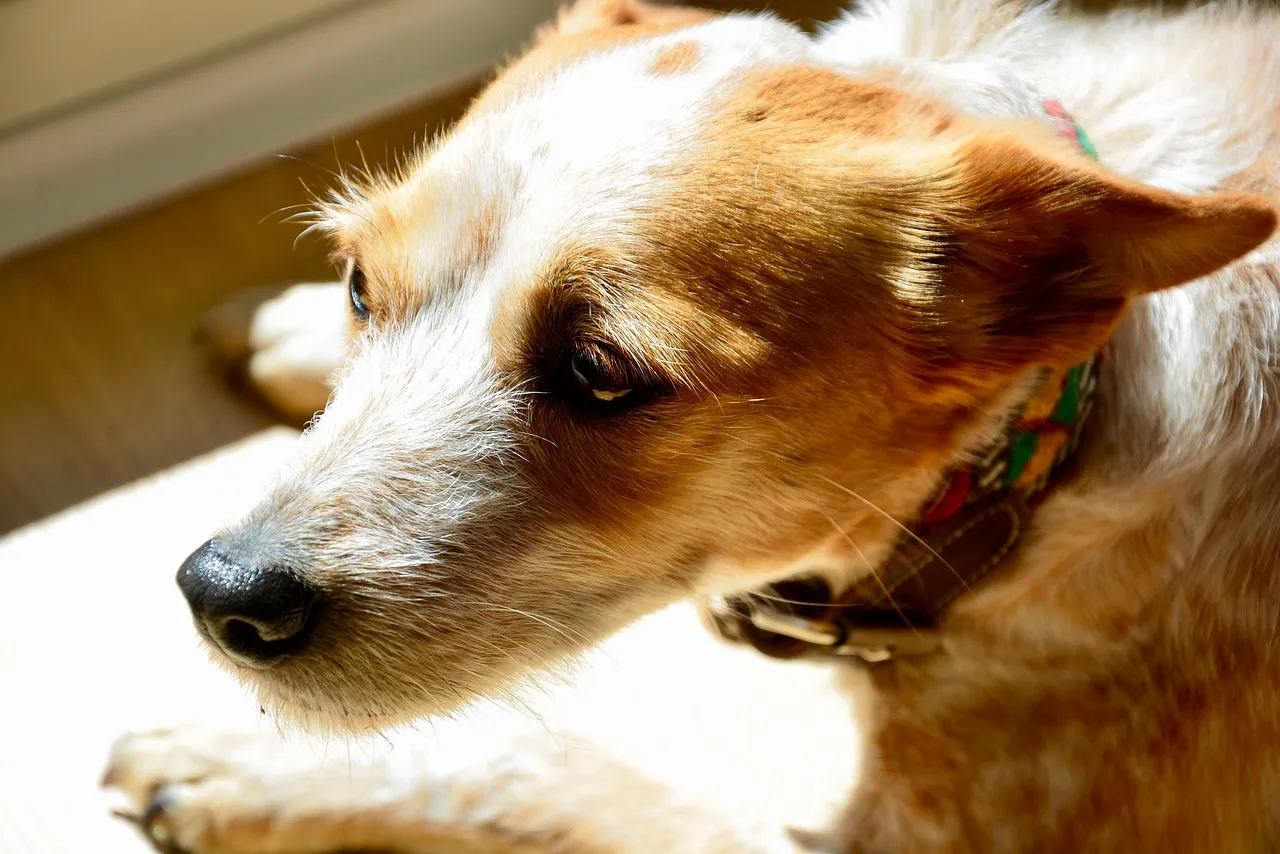
Chronic anxiety does not just influence one or two moments with your pet; it can quietly rewire their habits. A dog who lives with a tense, easily startled person may become more vigilant, barking more often, reacting to every sound, or shadowing you from room to room. What looks like “clinginess” is sometimes just a dog trying to monitor a human who feels unstable and unpredictable to them.
Cats may respond differently but just as intensely. Some cats withdraw and hide more when the atmosphere in the home feels charged, while others become more vocal, needy, or even aggressive. If your cat suddenly starts over-grooming or urinating outside the litter box, that can be a stress response, not just defiance. When your nervous system never really settles, their little nervous system may never truly settle either.
The Science of Emotional Contagion Between Humans and Pets

There is a growing body of research suggesting that something similar to emotional contagion happens between people and their pets. Emotional contagion basically means that one individual’s emotional state can be mirrored by another’s, even without words. With dogs, for example, some studies have found links between owner stress levels and canine stress markers measured through hormones like cortisol.
That does not mean that every bad mood you have will damage your animal; life happens. But it does mean that if anxiety becomes your constant baseline, your companion may start to live in that emotional climate too. Think of your shared space like a small boat – if one of you is constantly rocking from side to side, the other ends up scrambling to keep balance as well, whether they want to or not.
Common Signs Your Pet Is Absorbing Your Anxiety
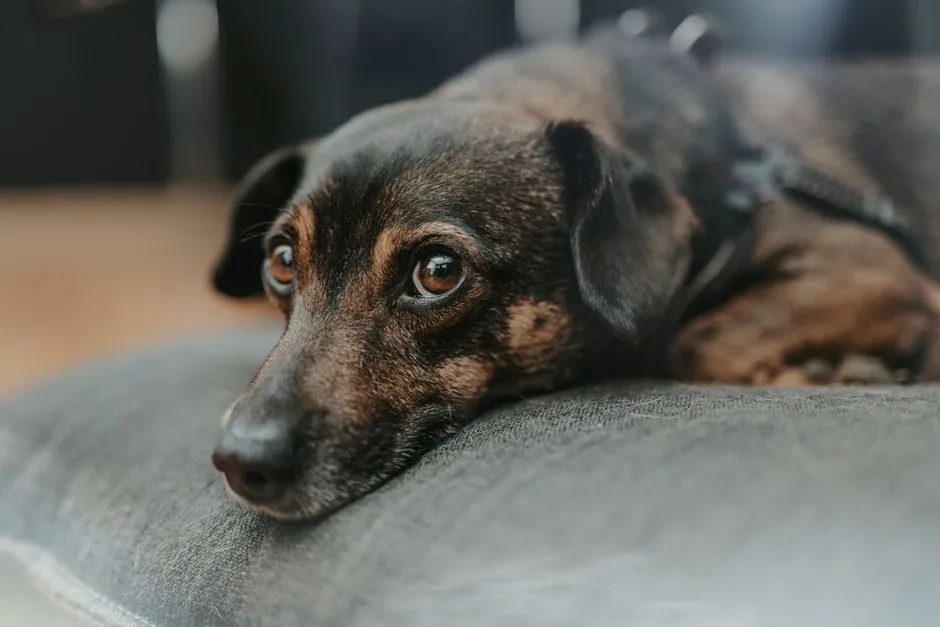
So how do you know when your pet is not just being quirky but actually reflecting your emotional state back at you? Some of the subtler signs include changes in sleep, appetite, or playfulness. A dog that used to love fetch but now refuses to leave your side, or a cat that suddenly startles at every small sound, may be showing that the emotional tone of the household has shifted for them.
More obvious red flags include destructive behavior, excessive licking or grooming, pacing, constant vocalizing, or regression in training and litter habits. If these patterns seem to flare up during your high-stress periods – like during exams, work deadlines, relationship conflicts, or financial crises – that is a strong clue your anxiety may be part of what they are trying to cope with. They are not being dramatic; they are showing you, in the only language they have, that something feels off.
Protecting Your Pet by Regulating Your Own Nervous System
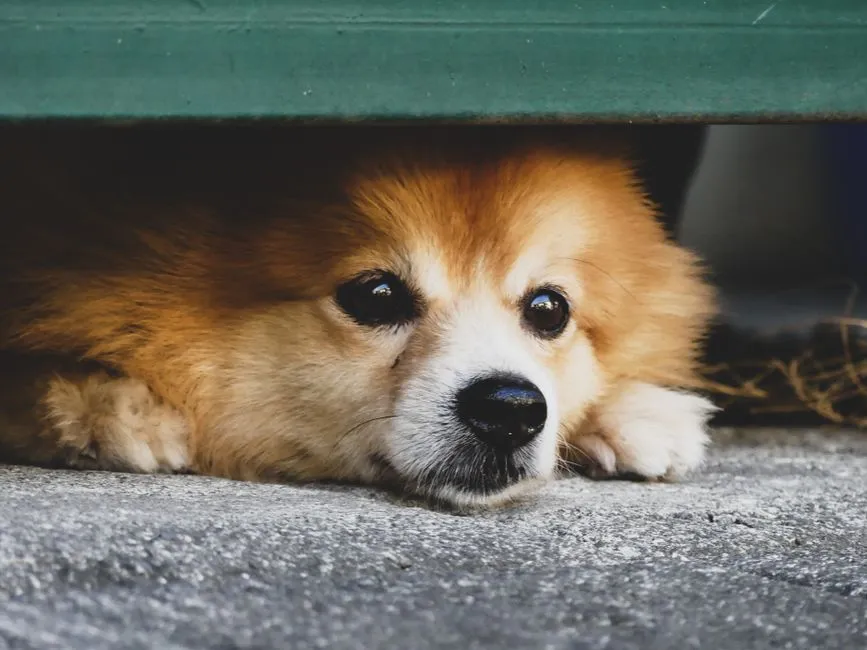
This is the part no one loves to hear but everyone needs to: one of the most powerful ways to protect your pet’s mental health is to take your own anxiety seriously. Calmer humans generally help create calmer animals. That does not mean you have to become a perfectly serene person; it means you commit to simple, consistent ways of downshifting your nervous system so you are not constantly on edge around them.
Even small rituals can make a real difference. Taking a few slow, deep breaths before you put on the leash, turning down the TV volume, speaking more softly, and putting your phone away during cuddle time all send a message of safety. Therapy, medication when appropriate, mindfulness practices, or just regular walks for yourself as well as your dog are not selfish. They are a way of making sure your pet does not spend their whole life marinating in secondhand stress.
Creating a Calm, Predictable Home Environment for Your Pet
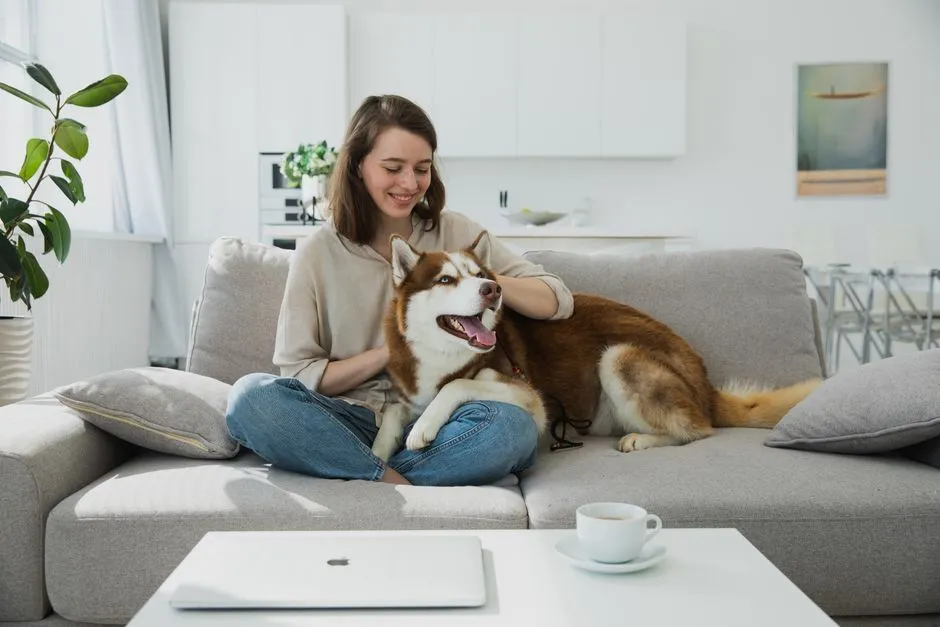
Routines are emotional anchors for animals. When your anxiety leads to chaotic schedules – late meals, skipped walks, disrupted sleep – your pet loses the predictable rhythms that tell them the world is safe. Re-establishing simple, consistent routines for feeding, play, exercise, and rest can dramatically lower stress for them, even if your internal world is still a work in progress.
Environmental tweaks also help more than most people expect. A dog with a cozy, quiet spot away from constant noise, or a cat with safe vertical spaces and hiding nooks, can self-regulate better when the household feels tense. Soothing music, puzzle feeders, and gentle play sessions provide positive distractions that keep their minds engaged instead of locked onto your every anxious movement.
When to Seek Professional Help for Your Pet’s Mental Health
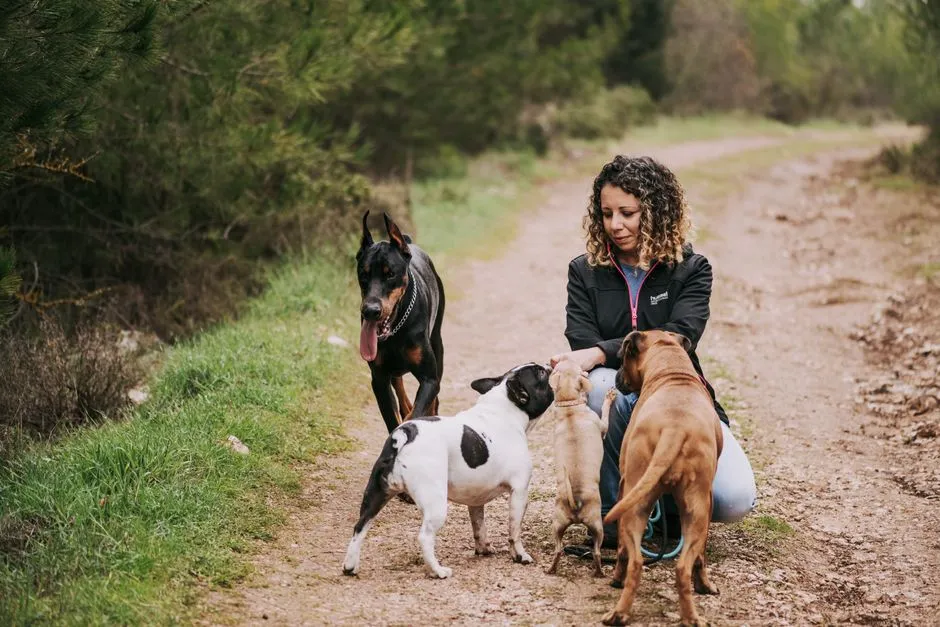
Sometimes love and routine are not enough, and that is not a failure on your part. If your dog or cat is showing intense, ongoing signs of distress – like self-injury, escalating aggression, extreme withdrawal, or severe separation issues – it is time to bring in a professional. A veterinarian can rule out medical causes and may recommend behavior-focused treatment, supplements, or medication when it is truly needed.
In some cases, working with a certified trainer or behaviorist alongside your own mental health support is the most compassionate combination. You address your anxiety with a therapist, while your pet gets structured support to relearn that the world is not always something to brace against. It can feel humbling to admit that your emotional life has affected your animal, but there is something incredibly healing about deciding, consciously, that both of you deserve peace.
Why Caring for Your Mind Is One of the Kindest Things You Can Do for Your Pet

It is tempting to think of mental health as something private that lives inside your own head, but if you share your home with an animal, your inner world is also part of their outer world. Your anxiety does not make you a bad guardian, but pretending it has no impact does them a disservice. In my experience, some of the biggest shifts in my dog’s behavior happened not when I bought a new enrichment toy, but when I finally took my own burnout seriously.
When you choose to work on your anxiety, build calmer routines, and create a more peaceful environment, you are not just doing self-care – you are rewriting the emotional climate your pet spends their entire life in. That is a heavy responsibility, but it is also an oddly beautiful one. If your animal could talk, would they describe your mind as a storm or a safe harbor most days, and what tiny change could you make today to move closer to the harbor?
