

If you’ve ever locked eyes with a French Bulldog on the street, you probably felt that little jolt in your chest that says, “I need one.” The bat ears, the chunky little body, the serious face with the secretly goofy soul behind it – they’re ridiculously easy to fall in love with. But as with any dog, there’s a whole story behind that cute Instagram moment, and a lot of it is not obvious at first glance.
I still remember the first time I dog-sat a Frenchie: within one afternoon I was laughing at his clownish zoomies, annoyed at the snoring, worried about his breathing, and totally in love. That’s the French Bulldog experience in a nutshell – intense joy with some very real challenges mixed in. If you’re thinking about bringing one into your life, it’s worth looking past the adorable photos and really weighing the pros and cons.
The irresistible charm and personality of French Bulldogs

One of the biggest pros is simple: French Bulldogs have outrageously big personalities in compact little bodies. They’re often described as clownish, and that fits – they make weird noises, pull funny faces, and have this way of turning a boring Tuesday night into a comedy show just by existing. Many people find that their Frenchie becomes the emotional center of the household without even trying.
They’re also surprisingly in tune with human moods. A lot of owners report that their Frenchie will curl up with them when they’re sad, follow them around after a stressful day, or stare at them like they’re the most interesting thing on earth. It feels a bit like living with a small, sturdy comedian who’s also a low-key therapist, which is a pretty powerful emotional mix if you live alone or work long days.
The low-exercise lifestyle: great for apartments… mostly

Another huge advantage is that French Bulldogs usually do not need marathon walks or intense exercise. Many are content with a couple of short daily walks and playtime around the house, which makes them appealing for people in apartments, busy professionals, or anyone who simply isn’t into long hikes. They tend to be more about vibes and cuddles than about running ten miles.
However, “low exercise” can be a double-edged sword. It’s easy to slide from “manageable energy level” into “under-stimulated and gaining weight” without noticing, especially because Frenchies can be talented beggars when it comes to treats. You still need to schedule movement and mental stimulation on purpose – think interactive toys, short training sessions, and little bursts of play – or that laid-back lifestyle can start to impact their health.
The cuddle factor: affectionate, people-oriented companions

If you want a dog that genuinely likes being close to you, a Frenchie will not disappoint. Many of them are true Velcro dogs, following their people from room to room, napping beside them on the couch, and insisting on being part of whatever is happening. For someone who lives alone or works from home, that constant companionship can be incredibly comforting.
The flip side is that this people-obsessed nature can make alone time tricky. A French Bulldog who is never taught how to relax on their own can become anxious when left, leading to whining, destructive behavior, or general stress. It’s adorable when a puppy wants to sit in your lap all day, but it’s also important to practice short, calm separations early on so you don’t end up with a dog that panics every time you pick up your keys.
The reality of breathing issues and brachycephalic anatomy

Now for one of the biggest cons: French Bulldogs are a brachycephalic breed, meaning they have short, flat faces. That signature look that so many people love is directly tied to a higher risk of breathing problems, overheating, and serious health complications. Many Frenchies snore, snort, and struggle in hot weather or during vigorous exercise, and some require surgical intervention to help open their airways.
Owning a French Bulldog often means accepting that you’ll need to be more cautious about temperature, activity, and even simple things like going for a walk on a warm afternoon. You might find yourself choosing early morning or late evening outings, keeping fans running, and saying no to certain activities that would be fine for other breeds. It’s not that they can’t live happy lives – they absolutely can – but that happiness usually requires extra awareness and proactive care from you.
Health risks, vet bills, and the true cost of ownership
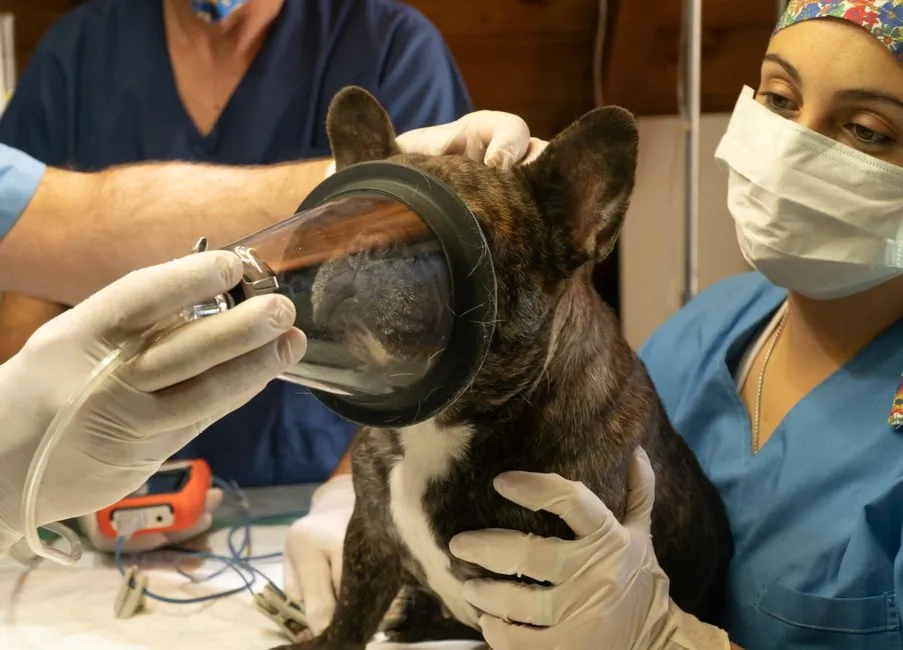
Alongside breathing issues, French Bulldogs are prone to several other health problems, including skin allergies, spinal issues, ear infections, and eye concerns. Not every Frenchie will experience all of these, but as a group, they do have a reputation for being medically high-maintenance. That adorable wrinkled face and compact frame can come with a lot of hidden biological baggage.
All of this translates into potentially higher vet bills over the course of their life. Routine care, medications, and sometimes surgeries can add up quickly, especially if you live in a city where veterinary care is expensive. Pet insurance can help, but it’s still wise to assume that owning a Frenchie might cost more than owning a mixed-breed dog with fewer inherited risks. If your budget is already tight, this is a very real con you cannot afford to ignore.
Grooming and mess: surprisingly easy, but not zero effort

On the plus side, French Bulldogs usually have short coats that are relatively easy to manage. You’re not dealing with long, tangled fur or daily brushing marathons, and there’s no complicated grooming schedule like you’d have with a poodle or a doodle mix. A simple grooming routine – regular brushing, nail trims, and baths when needed – is often enough to keep them looking and feeling good.
That said, short hair does not mean no shedding, and Frenchies can shed more than people expect, especially during seasonal changes. Their skin folds and wrinkles also need regular cleaning to prevent irritation or infection, and their ears can be prone to buildup and inflammation. It’s a bit like owning a minimalist wardrobe: fewer pieces to manage, but they have to be cared for well and consistently.
Training, stubborn streaks, and living with a little comedian

French Bulldogs are usually smart and eager to be near their people, which can work in your favor when it comes to training. Many learn basic cues quickly, especially if food or play is involved, and they can pick up tricks that show off their quirky side. Short, fun training sessions can actually become one of the best ways to bond and channel their energy.
However, they also have a well-earned reputation for stubbornness. Sometimes they act like tiny stand-up comedians who have decided that your commands are merely suggestions, especially if they sense inconsistency or if they’re not in the mood. Patience, positive reinforcement, and a good sense of humor are essential. If you go in expecting robot-level obedience, you’ll be frustrated; if you expect a quirky partner who occasionally negotiates, you’ll get along much better.
Social behavior: generally friendly, but every dog is different

Many French Bulldogs are naturally sociable and enjoy meeting new people. Their compact size and cute appearance often make strangers want to say hello, and quite a few Frenchies absolutely soak up that attention. They can do well in busy urban environments, dog-friendly offices, and households with visitors, as long as they’re socialized thoughtfully as puppies.
When it comes to other dogs, experiences vary. Some Frenchies play beautifully at dog parks or in group daycare, while others are more selective or even reactive, especially if they feel crowded or overwhelmed. Early, positive introductions to different dogs, people, sounds, and places are crucial. Like humans, they each have their own personality; you cannot assume that “friendly breed” equals “this individual dog will love everyone all the time.”
Lifestyle fit: who is a French Bulldog really right for?

French Bulldogs can be a wonderful match for people who want a companion more than a jogging partner. If your ideal evening is relaxing on the couch, going for a quick walk, and laughing at your dog’s antics, a Frenchie might fit you perfectly. They’re often a good option for city dwellers, older adults, or families who understand that gentle play and supervision are non-negotiable around kids.
They are usually not a great fit for people who want a dog for long-distance running, intense outdoor sports, or hours in the heat. They also require owners who are ready to think ahead about health, budget, and ethical breeding. If your lifestyle is chaotic, you travel constantly without pet plans, or you’re hoping for a low-cost, low-maintenance pet, a French Bulldog may not be the right choice, no matter how adorable they look on social media.
Ethical breeding, adoption, and doing right by the breed

Given the health challenges baked into the French Bulldog’s appearance, where you get your dog from matters a lot. Responsible breeders are working to prioritize health over exaggerated features, testing their dogs and making careful choices about which animals to breed. They usually have waiting lists, ask you a lot of questions, and care deeply about where their puppies end up. That can feel slower and more expensive, but it’s one of the best ways to support healthier Frenchies overall.
There are also rescue organizations and shelters that take in French Bulldogs and Frenchie mixes who need new homes. Adopting can be deeply rewarding, but it can also mean taking on a dog with an unknown or complicated medical history, so you need to be honest with yourself about what you can handle. Either way, the most important thing is deciding that you will not support irresponsible breeders or impulse purchases just because a puppy looks cute in a listing. Voting with your wallet is a real way to help the breed’s future.
Emotional payoff vs. emotional weight: the honest trade-off

Owning a French Bulldog can feel emotionally intense in both directions. On the one hand, they’re unbelievably good at making you laugh, comforting you without words, and turning ordinary days into small, happy memories. When you come home to those wide eyes and wiggly body, it’s very easy to forget the headaches and just feel lucky.
On the other hand, living with a breed known for serious health risks can carry a quiet emotional weight. You may worry more about breathing in summer, about surgery risks, or about how many good years you’ll get together. In my view, the decision to own a French Bulldog should be made with clear eyes and an open heart: if you choose this breed, you’re choosing both the joy and the responsibility, not just the cute photos.
Conclusion: is a French Bulldog worth it?

Here’s my opinion, said plainly: a French Bulldog can be absolutely worth it, but only for someone who is ready to love the whole package, not just the highlight reel. The pros are huge – deep affection, hilarious personality, manageable exercise needs, and a level of companionship that can genuinely change how your days feel. They’re not just trendy little dogs; they’re real, complex animals who can bring enormous emotional value into your life.
But the cons are real, too, and it’s irresponsible to pretend otherwise. Higher health risks, bigger vet bills, stubborn streaks, and ethical concerns around breeding mean that choosing a Frenchie is also choosing extra work, extra planning, and sometimes extra worry. If you read all of that and still feel a calm, steady yes rather than a shaky maybe, then a French Bulldog might be exactly the right dog for you. If you feel unsure, it might be kinder – to yourself and to the breed – to admire them from afar. So, knowing all this, would you still bring a Frenchie home tomorrow?
