

Anyone who’s ever cried with a cat nearby has probably wondered if their furry roommate somehow just knows. One minute you’re quietly falling apart, the next your cat is suddenly in your lap, staring at you with those huge eyes or kneading your chest like they are trying to restart your heart. Is this all in our heads, or are cats genuinely tuned in to our emotions?
Modern research suggests that while cats do not understand sadness the way humans do, they are surprisingly sensitive to the signals that come with it: your voice, your body language, even your smell. The story is not a simple yes or no. It is more like a quiet, fascinating “kind of, and here’s how.”
The Science Behind Feline Emotional Radar
It might feel like magic when a cat appears the moment you feel low, but a lot of it comes down to science. Cats are highly observant animals, evolved to notice tiny shifts in their environment because their survival once depended on it. That same hyper-awareness now applies to you, their walking, talking, food-dispensing world.
Studies have shown that cats can distinguish between different human emotional expressions, especially through our faces and voices. They may not think “Oh, you’re sad,” in human terms, but they can register that your behavior, posture, and vocal tone have changed from your usual baseline, and that shift matters to them.
How Cats Read Your Voice, Face, and Body Language
When you are upset, you probably do not sound like yourself. Your voice might get quieter, shakier, or oddly flat. Cats are excellent at recognizing vocal patterns, and they quickly learn what your normal tone sounds like when you’re relaxed, angry, excited, or distressed. When that tone changes, it flags that something is different in their world.
Your body language tells its own story too. Slumped shoulders, slower movements, less eye contact, and more time sitting or lying down are all cues your cat can lock onto. Just like they can tell when you are about to get up for the food bowl or walk toward the door, they can sense that your current state is unusual, which can draw them closer or make them hover around to reassess what is going on.
The Subtle Power of Scent and Stress Hormones
Humans often forget that we are walking scent factories, but animals never do. When you are stressed or sad, the chemical balance of your sweat and breath changes, and cats are equipped with powerful noses and a special organ in the roof of their mouth that helps them process scent information in a deeper way. They might not think, “You are grieving,” but they can tell that something smells “off” compared to usual.
On top of that, emotional stress can change how you move, breathe, and even how fast your heart beats, all of which create tiny shifts in heat and airflow that a sensitive animal can notice. To a cat, your sadness is like a quiet storm in the air around you, and they are constantly picking up those signals, whether they respond to them with cuddles or cautious distance.
Comfort or Curiosity? Why Cats Approach You When You Cry

When you burst into tears and your cat trots over, it is tempting to assume they are being purely compassionate. The truth is probably a mix of emotional attunement, curiosity, and learned behavior. If, in the past, you have petted or soothed your cat when they came to you during tough moments, they may have learned that your sadness is a time when attention and affection are easily available.
At the same time, cats tend to approach anything that breaks the usual pattern in their environment, and crying definitely counts as unexpected. Your unusual sounds, posture, and breathing can draw them in to investigate. That investigation often turns into contact: rubbing against your legs, jumping into your lap, or touching your face with a paw, which we interpret as comfort, even if part of it began simply as “What on earth are you doing?”
When Cats Keep Their Distance: Different Personalities, Different Reactions
Not every cat becomes an emotional support shadow when you are sad, and that can be painful if you are desperate for comfort. Some cats actually withdraw when their human acts out of character. From their perspective, you are suddenly unpredictable, maybe louder or more erratic, and a cautious animal deals with unpredictability by creating space.
Personality plays a massive role. More social, confident, or human-bonded cats are likelier to come closer when you are distressed, while more anxious or independent cats may sit nearby and simply keep watch. Both reactions are still responses to your emotional state; the difference lies in how safe and in control the cat feels in that moment.
The Ways Cats Try to “Heal” You (Even If They Don’t Know It)
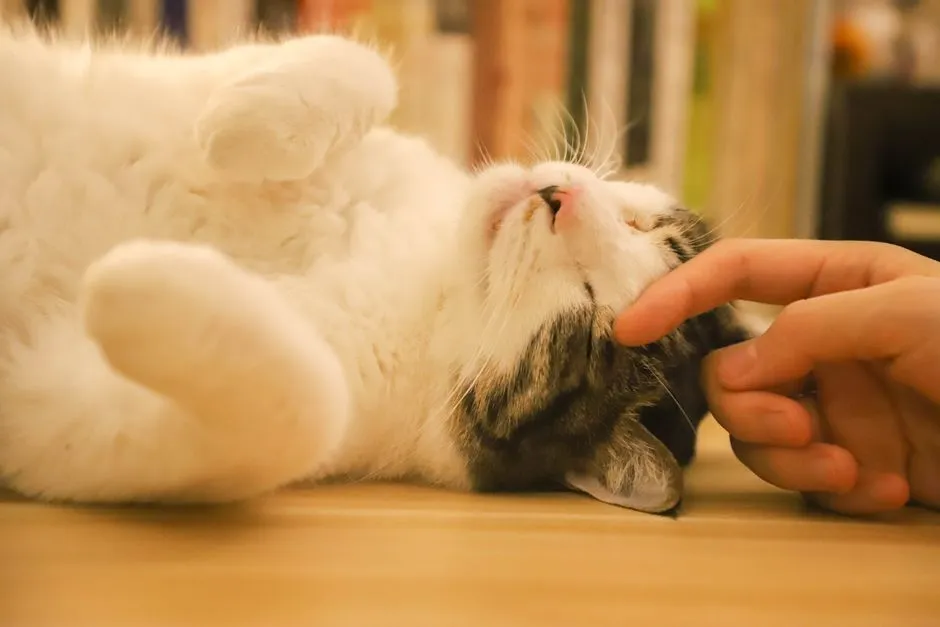
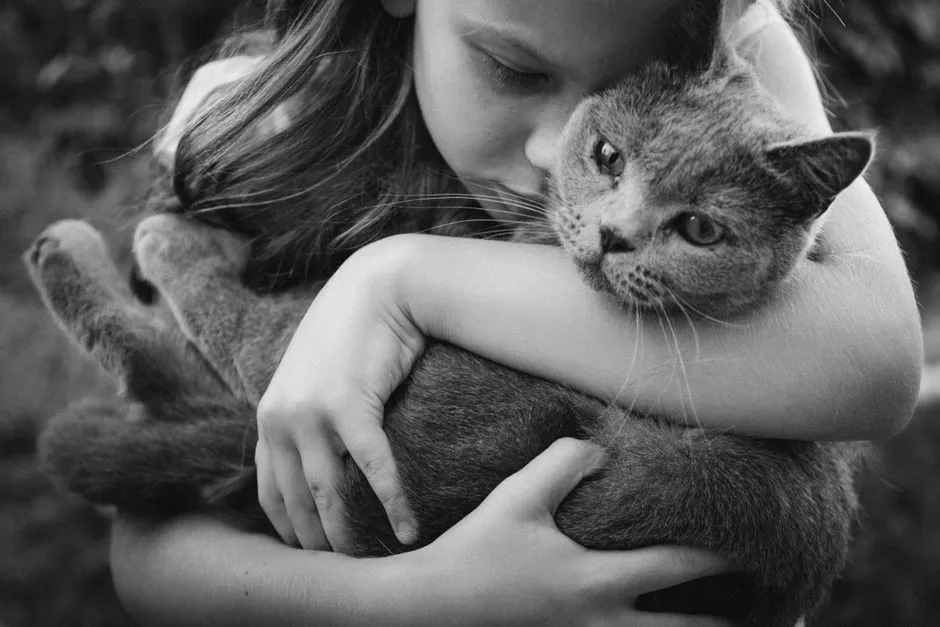
When cats do choose to engage, their behavior can genuinely feel therapeutic. Curling up on your chest, purring steadily, kneading your blanket, or lightly head-butting your chin are all forms of affiliative behavior, a fancy term for “friendly, bonding actions.” For you, these gestures might slow your breathing, lower your heart rate, and make you feel less alone in your sadness.
There is also evidence that the frequency range of a cat’s purr lines up with vibrations that can promote relaxation and even support healing in tissues and bones. So when your cat lies on your chest purring while you cry, they may simply be seeking closeness and comfort for themselves, but your body is quietly getting a mini therapy session in the background. It is not mystical, just a very lucky overlap between biology and affection.
How to Help Your Cat Help You (Without Putting Too Much on Them)
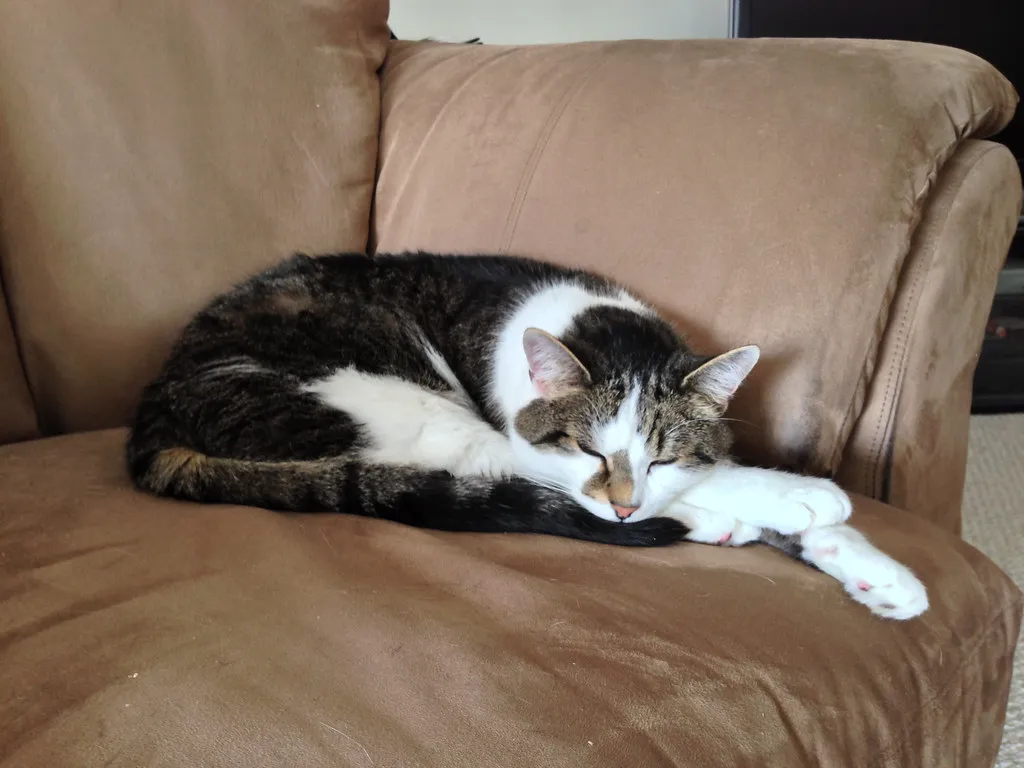
Even if your cat can sense your sadness and seems to respond to it, they are still an animal with their own limits and needs. It is important not to lean on them as your only emotional outlet. What you can do is make it easy for them to choose closeness when they feel safe: speak softly, move slowly, avoid grabbing or squeezing them too tightly, and let them decide how near they want to be.
Over time, cats learn patterns. If your emotional lows are consistently paired with calm, gentle interactions, many cats will naturally become more comfortable checking on you and staying by your side. Think of it less as your cat “fixing” your sadness and more as the two of you building a quiet, mutual support system where they read your signals and you respect their boundaries.
So, Do Cats Really Know You’re Sad? A Honest, Opinionated Take
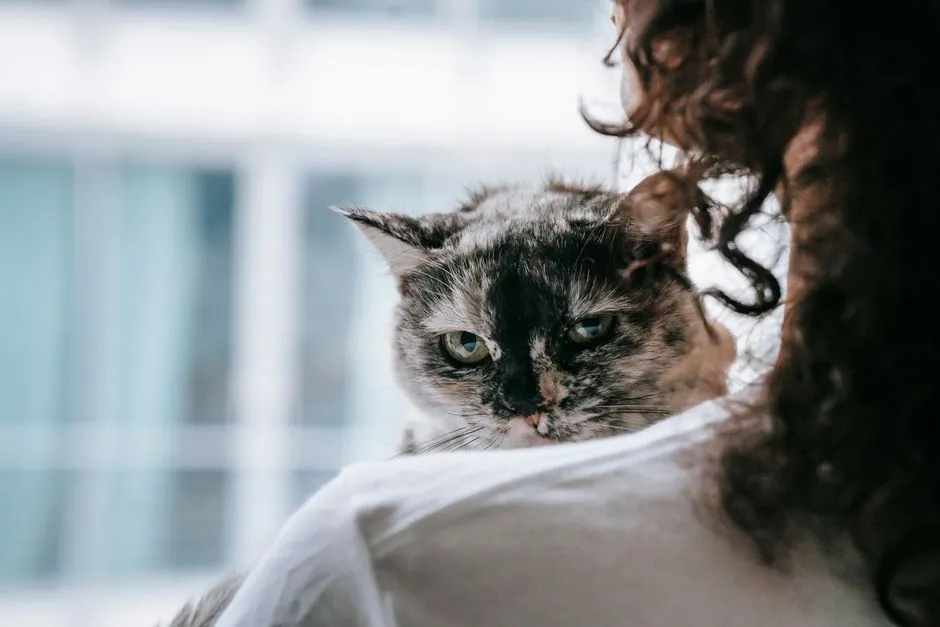
From a strict scientific standpoint, cats probably do not “know” sadness in the human, psychological sense. They are not sitting there analyzing your inner world. What they do seem remarkably good at, though, is detecting that your state has changed and deciding how to respond based on their personality, past experiences, and bond with you. In my view, that is its own kind of emotional understanding, even if it works differently from ours.
To me, the magic is not in whether a cat can label your feelings, but in the way their simple, instinctive reactions end up soothing something deeply human in us. When a small, independent animal chooses to curl into your side on a bad day, it feels like a wordless agreement: you are not okay, but you are not alone. Maybe that is not your cat “healing your heart” on purpose, but when their quiet presence makes the heaviness a little easier to carry, does the technical explanation really matter that much?
