
If you’ve ever seen a hummingbird hover in front of a flower like a tiny helicopter, you know how magical it feels. One moment your garden is quiet, the next it’s buzzing with color and wings beating faster than your eyes can follow. The secret to having that show on repeat is simple: plant the flowers they just can’t resist.
are picky in a very particular way. They burn through energy at an unbelievable rate, so they’ll always choose flowers that give them maximum nectar for minimum effort. Not all blooms qualify, but some are so perfectly designed for that it almost feels like a love story written by evolution. Let’s dig into eight flowers that basically never pass up – and how you can use them to turn your yard or balcony into the hottest nectar bar in town.
Trumpet Vine (Campsis radicans)
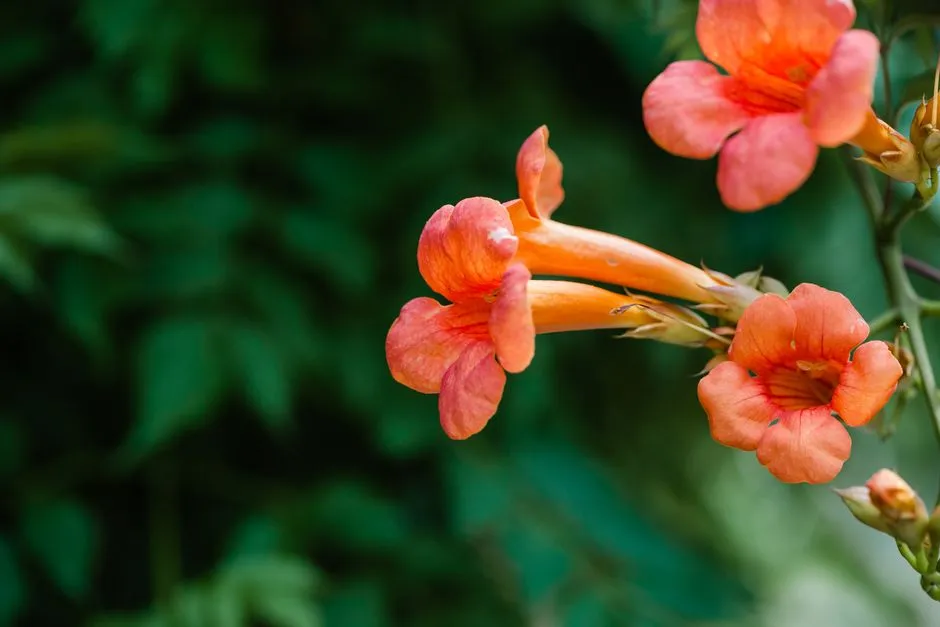
Think of trumpet vine as the all-you-can-eat buffet of the hummingbird world. The large, tube-shaped orange to reddish flowers are practically made for long hummingbird bills, and they pump out nectar through a long blooming season. The color is a big deal too: vivid warm tones are like a flashing neon sign that says “fuel up here.”
Trumpet vine is a vigorous climber, which is both its superpower and its warning label. It can easily take over fences, sheds, and even small trees if you let it do its thing without supervision. I’ve seen people regret planting it two feet from their patio, but when it’s given a sturdy trellis or a distant fence line and kept in check with pruning, it becomes a hummingbird magnet that pays off for years.
Bee Balm (Monarda didyma)
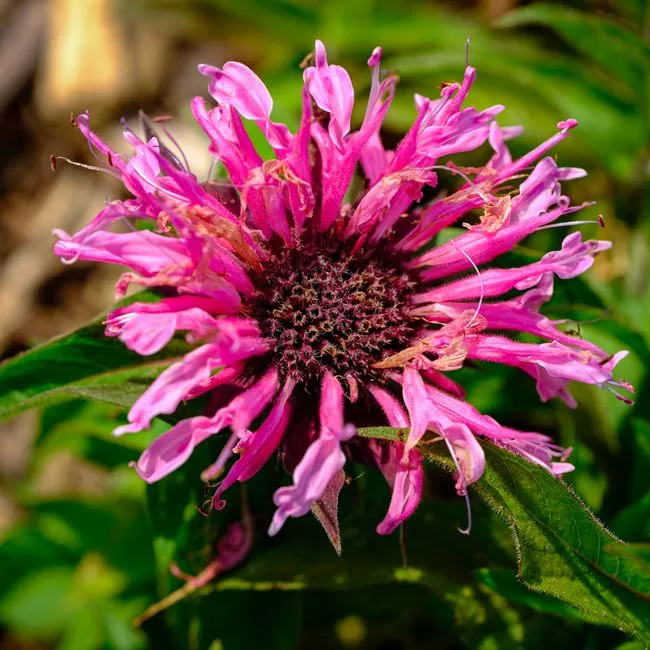
Bee balm looks a little wild, like a firework that exploded and decided to stay frozen in midair. Those shaggy clusters of petals are not just pretty; they create lots of little access points for hummingbird tongues to reach the nectar hidden inside. The bright reds and pinks are especially attractive to hummingbirds, but you’ll often see bees and butterflies hanging out there too, which turns one plant into a mini pollinator party.
Scientifically speaking, bee balm belongs to the mint family, which means it has square stems and aromatic leaves that can help repel some pests. In real-life gardener terms, it means the plant spreads, sometimes a lot, especially in rich soil. If you give it a bit of elbow room and cut the stems back after flowering, you usually get healthier clumps and sometimes a bonus second flush of blooms that keeps hummingbirds coming back later in the season.
Cardinal Flower (Lobelia cardinalis)
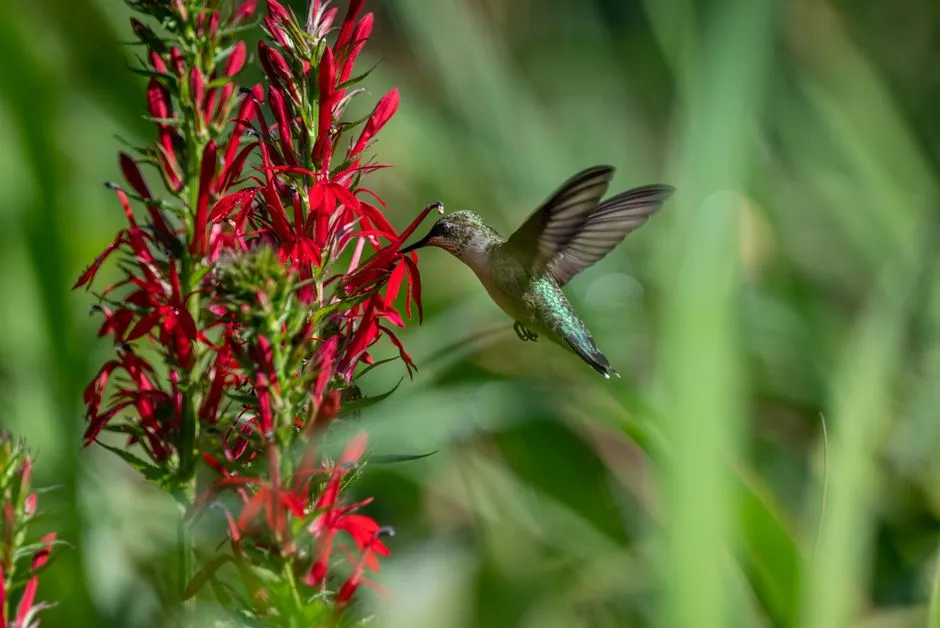
Cardinal flower is like the showstopper on a red carpet – intensely scarlet, elegant, and hard to ignore. Its tall flower spikes are stacked with tubular blossoms that are perfectly shaped for hummingbirds but not so friendly for most insects. That’s a quiet advantage for the birds, because less competition means more nectar per visit. In some areas, hummingbirds are considered one of the main pollinators for this plant, which shows how tightly matched they are.
The catch with cardinal flower is that it’s a bit dramatic about its growing conditions. It likes consistent moisture and rich soil, often thriving near streams, ponds, or in rain gardens. Gardeners sometimes think it “mysteriously disappears,” but usually it is just sensitive to drying out or being shaded out by tougher neighbors. If you baby it a little and keep the soil damp, the payoff in hummingbird traffic can be incredible.
Red Salvia and Scarlet Sage (Salvia splendens & Salvia coccinea)
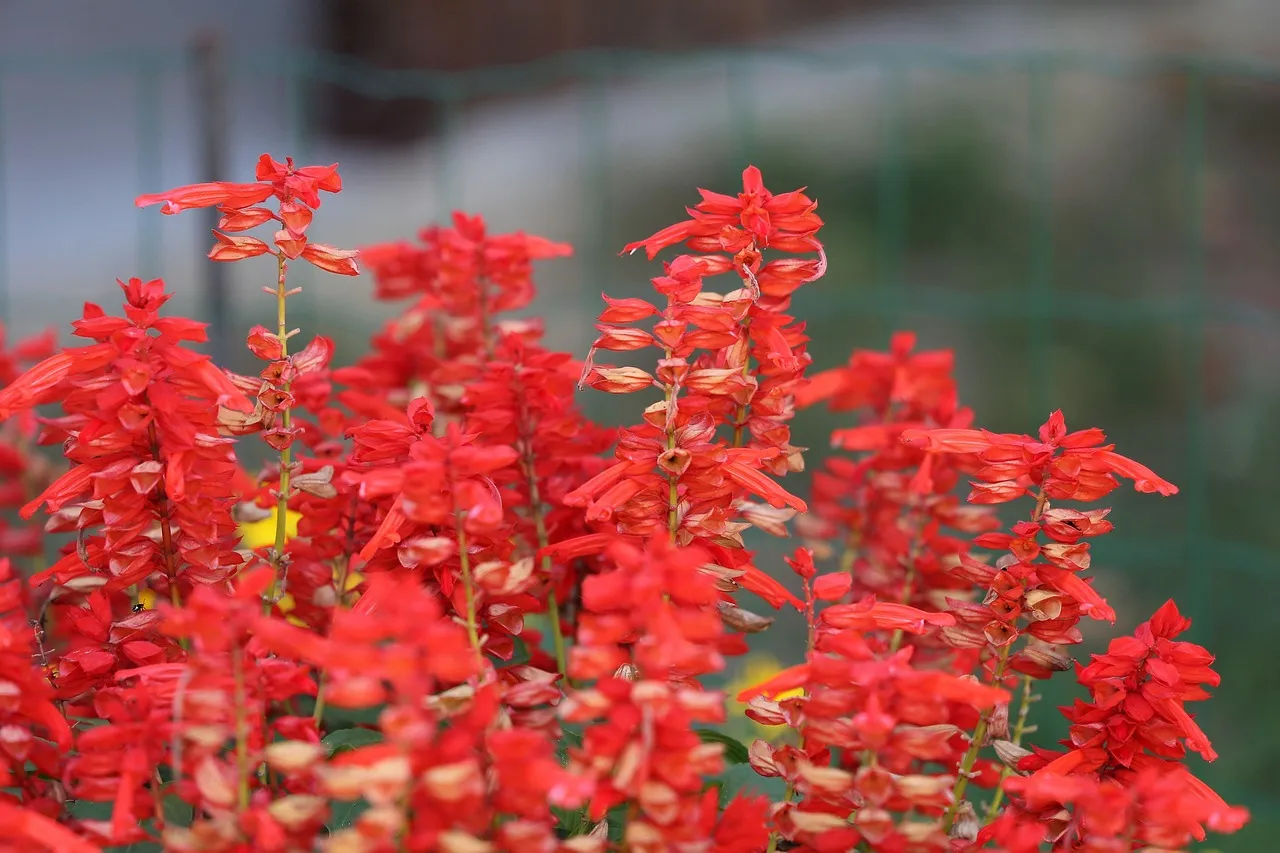
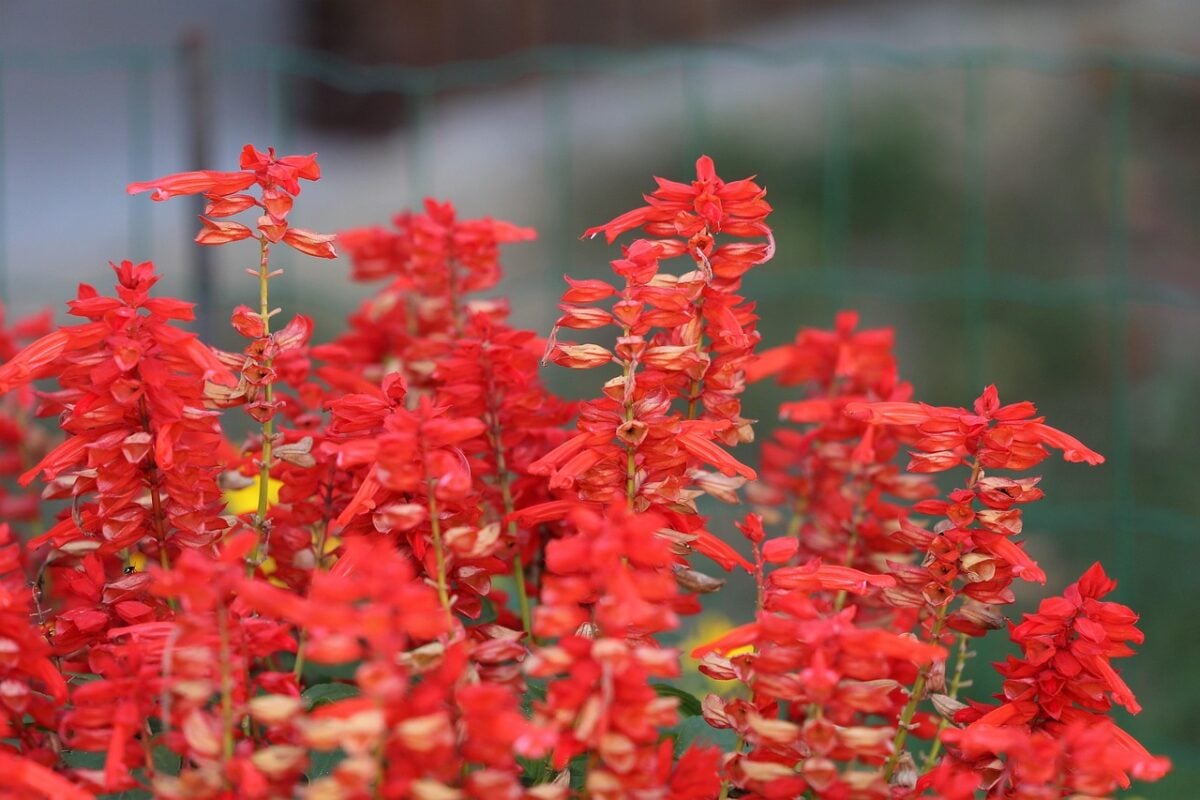
Salvias are like the reliable regulars at your favorite coffee shop – always around, always delivering, never boring. Red varieties, such as Scarlet sage and tropical salvias, produce upright spikes of tubular flowers that hummingbirds seem to notice from astonishing distances. The nectar is rich, and the blooms keep coming if you deadhead or choose varieties that naturally rebloom through the season.
From a science angle, many salvias are adapted specifically to bird pollination, with sturdy flower stems that can deal with repeated visits and petals shaped so dustings of pollen land right where they need to on a hummingbird’s head or bill. From a gardener’s angle, they’re ridiculously flexible: you can grow them in pots, raised beds, or mixed borders. I’ve even stuffed a few into a cramped balcony planter and still ended up with hummingbirds zipping in between apartment railings like tiny fighter jets.
Trumpet Honeysuckle (Lonicera sempervirens)
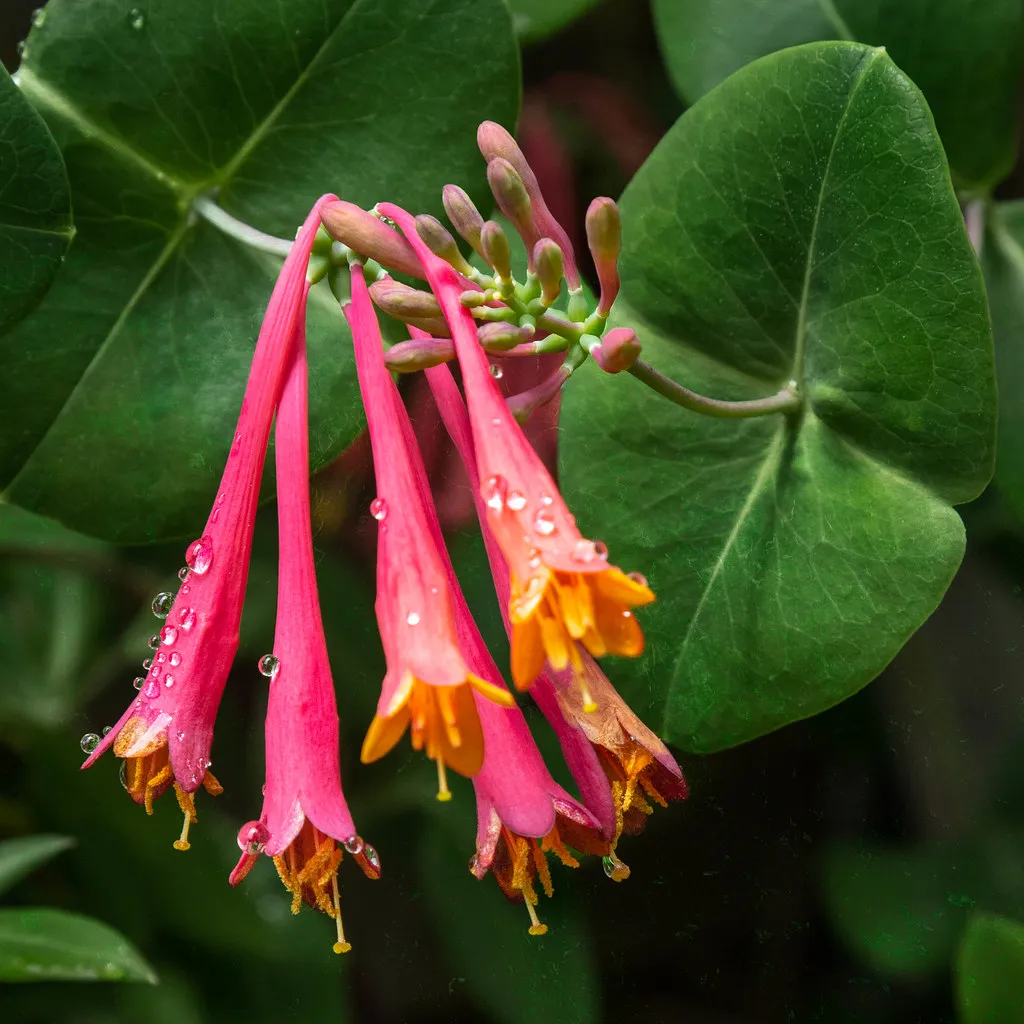
Trumpet honeysuckle is the elegant cousin of the old-fashioned, often invasive honeysuckles people remember from childhood. Its long, slender red or coral flowers are clustered in groups and packed with nectar, and hummingbirds seem to learn the exact route from cluster to cluster with almost comical precision. Unlike some other honeysuckles that can become ecological headaches, this species is much better behaved and widely valued for wildlife gardens.
It is a twining vine, so it needs something to climb: an arbor, railing, mailbox post, or even a simple wire stretched along a wall. What I love about trumpet honeysuckle is that it can start blooming relatively early and, in many climates, keep going on and off well into the warmer months. That extended nectar window is huge for hummingbirds, which may rely on a steady series of flowers to refuel as they migrate or raise young.
Fuchsia (Fuchsia hybrids)
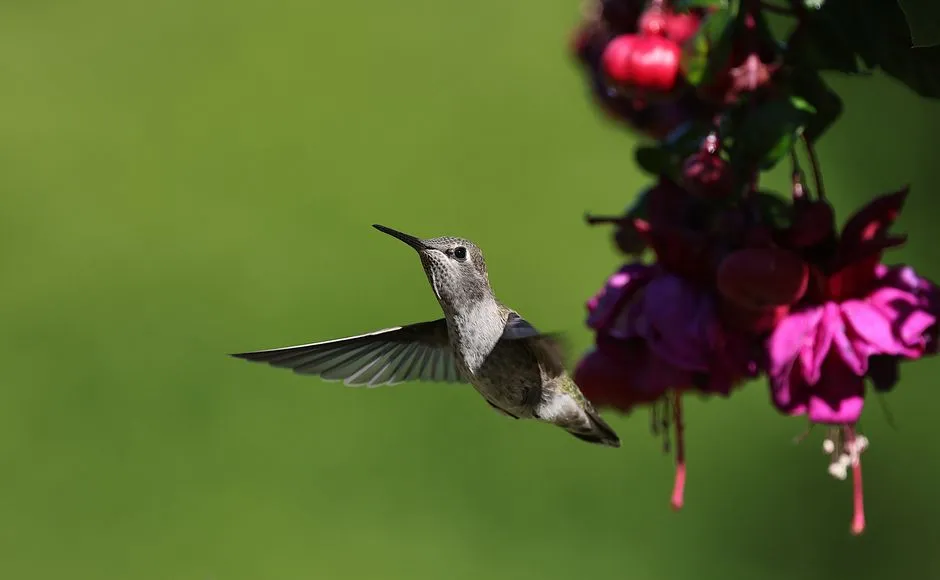
If there were an award for most dramatic hummingbird plant, fuchsias would be on the podium. Their dangling, lantern-like flowers in vivid purples, reds, and pinks look like jewelry for your garden, and the long tubes and hanging shape are perfect for hummingbirds to approach from below. Because the blooms are pendant, they stay somewhat protected from heavy rain, which helps preserve nectar and keeps the show going.
Fuchsias are ideal for hanging baskets and containers, especially in spots that get morning sun and afternoon shade. That makes them a smart option for small spaces, porches, or apartment balconies where you want the joy of hummingbirds but do not have room for big shrubs or vines. They can be a little fussy about heat and dryness, but if you keep them watered and fed, you often get a long season of blooms and regular hummingbird visits right at eye level.
Columbine (Aquilegia, especially red and bicolor types)
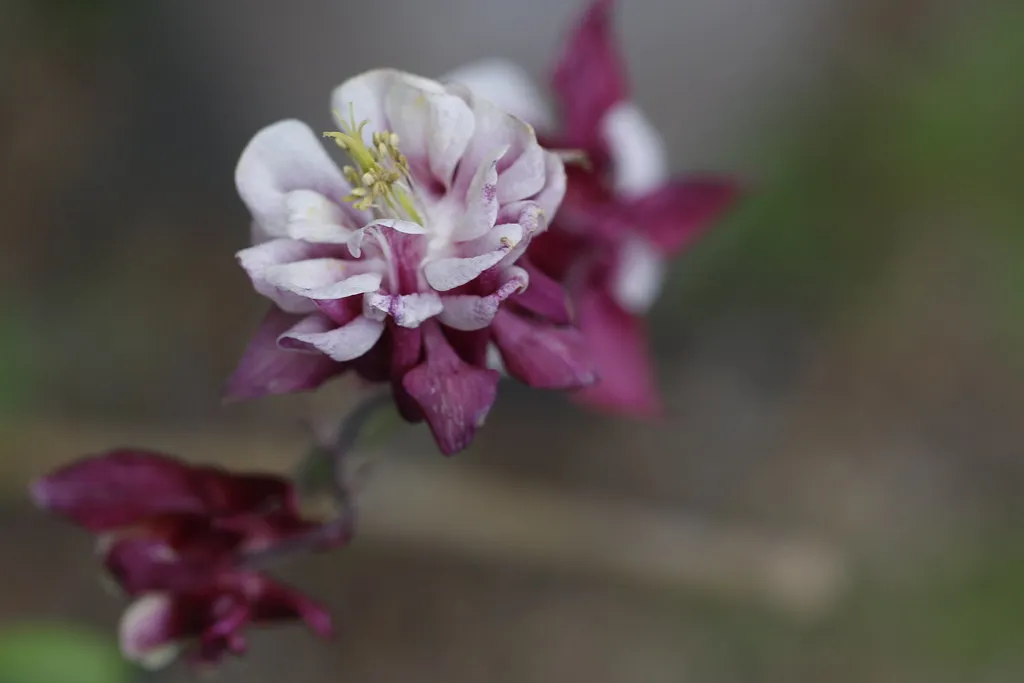
Columbines look a bit like whimsical shooting stars, with backward-pointing spurs that store nectar at their tips. Hummingbirds are perfectly built to tap into those spurs, hovering in place while they sip and accidentally brushing against the pollen structures. Red and bicolor columbines, in particular, are known for drawing hummingbirds in late spring and early summer, often when other favorites are just waking up.
These plants bring a woodland charm to gardens, doing well in partial shade and cooler spots where summer heat is not too brutal. They tend to reseed themselves, sometimes popping up in slightly surprising places, which can be delightful if you like a more natural, cottage-style look. I personally love how a patch of columbines feels like a soft opening act before the louder summer perennials take over, giving hummingbirds a smooth transition from one food source to the next.
Penstemon (Beardtongue)
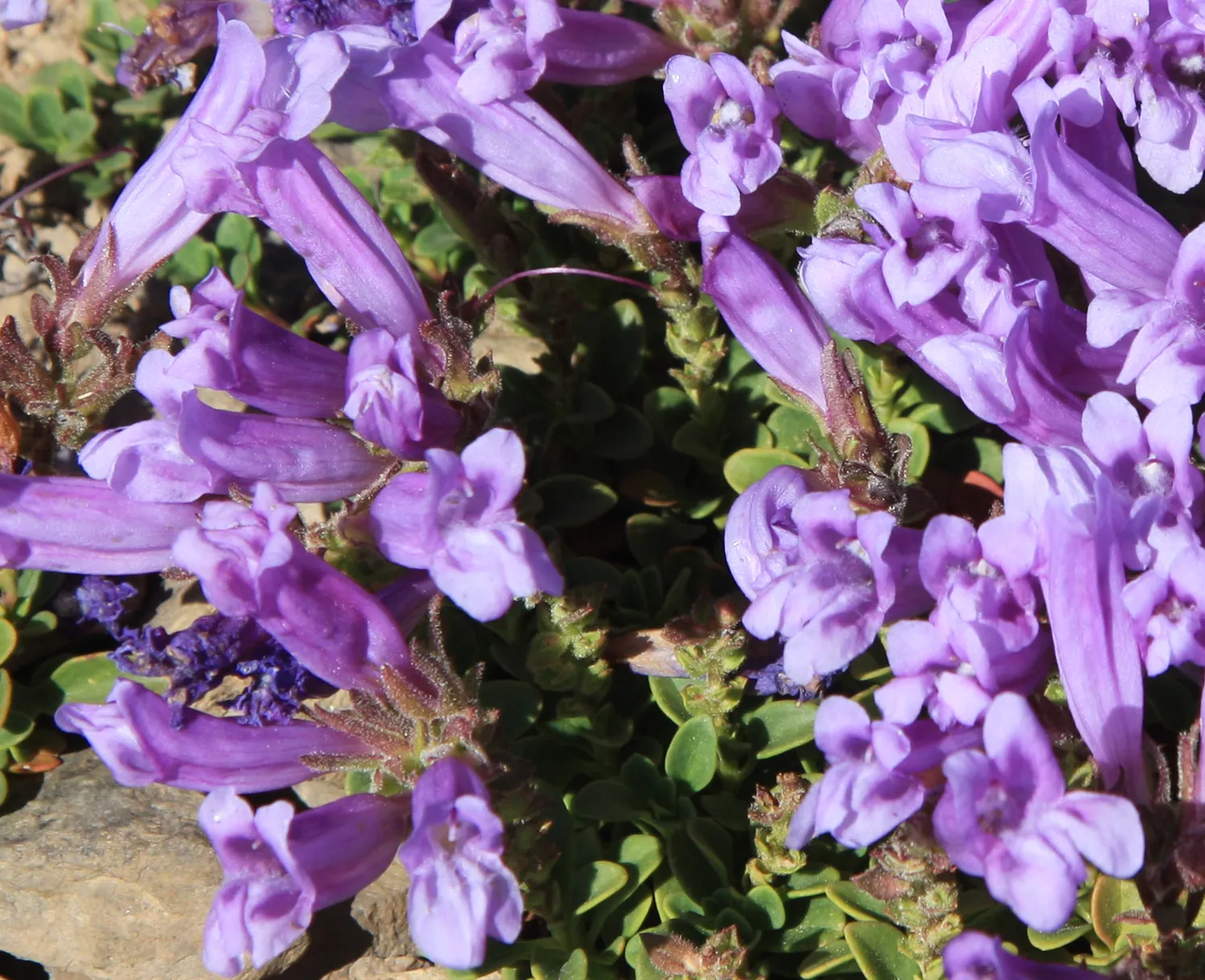
Penstemons fly a little under the radar for many casual gardeners, but hummingbirds know exactly what they’re doing around them. These plants produce spikes of tubular flowers in reds, pinks, purples, and even white, and many species are strongly favored by hummingbirds in open, sunny landscapes. The flowers are just the right depth for hummingbird bills, offering easy access and solid nectar rewards.
Many penstemons are adapted to lean, well-drained soil and even semi-arid conditions, which makes them a smart choice if you are trying to be water-wise. They combine especially well with grasses and other sun-loving perennials, creating a more natural, meadow-like look that feels modern and low-maintenance. If you are tired of thirsty lawns and fussy annuals, adding penstemons can be a quiet but powerful way to support hummingbirds while shifting your garden to something more resilient.
Conclusion: Plant With Intention, and the Hummingbirds Will Come
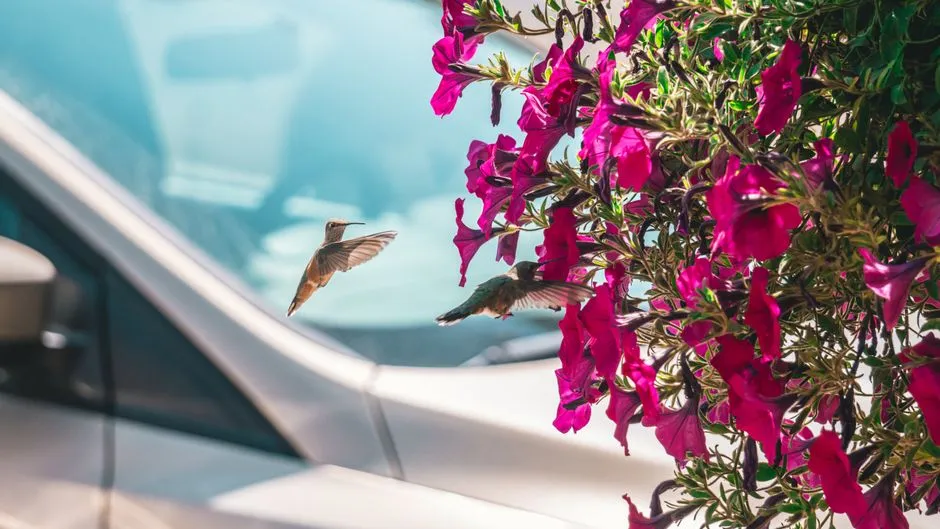
When you look at these eight flowers side by side, a pattern jumps out: tubular shapes, vivid warm colors, and generous nectar are the winning combination. That is not a coincidence; it is the result of millions of years of plants and hummingbirds shaping each other, like a slow-motion dance where both partners keep getting better at their steps. If you choose even a handful of these plants and give them the conditions they prefer, you are not just decorating – you are plugging into that ancient partnership.
My honest opinion? A yard full of random pretty plants is fine, but a yard designed with hummingbirds in mind is on another level entirely. It turns your space into a living, moving experience, where those tiny birds become daily visitors instead of rare surprises. Start with one or two of these flowers, watch who shows up, and then decide how far down the hummingbird rabbit hole you really want to go. After seeing them hover inches from your face, wings a blur, heart racing, you might find yourself asking: why did I ever plant anything else?

- 8 Flowers Hummingbirds Never Ignore - July 26, 2026
- 8 Animals That Are Smarter Than Most People Think - July 26, 2026
- Neuroscience Says When You Lock Eyes With Your Dog Both Brains Release Oxytocin Simultaneously – and the Cross-Species Biochemical Loop Between You Is the Only One of Its Kind That Science Has Documented - July 26, 2026