
Owls are often treated like spooky background noise in movies, but if you actually listen, their nighttime calls are more like a complex secret language. Those hoots, screeches, and whistles are not random; they’re conversations about territory, love, danger, and even family drama. Once you know what to listen for, a noisy night suddenly becomes a story playing out in the dark. I still remember the first time I realized that the “weird screaming” outside my window was a pair of owls flirting, not something out of a horror film. It was oddly comforting to know there was a pattern to it. In this article, we’ll walk through eight of the most common owl sounds, what they usually mean, and how you can start decoding them like a quiet backstage pass to the night shift of the forest.
1. Classic Hooting: “Who’s There?” and “Stay Away”
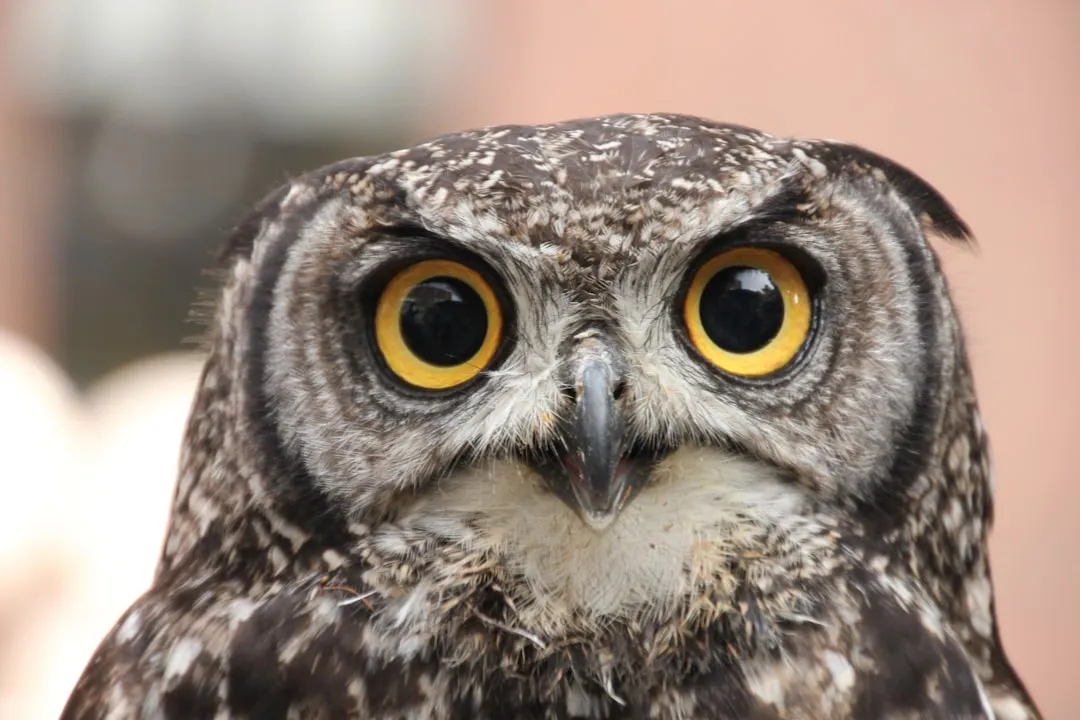
The deep, rhythmic hoot is the sound most people imagine when they think of an owl. In many common owl species, especially larger ones, these hoots are a way of saying, “This is my territory,” or “I’m here, and I’m not moving.” When you hear a steady series of hoots from the same direction night after night, it’s often a resident owl patrolling its home range and announcing its presence to neighbors and rivals.
Sometimes these hoots turn into more intense, rapid sequences, especially if another owl responds from nearby. That back-and-forth can be a territorial argument, like two people loudly claiming the same parking spot in a crowded lot. If you notice overlapping hoots or the pace suddenly picking up, you’re probably listening to a dispute over boundaries rather than a calm evening check-in.
2. Duet Hoots: Owl Couples Keeping in Touch
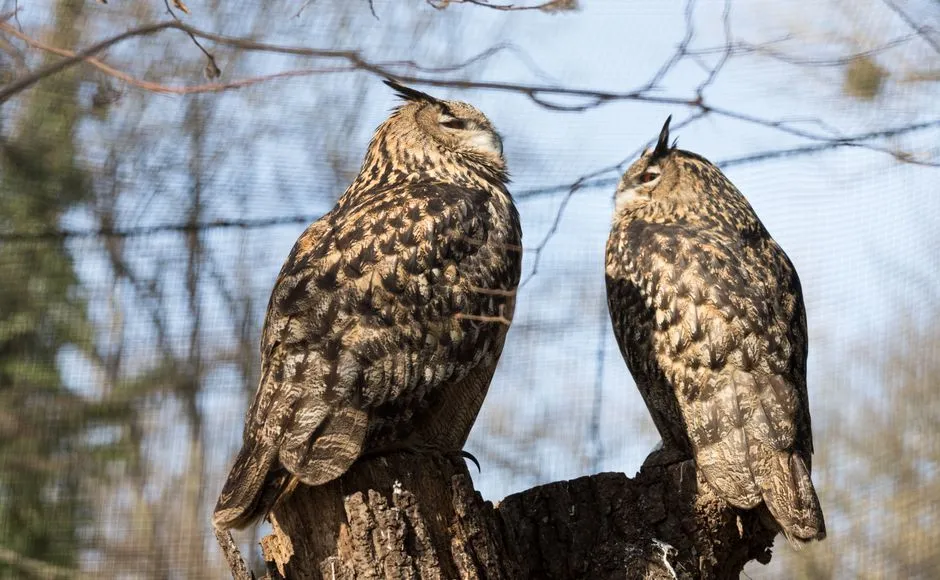
When two owls hoot in different pitches from roughly the same area, you might be listening to a pair calling back and forth. Often the larger, usually male, has a lower pitch, while the smaller, usually female, sounds a bit higher and sometimes more forceful. These duets are like a couple texting each other from opposite sides of the house, confirming that they’re both still there and on the same page.
These pair-bond calls become especially common in the lead-up to breeding season and while raising young. The calls help partners coordinate hunting, defend their territory together, and keep tabs on each other’s location in the dark. If you hear a slow, almost gentle back-and-forth of hoots from the same spot over several nights, there’s a good chance you’re eavesdropping on an established owl couple managing their shared home.
3. Screeches and Shrieks: Drama, Alarm, or Aggression
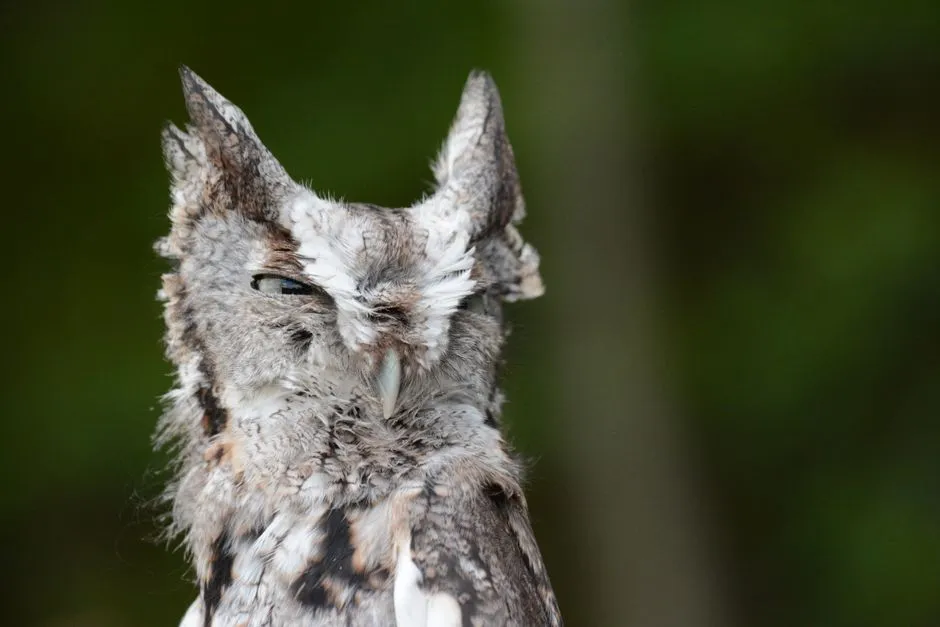
Not all owls hoot. Some give long, harsh screeches that sound surprisingly like a scream, which can be genuinely unsettling if you do not expect it. These sharper calls often show up in smaller or medium-sized owl species and are frequently tied to agitation, defense, or intense interactions. When an owl feels threatened, is confronting an intruder, or is in a heated territorial clash, those eerie screams are its way of escalating the situation.
You might also hear screeches when food or nesting spots are at stake. During the breeding season, these sounds can erupt around nest sites if an owl feels something is getting too close to its eggs or chicks. Think of it as the owl equivalent of raising your voice when someone pushes too far. If the night suddenly shifts from calm hoots to abrupt, high-pitched shrieks, you are probably hearing a moment of conflict or serious tension.
4. Whistles and Whinnies: Subtle Signals and Contact Calls
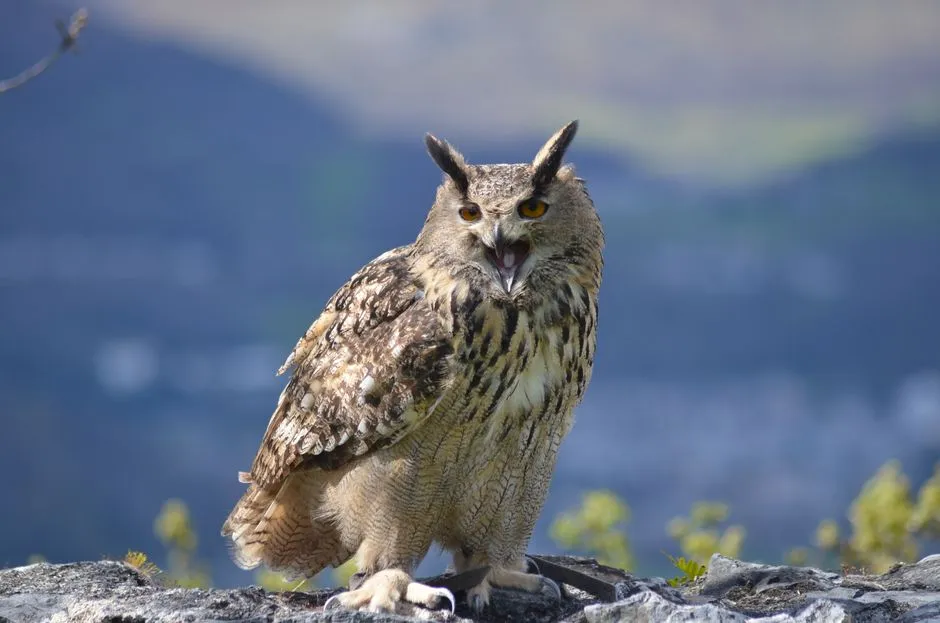
Some owls communicate with surprisingly soft whistles, trills, or sounds people sometimes describe as a “whinny.” These calls can be short, rising notes or a series of descending tones that almost sound like a tiny, ghostly horse in the trees. They’re often used as contact calls between mates or family members, a quieter way of saying, “I’m here, where are you?” without blasting a loud hoot across the neighborhood.
These whistling calls are especially useful in dense forests or brushy areas, where a softer, more frequent call helps birds stay in touch as they move around. You might notice that these sounds repeat in regular patterns and are less dramatic than hoots or shrieks. It’s like the difference between a quick voice note to a friend and a public announcement over a loudspeaker: same idea of communication, just scaled to the moment.
5. Raspy Barks and Growls: Back Off, This Is Mine
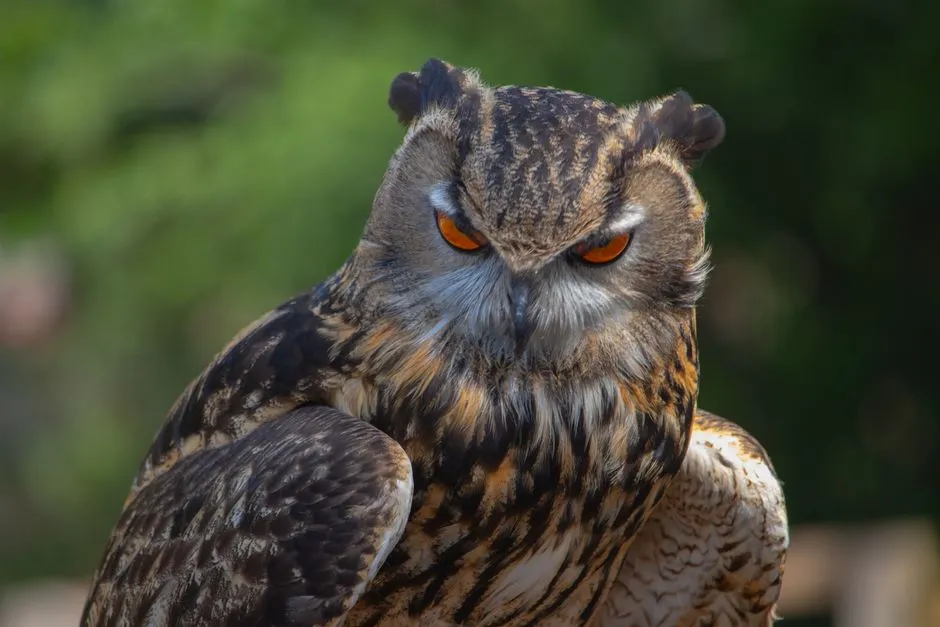
When an owl feels cornered or seriously annoyed, the sounds can shift into harsh barks, grunts, or low growling noises. These are not pretty or melodic; they’re meant to intimidate. An owl might bark or growl at a predator, a human who came too close to a nest, or even another owl that is ignoring more polite boundary signals. It is the audio version of baring teeth and standing your ground.
These rough calls are often combined with body language: wings spread, head lowered, and intense eye contact if the owl is visible. In the wild, that package of sight and sound is usually enough to convince most threats to back down. If you ever hear short, angry-sounding barks or guttural noises from a tree near a path, it is a good sign to give that spot some extra space and remember you may be walking near an active nest or roost.
6. Soft Begging Calls: Hungry Owlets Asking for Dinner
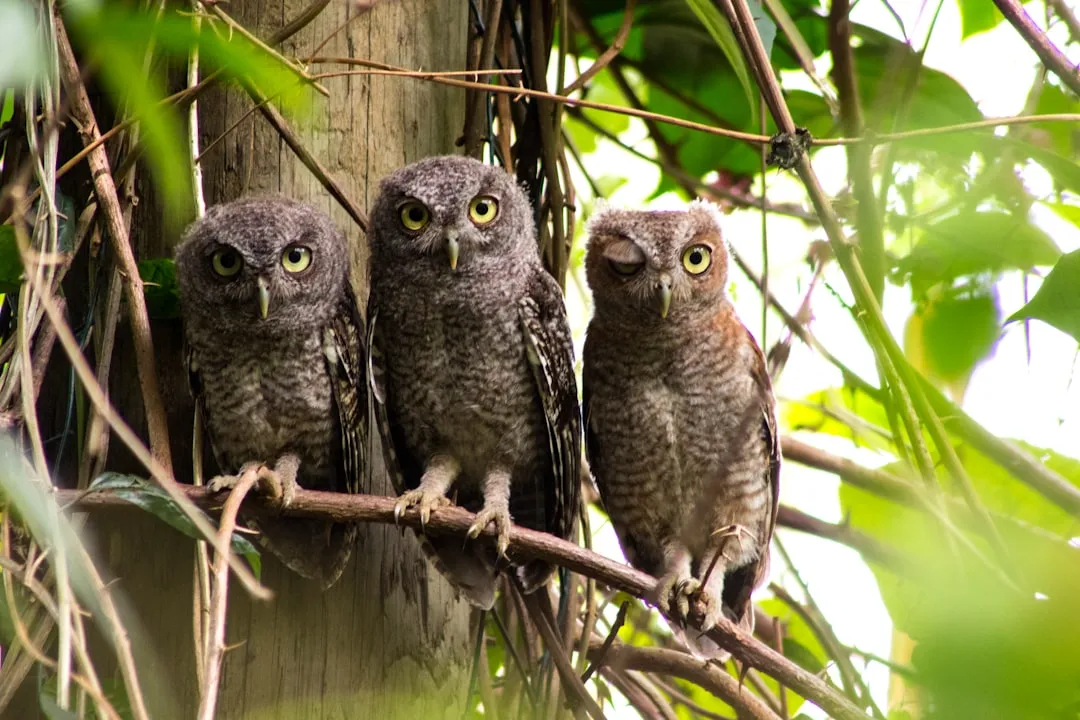
One of the most touching – and repetitive – owl sounds at night is the begging call of young owls. These are often high, thin, drawn-out notes repeated again and again, sometimes for what feels like hours. The message is very simple: “I’m hungry, bring food.” Parents learn to recognize their own chicks’ calls and respond by hunting and delivering prey back to the nest or perch.
As the owlets grow and start leaving the nest, they may follow the adults around at night, continuing those begging calls while they learn to hunt. If you live near owl habitat, you might notice these sounds more often in late spring or summer evenings, when youngsters are growing fast and constantly hungry. It is basically the nocturnal version of a house full of kids shouting from the kitchen that the fridge is empty again.
7. Rapid Chatter and Excited Calls: Hunting and High Energy Moments
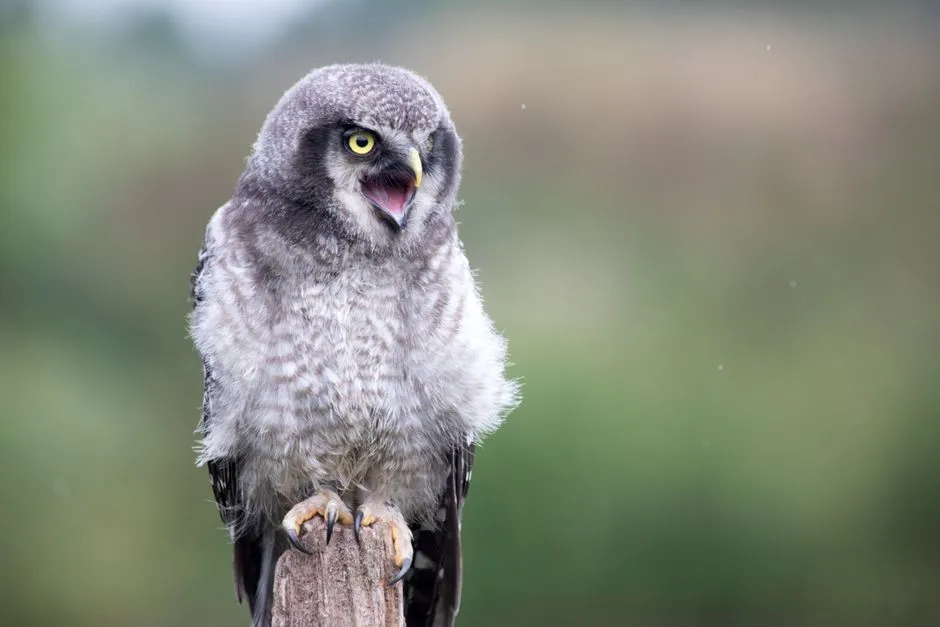
Owls are usually portrayed as perfectly calm, but when something exciting happens – like spotting prey or dealing with a sudden disturbance – their voices can speed up. Rapid chattering, short burst calls, or quick sequences of notes can appear during intense hunting chases or when multiple owls react to the same event. These calls can sound like a flurry of syllables, much more animated than their usual steady hoots.
In some situations, these excited sounds may help coordinate with a mate, especially if both adults are hunting near their nest or defending it. It is a bit like shouting short directions during a fast-paced game, far too quick and clipped to be formal communication, but perfect for the moment. If you hear a sudden explosion of fast calls followed by silence, it may mean the situation resolved quickly – with either a successful catch or a threat moving on.
8. Quiet Notes and “Under-the-Breath” Calls: The Subtle Side of Owl Talk
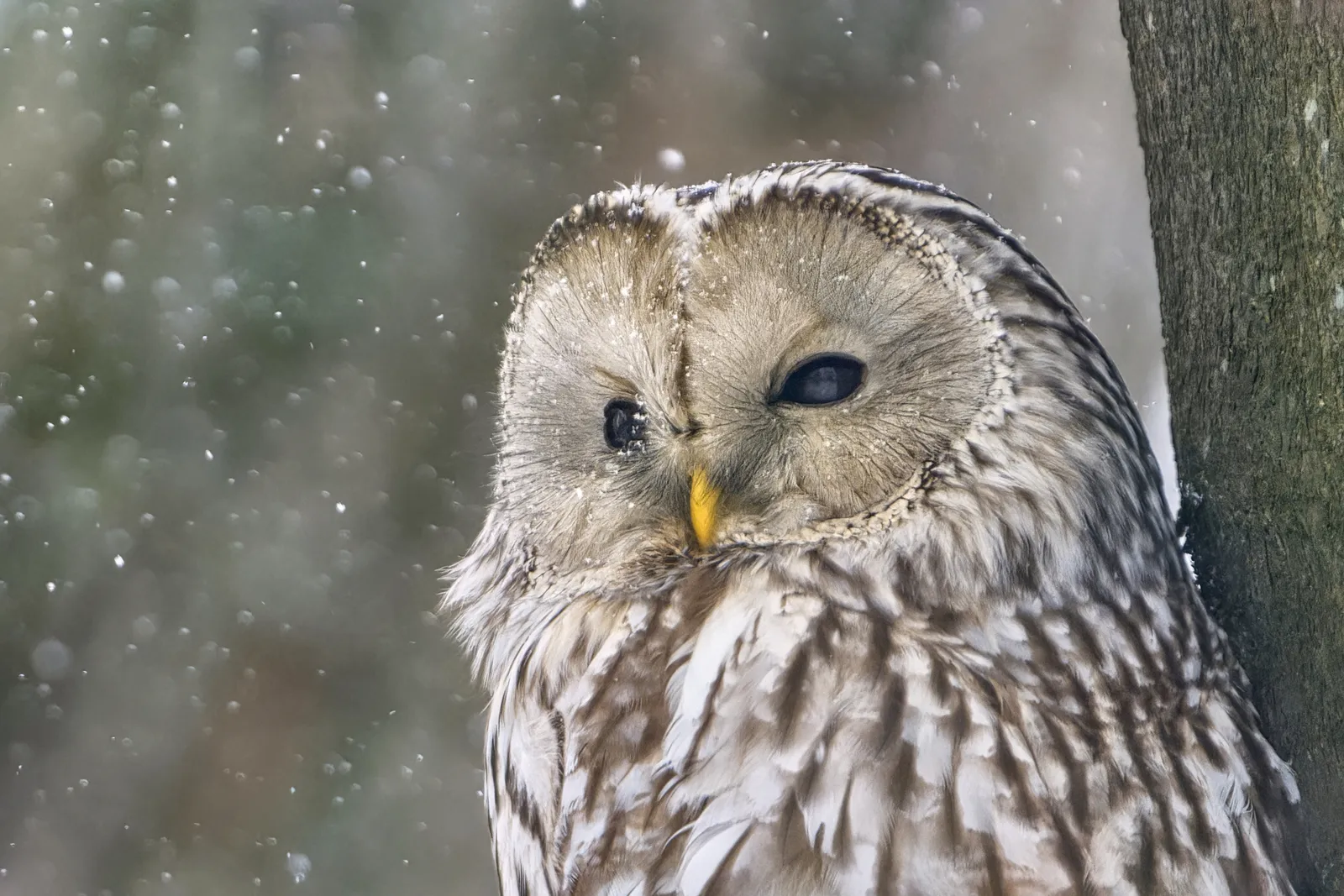
Not every owl sound is dramatic enough for a horror movie soundtrack. Owls also use very soft clucks, tiny hoots, and murmuring notes that you will only catch if you are close and the environment is quiet. These low-key sounds often show up between mates perched near each other or between an adult and older young that have already fledged but are still hanging around. They can be part reassurance, part coordination, and part low-stress conversation.
People sometimes miss these calls because we tend to pay attention only to the loud or spooky noises. But once you start noticing the softer side of owl communication, the whole picture changes. It feels less like a soundtrack of distant ghosts and more like neighbors chatting quietly in the dark, using a language that has evolved to fit a world of shadows, branches, and moonlight.
Conclusion: Listening to the Night With New Ears
Once you realize that each owl sound has a rough meaning – territory, bonding, alarm, hunger, excitement, or simple contact – the nighttime stops being just “noise” and starts to feel like a living conversation. You do not have to identify every species or decode every call perfectly to appreciate what is going on. Even a basic sense that a hoot probably marks territory or a shriek likely signals conflict makes you feel more connected to the wild lives unfolding just beyond your porch light.
Personally, I find it oddly grounding to know that while we scroll our phones late at night, owls are out there defending their homes, feeding their families, and arguing over branches, all expressed through this rich palette of sounds. The more you listen, the less scary and the more fascinating it becomes. Next time you hear an owl call in the dark, will you shrug it off as background noise, or try to guess what kind of midnight message you just overheard?
