
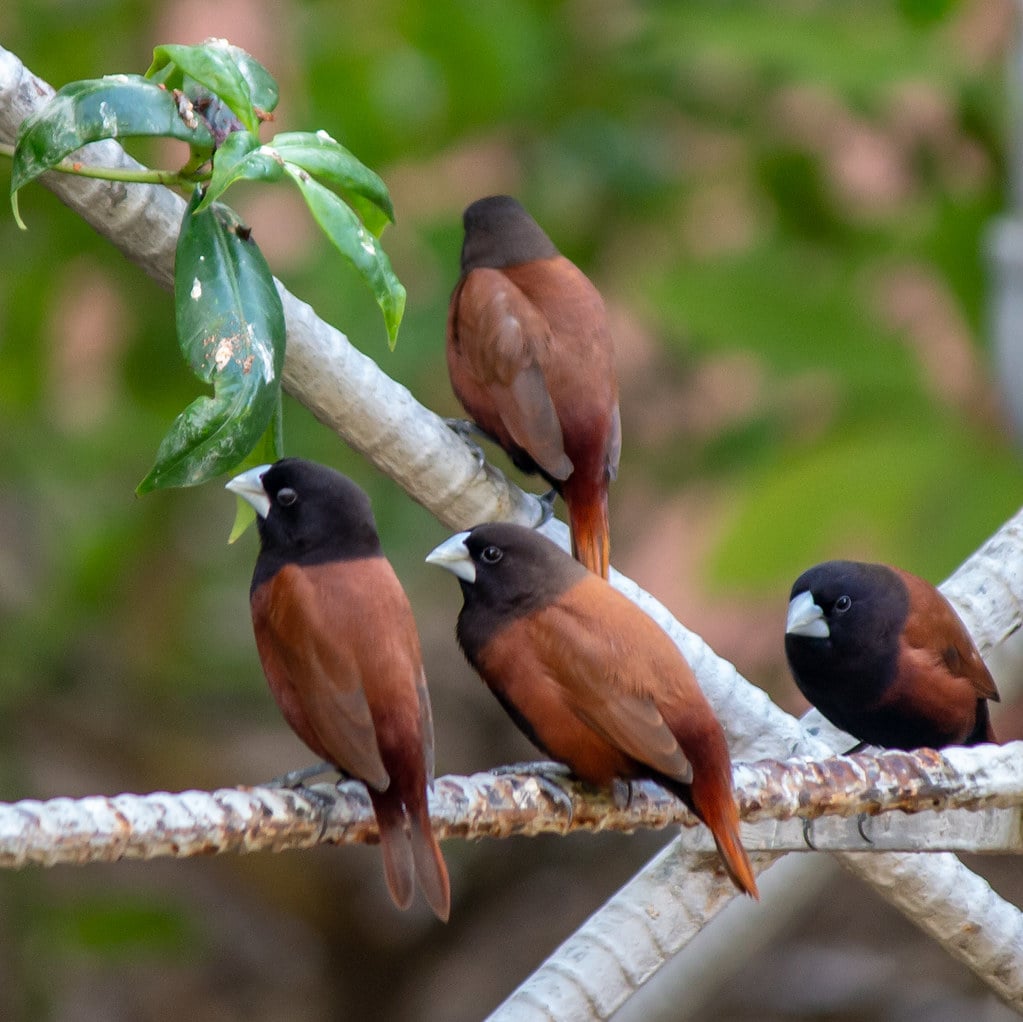
Have you ever been sitting outside, enjoying the layered chatter of birds, when all at once the sound just drops out? It feels eerie, like someone hit a mute button on the world. Most people shrug and assume the birds flew off or got tired. In animal behavior science, that moment is treated very differently: it is a broadcast announcement that something important just happened.
Birdsong is not background noise; it is a live safety and social system running above your head. When that system suddenly goes quiet, it almost never means everybody decided to take a nap at the same time. It usually means a warning signal just swept through your yard, and every species tuned in except you. Once you start to understand how that works, your backyard stops being “peaceful silence” and starts becoming a conversation you can finally follow.
The Sudden Silence Is a Fire Alarm, Not a Lullaby
That abrupt switch from noisy to silent is one of nature’s clearest red flags. In animal behavior research, this is often called a “silence response,” and it shows up across very different species and habitats. Birds do not randomly shut up in unison; that would be a terrible survival strategy. Sound carries information, and dropping all sound at once tells other animals that something is wrong right now.
Think of your yard like a neighborhood group chat. When everyone is talking and joking, things are normal. When every message suddenly stops at the same second, you know something serious just happened. The same is true overhead: if the sparrows, doves, crows, and finches all go quiet within a heartbeat, they are reacting to a shared cue, not taking a cozy mid-morning break.
Alarm Calls: The “Breaking News” Alerts of the Bird World
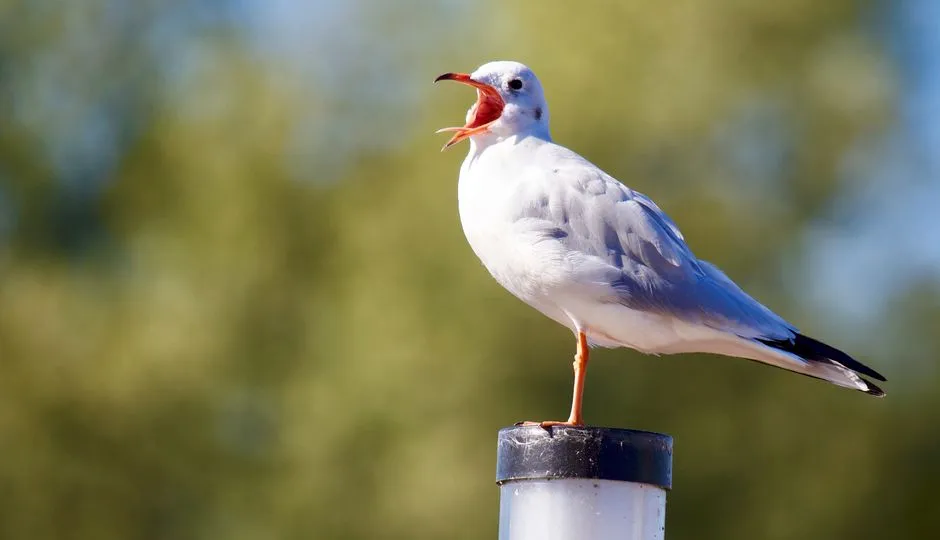
Before the quiet comes, there is often a burst of urgent sound that most people do not recognize as different from normal chirping. Many species have distinct alarm calls that are sharper, more repetitive, and often higher-pitched than their usual songs. These are the equivalent of someone shouting danger down the street, and in some species they even vary by predator type, such as aerial threat versus ground threat.
That brief storm of noise is what flips the flock from casual mode to survival mode. Birds that heard or saw the threat shout the message out, and nearby individuals amplify it, sometimes across species. Then, once everyone has the memo, the system flips into silence, because broadcasting your position when a predator is nearby is a very bad idea. By the time you notice the quiet, the alarm bulletin may already have raced through your entire yard.
Mixed Flocks: Different Species, One Shared Warning Network
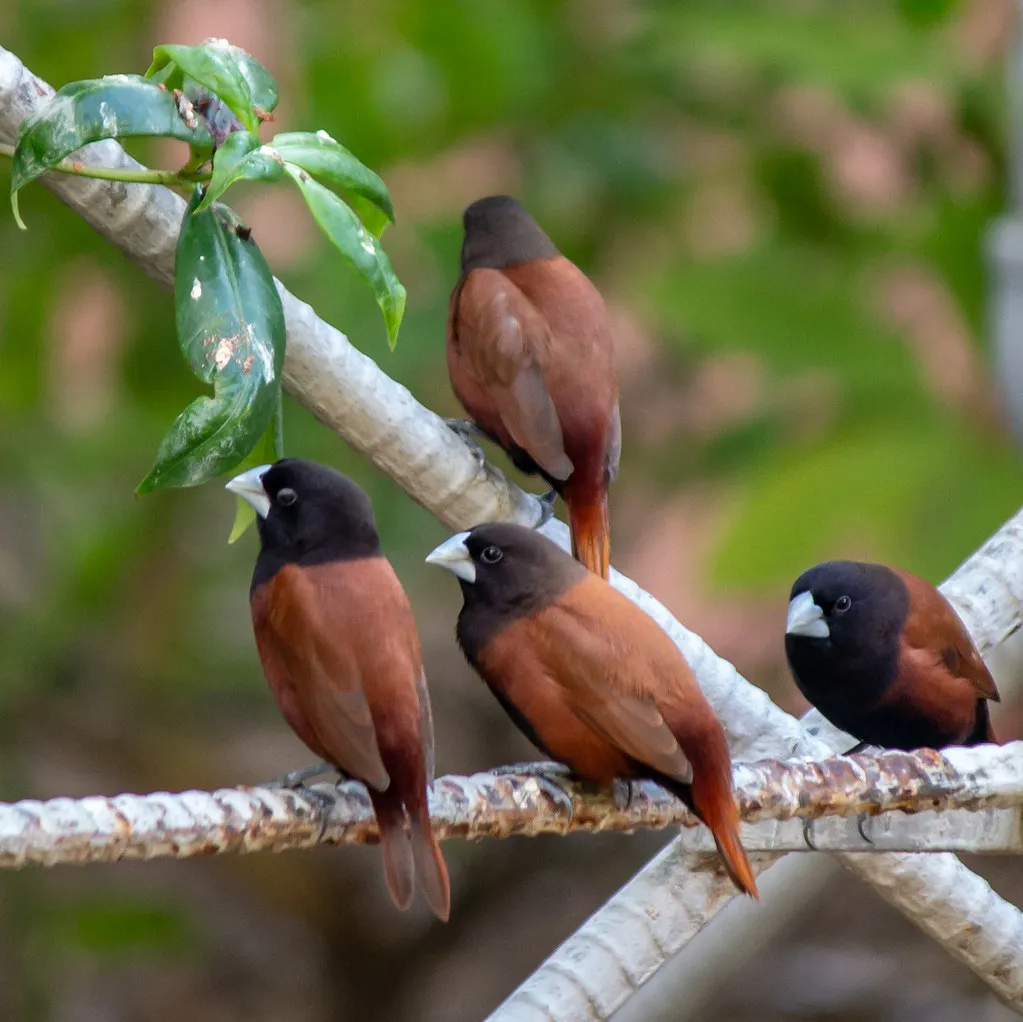
One of the most surprising things to people who start studying bird behavior in their yard is how often different species respond together. That is not a coincidence. In many regions, you get mixed-species flocks sharing the same bushes, trees, and feeders, and they listen to one another’s alerts just as closely as their own. Sparrows will respond to chickadee alarms, finches will react to scrub jay screams, and so on.
This cross-species eavesdropping forms what biologists sometimes call an “information network.” Your yard is not a handful of independent birds all doing their own thing; it is more like a neighborhood watch. When one reliable “lookout” species spots danger and calls out, the others suddenly freeze, dive for cover, or go silent. To human ears, that just feels like “everything stopped,” but to them it is coordinated risk management.
Predators in the Background: What the Birds Probably Just Noticed
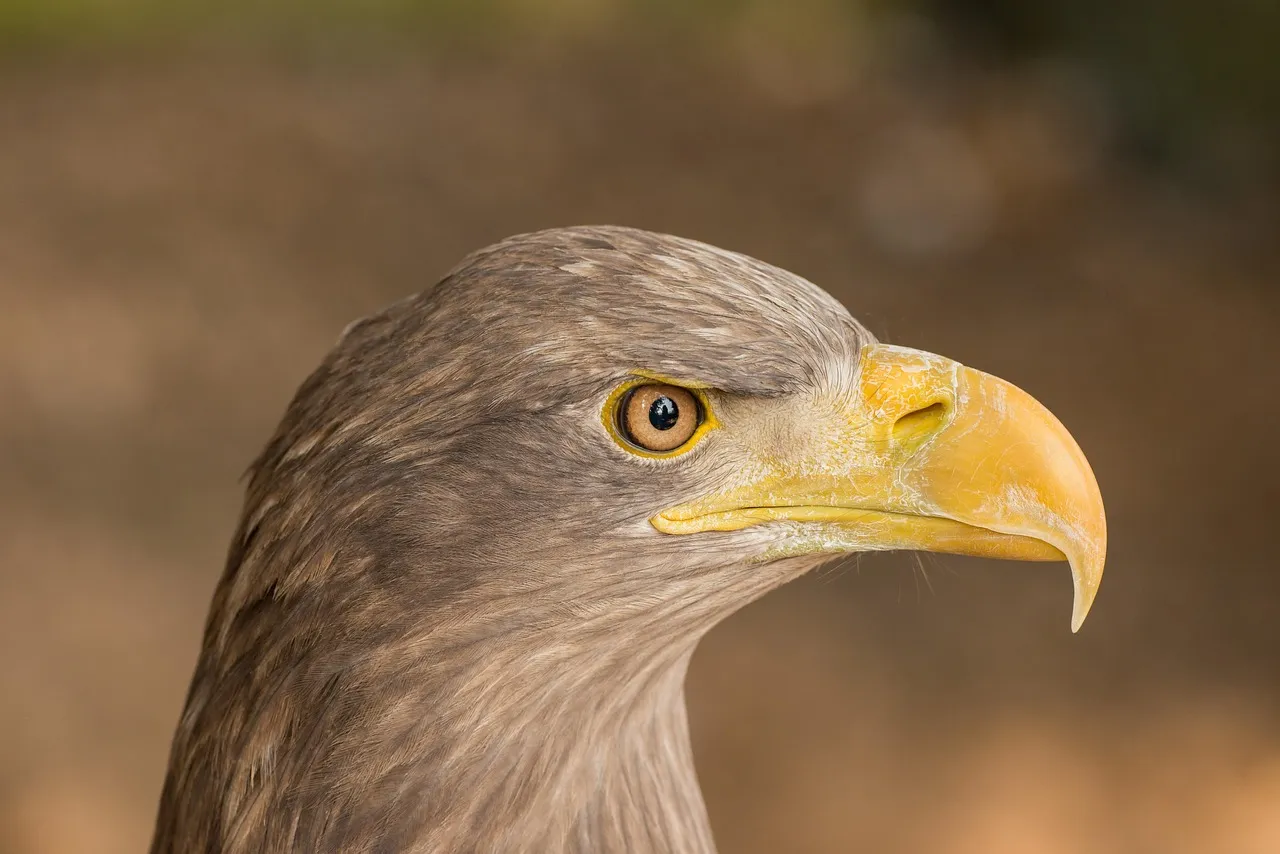
If birds in your yard suddenly stop vocalizing, the cause is often a predator you may never see. Common triggers include hawks circling overhead, owls tucked on a branch, outdoor cats stalking under shrubs, or even a snake moving through tall grass. Many of these animals are built to be visually subtle to us, but birds are watching from higher vantage points and from many angles at once.
There are also “false alarms,” but even those are usually rooted in real cues: a sudden shadow, the flash of wings, or an unfamiliar movement pattern. Birds live in a world where hesitation can be deadly, so they lean toward reacting first and sorting the details out later. From your patio chair, that translates into eerie quiet, nervous flitting, and vanished song, all triggered by something you might only notice as a vague shape in your peripheral vision.
Baseline Sound: How to Learn What “Normal” Actually Sounds Like

To understand that silence as a signal instead of a mystery, you first need to know what normal sounds like in your own space. Every yard or park has a baseline soundscape: the typical volume, rhythm, and mix of calls you hear during calm periods. Paying attention for even a few minutes a day trains your ear to that pattern way faster than most people expect. Over time, odd gaps and sudden drop-offs start to jump out.
A simple practice is to sit outside for five to ten minutes, put your phone away, and mentally note which species you hear and how active they seem. Is the background chatter steady? Are there long, regular pauses? Do certain times of day feel busier? Once that everyday soundtrack is familiar, a real silence event stands out almost like a power outage. You stop thinking “how peaceful” and start thinking “who just saw what?”
Behavior Changes: It Is Not Just Quiet, It Is Body Language
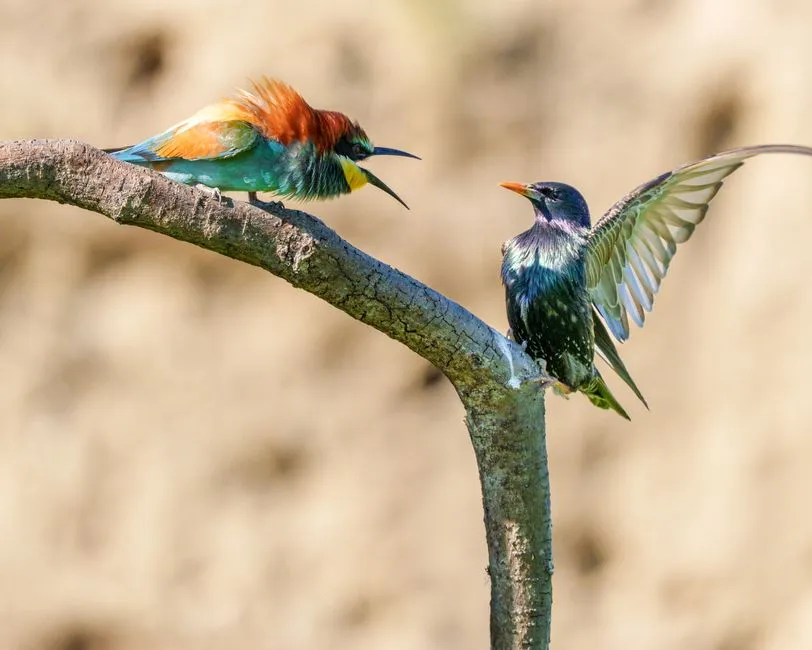
Silence is only part of the warning package. When danger is nearby, birds often shift their posture and movement in ways that are surprisingly consistent. You might notice more birds glued to dense cover instead of open perches, tails flicking but bodies frozen, or small flocks bunching together in one shrub rather than spread across the yard. They are visually “shrinking” their profile while staying ready to bolt.
Sometimes you will also see what looks like everyone vanishing at once, especially if a hawk strafes through or a cat appears suddenly. Other times, the birds remain visible but go statuesque, scanning intensely without a sound. If you pair those physical changes with the drop in noise, you begin to read the mood of the yard the way you read the atmosphere at a tense family gathering: quiet, still, and full of unspoken information.
Human Noise, Weather, and Other Things That Can Muffle the Choir
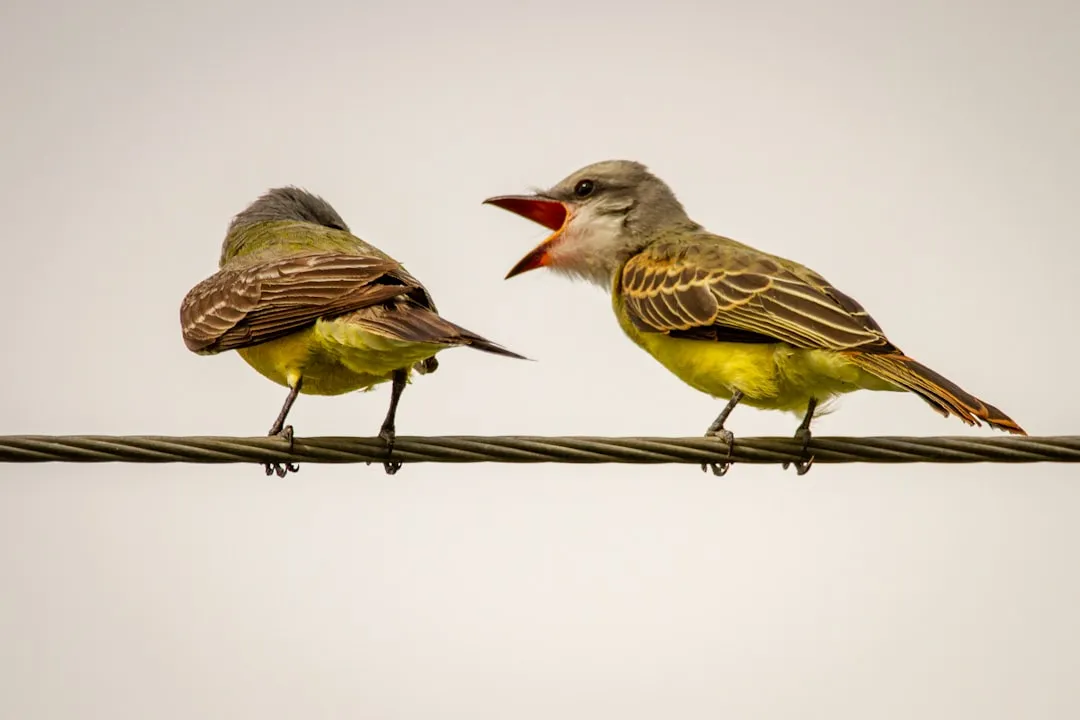
To keep this honest, not every quiet spell is a predator drama. Sudden loud human sounds like leaf blowers, slamming car doors, fireworks, or barking dogs can also suppress vocal activity. Birds may flush away entirely or shift to less obvious calls when a new disturbance appears. Short weather shifts, like an approaching storm front or sharp gusts of wind, can also dampen song as birds focus on shelter and energy conservation.
Time of day matters too. Many species are loudest during the early morning chorus and naturally quieter at midday heat or late afternoon. The key difference is pattern: a slow fade over minutes or hours is normal, a cliff-like drop in the middle of active chatter is usually a reaction. Interpreting your yard means weighing all of these factors instead of assuming every quiet second is a hawk or, on the flip side, assuming it is never a hawk.
How to Tune In: Turning Casual Birdwatching Into Reading a Live Alert System
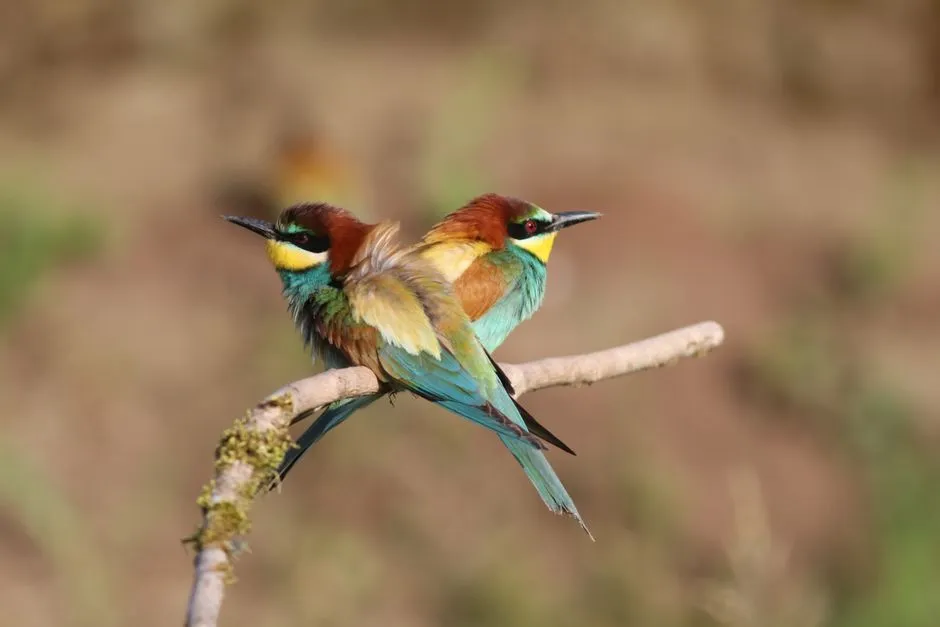
Once you accept that the silence is a message, the obvious next step is to start listening on purpose. You do not need expensive gear or advanced ID skills. Start by noticing when things are especially noisy, when they calm gradually, and when they crash into stillness. In those crash moments, scan the sky, tree lines, and fences for perched raptors, stealthy cats, or anything else that looks out of place. Over time, your brain starts spotting the same cues that set the birds off.
I used to think my own backyard was either loud or quiet in some vague way, like turning a radio up or down. After a few months of paying real attention, I started catching patterns: the particular hard-edged calls when a hawk drifted over, the way everything disappeared into shrubs before a storm, the instant hush when a neighbor’s cat crept under the feeder. It felt like I had been living next to a local news station for years with the volume turned down, and suddenly I had found the remote.
Conclusion: The Day You Stop Calling It “Peaceful Silence”
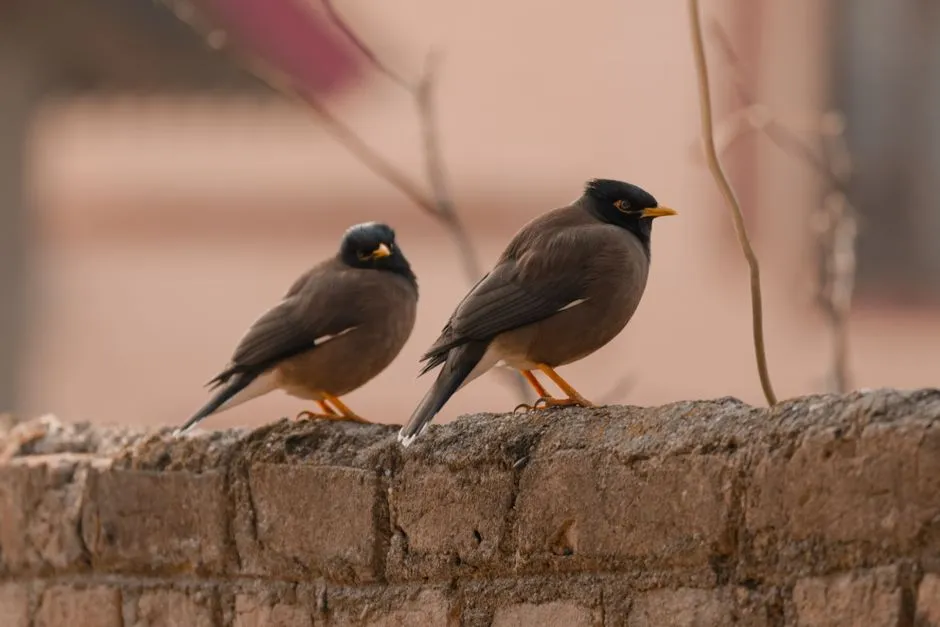
Once you understand what that sudden quiet actually means, it becomes very hard to romanticize it as simple calm. Silence in a yard full of usually vocal birds is often the sound of high alert, of nervous eyes scanning for talons or teeth. In my view, the most respectful thing we can do is stop treating their warning system as background ambience and start acknowledging it as a complex, shared survival language that we have been slow to notice.
When birds in your yard all go silent at once, they are not lazily resting; they are responding to a message that passed right over your head. Paying attention to that moment does not just make you a better birdwatcher, it makes you a more tuned-in neighbor to the wild lives around you. The next time your yard suddenly goes quiet, will you assume it is peaceful, or will you look up and ask what everyone else already knows?

- Animal Psychology Says When Birds Suddenly Go Silent in Your Yard They Are Not Resting – Every Species in That Space Has Received a Signal You Almost Certainly Missed - July 27, 2026
- 10 Things Hummingbirds Notice About Your Yard Before They Stay - July 27, 2026
- Neuroscience Says the Reason Losing a Pet Feels Like Losing a Person Is That Your Brain Processed That Bond the Same Way From the Beginning – and the Grief That Follows Is Neurologically Identical Not an Overreaction - July 27, 2026