

Most people think a horse shows love only in big, dramatic ways – rearing when you leave, whinnying across the field like some movie reunion. That’s not actually how it works.
The strongest horse–human bonds are quiet, consistent, and easy to miss if you don’t know what you’re looking for. Owners mistake tolerance for affection all the time, and they walk right past the real “chosen person” signs. Once a horse decides you’re their one human, their whole body language, routine, and sense of safety rearrange themselves around you. Here’s what trainers, behaviorists, and lifelong horse people say actually marks you as “the one” – starting with the sign most people never even notice.
#16 – They Notice You Before Anyone Else
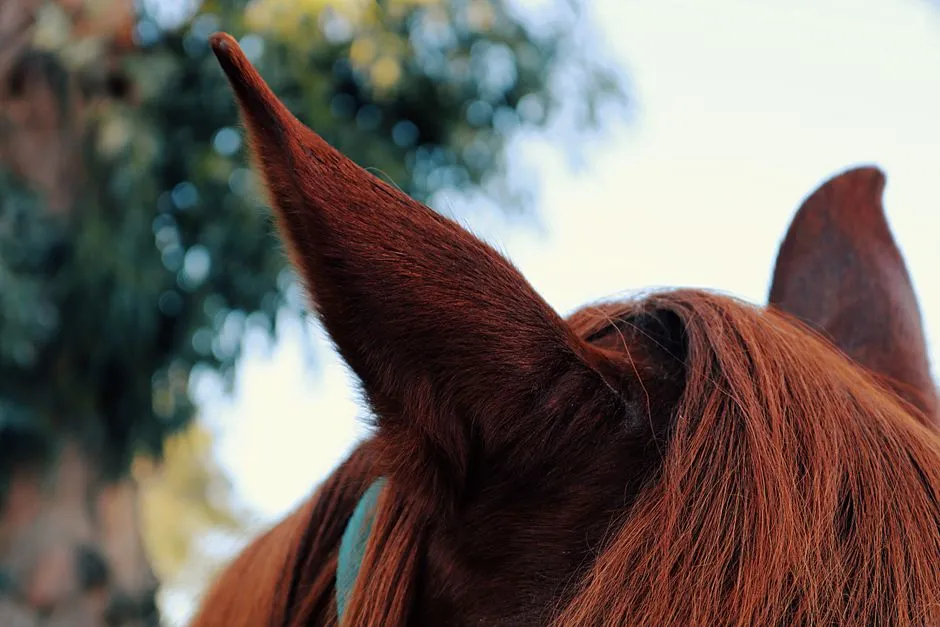
When a horse has quietly picked you, they don’t just see you – they prioritize you. You’ll catch their ears flicking toward your voice before they even turn their head toward anyone else. They might lift their head from hay, pause mid-nap, or step away from a buddy the second you walk into the barn aisle.
That tiny recalibration of attention isn’t random. It’s a choice that costs them comfort and calories, and over time it becomes a pattern you can set your watch by.
Fast Facts
- Horses have a nearly 350-degree field of vision, with two small blind spots directly in front of and behind them.
- Their ears can rotate almost independently, letting them track two different sounds at once.
- A horse’s hearing range stretches well beyond a human’s, picking up higher-pitched frequencies from farther away.
- Even with that much built-in awareness, a horse still chooses who actually gets its focused attention.
- They spot you at the gate faster than anyone else.
- They “check in” visually, even when someone else is handling them.
Is that dramatic? No. But a prey animal casually breaking off from food or herd just to acknowledge you is a huge trust flex. That’s nothing compared to what happens once they start seeking you out in a crowded, chaotic space, like you’ll see in #15…
#15 – They Migrate Toward You in a Busy Space
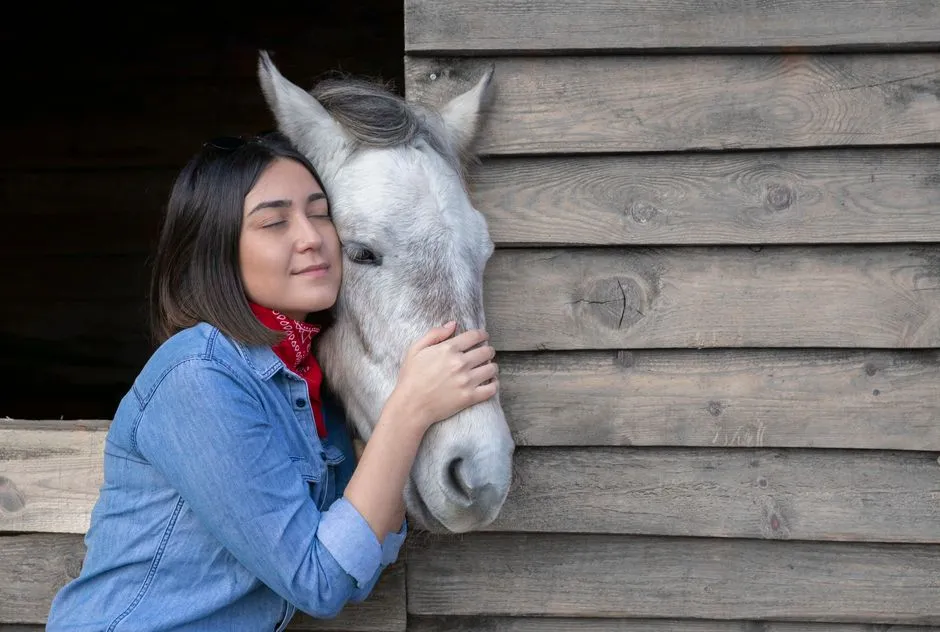
At clinics, shows, or chaotic barns, most horses glue themselves to their herd or freeze up completely. If your horse quietly edges their body closer to you – no pressure on the rope, no calling their name – they’re using you as their anchor point.
That’s not obedience, that’s emotional safety. Watch their feet: the small step that puts your shoulder inside their “bubble” is them actively choosing their comfort zone over the herd’s.
- Standing just off your hip in a crowd of horses and people.
- Swinging their body so you land on their “good” eye.
Horses don’t migrate toward humans they don’t deeply trust – they move away, ignore, or brace instead. When one rearranges the world so you’re always within reach, they’re declaring you the safest object in the room. But that’s still mild compared to when they start actively leaving the herd to reach you, like in #14…
#14 – They Leave the Herd to Walk Up to You
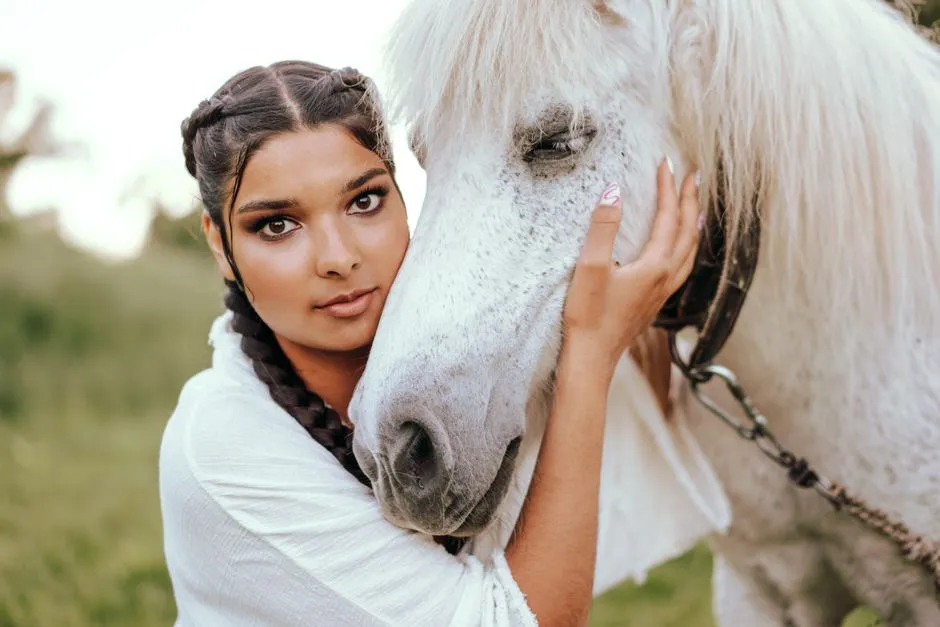
Most people massively underestimate this one. For a horse, the herd is security, gossip, and social media all rolled into one. Voluntarily peeling off from that just to walk up to you at the gate or across the pasture isn’t “cute” – it’s a psychological milestone.
They’re trading the safety of numbers for the safety of you specifically. That’s not typical horse behavior; it’s bond-specific, and it doesn’t happen for just anyone.
- They approach even when you’re not rattling a grain bucket.
- They follow a few steps when you leave, almost like they’re reconsidering the herd.
A horse that abandons the herd to stand with you is voting with their hooves. Some professionals argue this is the single clearest “you’re my person” metric there is. But if you want more intimate, one-on-one proof, watch what happens to their nervous system the moment you show up, as in #13…
#13 – They Physically Relax the Moment You Arrive
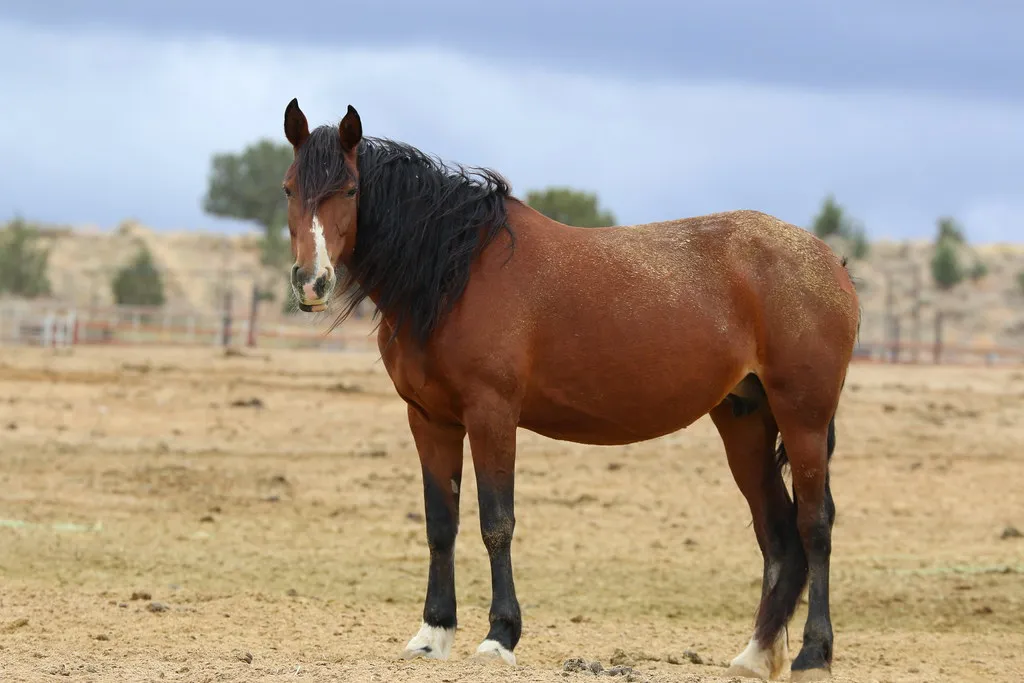
Most people miss this because they’re busy scrolling or rushing through chores. But a horse that’s claimed you as their human will show an instant “exhale” the second you enter their space: lowered head, softer eye, slower blinking, slower breathing.
You might catch a lick-and-chew, a shift of weight onto a hind leg, or even a big, dramatic sigh. That isn’t random – that’s their nervous system visibly down-regulating because you walked in.
- With strangers: tight muzzle, high head, fast blinking.
- With you: loose lips, drooping eyelids, ears resting in a soft middle position.
A horse can obey you and still be braced the whole time. Relaxation is optional – they only gift it to someone they actually trust. And if you start noticing them truly resting near you, head drooping, half asleep, you’re creeping into #12 territory…
#12 – They Choose to Nap or Fully Rest Near You
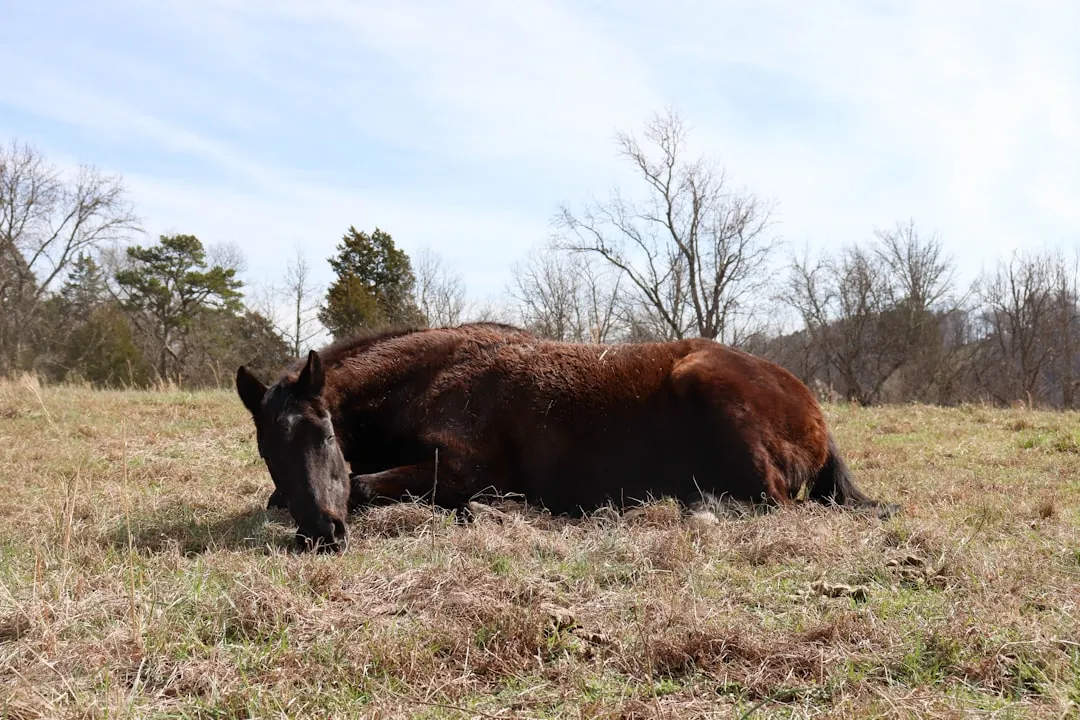
Predators sleep wherever they want. Prey animals rest only where they feel safe with backup. So when a horse drops a hip, cocks a leg, or fully lies down while you’re standing right there, that’s an enormous vote of confidence.
They’re accepting that you’ll notice danger before they do – that’s not a small ask for an animal built to survive by staying alert. Your presence alone can help them settle enough to nap in a new or mildly stressful environment.
- They doze off on the crossties while you groom them.
- They drop into deep rest in the arena while you’re sitting on the rail.
A horse that sleeps in your presence is letting you stand guard – a primal herd role. It’s not sentimental, it’s functional. But when that functional trust starts curdling into possessive, “this is my human” behavior, you’ll really feel it in #11…
#11 – They Subtly Block Others From “Their” Human
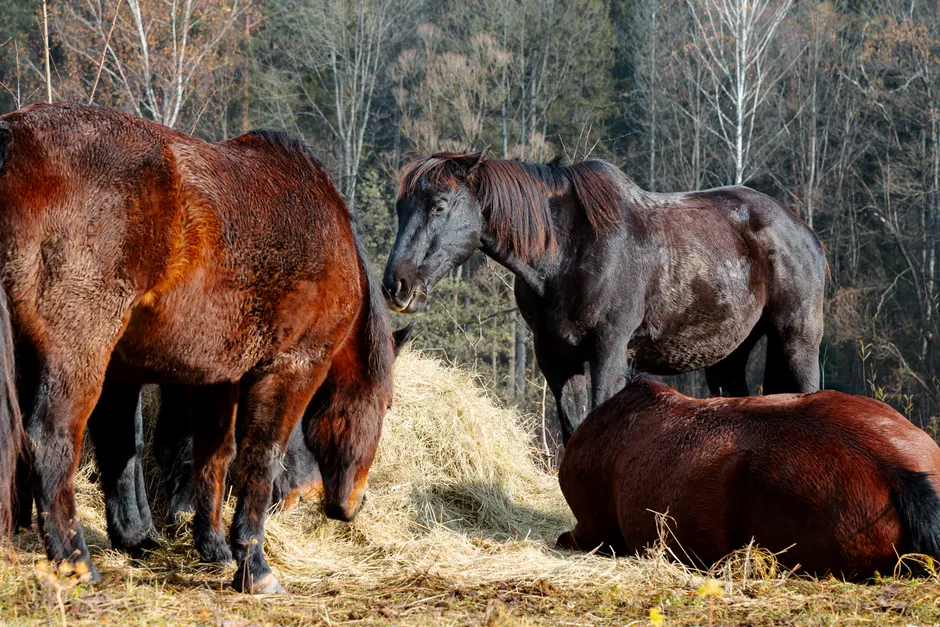
This is the one some owners mislabel as jealousy, but it’s deeper than that. A horse who’s decided you’re their one person may quietly shift their body to stay between you and other horses.
In a paddock, they might swing their hindquarters or shoulders to edge a pushy gelding away from you. It’s rarely dramatic – it’s more like polite crowd control than a fight.
- Another horse walks up, and yours drifts sideways to create a barrier.
- They pin their ears not at you, but at the horse that invades the space right next to you.
That protective positioning is classic resource guarding – and yes, sometimes you are the resource. Trainers are split on whether it’s a red flag or relationship gold, but either way, it screams “you’re mine.” And once you’re theirs, you’ll notice their attention reshaping during actual work, as in #10…
#10 – They Keep One Ear on You, No Matter What
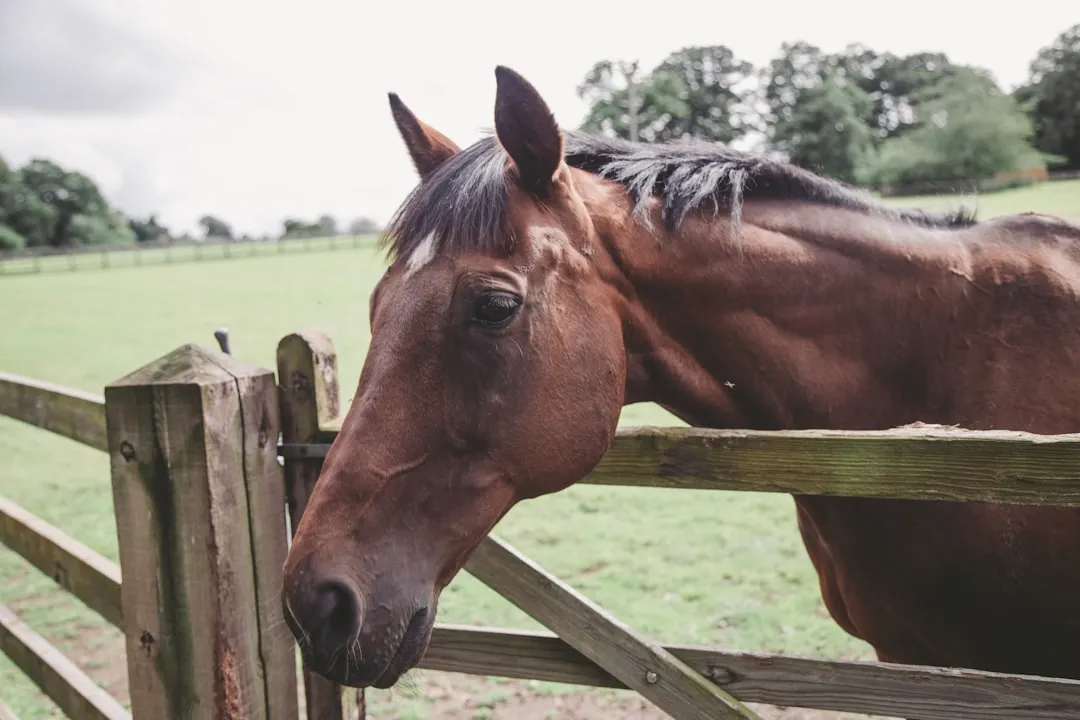
Plenty of horses tune out their riders completely. They’re physically present but mentally checked out – ears locked on the gate, the field, or the friend screaming somewhere in the distance.
A horse that’s truly chosen you will still notice the world, but one ear keeps quietly flicking back toward you. That ear is basically saying, “I’m listening, and you matter most.”
- In new places, that one ear still returns to your voice.
- When spooked, they snap their attention to you instead of fleeing blindly.
Attention is the first, most honest currency of connection there is. When your horse keeps donating it, even with adrenaline spiking, they’re showing you exactly how heavily you’re weighted in their internal priority list. And once attention is locked in, their body starts following in even more intimate ways, especially in #9…
#9 – They Mirror Your Movements on the Ground
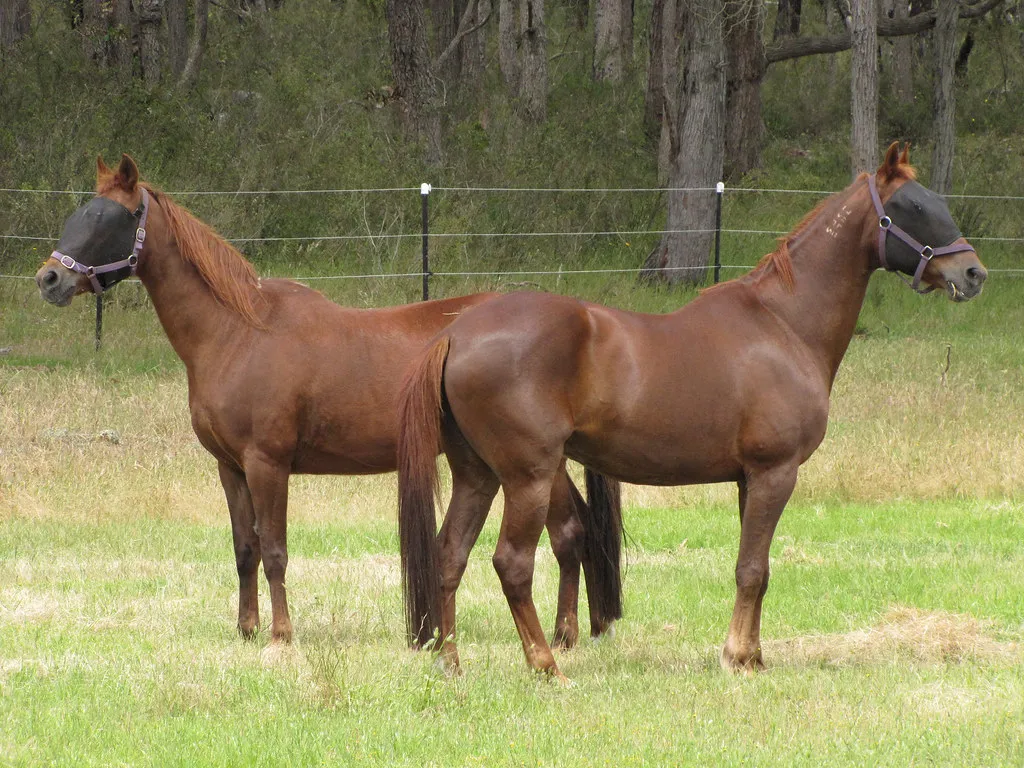
Most people think mirroring is just fancy liberty-training footage. But spend enough unscripted time with your horse, and a chosen-person bond shows up as unconscious mirroring. You step, they step. You pause, they pause. You back up, and their chest goes light.
This happens even when you don’t have a rope in your hand, and when you’re not formally “asking” for anything. It’s herd behavior quietly leaking into human time.
Worth Knowing
- Herd horses naturally move in sync with trusted companions as a shared survival habit.
- This matching of pace and direction is sometimes called allelomimetic behavior in animal science.
- It helps a group react to danger together instead of scattering in different directions.
- When a horse mirrors you, it’s extending that same instinctive trust to a human instead of a herd mate.
- They fall into step beside you at liberty in the arena or paddock.
- They adjust their stride length to match yours without being cued.
In a herd, horses mirror the individuals they trust and rely on. When that instinct spills over into how they track you, it’s a quiet but powerful sign you’ve become their reference point. And once you’re the reference point on the ground, you’ll see it under saddle too – especially in how they handle your mistakes, as in #8…
#8 – They Forgive Your Mistakes Under Saddle
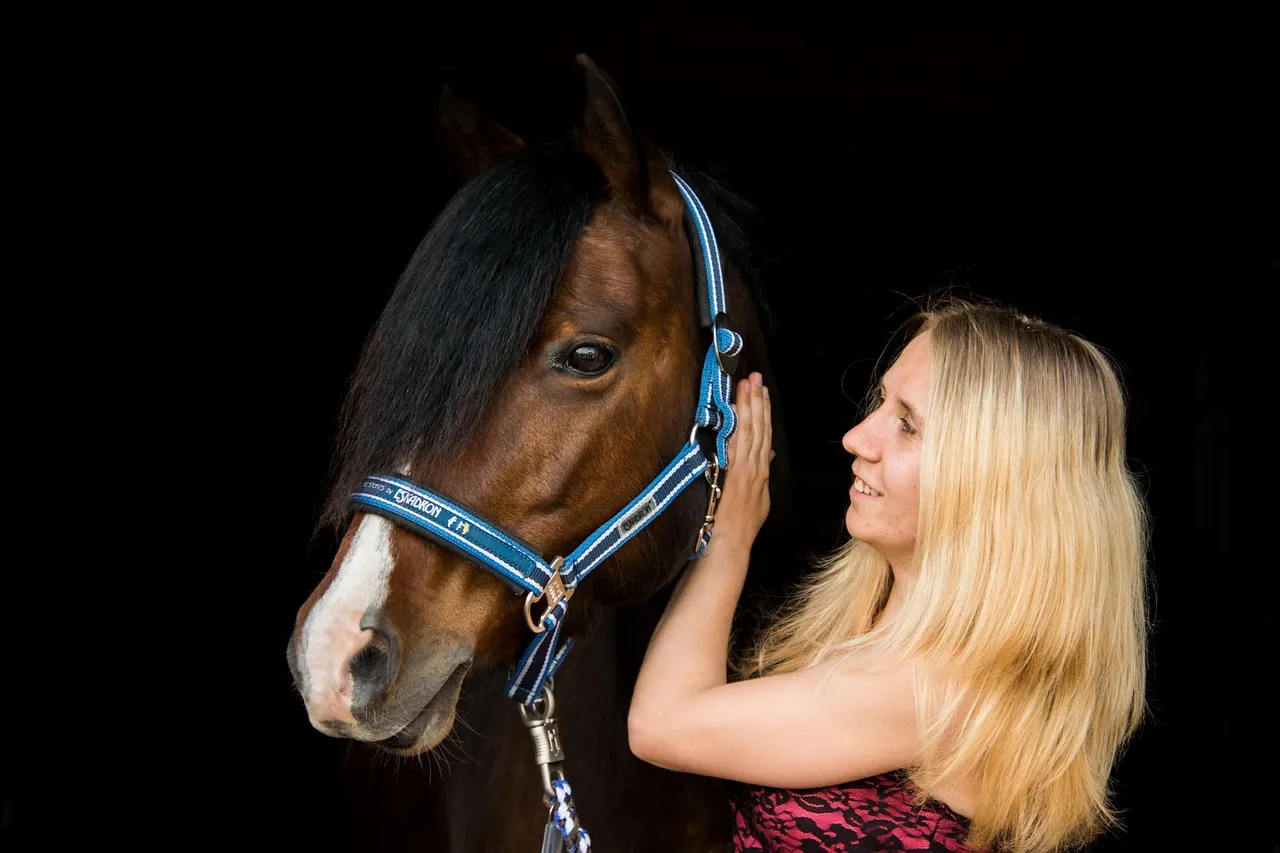
Here’s the harsh truth: many horses put up with their riders, they don’t actually trust them. You see it in explosive reactions to mixed signals, sudden spooks, or total mental shutdowns.
When a horse has fully claimed you as their person, the first big change isn’t perfect performance – it’s grace. You grab the wrong rein, lose your balance, or fumble a cue, and instead of blowing up, they pause, hesitate, and wait for you to sort it out.
- They offer a second try instead of quitting mentally.
- A bad ride doesn’t cause a massive setback in their confidence around you.
This doesn’t mean you get a free pass to ride poorly forever. But a horse that generously fills in your gaps is acting like a partner, not a prisoner – and that emotional safety net flows both ways. You’ll feel it even stronger in tough moments, like when they’re anxious or hurt, especially in #7…
#7 – They Seek You Out When They’re Worried or Uncomfortable
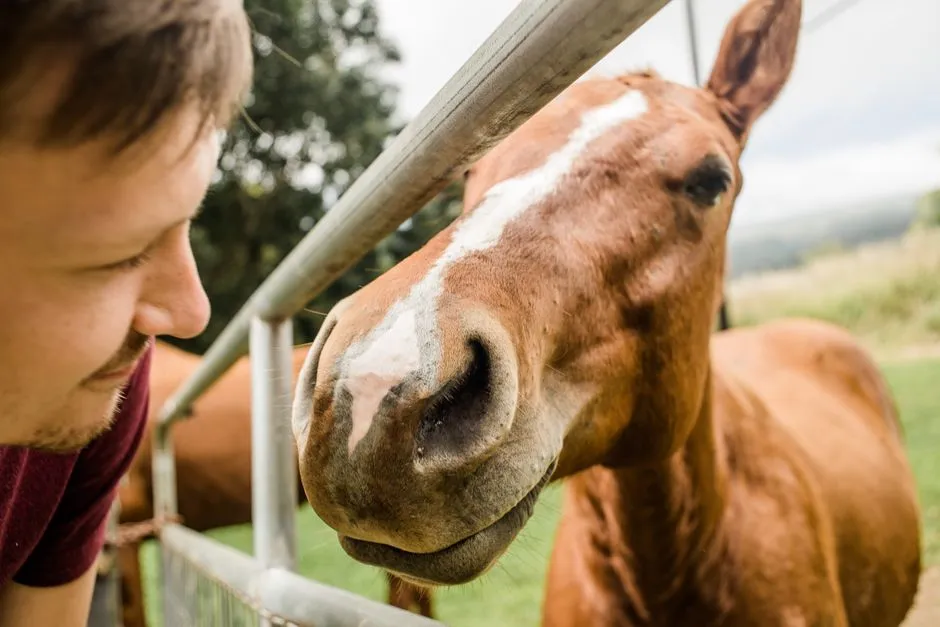
Most horses, when anxious or in pain, move away from people, or at least check out mentally. If your horse swings their nose toward you, steps into your space, or presses their head near you when something scares them, that’s not just clinginess.
That’s choosing your presence as a coping mechanism. It’s the equine equivalent of a kid grabbing their parent’s hand in a crowded mall.
- Vet visits, clipping, injections, new trailers, storms.
- They visibly relax more when you, specifically, are the one handling them.
Some people dismiss this as spoiled behavior, but horses don’t use humans as comfort blankets unless they’ve associated that human with consistent safety. When you’ve become their safe harbor in a storm, you’re well past casual affection. And if they’re willing to show total vulnerability around you, watch for the gut-level sign in #6…
#6 – They Show You Their “Ugly” Without Shutting Down
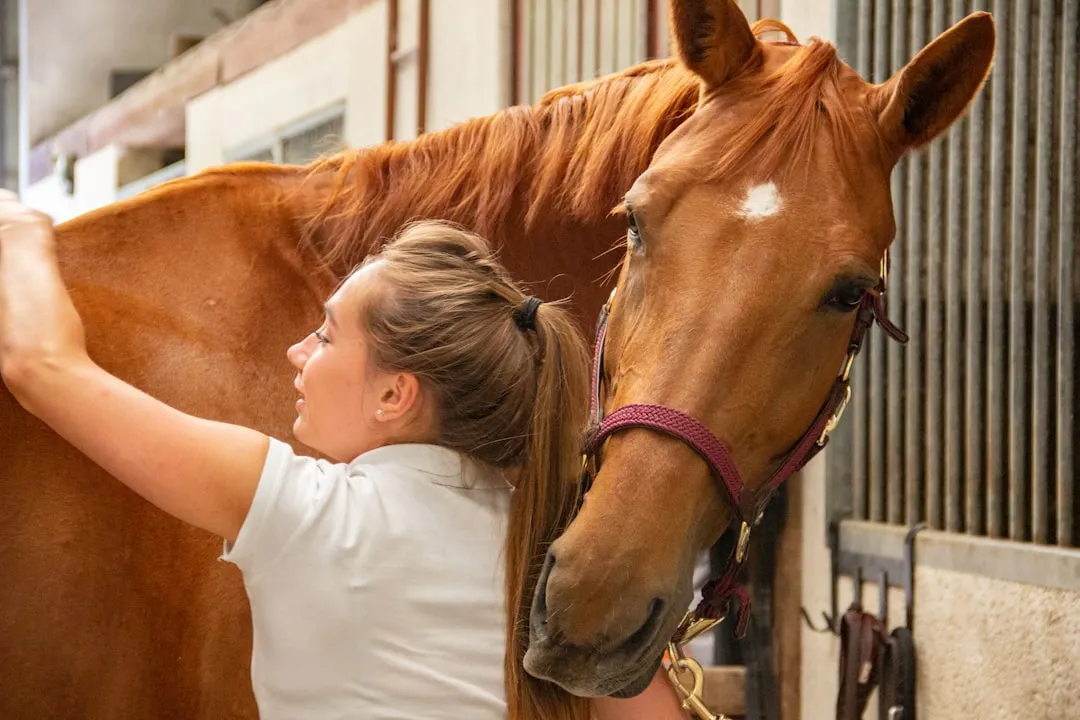
Every horse has an ugly side: fear, frustration, bad habits left over from past handling. A horse who hasn’t really chosen you keeps those parts hidden, until they explode without warning.
But the one who sees you as their person will start revealing anxiety, tension, or old flashbacks without fully disconnecting from you. They might snort, fidget, paw, or brace, but they stay present, checking back in with your cues the whole time.
- They get spooky but still try to listen.
- They test a boundary, then almost immediately ask, with their eyes or posture, what you actually want.
Vulnerability in prey animals is extremely expensive to give away. If they’re letting you see their mental mess without cutting the cord, you’re standing in trusted territory. That depth of trust also shows up in the gentlest, quietest moments, like how they handle your hands, as in #5…
#5 – They Offer Their Body to Your Touch
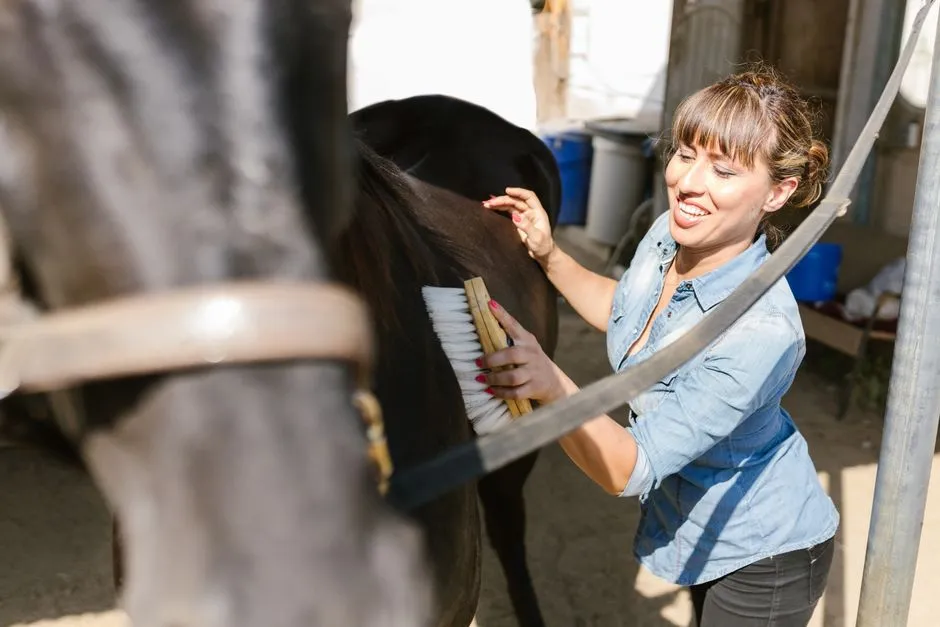
There’s a massive difference between a horse that tolerates grooming and one that offers themselves up for it. When you’re their chosen person, you’ll see them deliberately present itchy spots, lean into scratches, or shift their stance to let you reach a hard-to-get area.
Sometimes they’ll even guide your hand with their nose straight to the exact spot they want scratched, like they’re directing traffic.
- They step closer when you start grooming, instead of drifting away.
- They relax into touch in sensitive areas – ears, girth, flank – faster with you than with anyone else.
This isn’t just about liking scratches. They’re treating your hands the way they’d treat mutual grooming from a trusted herd mate, and that’s reserved for close bonds, not random acquaintances. And if that sounds sentimental, wait until you see how far they’re willing to go just to stay near you physically, like in #4…
#4 – They Quietly Follow You, Even When They Don’t Have To
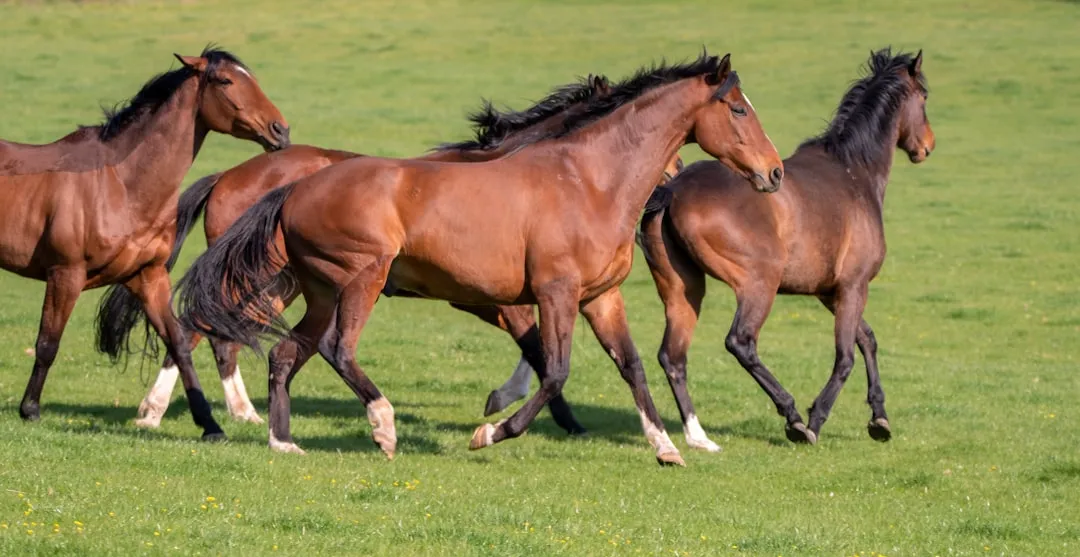
No halter, no rope, no grain bucket – just you walking away. If your horse casually chooses to follow, shadowing you around the paddock, arena, or barn aisle, that’s significant.
Trainers can manufacture this with food or repetition. But when it shows up organically after chores, after rides, or in the middle of pasture time, it’s something else entirely. That’s attachment, not conditioning.
- They trail behind you while you’re fixing fences or filling water troughs.
- They circle back to you after wandering off to explore something else.
Voluntary following is one of the clearest “I’m attached to you” behaviors in any social animal. This is usually the moment owners finally feel it in their gut: “Oh. I’m their person.” And if you want the ultra-subtle, everyday proof, pay attention to how they greet you, like in #3…
#3 – Their Greeting Changes Just for You
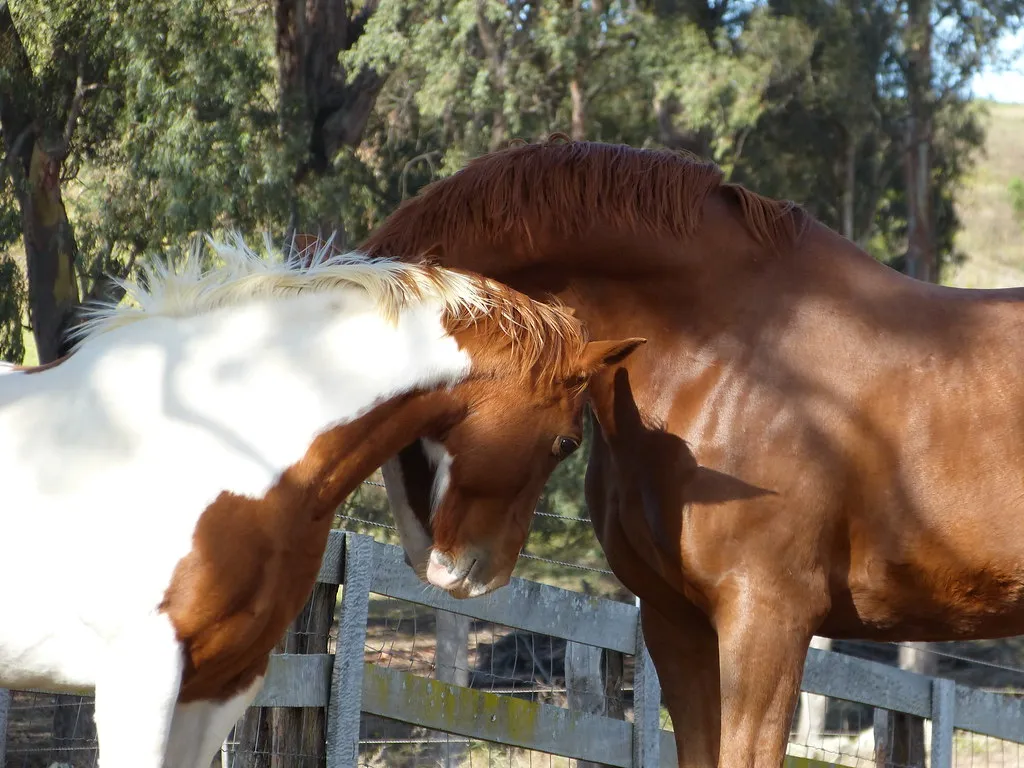
Every horse has a default greeting: indifferent, curious, pushy, or cautious. When they’ve quietly decided you’re it, that greeting shifts in a way only you get to see.
Maybe they rumble a low nicker the second they hear your truck. Maybe they rush the stall door and blow softly into your chest. Maybe they just rest their nose against you a beat longer than seems normal.
Quick Compare
- Typical greeting: A neutral glance or the same soft nicker for anyone who walks up.
- Chosen-person greeting: A distinct nicker, a rushed approach, or an extra-long nose rest saved just for you.
- Typical greeting: Ears swivel toward the sound, then drift back to neutral.
- Chosen-person greeting: Ears and eyes soften and stay locked on you longer than usual.
- They don’t greet barn staff or other riders with that same body language.
- Their eyes soften and their whole muzzle relaxes the moment they clock you.
It may not be dramatic, but that personalized greeting is their version of, “Oh good, my human is here.” And if that sounds like projection, watch how they respond when you leave over time – that’s where #2 comes in…
#2 – They Track You When You Leave (But Don’t Panic)
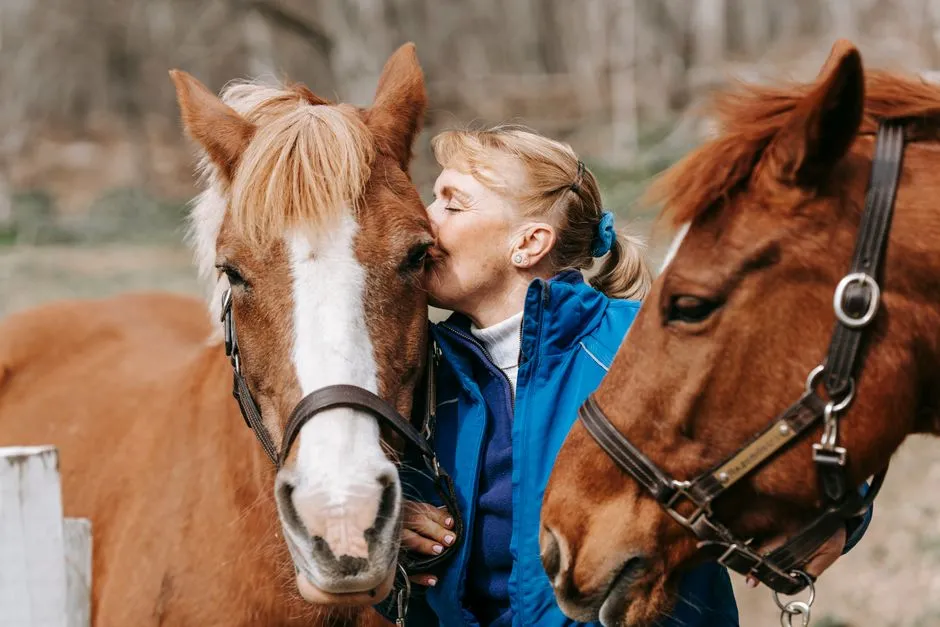
Clingy horses melt down when any human leaves. That’s not a bond, that’s anxiety. A horse that truly sees you as their one person notices when you go, mentally logs it, and often walks to the edge of their space to track you, without spiraling into full-blown distress.
It’s awareness paired with calm, not desperation. That distinction matters more than people realize.
- They watch your car until it’s out of sight, then calmly return to the herd or hay.
- In a boarding barn, they perk up at your return even after a completely uneventful day.
You live rent-free in their head, but you haven’t hijacked their nervous system. It’s a quiet, secure attachment, not a fragile one. And when a horse reaches that level of stable connection, the final, most powerful sign shows up in how they willingly share their whole, unguarded self with you – enter #1…
#1 – They Feel Like a Different Horse Only With You
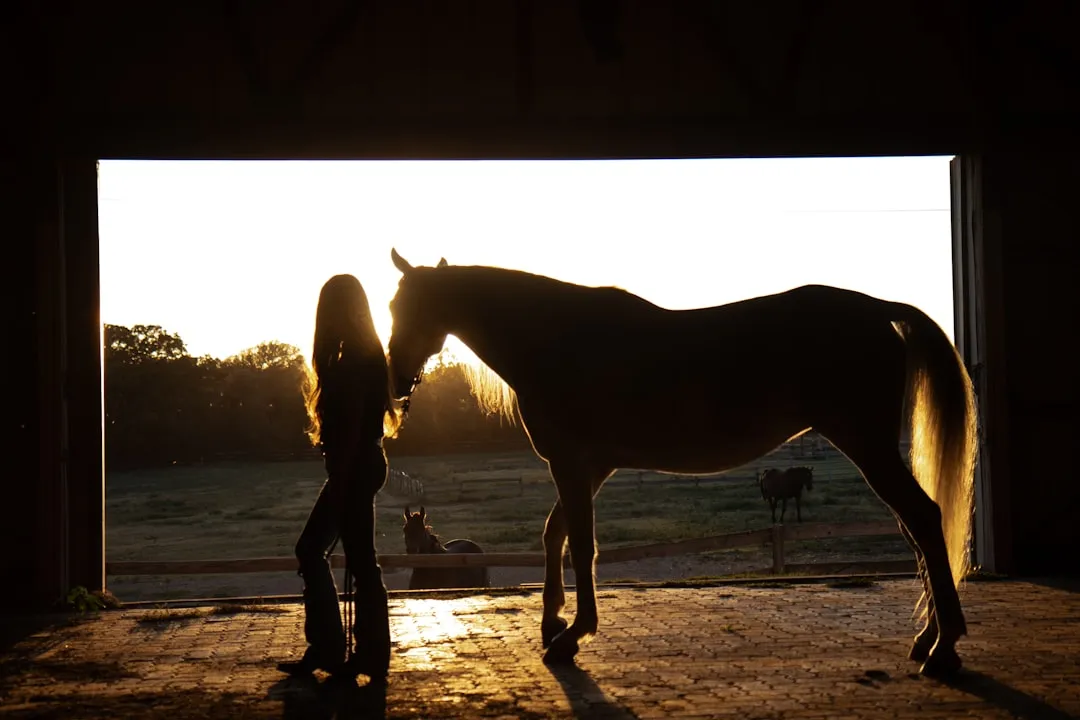
This is the big one seasoned horse people talk about in hushed tones. When a horse has truly, quietly decided you are their person, they are simply not the same animal with everyone else.
The anxious horse gets brave for you. The lazy one offers energy. The reactive one turns thoughtful. Barn staff will say things like, “He’s nicer for you,” or, “She only stands that still when you’re around.”
- They offer tries and softness that nobody else can access.
- Their worst tendencies – spookiness, crankiness, bracing – are noticeably muted in your presence.
This isn’t magic, it’s the cumulative effect of safety, consistency, and respect stacked over time. You’ve become the variable that changes their entire equation. At that point, it’s not just that you own the horse on paper. In their mind, they own you too.
Horses are experts at knowing our intentions before we do – you cannot fool them.
Buck Brannaman
The Bottom Line
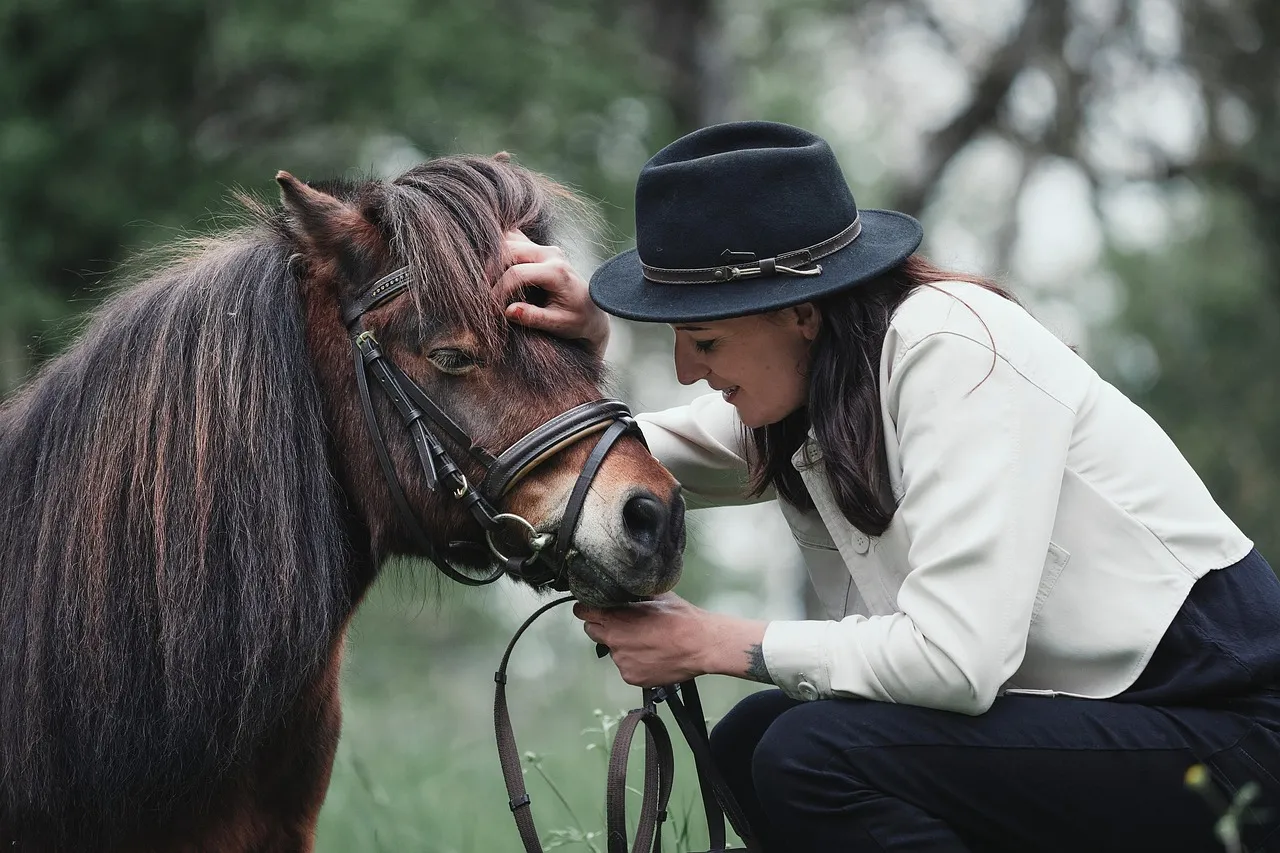
The real signs a horse has chosen you aren’t Instagram moments. They’re the quiet, repeatable shifts in where they put their attention, their feet, and their nervous system.
They walk away from hay just to see you. They rest near you. They forgive your clumsy rides and show you their fear without slamming the door in your face. They move through the world one way with everyone else, and a softer, braver way with you.
Plenty of people ride horses for years without ever becoming “the one.” That’s the uncomfortable truth nobody likes to say out loud. But if you’re seeing even a handful of these signs, your horse may already have made that decision – you just hadn’t decoded it yet.
Did we miss a quiet sign your horse gives you? Argue it out in the comments.

- 13 Tender Signs a Horse Is Grieving a Rider It Lost - July 28, 2026
- 11 Small Ways a Rescue Horse Shows It Has Finally Let a Human In - July 28, 2026
- 6 Common Habits That Could Be Stressing Out Your Pet - July 28, 2026