
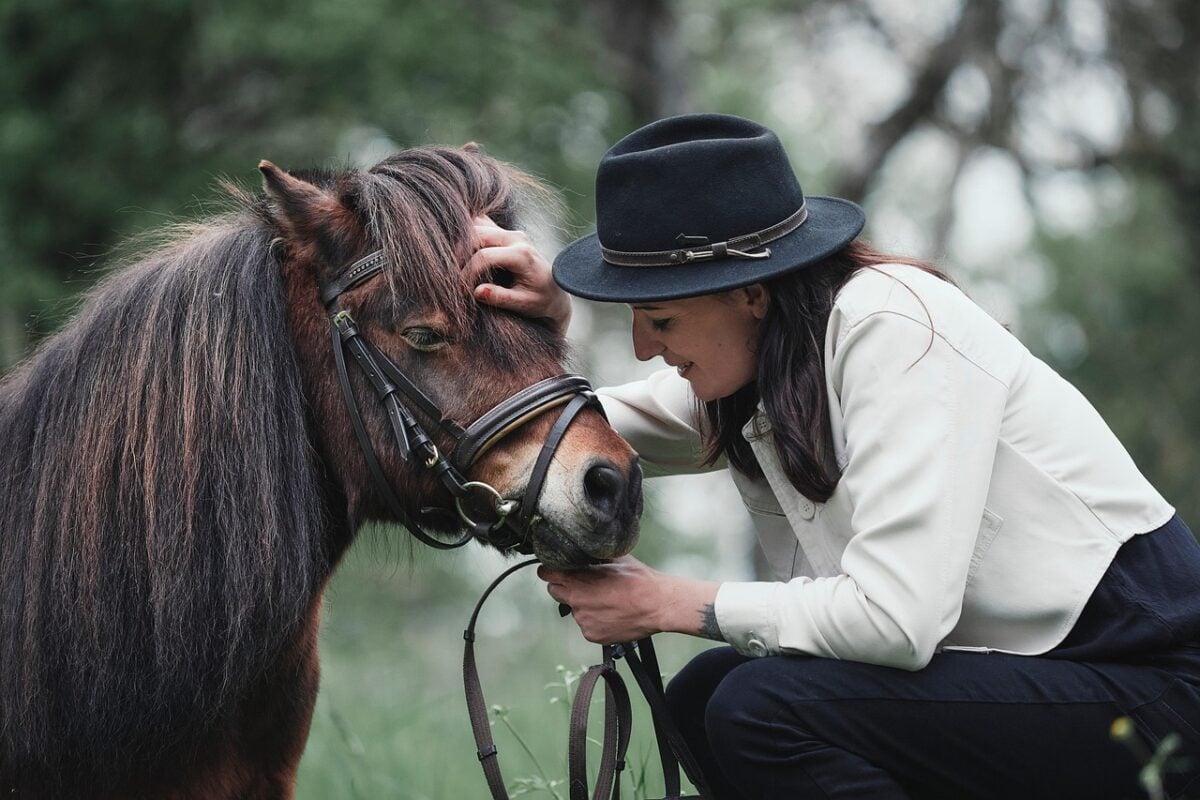
Most riders think a “calm” horse is simply one that stopped spooking. In reality, a lot of anxious horses never actually calm down – they just shut off. They hold their breath, brace their body, and tolerate you because fighting costs more energy than freezing.
That’s not softness. That’s survival mode wearing a good disguise. The real shift happens somewhere quieter: when a once-nervous horse picks one specific person as “their person,” and their body starts telling on them in ways almost nobody notices. Here are the 12 signs experienced horse people actually watch for – the ones that separate a truly softened horse from one that’s just given up.
#1 – They Start Walking To You, Not Away From You
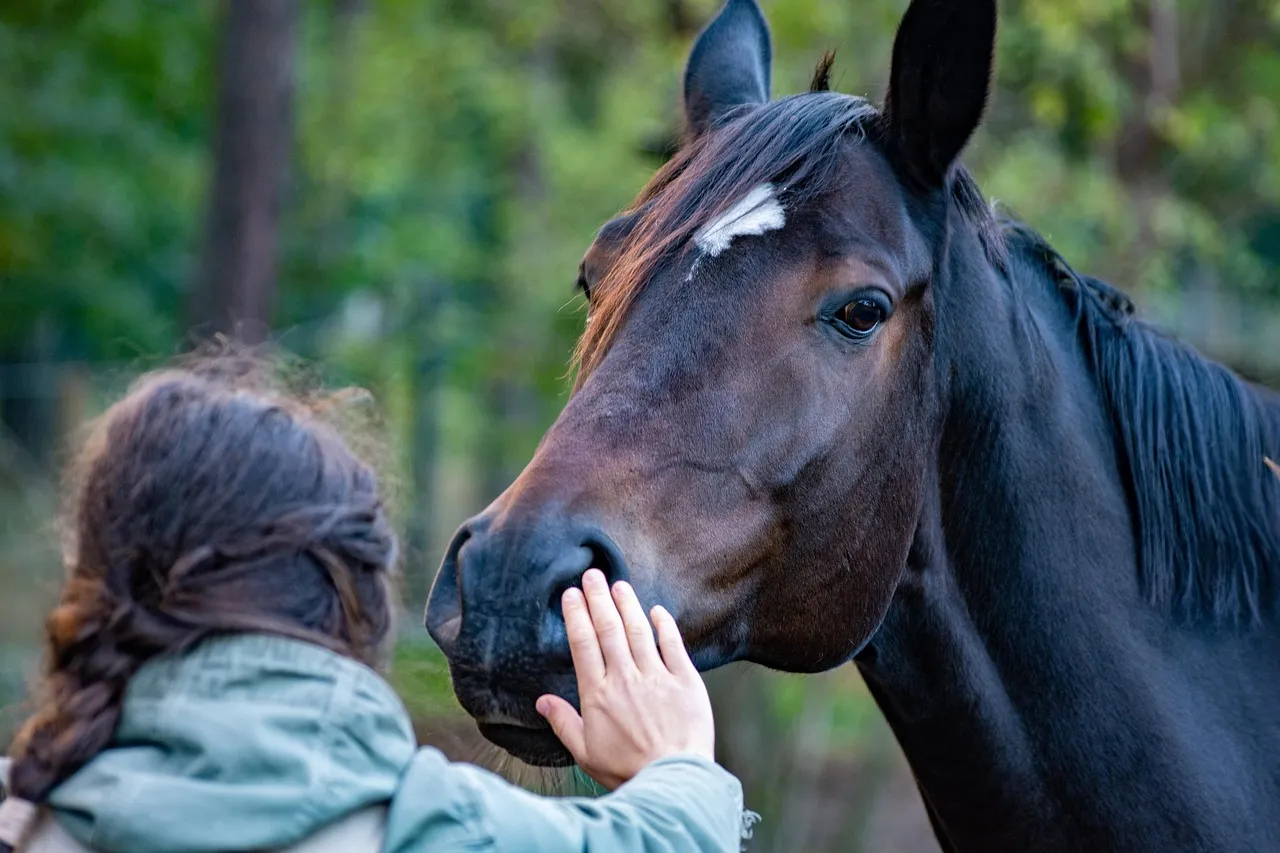
The first unmistakable sign happens in the pasture or the stall, long before you ever pick up a rein. A horse that used to swing its hindquarters away, pin its ears, or freeze at your approach will instead pivot on its own and walk over. It’s a small motion, but for a prey animal wired to believe distance equals safety, it’s enormous.
Watch closely and you’ll see the head drop slightly as they walk, and the eye go soft instead of hard and glassy. People often confuse this with food motivation, but the tell is in the pace. A treat-driven horse charges or dives at your pockets; a softened horse ambles over almost thoughtfully, checking your body language the whole way. They’re not coming because you’re the snack dispenser. They’re coming because you’ve quietly become the safe place.
Fast Facts
- Prey animals default to distance-keeping, so closing the gap voluntarily is a learned trust behavior, not instinct.
- A treat-motivated approach is fast, direct, and pocket-focused.
- A trust-motivated approach is slower, with repeated glances back at your face and posture.
- A lowered head while walking toward a person is widely read as a relaxation cue in horse body language.
#2 – The Eye Loses That Hard, Wide, Worried Look
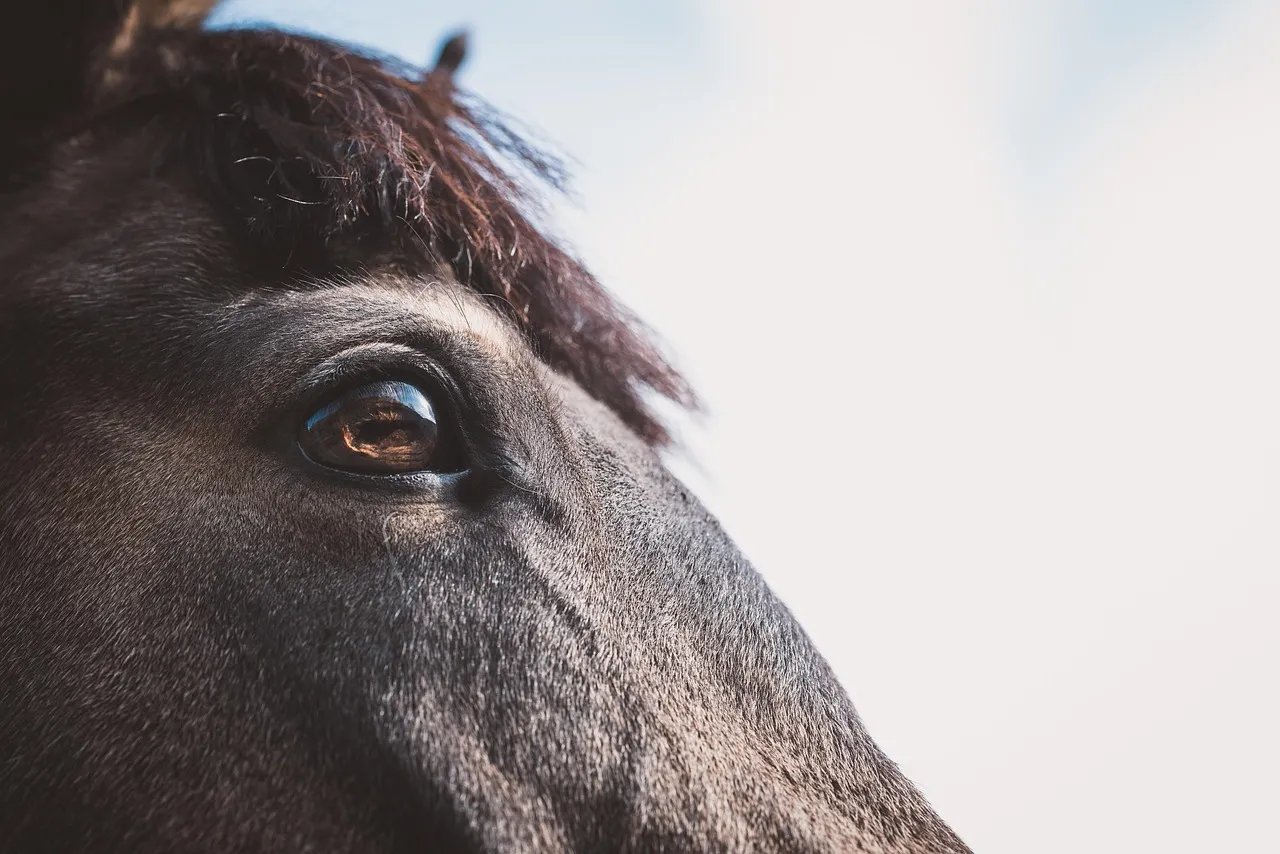
If you want the truth about where your horse is mentally, stop watching the feet and start watching the eye. A nervous horse often has a wide, glassy, almost “staring through you” look, even standing completely still. When they finally soften for one rider, the eye itself changes shape – rounder, blinking more, less white showing at the edges.
This shift doesn’t happen after one good ride. It builds slowly, over dozens of small, predictable interactions that add up in a horse’s memory. Owners chasing obedience often miss this entirely – a horse can yield its body perfectly and still have a hard, panicked eye, which isn’t softness, it’s suppression. When the eye relaxes around you specifically, but stays sharp and wary around everyone else, that’s not routine. That’s trust with your name on it.
The horse is a mirror to your soul, and sometimes you may not like what you see.
Buck Brannaman
#3 – Their Breathing Changes the Moment You Show Up
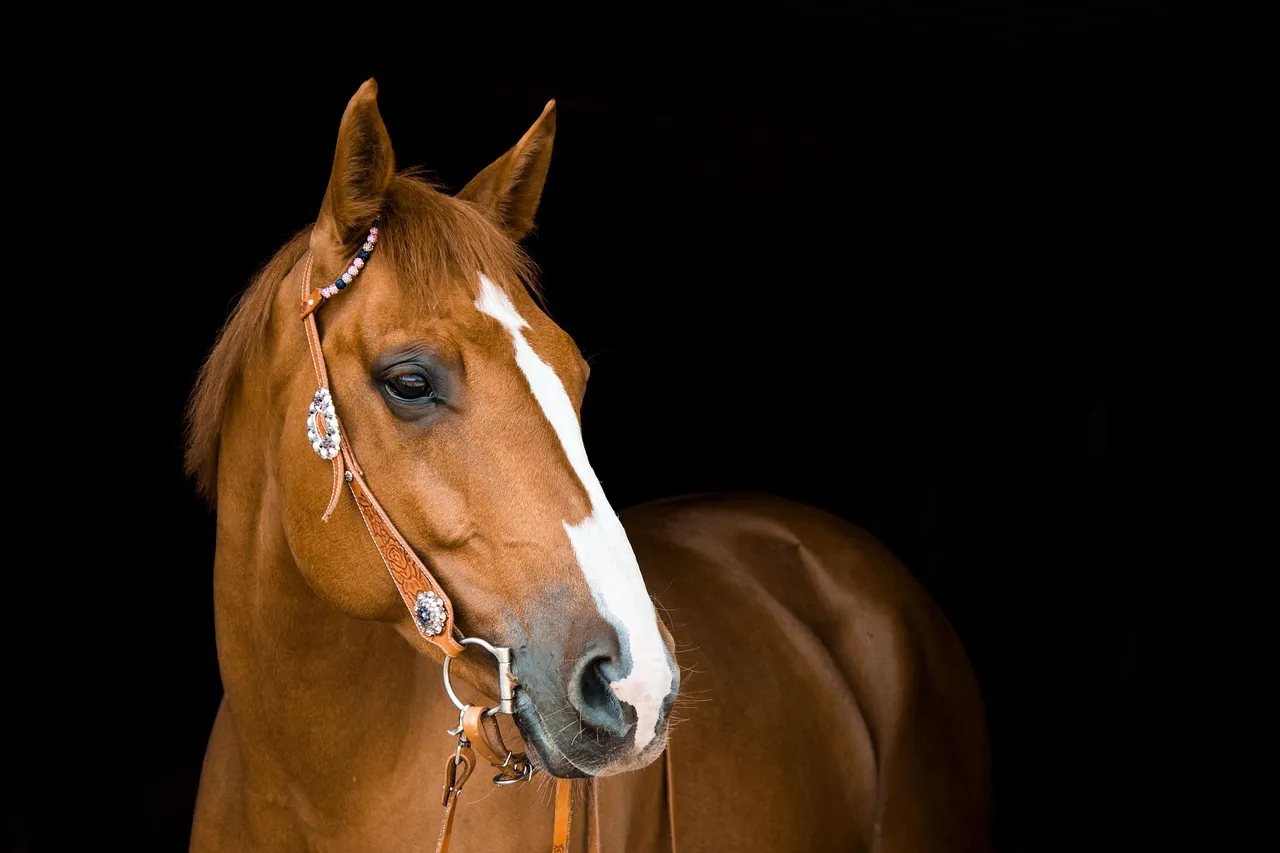
Nervous horses hold their breath, puff shallowly, or snort sharply at every small sound in the barn. When one softens for a specific rider, their entire breathing pattern shifts around that person. You’ll hear longer exhales, deep “blow out” breaths, and snorts that sound like relief instead of alarm.
It’s not just the sound – it’s the timing. A horse that used to tense the second your foot hit the stirrup now takes a deep breath with you, almost in rhythm. On the ground, they may start mirroring your breathing without you asking. It’s a real conversation happening in their nervous system: you’re calm, so they can be calm too. If the same horse still reacts hard to other handlers catching or mounting them, but breathes easy the moment it’s you, that’s not coincidence – that’s a nervous system reset with your name attached to it.
#4 – Their Body Stops Bracing Against Your Hands
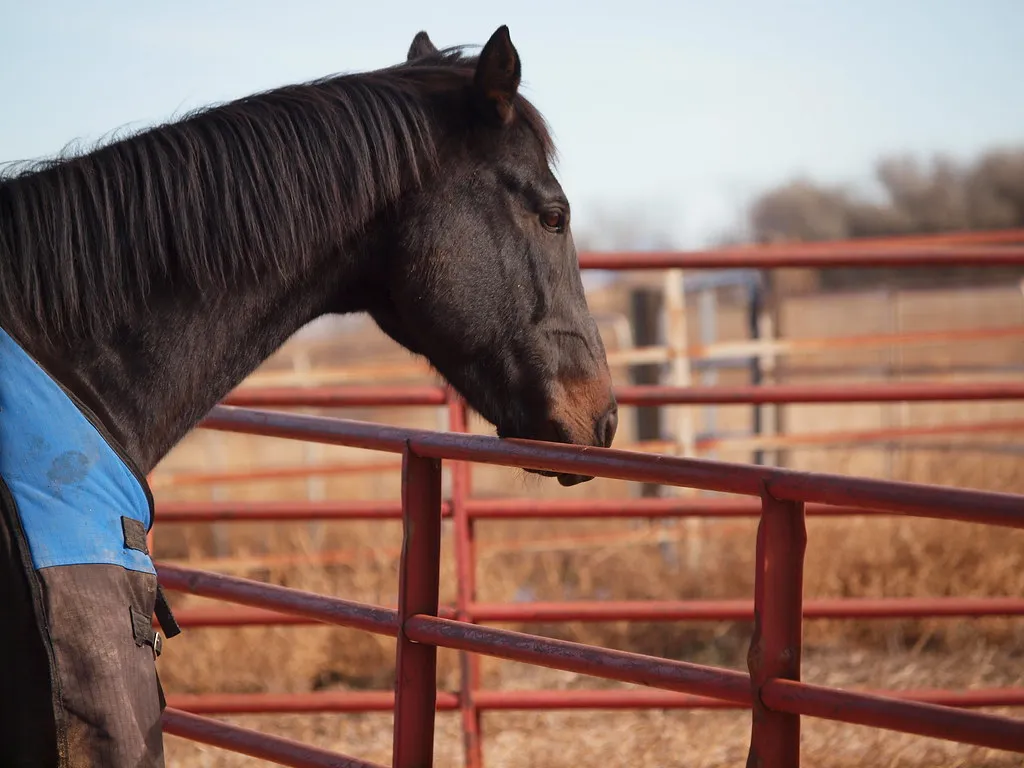
Nervous horses are experts at invisible bracing. They stiffen the neck under a stroke, lift the back away from a hand, or clamp the tail near the hindquarters. When they finally soften for one rider, those micro-tensions start melting – specifically under that rider’s touch.
The neck starts to feel like a heavy rope instead of a rigid pipe. The skin stops crawling under the grooming brush. They lean into a scratch instead of flinching from it, step closer for wither rubs, or half-close their eyes on a spot that used to make them dance away. Skeptics call this anthropomorphizing, but anyone who’s handled dozens of horses knows exactly what the difference feels like between tolerance and genuine release.
Quick Compare
- Braced horse: rigid neck, skin twitches under touch, tail clamped tight.
- Softened horse: neck feels heavy and loose, skin settles, tail hangs relaxed.
- Braced horse: leans away from scratches or wither rubs.
- Softened horse: leans into touch and may half-close its eyes.
#5 – They Match Your Pace and Direction on the Ground
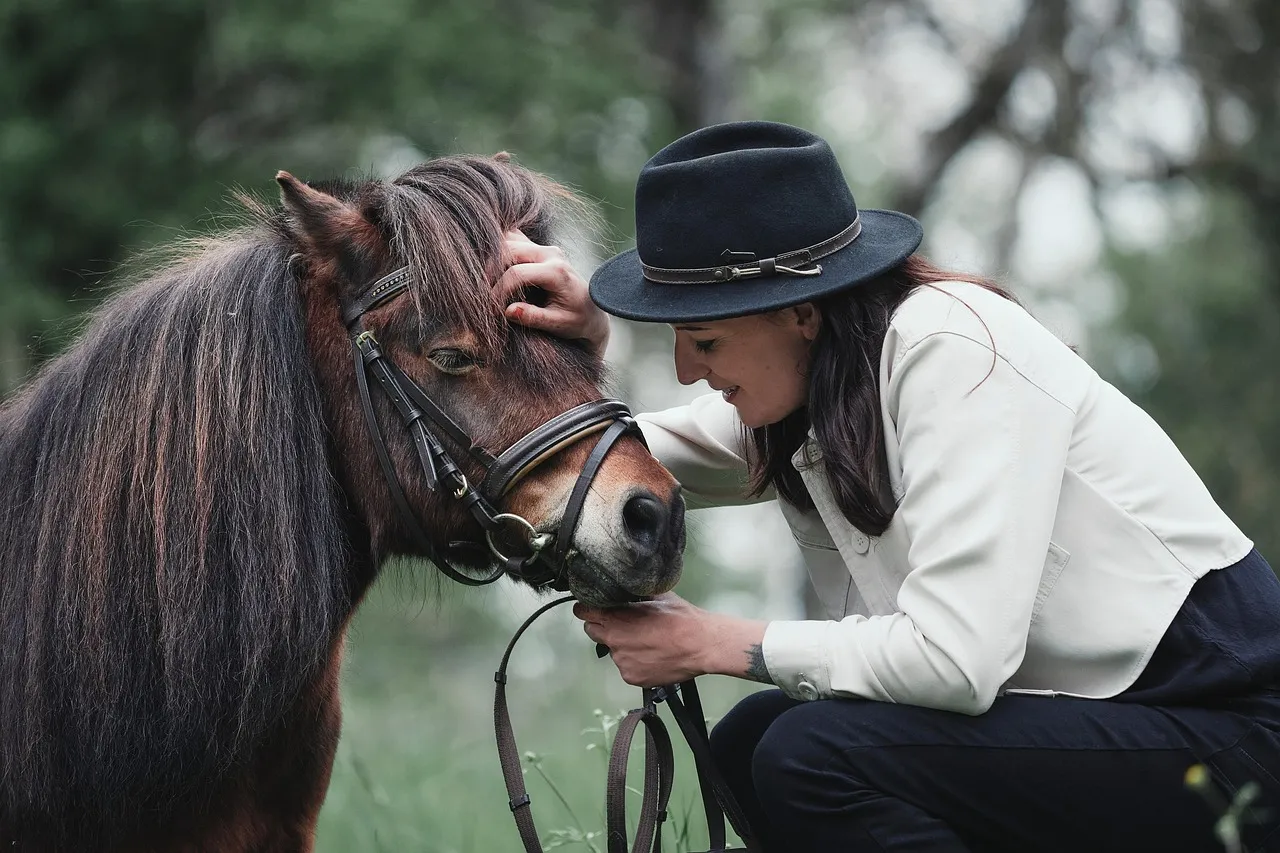
Most people think “joining up” just means a horse follows you around a round pen. Real softness looks different – it shows up in everyday leading, when a horse starts syncing to your speed, your direction, even your small weight shifts, without you asking for any of it.
A horse that used to rush past you, lag behind, or spook sideways starts adjusting to your rhythm instead. You slow down, and the lead rope softens without a tug. You stop, and their body rocks back gently instead of slamming into a halt. This doesn’t mean the horse is flawlessly trained – it means they’re finally mentally with you instead of scanning the horizon for danger. And here’s the part that surprises people: some horses only show this level of attunement with one rider, and look scattered or tense with everyone else. That exclusivity is often the clearest proof the bond is real, not generic.
#6 – Their Default Speed Under Saddle Slows to Match Yours
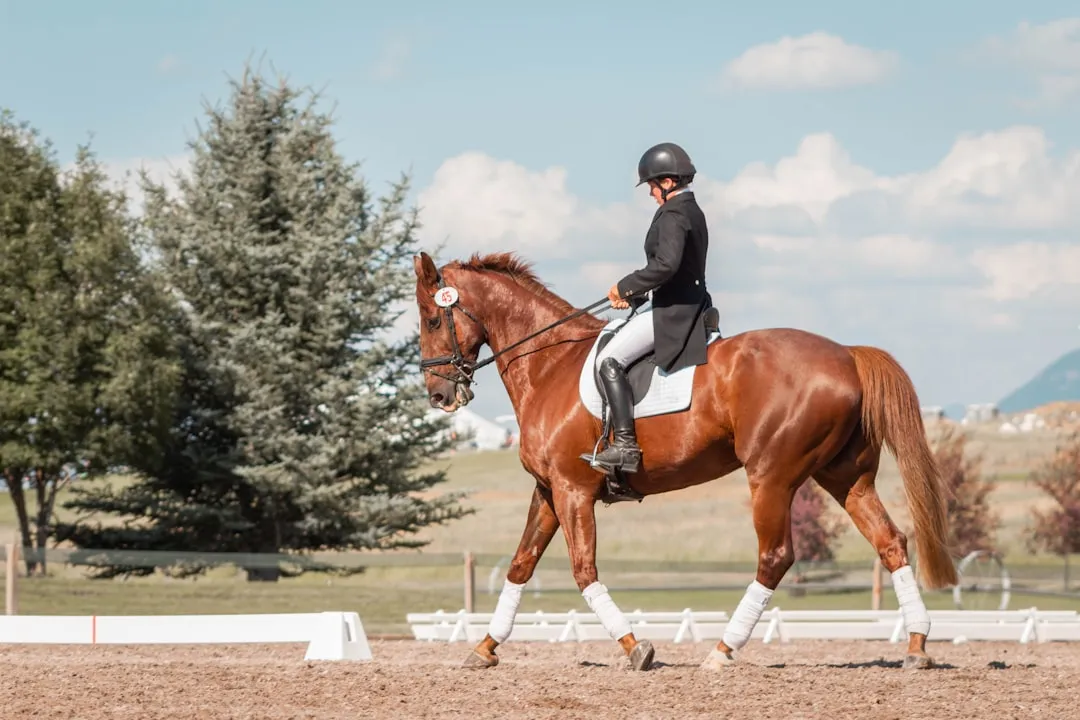
A nervous horse’s default gait often feels like a runaway treadmill – either too quick and rushy, or choppy and bottled up tight. When they finally soften for a single rider, their baseline tempo under saddle starts shifting toward that rider’s natural rhythm, even before any active correction happens.
The walk stops feeling like power-walking or dragging. The trot feels more like a metronome than a jackhammer. They can hold a gait without constant nagging or restraint. You don’t have to micromanage every stride anymore – a light suggestion is enough, because the horse trusts the job and isn’t running purely on adrenaline. Riders who’ve swapped between multiple horses know this feeling well: it’s the difference between trained obedience and a horse that has genuinely settled into your energy.
#7 – The Licking, Chewing, and Yawning Happen After Work, Not During Panic
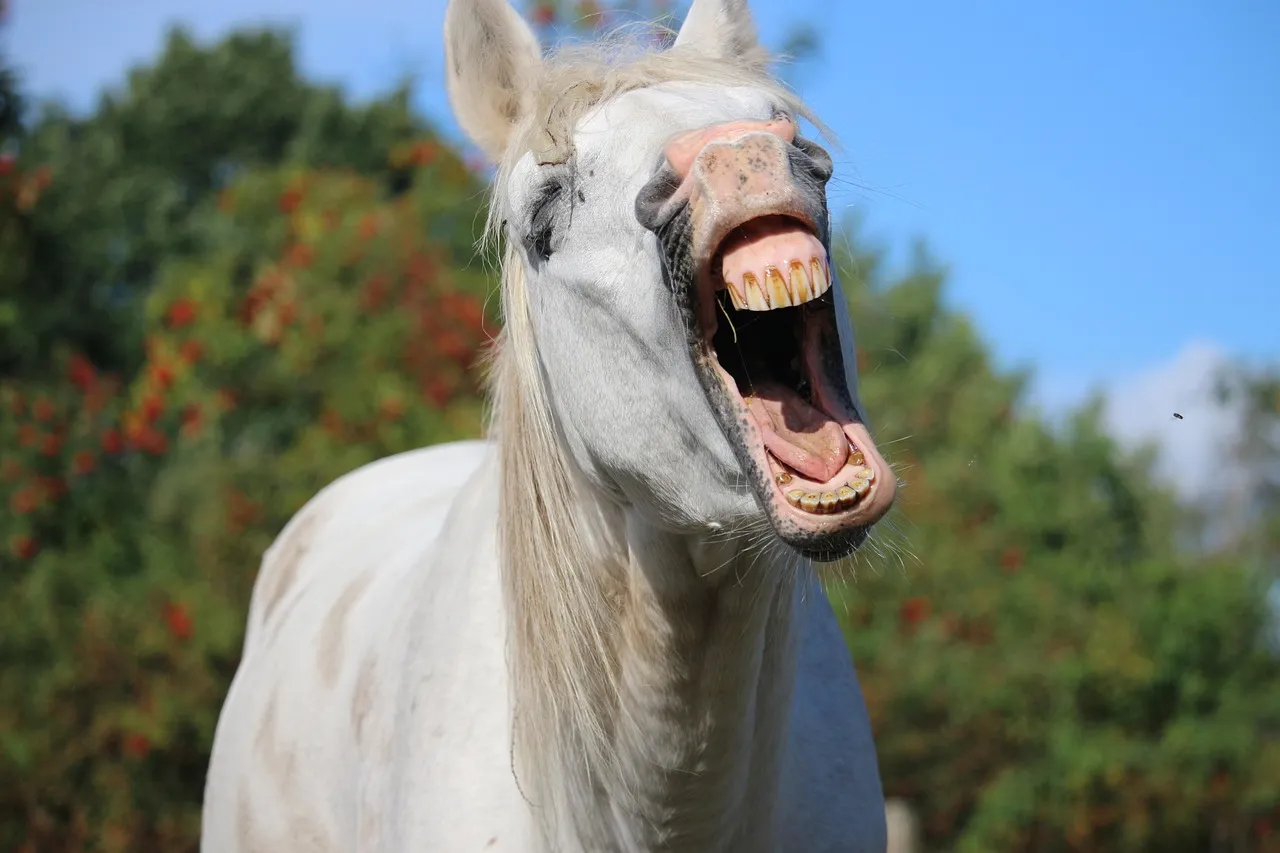
Licking and chewing has become such a cliché in horse training that people forget context matters. A very nervous horse may lick and chew under heavy stress simply as a way to discharge tension – that’s not softness, that’s coping. Real softness shows up when a horse starts licking, chewing, and occasionally yawning after things go right, especially in the quiet moments.
You finish a new task, pause, and they lick, chew, then drop their head. You dismount and they yawn, blink slowly, and seem to reset their whole face. You just stand together and they chew softly with no visible tension anywhere. That kind of processing means the horse feels safe enough with you to let its nervous system downshift. If the same horse stays tight-jawed with everyone else but repeatedly releases around you, that’s not an accident – that’s a pattern with your fingerprints on it.
At a Glance
- Licking or chewing under active stress usually signals tension release, not calm.
- Licking or chewing after a task, paired with a dropped head, points to genuine processing.
- Yawning after a ride often marks a full nervous-system reset.
- Quiet standing with soft chewing and no fidgeting is one of the purest “I’m okay” signals a horse can give.
#8 – They Forgive Your Mistakes Instead of Exploding
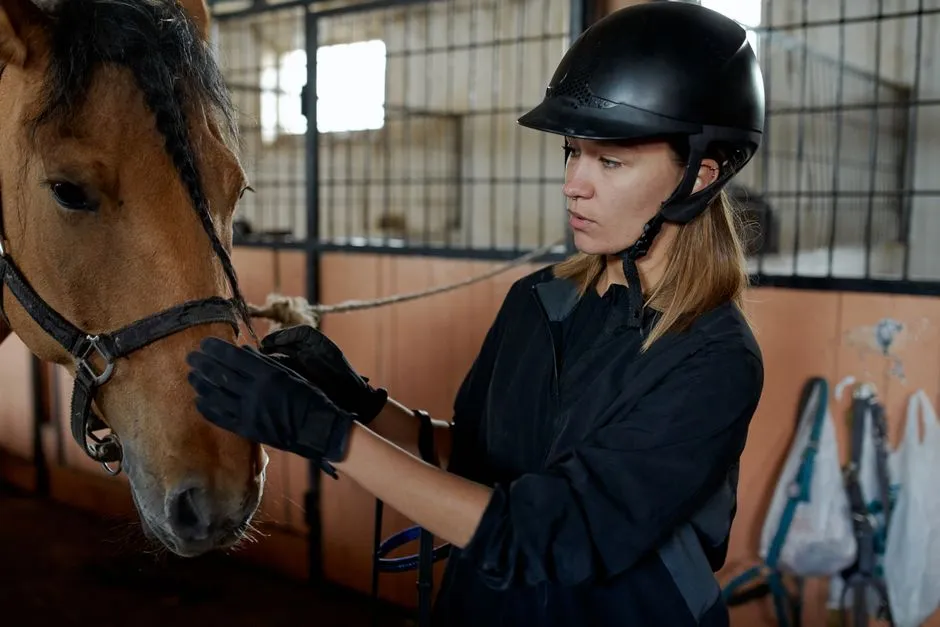
Here’s a blunt one: a nervous horse that has truly softened for you will forgive your fumbles – a bumped mouth, a lost balance during a transition – far more readily than they’d forgive the same mistake from someone else. They might flick an ear or tighten for a second, but they don’t rocket into panic, bolt, or spin.
Compare that to the early days, when a small leg bump triggered a full sideways leap, an unexpected noise sent them bolting, or a clumsy mount made them dance forward in fear. Softness doesn’t make a horse bulletproof; it means your relationship now acts as a buffer between “oops” and “I’m in danger.” And it exposes something uncomfortable too – if a horse can only absorb mistakes from one rider, it often means other handlers are quietly pushing past what that horse can emotionally handle.
#9 – Their Spooks Shrink From Violent Bolts to Brief Startles
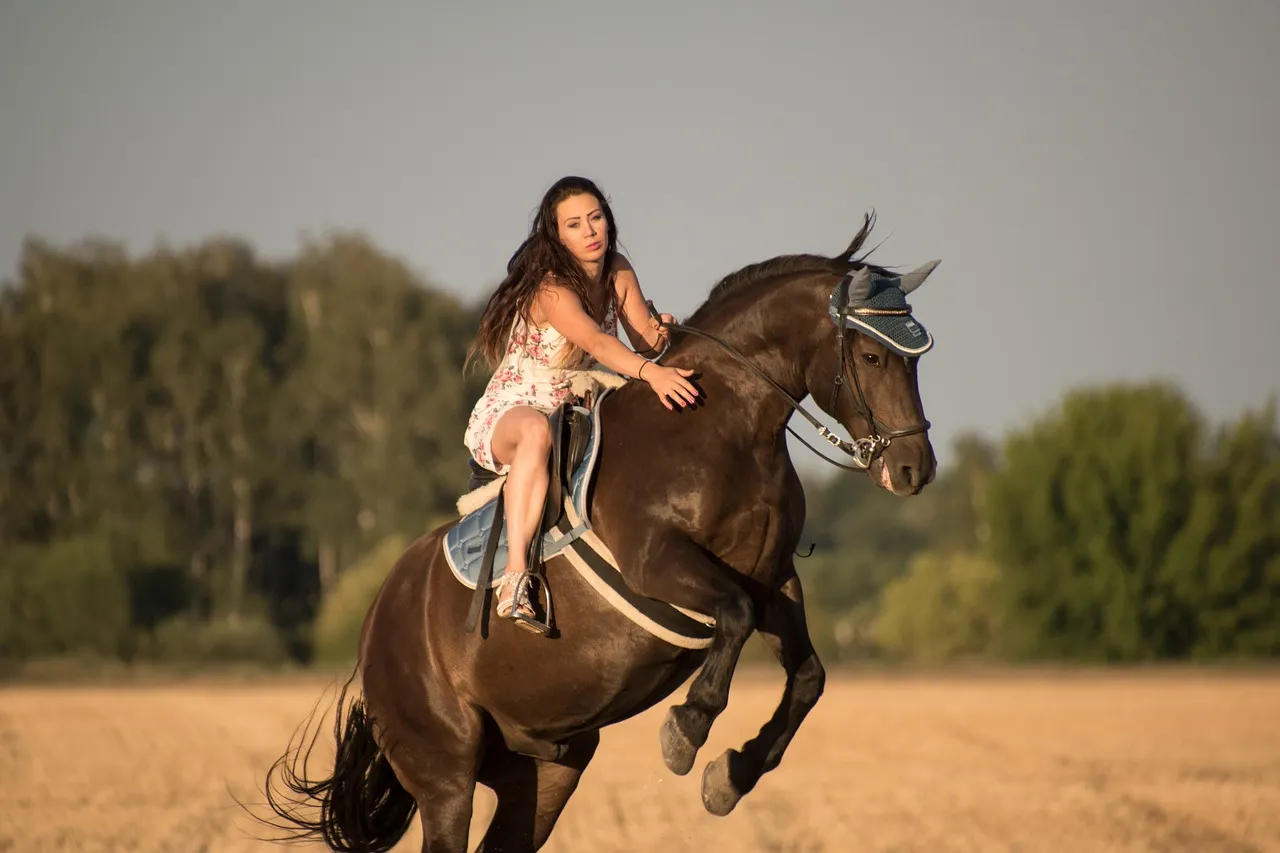
A nervous horse may never become the mythical unicorn that “never spooks” – and expecting that from a prey animal is unrealistic, maybe even unsafe. But when they soften for one rider, the way they spook changes shape entirely. Instead of blind bolting or a full whirl-and-run, you get a short startle, a quick look, and a fast return to baseline.
A flinch, a glance, maybe a sidestep, then a deep breath. Ears flick back toward you fast, almost asking “are we okay?” Then a willingness to move forward again without a long standoff. Most people measure progress by counting spooks; insiders measure size, intensity, and recovery time instead. When recovery is fastest and calmest specifically with you, it means your horse’s trust in you is finally outrunning its fear of the world – and that win rarely shows up in a cute video clip.
#10 – They Perk Up for Your Voice and Footsteps, Not Everyone Else’s
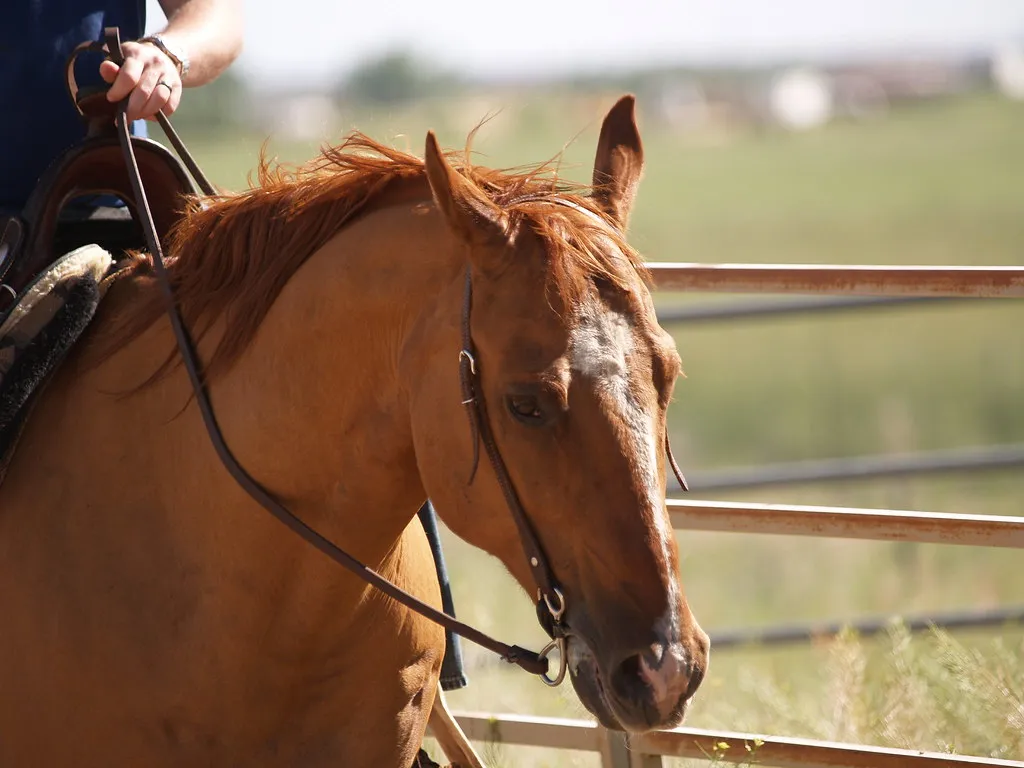
This one drives skeptics up the wall, but it shows up too consistently to dismiss. Horses have sharp hearing and can tell individual voices and footsteps apart easily. A once-nervous horse that has softened for one rider will often react differently the second they hear that person coming versus anyone else.
They lift their head and walk to the gate at the sound of your voice, yet stay indifferent or guarded around other people. They nicker at your car door, your footsteps, your particular walk. They stand still for haltering with you but dodge everyone else. Sure, some of that is routine – but plenty of horses see the same barn staff daily and never show this selective softening. When your mere presence flips their posture from guarded to relaxed, that’s not wishful bonding talk. That’s a nervous system that has filed you under “safe.”
Worth Knowing
- Horses have highly sensitive hearing and can distinguish individual footstep patterns and vocal tones.
- Selective reactions to one person’s voice, while staying indifferent to familiar barn staff, point to an emotional association, not just routine recognition.
- A relaxed ear position paired with head-raising toward a sound usually signals a positive response, not alarm.
#11 – Their Ears Start Checking In With You Instead of Locking on Threats
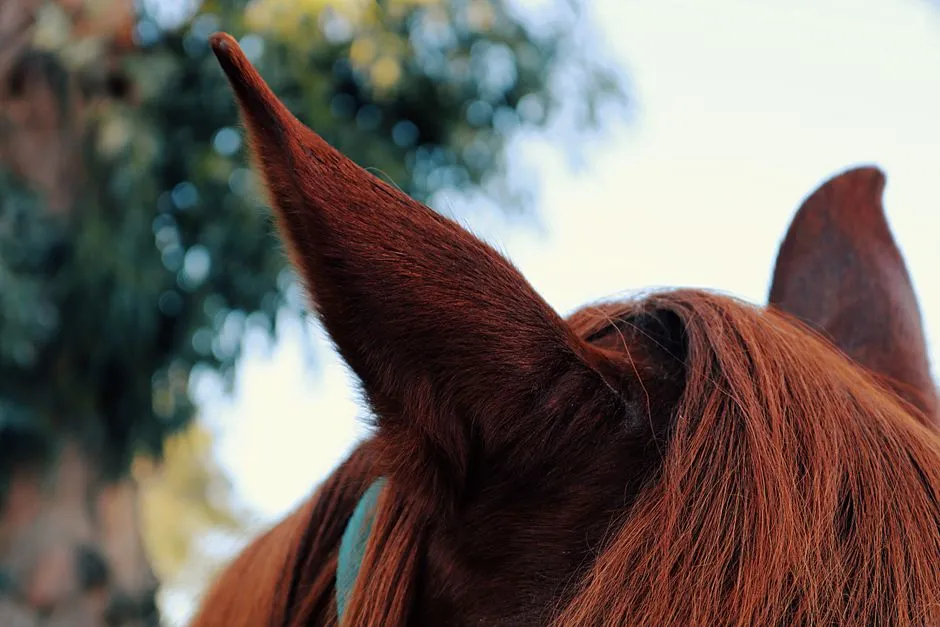
Ear language is one of the most underrated signals in the whole relationship. A nervous horse often holds its ears rigid – locked forward at every noise, or slammed back in defense. When that horse softens for a particular rider, the ears start checking in more often, even in the middle of something mildly alarming.
One ear stays on the environment, one flicks back toward you. During a spooky moment, both ears swivel to you right after the first startle. In a chaotic arena, more of their attention tracks your voice than the noise around them. This doesn’t mean the worry disappears – it means you’ve become part of their decision-making process. “If you’re calm, maybe I can be too.” When this checking-in happens consistently with you and almost never with anyone else handling them, it’s one of the clearest, most visible signs you’ve become part of their internal safety radar.
#12 – They Choose to Rest Near You Once the Work Is Done
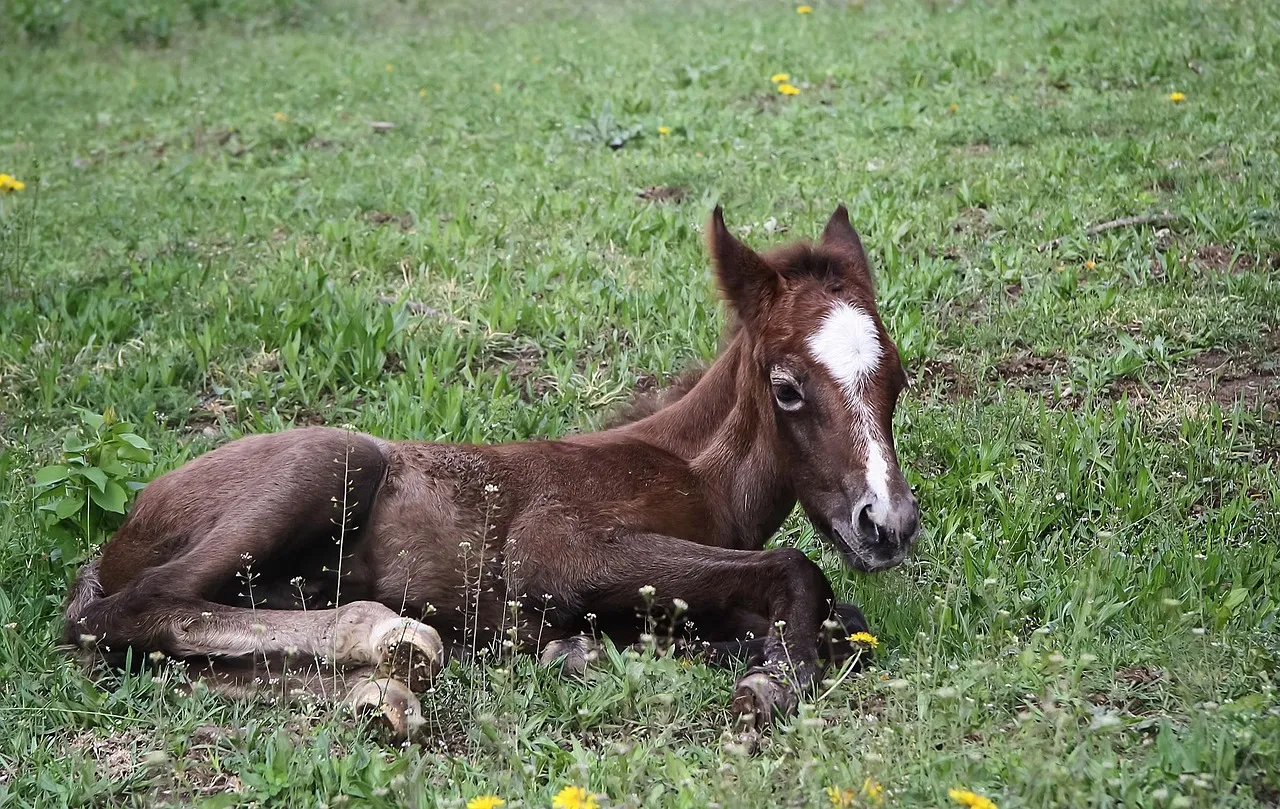
The clearest sign of all shows up after the job ends. A still-anxious horse tends to walk off, pace, or bury its face in hay the second you’re done – anything but linger near a human. A softened horse does the opposite: they stand near you, rest a hind leg, drop their head, and simply hang out, even with every opportunity to walk away.
They graze or sniff around but keep drifting back into your space. In a stall, they stand hip-cocked beside you instead of turning their hindquarters. Their eyes close for a few seconds while you’re still there. This isn’t neediness – it’s the highest compliment a prey animal can pay. “I feel safe enough in my most vulnerable state – tired, off-duty, unguarded – to stay close to you.” Riders chasing ribbons often miss this completely, but the ones who’ve felt it will tell you a horse resting near you by choice beats any score sheet.
The Bottom Line
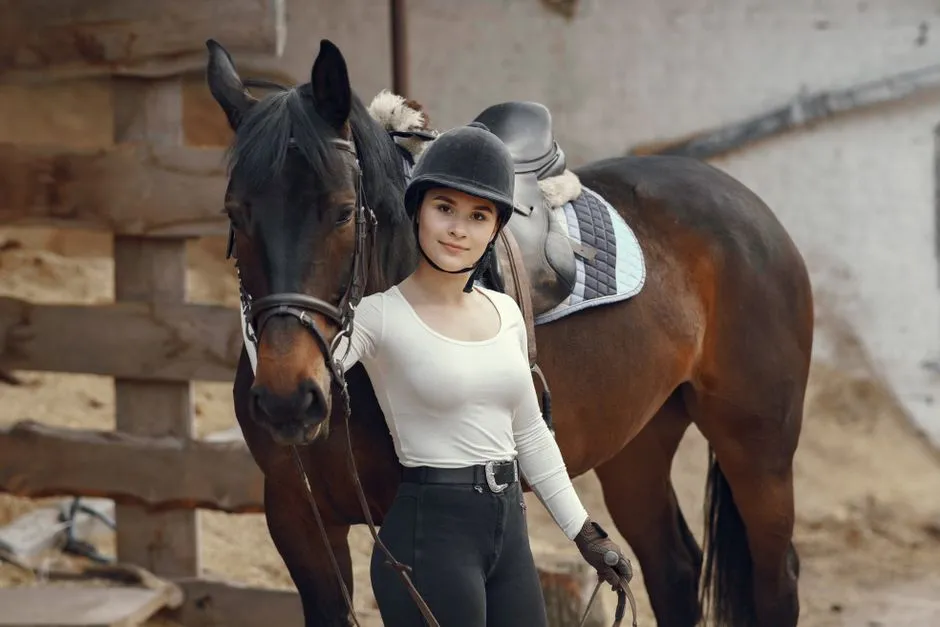
A nervous horse softening for one rider was never about a single magic technique or a weekend clinic. It’s dozens of tiny, repeatable signals stacking on top of each other – the softer eye, the slower breath, the smaller spooks, the forgiveness after a mistake, the choice to rest near you when they don’t have to.
A horse can go perfectly on the bit and still be terrified inside. It can clear enormous jumps and still not trust the person on its back. Real softness is quieter than any of that – it’s a nervous system that finally calms down specifically in your presence, and a body that proves it without being asked.
Some people will always say “a horse is a horse” and call this connection overrated. Everyone else already knows better, because they’ve felt the before and after with their own hands. Which camp are you in – and what has your horse already told you that you almost missed?

- 14 Quiet Ways a Horse Keeps Watch Over the Person It Has Claimed - July 28, 2026
- 12 Signs a Nervous Horse Has Finally Softened for a Single Rider - July 28, 2026
- 12 Everyday Mistakes That Quietly Shorten a Senior Dog's Life - July 28, 2026