
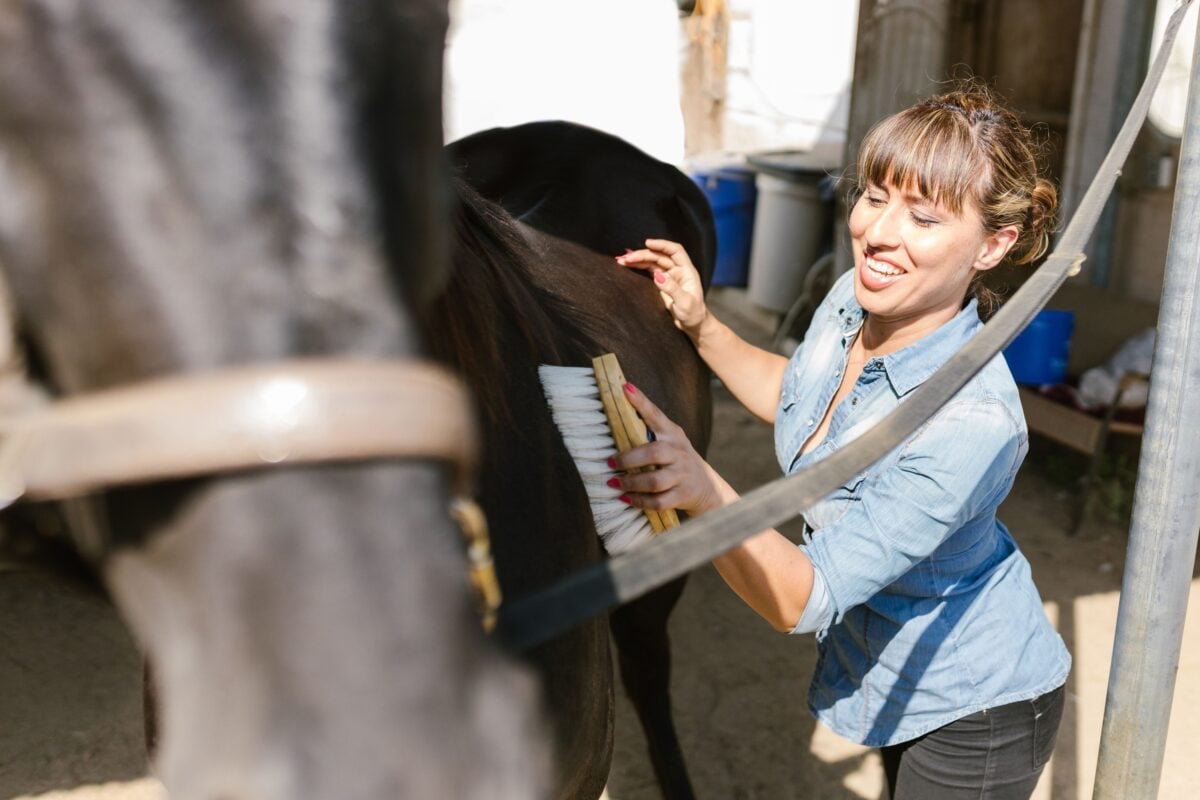
Everyone loves to say their horse is “loyal,” but most of that talk is really just a nice way of saying the horse doesn’t buck, doesn’t bolt, and puts up with a rider’s bad days. That’s not loyalty. That’s tolerance. Real trust looks almost nothing like the picture most people have in their heads.
It shows up in the tiny stuff – a dropped head, a paused hoofbeat, a glance back over the shoulder that most riders never even notice they’re getting. Miss these signals and you’ll spend years thinking your horse is just “easygoing.” Catch them, and you’ll realize you’ve quietly crossed into a partnership most people never get close to. Here’s what seasoned horsemen actually watch for.
#15 – They Choose To Walk With You, Not Drag Past You
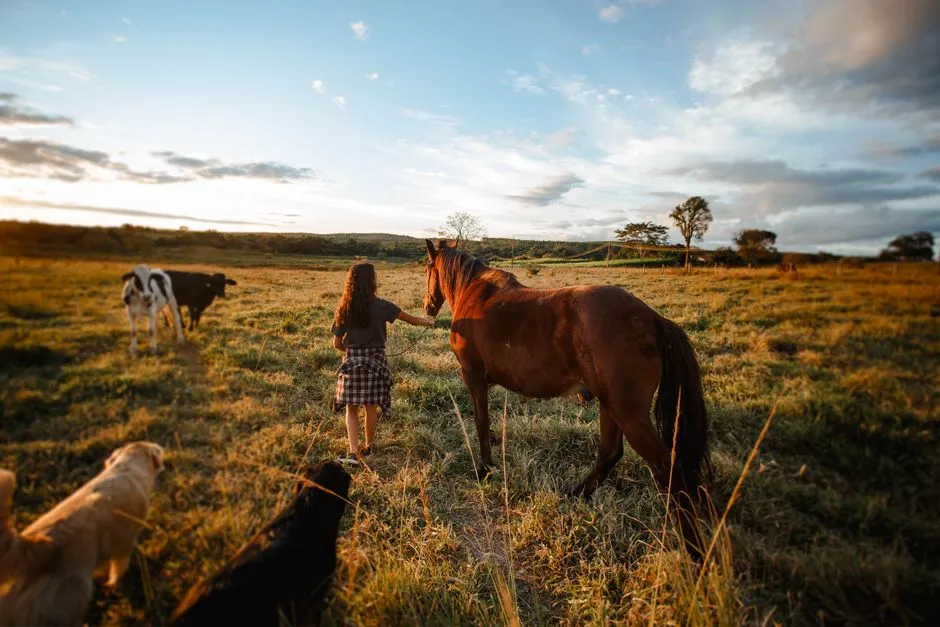
A loyal horse doesn’t just tolerate being led – it syncs its stride to yours like it’s tied to an invisible line. That’s not obedience. That’s trust in action. When you stop, they stop. When you shorten your step, they quietly adjust without being told twice.
Horses that don’t trust you handle things differently. They rush ahead, lag behind, or test the rope constantly, because they’re managing their own safety first. A horse that trusts you relaxes enough to let you carry that job instead. Watch where their attention lives – a loyal partner keeps one ear and half an eye on you even when something rustles in the distance, glancing over but always checking back in rather than yanking away.
#14 – They Lower Their Head When You Approach, Instead of Bracing
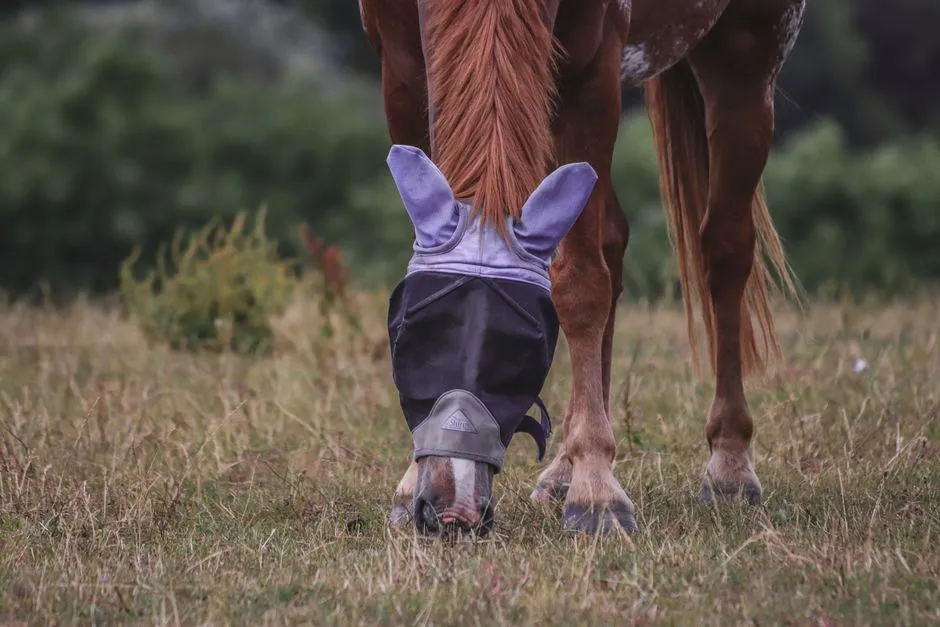
Most people have no idea how loud a horse’s head position actually is. A horse that trusts you will often lower its head and soften its eye the instant you step into its space. That’s not laziness. That’s a full-body announcement that it feels safe.
A high head, a tight jaw, a wide eye – that’s a horse on alert, even standing perfectly still. Dropping the nose toward you literally reduces a prey animal’s escape advantage, which is exactly why worried horses keep their heads up. So when yours exhales, drops its poll, and lets you halter or touch its face without flinching, it’s telling you something simple and enormous: “You’re not a threat. I can let my guard down.”
#13 – They Meet You at the Gate (And Not Just for Grain)
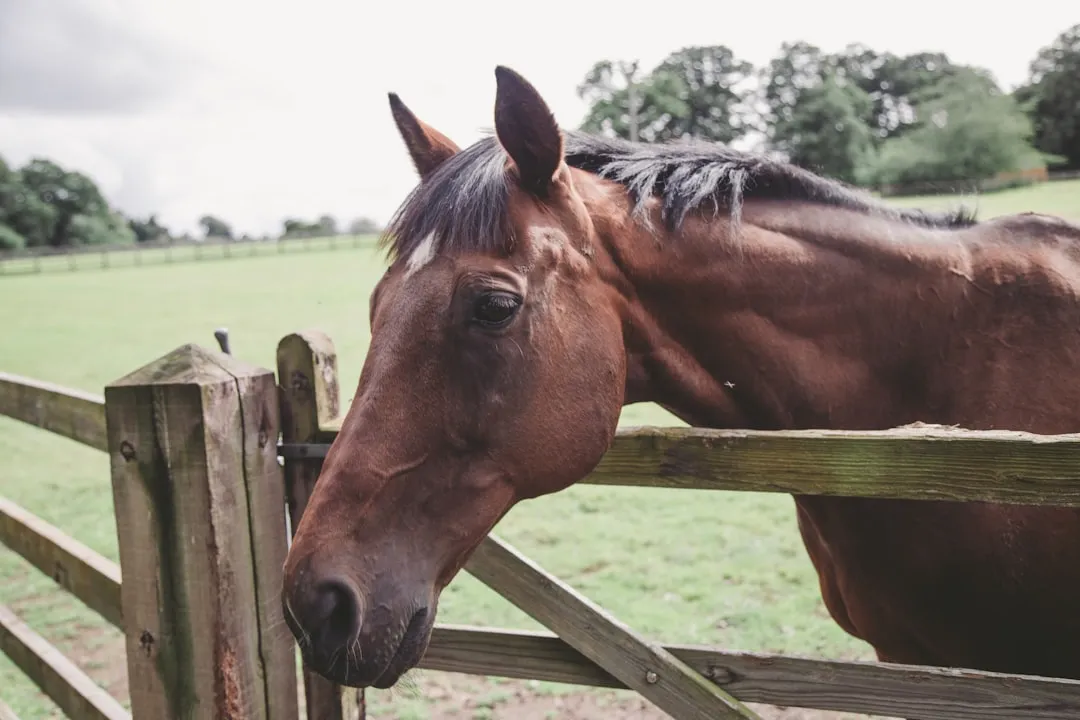
Sure, some horses come running because they know food is on the way. But a truly loyal horse does something stranger: it leaves its buddies and walks all the way in just because it recognizes you specifically. It might nicker softly, flick its ears forward, or already be waiting at the gate before you even call out.
Here’s the real test – come out empty-handed. No bucket, no bag, no rustling in sight. If they still walk up, rest their nose near your chest, or shadow you across the field, that’s not habit anymore. Horses are herd animals wired to prioritize other horses over almost everything. When yours consistently chooses your company over the safety of the group, that’s a quiet display of loyalty most riders badly underestimate.
Fast Facts
- Horses are prey animals whose survival instinct naturally pulls them toward the safety of the herd, not away from it.
- In the wild, horses live in tight family bands and rarely wander far from familiar herd mates.
- A horse leaving that safety net to approach a single human is a real departure from natural behavior.
- Feed-driven greetings tend to be fast and urgent; trust-driven greetings are slower and more deliberate.
#12 – They Mirror Your Emotions, Not Just Your Cues
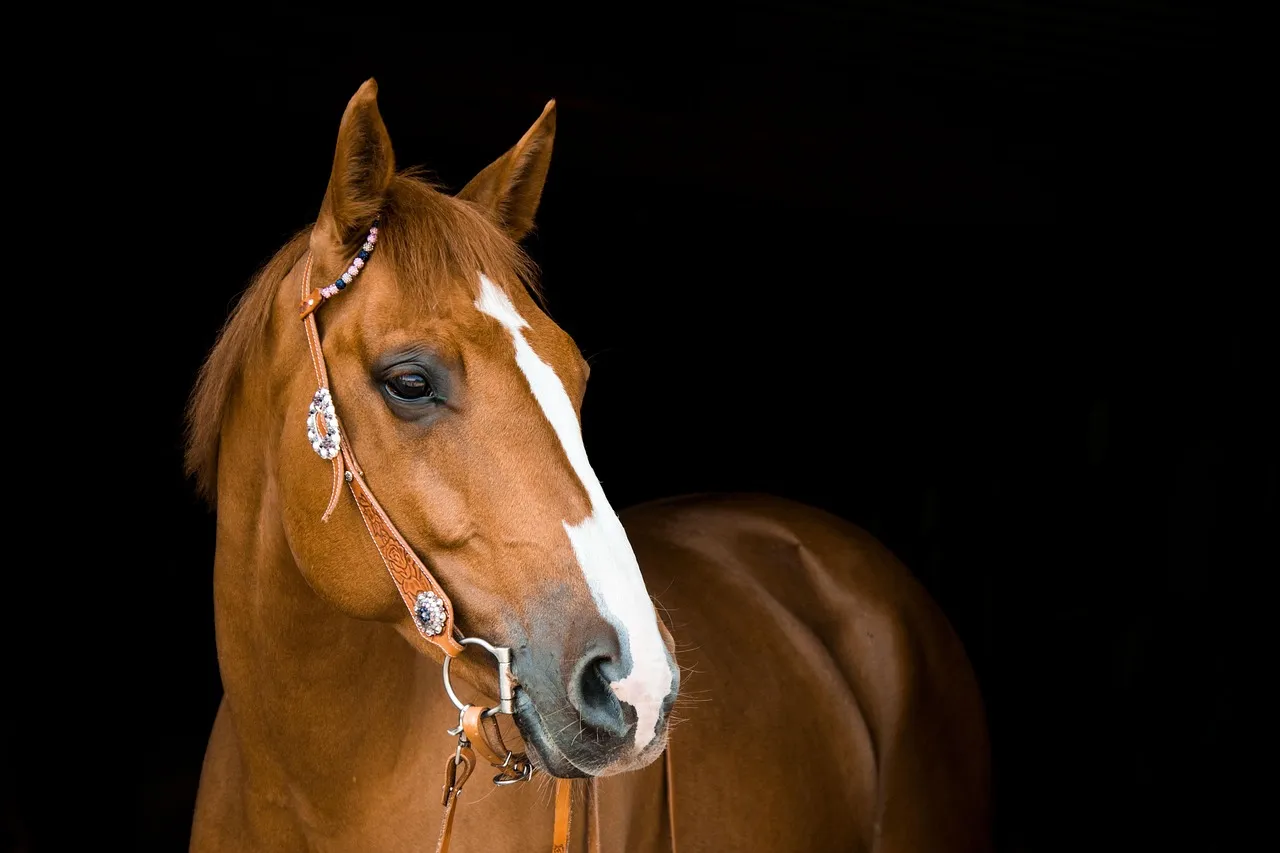
This is where things get uncomfortably honest, because horses read us better than we read them. A loyal horse starts matching your emotional temperature like a living mirror. Calm and centered? They breathe easier. Tense and frantic on the inside, even while faking calm on the outside? They tighten up too, not out of misbehavior, but because they’re locked onto you.
Watch what happens when you’re anxious but pretending you’re fine. A horse that trusts you won’t ignore the mismatch – it often gets fidgety or overly alert, as if asking, “You say we’re okay, but your heart disagrees.” That level of attunement only happens when your energy actually matters to them. A distrustful horse just disconnects and runs on autopilot, and riders often mislabel that emotional distance as stubbornness.
The horse is a mirror to your soul. Sometimes you might not like what you see. Sometimes you will.
Buck Brannaman
#11 – They Stand Still for You in Vulnerable Moments
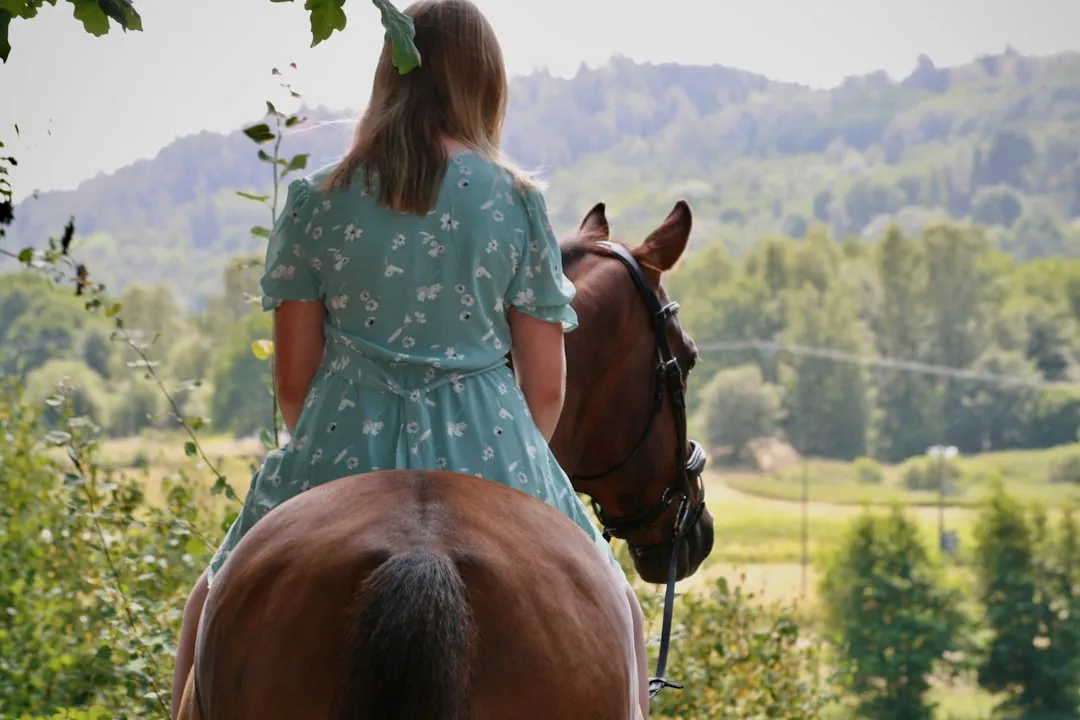
Most riders celebrate the day their horse finally stands for mounting. But the deeper sign isn’t obedience to a mounting block – it’s how a horse handles every small, vulnerable moment after that. A trusting horse stands quietly while you adjust the saddle, swing your leg over, or shift around awkwardly in the tack.
Think about what you’re actually asking. You’re climbing onto a prey animal’s back, blocking its flight response, tightening straps around its ribs. A horse that doesn’t trust the process will move away, hold its breath, or rush off the second you’re up. A loyal horse might shuffle a little, but it waits – giving you time to fix your stirrup, find your seat, and settle your reins. That’s not just training. That’s a horse saying, “I’ll hold still while you figure it out.”
#10 – They Try to Stay Under You When You Lose Balance
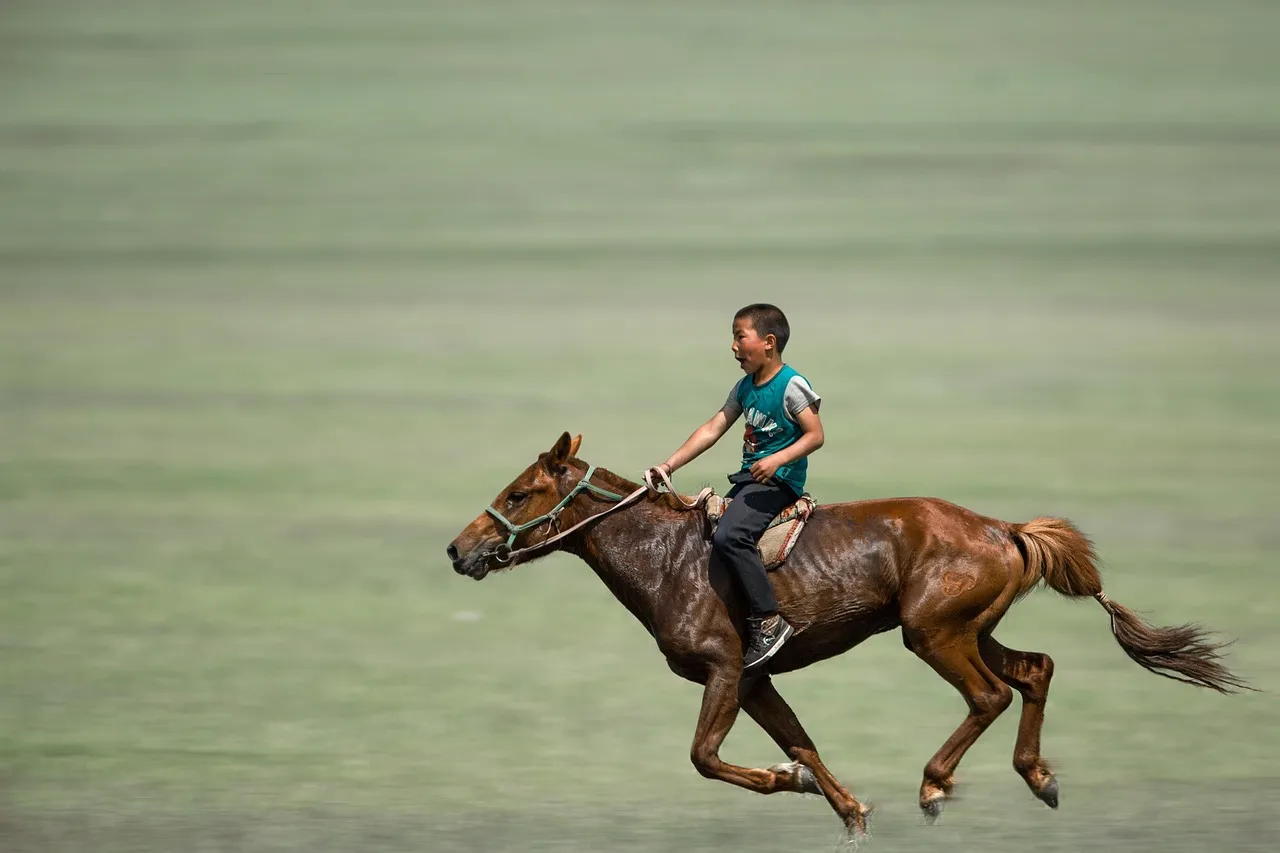
This is the one most non-riders never see. When a horse truly cares about keeping you safe, it will actually adjust its body to stay under you if you slip. Lean too far one way, and they step sideways to catch you. Get jumped out of the tack over a fence, and they steady themselves instead of bolting out from under you.
Plenty of well-trained horses will simply ignore a wobbly rider and keep plowing forward. A loyal one feels the shift and almost cups you with its movement – slowing down unasked, circling instead of running straight, or planting its feet the moment you start to come off. You cannot train this into a horse that doesn’t trust you. It only shows up in split-second choices when everything is already going wrong.
#9 – They Check Back With You the Instant Something Spooks Them
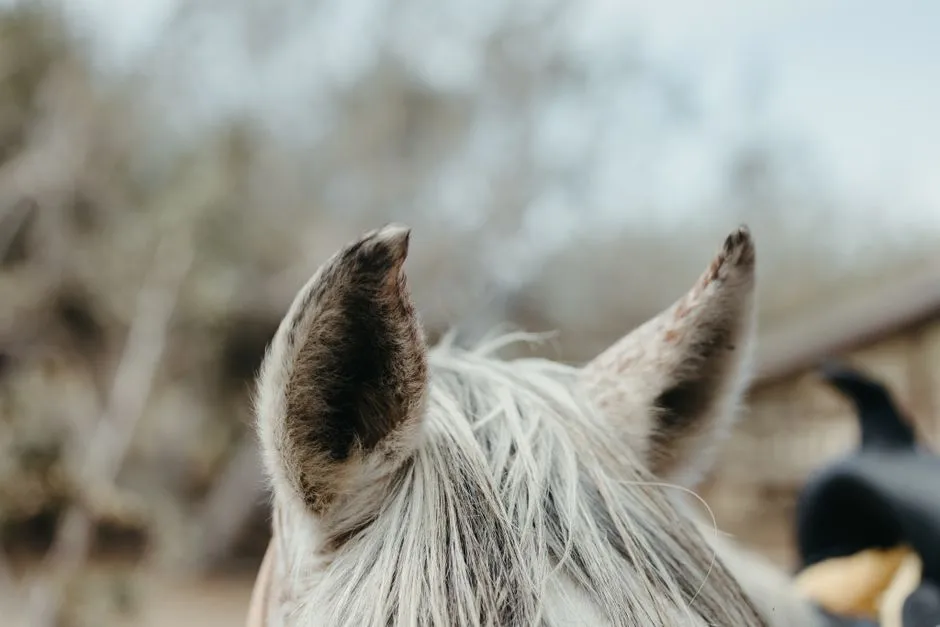
Spook tests reveal loyalty in its rawest form. A horse that doesn’t trust you simply reacts – spin, bolt, freeze, full flight mode, no negotiation. A horse that does trust you may still startle, but then it looks back to you for instructions.
Watch for the ear flick, the quick glance, the half-second hesitation instead of full panic when a plastic bag flies or a dog darts out. They might jump or snort, but instead of fully checking out, they’re essentially asking, “Are we running, or are we okay?” Some old-school riders still believe “a real horse shouldn’t spook” – that’s fantasy. The real sign of trust isn’t the absence of a startle. It’s what they do in the second right after it.
Quick Compare
- Distrustful horse: full flight mode, no hesitation, no check-in with the rider.
- Trusting horse: a startle, then a glance back for guidance before deciding what’s next.
- Distrustful horse: reacts the same way whether or not a rider is present.
- Trusting horse: visibly weighs the rider’s calm (or panic) before reacting further.
#8 – They Accept Corrections Without Holding a Grudge
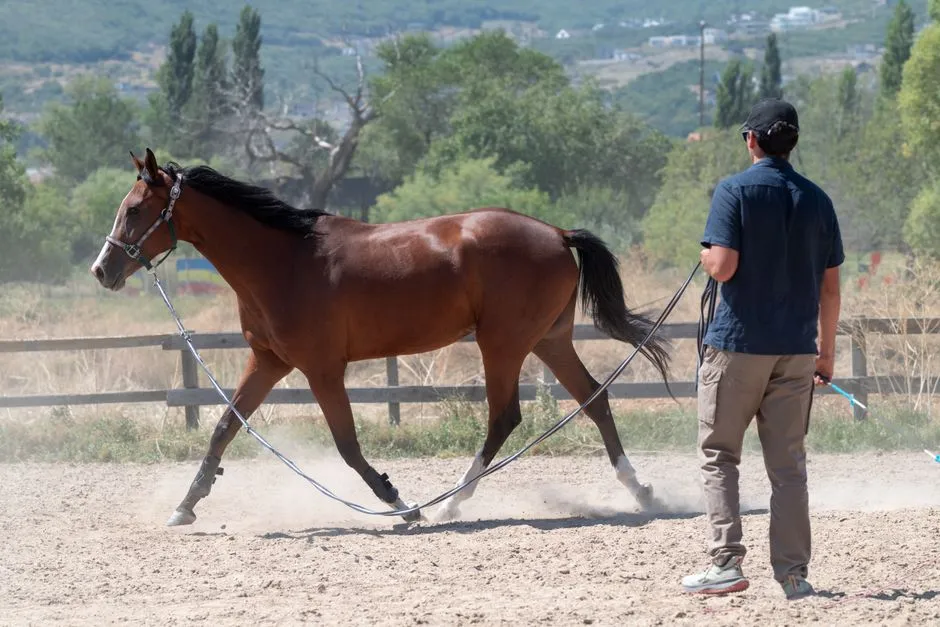
Here’s a hard truth: you will sometimes have to correct your horse. Watch what happens afterward. A loyal horse may be startled or briefly offended, but it doesn’t shut you out for the rest of the ride. It flicks an ear, exhales, and moves on instead of simmering.
Horses that don’t feel safe with their rider tend to go one of two directions after correction – either more explosive, or emotionally numb. Neither one is real partnership. When a horse trusts your fairness, it can absorb a firm “no” without turning you into the enemy. You’ll often see licking, chewing, a soft blink, and then a calm offer to try again – a hugely underrated sign that the relationship is on solid ground.
#7 – They Let You Handle Sensitive Areas Without Drama
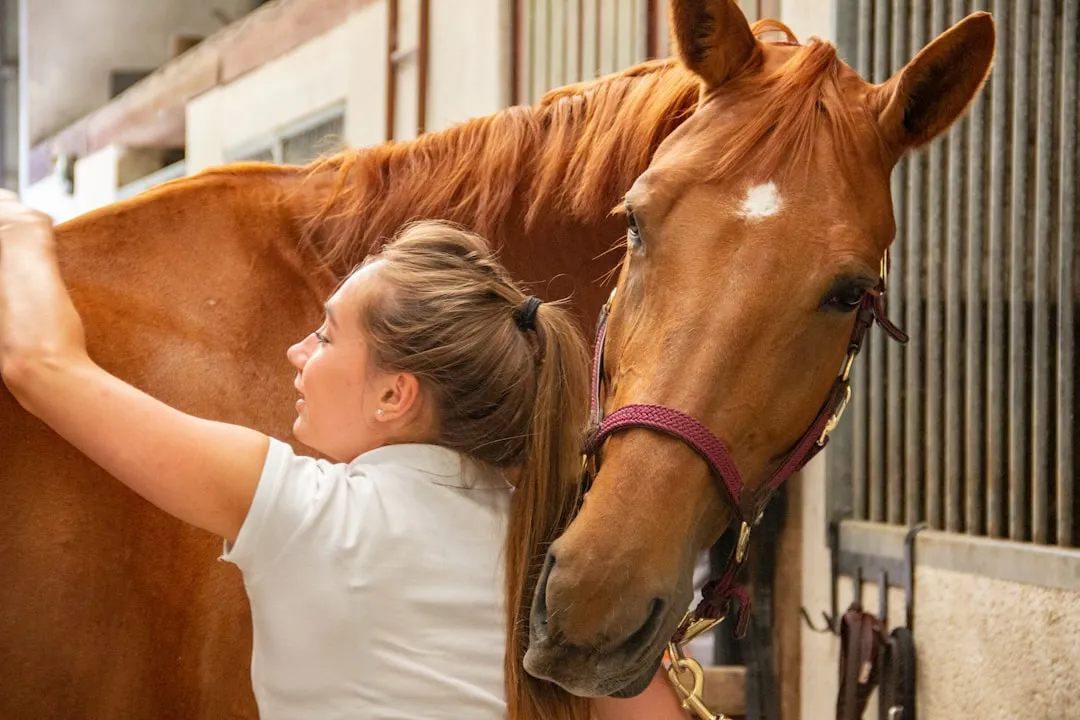
You can fake a lot with training, but not this. A horse that truly trusts you lets you work the “no-go” zones – ears, muzzle, girth line, hind legs, tail – even when it’s clearly not their favorite thing. The pattern isn’t perfection. It’s, “I don’t love this, but I’ll let you do it.”
Think fly spray, clippers, a cut that needs medicating, or a tangled tail. A loyal horse may still flinch at the sound or sensation, but instead of yanking away with full force, it braces, leans in slightly, or keeps at least one foot planted instead of fleeing. That choice to stay when instinct screams “leave” isn’t just compliance – it’s personal. Plenty of horses tolerate the farrier but won’t soften like this for anyone but their own person.
#6 – They Match Your Pace Without Constant Micromanaging
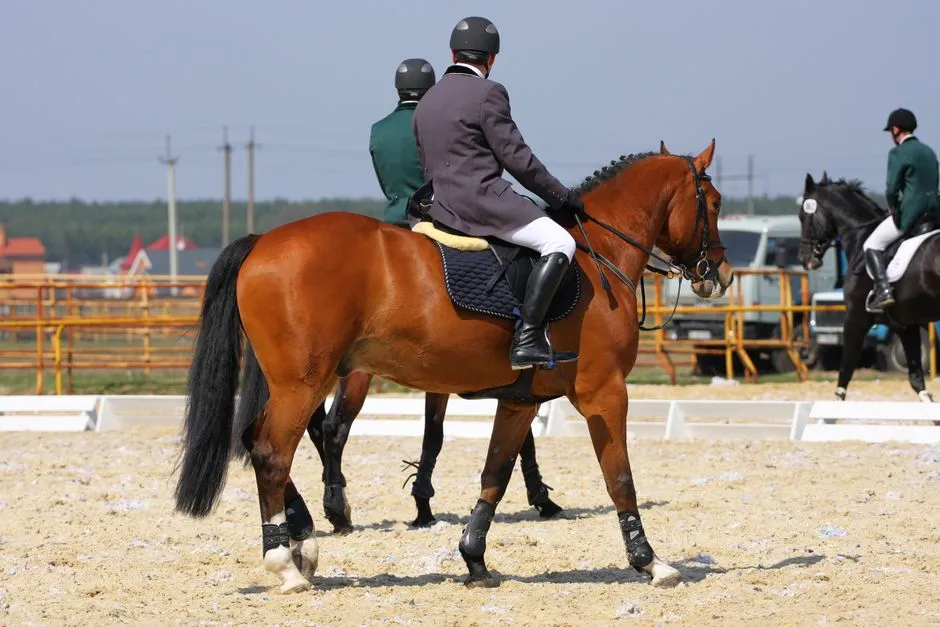
Most riders are taught to constantly drive their horse forward. But a horse that’s genuinely with you doesn’t need nagging every single stride. You set a walk, trot, or canter, and they hold it until you ask for the change. That’s not just schooling – that’s mental agreement.
Pay attention to how often you’re kicking, clucking, or pulling. If it’s every few strides, your horse has checked out. A trusting horse commits: “Okay, we’re trotting now, so I’ll keep trotting until you say otherwise.” Even more telling, they’ll adjust their stride to match your body – longer when you lengthen, shorter when you sit deep – even on a loose rein. That’s a horse listening to you, not just reacting to the arena.
At a Glance
- Horses naturally have four distinct gaits – walk, trot, canter, and gallop – each with its own rhythm.
- A horse that holds a gait without repeated cues is responding to intent, not just pressure.
- Stride length can shift subtly based on a rider’s seat and breathing, even on a loose rein.
- Constant micromanaging, like kicking or pulling every few strides, often signals mental disconnect rather than laziness.
#5 – They Wait For You in Stressful Situations Instead of Bolting
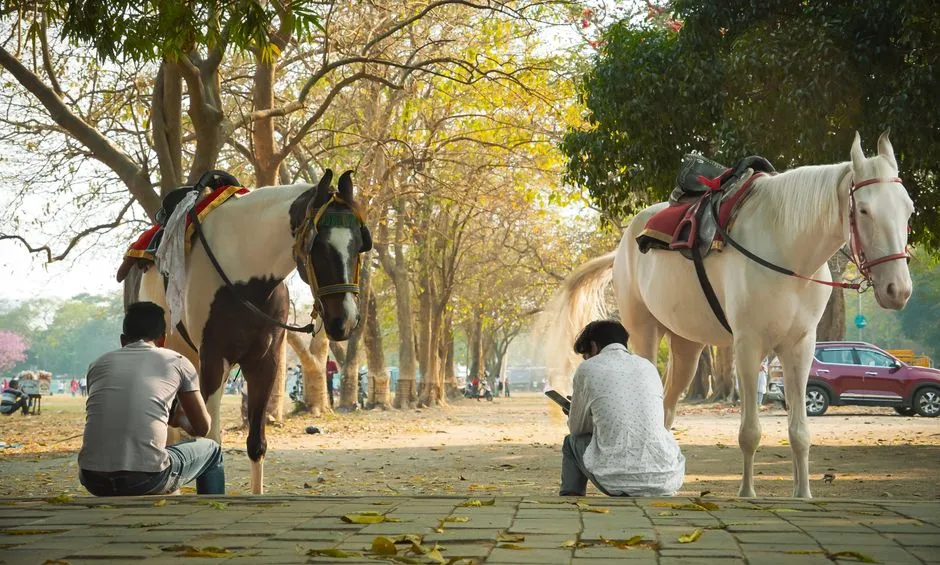
Every barn has that gate-crasher horse that loses its mind the second it’s separated from friends. But when real loyalty is in play, something shifts. A trusting horse still feels the pull of the herd, but it hesitates and checks where you are before making a move.
Picture the other horses being turned out, galloping off, tails flagged. Your horse tenses, maybe takes a step – but instead of tearing the rope from your hands, it looks back, ears flicking in conflict. It might prance or fret, but it doesn’t fully abandon you. Same thing in the trailer: the door cracks open onto chaos outside, and your horse waits for your cue instead of blasting out. You cannot bully that kind of self-control into a prey animal. You earn it.
#4 – They Keep Offering You Effort Even When You Mess Up
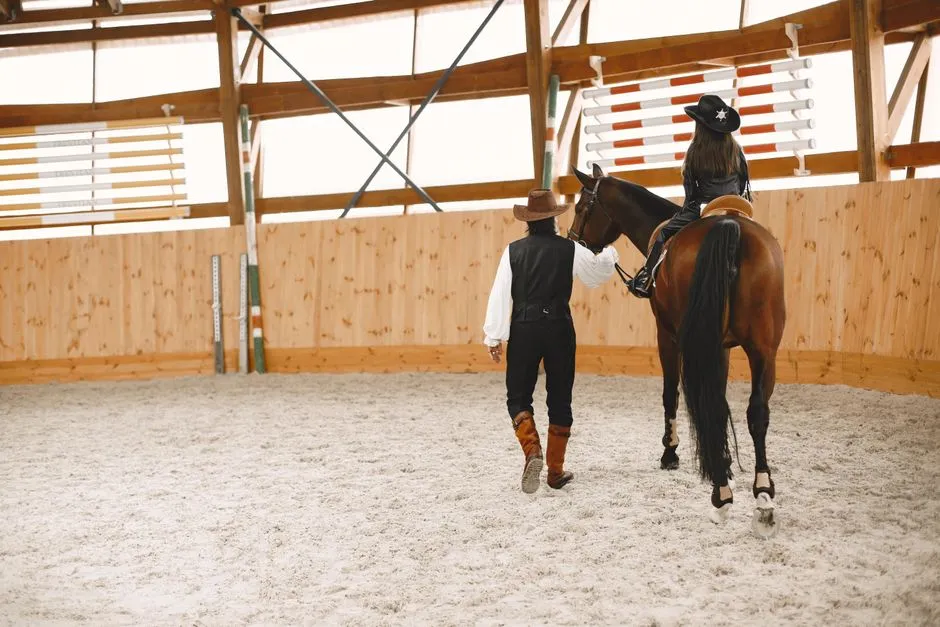
This is what separates a “nice” horse from a genuinely loyal one – how they respond to your mistakes. A truly loyal horse keeps trying even after you give a confusing cue, lose your rhythm, or pick a terrible distance to a jump. They don’t punish you by instantly quitting.
Maybe you bungle a transition, ask for the wrong lead, or aim them badly at a pole. A horse that merely tolerates you starts to resist, pin its ears, rush, or refuse after a few of these mix-ups. A horse that trusts you might flick an ear like, “You sure about that?” but keeps searching for the right answer instead of shutting down. That willingness to keep solving the puzzle with you, mistakes and all, is one of the clearest emotional signs they’re actually on your team.
#3 – They Seek You Out for Comfort When They’re Unsure
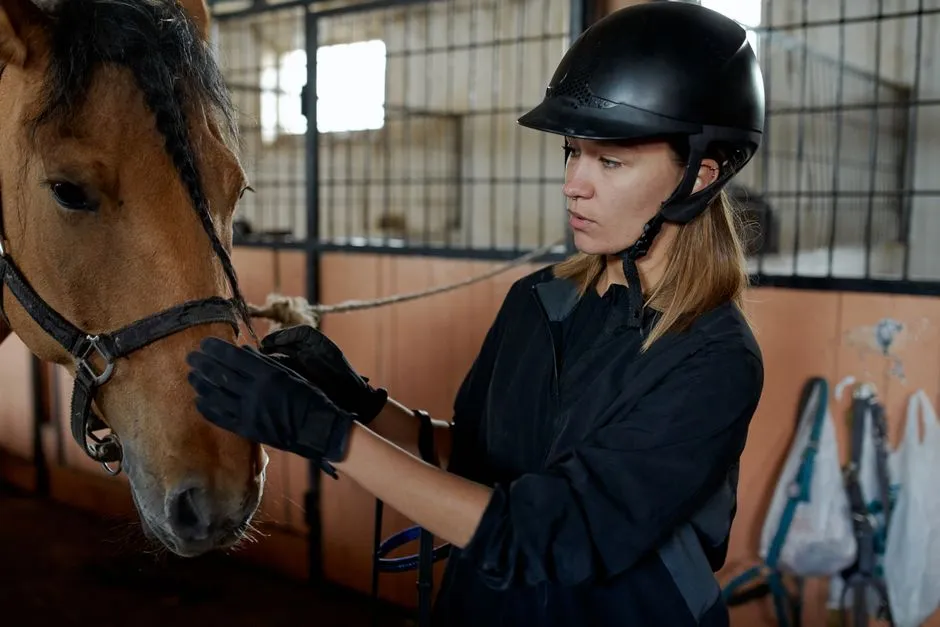
This one blows up the myth that horses only see us as walking feed buckets. A loyal horse will actually move closer to you when it’s scared or uncertain, using you almost like a mobile safe zone – the exact opposite of a horse that bolts over you or away from you when it’s worried.
Watch what happens in a new arena, during a storm, or when strange equipment shows up. Some horses spin and drag their handler away. Others step sideways into their person, tilt their head toward your chest, or stand with a shoulder lightly resting against you. It’s not always conscious, but the message is clear: your presence lowers their stress. Some trainers dismiss this as “crowding” and correct it harshly, but handled with kindness and boundaries, it’s one of the most powerful signs a horse believes you’re safer than the environment around it.
#2 – They Greet You With Curiosity, Not Just Habit
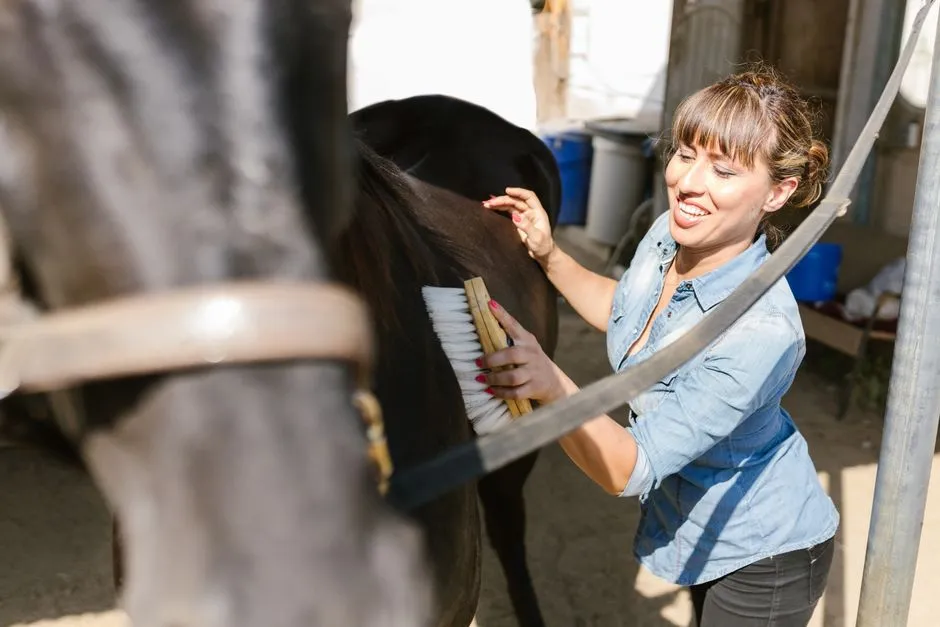
Not every nicker means undying love, but the way a horse greets you tells a bigger story than most people realize. A horse that trusts and is loyal to you shows small, consistent curiosity every single time you appear. Ears prick, eyes soften, nostrils relax, and they step forward – not rushing, just choosing contact.
The difference shows up in the details. Food-motivated greetings look sharp and intense: ears locked, muscles tight, maybe pawing or pinning at other horses to claim the bucket first. A loyalty-based greeting looks almost casual – they wander over, blow softly into your hand, rest their head near your shoulder, and stick around long after the treats are gone. That “I just want to be near you” body language is subtle, and plenty of riders write it off as silly sentiment. They’re missing one of the clearest loyalty flags a prey animal is capable of giving.
Worth Knowing
- Ears pricked forward and a soft eye signal genuine interest rather than food anticipation.
- Horses that linger after treats are gone are choosing your company, not the snack.
- A relaxed nostril and slow approach differ sharply from the tense, pinned-ear rush of a hungry horse.
- This subtle difference is easy to miss but remains one of the clearest loyalty signals horses give.
#1 – They Forgive You Faster Than You Forgive Yourself
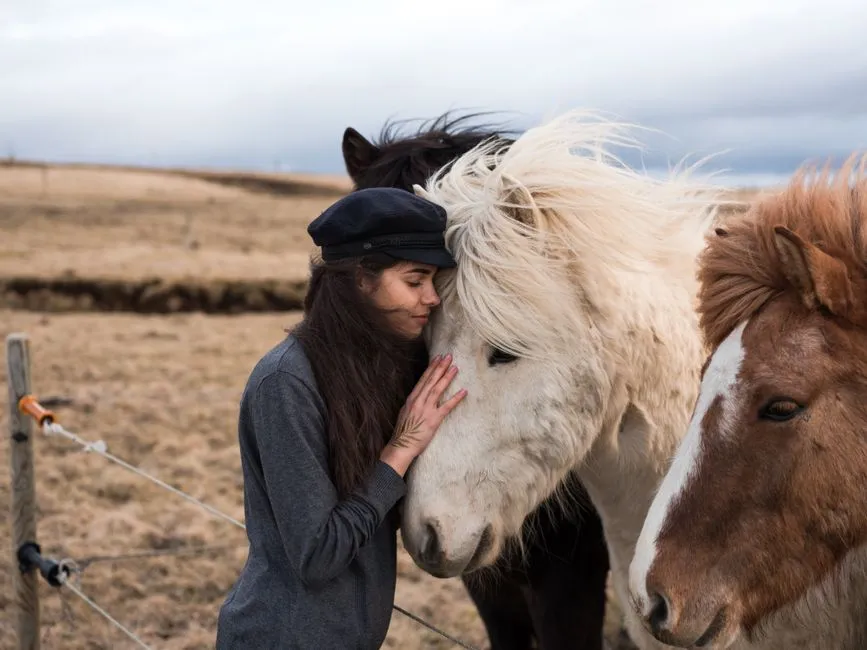
The most surprising sign of loyalty isn’t cute or Instagrammable. It’s what happens after you screw up in a big way. A truly loyal horse gives you another chance – even after a fall, a bad ride, or an unintentional scare. They might be wary for a moment, but they don’t hold it against you forever.
Maybe you accidentally catch them in the mouth, come off hard, or push too far in one session. You go home sick to your stomach, replaying every second of it. The next day, you walk into the stall braced for payback, and they just blink, step toward you, and breathe out like nothing broke. That doesn’t excuse rough handling, and it doesn’t mean there’s no training hole to fix. But when a prey animal that could easily choose self-preservation instead chooses to try with you again, that’s loyalty in its purest, most humbling form – and it’s the part too many riders take completely for granted.
The Bottom Line
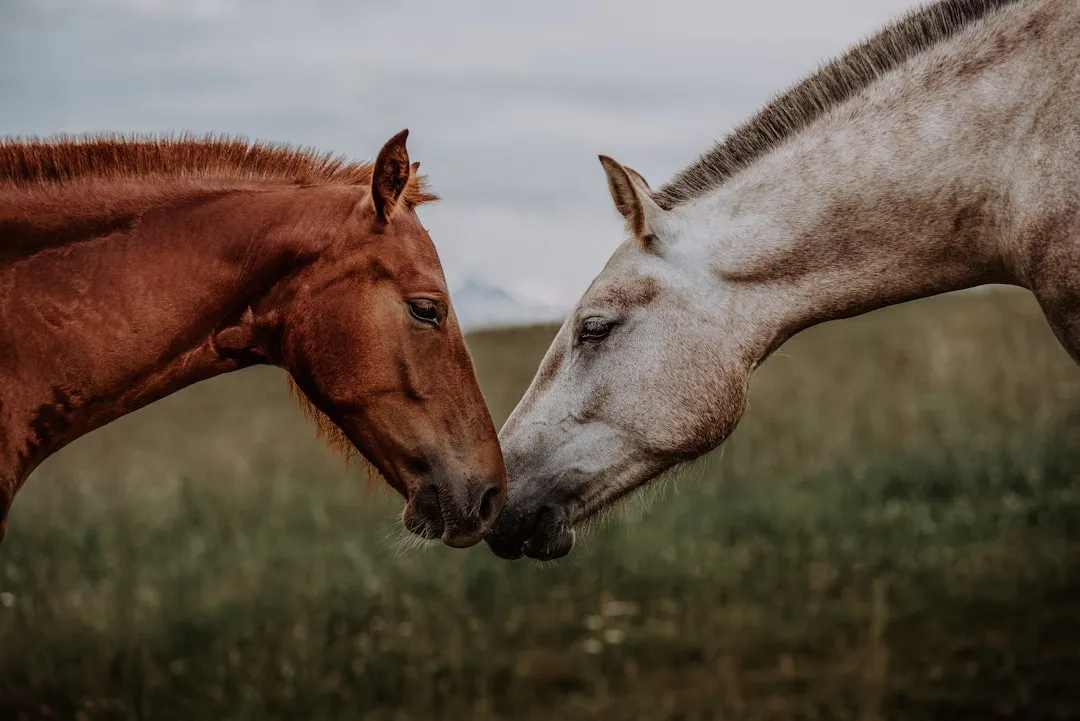
For all the romantic talk about “heart horses” online, the truth is painfully simple: real loyalty shows up in small, consistent choices, not big dramatic moments. A loyal horse doesn’t just pack you around safely. It checks in, waits up, forgives, and keeps trying – especially when fear or confusion kicks in.
That’s not about ribbons, tricks, or how much you spent on a saddle. It’s about whether your horse has decided you’re safer than its own instincts. Some riders are so focused on control that they miss the quiet signs of trust sitting right under their nose. Others insist horses can’t feel loyalty at all, which honestly says more about their horsemanship than about the animal.
If you recognize even half of these behaviors in your own horse, you’re sitting on a relationship people with fancier bloodlines would kill for. Did we miss a sign your horse gives you when it really trusts you? Drop it in the comments and let the other riders argue it out.
