
Most people assume the dogs groomers dread are the growly ones – fangs out, ears back, muzzle required before anyone touches a paw. That’s almost never the real nightmare.
The dogs that make an experienced groomer’s stomach drop the second they see a name on the schedule are usually the “cute” ones. The fluffy Instagram legends. The walking teddy bears everyone swoons over at the dog park. Behind that adorable face is often a full-body wrestling match wrapped in a hair blizzard – matting so deep it hides skin infections, coats that trap moisture like a sponge, and sweet-looking dogs who turn into escape artists the moment clippers buzz on. Owners rarely see it coming until the groomer has to explain why “just a trim” isn’t possible anymore.
#17 – Poodle: The Coat That Looks Easy But Isn’t
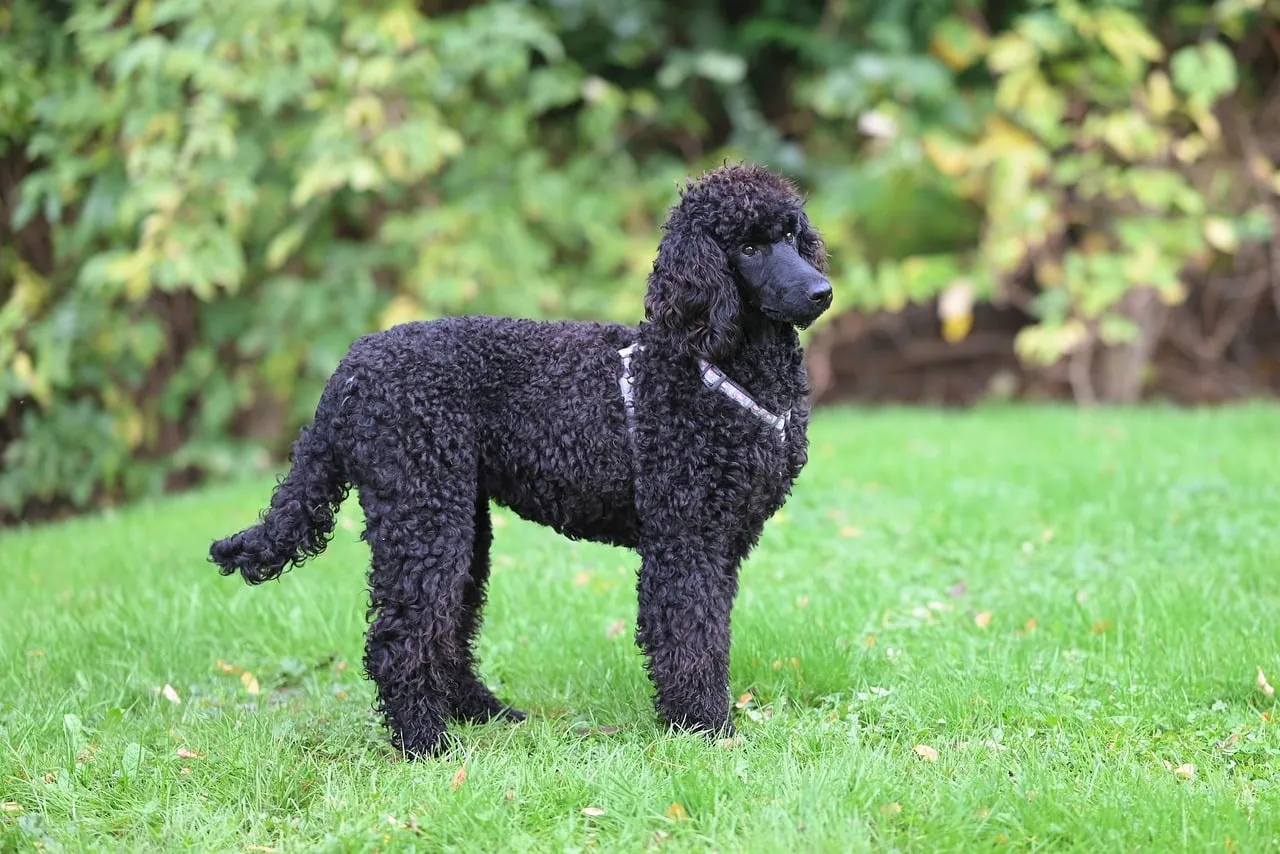
Every groomer will tell you Poodles are walking homework. That fluffy, non-shedding coat looks low-maintenance to the average owner, but it’s actually one of the highest-maintenance coats in the dog world.
It mats if you look at it wrong, holds moisture against the skin, and hides yeast, hot spots, and burrs way too easily. A Poodle bathed at home but not brushed out first becomes a matted sponge, forcing groomers into painful de-matting sessions or full shave-downs the owner never wanted.
Behaviorally, many Poodles are brilliant and hyper-sensitive, which cuts both ways. They read tension instantly and can escalate from slightly nervous to full meltdown in seconds, especially during the high-detail work on feet, faces, and tails. They’re not the worst on this list – but they’re never a “quick” dog either.
#16 – Bichon Frise: The Cloud That’s Secretly Felt
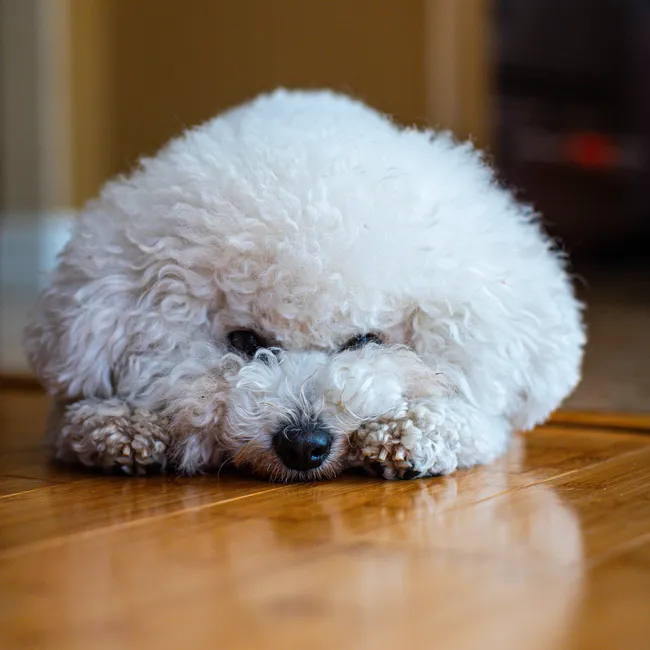
Most people see a cloud. Groomers see a three-dimensional geometry problem with legs. That plush, curly coat has to be scissored into a perfectly round head, balanced legs, and even body – every single visit.
Any matting turns that fluffy cloud into felt, especially around the collar line, armpits, and behind the ears. Many owners stretch 8–10 weeks between appointments, which is basically a guarantee the Bichon arrives as one solid tangle.
Some Bichons scream before the clipper even touches them. Tear staining leaves the face a wet, crusty mess, and sensitive skin means the wrong shampoo or a slightly dull blade can cause real irritation. They’re rarely dangerous – just time-consuming, high-pressure “showpiece” grooms where every tiny mistake shows.
#15 – Shih Tzu: The Topknot Hiding a Disaster
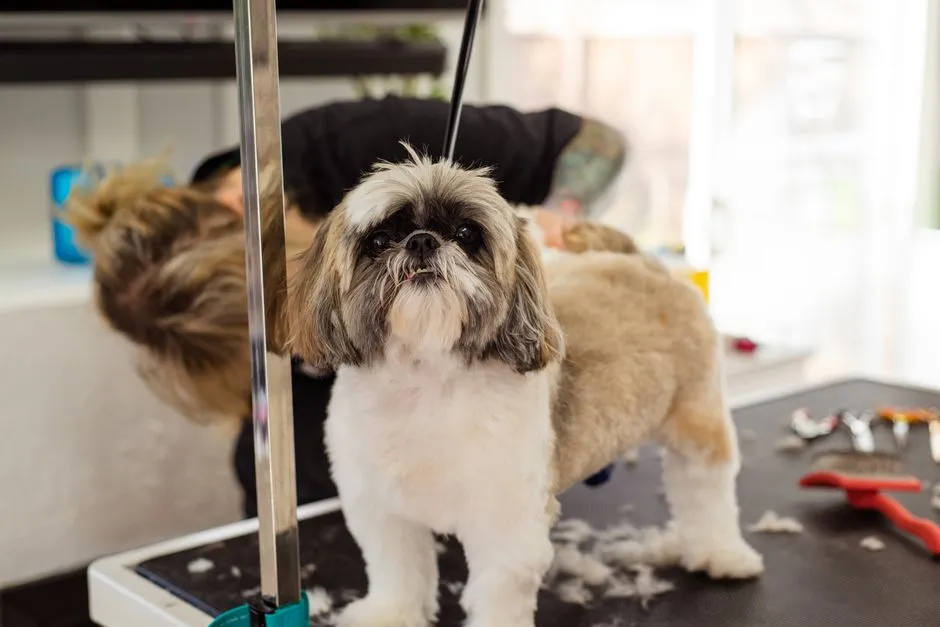
Shih Tzus are cute. Their coats are not. That long, drop coat is built for actual daily brushing, not “once in a while when I remember.”
In real life, plenty of Shih Tzus show up every 10–12 weeks with a cute topknot and a body that’s secretly one giant mat – armpits, groin, tail, and neck are the usual crime scenes. When the coat is this tangled, painful de-matting isn’t safe, so groomers have to shave much shorter than the owner expects.
Some Shih Tzus are angels. Others act like you’re removing their soul the second you touch their face. Eye and breathing issues mean extra caution around the muzzle even while the dog is thrashing. A lot of groomers dread the conversation more than the groom itself – explaining why the teddy-bear cut isn’t happening today.
#14 – Doodle Mixes: The Hype Nobody Warned You About
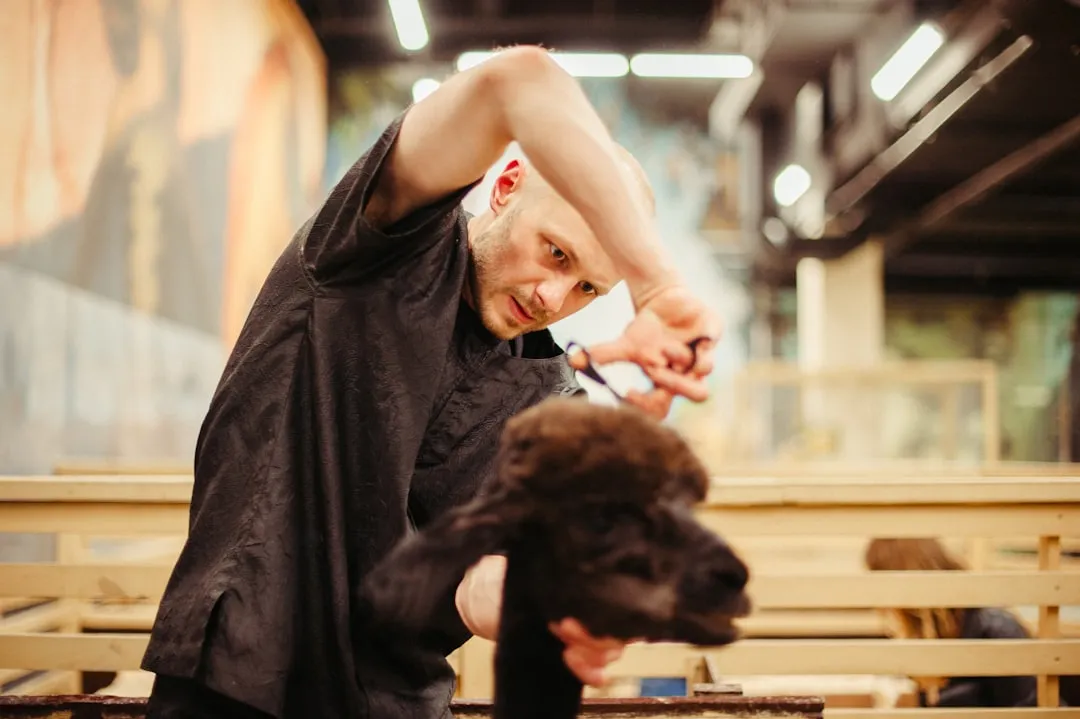
If there were a “Most Secretly Hated by Groomers” trophy, doodles would win it. The problem isn’t the dog – it’s the sales pitch. Many owners were promised a “low-maintenance, non-shedding, hypoallergenic” dream dog.
Reality: doodle coats often combine the worst traits of Poodles and retrievers – dense, curly, and prone to mats that form tight against the skin. Because shedding is minimal, all that dead hair stays trapped unless it’s brushed out properly and often.
Groomers see doodles in every coat type imaginable – wool, fleece, straight, cottony – most needing professional grooming every 4–6 weeks plus real at-home brushing. Instead, many arrive every few months soaked from a bath, mats already too tight to comb out. Add their size, energy, and forever-puppy wiggle, and a doodle groom becomes a full-body workout most owners never see coming.
Fast Facts
- Doodle coats can combine Poodle curl with retriever density, making them prone to skin-tight mats.
- Most groomers recommend professional appointments every 4–6 weeks for doodle-type coats.
- Non-shedding coats still shed – the hair just stays trapped in the coat instead of falling out.
- Daily or near-daily home brushing is the only real way to prevent salon-level matting.
#13 – Old English Sheepdog: The Tangle Factory
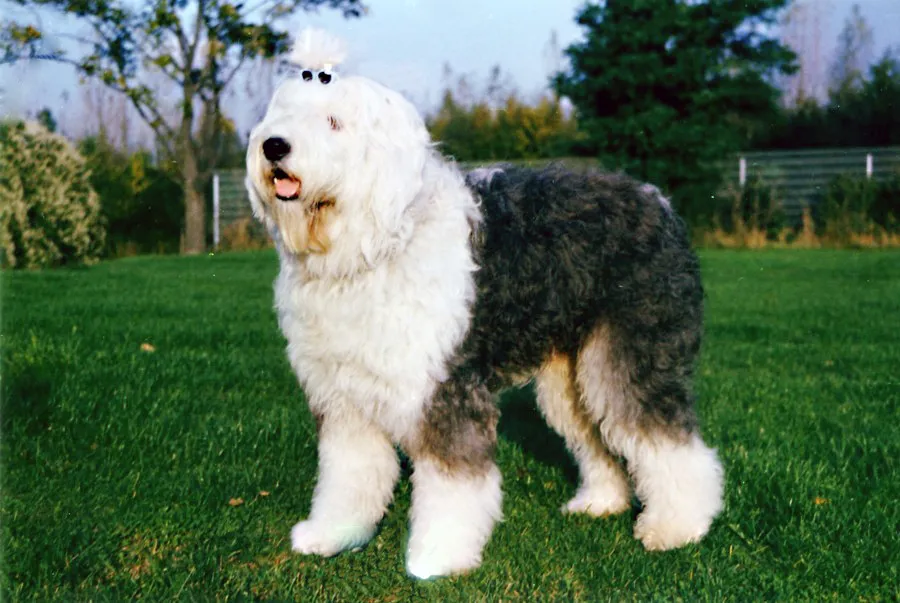
Everyone loves those shaggy movie-dog bangs. Groomers see a 70–90 pound tangle factory on four massive paws. The dense double coat mats from the skin outward, so a dog can look fluffy on top while hiding solid felt underneath.
A wet, unbrushed Sheepdog is a real-life horror story. Size makes everything harder – lifting, turning, and holding a giant dog safely takes strength, especially on slippery tables.
Many OES are sweet but goofy, leaning their full weight onto the groomer or simply flopping down mid-groom like a sack of concrete. Add thick coat, sensitive skin, and long grooming times, and it’s exhausting. Some groomers quietly stop booking this breed altogether.
#12 – Samoyed: Snowing Indoors
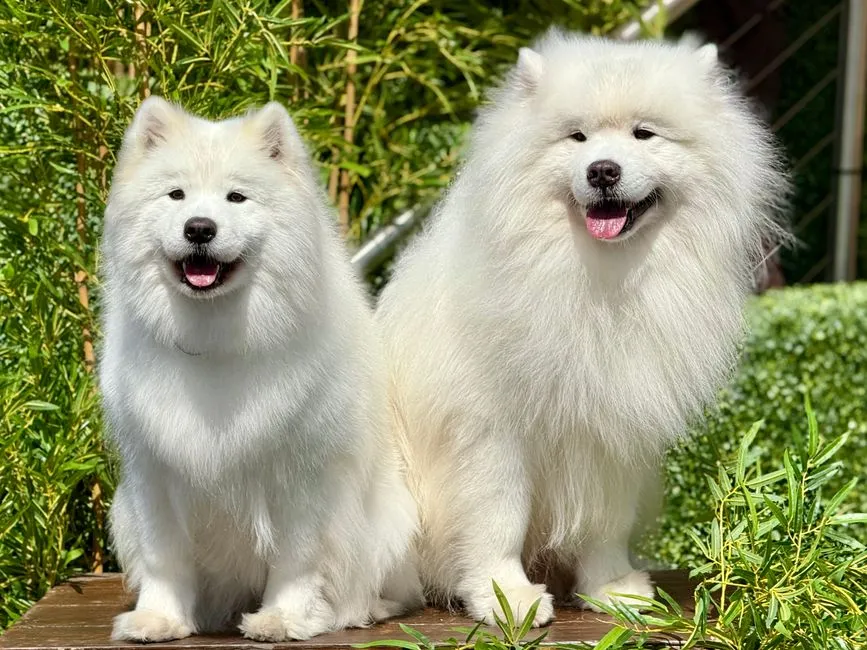
Samoyeds are Instagram gold and groomer fatigue in one package. That famous white “smiling” coat is actually a massive, insulating double coat that blows out in unbelievable quantities. When they’re shedding, it genuinely looks like it’s snowing indoors.
The undercoat tangles, traps dirt, and mats behind the ears, under the legs, and around the ruff. A proper bathe-and-blow-out can take ages and cover the whole salon in fur.
That bright white coat makes every stain obvious – tear, urine, saliva discoloration all need extra scrubbing. Some Samoyeds hate drying and brushing, which is the entire job, and many howl and “talk” through the whole appointment. The result is stunning; getting there is exhausting.
#11 – Chow Chow: The One-Bite Warning
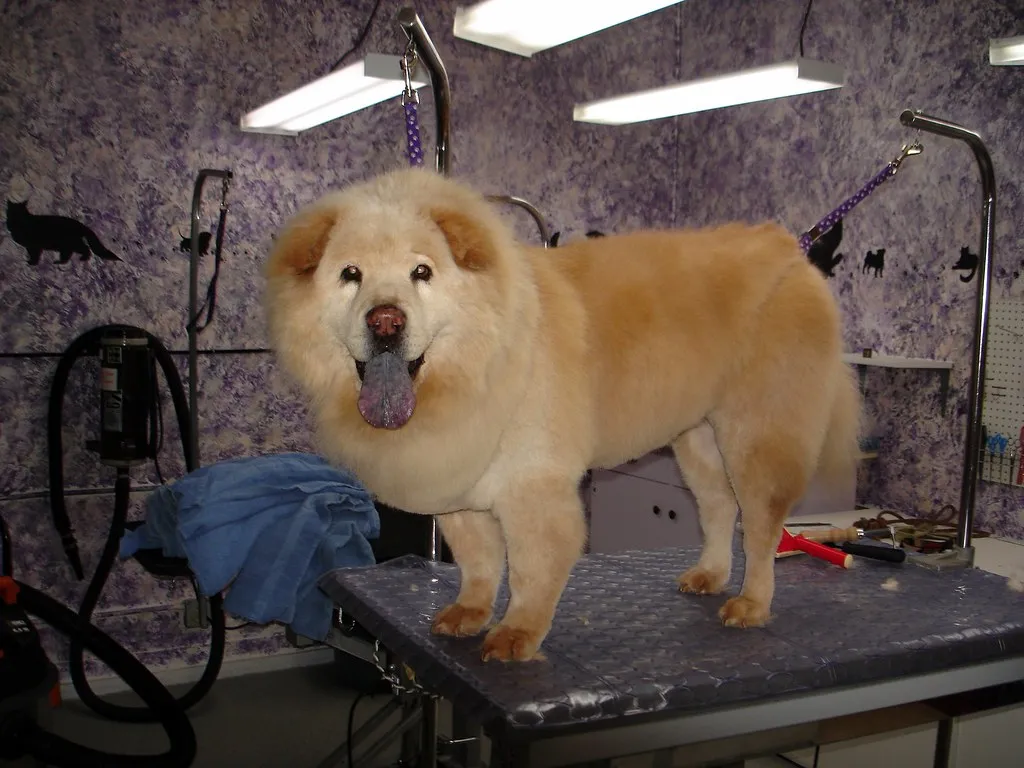
Chows are the breed many groomers won’t admit they’re nervous about – but they are. Coat-wise, you’re dealing with a thick, woolly double coat that mats fast in humid climates and hides skin issues underneath. Miss a moisture spot and infections brew unseen.
The bigger issue is temperament. A lot of Chows are reserved, suspicious, and intolerant of strangers touching them. Some are fine. Others give one warning and go straight to a bite.
Many hate their feet touched and loathe high-velocity dryers, so muzzle use is common. Owners often insist their Chow is “just a little grumpy.” Groomers know this breed demands slow handling and rock-solid safety protocols, full stop.
#10 – Akita: Hazard Pay Territory
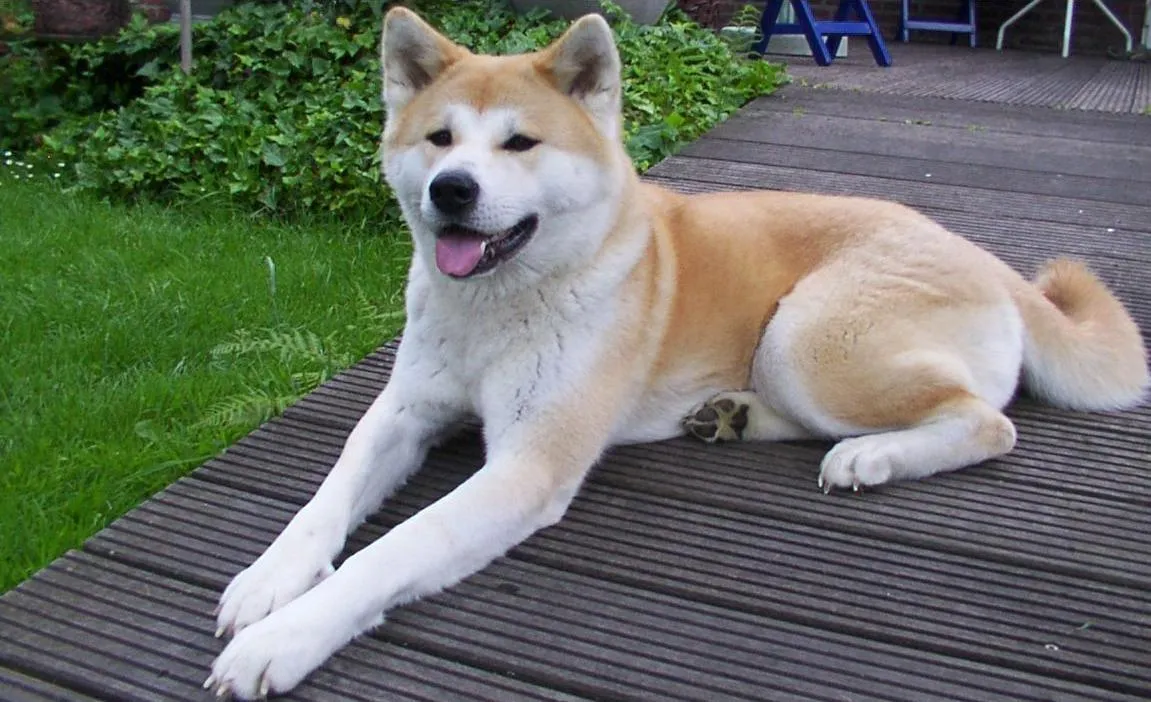
Akitas are impressive, loyal, and – for groomers – serious business. Their heavy double coat blows out in seasonal clumps big enough to stuff a pillow, and getting that undercoat out means intense brushing and powerful blow-drying while wrestling a big, strong dog the whole time.
Temperament-wise, Akitas are not golden retrievers. Many are stoic and tolerant, but some are reactive, especially around feet, tail, and hindquarters – and they can move fast if they decide they’re done, or offended.
A groomer has to treat every Akita with respect, clear boundaries, and backup safety equipment. You cannot push through an Akita’s objection; that’s exactly how bites happen. Some pros quietly charge extra for a reason.
#9 – Siberian Husky: The Loudest Dog in the Building
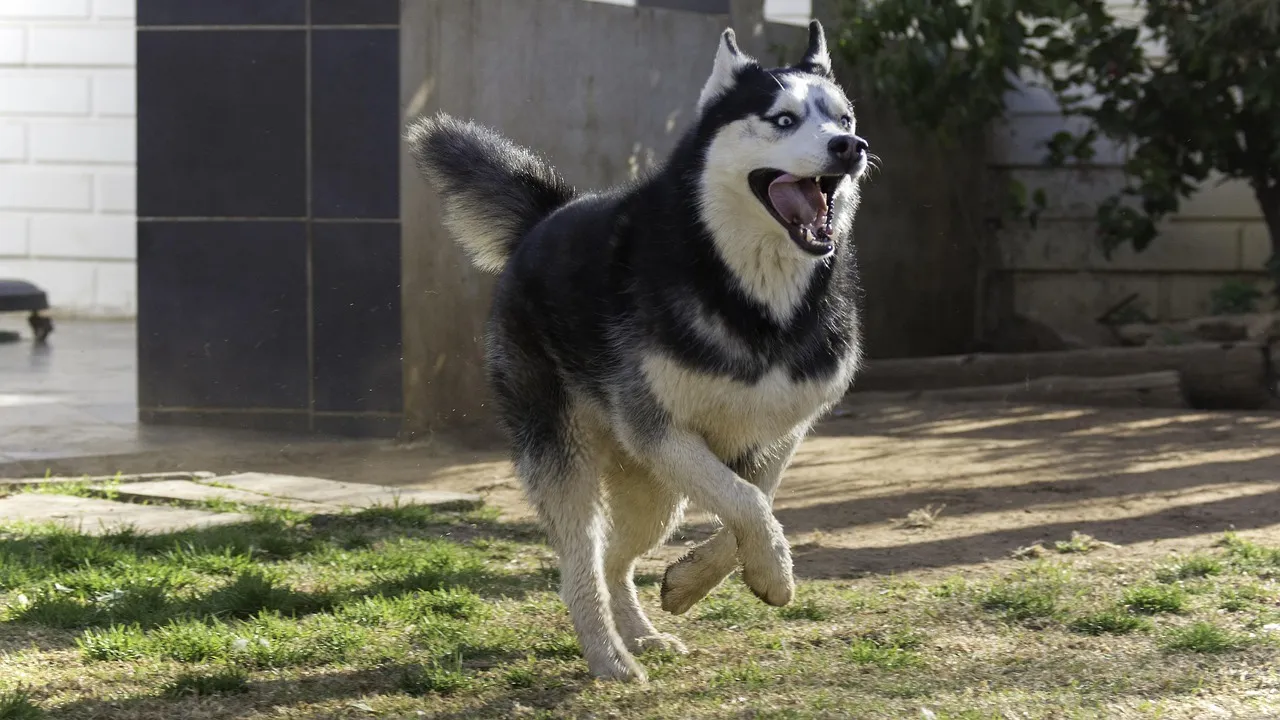
Ask any groomer which breed screams the loudest, and Huskies come up every time. They’re infamous for dramatic vocalizations and Olympic-level shedding – the double coat sheds year-round and “blows” seasonally, releasing enough undercoat to fill trash bags.
The bathe-and-blow-out process is long, noisy, and physically intense. Many Huskies hate dryers, nail trims, and restraint with their whole chest.
Some Huskies are angels. Others act like you’re staging a crime scene at every single step – thrashing, screaming, twisting, flinging themselves around, even at a modest size. Add coat that holds onto dirt and odor, and a full schedule of Huskies becomes the stuff of group-chat complaints.
At a Glance
- Double-coated breeds typically “blow” their undercoat twice a year, in spring and fall.
- A single deshedding session can remove several pounds of loose undercoat from a heavily coated dog.
- Trapped undercoat holds moisture, dirt, and odor long after a bath if it isn’t fully brushed out.
- High-velocity dryers release blown coat fastest, but many vocal breeds fight the noise and airflow.
#8 – Cocker Spaniel: More Stress Per Pound
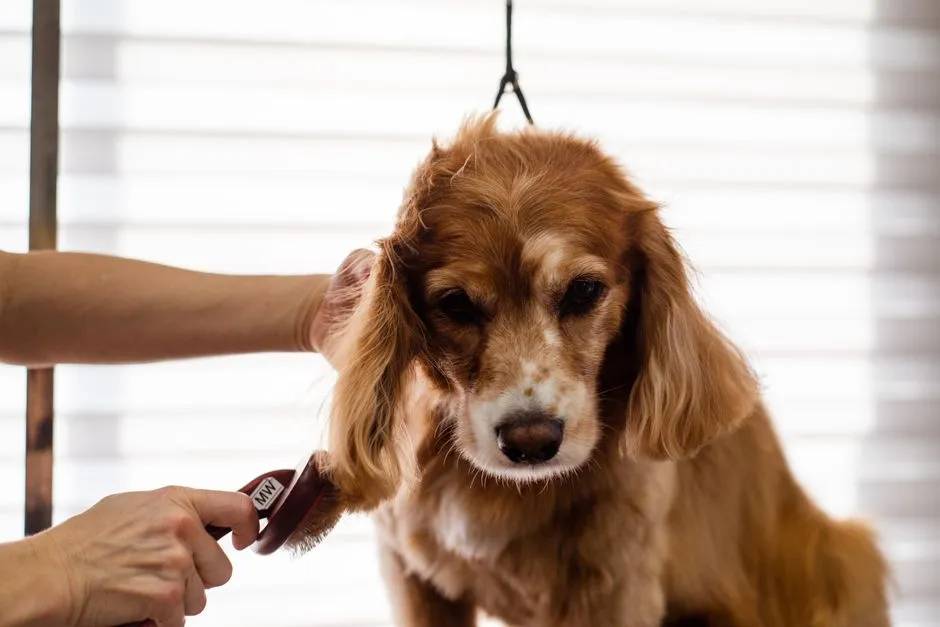
Cocker coats are deceptive. They look silky and romantic, but the grooming reality is a mess of constant ear issues, matting, and complicated trim patterns. Long furnishings on the ears, chest, belly, and legs mat easily if the dog gets wet and isn’t brushed after.
Thick ear leather and heavy ear coat trap moisture, meaning chronic infections, odor, and sensitivity groomers have to work around on top of the actual grooming.
Many Cockers hate their feet handled or clippers near their face, and some snap seemingly out of nowhere – usually because objecting has worked for them before. Breed-standard trims take real time, and pet owners often want the look without the in-between upkeep. Pound for pound, groomers say few breeds cause more stress.
#7 – Lhasa Apso: The Opinionated Cousin
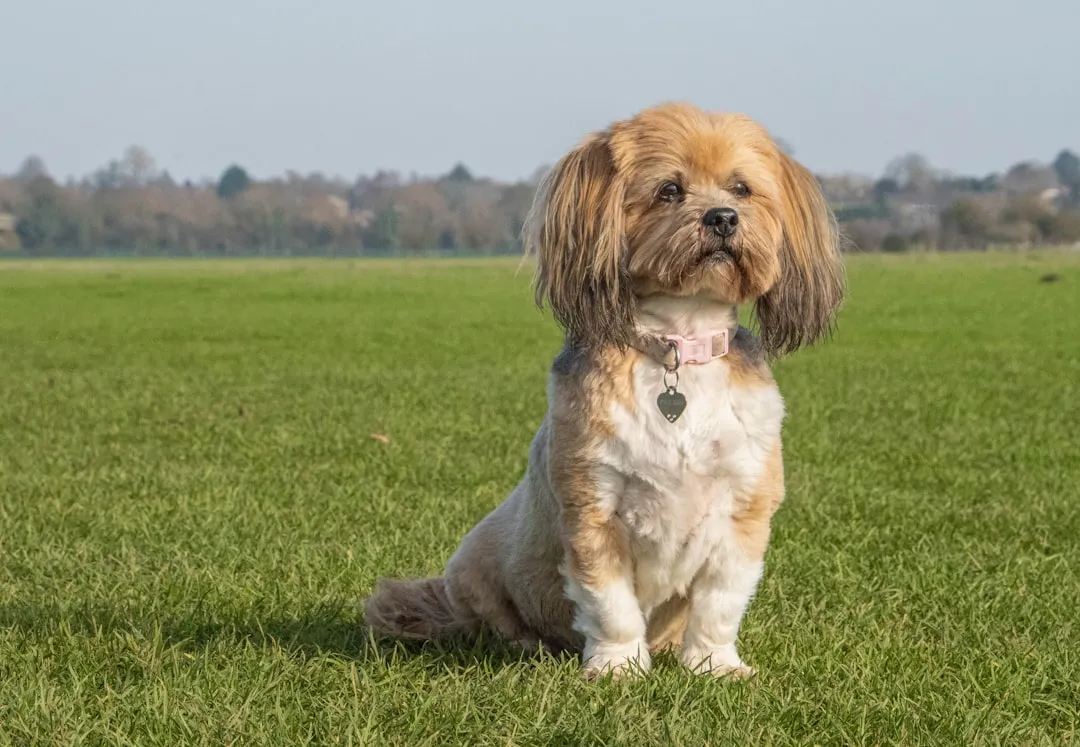
If a Shih Tzu is a challenge, a Lhasa Apso is its more opinionated cousin. Their dense, straight-to-wavy coat mats into plates if you miss even a week or two of real brushing, especially around the neck, behind the ears, and under the arms.
Once pelted, there’s no painless way to save length – the clippers have to go short, no matter what look the owner wanted.
Lhasas are notorious for strong boundaries. Many are sweet with their own people but intolerant of strangers messing with feet, face, and tail, and they can go from still to snapping fast, especially after a bad grooming memory. Groomers quietly celebrate when they find a genuinely tolerant Lhasa – it’s rarer than owners think.
#6 – Yorkshire Terrier: Tiny Dog, Enormous Attitude
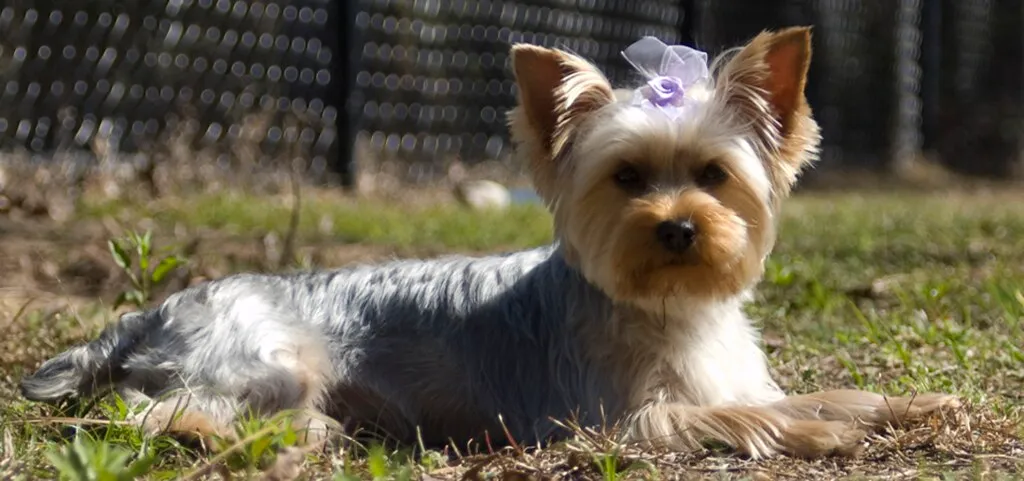
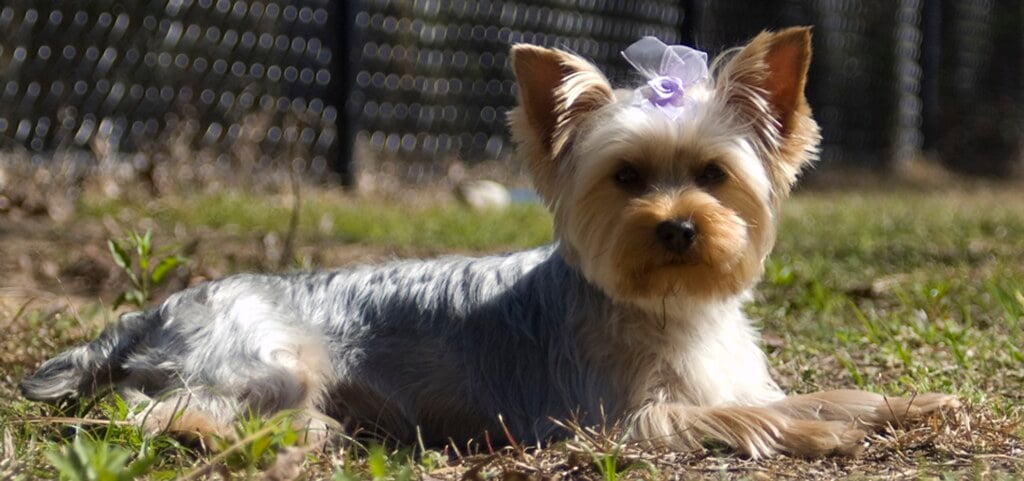
You’d think small size makes Yorkies easy. Groomers disagree. Their human-like hair tangles into tight little knots that hide right against the skin, especially under sweaters and harnesses.
Owners often want long, flowing hair and bows but rarely commit to the near-daily brushing that style demands. A matted Yorkie is tricky to save without nicking the thin, delicate skin underneath.
Many Yorkies are bold, vocal, and not shy about using their teeth – and because they’re tiny, owners often laugh off nipping that would be a serious problem in a bigger dog. Face and muzzle trims on a wiggly, sharp-toothed Yorkie are nerve-wracking. “Just a quick trim” on a Yorkie almost never is.
#5 – Maltese: Snowballs With Velcro Coats
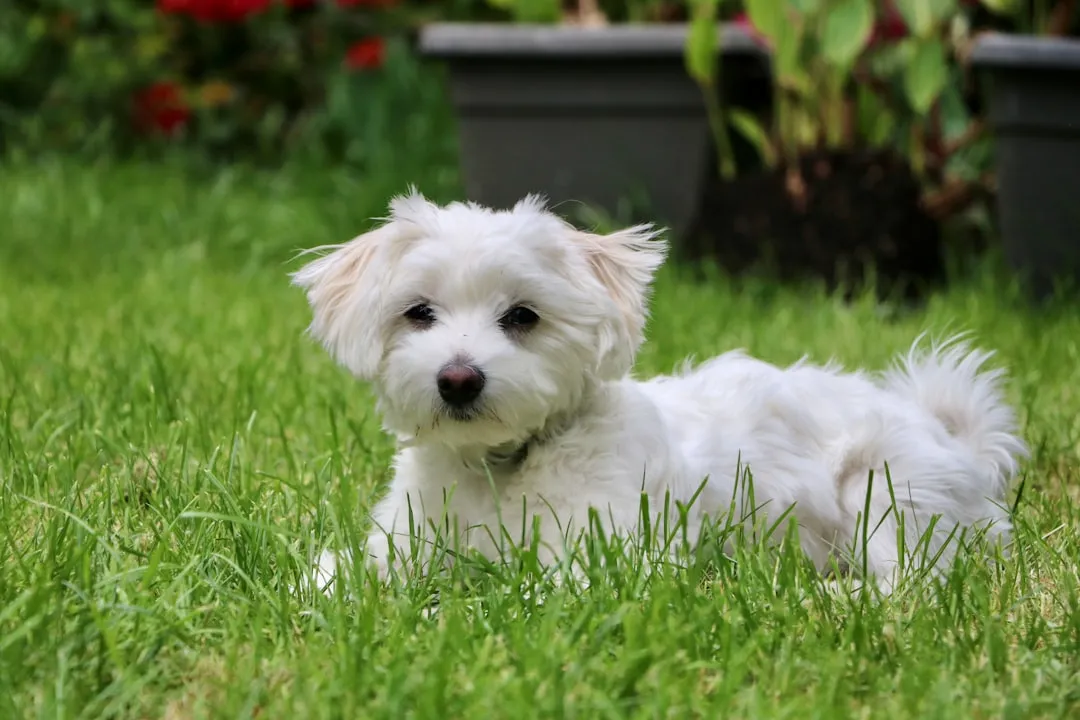
Maltese are marketed as little white angels. Groomers see them as snowballs with Velcro coats. Their silky white hair mats fast, especially once tear staining, saliva, or food debris get tangled into the facial hair.
Skip the brushing and the coat forms tight mats along the body, legs, and behind the ears – saving any length becomes a major, sometimes impossible de-matting project.
They’re prone to staining and skin sensitivity, meaning gentler shampoo, slower handling, and careful drying every time. Many Maltese are anxious and trembly on the table, which makes precision scissoring near the eyes genuinely risky. Explaining why a shave-down is the only humane option can be just as draining as the groom itself.
Worth Knowing
- White and light-colored coats show tear staining, saliva, and dirt far more obviously than darker coats.
- Facial hair on small breeds mats fastest, since food, water, and tears collect there daily.
- Gentler, tear-stain-safe shampoos and slower drying help protect sensitive skin underneath.
- An anxious dog on the table often benefits more from shorter, frequent visits than long, infrequent ones.
#4 – Great Pyrenees: The Wool Mattress That Walks
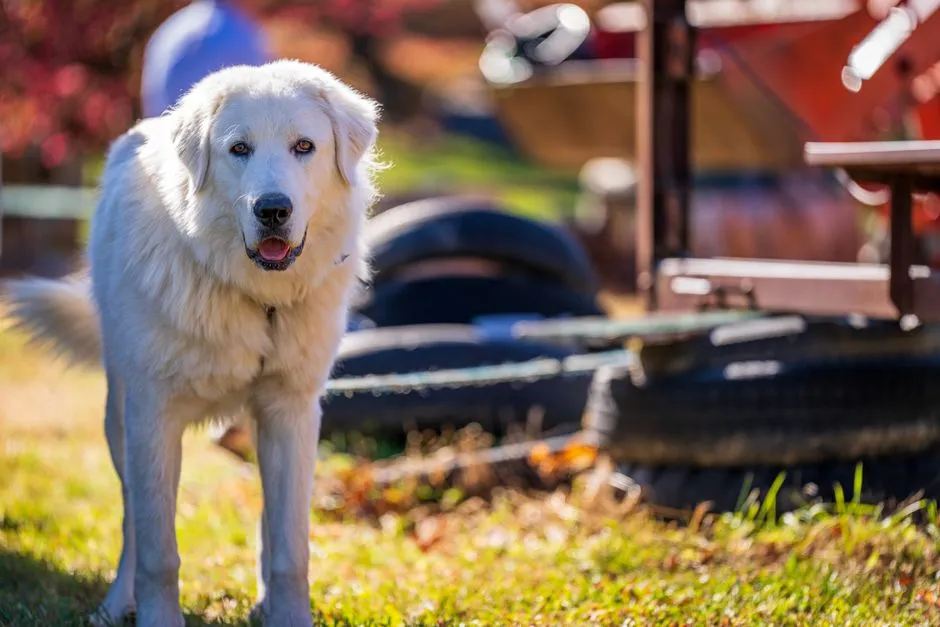
A Great Pyrenees appointment is like agreeing to wash and blow-dry a wool mattress that can get up and leave. Their massive, weatherproof double coat is built to survive snow, mud, and predators – and also builds insane tangles and impacted undercoat.
Left unbrushed, that undercoat clumps behind the ears, under the tail, and around the pants. Brushing out a neglected Pyr can eat up hours.
Size is the real killer. Grooming tables strain under their weight, and lifting or turning them often takes a second person. Some are stoic and cooperative. Others simply decide to lie down and not move. When a Pyr sheds, it’s a blizzard – the cleanup alone can feel like an extra unpaid job.
#3 – Bernese Mountain Dog: Trash Bags of Fur
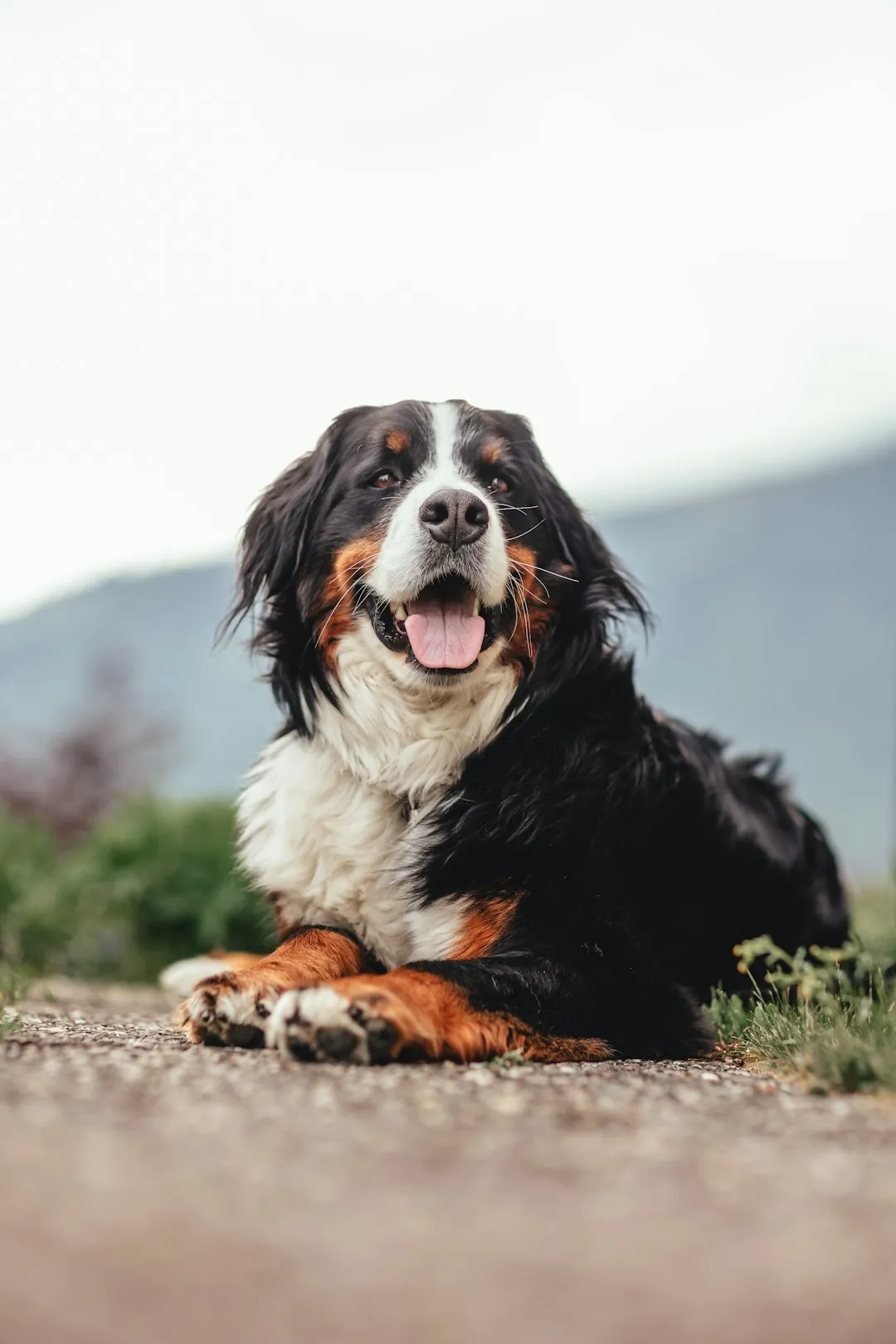
Berners are incredibly lovable, which makes it harder to admit how tough they are to groom. Their tri-colored double coat is dense, thick, and sheds enough to fill multiple trash bags every visit. The undercoat compacts fast around the rear, chest, and ears if it’s not brushed regularly.
Once compacted, removing it is painful for the dog and grueling for the groomer.
Berners are often 80-plus pounds and many are soft-natured but wimpy about their feet, tail, and rear being handled – not unusual for one to just sit down mid-groom and refuse to move, right when you need access to the back end. Heat sensitivity adds another layer of caution during drying. A single Berner can eat up a huge chunk of a groomer’s day, even on a good day.
#2 – Newfoundland: 100 Pounds of Wet Dog
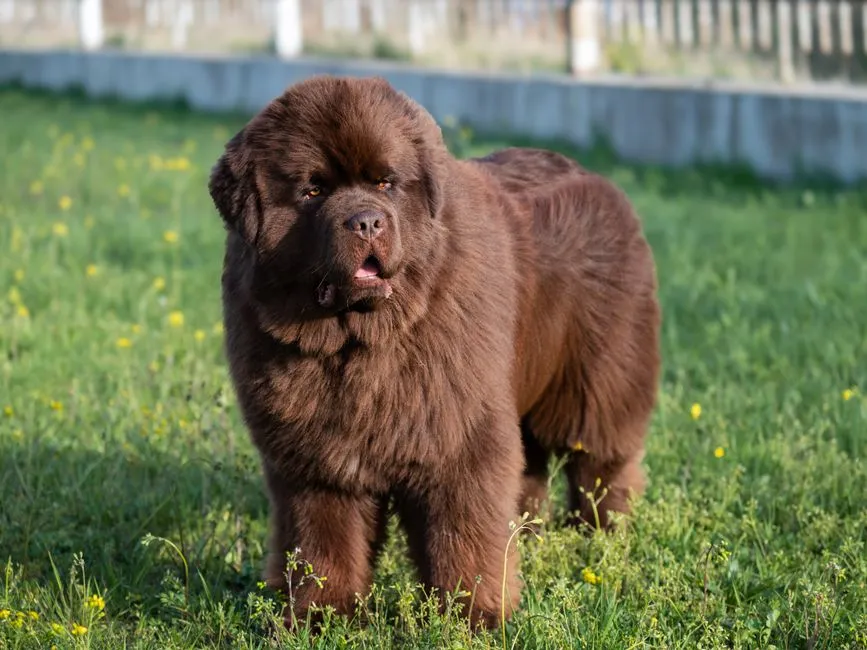
Newfies are water-loving giants with coats that prove it. Their fur is thick, oily, and designed to repel water, which makes getting them truly clean and dry a genuine ordeal. Shampoo doesn’t always penetrate easily, and drying can take a very long time.
If they’re not completely dry, that lingering dampness near the skin can trigger hot spots and infections – exactly what groomers are trying to avoid.
We’re talking 100–150 pounds of wet, slippery dog in a tub, often not thrilled about standing still. Many are sweet-tempered but lean, sit, and lie down at the worst possible moments, especially when you need access to feet and sanitary areas. Add heavy ears that hide moisture and drool that cakes into chest fur, and you’ve got a full-body project every single time.
Quick Compare: Giant-Breed Grooming Demands
- Great Pyrenees: Weatherproof double coat, heavy shedding, impacted undercoat around the pants.
- Bernese Mountain Dog: Tri-colored double coat that compacts fast around the rear and chest.
- Newfoundland: Oily, water-resistant coat that can take a very long time to fully dry.
#1 – The Neglected-Coat Combo: The True Nightmare
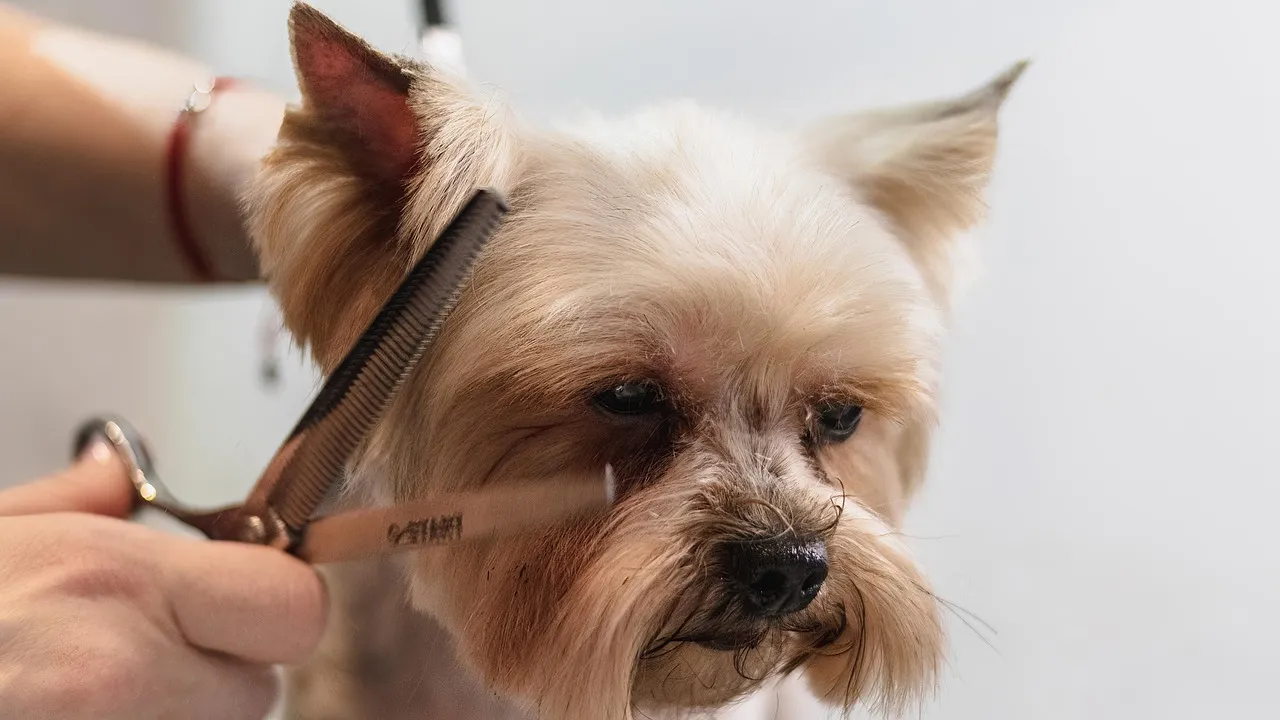
Ask groomers what they really dread, and most won’t name one specific breed. They’ll describe a situation instead: any small-to-medium long-coated dog – especially Lhasas, Shih Tzus, and doodles – arriving severely matted after months of “we brush sometimes.”
This is the real nightmare slot. The breed matters less than the condition – thick mats at the skin, tight around joints, ears, armpits, and groin, sometimes tangled with urine, feces, or embedded debris. Owners often request “just a trim, not too short,” not realizing that’s physically impossible without causing real pain.
The dog is already uncomfortable, scared, and sore before anyone even touches a clipper. Groomers face a no-win choice: hours of painful de-matting many consider unethical, or a full shave-down and an upset owner. It’s the one collision of breed, condition, and expectation that almost every groomer genuinely dreads.
The Bottom Line
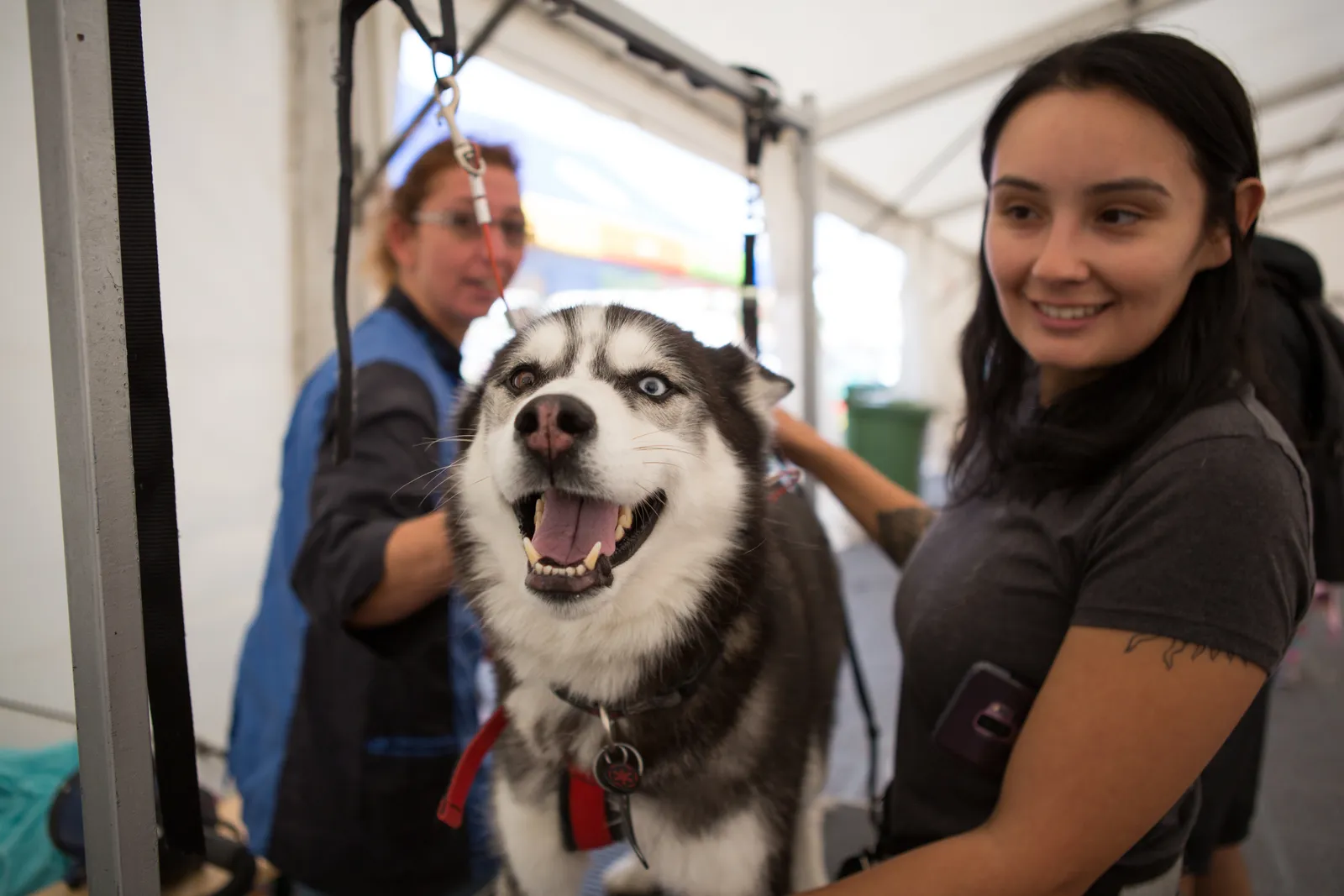
Groomers don’t secretly hate specific breeds because they’re “bad dogs.” They dread the combination: high-maintenance coats, big bodies, fragile skin, and owners who had no idea what they were signing up for.
Fluffy, non-shedding, double-coated, and long-haired breeds are work – real, ongoing, weekly work. Skip the daily brushing, stretch the scheduling, skip the handling practice, and the fallout lands squarely on the grooming table as mats, fear, and risky behavior nobody wanted.
Here’s the part most owners never hear out loud: with proper coat care and realistic expectations, even the toughest breed on this list can become a groomer’s easy regular. The dogs aren’t the problem. The gap between the coat they actually have and the coat their owner imagined – that’s the real nightmare on the schedule.
